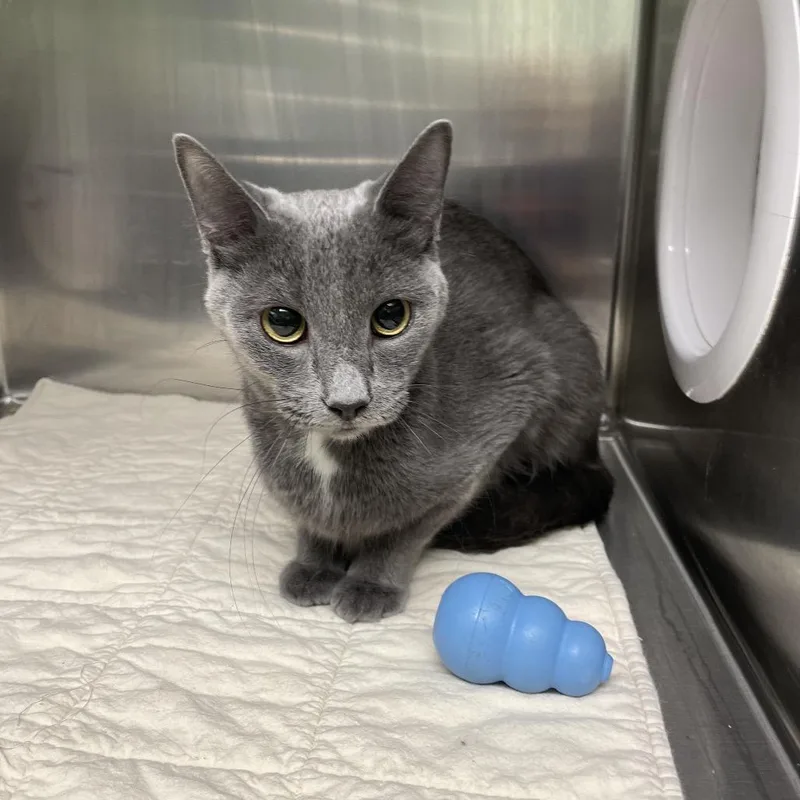
Cymric Cats for Adoption in Georgetown, KY

Your guide to finding and caring for a Cymric in Georgetown

A Cymric is a good match for Georgetown's older homes near downtown, where a sunny window and a tall cat tree make a fine afternoon. These round, playful cats like to be wherever their person is, so a house on the sidewalked blocks around East Main Street or a rental close to Court Street works if someone is home for part of the day. They jump high, so plan on shelves and a sturdy tree. Their thick coat needs brushing a few times a week.

453 cats similar to Cymric available in Georgetown and nationwide

A Cymric is ready for you

While we don't have enough cats near Georgetown, keep in mind that many rescues may offer transport.

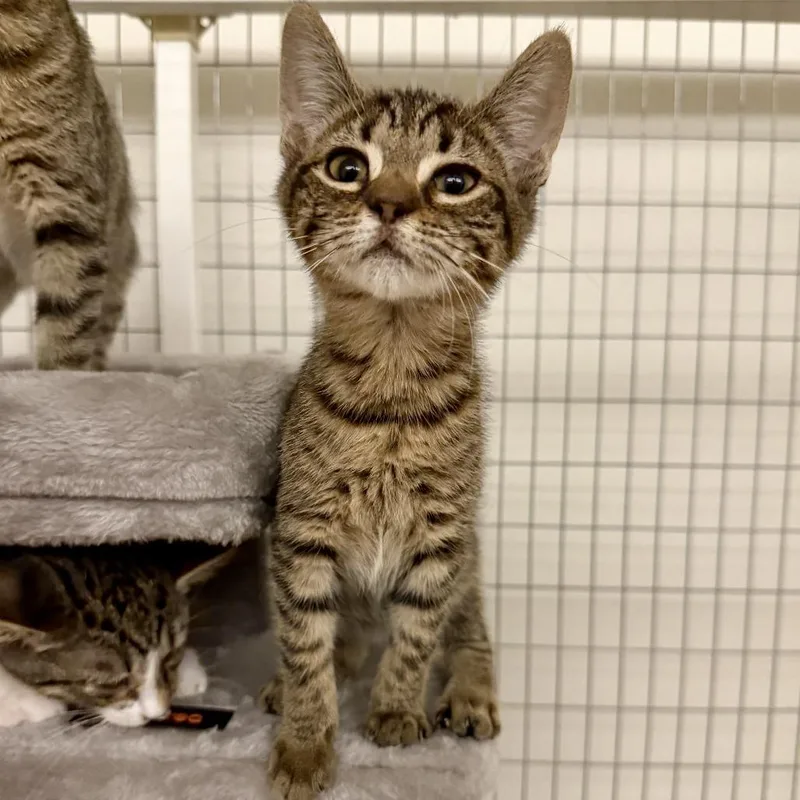
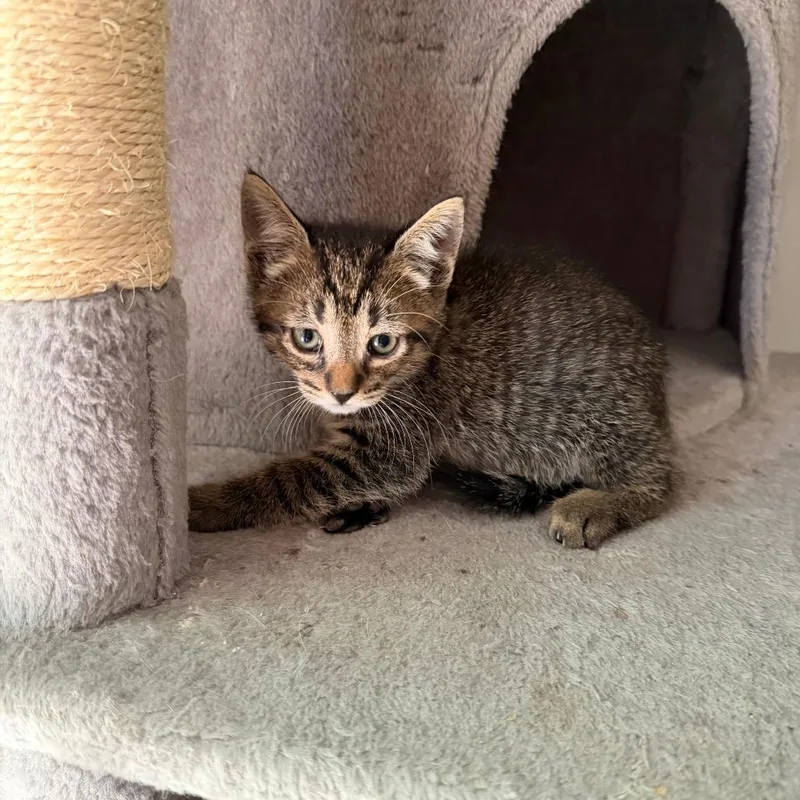
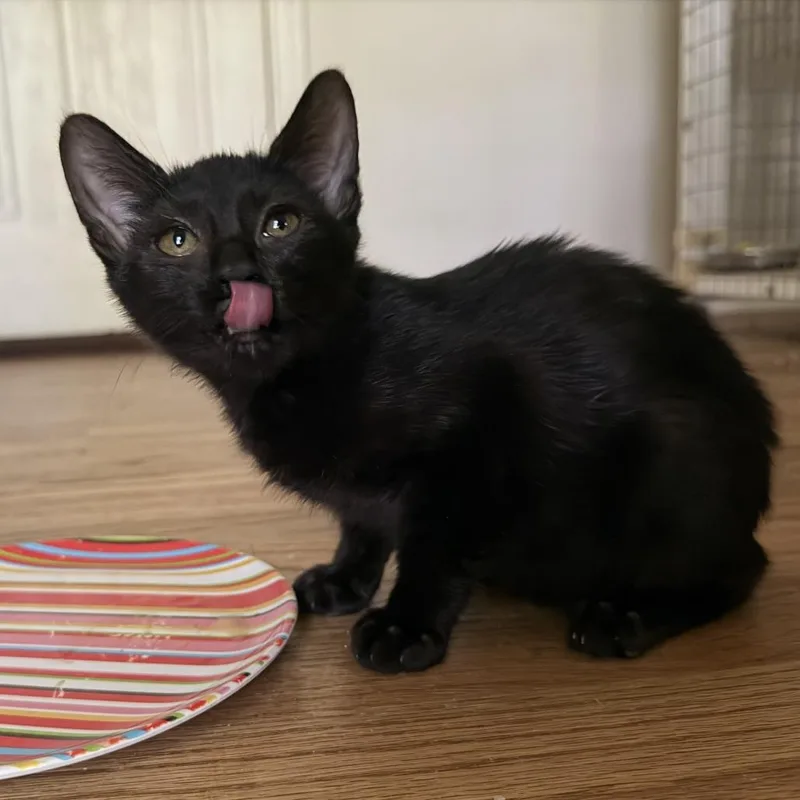
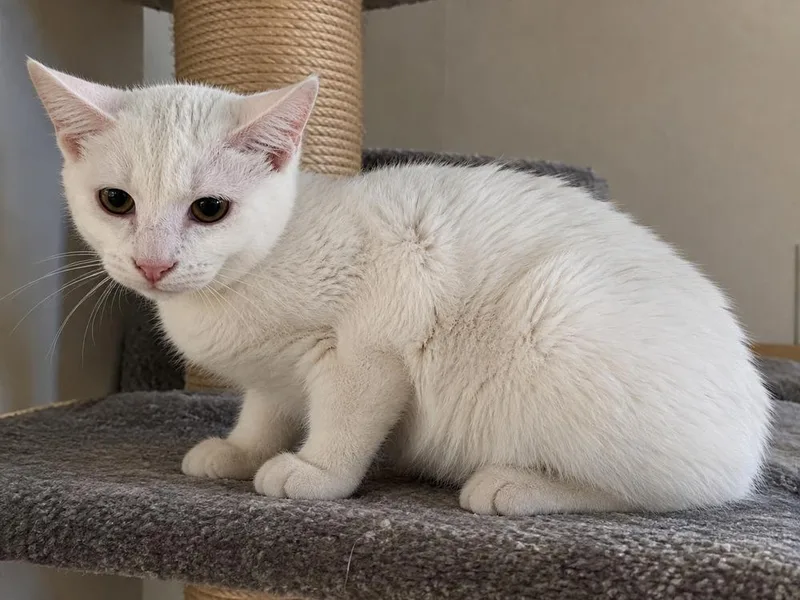
Cymrics and Similar Breeds Available for Adoption Near Georgetown

About the Cymric breed

The Cymric is the longhaired version of the Manx, a medium cat that usually weighs 7 to 13 pounds. It has a round, sturdy build, hind legs longer than its front legs and a rounded rump. Tails range from none at all to full length, and the dense, silky double coat comes in every color. Cymrics mature slowly, so a young cat may keep its kitten energy for a couple of years.

Many Cymrics are gentle, smart and attached to one or two people, and some even play fetch. Because the gene behind a short tail can affect the spine, a veterinarian should check mobility and litter box habits soon after adoption. Cats listed as Cymrics are sometimes longhaired, bobtailed mixes, so expect some variety in looks and needs.

Weight
7–13 lbs
Height
8–11 in
Lifespan
9–14 yrs
Temperament
Playful, Loyal, Intelligent
Shedding
Moderate to High

Owning a Cymric in Georgetown

Having a Cymric in Georgetown

Cymrics pair a round, plush look with a busy, people-focused streak. The short-tail gene, spine health and a dense double coat shape daily care, so knowing them in advance helps adopters plan for both the playtime and the upkeep.

Temperament

Cymrics are often affectionate and playful, and many bond closely with one or two people. They tend to follow their person from room to room, which suits Georgetown households where someone is home part of the day. Long stretches alone can bother them. A cat's history and socialization matter, so watch how each cat greets and plays.

Exercise Needs

Plan on daily interactive play: wand toys, small balls to fetch and plenty of climbing. Strong hind legs make Cymrics big jumpers, so a sturdy, tall cat tree and a window perch matter more than outdoor space. Puzzle feeders add mental work. A cat with hind-end trouble may need gentler play, guided by a veterinarian.

Health Considerations

The gene behind a short tail can cause Manx syndrome, a spinal problem affecting the hind legs, bladder and bowel, usually apparent before four months of age. Some tailless cats develop arthritis in the lower spine, and the dense coat can mat. Watch walking and litter box habits, and have a veterinarian examine the spine.

Living Space

Cymrics adapt to a house or an apartment if they have vertical space and company. An older home near downtown or a place in a newer part of town like Champion Way can both work. Choose a sturdy tree and a litter box with a low entry, and keep the cat indoors for safety.

What it costs to own a Cymric in Georgetown

ExpenseTypical costPer year
Food$25 to $50 per month$300 to $600
Pet insurance$30 to $60 per month$360 to $720
Routine vet care$150 to $350 per year$150 to $350
Other*$500 to $1,250 per year$500 to $1,250
Estimated yearly total (after year one)$1,310 to $2,920

Other costs are estimates and vary with size, age and health.

* Litter, flea and parasite prevention, a dental cleaning allowance, toys and supplies, and brushing tools for the dense long coat.

Adopt a Cymric in Georgetown.

Now that you know more, let’s find you a new best friend. These rescues and shelters below currently have Cymrics available.

Rescues in Georgetown with Cymrics Available

Georgetown's rescue community includes the county shelter and a volunteer-run humane society that work closely together. Here are the rescues & shelters in the Georgetown area where you can find Cymrics and other cats available for adoption.

Frequently Asked Questions

Yes, a Cymric fits Georgetown well when someone is home for part of the day. These social, playful cats do fine in a downtown rental or a house, and indoor living keeps them safe. Plan for a tall cat tree, daily play and regular brushing. Cats vary, so a Cymric's own habits matter more than the breed label.

Yes, no breed-specific rule for cats is known in Georgetown. Kentucky law requires rabies vaccination by four months of age, and landlords can set their own pet rules. Cymrics are uncommon, so watch the listings on this page and save a search to hear when a new cat appears.

Yes, a Cymric can live happily in an apartment as long as it has vertical space, daily play and company. Add a window perch, a sturdy tree and a low-entry litter box. Get the building's pet policy, deposit and any pet rent in writing, because Kentucky's rules on pet fees aren't clear-cut.

Yes, but only in a secured carrier. Georgetown's Bluegrass RIDE buses are fare-free and run Monday through Saturday on two local routes, and non-service pets must travel in a carrier. Practice carrier training at home first, and choose a sturdy, well-ventilated carrier that fits a medium cat of up to 13 pounds.

Yes, the dense double coat handles Georgetown winters well for a cat that lives indoors. Offer a warm bed away from drafts and keep the cat inside on icy days. Heat is the bigger concern: humid July and August afternoons call for shade, water and a cool room.

Plan on brushing two to three times a week, and daily during spring and fall shedding, focusing on the britches, ruff and behind the ears where mats form. Georgetown's humid summers and dry heated winters can both tangle the coat. Home brushing keeps costs low, and any professional grooming fits within the yearly Other budget of $500 to $1,250.

No, Cymric cats are not hypoallergenic. They produce the same Fel d 1 allergen as other cats, found in saliva, skin and dander, and their dense double coat spreads shed hair around the home. Some people with mild allergies cope with frequent brushing, air purifiers and cat-free bedrooms, but spending time with the specific cat before adopting is the safest test.

Yes, Cymric cats are uncommon. They are a small breed in registration numbers, and few appear in shelters compared with domestic longhairs. Many tailless or short-tailed longhaired cats in rescues are mixed-breed cats with a bobtail look rather than pedigreed Cymrics. Breed-specific rescues and adoption listings sometimes include Manx and Cymric cats, so patience and saved searches help.

We have 1 rescue with Cymrics available: Saved By Fate Dog Rescue. You can see every rescue with Cymrics available in the list above these questions.

Plan on roughly $1,300 to $2,900 a year for a Cymric in Georgetown. Food runs $25 to $50 a month and insurance $30 to $60, while routine vet care is $150 to $350 a year. Other costs, including litter, parasite prevention, dental care, supplies and grooming, add $500 to $1,250. Price insurance early because of the breed's spinal risk.