Domestic Long Hair Cats for Adoption in Kansas City, KS

Your guide to finding and caring for a Domestic Long Hair in KCK

Domestic Long Hairs fit KCK's apartments and houses equally well, since they mostly need a sunny window and a brush. Whether you're renting along State Avenue in Midtown or settling into a quieter corner of Piper, a fluffy cat does fine indoors with a scratching post and a perch by the window. Brushing a few times a week keeps mats away, and thick coats make July humidity harder than January cold. The label describes a coat, not a breed, so personalities run from lap cat to explorer.

5936 Domestic Long Hairs available in Kansas City and nationwide

Your Domestic Long Hair is waiting

Domestic Long Hairs Available for Adoption Near Kansas City

About the Domestic Long Hair breed

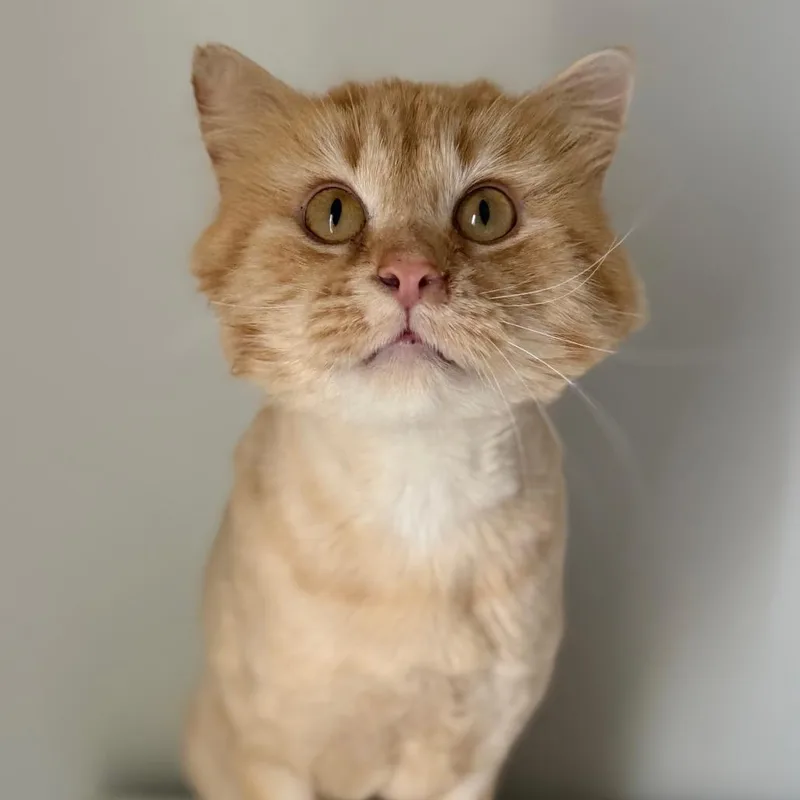
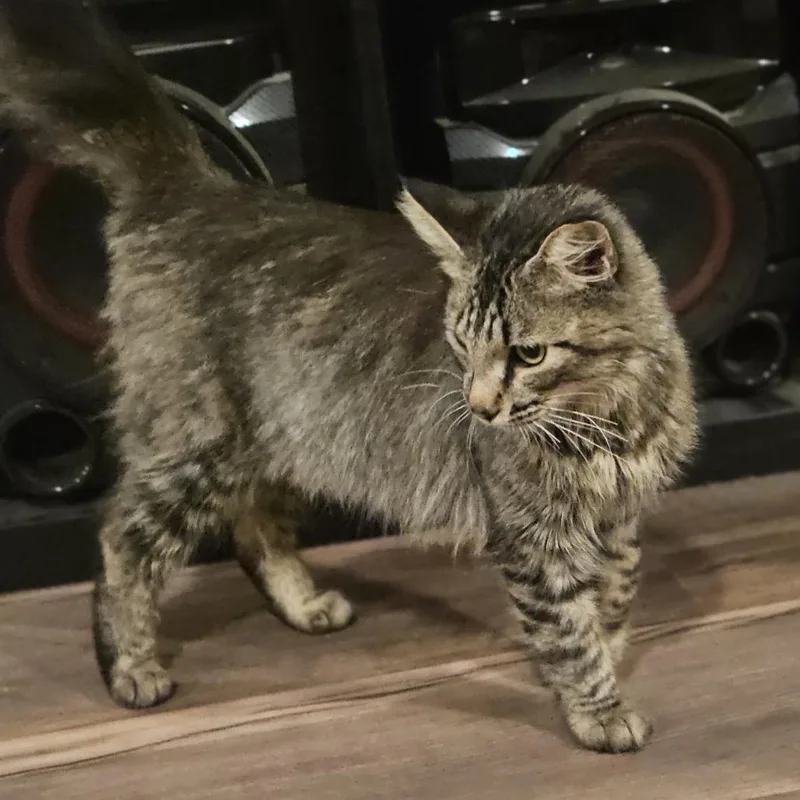
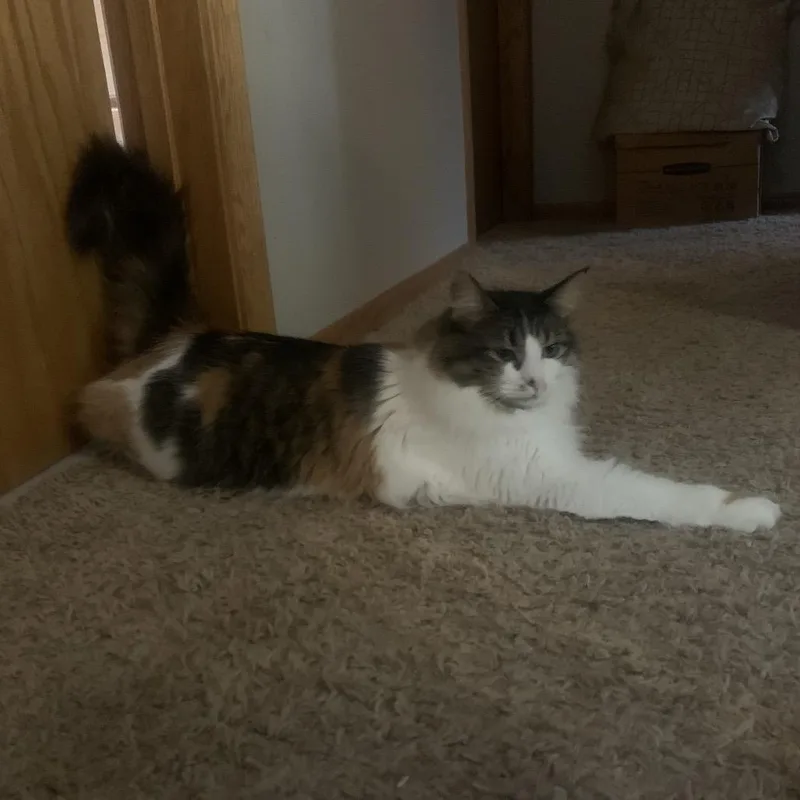
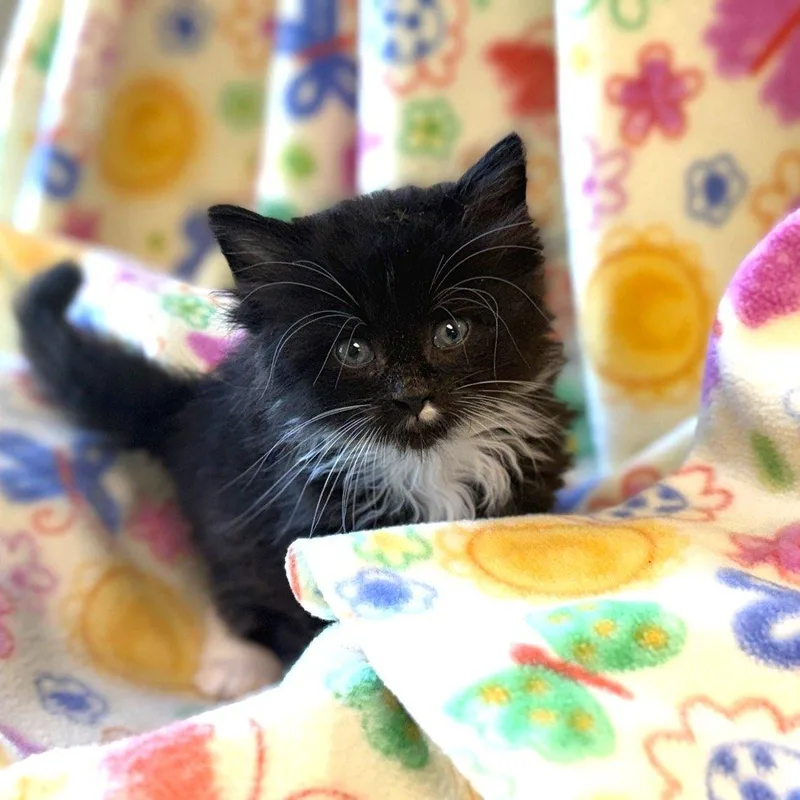
Domestic Long Hair is a shelter label for a mixed-ancestry cat with a medium-to-long coat, not a recognized breed. These cats come in every color and pattern, from tabby and calico to smoke and solid black, and some resemble a Maine Coon or Persian without sharing that ancestry. Most adults weigh 8 to 15 pounds, and the long fur can make them look bigger.

Because there's no breed standard, size, coat texture and personality differ from cat to cat. What they share is a coat that needs regular brushing to prevent mats and hairballs. In KCK, where winters bring freezing nights and summers turn humid, that coat does real work, so plan on a comb, a cool spot to rest and a routine you can keep up. Meeting the cat tells you more than the label.

Weight
8–15 lbs
Height
8–11 in
Lifespan
12–18 yrs
Temperament
Adaptable, Affectionate, Gentle
Shedding
Moderate to High

Owning a Domestic Long Hair in Kansas City

Having a Domestic Long Hair in KCK

Domestic Long Hair describes a coat, not a pedigree, so traits vary widely from cat to cat. What matters most in KCK is the cat's own personality, the brushing a long coat demands and keeping the cat comfortable through humid summers.

Temperament

Personality comes from each cat's genes, early socialization and life experience rather than a breed profile. Many Domestic Long Hairs are affectionate and adaptable once settled, but some are bold explorers and others take time to warm up. In a KCK apartment, a cat that tolerates hallway noise and neighbors' comings and goings does best.

Exercise Needs

Most Domestic Long Hairs enjoy two or three short play sessions a day with wand toys, balls or puzzle feeders. Window perches and cat trees give indoor cats something to climb and watch, which helps through KCK's cold months. Staying active matters because overweight longhaired cats struggle to groom themselves.

Health Considerations

Mixed ancestry tends to mean fewer inherited breed-specific conditions, but long coats bring mats, hairballs and soiled fur, especially in older or overweight cats. Dental disease, obesity and kidney disease are common in cats generally. A veterinarian can check the coat, teeth and weight at a first visit and handle the rabies vaccine the city requires.

Living Space

A Domestic Long Hair does well in an apartment or a house with litter boxes, scratching posts, hiding spots and vertical space. Keeping the cat indoors protects the coat from burrs and the cat from traffic, and a grooming routine matters more than square footage. In KCK's humid summers, offer cool tile or shaded spots.

What it costs to own a Domestic Long Hair in Kansas City

ExpenseTypical costPer year
Food$25 to $50 per month$300 to $600
Pet insurance$20 to $45 per month$240 to $540
Routine vet care$150 to $350 per year$150 to $350
Other*$510 to $1,260 per year$510 to $1,260
Estimated yearly total (after year one)$1,200 to $2,750

Other costs are estimates and vary with size, age and health.

* The $10 Kansas City cat license, litter, flea prevention, a dental cleaning allowance, toys, scratchers and other supplies, and regular brushing for the long coat.

Adopt a Domestic Long Hair in Kansas City.

Now that you know more, let’s find you a new best friend. These rescues and shelters below have cats available in and near Kansas City.

Rescues and Shelters in or near Kansas City

Kansas City's adoption community includes a city-run shelter and a nonprofit humane society, both located in KCK and listed below. Here are the rescues & shelters in the KCK area with cats available for adoption, worth asking whether a Domestic Long Hair is coming in.

Frequently Asked Questions

Yes, you can get a Domestic Long Hair in KCK, since the city has no breed-specific rules for cats. Cats over six months must be spayed or neutered, vaccinated for rabies and registered each year, and a household can keep up to three cats. Registration costs $10 for one year.

Yes, a Domestic Long Hair usually does well in a Kansas City apartment, since cats value vertical space and routine more than square footage. A cat tree, window perch and scratching post go a long way, and regular brushing keeps loose fur manageable in a small space. Keep the litter box easy to scoop.

Yes, Kansas City works well for indoor Domestic Long Hairs when you keep a cool room in summer and a warm home in winter. The main challenge is humid heat in July and August, when a thick coat holds warmth, so keep water, cool floors and brushing in place. Freezing nights and spring storms are manageable indoors.

Plan to brush a Domestic Long Hair a few times a week, and daily during heavy shedding in spring and fall. Use a wide-tooth comb on the armpits, belly and behind the ears, where mats form first. Home brushing is already counted in the yearly Other costs, and a professional groomer is only needed for stubborn mats.

Yes, Domestic Long Hairs can ride RideKC buses in KCK as long as they're in a cage or carrier. RideKC allows only service animals and small pets in carriers, so a secure, ventilated carrier that fits on your lap is the way to go. KCK has no subway or rail, so buses are the only option.

You can usually tell a kitten will have long hair by about three to four weeks old, when its fur looks noticeably fluffier than its littermates'. Look for longer tufts on the ears, between the toes and on the tail, plus a softer, fuller coat overall. The full adult coat, ruff and tail plume can take one to two years to develop.

Yes, long hair is a recessive trait in cats. A kitten needs two copies of a long-hair variant, usually in the FGF5 gene, one from each parent, to grow a long coat. Two shorthaired parents can produce longhaired kittens if both carry the variant, while a longhair bred to a cat with two short-hair copies produces only shorthaired kittens.

Domestic Long Hair cats commonly live about 12 to 18 years, and many indoor cats reach their late teens or beyond. Mixed-breed cats have broad genetic diversity, and UK veterinary research found non-pedigree cats lived longer than purebreds on average. Indoor living, a healthy weight, dental care and regular checkups make the biggest difference.

Yes, Domestic Long Hair cats shed, and their long coats can leave a lot of hair around the home, especially in spring and fall. The amount varies with coat thickness, since some have dense undercoats and others silkier, lighter fur. Brushing several times a week removes loose hair before it reaches furniture and reduces hairballs and matting.

Expect about $25–$50 a month for food, $20–$45 a month for optional insurance, $150–$350 a year for routine vet care and $510–$1,260 a year for other costs such as litter, flea prevention, dental care and grooming supplies. Together that's roughly $1,200–$2,750 a year, depending on the cat's size and coat.

Explore Other Breeds in Kansas City

Looking for a different breed? Browse other cats available for adoption in Kansas City.