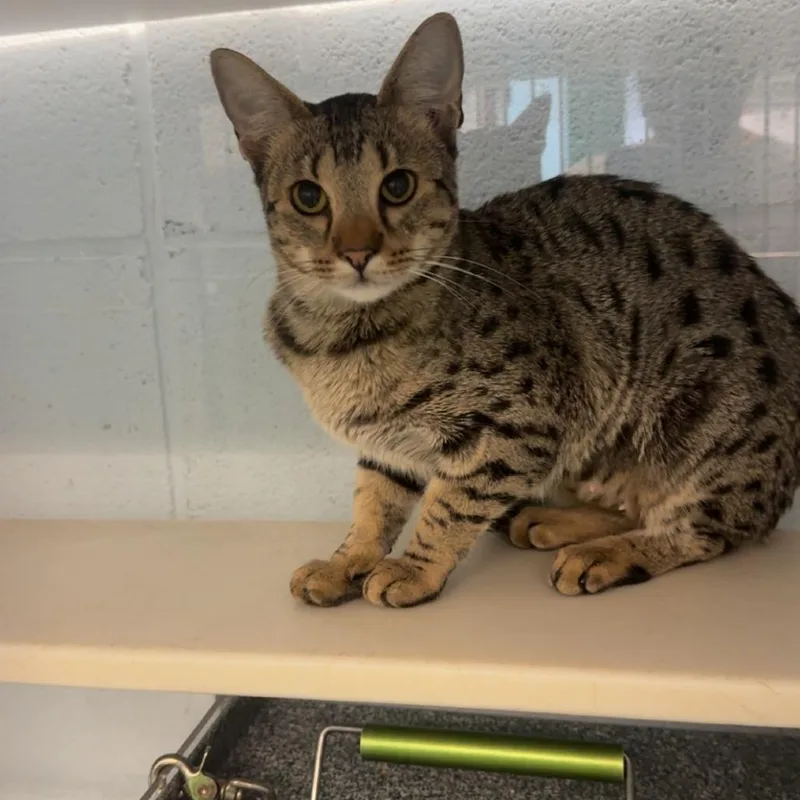
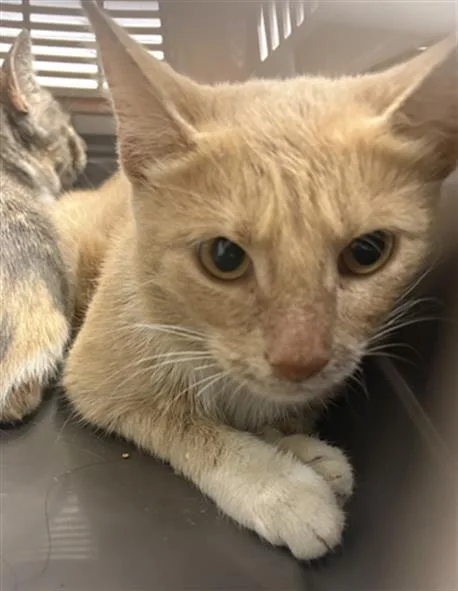
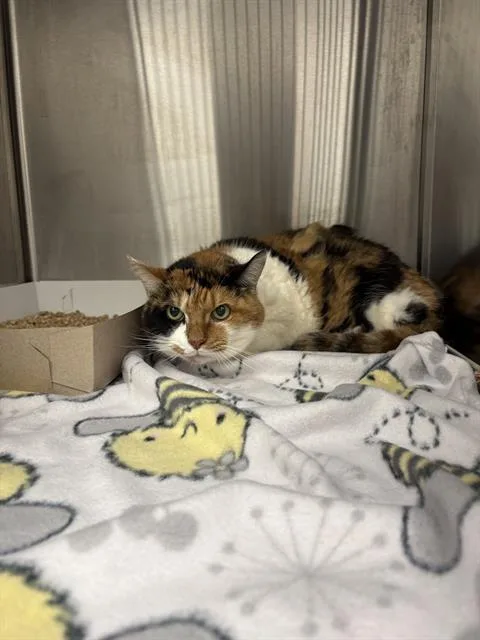
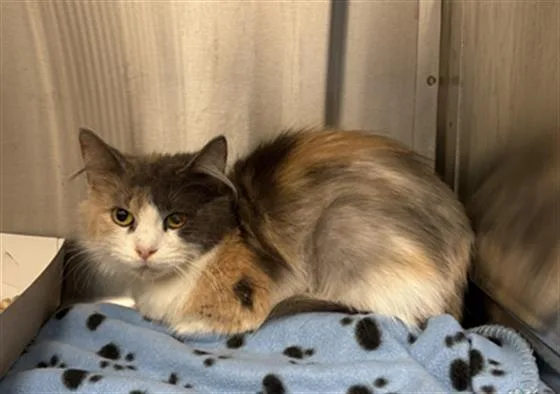
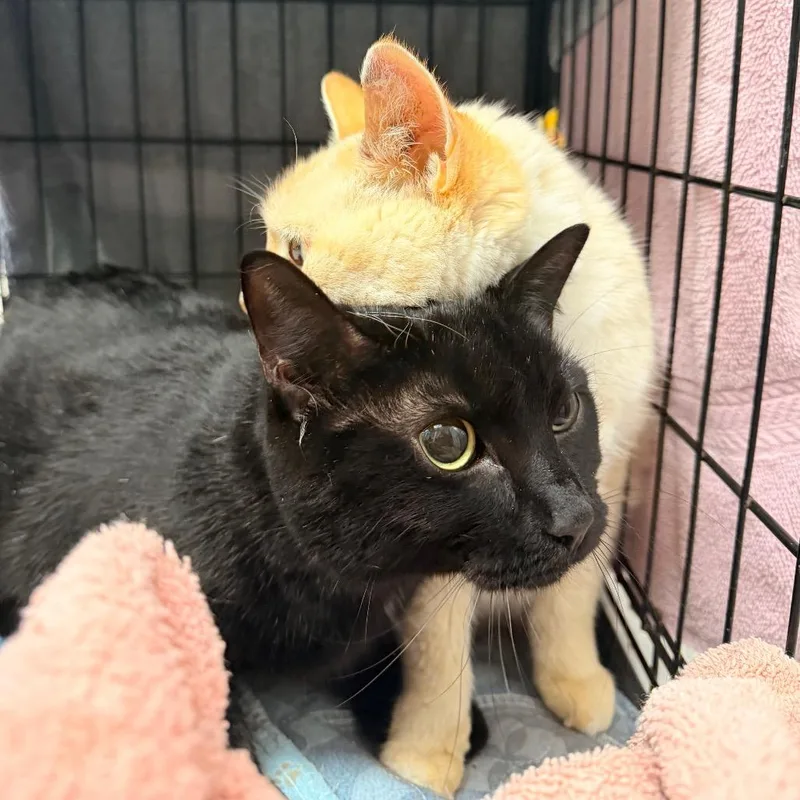
Ocicat Cats for Adoption in Indianapolis, IN

Your guide to finding and caring for an Ocicat in Indy

Ocicats fit Indy's older bungalows and downtown flats as long as someone's home to play. In an Irvington bungalow or a Mass Ave apartment, an Ocicat will claim the tallest shelf and follow you from room to room. They learn fetch and harness walking quickly, so a weekend stroll along the Monon Trail is realistic. What they don't like is long, quiet days alone, so think about your work schedule first. Indy winters keep them inside anyway, so a tall cat tree by a sunny window earns its space.

18 Ocicats available in Indianapolis and nationwide

Say hello to your Ocicat

While we don't have enough cats near Indianapolis, keep in mind that many rescues may offer transport.

Ocicats Available for Adoption Near Indianapolis

About the Ocicat breed

The Ocicat is entirely domestic despite its wildcat look. The breed began in Michigan in 1964, when an Abyssinian and Siamese pairing produced a spotted kitten that a young girl said looked like an ocelot. American Shorthairs were added later for size and silver coloring. The result is a muscular, surprisingly heavy cat, usually 6 to 15 pounds, with a short, satiny coat of thumbprint spots in twelve colors.

Ocicats are often called dog-like. They're devoted, curious about visitors and quick to learn fetch, leash walking and simple cues. Most want company and activity, and some struggle when left alone for long stretches. That makes them a good match for adopters who can offer daily play, climbing space and puzzle toys through long indoor winters. Their coat needs little more than weekly brushing.


Weight
6–15 lbs
Height
9–11 in
Lifespan
12–18 yrs
Temperament
Social, Active, Intelligent, Devoted
Shedding
Low to Moderate

Owning an Ocicat in Indianapolis

Having an Ocicat in Indy

Ocicats are social, athletic and smart, and those qualities shape daily life more than the spotted coat does. Indy's cold winters mean most of their activity happens indoors, so plan for play, climbing space and company before you meet an adoptable cat.

Temperament

Ocicats are typically outgoing and closely tied to their families, and many greet visitors instead of hiding. In an Indy apartment with shared walls, a lonely Ocicat may get vocal, so regular company or a playful companion pet helps. Each cat's history and socialization shape how it handles strangers and change.

Exercise Needs

Plan on daily interactive play: wand toys, fetch and climbing circuits. Puzzle feeders and clicker training keep their minds busy. Harness-trained Ocicats can enjoy short walks on paved paths like the Monon Trail in good weather, but indoor sessions carry most of the load through Indiana winters. Cat trees and wall shelves give them room to leap.

Health Considerations

Ocicats can carry conditions from their Abyssinian and Siamese ancestry, including renal amyloidosis, pyruvate kinase deficiency, progressive retinal atrophy and hypertrophic cardiomyopathy. Not every cat is affected. A veterinarian can review any health records that come with a cat and advise on screening. Keep up yearly exams, dental care and year-round parasite prevention.

Living Space

Ocicats do well in Indy's apartments and bungalows when they have vertical space, toys and companionship. A tall cat tree, wall shelves and a window perch go further than square footage. Keep them indoors, or on a harness or in an enclosure outside, since coyotes live even in urban parts of the city.

What it costs to own an Ocicat in Indianapolis

ExpenseTypical costPer year
Food$25 to $50 per month$300 to $600
Pet insurance$30 to $60 per month$360 to $720
Routine vet care$150 to $350 per year$150 to $350
Other*$450 to $1,150 per year$450 to $1,150
Estimated yearly total (after year one)$1,260 to $2,820

Other costs are estimates and vary with size, age and health.

* Litter, flea prevention, a dental cleaning allowance, toys, scratchers and climbing furniture, and minimal home grooming.

Adopt an Ocicat in Indianapolis.

Now that you know more, let’s find you a new best friend. These rescues and shelters below have cats available in and near Indianapolis.

Frequently Asked Questions

Yes. Indianapolis has no breed restrictions, so an Ocicat is treated like any other cat, wildcat looks included. Before bringing one home, make sure your lease allows cats, plan on a microchip for the permanent ID the city requires, and have a veterinarian confirm rabies vaccination is current.

It can be, if you're home often and enjoy an interactive cat. Ocicats are social and active, so long workdays alone are the main challenge. Indy's cold winters and humid summers keep them indoors most of the year, which suits them well when you provide climbing space, puzzle toys and daily play.

Yes, Ocicats usually do well in apartments when they have vertical space and company. A tall cat tree, wall shelves and daily play matter more than square footage. In a Mass Ave or Fountain Square flat, a bored, chatty cat can bother neighbors, so keep its day full of activity.

Yes, as indoor cats. An Ocicat's short coat gives little insulation against Indy's freezing nights, so provide warm perches, sunny windows and beds away from drafts. Skip outdoor harness walks on icy or snowy days and swap in wand play, fetch and puzzle feeders to keep an active cat busy.

Yes, in a carrier. IndyGo buses, including the Red and Purple Line rapid-transit routes, allow pets in a carrying case, and Indianapolis has no subway. Ocicats top out around 15 pounds, so a roomy, ventilated carrier works. Check current fares with IndyGo, and get your cat used to the carrier first.

Because Ocicats can learn harness walking, paved paths like the Monon Trail, the Cultural Trail and the Fall Creek Greenway give a harnessed cat room to explore. Start short and quiet. Indy's bark parks are for dogs, and coyotes live across the city, so keep your cat close at all times.

Very little. Weekly brushing keeps the short, satiny coat in shape, and Ocicats never need shaving. Indianapolis's humid summers and cold winters don't change that much, though a quick wipe after a harness walk helps. Home grooming costs little and sits within the Other line of $450 to $1,150 a year, alongside litter and dental care.

An Ocicat is a domestic cat breed with a spotted coat that resembles a wild ocelot, though it has no wild ancestry. It was developed in the 1960s from Abyssinian, Siamese and American Shorthair cats. Ocicats are muscular, medium to large and come in twelve colors. Many are social, trainable and often called dog-like in personality.

No, Ocicats are not hypoallergenic. Their short, close-lying coat sheds lightly, but cat allergies are triggered mainly by proteins in saliva and skin that all cats produce. Some allergic people tolerate low-shedding cats better than others, but there is no guarantee. Spend extended time with the specific cat, and talk with your doctor, before adopting.

Expect roughly $1,260 to $2,820 a year for an Ocicat in Indianapolis. That covers food at $25 to $50 a month, insurance at $30 to $60 a month, routine vet care at $150 to $350 a year, and other costs such as litter, prevention and dental care at $450 to $1,150 a year. Indianapolis has no cat license fee.