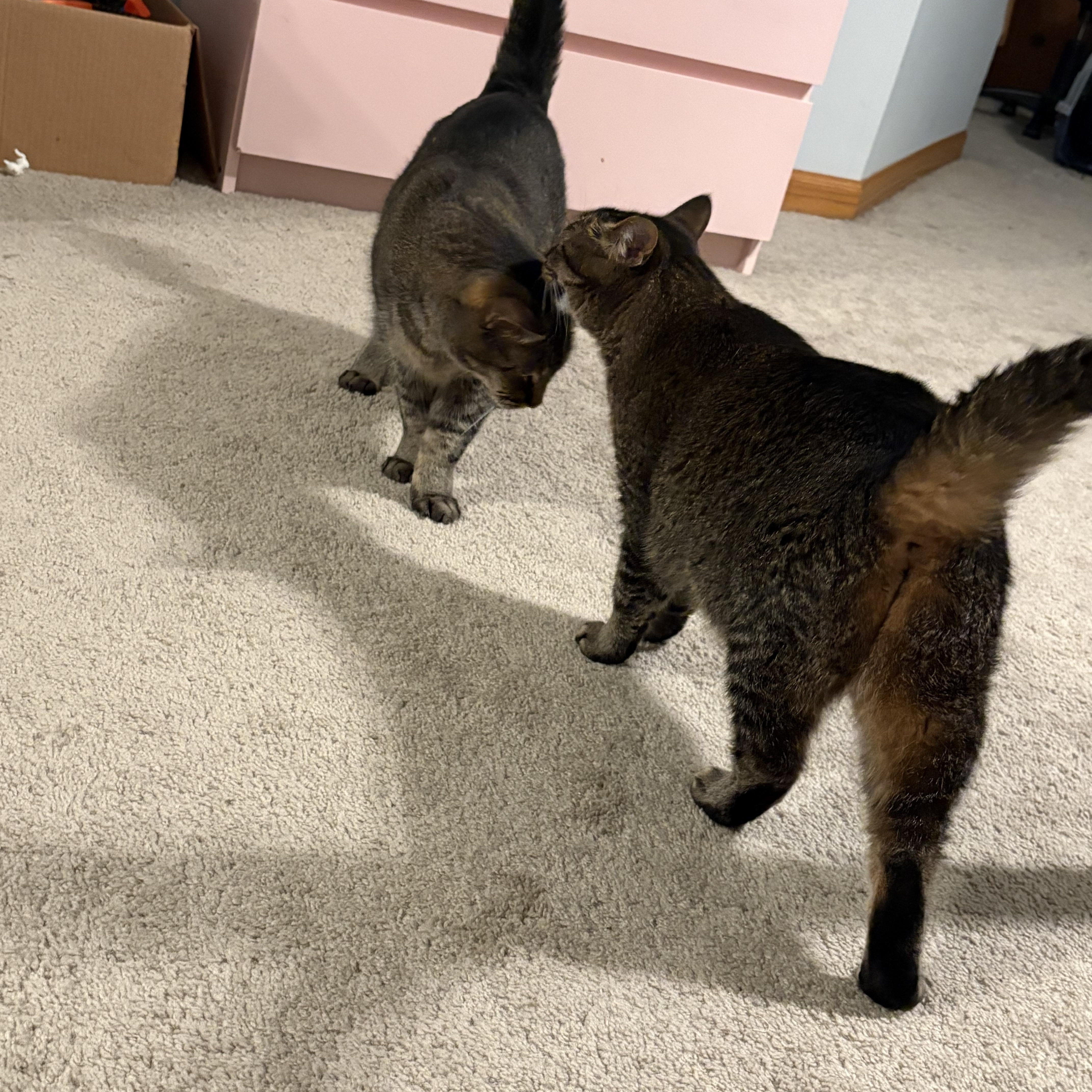
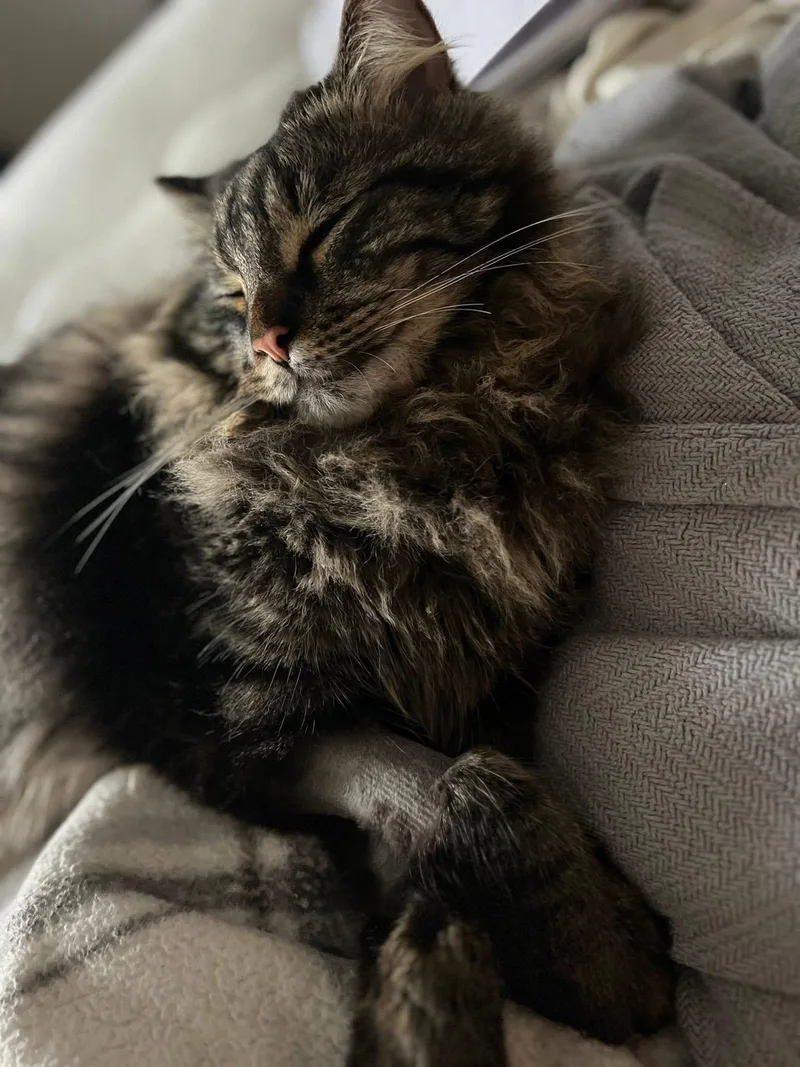
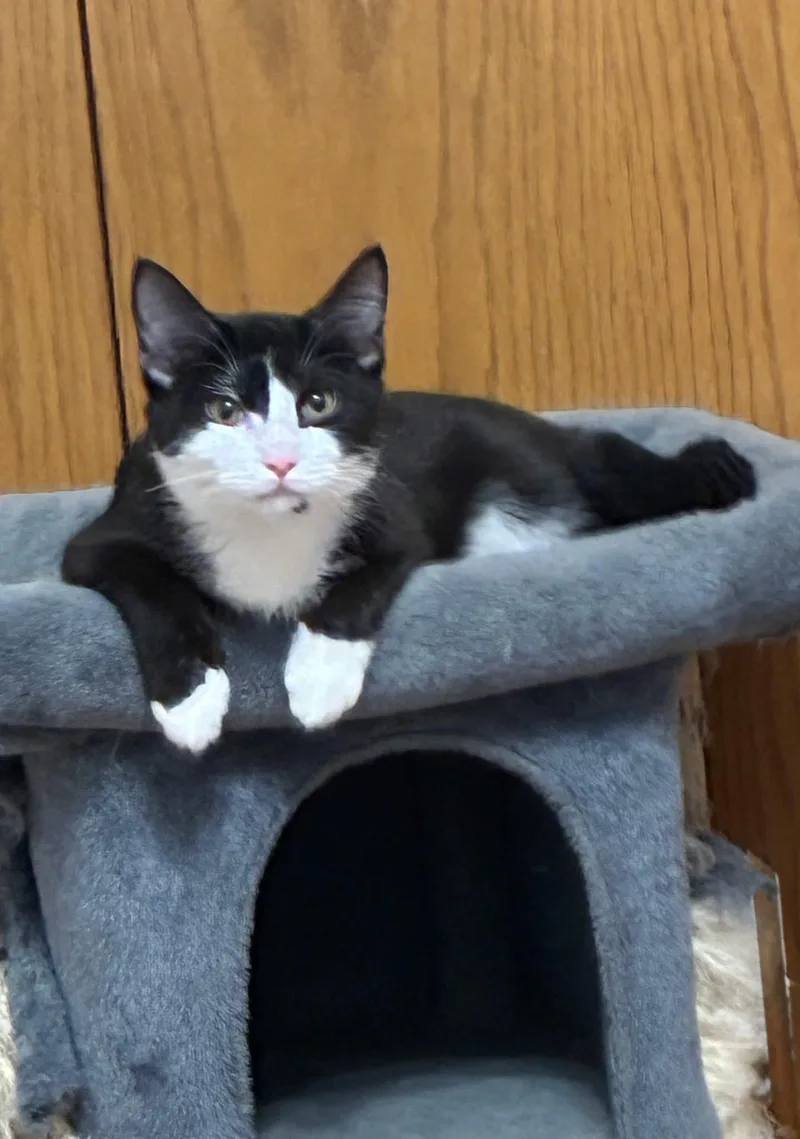
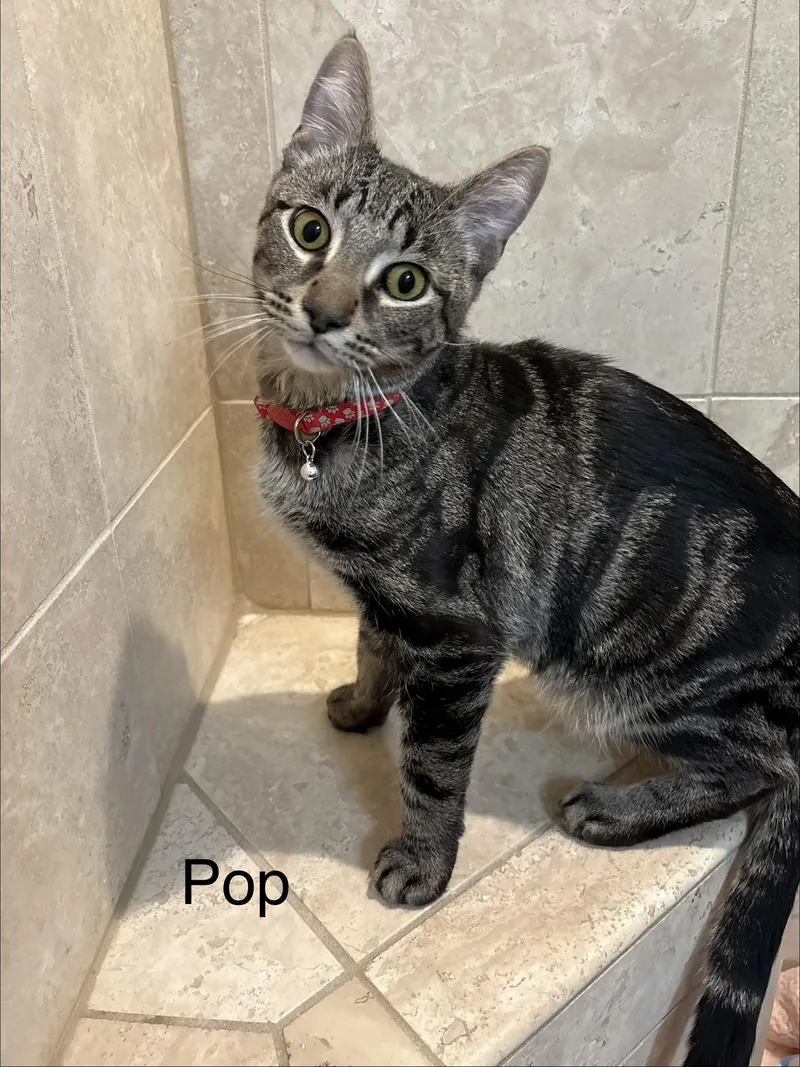
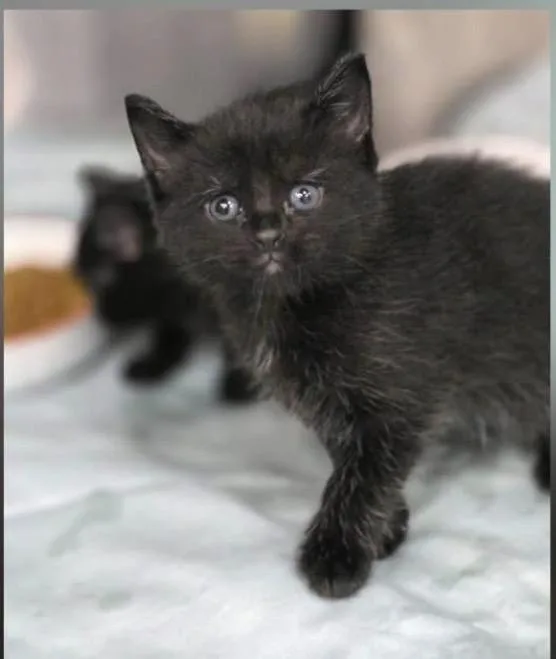
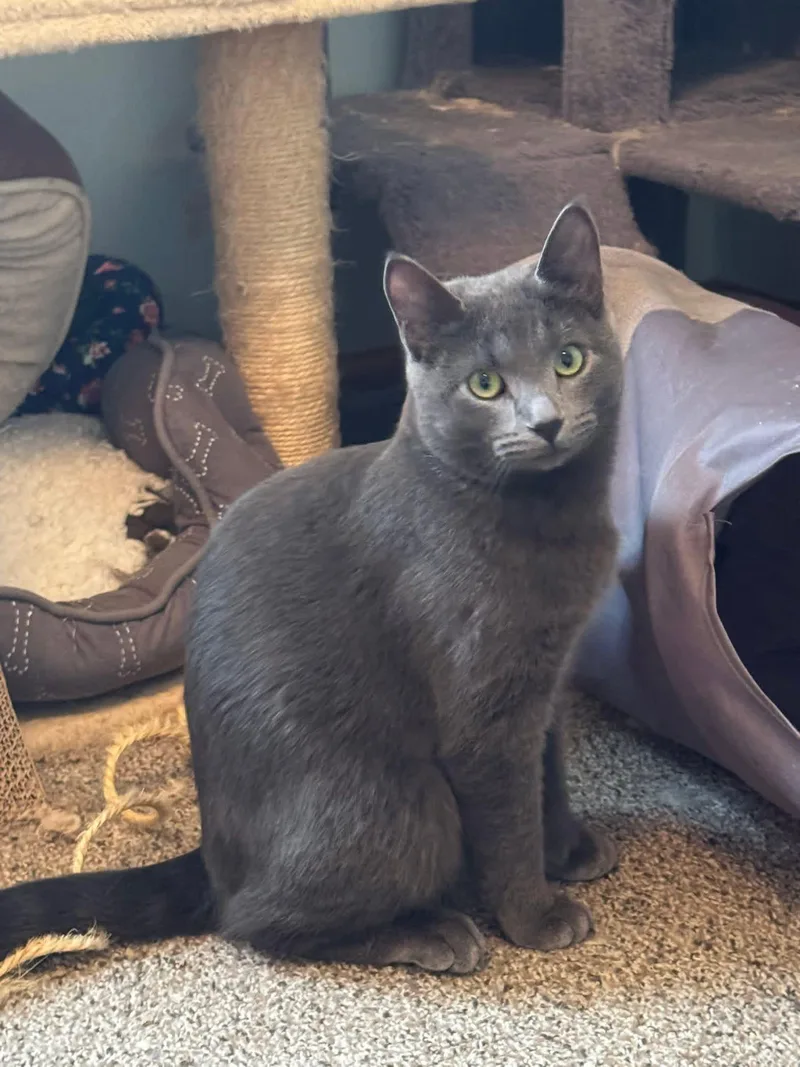
Domestic Short Hair Cats for Adoption in Orland Park, IL

Your guide to finding and caring for a Domestic Short Hair in Orland Park

Domestic Short Hairs suit Orland Park's houses and townhomes well, since most of them are happy with a sunny window and a few play sessions a day. DSH is a catch-all for short-coated cats of mixed ancestry, so coats and personalities vary a lot. A cat here might watch birds from a window in a Silver Lake subdivision or claim the staircase of a townhome near the 153rd Street station. Most are content staying indoors, and a perch facing the yard covers the entertainment.

147062 Domestic Short Hairs available in Orland Park and nationwide

Find your Domestic Short Hair

Domestic Short Hairs Available for Adoption Near Orland Park

About the Domestic Short Hair breed

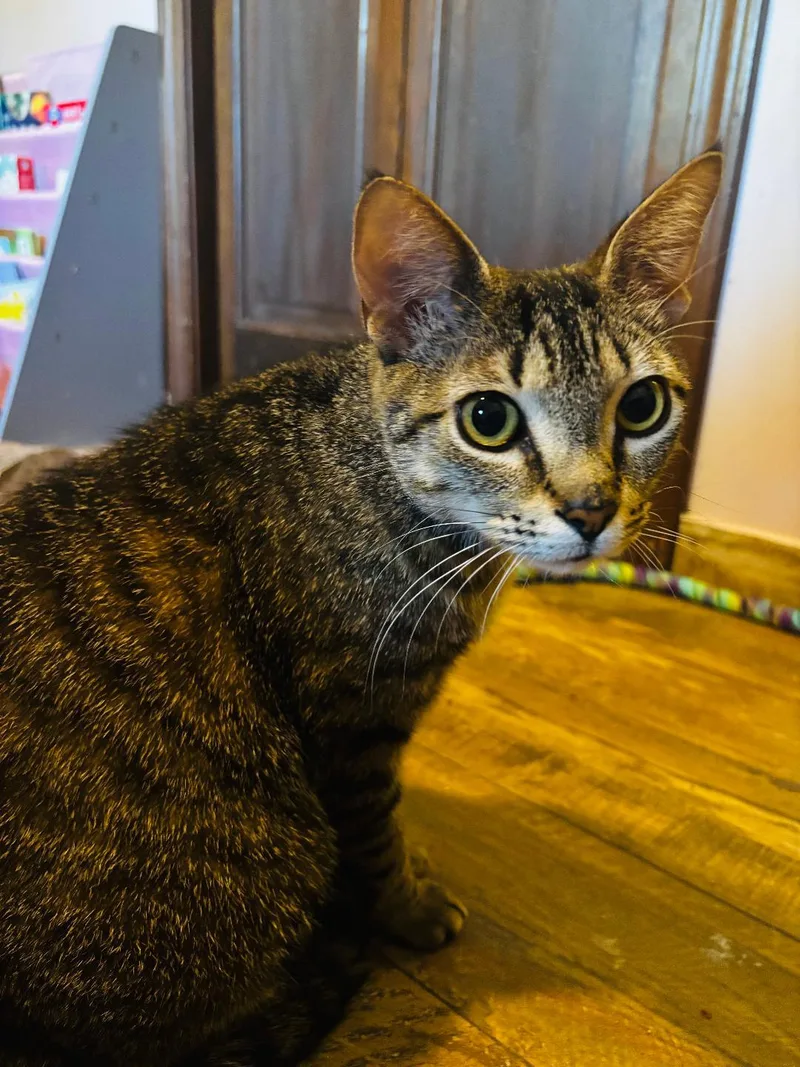
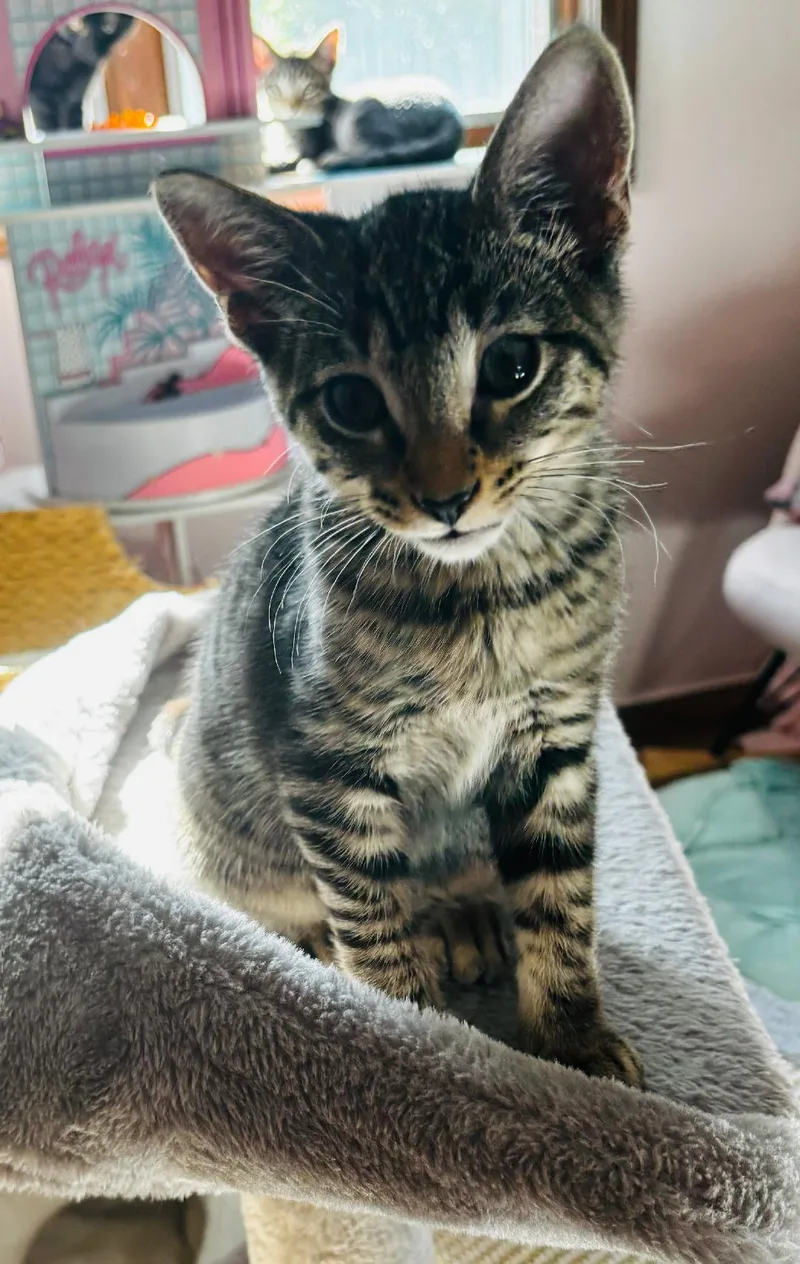
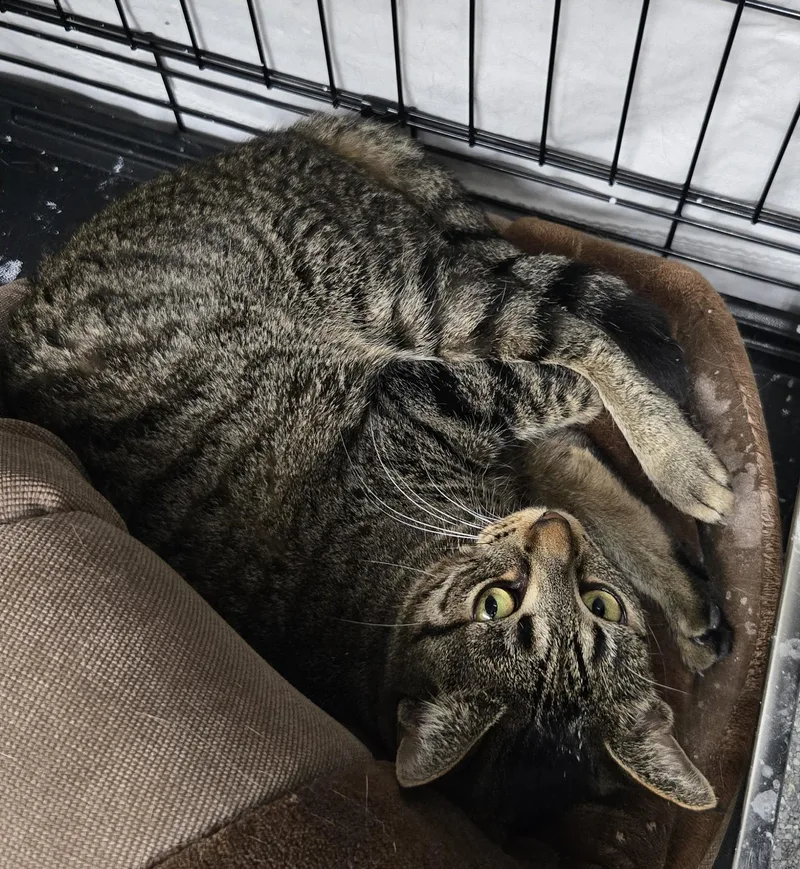
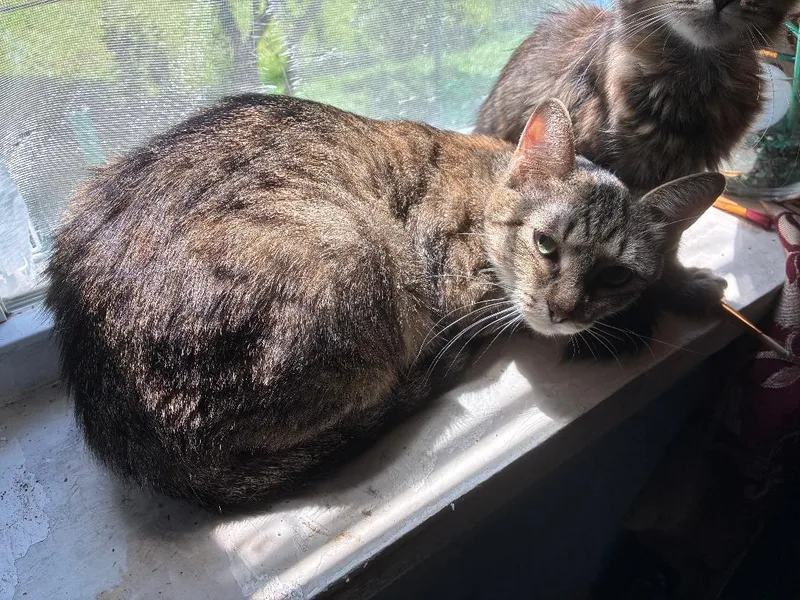
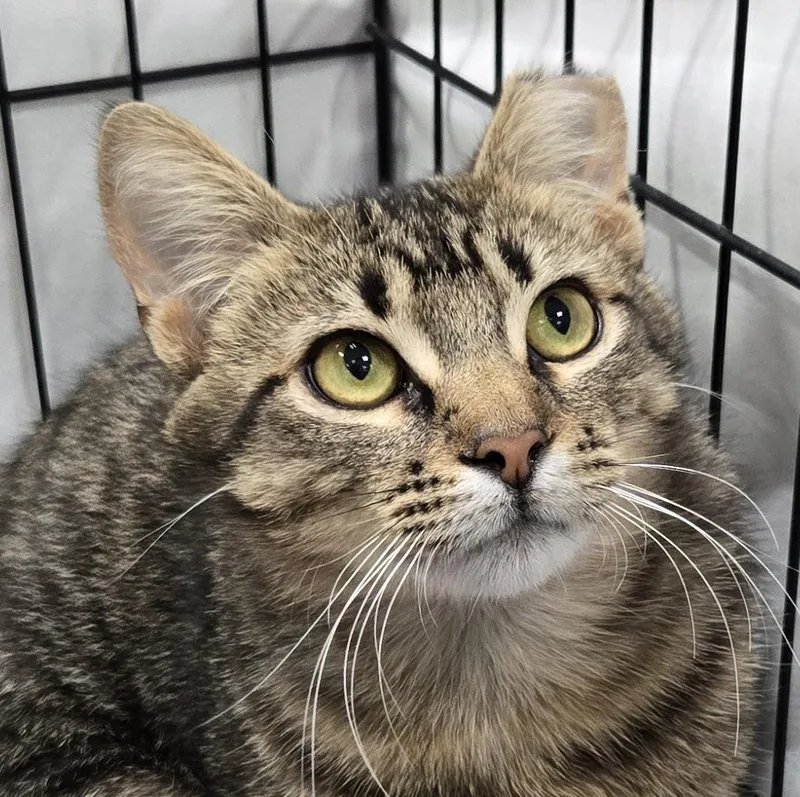
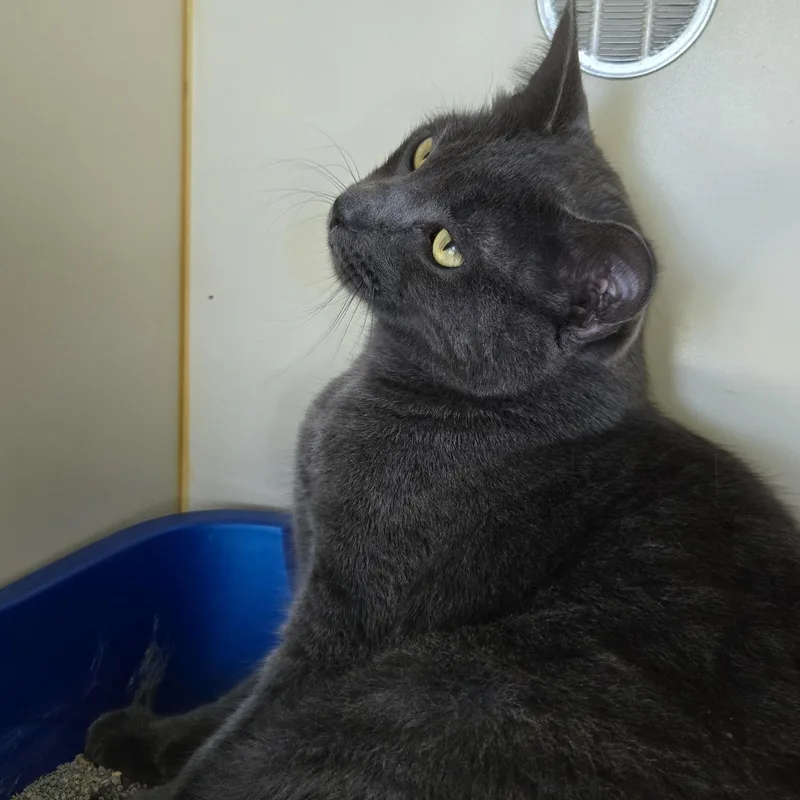
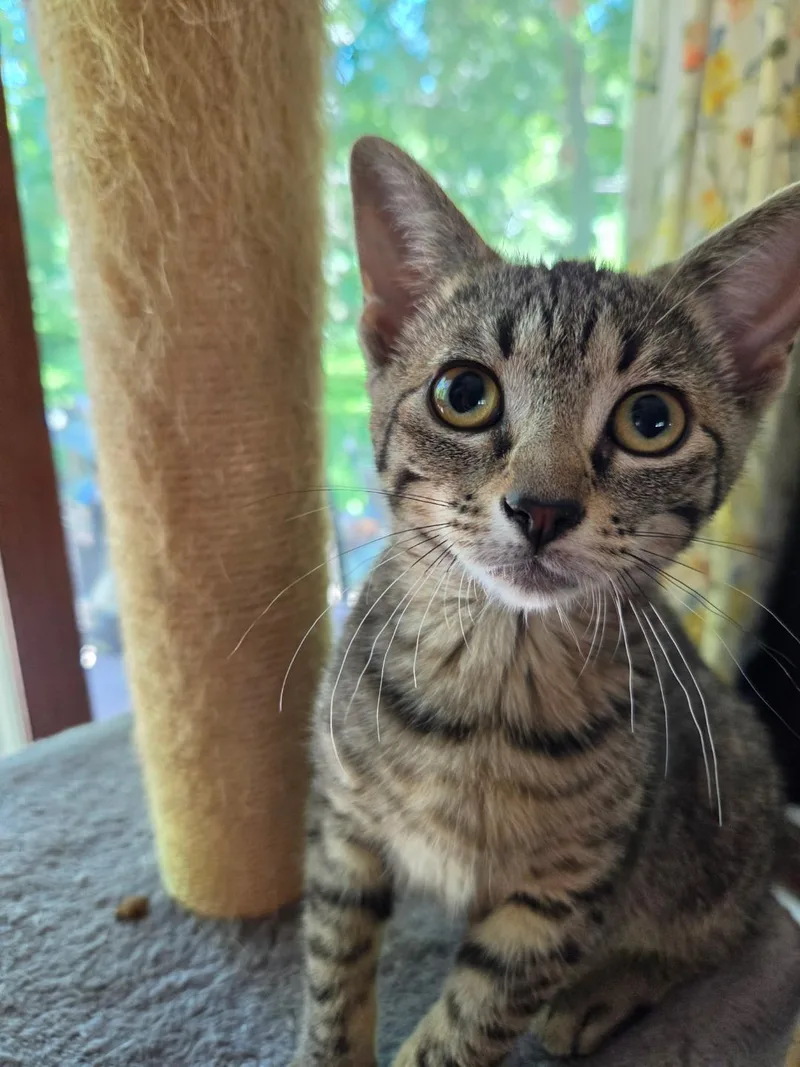
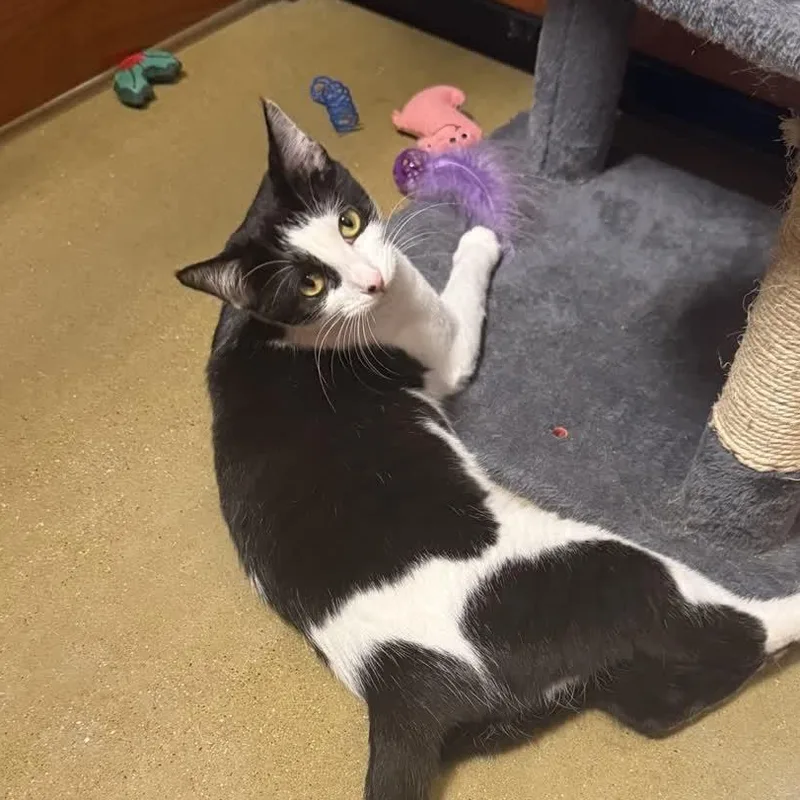
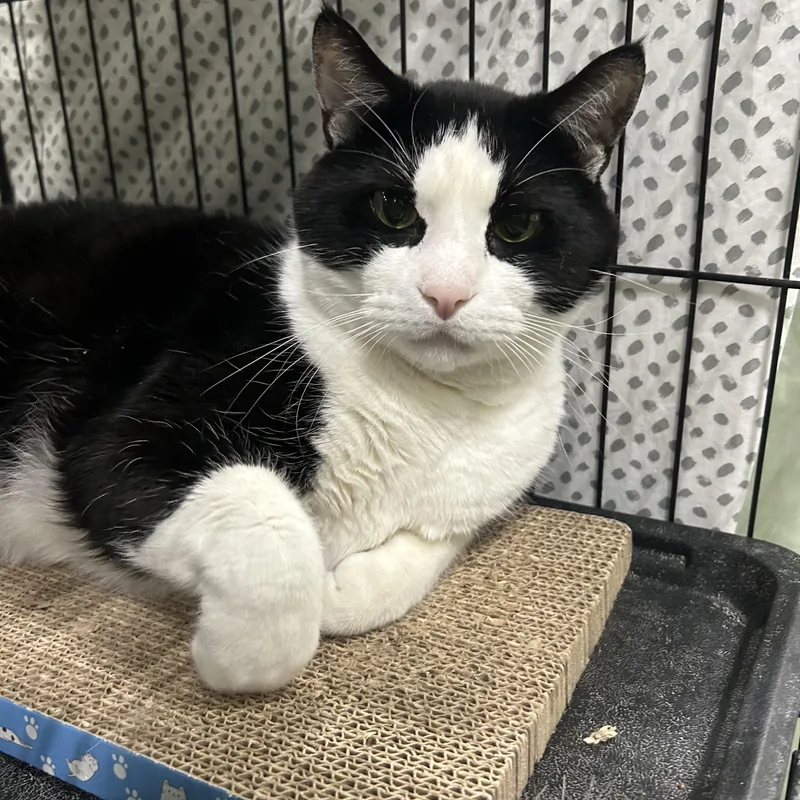
Domestic Short Hair is a type of cat rather than a breed: a short-coated cat of mixed or unknown ancestry. It's the most common kind of cat in American homes, often shortened to DSH on adoption records, and it comes in every color and pattern, from tabby and tuxedo to calico and solid black. Don't confuse it with pedigreed breeds like the American Shorthair.

Because the gene pool is so wide, adult size usually lands between 6 and 14 pounds, and personalities range from lap cat to quiet window-watcher. In Orland Park that flexibility helps, since the same cat can adapt to a house with stairs or a townhome with a loft. A cat's age, energy and behavior tell you more than coat color ever will.

Weight
6–14 lbs
Height
8–10 in
Lifespan
12–18 yrs
Temperament
Adaptable, Curious, Affectionate
Shedding
Moderate

Owning a Domestic Short Hair in Orland Park

Having a Domestic Short Hair in Orland Park

Domestic Short Hairs share a practical coat and a wide genetic mix, but little else is fixed. In Orland Park, a cat's age and energy matter more than the label, along with a home that offers climbing, scratching and warmth through long winters.

Temperament

Expect anything from a chatty lap cat to a shy observer. Many adapt well to new homes and to other cats after gradual introductions, and Orland Park's quiet residential streets are easy on cats that startle. Kittens are bolder and more playful, while adults show a settled personality. Plan on a patient first few weeks.

Exercise Needs

Daily interactive play does most of the work: wand toys, chase games and food puzzles in a few short bursts. When winter keeps windows closed for months, a cat tree by a window and a sturdy scratching post keep an indoor cat busy. Young cats want more play, and seniors prefer gentler sessions.

Health Considerations

Common concerns are obesity, dental disease and urinary problems, with kidney disease, hyperthyroidism and diabetes more likely in older cats. Mixed ancestry can lower the risk of breed-specific conditions but doesn't remove everyday feline illness. Illinois calls for rabies vaccination at four months, and a veterinarian can set a vaccine, weight and dental schedule after adoption.

Living Space

Most Domestic Short Hairs do well in Orland Park's houses, townhomes and apartments as long as there are climbing spots, scratchers, hiding places and a clean litter box. Keep cats indoors or in a secure enclosure, since the village is surrounded by forest preserves and coyotes will take small pets. Screens on windows prevent falls.

What it costs to own a Domestic Short Hair in Orland Park

ExpenseTypical costPer year
Adoption fee$300, one time$300 in year one
Food$25 to $50 per month$300 to $600
Pet insurance$20 to $45 per month$240 to $540
Routine vet care$150 to $350 per year$150 to $350
Other*$450 to $1,150 per year$450 to $1,150
Estimated yearly total (after year one)$1,140 to $2,640
First-year total (with adoption fee)$1,440 to $2,940

Adoption fee is the fee on Domestic Short Hair listings in Orland Park on GetBuddy today. Other costs are estimates and vary with size, age and health.

* Litter, flea prevention, a dental cleaning allowance, toys, scratchers and other supplies, and minimal home grooming.

Adopt a Domestic Short Hair in Orland Park.

Now that you know more, let’s find you a new best friend. These rescues and shelters below currently have Domestic Short Hairs available.

Rescues in Orland Park with Domestic Short Hairs Available

Several shelters and rescues serve the Orland Park area, and short-coated cats are among the most common pets they list. Here are the rescues & shelters in the Orland Park area where you can find Domestic Short Hairs and other cats available for adoption.

Frequently Asked Questions

Yes, in a carrier. Metra's SouthWest Service stops at 143rd, 153rd and 179th Street, and small pets in enclosed carriers can ride off-peak weekday trains, space permitting, at no extra charge. The line runs weekdays only. Pace buses generally allow caged pets that don't block aisles, doors or seats. Choose a carrier that fits under a seat, and expect crews to refuse pets on crowded trains.

Yes, as indoor cats. Winters are snowy, with freezing nights on roughly 105 to 130 days a year, but a cat in a heated home with a warm bed away from drafts does fine. A short coat gives little protection outdoors, so keep cats inside on the coldest days and out of garages and parked cars.

Yes. Orland Park has no known breed rules for cats, and Illinois bars breed-specific local rules anyway. A household can keep up to three cats and three dogs, so a second or third cat is fine but a fourth isn't. Cats four months or older need a rabies vaccine, which your veterinarian can give.

Yes. Domestic Short Hairs usually adapt well to apartments when they have climbing space, scratchers, a window perch and a clean litter box. About 16% of Orland Park homes are in buildings of five or more units, so read each lease for pet fees and limits. Illinois sets no cap on pet deposits or pet rent.

Often, yes. Orland Park is mostly houses and townhomes, which give cats room to climb and watch the yard, and a short coat is easy to care for. The main challenges are long winters, summer storms and fireworks nights, so a calm indoor retreat helps. A cat's age and temperament matter more than the DSH label.

Very little. A quick brush once or twice a week is usually enough, with a bit more during spring and fall shedding, and mats are uncommon in short coats. Trim nails every few weeks. Grooming costs are small and sit within the yearly Other budget, so most owners handle it at home.

Domestic shorthair cats typically live about 12 to 18 years, and many indoor cats reach their late teens or early twenties. Large UK veterinary studies have found mixed-breed cats tend to live slightly longer than pedigreed cats on average. Spaying or neutering, indoor living, a healthy weight, dental care and regular checkups all help a cat enjoy a longer life.

No, domestic shorthair cats are not hypoallergenic. The main cat allergen, a protein called Fel d 1, comes from saliva and skin glands, so short fur does not prevent reactions. Allergen levels vary between individual cats, and some people react less to certain cats. Spending time with a specific cat before adopting is the best way to test your response.

We have 1 rescue with Domestic Short Hairs available: Half-Way Home Animal Rescue. You can see every rescue with Domestic Short Hairs available in the list above these questions, or scroll to the top to see the Domestic Short Hairs near Orland Park.

Expect about $25 to $50 a month for food, $20 to $45 a month for insurance, $150 to $350 a year for routine vet care, and $450 to $1,150 a year for everything else. Together that's roughly $1,140 to $2,640 a year. The county rabies tag is only $6 for one year or $18 for three.

Explore Other Breeds in Orland Park

Looking for a different breed? Browse other cats available for adoption in Orland Park.