Cornish Rex Cats for Adoption in Chicago, IL

Your guide to finding and caring for a Cornish Rex in Chicago

A Cornish Rex suits Chicago apartment life, provided the apartment stays warm. Plenty of Rexes would claim a sunny windowsill in a small Lincoln Square apartment building or a Sheridan Road high-rise in Edgewater, then spend the evening chasing a wand toy down the hallway. They're small, active and happiest near their people, so a steady routine or a home office works well. Just know that the thin coat means a heated bed matters once January arrives.

17 cats similar to Cornish Rex available in Chicago and nationwide

Fall for a Cornish Rex

While we don't have enough cats near Chicago, keep in mind that many rescues may offer transport.

Cornish Rexes and Similar Breeds Available for Adoption Near Chicago

About the Cornish Rex breed

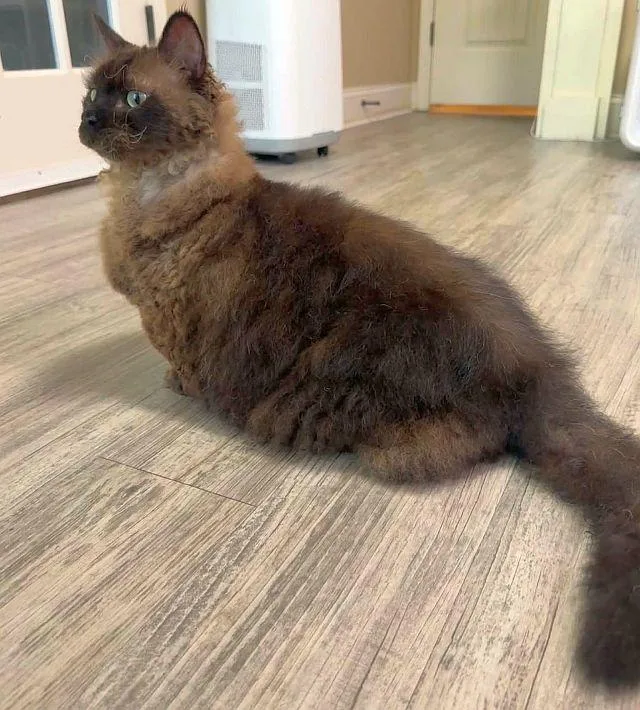
The Cornish Rex began with a curly-coated kitten born on a Cornwall farm in 1950, and the look has stayed distinctive ever since. The coat is only the soft down layer, with no guard hairs, lying in tight waves. Add a lean, arched body, long legs, an egg-shaped head and very large ears, and most adults weigh just 6 to 10 pounds.

Many Rexes stay playful well into adulthood, fetching toys and following their people from room to room. They shed little, though they aren't hypoallergenic, and they need an indoor home with warm resting spots, occasional baths and regular ear cleaning. Cats vary, so a Rex's own personality matters more than the breed description, whether the home is a Chicago studio or a larger house.

Weight
6–10 lbs
Height
8–12 in
Lifespan
11–15 yrs
Temperament
Active, Affectionate, Playful, Curious
Shedding
Low

Owning a Cornish Rex in Chicago

Having a Cornish Rex in Chicago

This is a busy, people-loving cat in a delicate coat. In Chicago, the question is mostly whether your home can offer daily play, company and reliable warmth through the long cold months, since a Rex has little built-in protection from the cold.

Temperament

Cornish Rex cats are often outgoing, affectionate and curious, and many follow their people from room to room. That closeness suits Chicago apartments where someone is home often, but a bored or lonely Rex may get demanding or mischievous. Each cat differs, so watch how the cat greets you and handles new sounds.

Exercise Needs

Most Rexes want several short, interactive play sessions a day with wand toys, balls or chase games, and many enjoy fetch and food puzzles. In a Chicago apartment, a tall cat tree and a window perch give them room to leap and climb all winter. Rotating toys helps keep a smart, restless cat interested.

Health Considerations

Cornish Rex cats are generally sturdy, but hypertrophic cardiomyopathy and progressive retinal atrophy have been reported in the breed, so regular veterinary checkups matter. Their thin coat can mean oily skin, waxy ears and chills, and many have big appetites. Dry indoor heat in winter can irritate skin, so mention any flaking or scratching to a veterinarian.

Living Space

A Rex can do well in a Chicago studio, a high-rise or a house as long as it has warmth, vertical space and company. Window perches, a heated bed and a cat tree matter more than square footage. Keep the cat indoors, since the thin coat gives little protection from cold or sun.

What it costs to own a Cornish Rex in Chicago

ExpenseTypical costPer year
Food$20 to $40 per month$240 to $480
Pet insurance$25 to $50 per month$300 to $600
Routine vet care$150 to $350 per year$150 to $350
Other*$500 to $1,350 per year$500 to $1,350
Estimated yearly total (after year one)$1,190 to $2,780

Other costs are estimates and vary with size, age and health.

* Litter, parasite prevention, a dental cleaning allowance, toys and scratchers, bath and ear-care supplies, and warm bedding or sweaters for a thin coat.

Adopt a Cornish Rex in Chicago.

Now that you know more, let’s find you a new best friend. These rescues and shelters below have cats available in and near Chicago.

Frequently Asked Questions

Yes, a Cornish Rex adapts well to apartments, from small Chicago studios to high-rises. At 6 to 10 pounds, it needs vertical space more than floor space, so add a tall cat tree and a window perch. Plan for daily play and warmth, since this breed likes company. Before applying, read the lease for pet fees or restrictions.

Yes, as long as winter happens indoors and the home stays warm. A Rex's thin coat gives little insulation against Chicago's January cold, which includes some below-zero nights. Keep heated beds and blankets in favorite spots, block drafts, and never let the cat outside in snow. A sweater can help some cats, though not all tolerate one.

Yes, no Chicago rule restricts Cornish Rex cats by breed. What matters more is your lease, since landlords set their own pet terms. Cats need a rabies vaccination and a Cook County rabies tag, and Chicago's dog license doesn't apply to them. Plan on keeping the cat indoors, which suits this breed best.

Yes, in a carrier. The CTA allows only small pets inside a closed protective carrier that one person can carry and that fits under a seat, and the carrier can't block aisles or take up a seat. A Rex's small size fits that rule easily. Metra has its own carrier rules, so confirm them before riding.

Very little brushing, since the short down coat sheds lightly, but the skin and ears need attention. Some Rexes get oily and need a bath every week or two, while others need less, and a veterinarian can help set a schedule. Clean the ears weekly and dry the cat in a warm room, especially in winter. Bath and ear-care supplies fall under the yearly Other costs.

It can be, if you want a playful, people-oriented cat and can keep the home warm all winter. A Rex suits someone who's home often or can offer a playful companion pet, daily interaction and a heated bed. It's a weaker match if the apartment runs cold or the cat would spend long days alone.

No, Cornish Rex cats are not hypoallergenic. The main cat allergen, a protein called Fel d 1, comes from saliva and skin glands rather than hair, and Cornish Rex cats produce it like other cats. Because they shed little, some people with mild allergies report fewer symptoms. Spend time with a specific cat before adopting to test your reaction.

A Cornish Rex is a small, slender cat breed from Cornwall, England, known for its short, wavy coat made only of soft down hair. It has large ears, a long arched body, long legs and an egg-shaped head. Cornish Rex cats are typically active, affectionate and playful, and they need indoor living, warmth and plenty of attention.

Cornish Rex cats shed very little. They lack the outer guard hairs and middle awn hairs most cats have, so their short, curly down coat drops far less hair around the home. Light shedding still happens, and the coat can thin seasonally. Instead of brushing, many owners just stroke the coat or wipe it with a soft cloth.

Expect roughly $1,200 to $2,800 a year for a Cornish Rex in Chicago, based on the ranges in the table: $20 to $40 a month for food, $25 to $50 a month for insurance, $150 to $350 a year for routine vet care, and $500 to $1,350 a year for other costs, including litter and warm bedding.