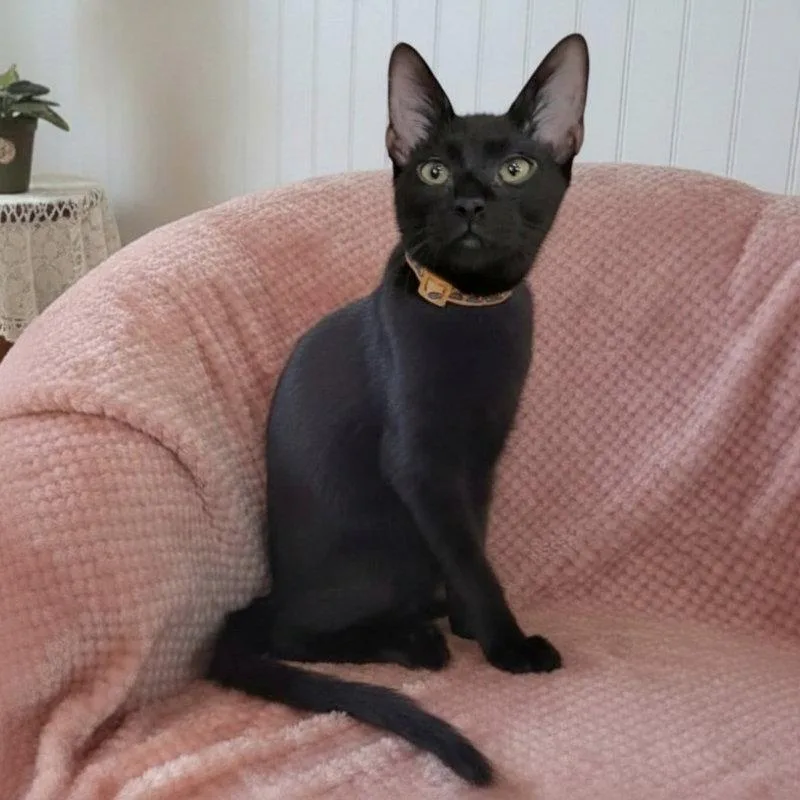
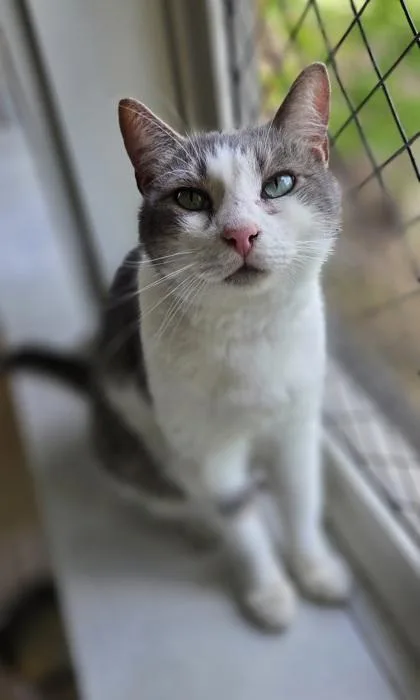
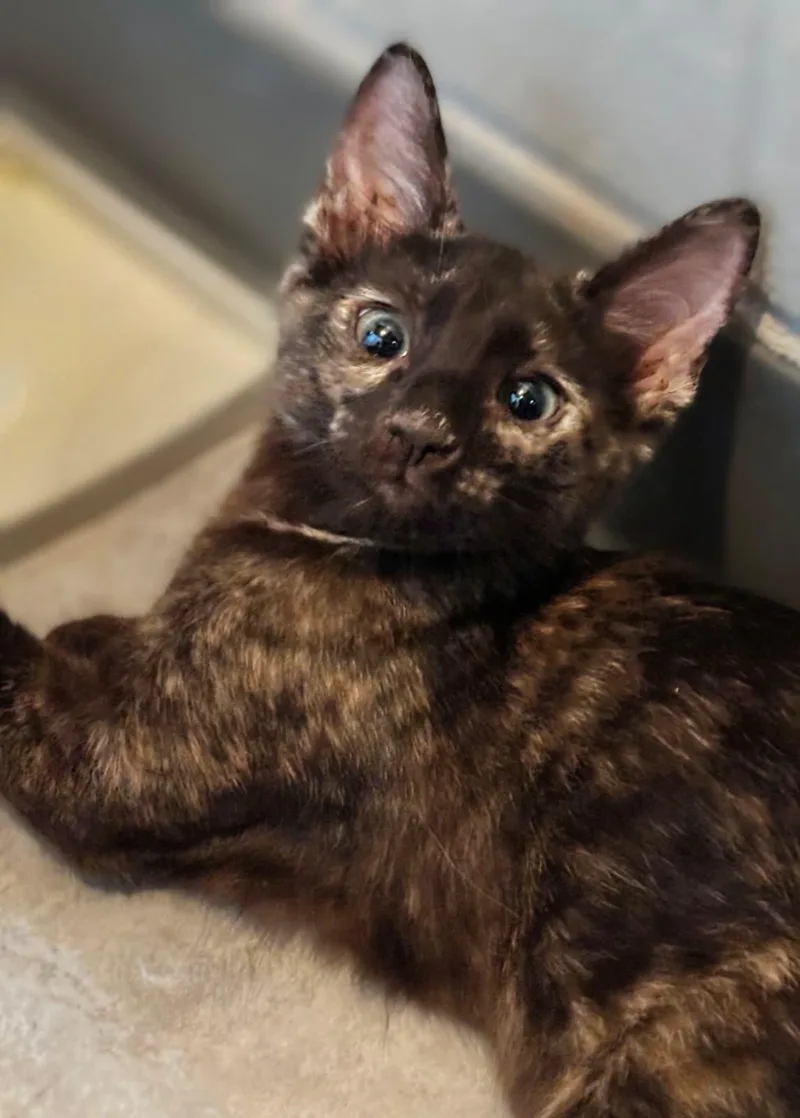
Burmese Cats for Adoption in Honolulu, HI

Your guide to finding and caring for a Burmese in Honolulu

Burmese cats suit Honolulu's condo and apartment life well, because they're happiest indoors close to their people. In a Salt Lake high-rise or a small Makiki apartment, a Burmese will follow you from the lanai door to the kitchen and back, then claim the best window perch. They stay playful well into adulthood, so plan on daily wand-toy sessions. If you're thinking of adopting one here, it fits best with someone who's home often.

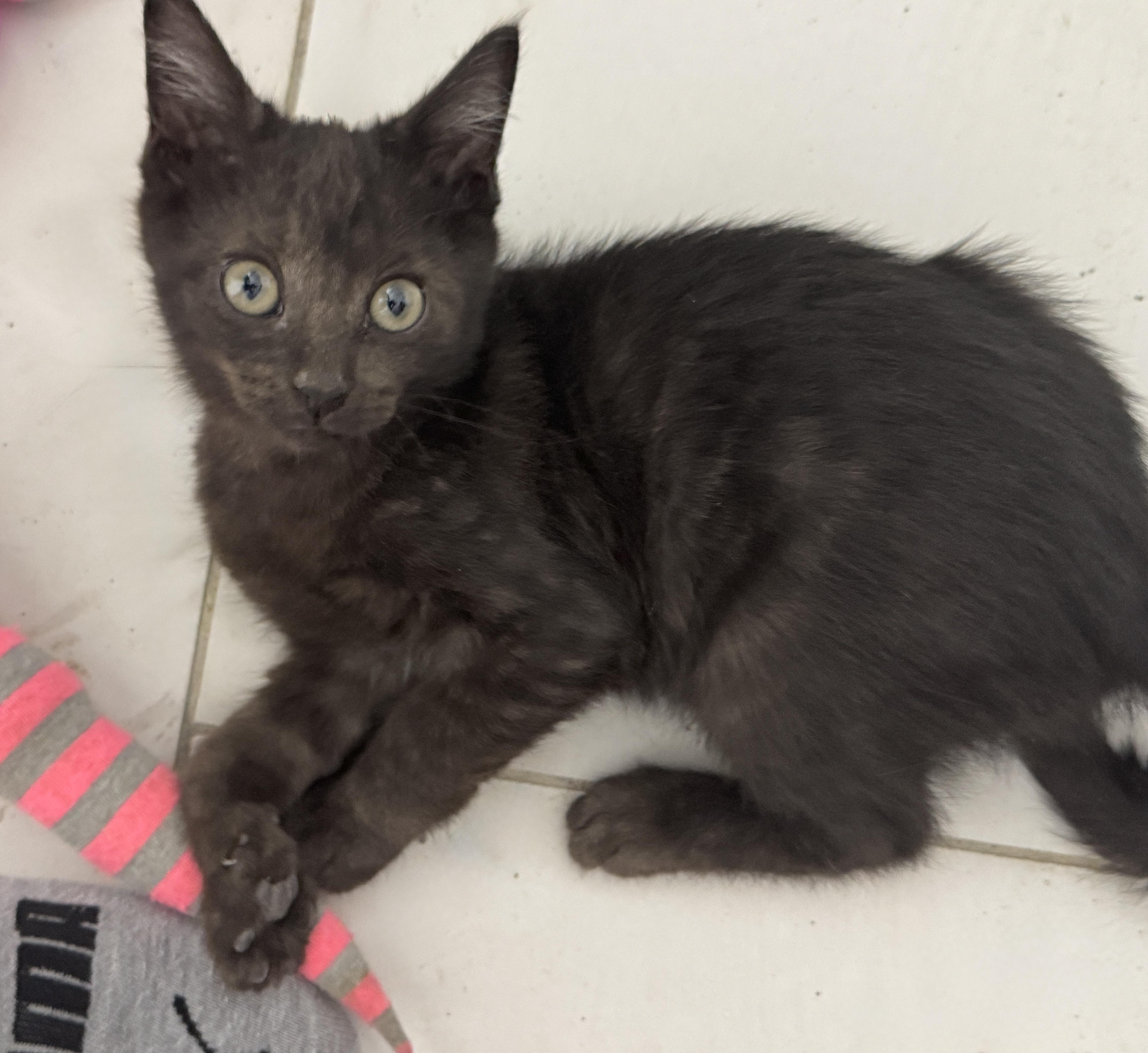
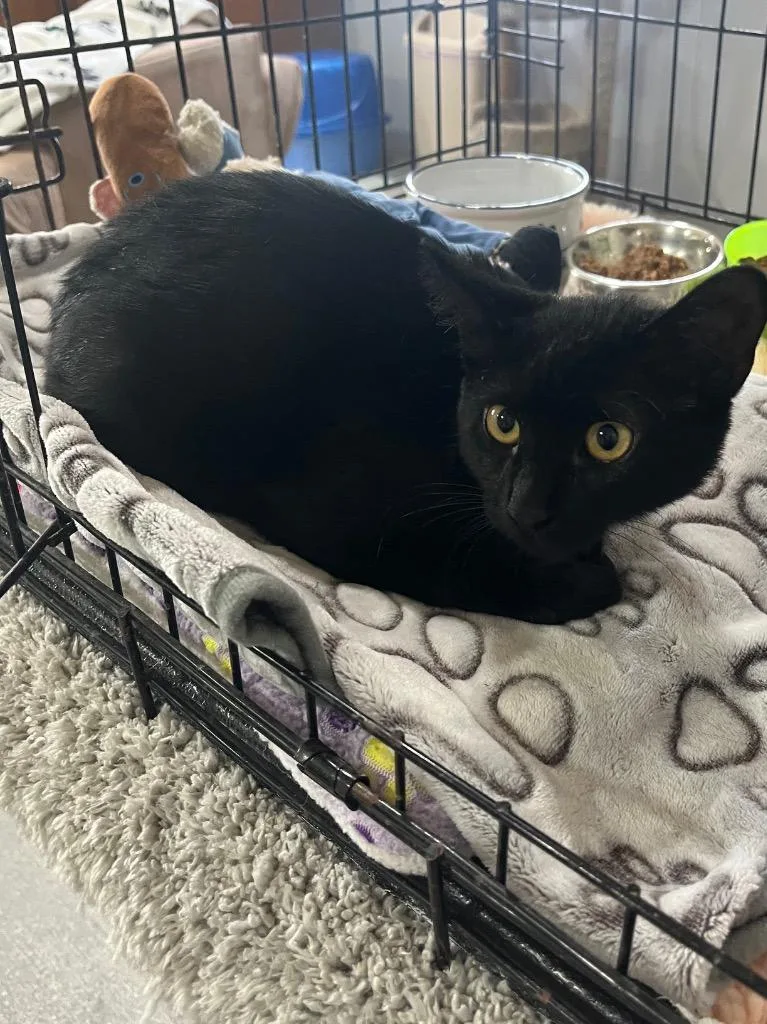
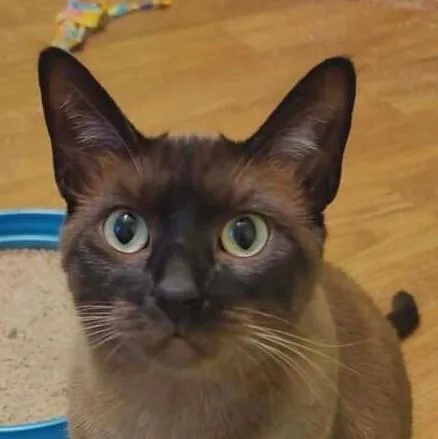
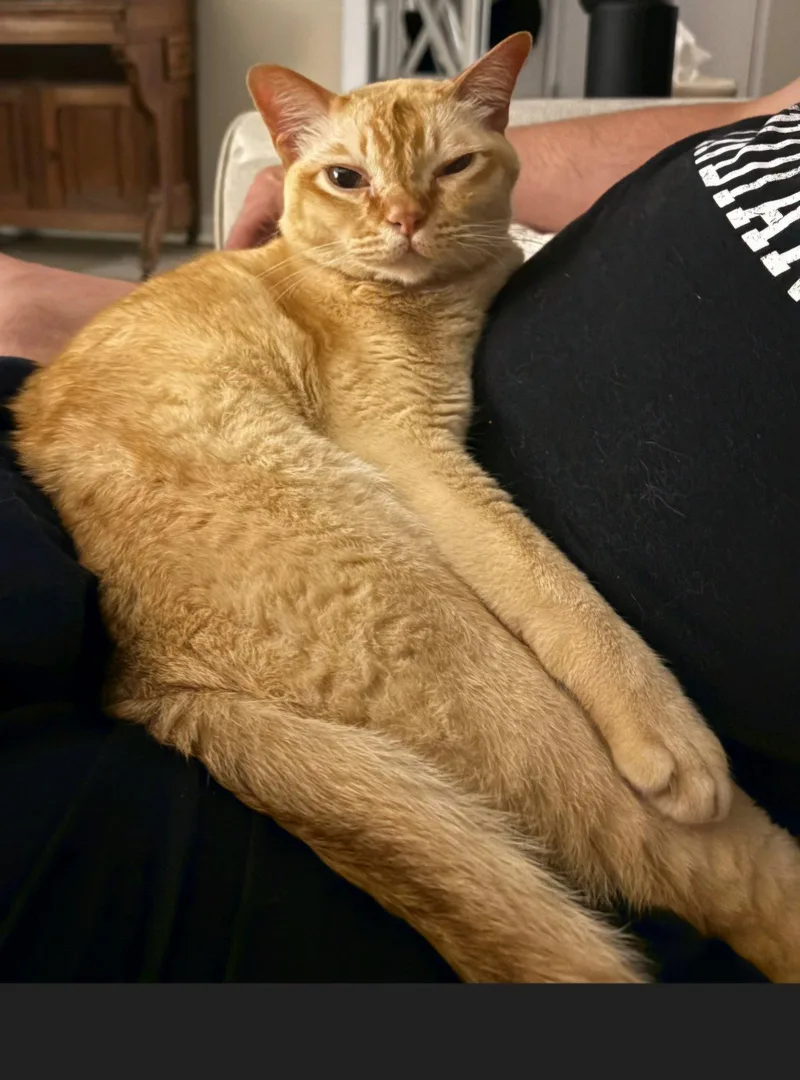
24 Burmese available in Honolulu and nationwide

Find your Burmese

While we don't have enough cats near Honolulu, keep in mind that many rescues may offer transport.

Burmese Available for Adoption Near Honolulu

About the Burmese breed

The Burmese traces back to a walnut-brown cat named Wong Mau, brought from the Burma region to San Francisco in 1930 and crossed with Siamese cats to establish the breed. Burmese are compact and muscular, usually 8 to 13 pounds, and heavier than they look. The short, glossy, satin coat sheds little, which helps in a small Honolulu apartment where fur shows quickly.

Burmese are social, curious and playful, and many follow their people from room to room. That suits someone who works from home or a household with another cat-friendly pet. Adult cats vary, though, and an older Burmese may be calmer than the breed's reputation suggests. A few inherited conditions, including diabetes, are worth knowing about before you adopt.

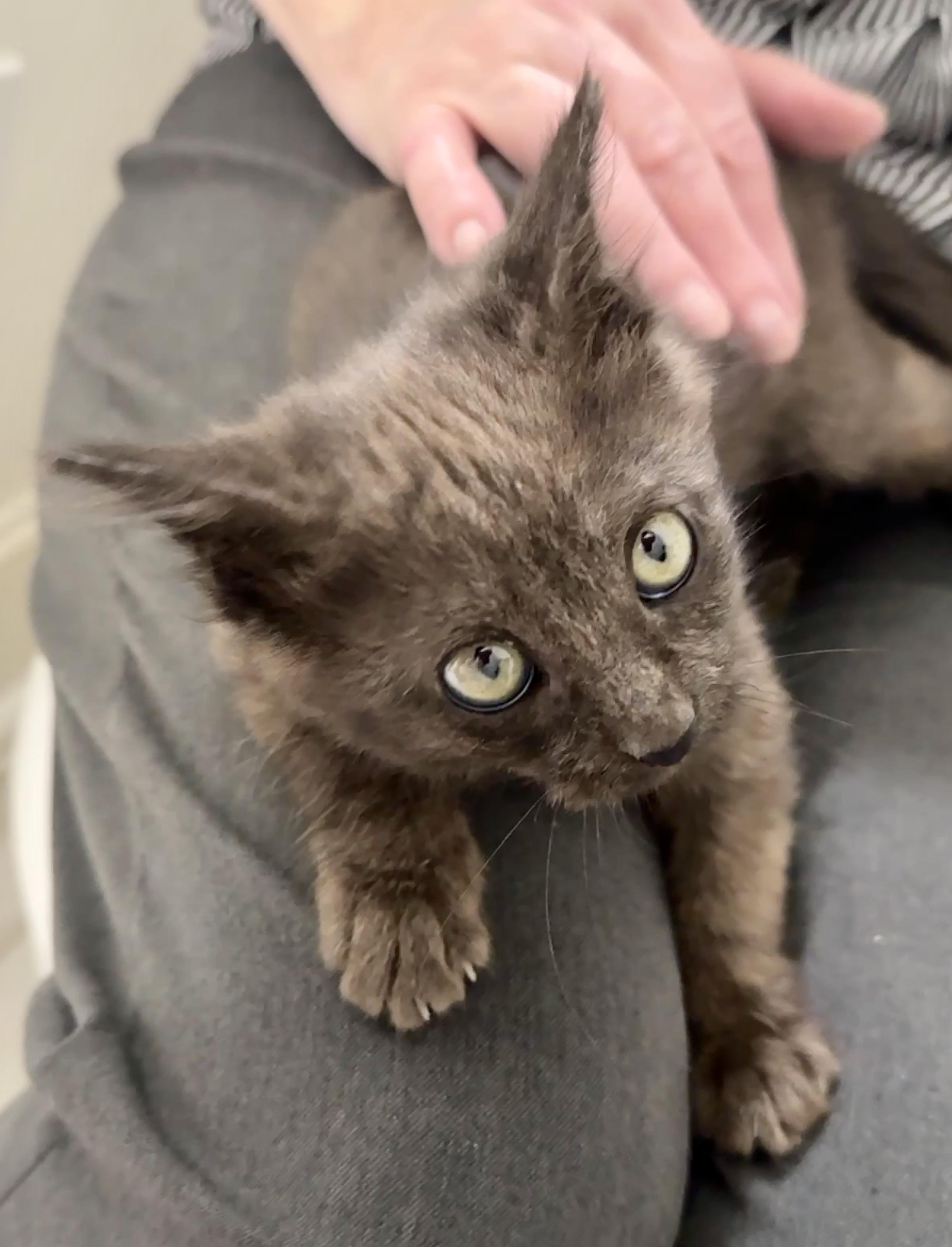
Weight
8–13 lbs
Height
9–11 in
Lifespan
12–17 yrs
Temperament
Affectionate, Social, Playful
Shedding
Low

Owning a Burmese in Honolulu

Having a Burmese in Honolulu

Burmese pair a love of company with a sturdy, easy-care body. For Honolulu adopters, the practical questions are how much time you're home, how you'll keep a playful cat busy in a small space, and whether you're ready to watch for diabetes.

Temperament

Burmese are affectionate, curious and sociable, and many act dog-like, following people around and learning games. They usually mix well with respectful children and cat-friendly dogs. In a Honolulu condo, that sociability means plenty of lap time and chatter. Adult cats differ, so expect some variation from the breed's usual personality.

Exercise Needs

Plan on daily interactive play with wand toys, fetch games and puzzle feeders. In a Honolulu apartment, a tall cat tree beside a window and a few wall shelves give a Burmese room to leap and watch the street below. Two short sessions, morning and evening, help keep weight in check.

Health Considerations

Burmese can be prone to diabetes, low potassium, orofacial pain syndrome and, in some lines, a severe head defect in kittens. Keep the cat lean, watch for heavy drinking or weakness, and schedule regular checkups with blood work as it ages. Because Honolulu is warm all year, a veterinarian can also advise on parasite prevention.

Living Space

Burmese adapt well to condos and apartments as long as they have company, play and vertical space. That fits Honolulu's many high-rise and low-rise buildings. A secure window perch or an enclosed catio gives fresh air safely, and indoor living is usually the best fit for the breed.

What it costs to own a Burmese in Honolulu

ExpenseTypical costPer year
Food$25 to $50 per month$300 to $600
Pet insurance$30 to $60 per month$360 to $720
Routine vet care$150 to $350 per year$150 to $350
Other*$450 to $1,150 per year$450 to $1,150
Estimated yearly total (after year one)$1,260 to $2,820

Other costs are estimates and vary with size, age and health.

* Litter, flea prevention, a dental cleaning allowance, toys, scratchers and climbing furniture, and minimal grooming for the short, satin coat.

Adopt a Burmese in Honolulu.

Now that you know more, let’s find you a new best friend. These rescues and shelters below have cats available in and near Honolulu.

Rescues and Shelters in or near Honolulu

Honolulu's rescue community includes a large open-admission shelter and smaller nonprofit groups, with cats of every age and type. Here are the rescues & shelters in the Honolulu area with cats available for adoption, worth asking whether a Burmese is coming in.

Frequently Asked Questions

Yes, a Burmese can do very well in a Honolulu apartment, and most adapt happily to condo life. What matters is daily play and vertical space, such as a tall cat tree and a window perch. Because many Honolulu homes are rentals, get cat permission in writing and keep balcony doors and window screens secure.

A Burmese is a good fit for Honolulu if someone is home a fair amount, since many dislike long, empty days. Indoor living, small spaces and warm weather all suit the breed. Long commutes across the island or frequent travel can make a more independent cat easier. Adult cats vary, so notice how each one responds to play.

Yes, Honolulu's climate suits Burmese well, since there's no cold season and the short, single coat copes easily with seasonal highs of 81 to 88°F. Heat and humidity are the main concerns, with about 32 days a year reaching 90°F, mostly July through September. Keep the home ventilated, offer fresh water and shade sunny perches.

Yes. Honolulu has no known breed-specific rules for cats, so a Burmese is treated like any other cat. The main requirements are a registered microchip from 4 months and, for cats allowed outdoors, a collar with an ID tag and sterilization. Keep the microchip contact details current after any move or phone change.

Yes, a Burmese can ride TheBus and Skyline, Honolulu's elevated rail, in a closed carrier. Both allow small animals only when enclosed in a cage or carrier held on your lap or placed under the seat. Choose a carrier roomy enough for a Burmese that still fits under a seat, and check current fares with TheBus and Skyline.

Very little. A Burmese's short, satin coat needs only a weekly rubber-brush session to lift loose hair and keep it glossy, and Honolulu's warm, humid climate doesn't change that. Professional grooming isn't needed, so budget at most about $50 a year, which is already within the Other costs. Nail trims and tooth care matter more.

A Burmese is a medium-sized, muscular shorthaired cat known for a glossy, satin-like coat, gold eyes and a famously people-oriented personality. Most American Burmese trace back to a single brown cat, Wong Mau, brought to San Francisco in 1930. They are playful, social and affectionate, and they come in sable, champagne, blue, platinum and other colors.

The name Burmese simply means from Burma, the country now called Myanmar. It refers to where the breed's foundation cat, Wong Mau, was believed to come from, in the region near the border between Burma and Thailand. Brown cats resembling the Burmese are thought to appear in old Thai cat manuscripts, long before the modern breed was developed in America.

Burmese cats are moderately vocal. They usually speak up when they want attention, food or company, but they are generally quieter than their Siamese relatives, with softer, sweeter voices. Many hold chatty conversations with their people and greet them at the door. Individual cats vary, and some are quite talkative while others rarely meow.

Expect roughly $1,260 to $2,820 a year for a Burmese in Honolulu. That covers food at $25 to $50 a month, insurance at $30 to $60 a month, routine vet care at $150 to $350 a year, and about $450 to $1,150 for litter, parasite prevention, dental care and supplies. Pricing insurance is wise given the breed's inherited conditions.

Explore Other Breeds in Honolulu

Looking for a different breed? Browse other cats available for adoption in Honolulu.