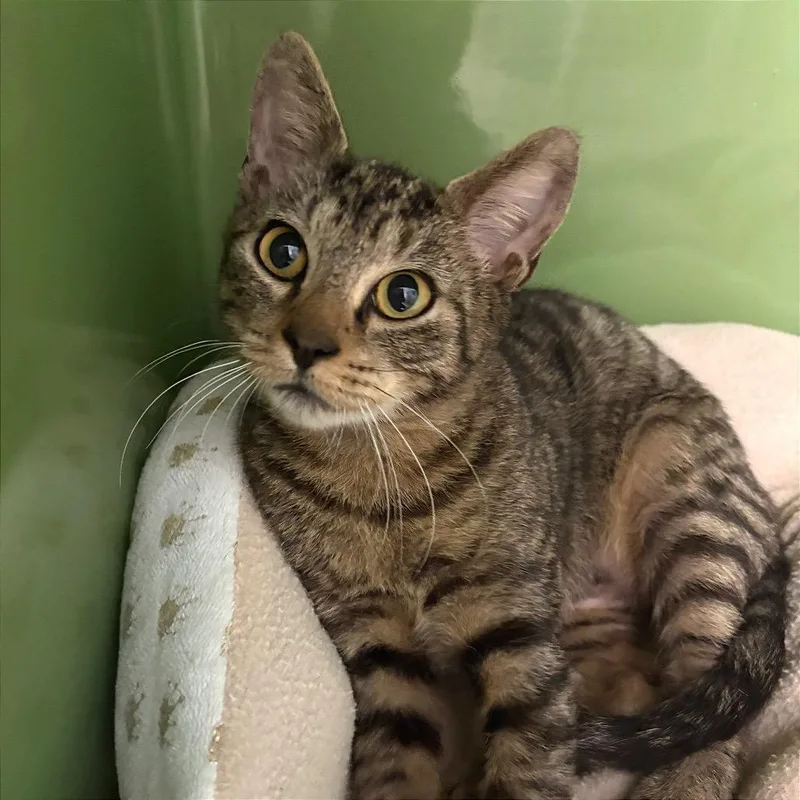
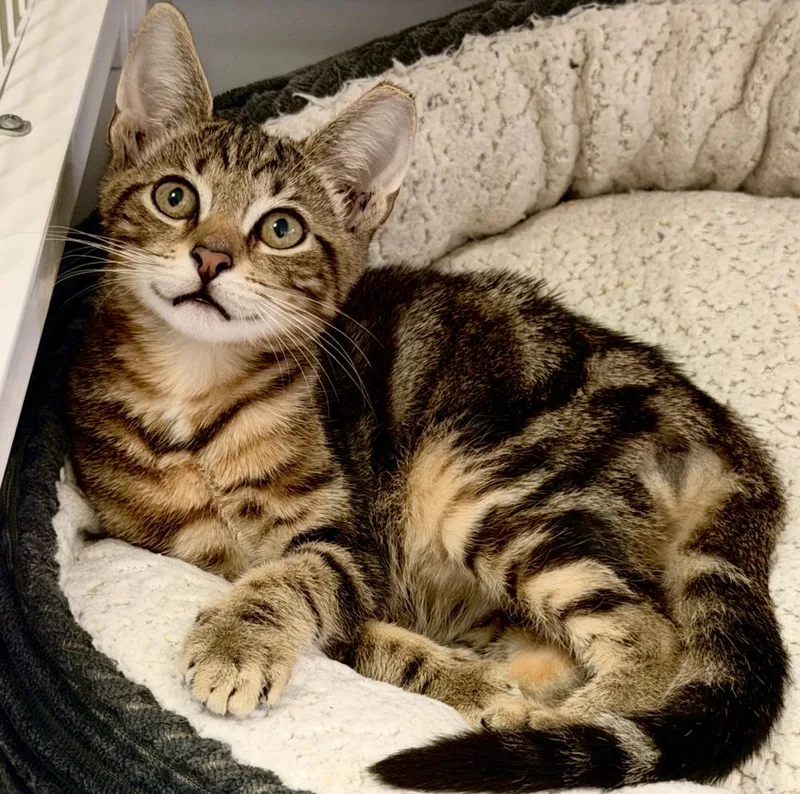
Tortoiseshell Cats for Adoption in Fort Lauderdale, FL

Your guide to finding and caring for a Tortoiseshell in Fort Lauderdale

A tortoiseshell cat fits Fort Lauderdale's condo and apartment life well, as long as there's a good window to watch from. Whether home is a high-rise in Central Beach or a smaller place near Riverside Park, a tortie can claim a perch and sleep through the afternoon thunderstorms. Tortoiseshell is a coat pattern, not a breed, so personalities run from shy to bossy. Nearly all torties are female, and most you'll meet here are domestic shorthairs who still want a daily play session.

1033 Tortoiseshells available in Fort Lauderdale and nationwide

Your Tortoiseshell is waiting

Tortoiseshells Available for Adoption Near Fort Lauderdale

About the Tortoiseshell breed

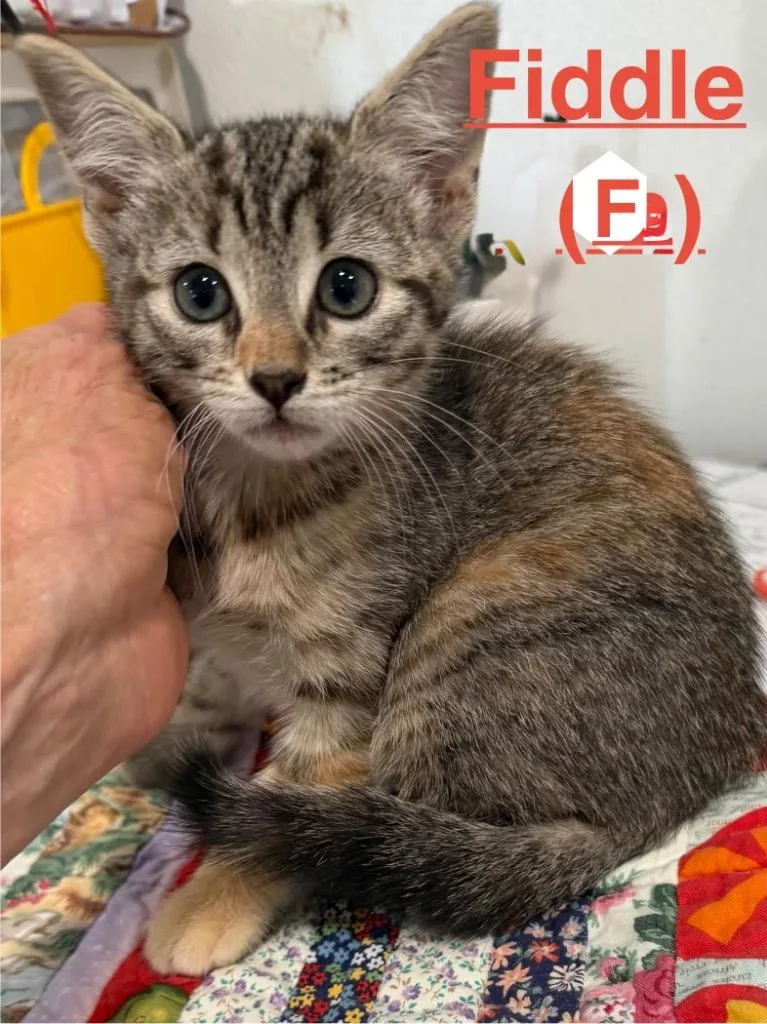
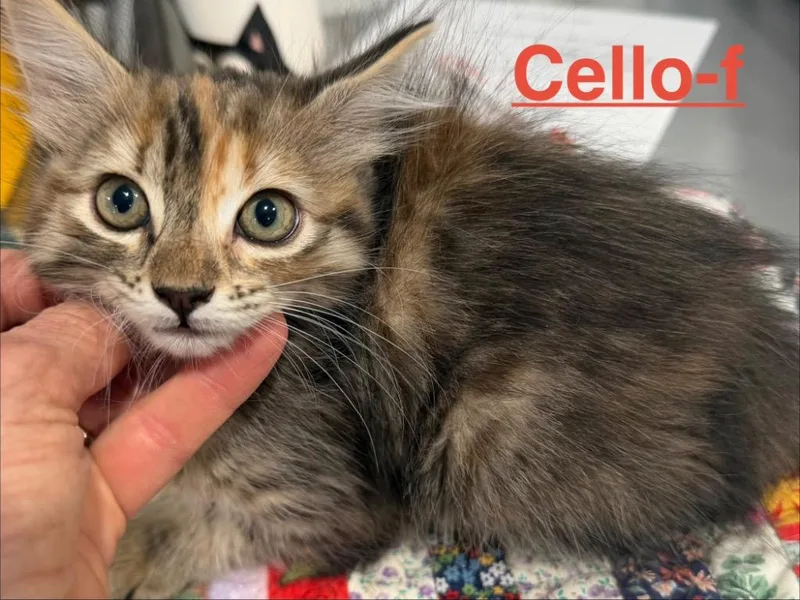
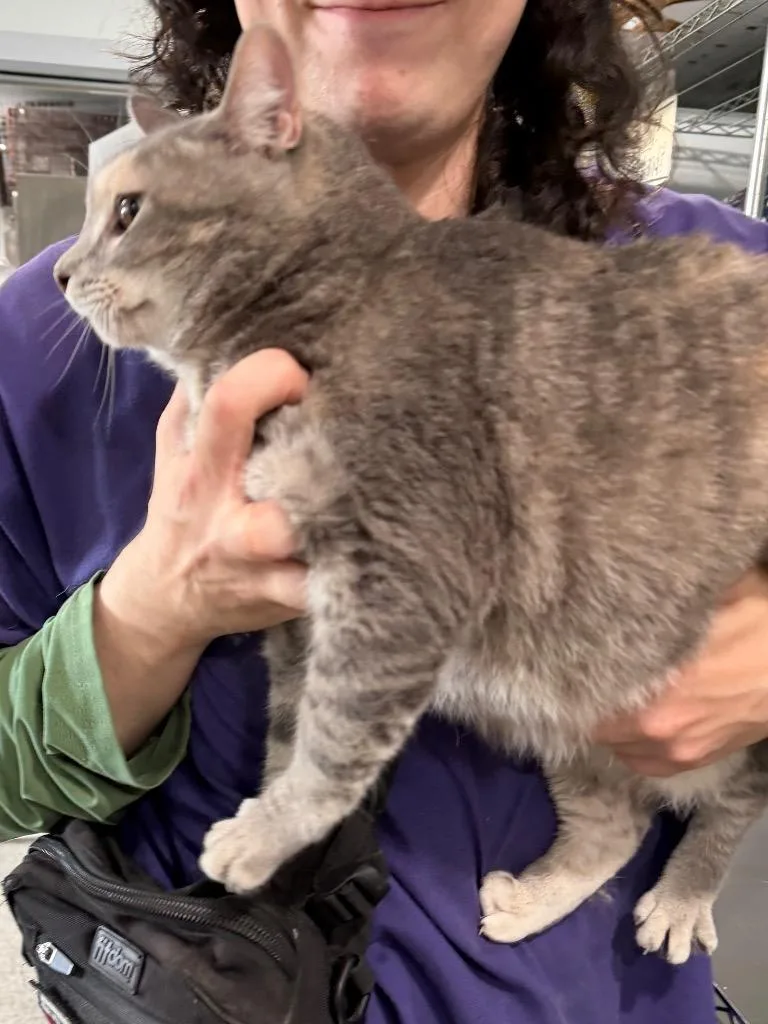
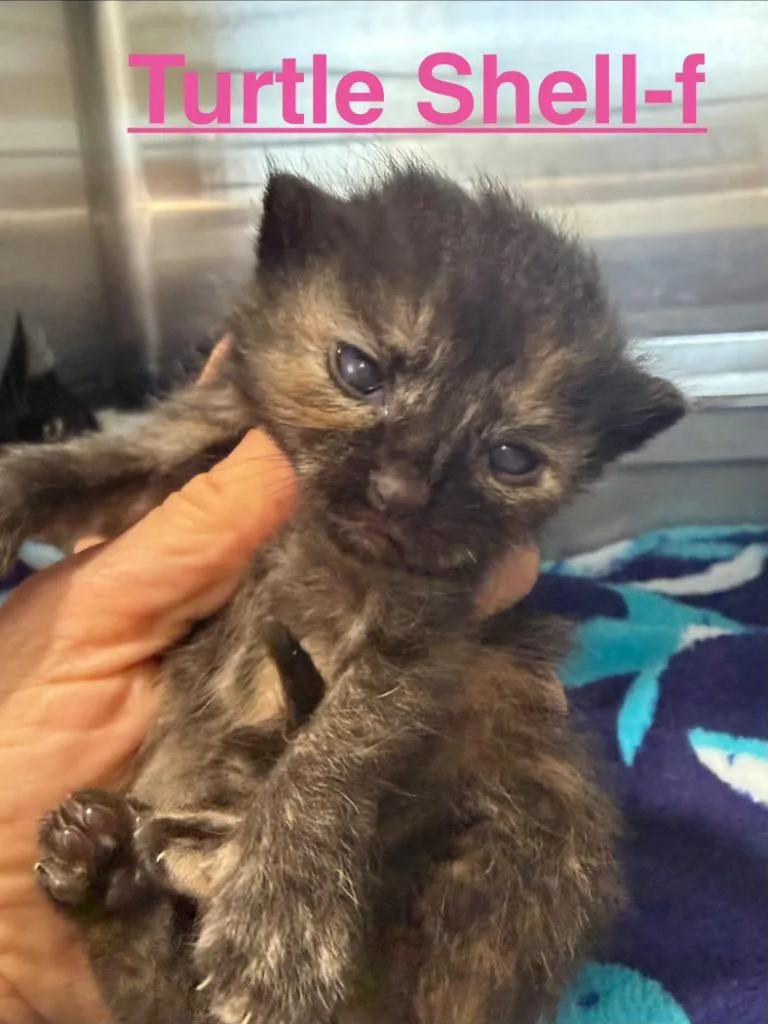
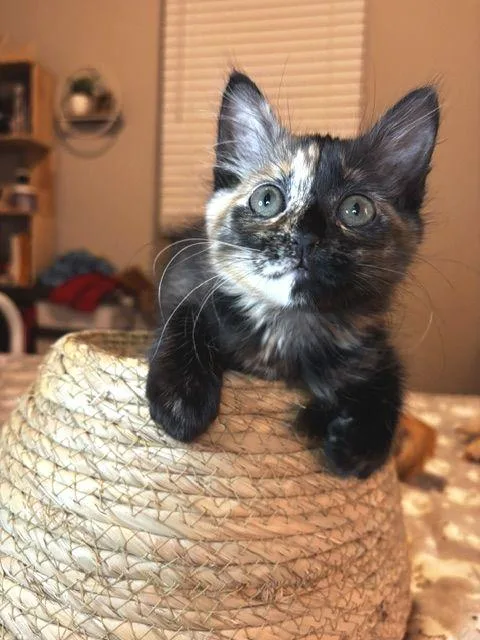
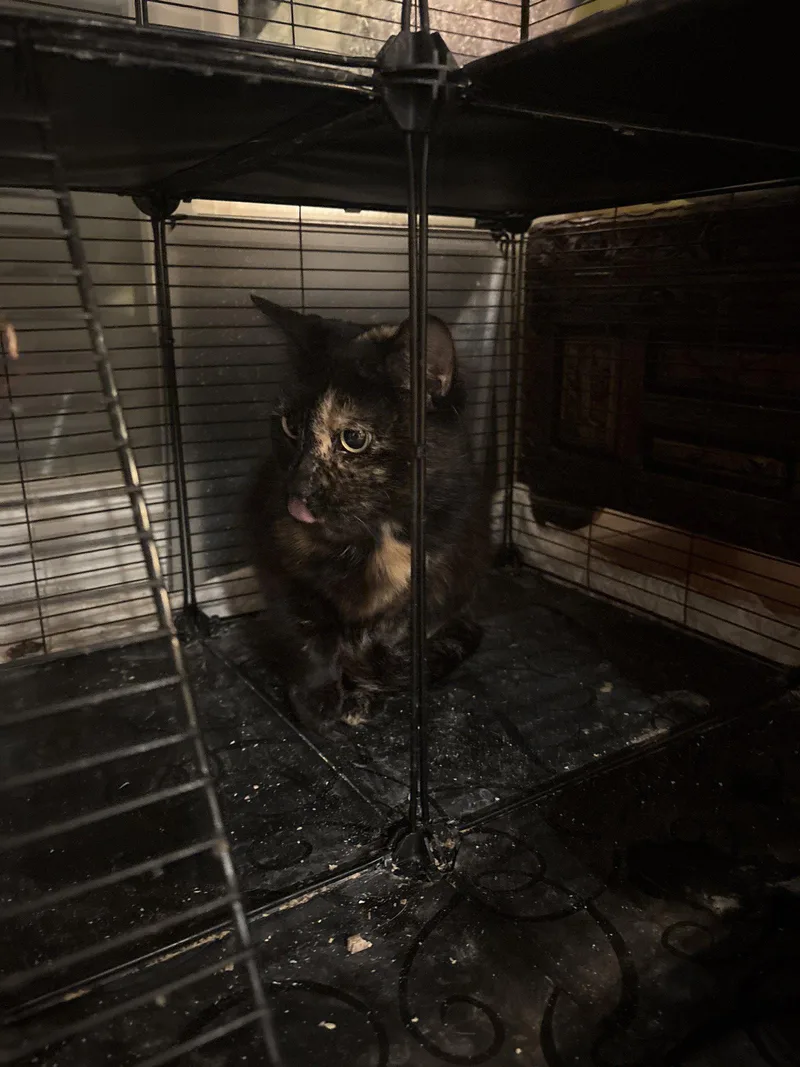
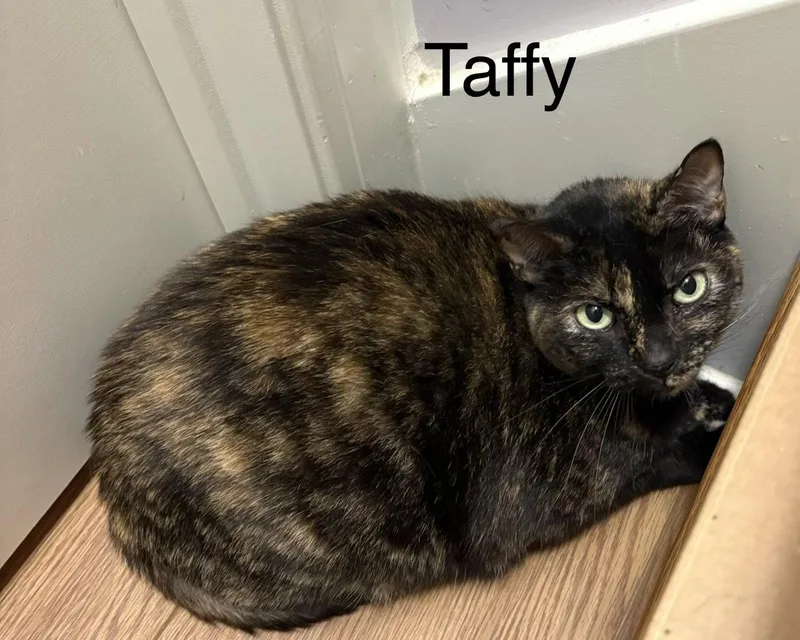
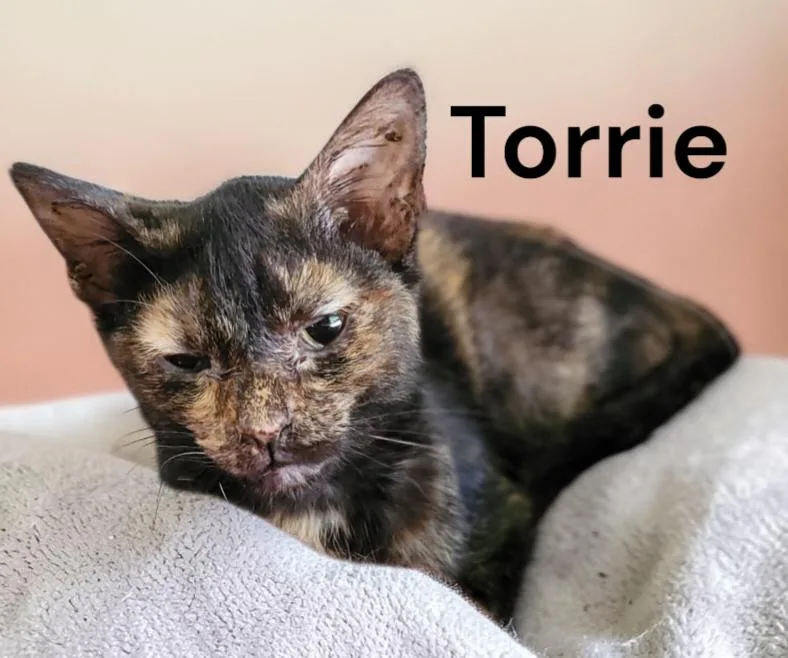
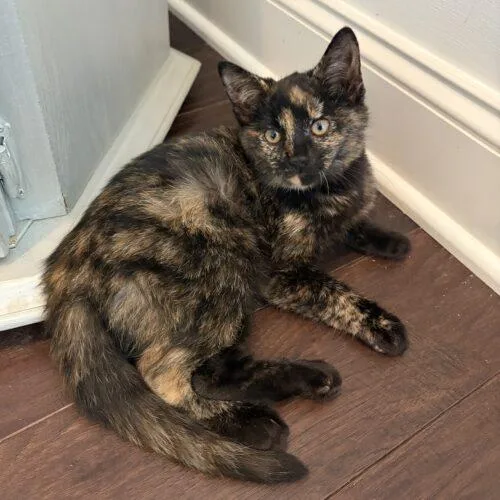
Tortoiseshell isn't a breed but a coat pattern: black-based and orange-based colors mixed in patches or a fine mottled blend, usually with little or no white. Cats with large white areas are called calicos, dilute torties show soft gray and cream, and torbies add tabby stripes. Most tortoiseshells in adoption listings are domestic shorthairs, though the pattern also turns up in Persians, Maine Coons and British Shorthairs.

Because the pattern says little about character, a cat's age, history and socialization matter far more. Typical tortoiseshell cats weigh 6 to 14 pounds, live 12 to 18 years and shed at a moderate level, so a weekly brushing keeps fur under control. Adopting one is a long commitment, so think about how your home, schedule and building rules will look a decade from now.

Weight
6–14 lbs
Height
8–10 in
Lifespan
12–18 yrs
Temperament
Independent, Affectionate, Playful
Shedding
Moderate

Owning a Tortoiseshell in Fort Lauderdale

Having a Tortoiseshell in Fort Lauderdale

Tortoiseshell describes a coat, so these traits reflect the usual mix of domestic shorthair ancestry, age and upbringing rather than a fixed breed standard. In Fort Lauderdale, tortie care mostly comes down to indoor enrichment, a cool home and year-round parasite prevention.

Temperament

Torties have a reputation for spirited, opinionated "tortitude," but the evidence rests mostly on owner impressions. Real tortoiseshell cats run from shy to bold and from lap-loving to aloof. In a busy condo building, a confident tortie may enjoy the activity, while a shy one often settles best in a quiet room with patience.

Exercise Needs

Plan on daily interactive play, such as wand toys, chase games and puzzle feeders, with younger cats needing more and seniors preferring gentler sessions. Fort Lauderdale's heat makes air-conditioned indoor play the easy default. Window perches and cat trees add climbing and bird-watching, and early morning is the coolest time for any harness outing.

Health Considerations

The tortoiseshell pattern carries no known health risks for female cats; the rare males usually have an extra X chromosome and may face additional issues. Dental care, a healthy weight and regular checkups matter most. Fort Lauderdale's warm climate makes fleas and other parasites a year-round concern, so ask a veterinarian about prevention.

Living Space

Tortoiseshell cats do well in apartments, condos and houses alike, since space needs depend on the cat. Vertical space matters more than square footage: a cat tree, a window perch and a hideaway go a long way. In high-rises, keep balcony doors and window screens secure so a curious cat can't slip out.

What it costs to own a Tortoiseshell in Fort Lauderdale

ExpenseTypical costPer year
Adoption fee$150, one time$150 in year one
Food$25 to $50 per month$300 to $600
Pet insurance$20 to $45 per month$240 to $540
Routine vet care$150 to $350 per year$150 to $350
Other*$475 to $1,205 per year$475 to $1,205
Estimated yearly total (after year one)$1,165 to $2,695
First-year total (with adoption fee)$1,315 to $2,845

Adoption fee is the fee on Tortoiseshell listings in Fort Lauderdale on GetBuddy today. Other costs are estimates and vary with size, age and health.

* Litter, year-round flea and parasite prevention, a dental cleaning allowance, toys and supplies, home grooming, and the Broward County pet tag.

Adopt a Tortoiseshell in Fort Lauderdale.

Now that you know more, let’s find you a new best friend. These rescues and shelters below currently have Tortoiseshells available.

Rescues in Fort Lauderdale with Tortoiseshells Available

Fort Lauderdale's adoption community includes Broward County Animal Care and the Humane Society of Broward County, both on the city's south side. Here are the rescues & shelters in the Fort Lauderdale area where you can find Tortoiseshells and other cats available for adoption.

Frequently Asked Questions

Yes, a Tortoiseshell can live comfortably in a Fort Lauderdale apartment, since cats mostly need a window perch, a cat tree and daily play rather than a yard. Landlords and condo associations set their own pet rules, so get the pet terms in writing before signing. Keep window screens and balcony doors secure, especially on upper floors.

Yes, Tortoiseshells can handle a Fort Lauderdale summer when they live indoors with air conditioning. Highs reach about 90°F with warm, humid nights, so give a cool resting spot and fresh water. Heavy panting, drooling or collapse need a veterinarian right away. Never leave a cat in a parked car.

Yes. Fort Lauderdale has no known rule limiting cats by coat color or type, and tortoiseshell is a color pattern anyway. Any cat four months or older needs a rabies vaccination and a Broward County tag on its collar, renewed every year. Your landlord or condo association may still set its own pet limits.

Grooming depends on coat length more than color. Short-haired Tortoiseshells usually need a weekly brushing, while long-haired ones need several brushings a week to prevent mats. Because Fort Lauderdale stays warm year-round, expect moderate shedding all year. Most owners groom at home, which is covered in the Other costs on this page, and professional grooming is optional.

Yes, but only inside a secure carrier. On Broward County Transit buses, pets other than service animals must ride in a cage, and Tri-Rail allows small pets only in a proper carrying cage. Choose a sturdy, escape-proof carrier and keep the cat inside it for the whole trip, since neither system allows a cat to roam loose.

No, plan on leaving your Tortoiseshell at home. Florida's outdoor-dining exception is written for leashed dogs on patios, and it doesn't extend to cats. Indoor dining areas are off-limits to pets other than service animals. Your cat will be happier with water, a cool room and a safe place to nap.

A tortoiseshell cat is a cat with a coat pattern of black-based and orange-based colors blended or patched together, usually with little or no white. It is not a breed; the pattern appears in many breeds and most often in domestic shorthairs. Nearly all tortoiseshells are female because the genes for orange and black are carried on the X chromosome.

Almost all tortoiseshell cats are female, but not all. A female has two X chromosomes and can carry both orange and black color genes, producing the mixed coat. Males normally have only one X. Rare male torties usually have an extra X chromosome or are genetic chimeras, and they are estimated at roughly 1 in 3,000 tortoiseshells.

We have 1 rescue with Tortoiseshells available: Cat Crusade Adoption & Rescue. You can see every rescue with Tortoiseshells available in the list above these questions, or scroll to the top to see the Tortoiseshells near Fort Lauderdale.

Expect roughly $25 to $50 a month for food, $20 to $45 a month for insurance, $150 to $350 a year for routine vet care, and $475 to $1,205 a year for other costs such as litter, parasite prevention, dental care and the county tag. Together that's about $1,165 to $2,695 a year, before any emergency care.