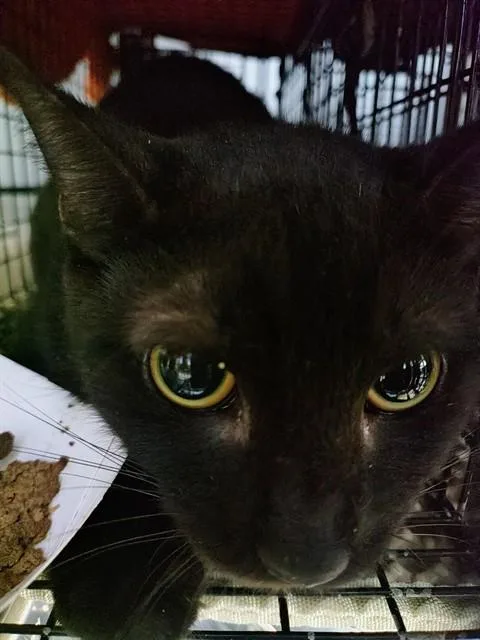
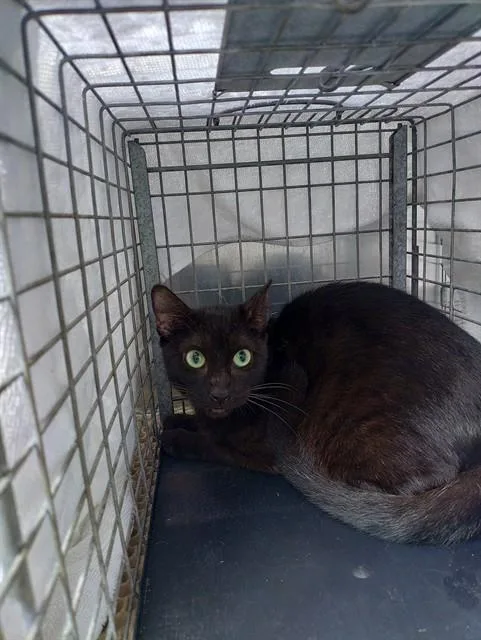
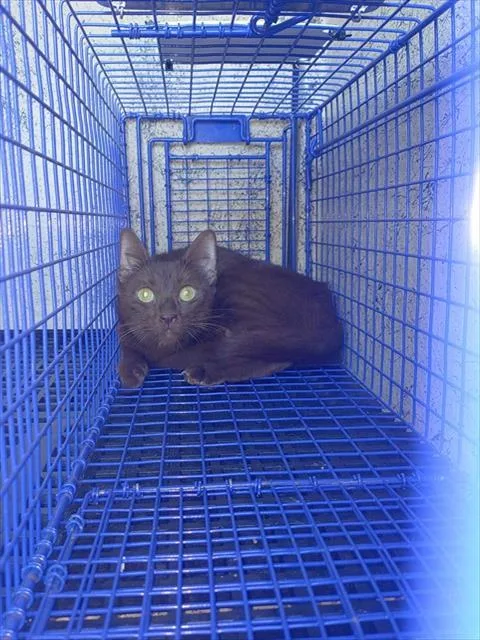
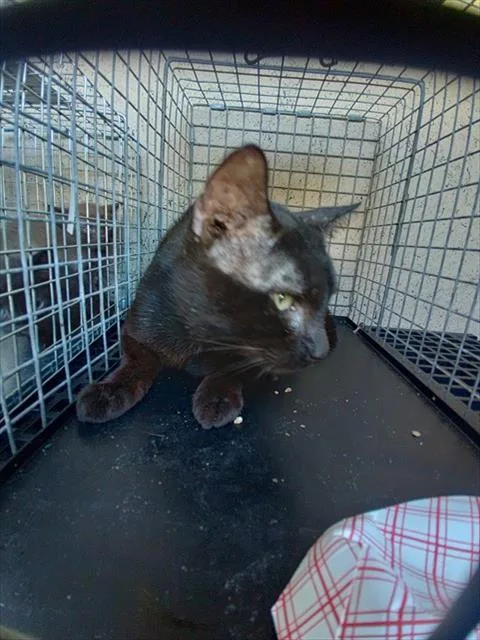
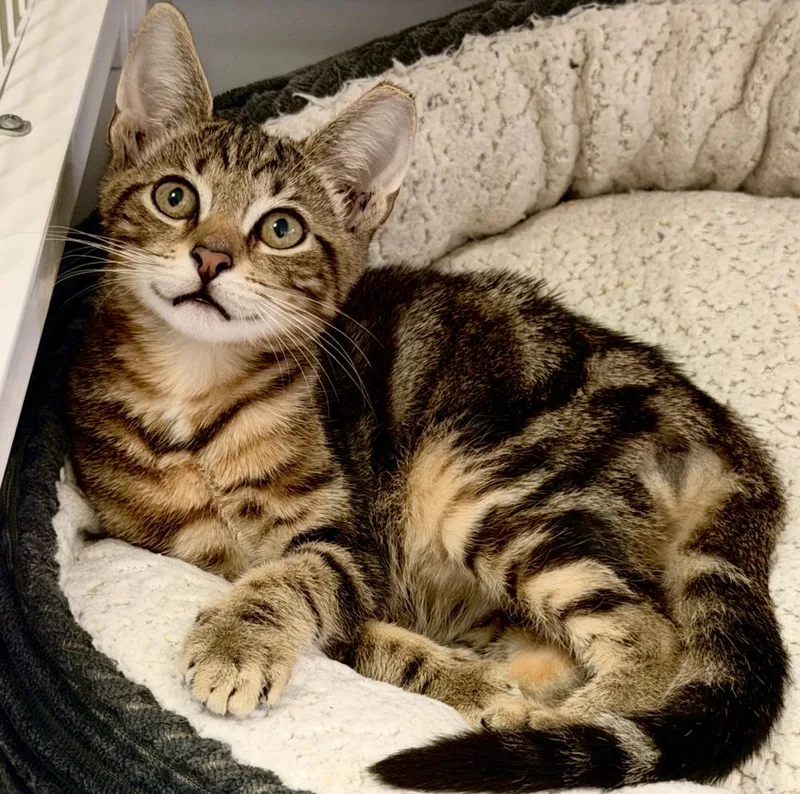
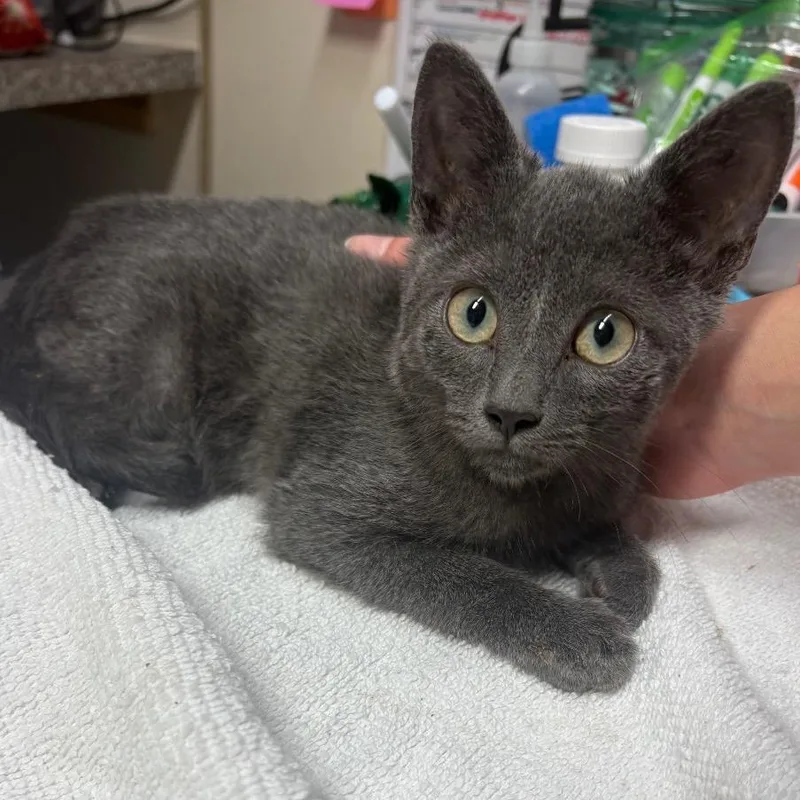
Domestic Short Hair Cats for Adoption in Fort Lauderdale, FL

Your guide to finding and caring for a Domestic Short Hair in Fort Lauderdale

Domestic Short Hairs fit Fort Lauderdale's high-rise condos as easily as a Victoria Park bungalow. They're the most common kind of cat in American homes, and their medium build and easygoing nature suit a one-bedroom downtown as well as a house in the Riverside Park neighborhood. A window perch matters here, because watching afternoon storms roll over the canals keeps an indoor cat entertained for hours. Kittens will try to climb everything, and adults often claim the sunniest windowsill.

121 Domestic Short Hairs available for adoption in Fort Lauderdale

Find your Domestic Short Hair

Domestic Short Hairs Available for Adoption in Fort Lauderdale

About the Domestic Short Hair breed

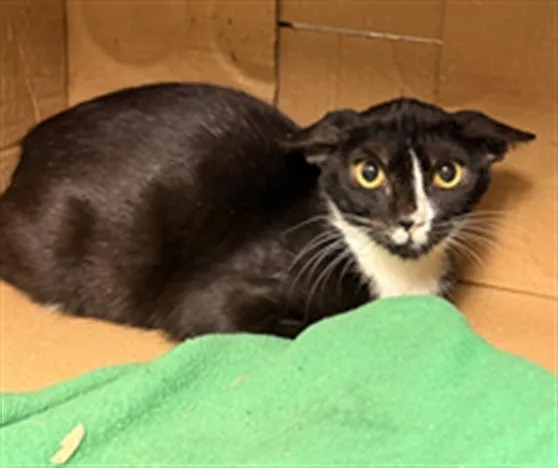
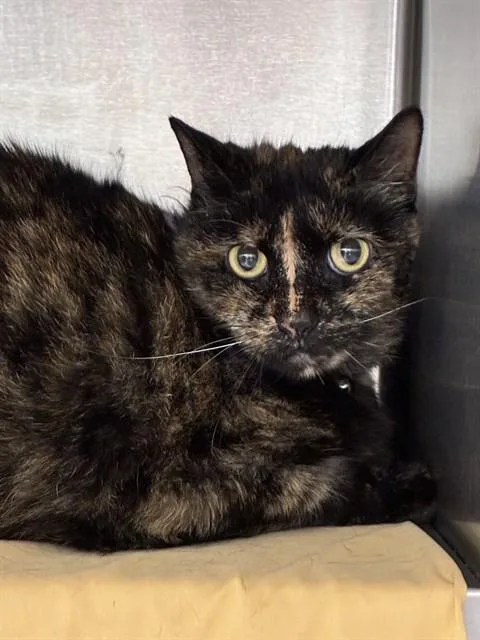
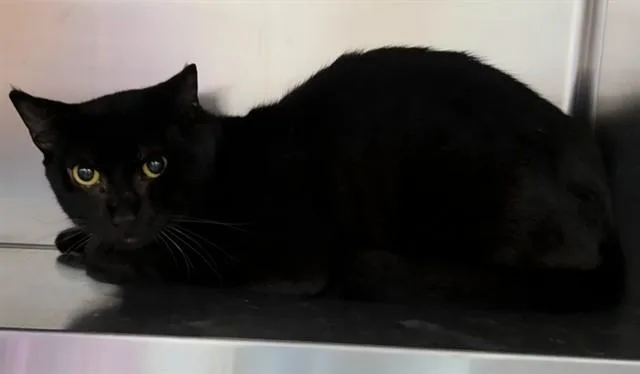
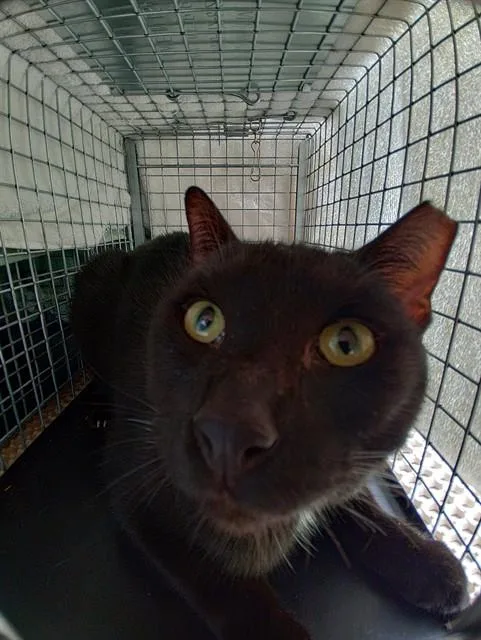
Domestic Short Hair is a type of cat rather than a breed: a short-coated cat of mixed or unknown ancestry. Adoption records often shorten it to DSH. These cats come in every color and pattern, from tabby and tuxedo to calico and solid black, and most are medium-sized, weighing about 6 to 14 pounds.

Personality varies widely. Some DSH cats are lap-sitters, some are talkative, and others prefer watching from a perch. In Fort Lauderdale's year-round heat and humidity, a short coat is an advantage, needing little more than a weekly brush. Age, energy and past experiences tell you more about a cat than its coat does, so spend time getting to know each cat. Most live 12 to 18 years, so plan for the long haul, including hurricane seasons.

Weight
6–14 lbs
Height
8–10 in
Lifespan
12–18 yrs
Temperament
Adaptable, Curious, Affectionate
Shedding
Moderate

Owning a Domestic Short Hair in Fort Lauderdale

Having a Domestic Short Hair in Fort Lauderdale

A DSH cat's coat says little about its personality, so judge each cat on age, energy and sociability. In Fort Lauderdale, an indoor home with cool rest spots, climbing space and a storm plan covers most of what these cats need.

Temperament

DSH cats range from outgoing lap cats to quiet observers, and most adapt to a new home with a patient start. Cats comfortable with elevator noise and neighbors do well in condo buildings, while shy cats may prefer a calm unit with a quiet room to retreat to. Kittens tend to be bold and playful; adults show settled habits.

Exercise Needs

Plan on daily interactive play, ideally a couple of short sessions with wand toys or food puzzles. Air conditioning keeps play comfortable all year. Window perches over a garden or canal and tall cat trees add climbing and watching time. Cats that go outside need supervision in a harness or enclosed space, since coyotes, cane toads and alligators are local concerns.

Health Considerations

DSH cats commonly face obesity, dental disease and urinary problems, and kidney disease, hyperthyroidism and diabetes as seniors. Regular vet exams and weight checks catch these early. In Fort Lauderdale's warm, humid climate, year-round flea prevention is worth discussing with a veterinarian, who can also check a newly adopted cat's overall health.

Living Space

These cats do well in condos, apartments and houses alike. Vertical space, scratching posts, hiding spots and a clean litter box matter more than square footage. With so many high-rise units in Fort Lauderdale, sturdy window screens and secured balcony doors are important, because a cat can fall from a high balcony without warning.

What it costs to own a Domestic Short Hair in Fort Lauderdale

ExpenseTypical costPer year
Adoption fee$60 to $225, one time$60 to $225 in year one
Food$25 to $50 per month$300 to $600
Pet insurance$20 to $45 per month$240 to $540
Routine vet care$150 to $350 per year$150 to $350
Other*$450 to $1,150 per year$450 to $1,150
Estimated yearly total (after year one)$1,140 to $2,640
First-year total (with adoption fee)$1,200 to $2,865

Adoption fee is the range of fees on Domestic Short Hair listings in Fort Lauderdale on GetBuddy today. Other costs are estimates and vary with size, age and health.

* Litter, flea and tick prevention, a dental cleaning allowance, the Broward County pet tag, toys, scratchers and other supplies, and minimal home grooming.

Adopt a Domestic Short Hair in Fort Lauderdale.

Now that you know more, let’s find you a new best friend. These rescues and shelters below currently have Domestic Short Hairs available.

Rescues in Fort Lauderdale with Domestic Short Hairs Available

The area's adoption community includes a county shelter, a humane society and rescue groups helping cats of all ages. Here are the rescues & shelters in the Fort Lauderdale area where you can find Domestic Short Hairs and other cats available for adoption.

Frequently Asked Questions

Often, yes. A DSH cat can adapt to the city's condos, canal-side homes and warm weather when it lives indoors with air conditioning and enrichment. Personalities vary widely, so look at each cat's age and energy rather than its coat. Because hurricane season runs June through November, keep a carrier, a microchip and two weeks of food and litter ready.

Yes. Domestic Short Hair describes a coat type rather than a breed, and Florida bars local governments from setting breed-specific rules. Broward County requires a rabies vaccination and a county tag for any cat four months or older. Landlords and condo associations can set their own pet rules, so get approval for a cat before signing a lease.

Yes, DSH cats usually adapt well to apartments and condos. They need climbing space, a scratching post, window perches and a clean litter box more than square footage. In a high-rise, keep balcony doors secured and use sturdy window screens. A little interactive play each day helps an indoor cat burn off energy.

Yes, indoors. Short coats cope with heat better than long ones, but the city sees roughly 70 to 75 days a year at or above 90°F, with nights in the mid-70s. Keep the home air-conditioned, offer plenty of fresh water, and never leave a cat in a parked car. Panting, drooling or collapse calls for a vet right away.

Yes, as long as the cat stays in a secure carrier. Broward County Transit buses allow pets only in a cage, Tri-Rail allows small pets in a proper carrying cage, and Brightline allows cats in a closed carrier under the seat, booked with the ticket. Fort Lauderdale has no subway. Practice carrier time at home first.

Very little. A weekly brush handles most shedding, and humid weather doesn't change the routine for a short coat. Most cats groom themselves, so professional grooming usually isn't needed, which keeps grooming spending minimal within the Other costs. Overweight, arthritic or senior cats that can't groom well may develop mats, which a vet or groomer should handle.

Domestic shorthair cats typically live about 12 to 18 years, and many indoor cats reach their late teens or early twenties. Large UK veterinary studies have found mixed-breed cats tend to live slightly longer than pedigreed cats on average. Spaying or neutering, indoor living, a healthy weight, dental care and regular checkups all help a cat enjoy a longer life.

No, domestic shorthair cats are not hypoallergenic. The main cat allergen, a protein called Fel d 1, comes from saliva and skin glands, so short fur does not prevent reactions. Allergen levels vary between individual cats, and some people react less to certain cats. Spending time with a specific cat before adopting is the best way to test your response.

We have 5 rescues with Domestic Short Hairs available, including Abandoned Pet Rescue, Broward County Animal Care and Adoption and Wonder Paws Rescue. You can see every rescue with Domestic Short Hairs available in the list above these questions, or scroll to the top to see the Domestic Short Hairs in Fort Lauderdale.

A DSH cat typically costs about $1,140 to $2,640 a year. That counts food at $25 to $50 a month, insurance at $20 to $45 a month, routine vet care of $150 to $350, and other costs of $450 to $1,150. Litter, flea prevention and dental care sit in Other. Adoption fees and starter supplies are extra.