Russian Blue Cats for Adoption in Wilmington, DE

Your guide to finding and caring for a Russian Blue in Wilmington

A Russian Blue suits Wilmington's rowhouse blocks well, since the breed likes quiet routines more than room to roam. In a brick East Side rowhouse or a Trolley Square apartment, a window perch over the street gives a cat plenty to watch. Russian Blues are often reserved with visitors, so a calm home suits them. Plan on a cat that takes a few days to come out from under the bed, then follows you from room to room.

709 Russian Blues available in Wilmington and nationwide

Find your Russian Blue

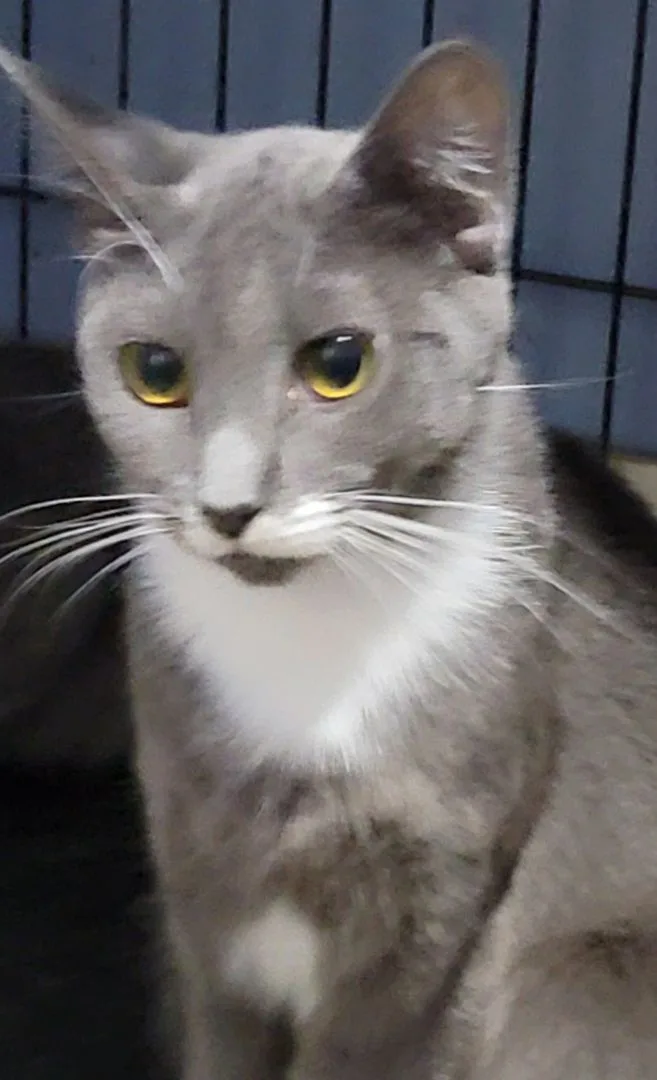
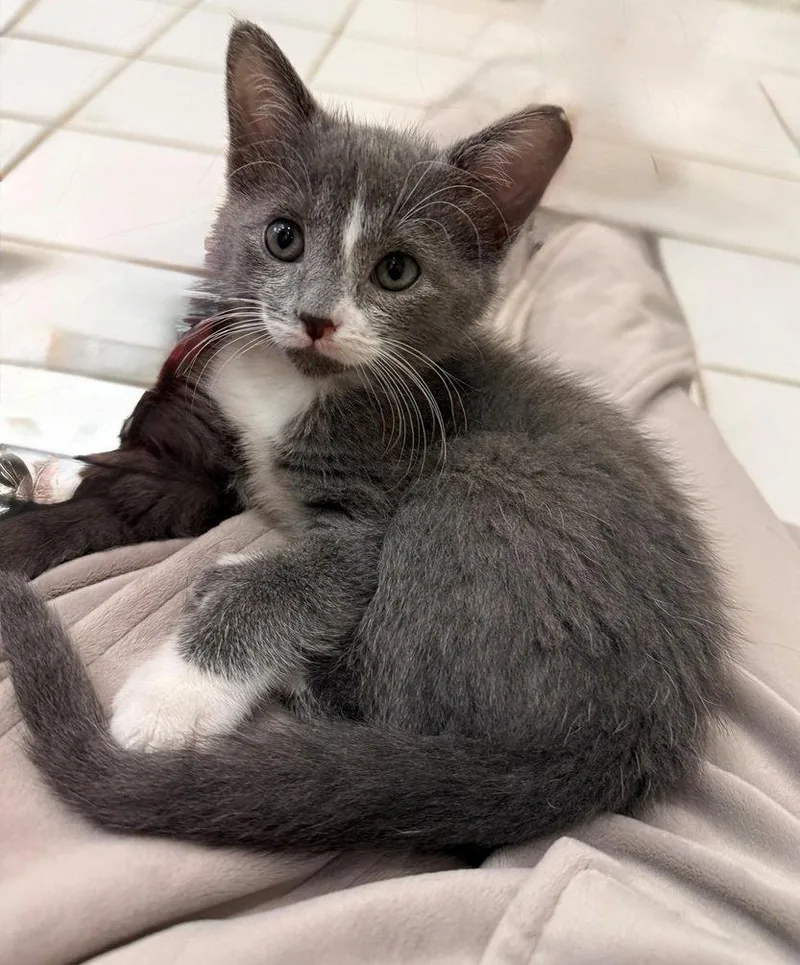
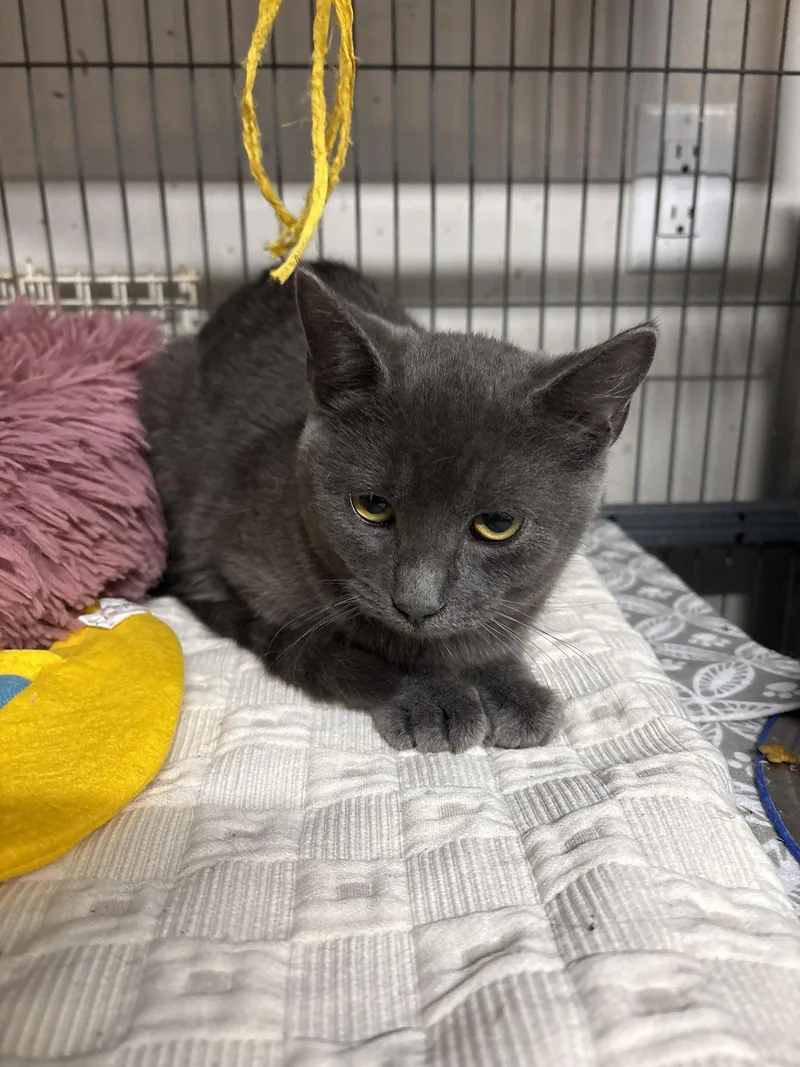
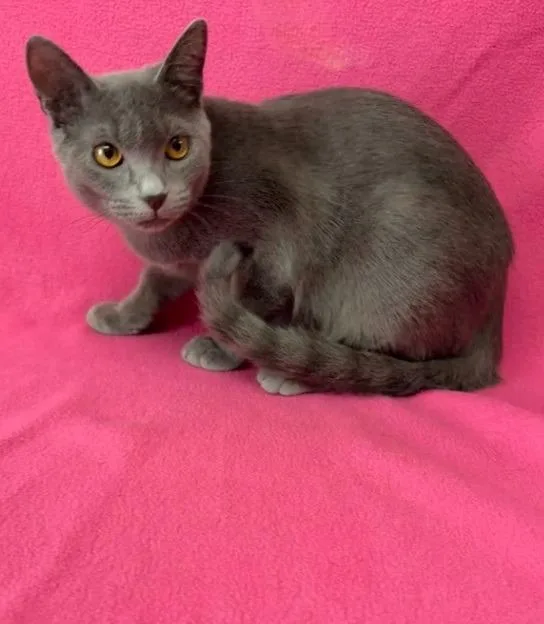
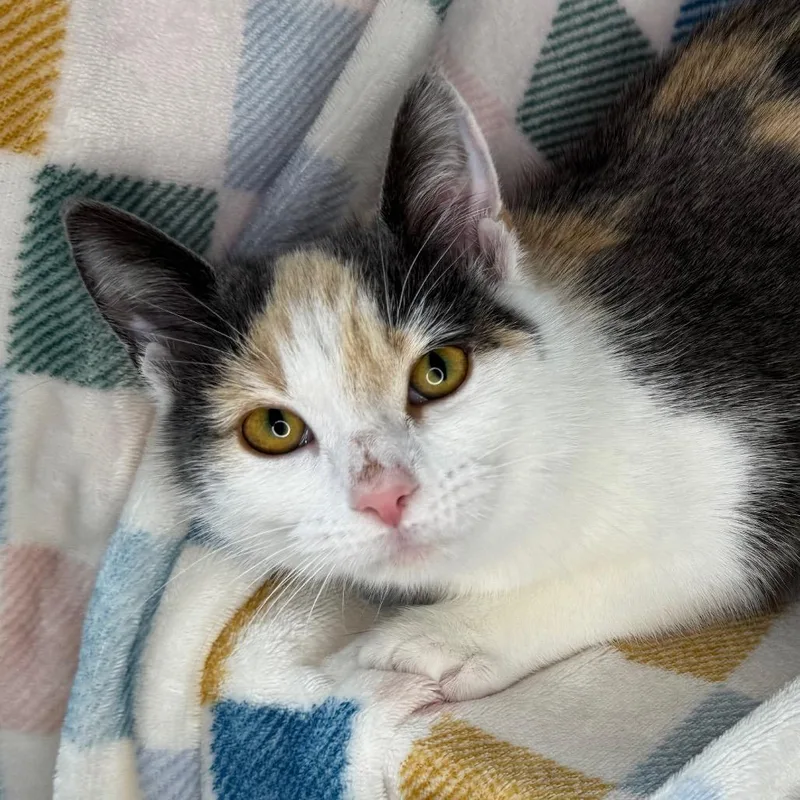
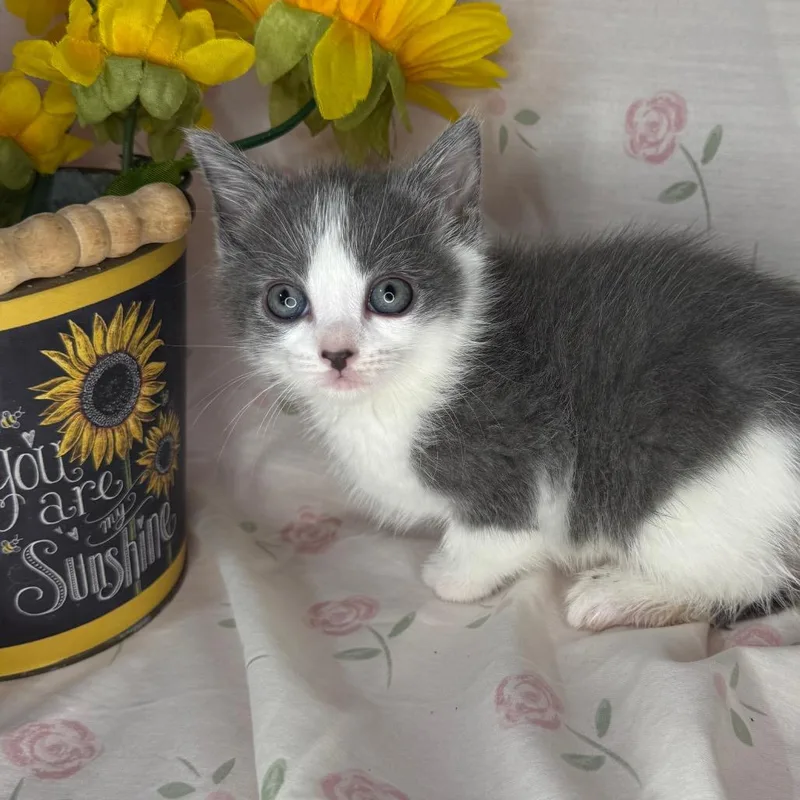
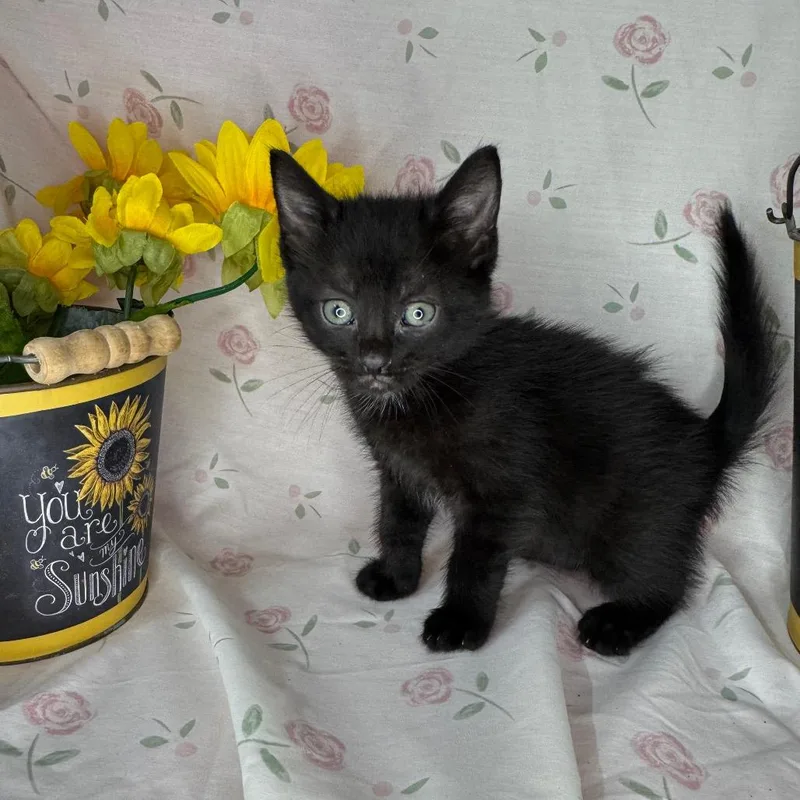
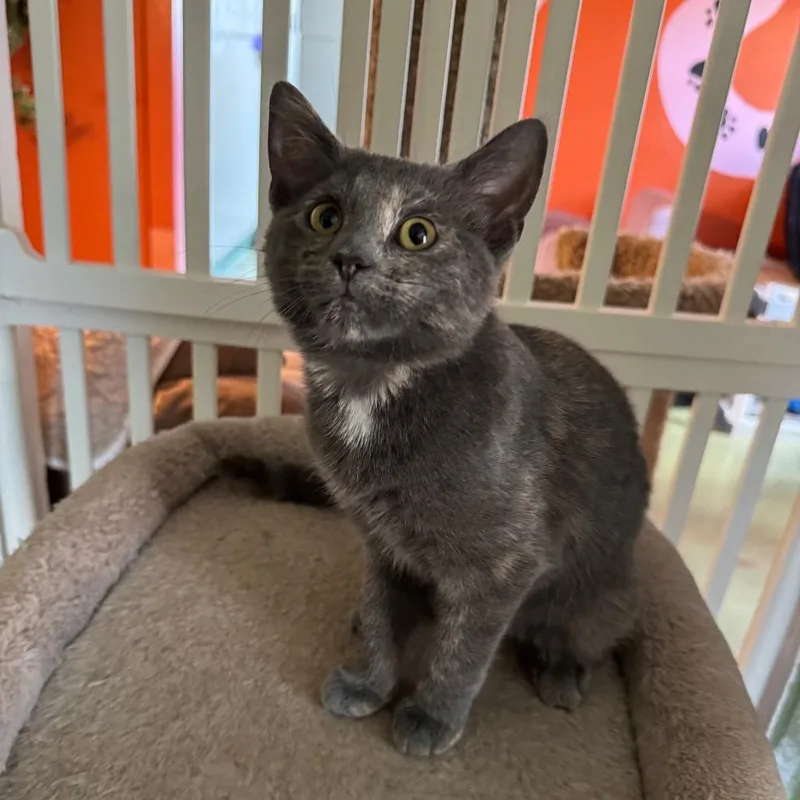
Russian Blues Available for Adoption Near Wilmington

About the Russian Blue breed

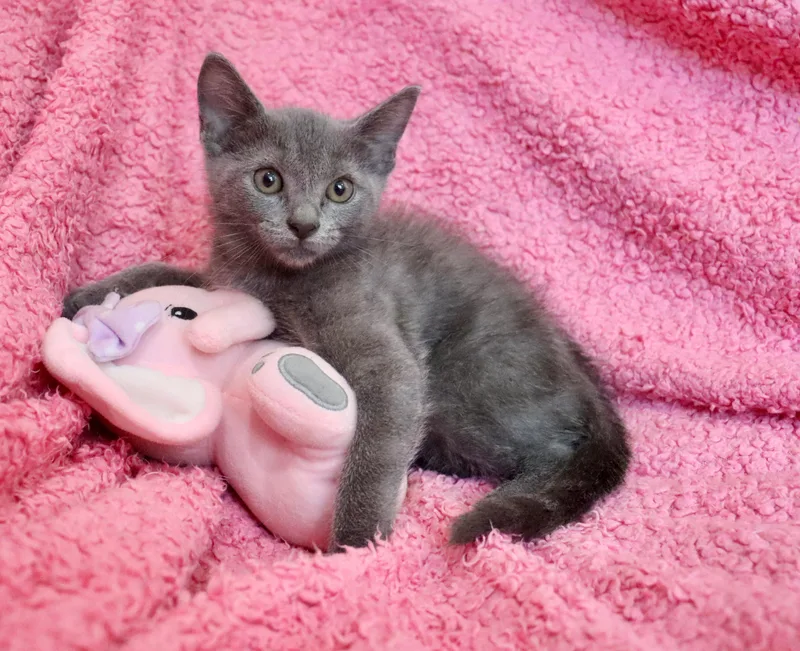
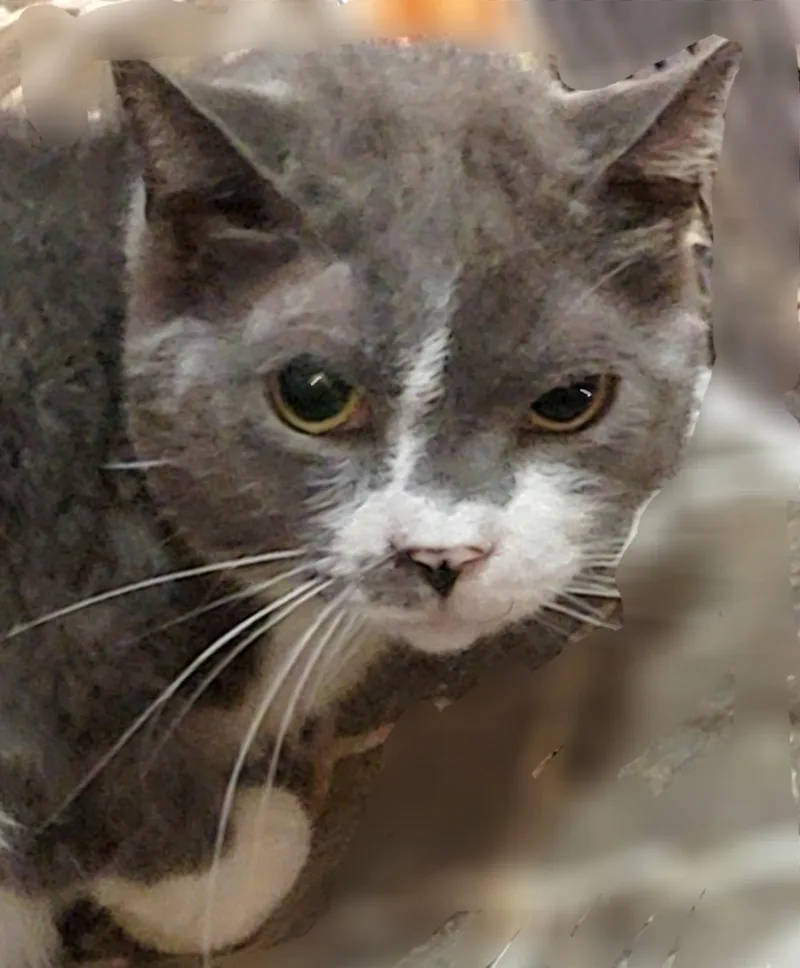
Russian Blues are slender, fine-boned shorthairs with a dense, plush double coat of even blue-grey tipped in silver, and vivid green eyes. The breed is believed to come from the Archangel region of northern Russia, and sailors brought cats to Britain in the 1860s. Adults usually weigh 6 to 12 pounds and live 12 to 16 years, so adopting one is a long commitment.

Many are gentle, quiet and devoted to their own people while staying reserved with strangers. They like routine, notice changes in household mood, and enjoy games that challenge them. Shedding is low to moderate and the coat needs little care, though the breed has a healthy appetite. Many blue-grey cats are domestic shorthairs rather than Russian Blues, so judge a cat by its personality, not its color.

Weight
6–12 lbs
Height
8–10 in
Lifespan
12–16 yrs
Temperament
Gentle, Quiet, Intelligent
Shedding
Low to Moderate

Owning a Russian Blue in Wilmington

Having a Russian Blue in Wilmington

A Russian Blue's plush coat is easy to maintain, but the breed's sensitivity to change and noise matters more than grooming. In Wilmington, that means thinking about your schedule, your building's noise level and how winter and fireworks nights will affect a watchful cat.

Temperament

Russian Blues tend to be gentle, loyal and watchful, often studying visitors from a distance before approaching. Many prefer a predictable routine, so a steady household on a quiet Wilmington block can suit them. Cats vary, and a cat's past affects how fast trust builds, so give a new arrival time and a hiding spot.

Exercise Needs

Most Russian Blues are playful and agile, and 15 to 30 minutes of wand-toy or chase play once or twice a day suits many. Puzzle feeders slow down meals. During Wilmington's cold months, when freezing nights keep everyone inside, tall cat trees and window perches give a cat somewhere to climb and watch.

Health Considerations

Russian Blues have no widely recognized breed-specific inherited disease, but like other cats they can develop dental disease, bladder stones, kidney disease and heart conditions. Their strong appetite makes obesity a common, preventable concern, so measure meals. Yearly veterinary checkups, including a dental exam, are the best way to catch problems early.

Living Space

Russian Blues usually do well in apartments and rowhouses because they value cozy retreats over square footage. In a Wilmington home, a cat tree that fits a small room, a window perch and a hiding spot matter more than a yard. Keep the cat indoors, with daily play for enrichment.

What it costs to own a Russian Blue in Wilmington

ExpenseTypical costPer year
Food$25 to $50 per month$300 to $600
Pet insurance$25 to $50 per month$300 to $600
Routine vet care$150 to $350 per year$150 to $350
Other*$450 to $1,150 per year$450 to $1,150
Estimated yearly total (after year one)$1,200 to $2,700

Other costs are estimates and vary with size, age and health.

* Litter, flea and parasite prevention, a dental cleaning allowance, toys, scratchers and other supplies, and minimal home grooming for the short coat.

Adopt a Russian Blue in Wilmington.

Now that you know more, let’s find you a new best friend. These rescues and shelters below have cats available in and near Wilmington.

Rescues and Shelters in or near Wilmington

Delaware requires every shelter-adopted cat to be microchipped, and these Wilmington-area rescues and shelters list cats of every kind. Here are the rescues & shelters in the Wilmington area with cats available for adoption, worth asking whether a Russian Blue is coming in.

Frequently Asked Questions

Russian Blues can't ride DART First State buses, which ask riders to leave pets at home except for guide dogs. SEPTA Regional Rail trains on the Wilmington/Newark Line require pets to be in a carrier. For a cautious Russian Blue, a sturdy carrier with a light cover makes a busy station less stressful.

Yes, Russian Blues handle a Wilmington winter well as indoor cats. Their dense double coat copes with cold, and with about 90 freezing nights and around 20 inches of snow at the airport in a typical year, the real job is a warm, draft-free home with a sunny perch. Keep the cat inside during storms.

Yes, you can own a Russian Blue in Wilmington. Delaware has no cat license and no known breed-specific rules apply, though cats 6 months and older need a rabies vaccination from a licensed veterinarian. Cats adopted from Delaware shelters are microchipped, and you can browse the cats listed on this page to see who is available now.

Yes, a Russian Blue usually does well in a Wilmington apartment because the breed values quiet routines and cozy retreats over space. Because so many households here rent, read the lease for pet fees and limits. Add a window perch and a cat tree, and favor a building with thicker walls if the cat dislikes noise.

A Russian Blue fits Wilmington best in a calm home where someone is around most evenings. Rowhouses and apartments suit an indoor cat well. Fireworks around July 4 and New Year's can unsettle this noise-sensitive breed, so set up a quiet room with a hiding spot. Cats vary, so judge each cat by its own personality.

A Russian Blue needs little grooming in Wilmington: a quick weekly brush is plenty, and a few extra brushings help during the spring and fall shed. Humid summers don't call for special coat care. Nail trims and dental care matter more, and minimal grooming costs are already included in the yearly Other costs above.

Russian Blue cats are often gentle, quiet and deeply attached to their families, while staying reserved with strangers. Many like predictable routines, follow favorite people around and enjoy interactive games that test their intelligence. They tend to be sensitive to household mood and noise. Personality varies, so a foster's description of an individual cat is the best guide.

A Russian Blue is a medium-sized shorthaired cat with a dense, plush blue-grey coat tipped in silver, vivid green eyes and a slender, graceful build. The breed is thought to come from northern Russia. Many Russian Blues are quiet, intelligent and loyal to their people, though often shy around visitors until they feel comfortable.

No, Russian Blue cats are not hypoallergenic. They produce the Fel d 1 allergen like other cats, even though their dense coat may shed less noticeably than some breeds. Claims that they cause fewer allergy symptoms are anecdotal rather than proven. People with allergies should spend extended time with the specific cat before adopting.

A Russian Blue typically costs about $1,200 to $2,700 a year, or roughly $100 to $225 a month, across food, insurance, routine vet care and other costs. Food and insurance each run $25 to $50 a month, routine vet care $150 to $350 a year, and other costs $450 to $1,150. Illness and emergencies cost extra.

Explore Other Breeds in Wilmington

Looking for a different breed? Browse other cats available for adoption in Wilmington.