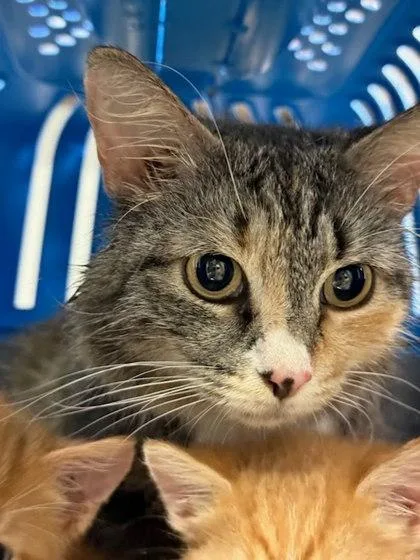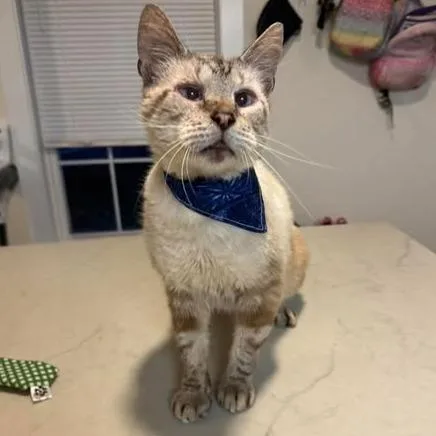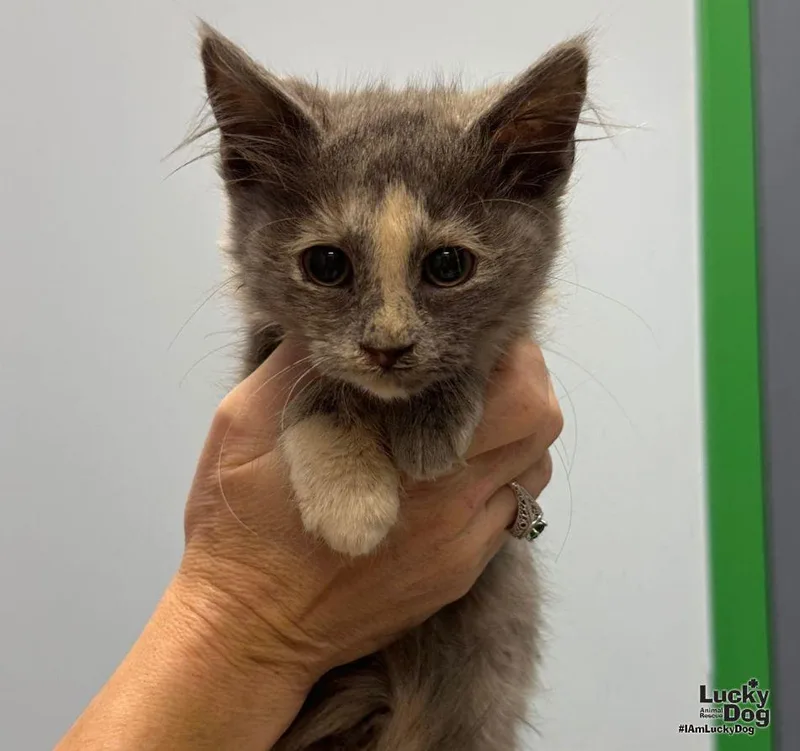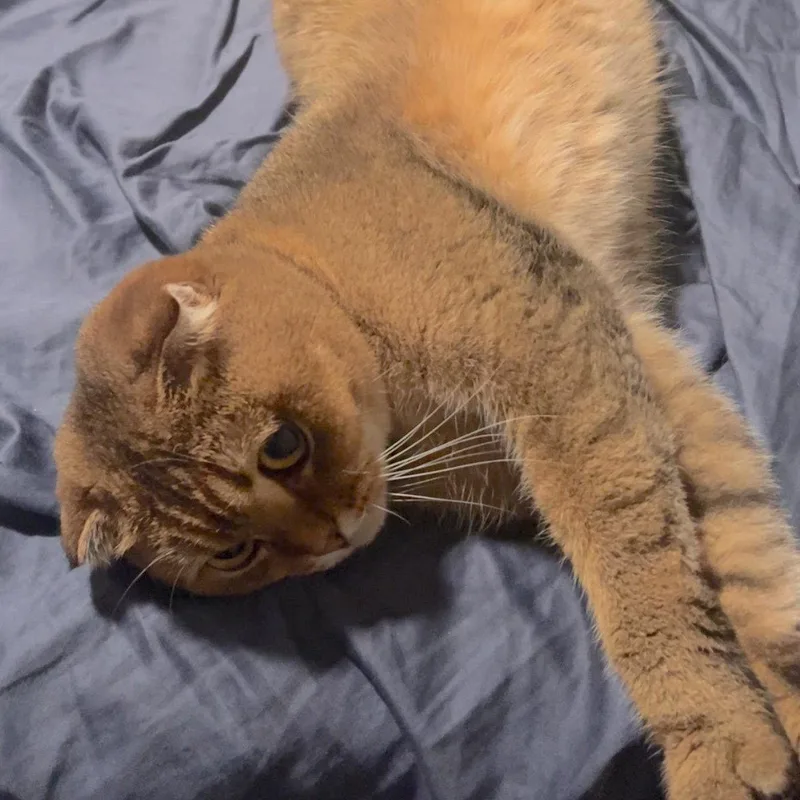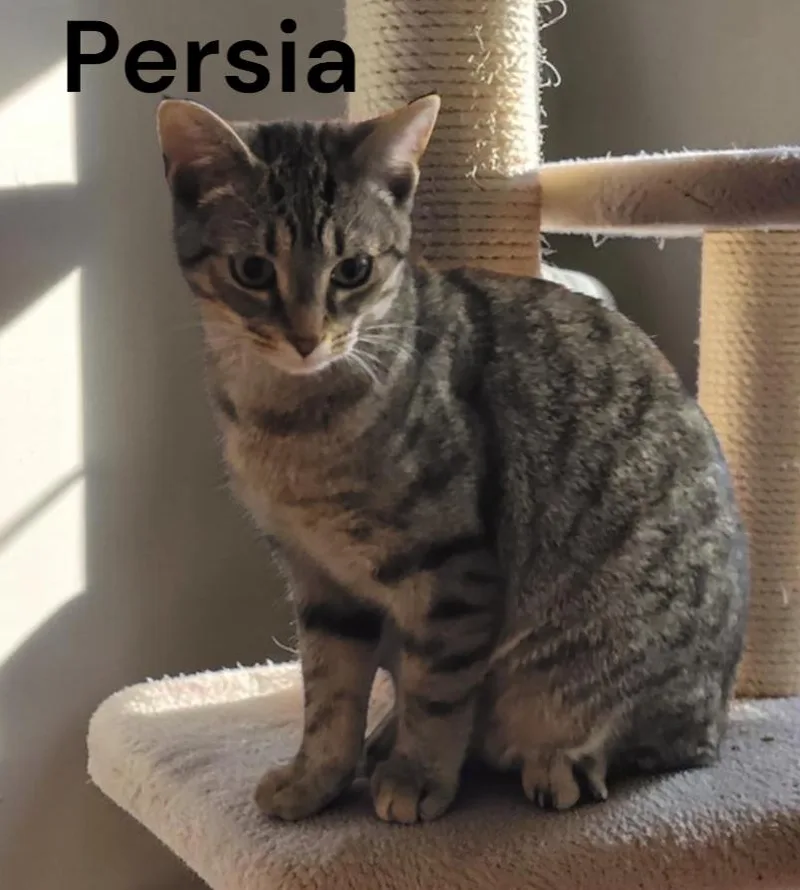
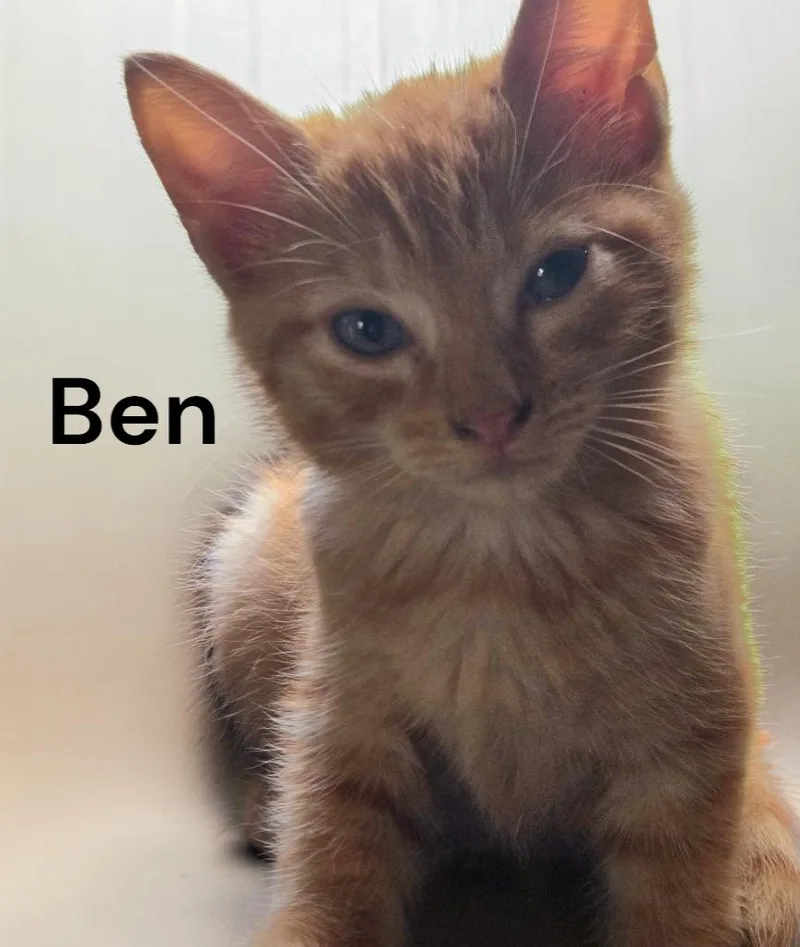
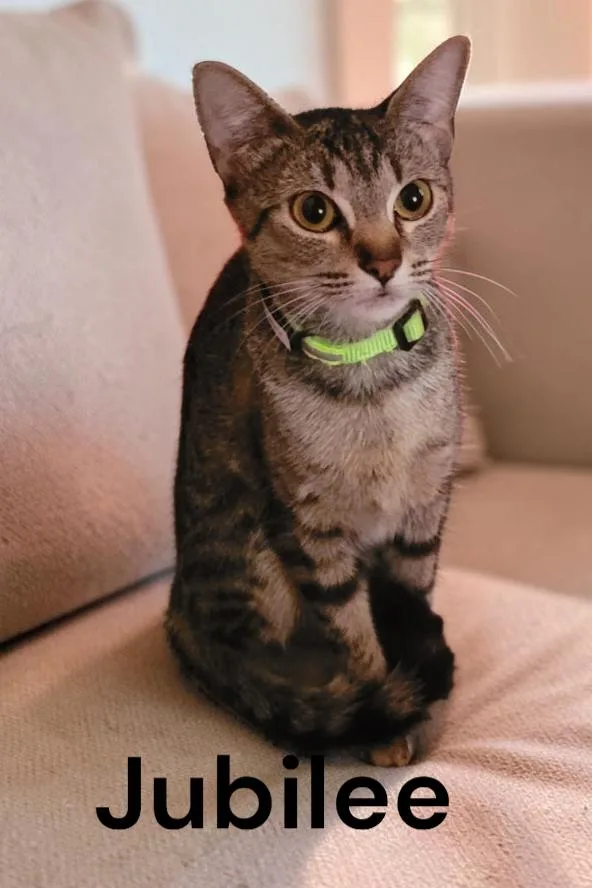
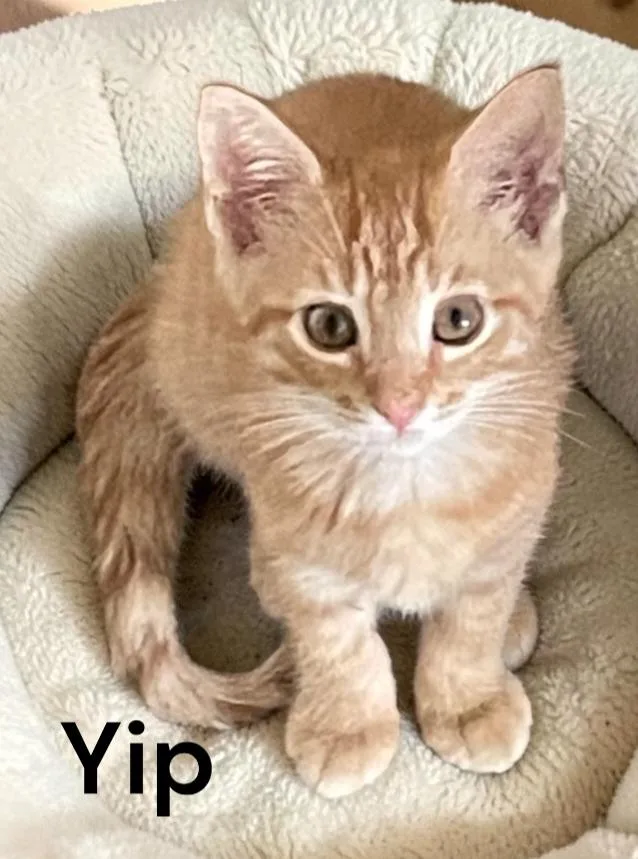
Tabby Cats for Adoption in Washington, DC

Your guide to finding and caring for a Tabby in DC

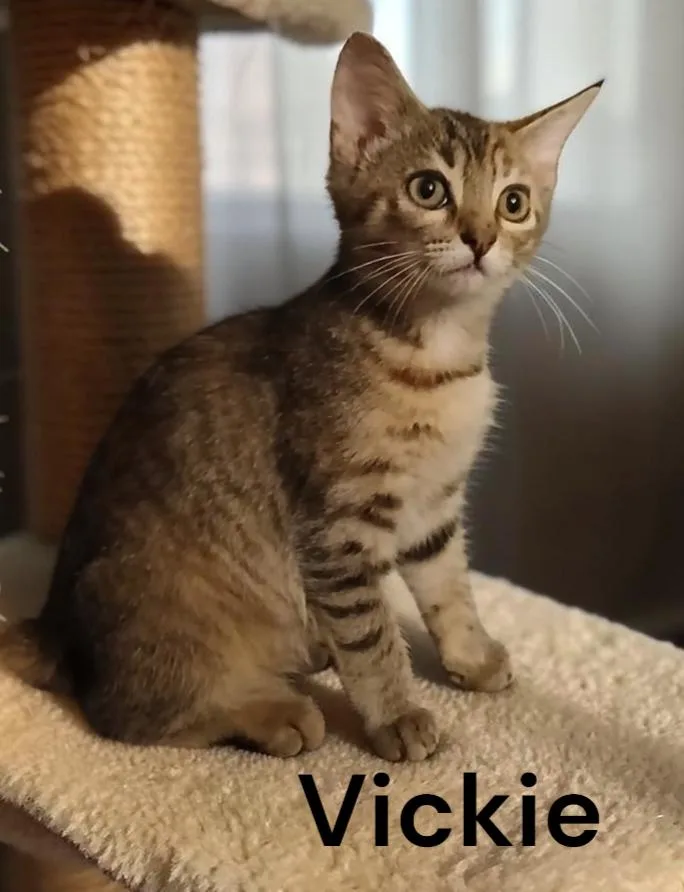
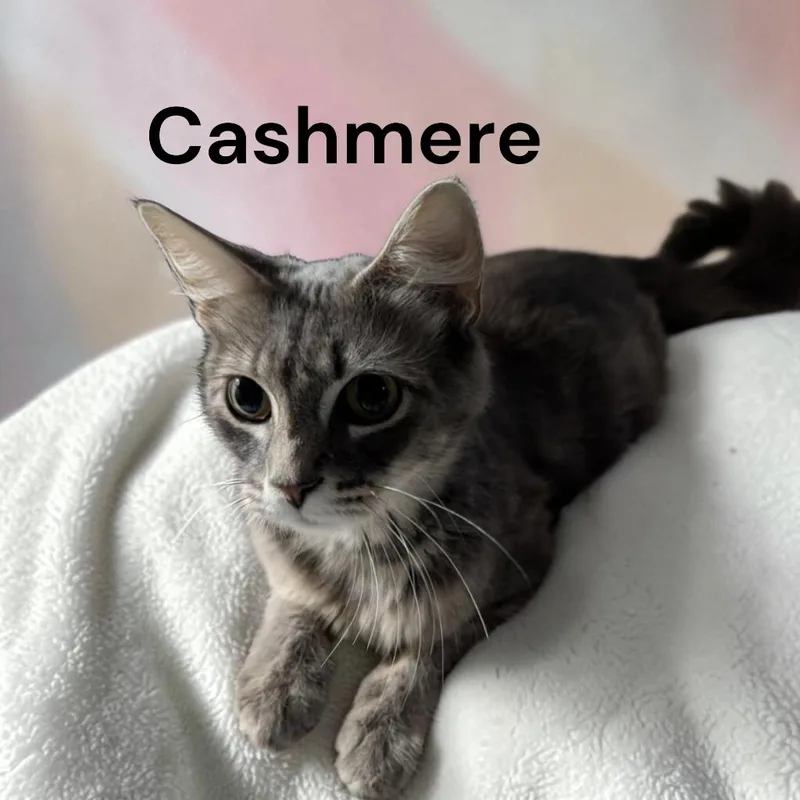
A Tabby fits a Columbia Heights apartment or a Petworth rowhouse as easily as any other cat. Tabby is a coat pattern, not a breed, so personalities run from lap-sitter to shy observer to a cat that races down a rowhouse hallway after a wand toy. Most are medium-sized shorthairs that settle into DC's older apartment buildings, especially with a window perch over the street. Humid July afternoons are one more reason to keep them indoors.

7961 Tabbies available in Washington and nationwide

Find your Tabby

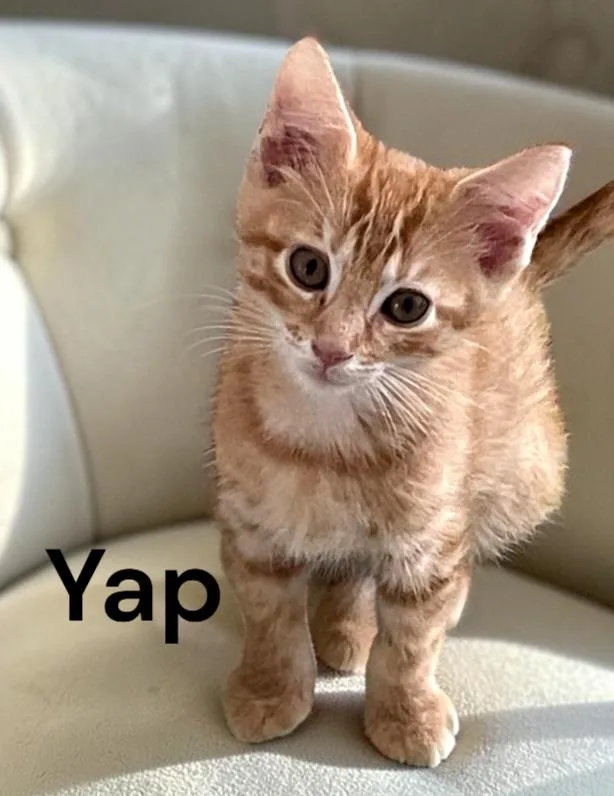
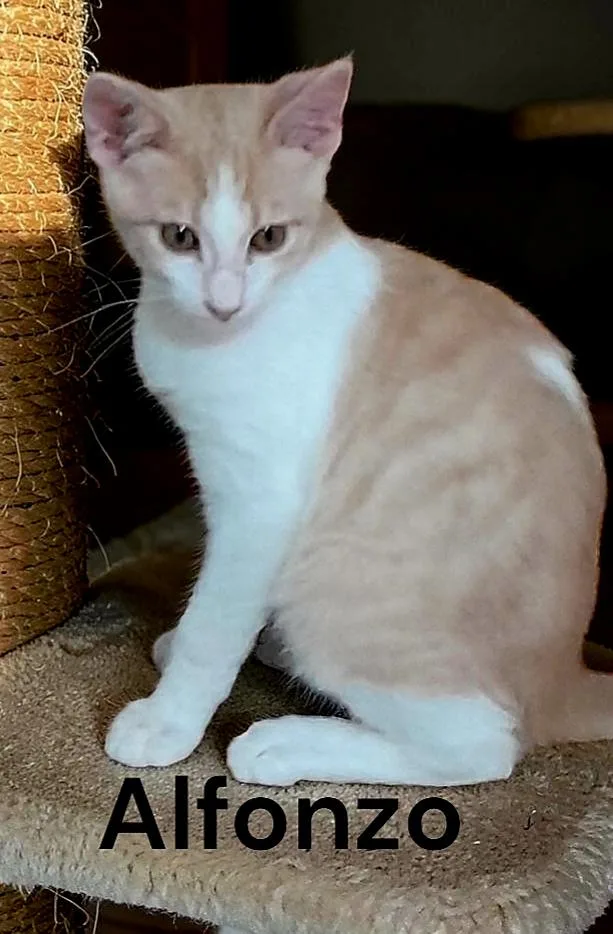
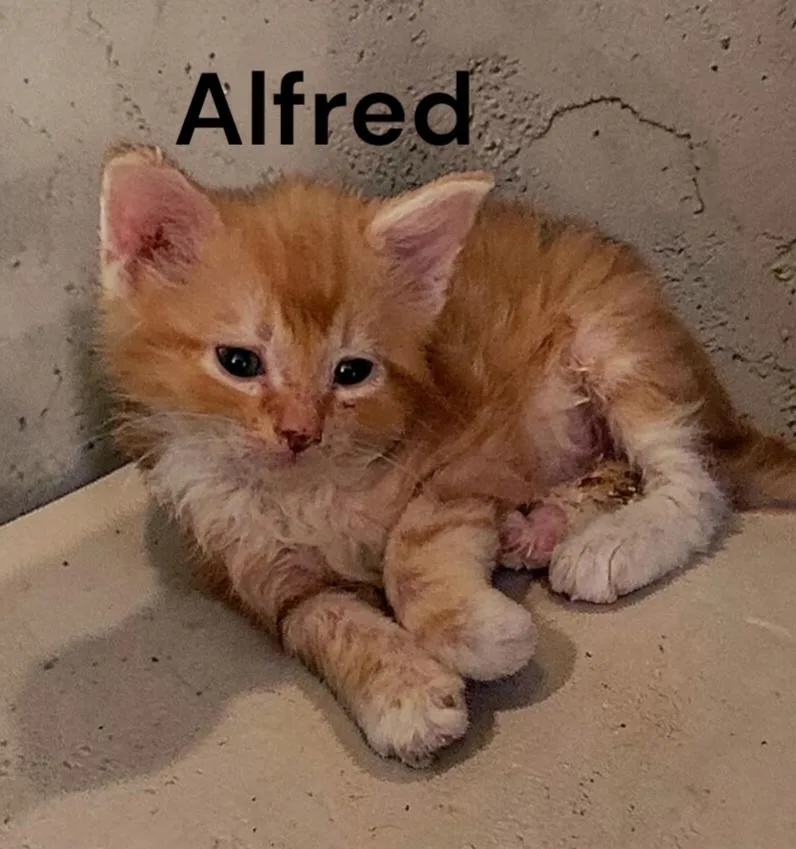
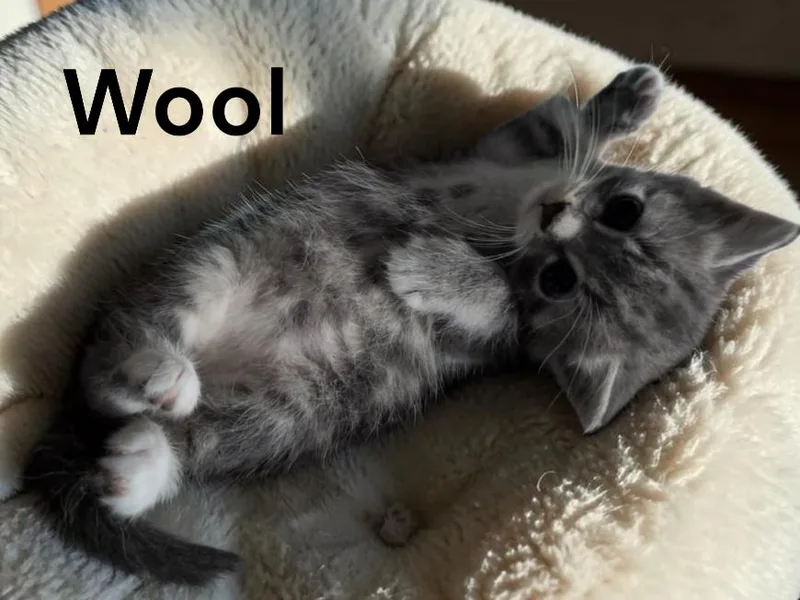
Tabbies Available for Adoption Near Washington

About the Tabby breed

Tabby is a coat pattern rather than a breed. Any cat with stripes, swirls, spots or ticked hairs and the M-shaped mark on the forehead counts, from a domestic shorthair to a Maine Coon. The main patterns are mackerel, classic, spotted and ticked, in colors like brown, orange, gray, silver and cream.

Most Tabbies in DC homes are medium-sized shorthairs, roughly 6 to 14 pounds, and many live 12 to 18 years. Personality comes from each cat's genetics, upbringing and experiences, not its stripes, so a Tabby in a Dupont Circle condo may be nothing like one in a Brookland rowhouse. Pay attention to how a cat handles noise, handling and play. Moderate shedding is typical, so weekly brushing helps.

Weight
6–14 lbs
Height
8–10 in
Lifespan
12–18 yrs
Temperament
Curious, Adaptable, Affectionate
Shedding
Moderate

Owning a Tabby in Washington

Having a Tabby in DC

Because Tabby describes a pattern found across many breeds and mixes, each cat's traits depend on its own background. In a city of apartments and rowhouses, energy level, coat length and comfort with noise matter far more than stripes.

Temperament

Expect the full range of cat personalities. Many Tabbies are curious, adaptable and affectionate, while others are shy or prefer their own space. Stripes don't predict behavior, and the idea that orange Tabbies are extra friendly partly reflects that most orange cats are male. In a busy DC building, watch how a cat reacts to hallway sounds and visitors.

Exercise Needs

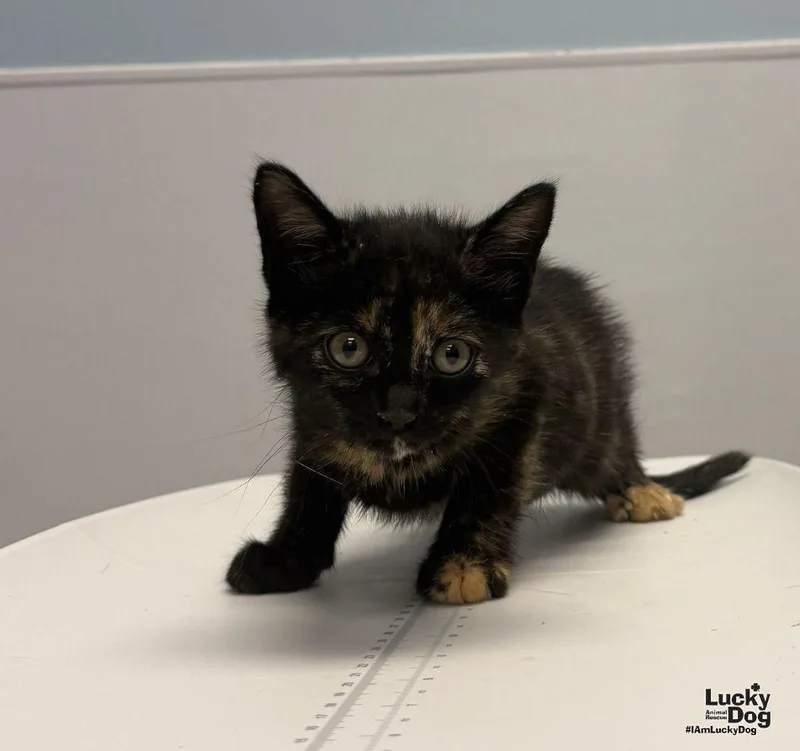
Daily play that mimics hunting works best: wand toys, chasing and pouncing, in two or three short sessions for young cats and gentler games for seniors. In a DC apartment, add a tall cat tree, scratching posts and a window perch overlooking the street so the cat can climb and watch the neighborhood.

Health Considerations

Coat pattern has no known effect on health; risk depends on the cat's mix, age and lifestyle. Common feline concerns include obesity, dental disease, urinary problems, and kidney disease or hyperthyroidism in seniors. Annual wellness exams, dental care and a healthy weight help, and DC requires rabies vaccination for cats over four months.

Living Space

Most Tabbies do well in apartments and houses if they have places to climb, scratch, hide and look outside. In DC's older apartment buildings and narrow rowhouses, vertical space makes up for limited floor space. Add a second litter box in larger homes, and expect a long-haired Tabby to need more grooming time.

What it costs to own a Tabby in Washington

ExpenseTypical costPer year
Food$25 to $50 per month$300 to $600
Pet insurance$20 to $45 per month$240 to $540
Routine vet care$150 to $350 per year$150 to $350
Other*$450 to $1,150 per year$450 to $1,150
Estimated yearly total (after year one)$1,140 to $2,640

Other costs are estimates and vary with size, age and health.

* Litter, flea prevention, a dental cleaning allowance, toys, scratchers and bedding, and occasional grooming.

Adopt a Tabby in Washington.

Now that you know more, let’s find you a new best friend. These rescues and shelters below currently have Tabbies available.

Rescues in Washington with Tabbies Available

Washington's city shelter and foster-based rescues list cats of every age and coat pattern, and Tabbies are among the most common. Here are the rescues & shelters in the DC area where you can find Tabbies and other cats available for adoption.

Frequently Asked Questions

Yes, a Tabby can do well in a DC apartment. Most are medium-sized cats that adapt to smaller spaces when they have vertical room to climb, a window perch and a few short play sessions a day. Add a scratching post, and pick a quiet spot where the cat can retreat from hallway noise.

Yes, but only in a closed carrier. Metrorail and Metrobus let small animals ride free if they're securely enclosed in a carrier small enough to carry, and the carrier can't take up a seat. A Tabby fits easily, so use a sturdy, ventilated carrier with a secure latch. Service animals are the only animals allowed to ride unconfined.

Yes. Tabby is just a coat pattern, and DC doesn't license cats. The main legal requirement is rabies vaccination for cats over four months. A veterinary checkup soon after adoption is wise, and a microchip helps reunite a lost cat with its owner, though DC doesn't require one.

Mostly yes, since an indoor Tabby handles DC's four seasons well. The main issues are humid summers, with about 40 days a year at 90°F or above, and freezing winter nights. Keep the home cool and offer water in several spots in July, and provide warm bedding in winter. Plan for storm-related power outages in either season.

A short-haired Tabby needs little grooming, usually a quick weekly brushing, while a long-haired Tabby needs brushing several times a week. Shedding can peak in spring and fall, so brush more often then. Grooming falls within the Other costs of $450 to $1,150 a year, and most short-haired Tabbies need little or no professional grooming.

A Tabby is a good fit if you want a cat that adapts to apartments and rowhouses and you can offer daily play. Because Tabby is only a coat pattern, personality varies, so look at the cat's energy, comfort with noise and coat length. Calm cats suit busy buildings, while shy cats often prefer quieter homes.

A tabby cat is any cat with a tabby coat pattern, meaning stripes, swirls, spots or ticked hairs plus a distinctive M-shaped marking on the forehead. Tabby is not a breed. The pattern appears in domestic shorthairs and longhairs as well as many pedigreed breeds, such as the American Shorthair, Maine Coon and Abyssinian, and it is one of the most common cat patterns.

A tabby cat isn't any one breed, because tabby is a coat pattern. Cats with the pattern include shelter domestic shorthairs and longhairs as well as breeds such as the American Shorthair, Maine Coon, Bengal and Abyssinian. Most tabbies available for adoption are mixed-breed domestic cats, so browse the cats listed here and look at each one's age and personality.

We have 1 rescue with Tabbies available: Lucky Dog Animal Rescue. You can see every rescue with Tabbies available in the list above these questions, or scroll to the top to see the Tabbies near Washington.

Expect about $25–$50 a month for food and $20–$45 for optional pet insurance, plus $150–$350 a year for routine vet care and $450–$1,150 a year for litter, flea prevention, dental care and supplies. That puts a typical year at roughly $1,140 to $2,640, before emergencies.