Tortoiseshell Cats for Adoption in Bridgeport, CT

Your guide to finding and caring for a Tortoiseshell in Bridgeport

Tortoiseshell cats fit Bridgeport's rowhouses and apartment buildings well, since most are comfortable living indoors. Tortoiseshell is a coat pattern, not a breed, so you'll meet quiet lap cats and busy, talkative ones alike. A window perch overlooking the street in a Mill Hill rowhouse or a Downtown apartment gives a tortie plenty to watch, and a tall cat tree plus a couple of play sessions a day covers most of the rest.

960 Tortoiseshells available in Bridgeport and nationwide

Your Tortoiseshell is waiting

Tortoiseshells Available for Adoption Near Bridgeport

About the Tortoiseshell breed

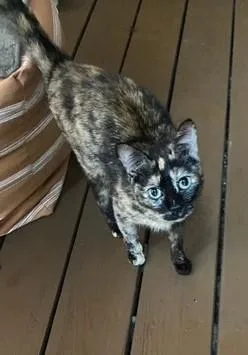
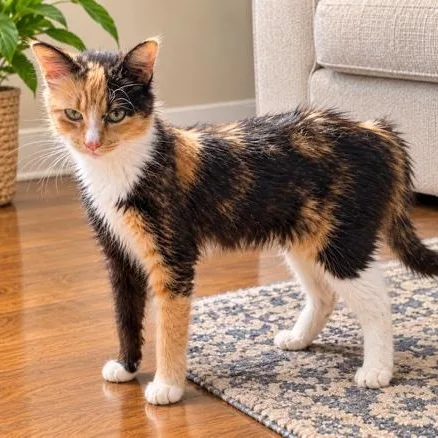
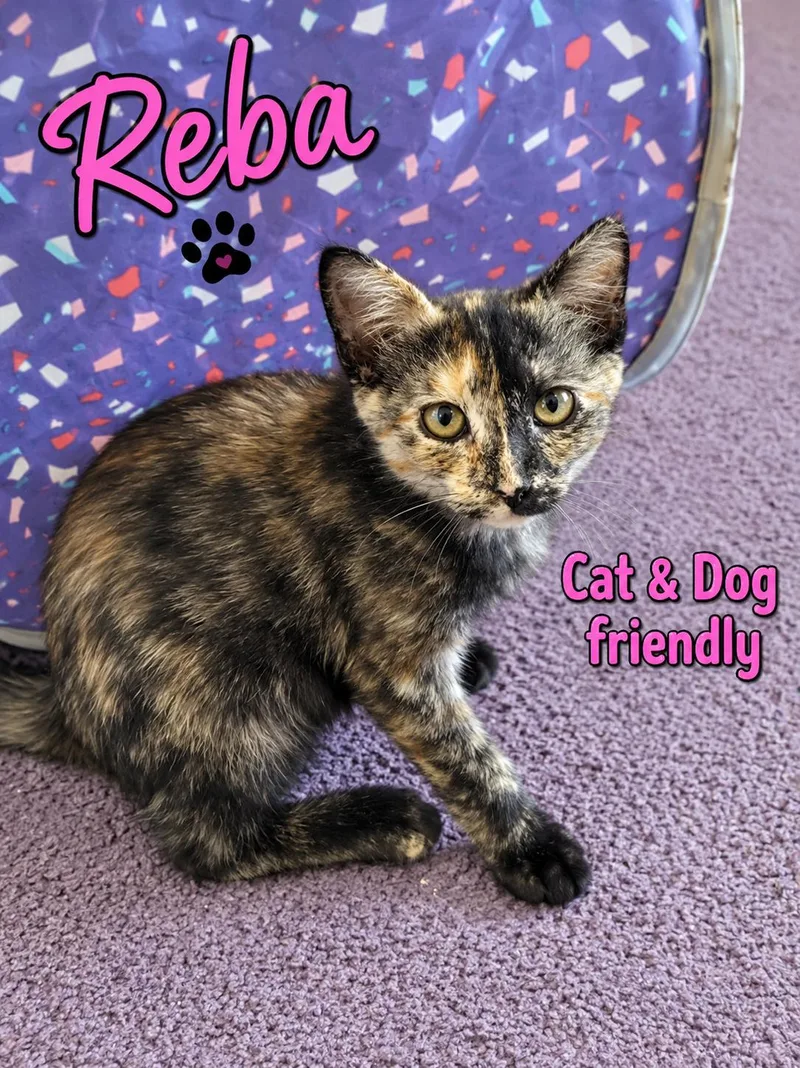
Tortoiseshell describes a coat, not a breed. Black-based and orange-based colors mix in patches or a fine blend, usually with little white, and nearly all tortoiseshells are female. Most of the torties adopters meet are domestic shorthairs, though the pattern also turns up in Persians, Maine Coons and many other breeds. Adult weights usually run 6 to 14 pounds, and lifespans of 12 to 18 years are typical.

For a Bridgeport household, the useful questions are practical ones: how old the cat is, how social the cat is and how much play the cat wants. The tortie reputation for attitude is mostly owner lore, and cats with this coat range from shy to bold. Moderate shedding means a weekly brush and a lint roller keep an apartment or rowhouse manageable.

Weight
6–14 lbs
Height
8–10 in
Lifespan
12–18 yrs
Temperament
Independent, Affectionate, Playful
Shedding
Moderate

Owning a Tortoiseshell in Bridgeport

Having a Tortoiseshell in Bridgeport

Tortoiseshell is a coat pattern, so a tortie's traits come from age, ancestry and upbringing more than color. These cards cover what holds for most tortoiseshell cats in Bridgeport homes, typically domestic shorthairs, and what to plan for in a city setting.

Temperament

Torties have a reputation for spirited, opinionated behavior, but that comes mostly from owner impressions rather than solid evidence. Tortoiseshell cats run from shy to bold and from cuddly to independent. In a busy Bridgeport building, a confident, social cat may enjoy the activity, while a shy one will want a quiet room to retreat to.

Exercise Needs

Plan on daily interactive play, such as wand toys, chase games and puzzle feeders, with more for young cats and gentler sessions for seniors. In a Bridgeport apartment, vertical space does a lot of the work: a tall cat tree, shelves and a window perch give an indoor cat room to climb and watch the street.

Health Considerations

The tortoiseshell pattern carries no health risks for females, and the rare males usually have an extra X chromosome that can bring additional issues. Otherwise health follows age, ancestry and care. Keep up with rabies vaccination, yearly checkups, dental care and a healthy weight, and have a veterinarian check any newly adopted cat.

Living Space

Tortoiseshell cats do fine in a studio, a rowhouse or a larger house. What matters is enrichment: scratching posts, a cat tree and a hideaway. Secure window screens matter in upper-floor Bridgeport apartments, and cats that prefer calm usually settle best in quieter homes, while confident, social torties often adapt to busy ones.

What it costs to own a Tortoiseshell in Bridgeport

ExpenseTypical costPer year
Food$25 to $50 per month$300 to $600
Pet insurance$20 to $45 per month$240 to $540
Routine vet care$150 to $350 per year$150 to $350
Other*$450 to $1,150 per year$450 to $1,150
Estimated yearly total (after year one)$1,140 to $2,640

Other costs are estimates and vary with size, age and health.

* Litter, flea and tick prevention, a dental cleaning allowance, toys and supplies, and home grooming.

Adopt a Tortoiseshell in Bridgeport.

Now that you know more, let’s find you a new best friend. These rescues and shelters below have cats available in and near Bridgeport.

Rescues and Shelters in or near Bridgeport

Bridgeport's city shelter and its volunteer cat rescues care for cats of every color and age, tortoiseshells included. Here are the rescues & shelters in the Bridgeport area with cats available for adoption, worth asking whether a Tortoiseshell is coming in.

Frequently Asked Questions

Yes, a tortoiseshell cat can live happily in a Bridgeport apartment, since coat color doesn't change space needs. What matters is enrichment: a cat tree, scratching posts, a window perch and daily play. Use secure window screens on upper floors, and get your landlord's pet permission in writing before the cat comes home.

Yes, you can own a tortoiseshell cat in Bridgeport, with no known coat-based or breed-based restrictions on cats. Adopting from the City shelter requires you to be 18 or older with the consent of all adults in the household, and renters need a notarized landlord letter. Pets go home spayed or neutered, vaccinated and microchipped, though not on the day of adoption.

Yes, on Metro-North trains from Bridgeport station, where pets must ride in a kennel or similar container or be securely controlled on a leash. A carrier is the practical choice for a cat. Greater Bridgeport Transit buses clearly welcome service animals, so check current pet rules with GBT before boarding with a carrier.

Yes, indoor tortoiseshell cats handle Bridgeport winters easily, since coat color doesn't change cold tolerance. Keep the home warm, offer a cozy bed and a sunny perch, and don't let a cat outside during snow or ice. On housebound days, a few short play sessions help burn off energy.

Most tortoiseshell cats need little grooming: a weekly brush for short coats, and more often for long-haired cats and during spring shedding. Humid summers don't change the routine. Home grooming is already included in the yearly Other costs of $450 to $1,150, so a professional groomer is rarely needed except for long coats or matting.

Yes, for most households, as long as you can offer daily play, a safe indoor setup and patience while a new cat settles in. Cats vary widely by age and history, so match the cat's energy to your schedule rather than to coat color. Fireworks season and storm preparation are the main local adjustments.

A tortoiseshell cat is a cat with a coat pattern of black-based and orange-based colors blended or patched together, usually with little or no white. It is not a breed; the pattern appears in many breeds and most often in domestic shorthairs. Nearly all tortoiseshells are female because the genes for orange and black are carried on the X chromosome.

Almost all tortoiseshell cats are female, but not all. A female has two X chromosomes and can carry both orange and black color genes, producing the mixed coat. Males normally have only one X. Rare male torties usually have an extra X chromosome or are genetic chimeras, and they are estimated at roughly 1 in 3,000 tortoiseshells.

No, tortoiseshell cats are not rare. They are common among domestic cats and are regularly found in shelters and rescues. What is rare is a male tortoiseshell, since the pattern almost always requires two X chromosomes. Certain variations, such as long-haired or dilute torties, are less common simply because they require additional recessive genes.

A tortoiseshell cat typically costs about $1,140 to $2,640 a year: food at $25 to $50 a month, insurance at $20 to $45 a month, routine vet care at $150 to $350 a year, and other costs of $450 to $1,150 a year. Costs vary with the cat's size, age and coat.

Explore Other Breeds in Bridgeport

Looking for a different breed? Browse other cats available for adoption in Bridgeport.