Havana Cats for Adoption in Denver, CO

Your guide to finding and caring for a Havana in Denver

A Havana suits a Denver apartment well, as long as someone is around to keep it company. In the mid-rise buildings ringing Cheesman Park or the brick houses of Baker, a chocolate-brown Havana will claim the sunniest window and supervise everything from there. They're curious, a little chatty and happiest following you from room to room. The breed is rare, so many Denver adopters meet brown shorthairs or Havana mixes instead. Plan on daily play and a cat tree by the glass.

2798 cats similar to Havana available in Denver and nationwide

Give a Havana Brown a home

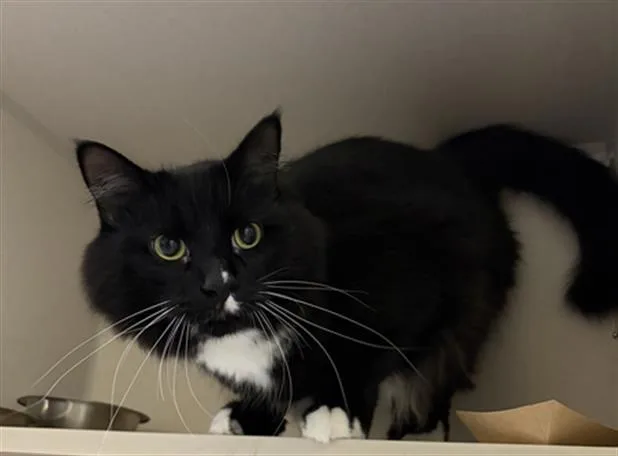
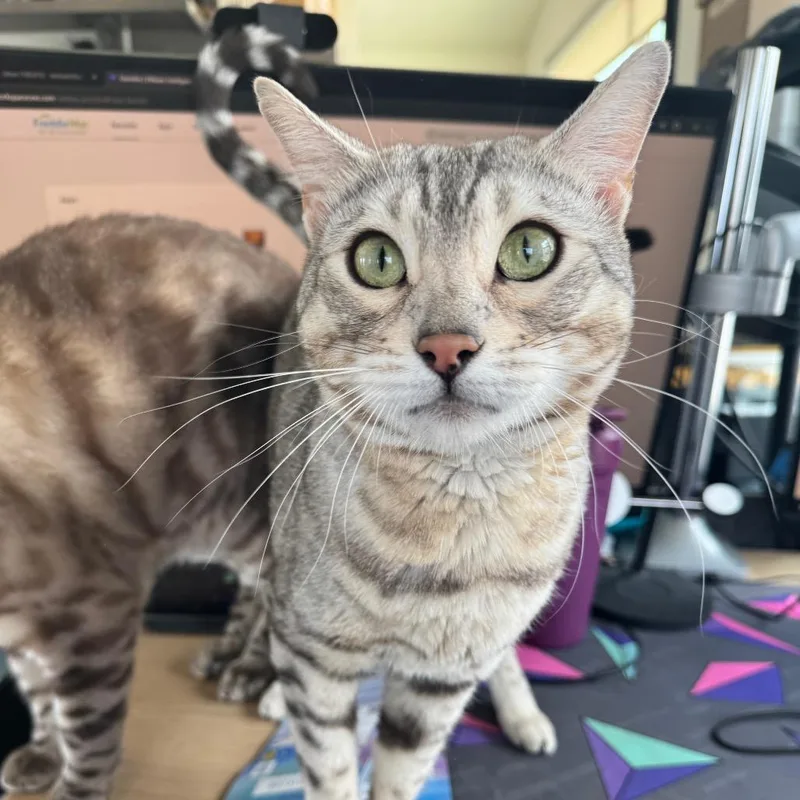
Havanas and Similar Breeds Available for Adoption Near Denver

About the Havana breed

The Havana is a medium, muscular cat with a glossy chocolate coat, brown whiskers, green eyes and a squared-off muzzle. It was developed in Britain in the 1950s and remains uncommon, so in Denver you're more likely to meet a brown shorthair or a Havana mix. Those cats may share the look, but their personalities can differ.

Havanas are known for being social and curious, often patting at things with a paw and chatting in a soft voice. The short coat sheds little and needs only a weekly brush. They tend to want company, which suits a household where someone is home part of the day, or a pair of cats. Indoor life with plenty of climbing and play is the safest choice, especially with coyotes around.

Weight
6–10 lbs
Height
9–11 in
Lifespan
10–15 yrs
Temperament
Social, Curious, Affectionate, Playful
Shedding
Low

Owning a Havana in Denver

Having a Havana in Denver

A Havana usually pairs an easy-care coat with a strong wish to be involved in daily life. In Denver, that mix works best indoors, with enrichment, company and a window to watch from. Each cat's personality will vary.

Temperament

Havanas are often affectionate and interactive, following people from room to room and greeting visitors with interest. Many get along with considerate children and calm dogs. Because they're so people-oriented, some get lonely during long workdays, which matters for Denver commuters. Watch how a cat behaves in person, since breed is only a starting point.
Exercise Needs

Most Havanas are moderately active and enjoy wand toys, balls and puzzle feeders. Two or three short play sessions a day usually work better than one long one. Since Denver's dog parks are dogs-only and coyotes use greenways, plan on indoor exercise: tall cat trees, window perches and a safe balcony or catio.

Health Considerations

The Havana has no well-documented breed-specific genetic disease, though gum inflammation may be somewhat more common. The breed's small gene pool means records are limited, so regular checkups and dental care matter. Denver requires rabies vaccination for cats over six months, and a veterinarian can check teeth, gums and overall health.

Living Space

A Havana adapts well to Denver's mix of apartments, condos and bungalows because company and enrichment matter more than square footage. Window perches, a cat tree and a few hiding spots go a long way. Many do best with someone home part of the day, or with another friendly pet.

What it costs to own a Havana in Denver

ExpenseTypical costPer year
Food$25 to $50 per month$300 to $600
Pet insurance$25 to $50 per month$300 to $600
Routine vet care$150 to $350 per year$150 to $350
Other*$465 to $1,165 per year$465 to $1,165
Estimated yearly total (after year one)$1,215 to $2,715

Other costs are estimates and vary with size, age and health.

* Litter, the $15 Denver cat license, flea prevention, a dental cleaning allowance, toys, scratchers and other supplies, and minimal home grooming for the short coat.

Adopt a Havana in Denver.

Now that you know more, let’s find you a new best friend. These rescues and shelters below have cats available in and near Denver.

Rescues and Shelters in or near Denver

Denver has a city-run shelter and private nonprofits, and the ones listed here are a good place to start. Here are the rescues & shelters in the Denver area with cats available for adoption, worth asking whether a Havana is coming in.

Frequently Asked Questions

Yes. Denver's breed-specific rule covers three dog breeds, not cats. The main requirements are a city license and rabies vaccination for cats over six months, plus spaying or neutering. A household can keep up to five animals in total. Havanas are rare, so brown shorthairs and Havana mixes are the cats you'll more likely see.

Yes. Havanas are medium, moderately active cats that care more about company than floor space. In a Denver apartment, give yours a tall cat tree, a window perch for watching the street and two or three short play sessions a day. If you're away for long hours, a second friendly cat can help with loneliness.

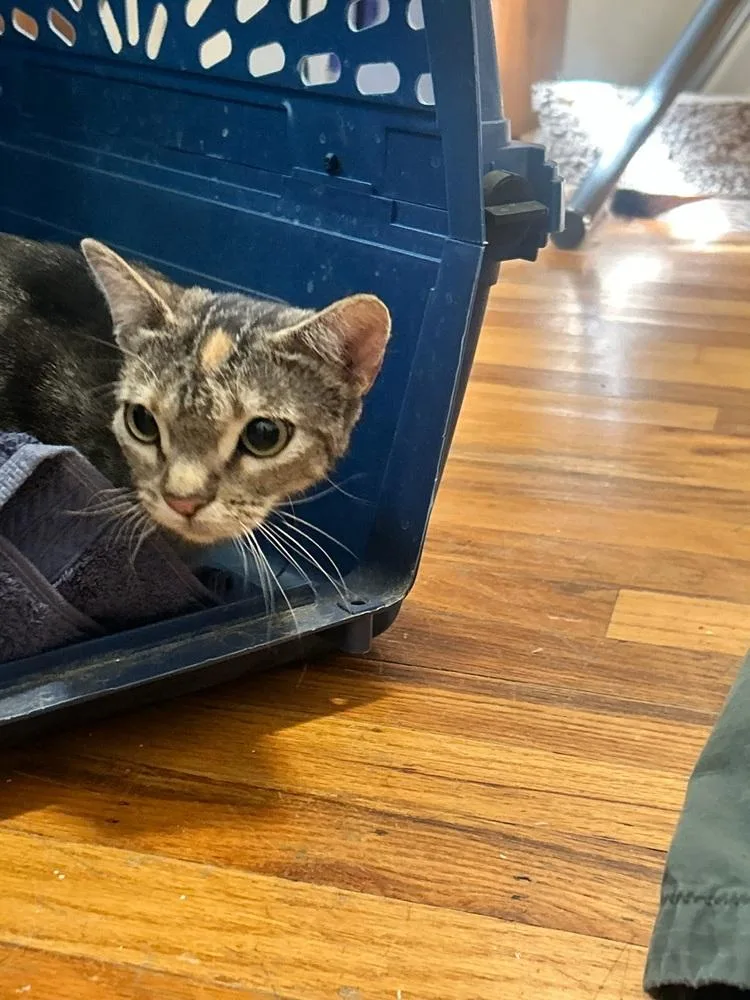
Yes, in a carrier. RTD allows small pets in carriers on its buses and trains, and a Havana at 6 to 10 pounds fits comfortably in a standard one. On commuter rail, keep the carrier on the floor or your lap, not on a seat. Carry current vaccination records.

Mostly yes. Denver's dry, sunny air and cool summer nights suit an indoor Havana, and its short coat handles warm rooms easily. Winter is the tougher season, since that coat gives little insulation, so offer heated beds and sunny perches. Keep your cat indoors during hailstorms, cold snaps and wildfire smoke.

Often, for people who are home part of the day. Havanas are social and can get bored alone, so long commutes or frequent travel are the hardest part. Denver's apartments and sunny windows suit them well. Cats vary, so meet a cat in person and see how it responds to you before deciding.

Very little. The short coat needs a quick weekly brush, plus nail trims every few weeks. Dental care matters more, since gum inflammation may be somewhat more common in the breed. Home grooming costs are minimal and sit within the low end of the Other costs, along with a yearly dental cleaning allowance.

A Havana cat, also called the Havana Brown, is a rare shorthaired breed developed in Britain in the 1950s from Siamese and black domestic cats. It is recognized by its rich chocolate-brown coat, brown whiskers, green eyes and distinctive muzzle. Havanas tend to be social, curious and people-focused, and few are available, so brown shorthaired mixes are more common in shelters.

Plan on roughly $1,200 to $2,700 a year for a Havana in Denver. Food runs $25–$50 a month and insurance $25–$50 a month. Routine vet care is $150–$350 a year, and other costs such as litter, dental care, flea prevention and the license add $465–$1,165 a year.

Explore Other Breeds in Denver

Looking for a different breed? Browse other cats available for adoption in Denver.