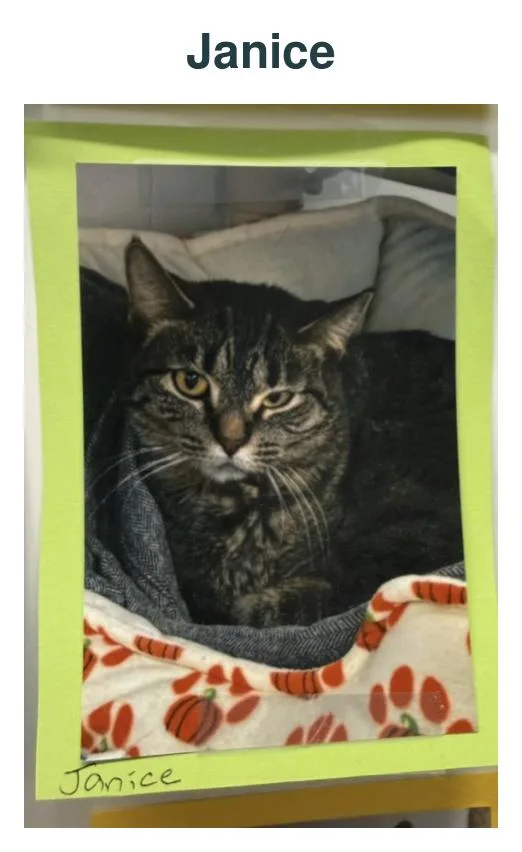
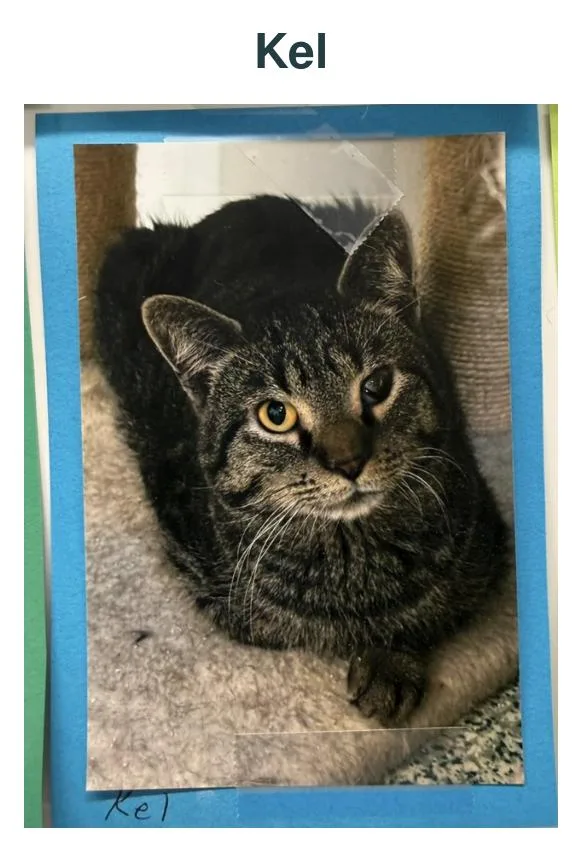
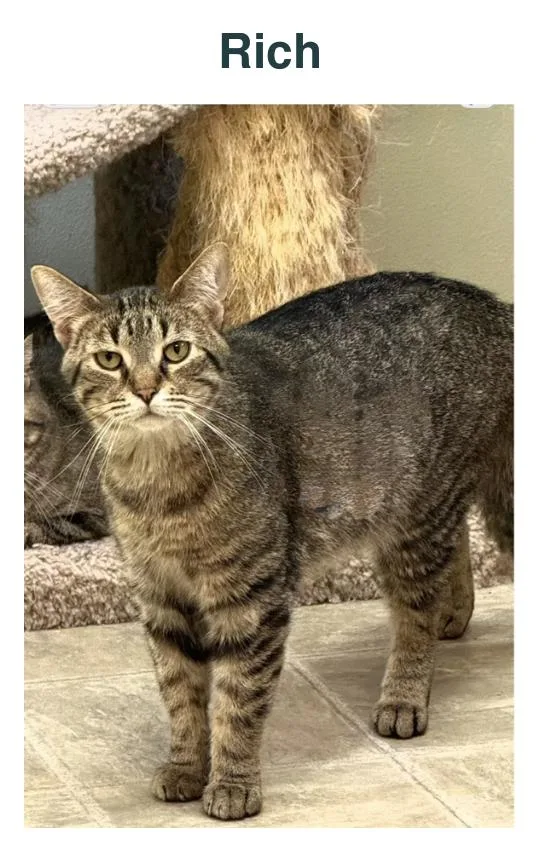
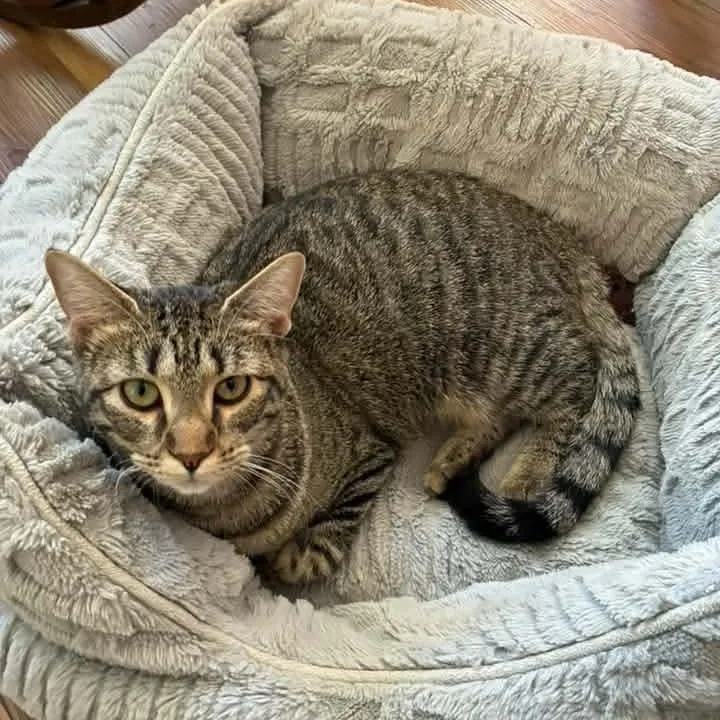
Tiger Cats for Adoption in Santa Cruz, CA

Your guide to finding and caring for a Tiger in Santa Cruz

A tiger cat fits easily into a Santa Cruz apartment, whether it's a unit in Beach Flats near the Boardwalk or a place in Seabright a few blocks from the harbor. Tiger is a striped coat pattern, not a breed, so these cats run from shy to chatty, and most are happy with a window perch and a daily play session. A sunny sill is prized real estate on foggy mornings. Plan on keeping the cat indoors.

203 Tigers available in Santa Cruz and nationwide

Find your forever Tiger cat

While we don't have enough cats near Santa Cruz, keep in mind that many rescues may offer transport.

Tigers Available for Adoption Near Santa Cruz

About the Tiger breed

Tiger is what people call a cat with mackerel tabby stripes, and in Santa Cruz, as elsewhere, most are domestic shorthairs of mixed ancestry. Typical weight runs 6 to 14 pounds, and many live 12 to 18 years indoors, so adopting one is a long commitment. Coats come in brown, gray, orange and cream, and shedding is moderate.

Because stripes say nothing about breed, personality varies a lot. Some tiger cats are bold and talkative, while others take days to come out from under the bed. In a city of small rentals and close neighbors, the useful questions are how a cat handles quiet days alone, whether it enjoys play, and how it reacts to visitors. Meeting the cat tells you far more than the coat.

Weight
6–14 lbs
Height
8–10 in
Lifespan
12–18 yrs
Temperament
Adaptable, Curious, Playful
Shedding
Moderate

Owning a Tiger in Santa Cruz

Having a Tiger in Santa Cruz

Tiger cats are defined by a coat pattern, not a pedigree, so needs vary from cat to cat. In Santa Cruz, the practical questions are indoor enrichment, fit in a compact home, and keeping a healthy weight.

Temperament

Tiger cats cover the whole range, from shy and gentle to bold and chatty, and the stripes don't predict which. Most are adaptable and curious, which helps in compact Santa Cruz homes with neighbors close by. When you meet a cat, watch how it reacts to new sounds and handling.

Exercise Needs

Plan on 15 to 30 minutes of interactive play a day, such as wand toys or puzzle feeders, with more for kittens and young adults. Indoor cats in Santa Cruz can get extra stimulation from a cat tree beside a sunny window, rotating toys, and a supervised harness walk if the cat enjoys it.

Health Considerations

Stripes carry no health risks, but domestic cats commonly face dental disease and obesity, and, as they age, kidney disease, hyperthyroidism and diabetes. Yearly vet exams, dental care and measured meals help. A veterinarian can check a newly adopted cat for fleas, ear mites and dental problems in the first weeks.

Living Space

Tiger cats adapt well to apartments, which suits Santa Cruz's many rentals. Give them a cat tree, scratching posts and a few hiding spots, and let a shy cat start in a quiet room. Indoor living also keeps cats safe from traffic and from the mountain lions reported near wooded areas.

What it costs to own a Tiger in Santa Cruz

ExpenseTypical costPer year
Food$25 to $50 per month$300 to $600
Pet insurance$20 to $45 per month$240 to $540
Routine vet care$150 to $350 per year$150 to $350
Other*$450 to $1,150 per year$450 to $1,150
Estimated yearly total (after year one)$1,140 to $2,640

Other costs are estimates and vary with size, age and health.

* Litter, flea prevention, a dental cleaning allowance, toys, scratchers and other supplies, and minimal home grooming.

Adopt a Tiger in Santa Cruz.

Now that you know more, let’s find you a new best friend. These rescues and shelters below currently have Tigers available.

Rescues in Santa Cruz with Tigers Available

Santa Cruz's rescue community includes a county animal shelter and a nonprofit SPCA that place cats and kittens. Here are the rescues & shelters in the Santa Cruz area where you can find Tigers and other cats available for adoption.

Frequently Asked Questions

Yes. No breed rules are known in Santa Cruz, and tiger is just a coat pattern anyway. Cats over six months old must be spayed or neutered unless you hold an unaltered-animal certificate, and most shelter cats are already altered. Get written landlord permission if you rent, and keep a microchip and ID tag current.

Yes. Tiger cats usually do well in apartments if they have a window perch, a scratching post and daily play, which matters in a city where so many people rent compact places. Secure the window screens, get landlord approval in writing, and set aside a quiet room for a shy cat's first week.

Often, yes. A tiger cat's personality matters more than its stripes, and an adaptable, playful cat suits small Santa Cruz homes well. Keeping it indoors avoids traffic and local wildlife. Earthquakes and wildfire in the surrounding mountains make a carrier, a go-bag and a microchip worth having ready.

Yes. Winter highs are in the low 60s and summer highs in the mid-70s, so indoor cats rarely face temperature stress. The main risks are rare warm spells in September, smoky days and winter storms. Offer water and shade during heat, and keep the cat inside when smoke is heavy.

Very little. Most tiger cats have short coats and shed moderately, so a weekly brushing is enough, with a bit more in spring. Mats are uncommon in the mild, damp climate. Professional grooming is rarely needed, and the modest grooming cost is already part of the yearly Other estimate above.

Santa Cruz has METRO buses but no subway. Pets are generally allowed aboard only inside a carrier designed for animals, so a sturdy, well-ventilated carrier is the practical way to take a cat to a vet visit. Service animals are welcome without a carrier or extra fee.

A tiger cat is a cat with a striped coat that resembles a tiger's, usually a mackerel tabby. It is a coat pattern, not a breed, and most tiger cats are domestic shorthairs of mixed ancestry. The pattern is very common in shelters and appears in brown, gray, orange and other colors.

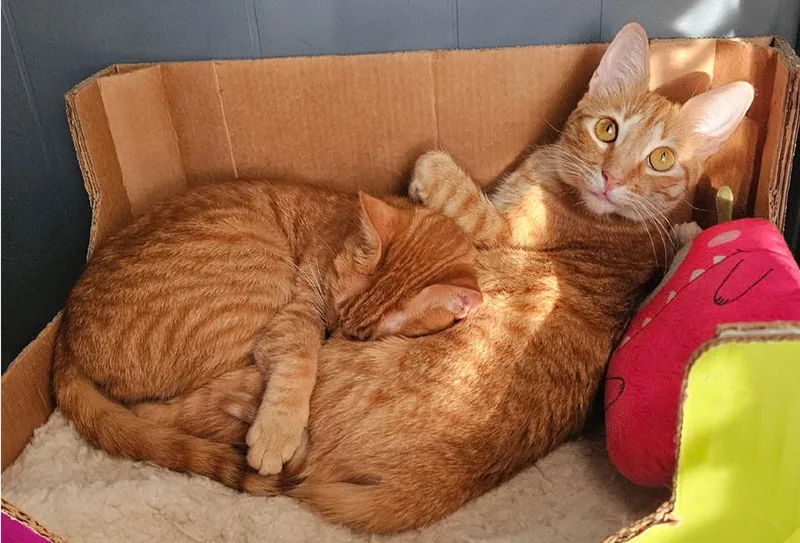
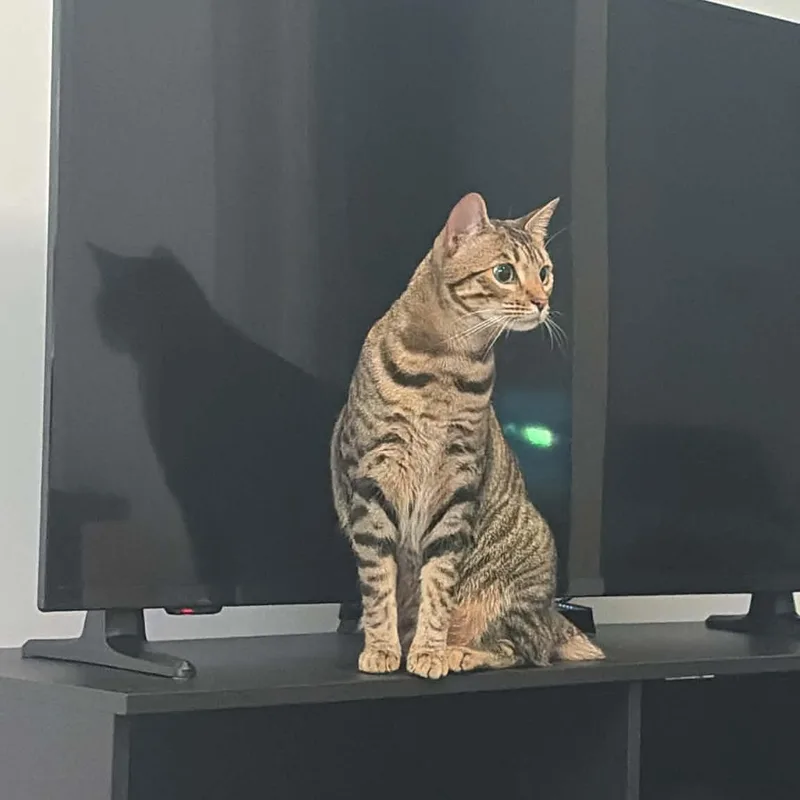
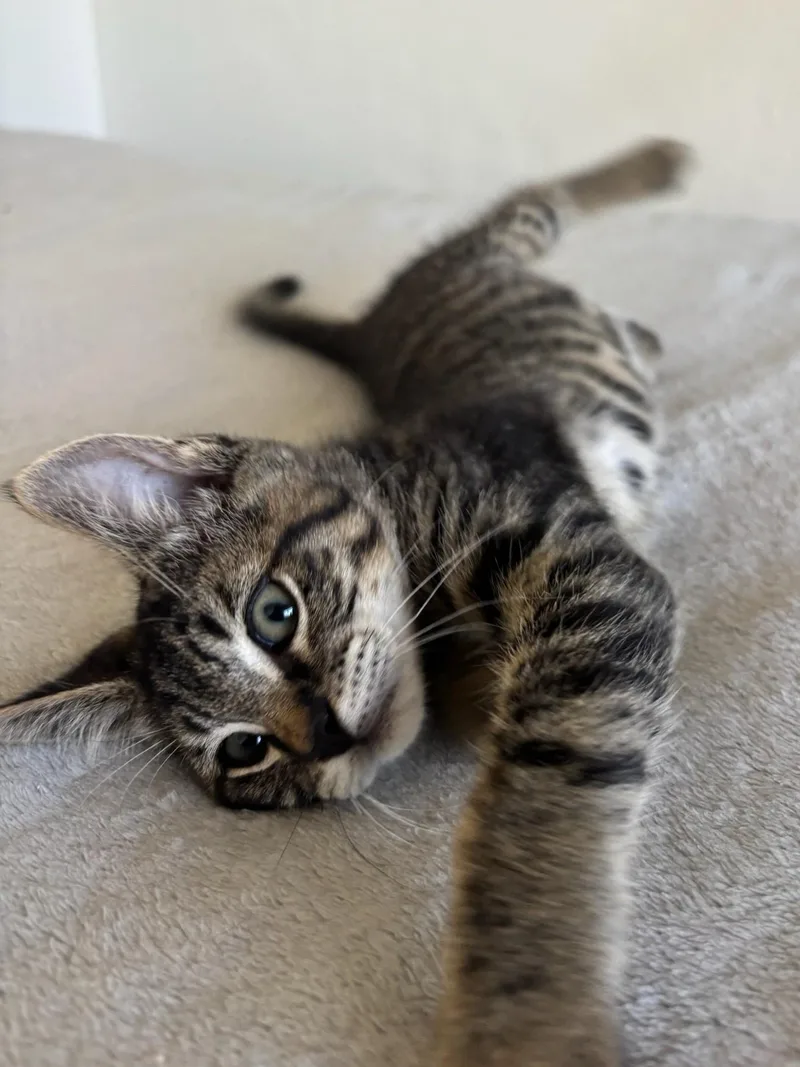
A tiger cat has narrow stripes running down its sides like a fish skeleton, which is why the pattern is also called mackerel tabby. It usually has rings around its legs and tail, dark lines from the eyes across the cheeks and an M-shaped marking on the forehead. Colors include brown, gray, silver and orange.

We have 1 rescue with Tigers available: Animal Shelter Relief Rescue. You can see every rescue with Tigers available in the list above these questions, or scroll to the top to see the Tigers near Santa Cruz.

Expect roughly $1,140 to $2,640 a year for a Tiger cat in Santa Cruz: food at $25 to $50 a month, insurance at $20 to $45 a month, routine vet care at $150 to $350 a year, and $450 to $1,150 a year for litter, flea prevention, dental care and supplies. Illness and emergencies cost extra.