Calico Cats for Adoption in San Jose, CA

Your guide to finding and caring for a Calico in San Jose

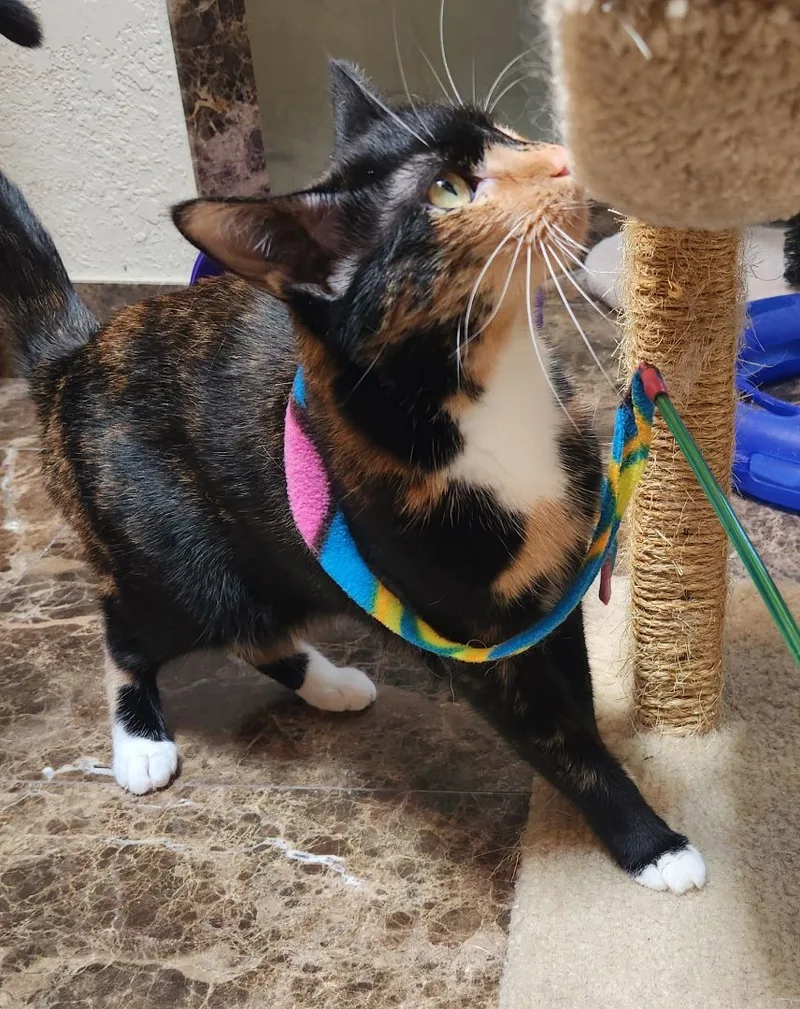
Calicos suit San Jose's apartments and townhomes well, because most are content with a sunny window and a daily play session. In North San Jose or a Berryessa townhome, a perch by the glass gives her birds and passersby to watch while a wand toy handles the exercise. Calico is a coat pattern rather than a breed, so each cat's personality is her own, from shy to bold. A tall cat tree by the window is the first thing she'll use.

1374 Calicos available in San Jose and nationwide

Bring home a Calico

Calicos Available for Adoption Near San Jose

About the Calico breed

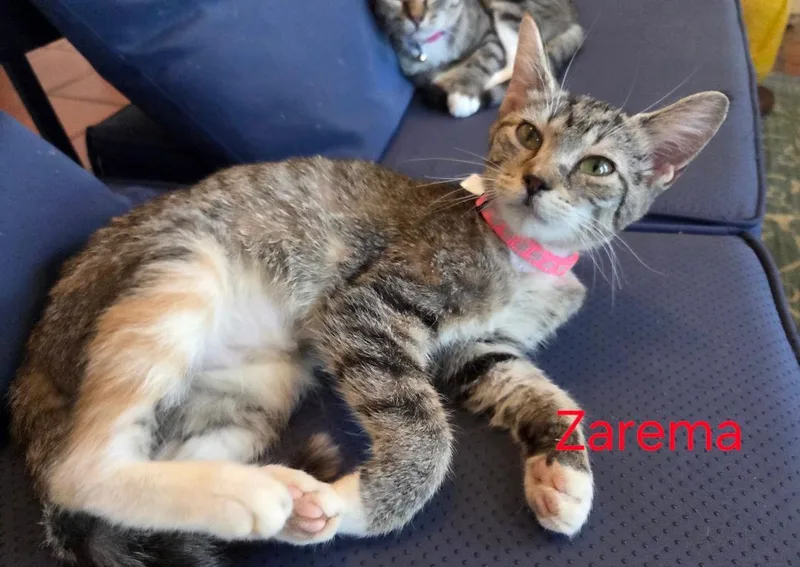
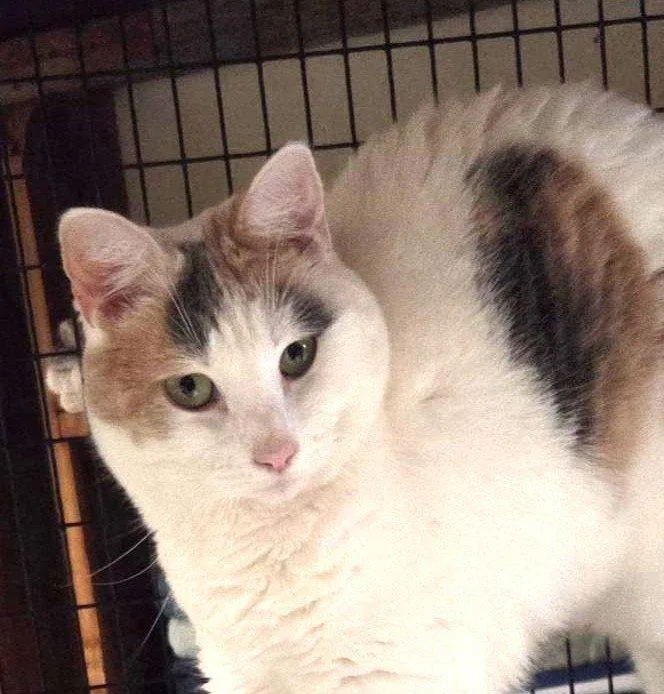
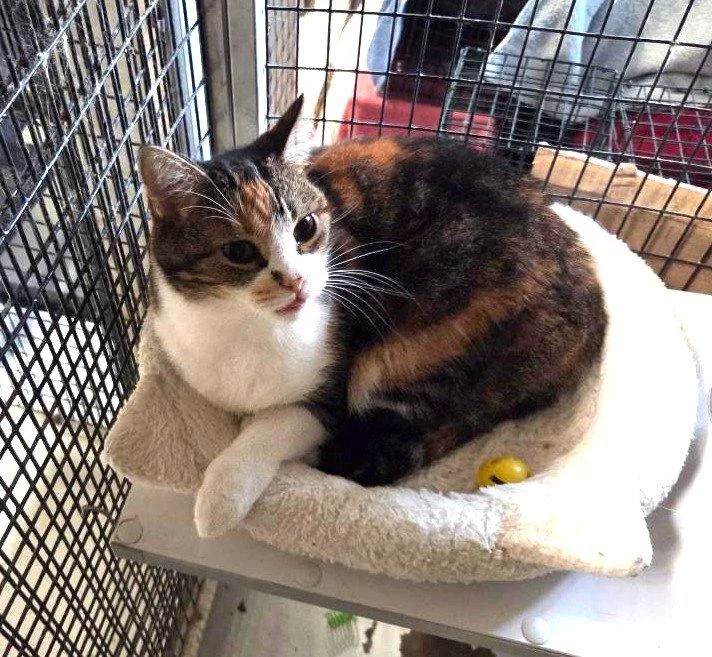
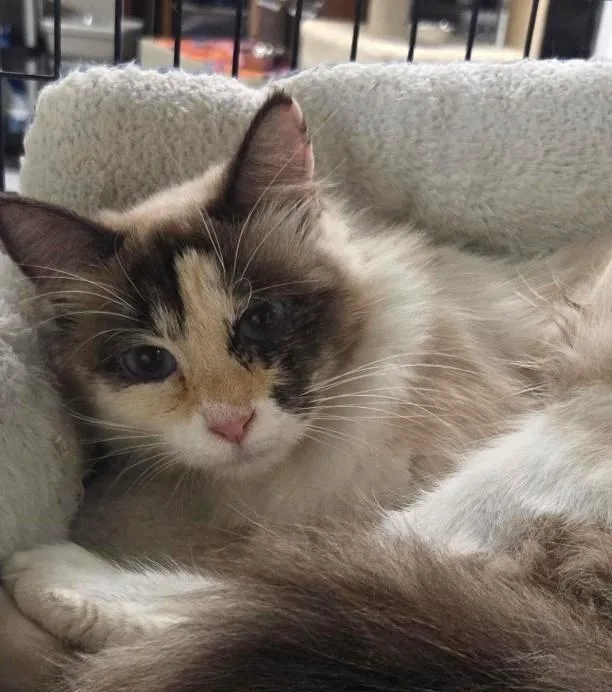
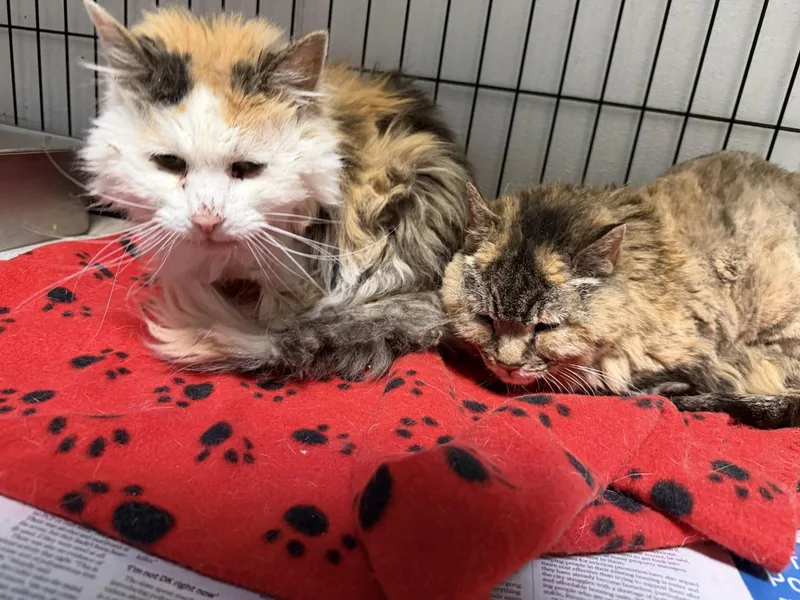
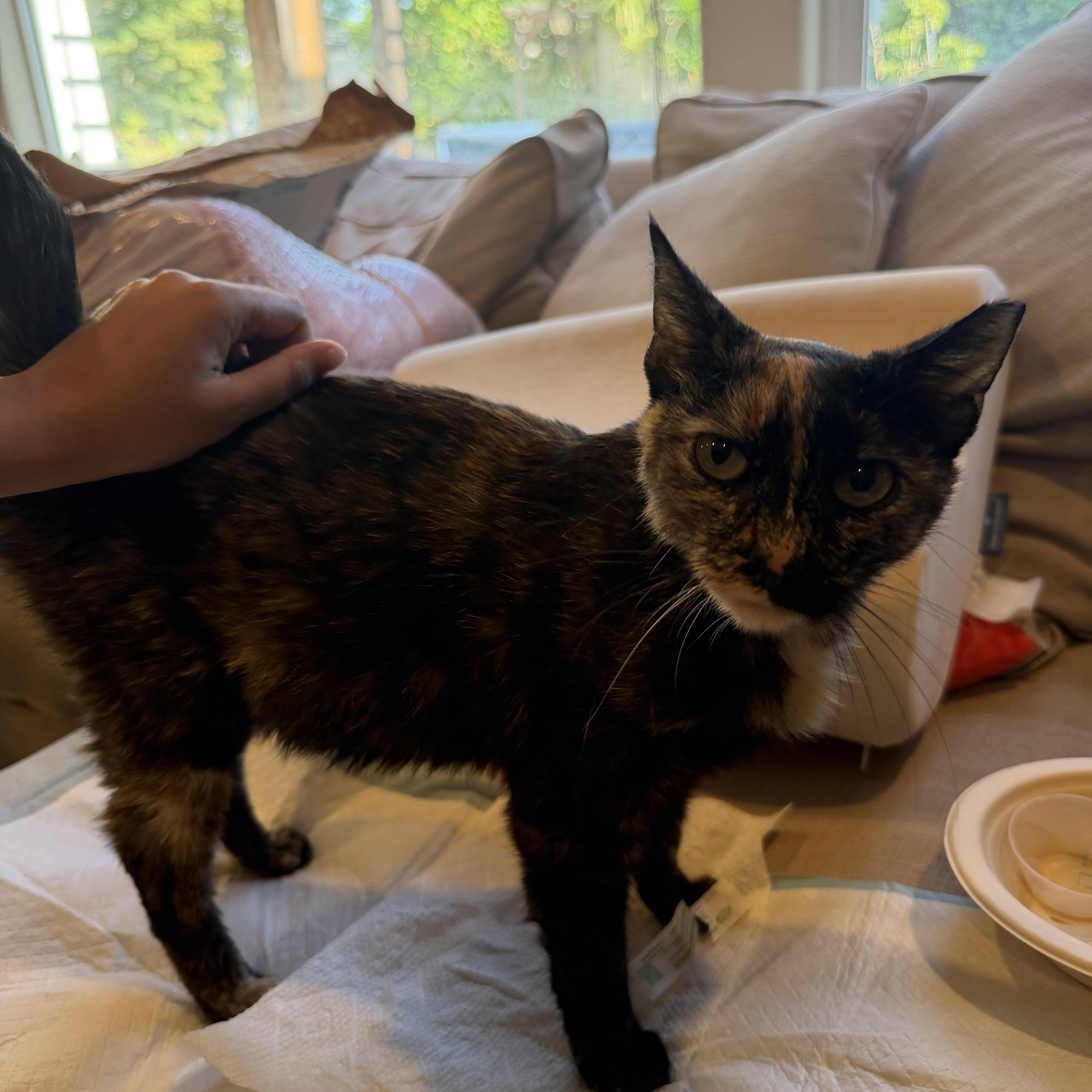
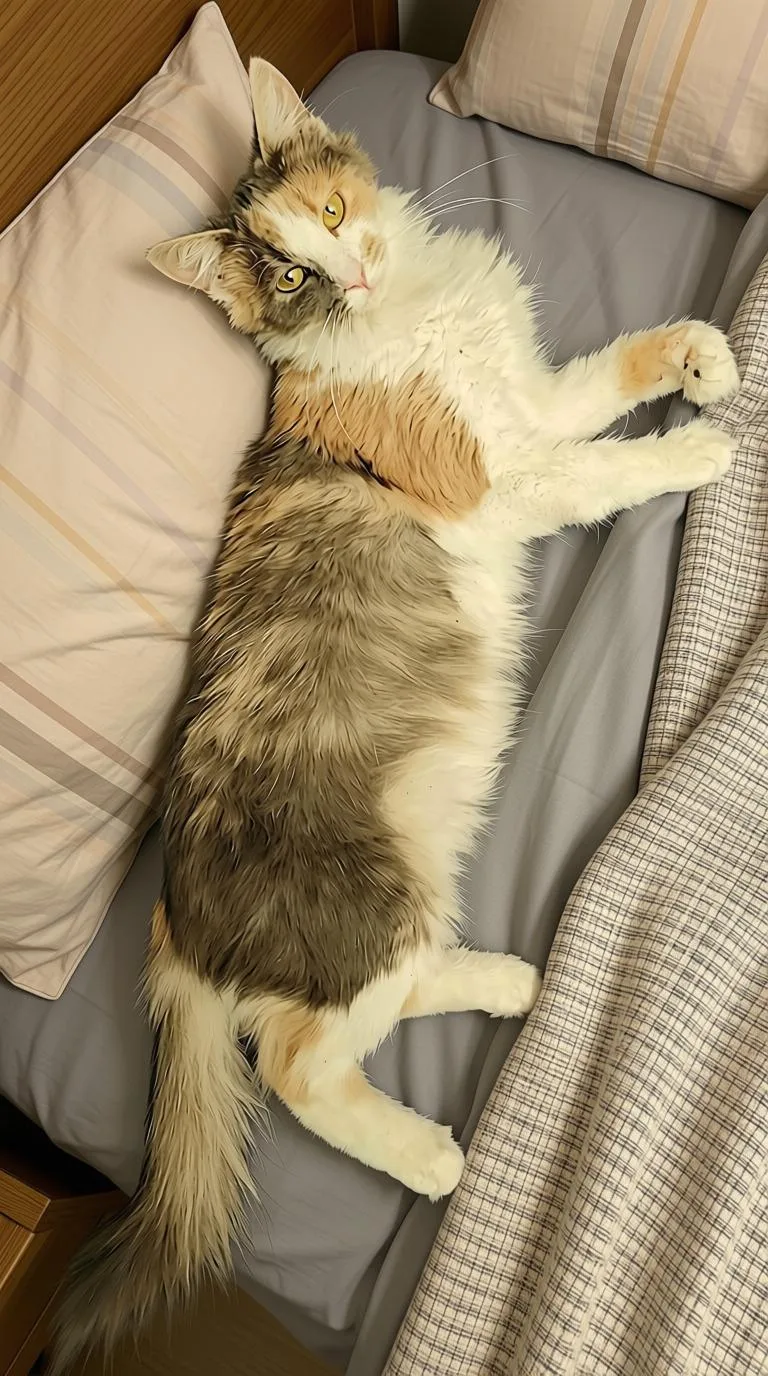
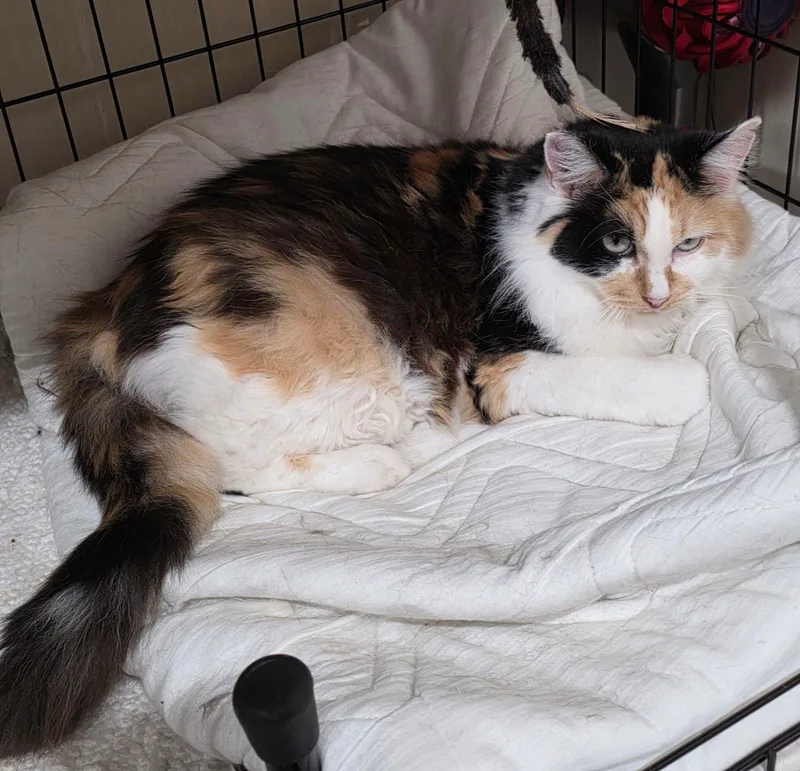
Calico describes a coat, not a breed: white with patches of black and orange, or soft gray and cream in the dilute version. The pattern shows up in domestic shorthairs, longhairs and many pedigreed breeds, and nearly all calicos are female because the color genes sit on the X chromosome. Most calicos looking for homes are domestic shorthairs, weighing roughly 6 to 12 pounds and living 12 to 18 years.

Because ancestry varies, so do coat length, size and grooming needs, and the folklore about "tortitude" hasn't been backed up by research. Spend time with the cat in front of you and watch how she handles people, handling and everyday noise. In a city of apartments and busy streets like San Jose, a calm, adaptable cat who is comfortable indoors tends to settle in fastest.

Weight
6–12 lbs
Height
8–10 in
Lifespan
12–18 yrs
Temperament
Adaptable, Affectionate, Independent
Shedding
Moderate

Owning a Calico in San Jose

Having a Calico in San Jose

Calico traits depend on ancestry, upbringing and age, not on coat color. In San Jose, that usually means a moderately active indoor cat who needs daily play, a perch and routine care, with size and grooming varying from cat to cat.

Temperament

Calicos range from shy and gentle to bold and chatty, because personality comes from each cat's genes and early experiences, not her patches. The "tortitude" reputation isn't reliably backed by research. For San Jose apartment life, look for a cat who stays relaxed around everyday noise like neighbors, hallways and traffic.

Exercise Needs

Plan two or three short play sessions a day with wand toys, balls or food puzzles, plus a window perch for watching. Kittens and young adults need more, while seniors and heavier mixes prefer gentler games. Outdoor time is best in a catio or on a harness in a quiet spot, since traffic makes roaming risky.

Health Considerations

Female calicos have no health issues tied to coat color, so care means vaccines, dental checks, weight control and regular exams. San Jose requires a rabies vaccine for cats over 4 months. Indoor cats can gain weight quickly, so measure meals. A veterinarian can check teeth, weight and heart, and advise on parasite prevention.

Living Space

Calicos adapt well to San Jose's condos, apartments and townhomes as long as they have scratching posts, a perch and hiding spots. Shy cats like a quiet room to settle into first. Vertical space matters in smaller units, so a tall cat tree or wall shelves add room without taking floor space.

What it costs to own a Calico in San Jose

ExpenseTypical costPer year
Food$25 to $50 per month$300 to $600
Pet insurance$20 to $45 per month$240 to $540
Routine vet care$150 to $350 per year$150 to $350
Other*$480 to $1,180 per year$480 to $1,180
Estimated yearly total (after year one)$1,170 to $2,670

Other costs are estimates and vary with size, age and health.

* The $30 San Jose license for an altered cat, litter, flea prevention, a dental cleaning allowance, toys and supplies, and home brushing.

Adopt a Calico in San Jose.

Now that you know more, let’s find you a new best friend. These rescues and shelters below currently have Calicos available.

Frequently Asked Questions

Yes, San Jose has no breed-specific rules, and calico is only a coat pattern anyway. Cats over 4 months need a city license and a rabies vaccine. A household can keep up to five cats if it has no dogs, and fewer cats if it has dogs. Renters should also confirm their landlord's pet terms in writing.

Yes, a calico can ride VTA buses and light rail or BART if she travels in a fully enclosed carrier. VTA requires the carrier to be small enough to fit on your lap, which suits most calicos at 6 to 12 pounds. Caltrain allows only service animals, so pet cats can't ride it.

Yes, most calicos do well in San Jose apartments, since cats need vertical space more than floor space. Give her a tall cat tree, a window perch, scratching posts and daily play. A shy cat may want a quiet room at first. Cats are quiet neighbors, but scratching and litter odor still matter with shared walls.

Yes, the mild Mediterranean climate suits calicos well, especially since most spend their time indoors. Winters are cool and rainy, and summers are dry, with about 16 days a year at or above 90°F. Offer shade and fresh water during late-summer heat, and keep cats inside on smoky days.

Most calicos are shorthaired and need a quick brushing once or twice a week, while longhaired mixes need brushing several times a week to prevent mats. Shedding is moderate. Dry summers and spring foxtails mean any cat who goes outside needs a paw, ear and coat check. Professional grooming is rarely necessary for shorthairs.

Almost all calico cats are female, but not every single one. The genes for orange and black coat color sit on the X chromosome, so a cat normally needs two X chromosomes to show both colors at once. Roughly 1 in 3,000 calicos is male, usually because of an extra X chromosome, a genetic quirk rather than a separate type.

A calico cat is any cat with a three-color coat of white plus distinct patches of black and orange, or gray and cream in dilute calicos. Calico is a coat pattern rather than a breed, so it appears in domestic shorthairs, longhairs and many pedigreed breeds. Nearly all calicos are female because of how coat color genes are inherited.

Yes, calico cats can be male, but it is very rare. A male calico usually has XXY chromosomes instead of the typical XY, a condition similar to Klinefelter syndrome in people, or is a chimera formed from two embryos. These males are almost always sterile and may have extra health needs, so regular veterinary care is especially worthwhile.

We have 3 rescues with Calicos available: 13th St Cats, Ace Kitty Rescue Force Corp and Street Paws Rescue. You can see every rescue with Calicos available in the list above these questions, or scroll to the top to see the Calicos near San Jose.

Expect roughly $1,170 to $2,670 a year for a calico in San Jose, or about $100 to $225 a month. That covers food ($25 to $50 a month), insurance ($20 to $45 a month), routine vet care ($150 to $350 a year) and other costs ($480 to $1,180 a year). Emergencies and setup costs are extra.