Tortoiseshell Cats for Adoption in Riverside, CA

Your guide to finding and caring for a Tortoiseshell in Riverside

Tortoiseshell cats do well in Riverside's mix of bungalows and apartments. A Casa Blanca bungalow and a complex near UC Riverside both give a tortie what matters most: a sunny window, a cat tree and some evening playtime. Because the pattern says little about personality, you'll meet torties who are shy and torties who are bold. Summer afternoons here regularly pass 90°F, so an indoor cat with a shaded perch is the easy setup.

979 Tortoiseshells available in Riverside and nationwide

Your Tortoiseshell is waiting

Tortoiseshells Available for Adoption Near Riverside

About the Tortoiseshell breed

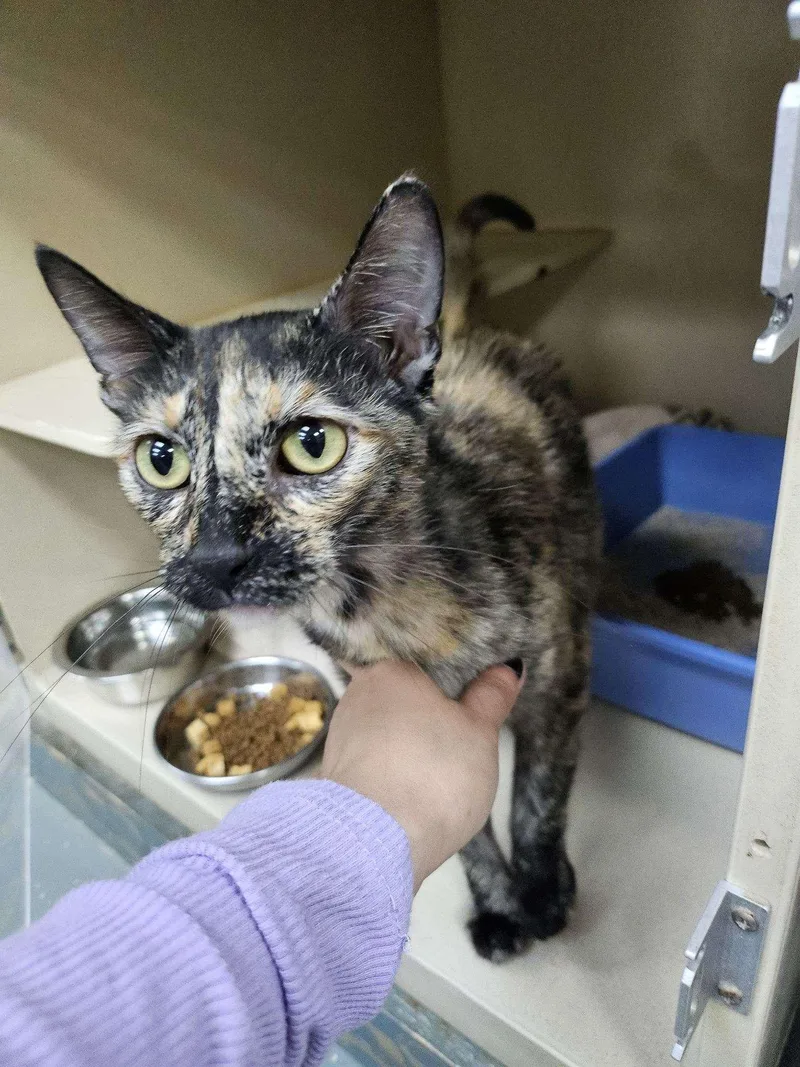
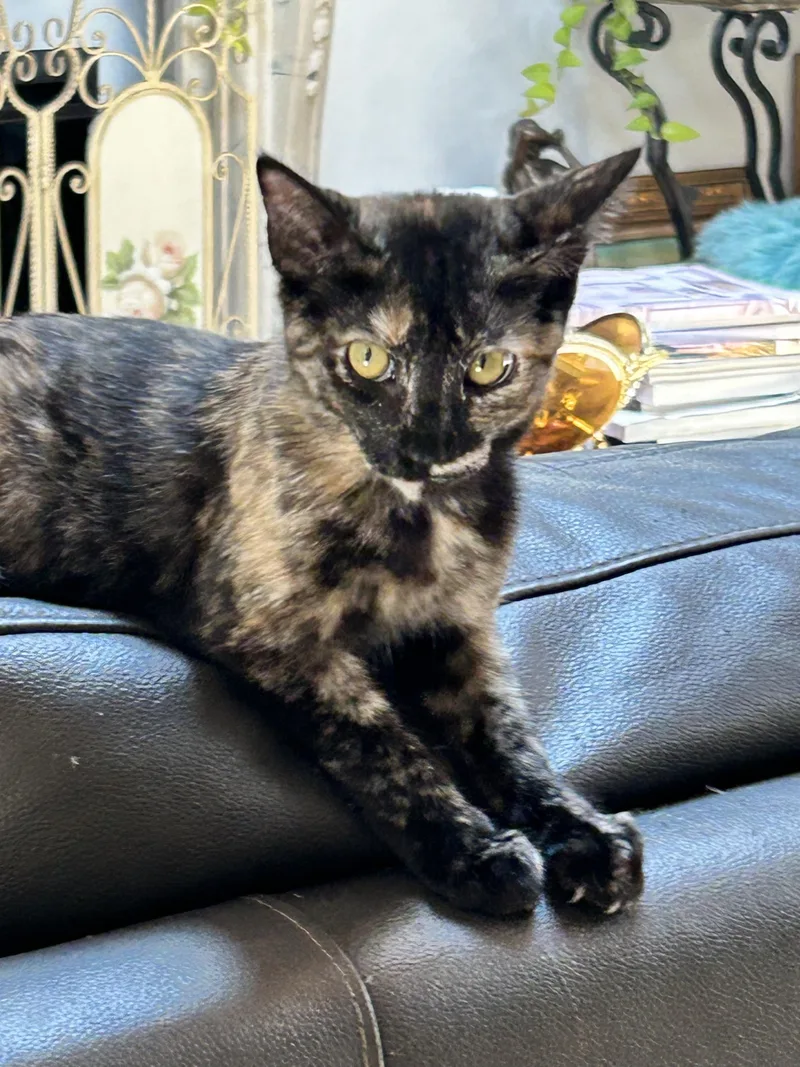
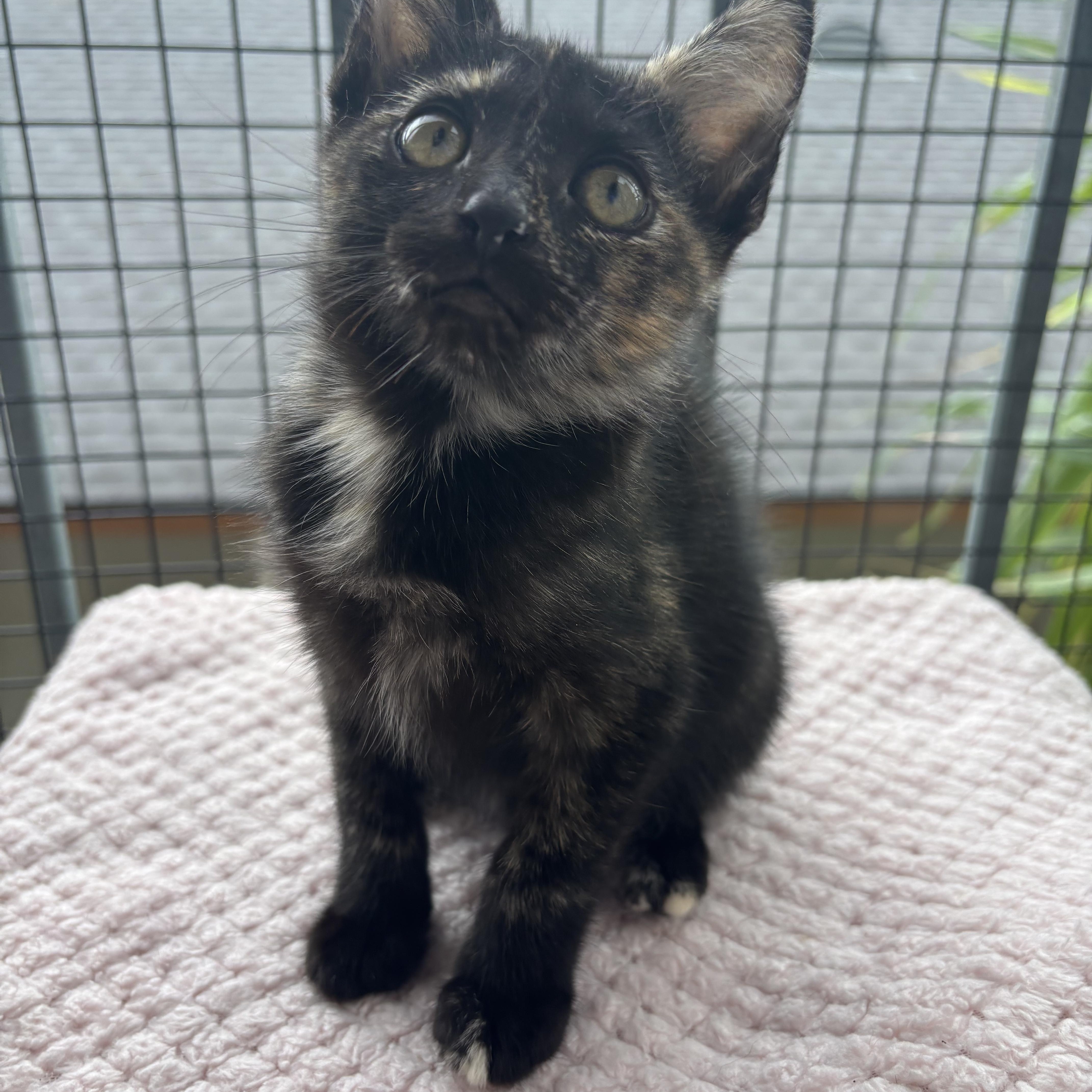
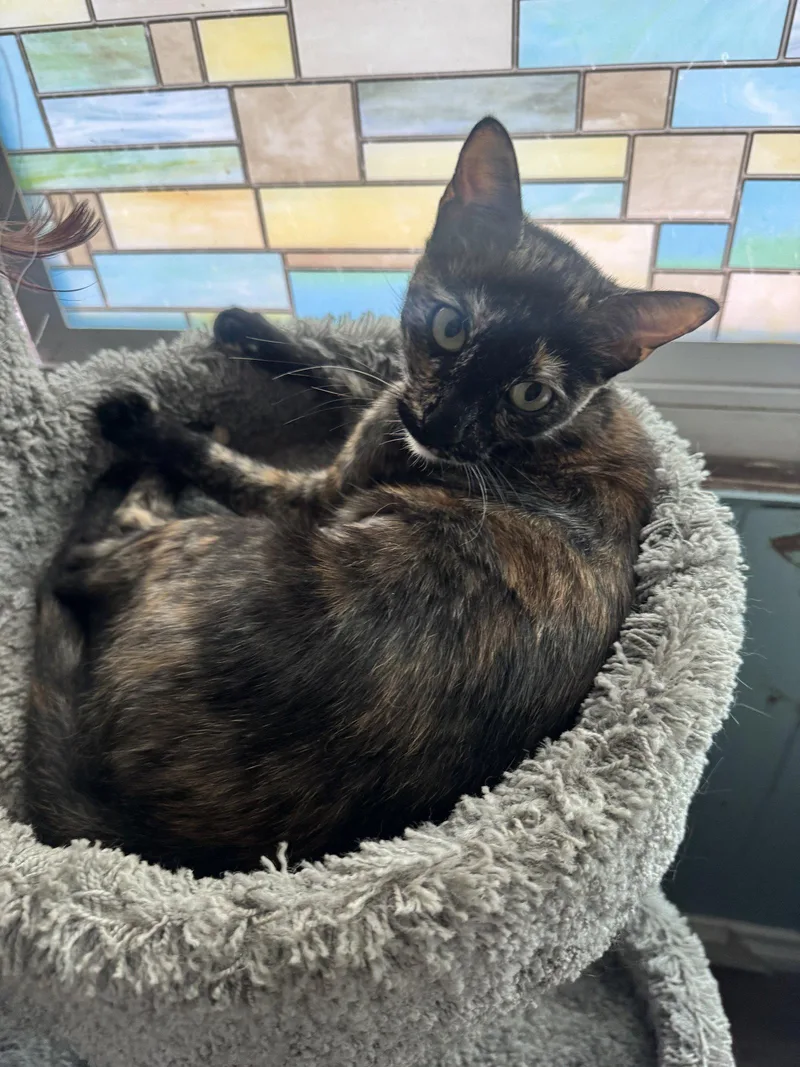
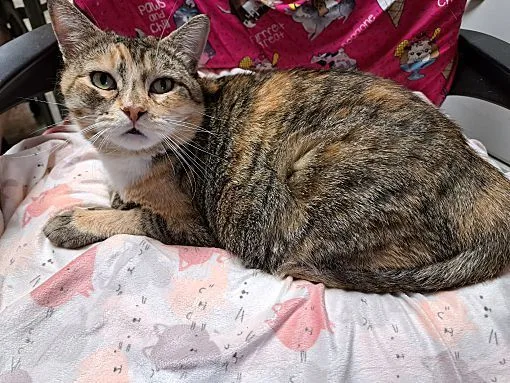
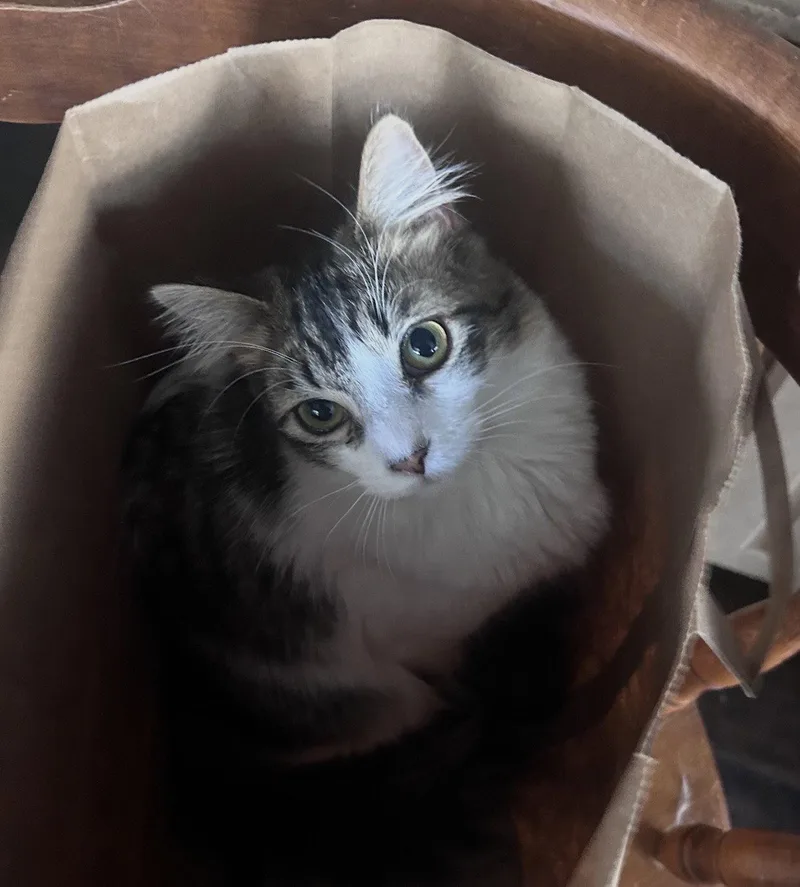
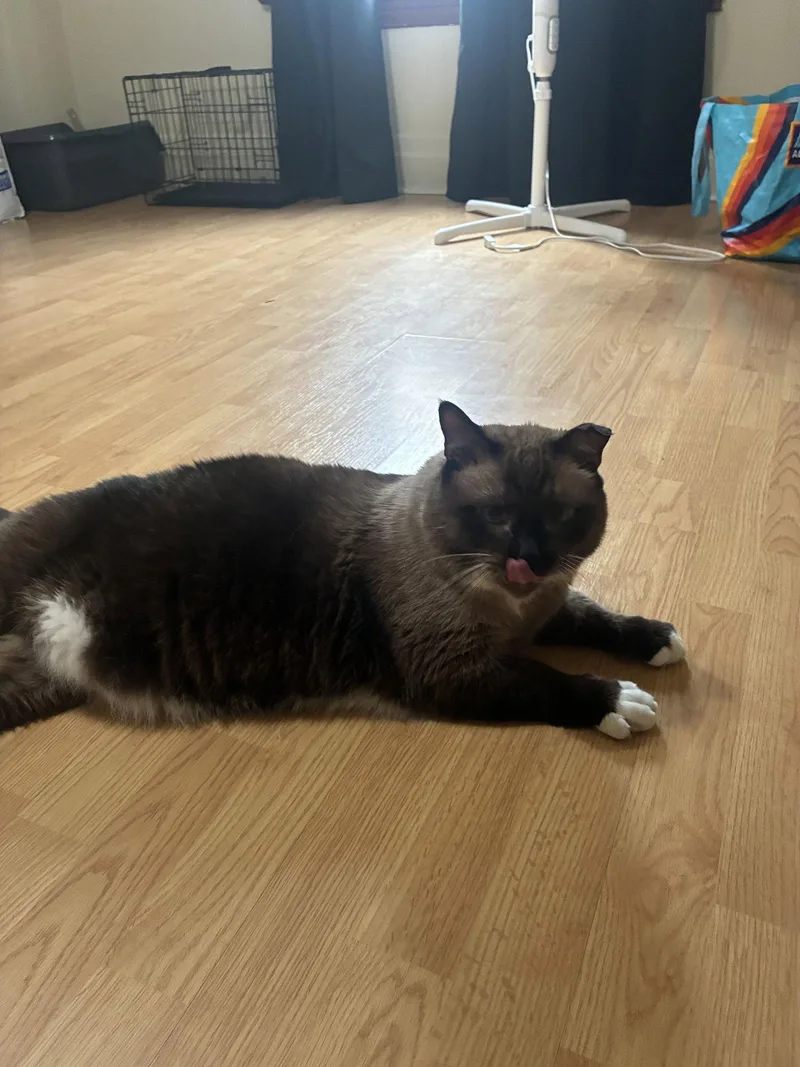
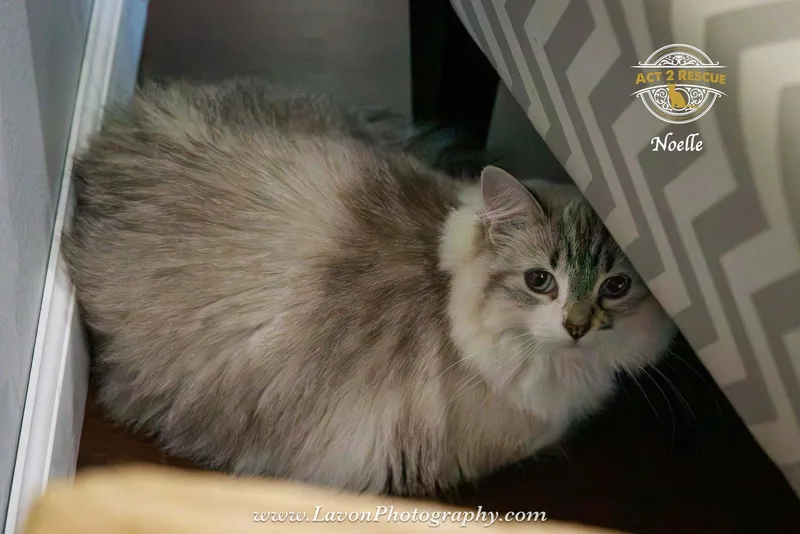
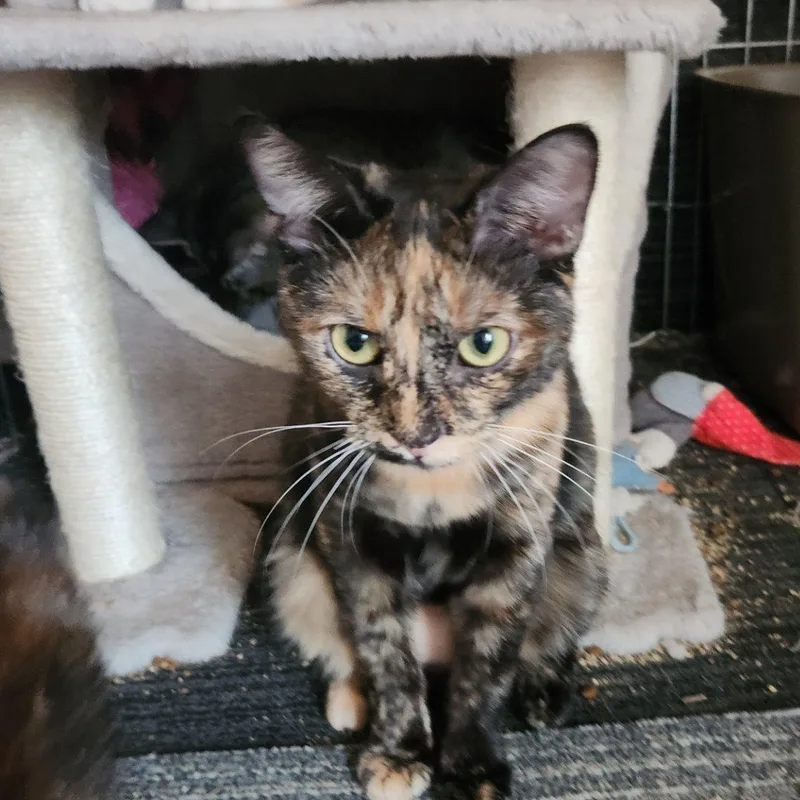
Tortoiseshell is a coat pattern, not a breed. A tortie's fur blends black-based and orange-based colors in patches or a fine mottle, usually with little white. Add large white areas and the cat is called a calico. Dilute torties look soft gray and cream, and torbies add tabby stripes. Because the orange gene sits on the X chromosome, nearly all torties are female.

Most torties are domestic shorthairs, though the pattern also appears in Maine Coons, Persians and British Shorthairs. Their reputation for "tortitude" comes mostly from owner impressions, and a cat's age, history and socialization say far more about personality than color. Torties shed moderately, so a weekly brushing keeps fur off the furniture in a small Riverside apartment.

Weight
6–14 lbs
Height
8–10 in
Lifespan
12–18 yrs
Temperament
Independent, Affectionate, Playful
Shedding
Moderate

Owning a Tortoiseshell in Riverside

Having a Tortoiseshell in Riverside

Tortoiseshell describes a coat, not a breed, so a tortie's traits come from age, upbringing and ancestry. These cards cover what holds for most torties, usually domestic shorthairs, and what matters when you bring one home in Riverside.

Temperament

Torties have a reputation for spirited, opinionated "tortitude," but the evidence rests mostly on owner surveys and is limited. Expect anything from shy to bold and from cuddly to aloof. In a Riverside apartment, a confident tortie may enjoy the bustle, while a quieter one will want a calm room to retreat to.

Exercise Needs

Plan on daily interactive play with wand toys, chase games and puzzle feeders. Young torties usually need more activity, and seniors prefer gentler sessions. In Riverside, evening play beats hot afternoons. Cat trees and window perches add enrichment, and a secure balcony or catio offers fresh air without roaming.

Health Considerations

The tortoiseshell pattern carries no particular health risks in female cats. The rare males usually have an extra X chromosome and may face additional issues. Otherwise health follows age and ancestry, so yearly vet checkups, dental care and a healthy weight matter most. In Riverside's heat, fresh water in several spots helps too.

Living Space

Torties fit apartments and houses equally well, because space needs depend on the cat, not the coat. Scratching posts, a cat tree and a hideaway suit most. Riverside's bungalows, tract homes and apartments all work, as long as there's a cool, shaded spot for summer afternoons.

What it costs to own a Tortoiseshell in Riverside

ExpenseTypical costPer year
Adoption fee$150 to $200, one time$150 to $200 in year one
Food$25 to $50 per month$300 to $600
Pet insurance$20 to $45 per month$240 to $540
Routine vet care$150 to $350 per year$150 to $350
Other*$450 to $1,150 per year$450 to $1,150
Estimated yearly total (after year one)$1,140 to $2,640
First-year total (with adoption fee)$1,290 to $2,840

Adoption fee is the range of fees on Tortoiseshell listings in Riverside on GetBuddy today. Other costs are estimates and vary with size, age and health.

* Litter, flea prevention, a dental cleaning allowance, toys and supplies, and light home grooming.

Adopt a Tortoiseshell in Riverside.

Now that you know more, let’s find you a new best friend. These rescues and shelters below currently have Tortoiseshells available.

Frequently Asked Questions

Yes. Nothing in Riverside's animal rules singles out cats by coat color, and California limits breed-specific rules. The city code does require microchipping for cats over 4 months and spay/neuter after 7 months, with exceptions for a vet-certified health risk. Cat licenses are voluntary, so you can add one if you want another way to be reunited with a lost cat.

Yes, most torties adapt well to apartments because cats rely on vertical space more than floor space. A cat tree, a window perch and daily play cover the basics. Before you sign a lease, read the landlord's written pet policy, since pet deposits count toward California's security deposit cap and monthly pet rent isn't capped.

Yes, indoor Tortoiseshells handle Riverside summers well with some planning. The city sees about 100 to 110 days at 90°F or hotter, and August is the peak, so keep a cool room, closed blinds in the afternoon and fresh water available. Never leave a cat in a parked car, and keep play for early morning or evening.

Yes, in a carrier. Riverside Transit Agency buses require small pets to stay completely enclosed in a commercially made carrier or cage, and glass or homemade carriers aren't allowed. Metrolink allows small pets in a ventilated case that fits on your lap or under a seat. Riverside has no subway, and it's worth checking current fares before you ride.

Most Tortoiseshells have short coats and need a brushing about once a week. Longhaired torties do better with brushing several times a week to prevent mats. Riverside's long hot season doesn't change the routine, though brushing helps remove loose hair. Professional grooming is rarely necessary, and the small cost of brushes and nail trimmers falls under the Other costs.

Usually, yes, if you can keep the home cool in summer and play with the cat most days. Plan for noisy stretches too: illegal fireworks around July 4 still happen despite the citywide ban, so keep a nervous tortie indoors with ID current. Tortie personalities vary, so watch how a cat behaves in the listings' photos and descriptions.

A tortoiseshell cat is a cat with a coat pattern of black-based and orange-based colors blended or patched together, usually with little or no white. It is not a breed; the pattern appears in many breeds and most often in domestic shorthairs. Nearly all tortoiseshells are female because the genes for orange and black are carried on the X chromosome.

Almost all tortoiseshell cats are female, but not all. A female has two X chromosomes and can carry both orange and black color genes, producing the mixed coat. Males normally have only one X. Rare male torties usually have an extra X chromosome or are genetic chimeras, and they are estimated at roughly 1 in 3,000 tortoiseshells.

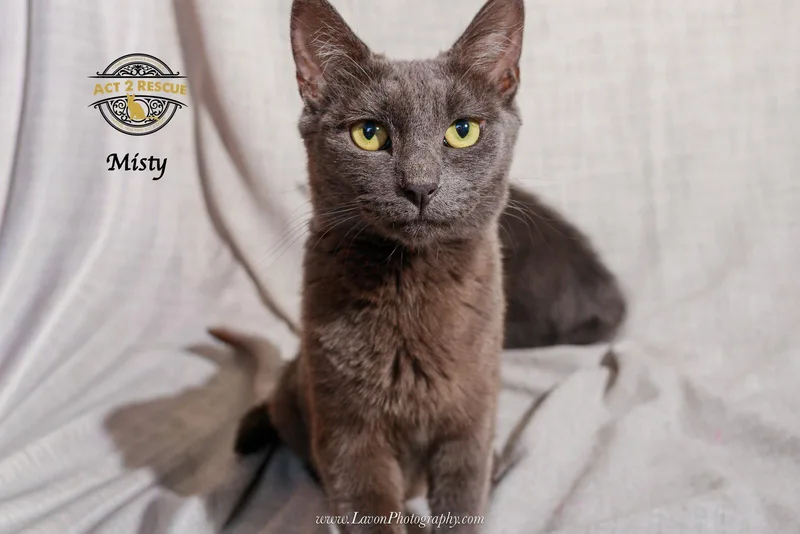
We have 3 rescues with Tortoiseshells available: Precious Purrs Feline Rescue, Room 8 Memorial Cat Foundation and Act 2 Rescue. You can see every rescue with Tortoiseshells available in the list above these questions, or scroll to the top to see the Tortoiseshells near Riverside.

Expect about $25 to $50 a month for food, $20 to $45 a month for optional insurance, $150 to $350 a year for routine vet care and $450 to $1,150 a year for other costs such as litter and flea prevention. That adds up to roughly $1,140 to $2,640 a year with insurance.