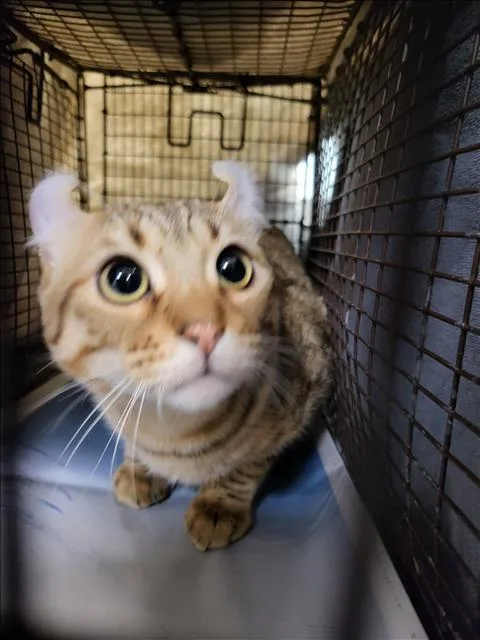
Tiger Cats for Adoption in Los Angeles, CA

Your guide to finding and caring for a Tiger in LA

Adopting a Tiger cat in Los Angeles means choosing a striped cat by personality, not pedigree. Tiger is a coat pattern, usually a mackerel tabby of mixed ancestry, so the cats you meet at LA shelters and rescues range from shy seniors to bold kittens. Mild winters and an apartment-friendly, mostly indoor lifestyle suit many of them well. Browse the listings below and look at each cat's history.

214 Tigers available in Los Angeles and nationwide

Find your forever Tiger cat

While we don't have enough cats near Los Angeles, keep in mind that many rescues may offer transport.

Tigers Available for Adoption Near Los Angeles

About the Tiger breed

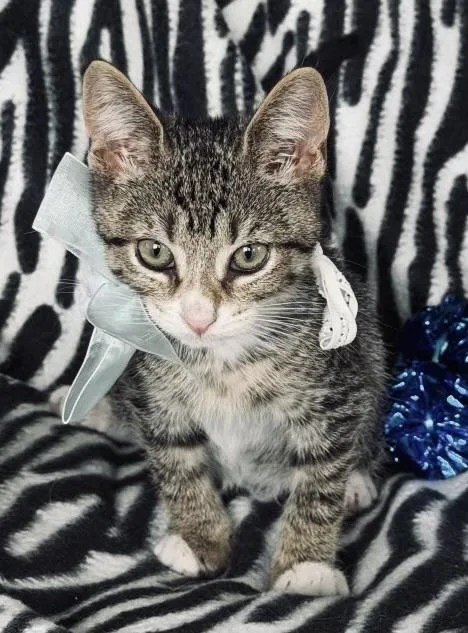
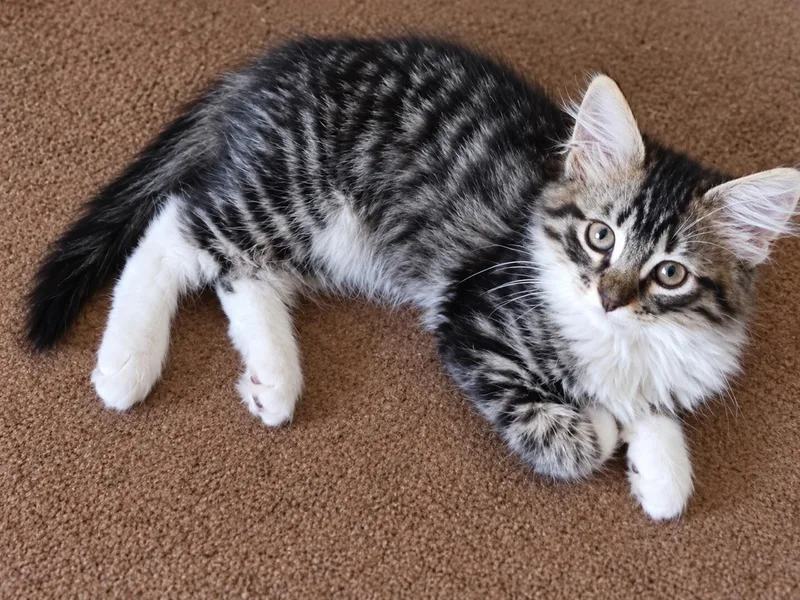
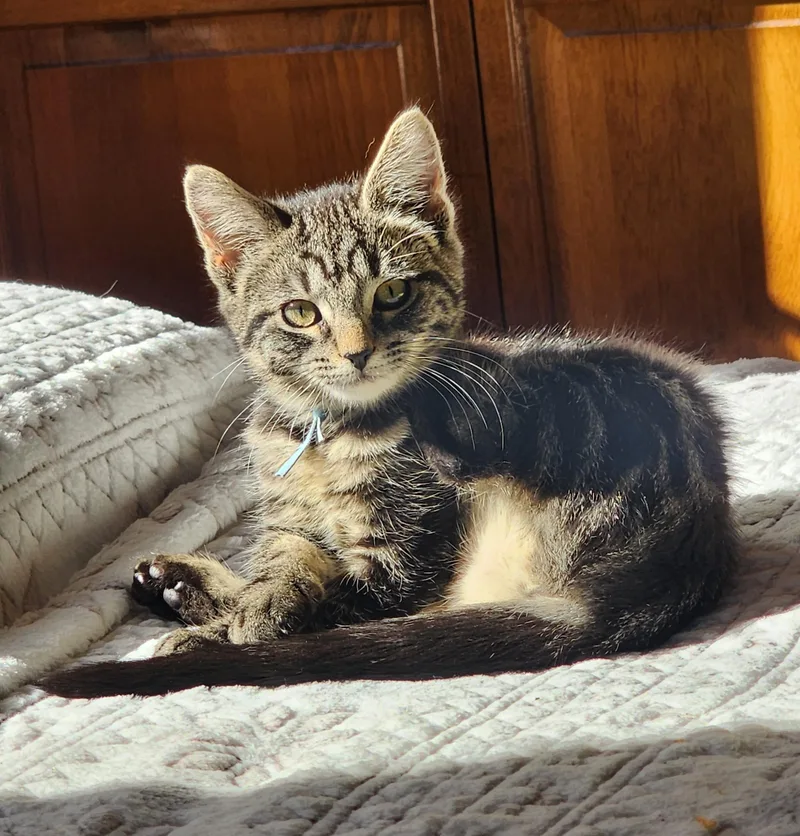
Tiger is a nickname for a striped look rather than a breed. Most cats listed this way are mackerel tabbies, usually domestic shorthairs, with narrow stripes, ringed tails and an M on the forehead. Colors run from brown and gray to orange and cream, and most weigh between 6 and 14 pounds.

In LA, a cat's background matters more than its stripes. Comfort with apartment noise, visitors and warm afternoons depends on each cat's history and temperament, so spend time with a cat before deciding. Shedding is moderate, and weekly brushing usually keeps fur manageable. With good care, many live 12 to 18 years, so adoption is a long-term commitment worth planning for.

Weight
6–14 lbs
Height
8–10 in
Lifespan
12–18 yrs
Temperament
Adaptable, Curious, Playful
Shedding
Moderate

Owning a Tiger in Los Angeles

Having a Tiger in LA

Stripes tell you little about a cat, so the traits below describe domestic cats in general. In LA, the practical questions are how a cat handles apartment life, warm afternoons and fireworks season, and what its shelter notes say.

Temperament

Tiger cats run from shy and gentle to bold and chatty, and the coat pattern does not predict which. For city living, notice how a cat reacts to new sounds and people. Shelter notes and a short meeting reveal far more than stripes, especially about children, dogs or other cats at home.

Exercise Needs

Plan on daily interactive play, such as wand toys, puzzle feeders and chase games, with young cats needing the most. In an LA apartment, a window perch, cat tree and rotating toys keep indoor cats busy. Two or three short sessions a day often work better than one long one and help prevent weight gain.

Health Considerations

Stripes carry no special health risks. Typical domestic cat concerns include dental disease, obesity and, in older cats, kidney disease, hyperthyroidism and diabetes. LA Animal Services adoptions include spay/neuter, vaccinations, a microchip and a free first exam at a participating vet. Schedule regular checkups and keep any known history in mind.

Living Space

Tiger cats usually adapt to LA apartments, condos and houses if they have scratching posts, climbing space and a place to hide. Indoor life protects them from traffic, wildlife and disease. Shy cats may need a quiet room at first, while confident cats often settle in within days.

What it costs to own a Tiger in Los Angeles

ExpenseTypical costPer year
Food$25 to $50 per month$300 to $600
Pet insurance$20 to $45 per month$240 to $540
Routine vet care$150 to $350 per year$150 to $350
Other*$450 to $1,150 per year$450 to $1,150
Estimated yearly total (after year one)$1,140 to $2,640

Other costs are estimates and vary with size, age and health.

* Litter, flea prevention, a yearly dental cleaning allowance, toys, scratchers and other supplies, and minimal home grooming.

Adopt a Tiger in Los Angeles.

Now that you know more, let’s find you a new best friend. These rescues and shelters below currently have Tigers available.

Rescues in Los Angeles with Tigers Available

Los Angeles has six city shelters plus many independent rescues, so cat adopters have plenty of places to start. Here are the rescues & shelters in the LA area where you can find Tigers and other cats available for adoption.

Frequently Asked Questions

Yes. Tiger is a coat pattern, not a breed, and the main city rules for cats are spay/neuter at 4 months and a five-cat household limit. LA Animal Services adoptions include spay/neuter, and the city doesn't license cats, though rabies vaccination is recommended. Check your lease for pet terms before you apply.

Often, yes, but it depends on the cat, since stripes don't predict personality. Look for a cat whose notes suggest it handles noise and visitors. Plan for fireworks season: LA Animal Services advises a quiet indoor room and current microchip details, because shelters fill with frightened, lost pets around July 4.

Yes, many do well in apartments with scratching posts, window perches and daily play. Before applying, get the landlord's pet policy in writing and ask about deposits and monthly pet rent. Give a new cat a quiet room to settle in, and keep windows and balconies secured.

Yes, mostly, if they stay indoors. Coastal areas stay mild, while the San Fernando Valley runs much hotter, so keep shades drawn, offer fresh water in several spots and provide cool places to rest. Hot days continue into October. Heavy panting or unsteadiness means it's time to call a vet.

Only in a carrier. Metro allows pets that are in a secure carrier made for that purpose, plus service animals as defined by the ADA. Keep the cat under control, and clean up any mess promptly. Check current fares and any pet guidance with Metro before you ride.

Most Tiger cats need only a brush once or twice a week, more for medium- or long-haired cats or during heavier shedding. LA's mild climate doesn't call for clipping, and shaving isn't advised in heat. Grooming costs stay small and fall within the Other costs listed here, unless you hire a professional for a long coat.

A tiger cat is a cat with a striped coat that resembles a tiger's, usually a mackerel tabby. It is a coat pattern, not a breed, and most tiger cats are domestic shorthairs of mixed ancestry. The pattern is very common in shelters and appears in brown, gray, orange and other colors.

A tiger cat has narrow stripes running down its sides like a fish skeleton, which is why the pattern is also called mackerel tabby. It usually has rings around its legs and tail, dark lines from the eyes across the cheeks and an M-shaped marking on the forehead. Colors include brown, gray, silver and orange.

We have 1 rescue with Tigers available: Stray No More. You can see every rescue with Tigers available in the list above these questions, or scroll to the top to see the Tigers near Los Angeles.

Expect roughly $45 to $95 a month for food and insurance, $150 to $350 a year for routine vet care, and $450 to $1,150 a year for other costs such as litter and dental care. Together that comes to about $1,140 to $2,640 a year. Adoption fees are separate and appear on the listings.

Find Tigers in Nearby Cities

Expand your search to find Tigers available for adoption near Los Angeles.