Havana Cats for Adoption in Los Angeles, CA

Your guide to finding and caring for a Havana in LA

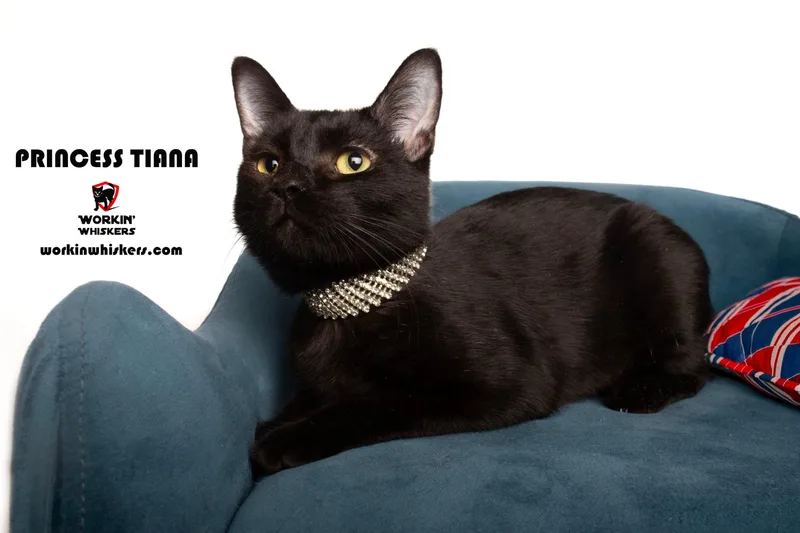
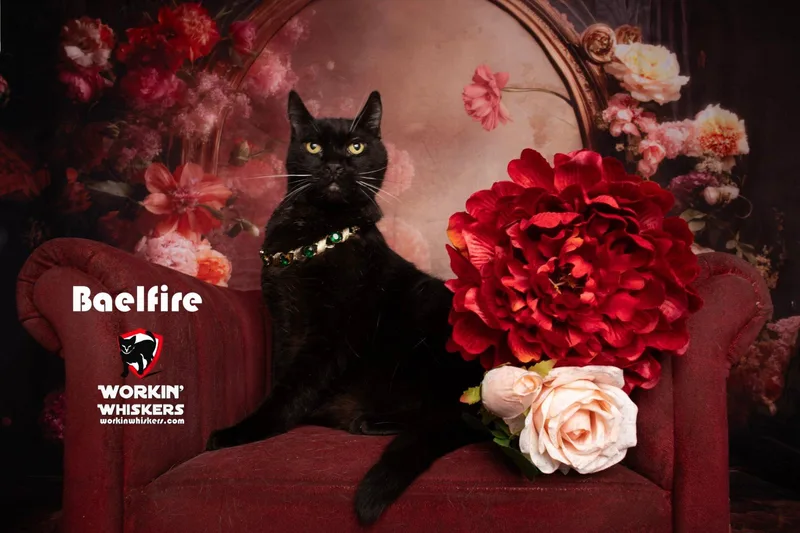
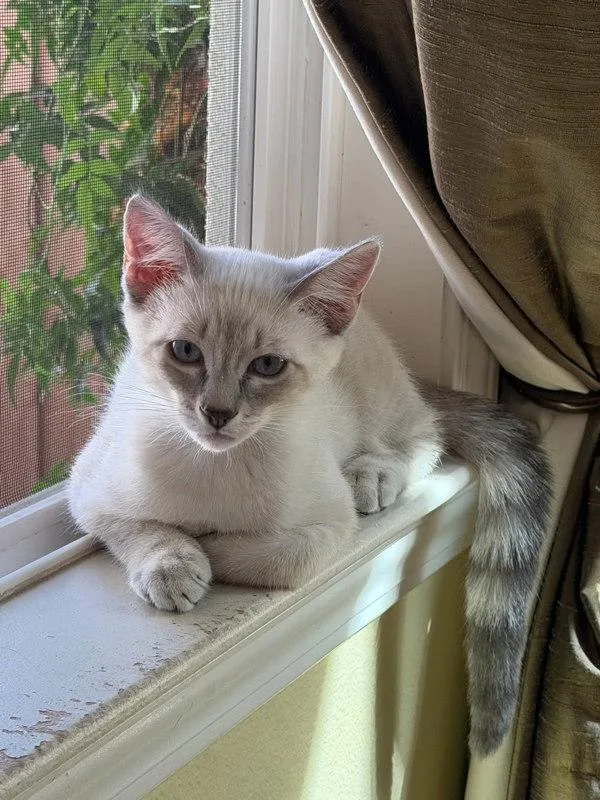
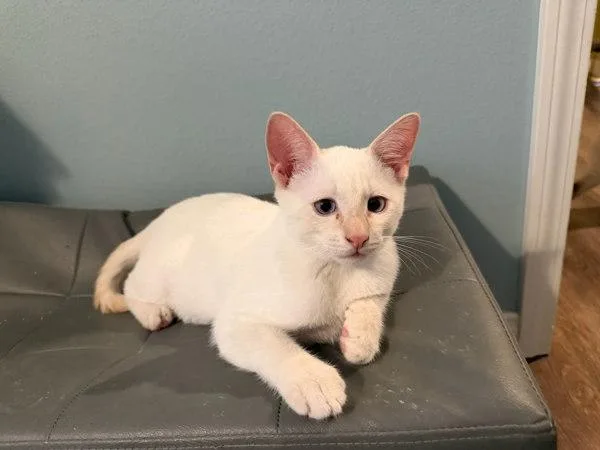
Adopting a Havana in LA usually means meeting a brown shorthair or a Havana mix, since the breed is rare. LA Animal Services runs six City shelters, and independent rescues around the area also take in cats. Check the listings below often, and look at a cat's personality, which tells you more than a breed label. A sociable, curious cat can settle well into LA apartments and houses.

2798 cats similar to Havana available in Los Angeles and nationwide

Give a Havana Brown a home

Havanas and Similar Breeds Available for Adoption Near Los Angeles

About the Havana breed

The Havana, called the Havana Brown by some registries, was developed in Britain in the 1950s by pairing chocolate-carrying Siamese cats with black domestic shorthairs. The result is a medium, muscular cat with a glossy chocolate coat, brown whiskers, green eyes, large forward-tilted ears and a squared-off muzzle. Most weigh about 6 to 10 pounds.

Havanas are often curious, people-focused cats that follow their households from room to room and sometimes pat things with a paw. Many are chatty, though in a softer voice than a Siamese. In LA, that sociable streak suits homes where someone is around part of the day. Cats vary, so get to know the cat in front of you rather than relying on the breed description.

Weight
6–10 lbs
Height
9–11 in
Lifespan
10–15 yrs
Temperament
Social, Curious, Affectionate, Playful
Shedding
Low

Owning a Havana in Los Angeles

Having a Havana in LA

Expect a short, low-shedding coat and a cat that wants a role in daily life. In LA, the questions that matter most are how much company the cat gets, how you handle warm weather, and whether your home offers enough to climb and explore.

Temperament

Havanas are often affectionate, interactive and curious, and many greet visitors instead of hiding. That friendliness can suit LA apartment life, but a cat that bonds closely may get lonely during long commutes or work days. Consider a friendly second pet if you're away often, and watch how a particular cat handles new people and noise.

Exercise Needs

Plan on two or three short play sessions a day with wand toys, balls and puzzle feeders. In LA, an indoor routine works well: a window perch for watching the street, a tall cat tree, and a harness walk only if the cat enjoys it. Rotating toys keeps a curious Havana from getting bored.

Health Considerations

Havanas have no well-documented breed-specific genetic disease, though gum inflammation may be somewhat more common, so plan on regular dental care. Public health officials recommend rabies vaccination for cats in LA, even though the City doesn't license them. Ask your vet about screening and a checkup schedule that fits the cat's age.

Living Space

A Havana can do well in an LA apartment, condo or house because company and enrichment matter more than square footage. Offer window perches, a cat tree and a couple of hiding spots, and keep the cat indoors, which also protects against traffic and wildlife. Many Havanas settle best when someone is home part of the day.

What it costs to own a Havana in Los Angeles

ExpenseTypical costPer year
Food$25 to $50 per month$300 to $600
Pet insurance$25 to $50 per month$300 to $600
Routine vet care$150 to $350 per year$150 to $350
Other*$450 to $1,150 per year$450 to $1,150
Estimated yearly total (after year one)$1,200 to $2,700

Other costs are estimates and vary with size, age and health.

* Litter, flea prevention, a dental cleaning allowance, toys, scratchers and other supplies, and minimal home grooming for the short coat.

Adopt a Havana in Los Angeles.

Now that you know more, let’s find you a new best friend. These rescues and shelters below have cats available in and near Los Angeles.

Rescues and Shelters in or near Los Angeles

LA has six City shelters and many independent rescues, so check often for brown shorthairs and Havana mixes. Here are the rescues & shelters in the LA area with cats available for adoption, worth asking whether a Havana is coming in.

Frequently Asked Questions

Yes. A Havana is treated like any other cat in Los Angeles, and the spay/neuter and household-limit rules apply to all cats. Because the breed is rare, you're more likely to find a brown shorthair or a Havana mix at local shelters and rescues, so check listings often. Cats adopted from LA Animal Services go home already spayed or neutered.

Yes, a Havana generally does well in an apartment as long as it gets daily play and company. Ask your landlord about pet policies before applying, and get approval in writing. Starting April 1, 2027, California landlords must provide a written pet policy with rental applications. Window perches and a tall cat tree help a curious Havana use vertical space.

Yes, with sensible precautions. Heat depends on where you live: coastal areas stay mild, while Valley neighborhoods see many days above 90°F. Give the cat the coolest room in the home, and never leave it in a parked car, which California law prohibits when conditions endanger the animal. Heavy panting, drooling or wobbliness needs a vet right away.

Yes, if the Havana is inside a secure carrier. Metro allows animals in carriers made for that purpose, plus ADA service animals, and you must keep control of the cat and clean up any mess. A carrier also keeps a Havana calmer around crowds and noise. Check current pet fares with Metro before you ride.

It can be, especially for someone who is home part of the day or has another friendly pet. Havanas like to be involved, so long commutes may leave one lonely. Fireworks are illegal in LA, but July 4 can still be noisy, so keep the cat in a quiet room with current microchip details.

Very little. The short, low-shedding coat needs a quick weekly brush, and LA's warm weather is no reason to shave a cat, since fur protects against sunburn and overheating. Trim nails and plan on regular dental care. Professional grooming is rarely needed, and home care is already counted in the Other costs above.

A Havana cat, also called the Havana Brown, is a rare shorthaired breed developed in Britain in the 1950s from Siamese and black domestic cats. It is recognized by its rich chocolate-brown coat, brown whiskers, green eyes and distinctive muzzle. Havanas tend to be social, curious and people-focused, and few are available, so brown shorthaired mixes are more common in shelters.

Plan on roughly $1,200 to $2,700 a year for a Havana in LA, based on food at $25–$50 a month, insurance at $25–$50 a month, routine vet care at $150–$350 a year, and $450–$1,150 a year for litter, dental care, flea prevention and supplies. Adoption fees are shown with current listings, and vet quotes vary by clinic.