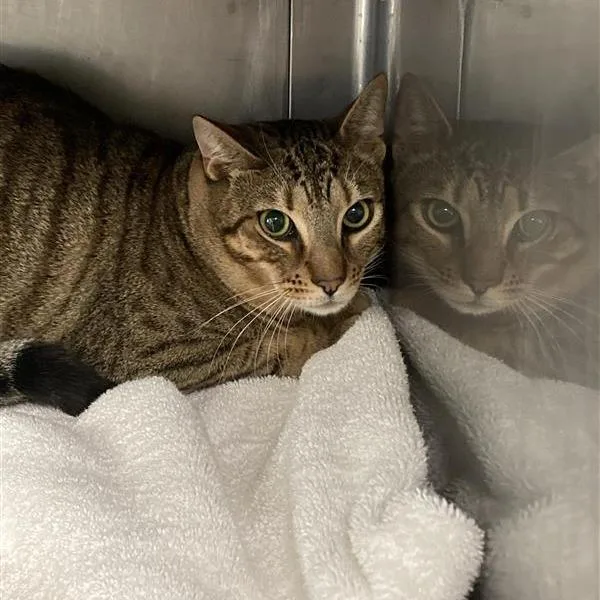
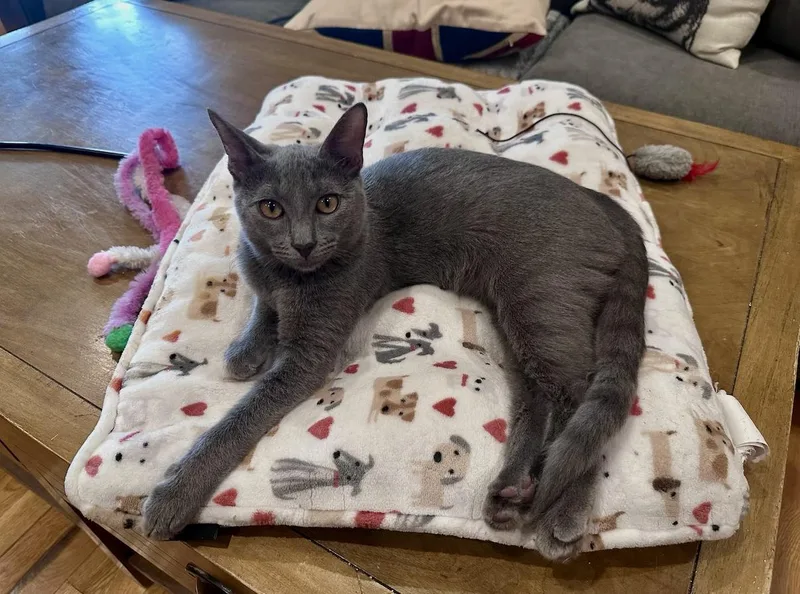
Turkish Van Cats for Adoption in Long Beach, CA

Your guide to finding and caring for a Turkish Van in Long Beach

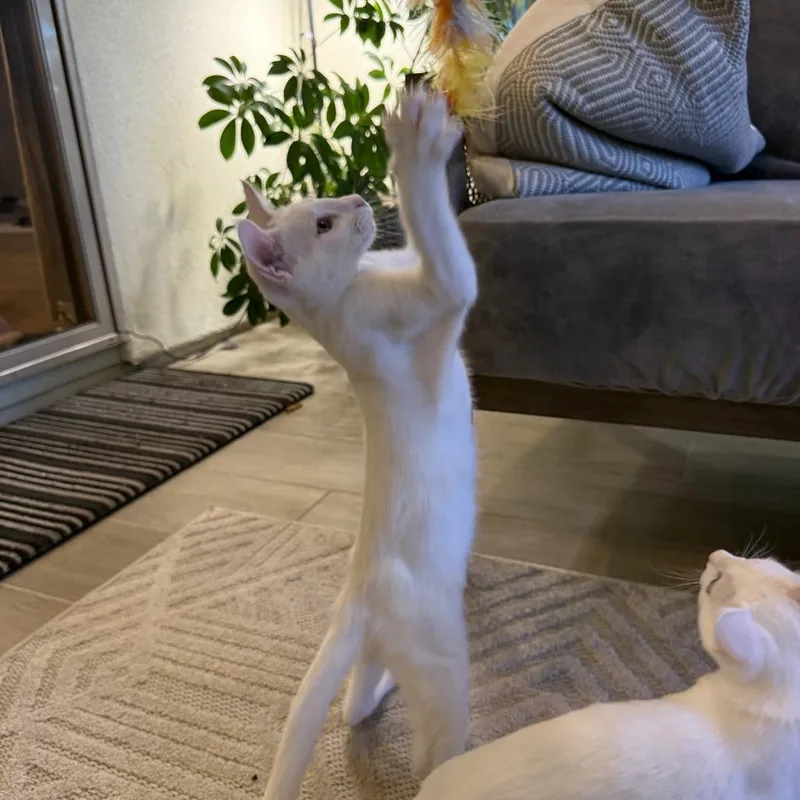
A Turkish Van can do well in an Alamitos Beach condo, as long as there's something tall to climb. Vans are athletic, curious cats that treat bookshelves and window sills like a racetrack, so a building with good light and a sturdy cat tree beside the glass goes a long way. Many like to watch the street below. A Van that gets daily play and a window of its own usually settles in fast.

197 Turkish Vans available in Long Beach and nationwide

Bring home a Turkish Van

Turkish Vans Available for Adoption Near Long Beach

About the Turkish Van breed

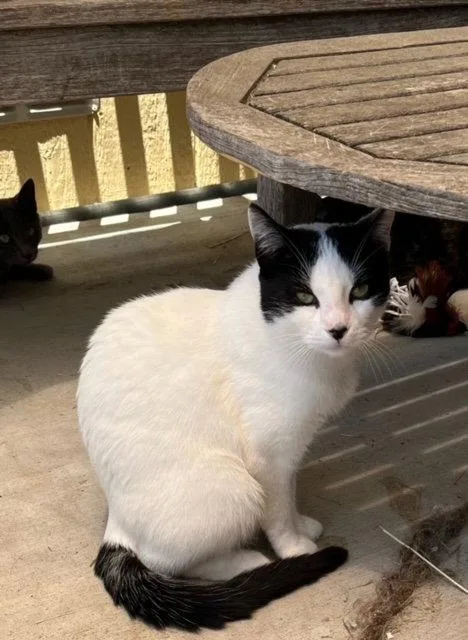
The Turkish Van is a large, semi-longhaired cat with a white body and color only on the head and tail, a pattern that now carries the breed's name. The breed was developed in Britain from cats brought back from Turkey in 1955, and similar cats have lived around Lake Van for centuries. The single coat has no undercoat, feels cashmere-soft and sheds water better than most cats' fur.

Vans mature slowly, often taking three to five years to reach full size, and many stay playful the whole time. They tend to be bold, vocal and busy, and most prefer company on their own terms over being carried around. In Long Beach, that mix means a Van does best with room to climb, regular play and a household that enjoys an opinionated cat. Cats vary, so each Van's own personality matters more than breed lore.

Weight
7–20 lbs
Height
10–14 in
Lifespan
12–17 yrs
Temperament
Active, Intelligent, Playful
Shedding
Moderate

Owning a Turkish Van in Long Beach

Having a Turkish Van in Long Beach

Turkish Vans are strong, athletic cats with plenty of drive. In Long Beach, their needs come down to daily play, tall places to climb, an easy-care single coat and an indoor home that keeps them safe from coyotes and traffic.

Temperament

Turkish Vans tend to be bold, clever and attached to their people, often following them from room to room and chatting in a soft voice. Many dislike being held, and some are wary of strangers, so a calm home and patient handling help. Each Van differs, and the cat's own behavior says more than breed reputation.

Exercise Needs

Plan on daily active play: wand toys, fetch, chase and climbing. In a Long Beach apartment, vertical space is the main outlet, so tall trees, wall shelves and window perches matter. Puzzle feeders and rotating toys add mental work. A bored Van may start knocking things off shelves or opening cabinets.

Health Considerations

Turkish Vans have few well-documented inherited conditions, though heart muscle disease has been reported, and a veterinarian can listen to the heart at checkups. Their large frame makes weight control important, and dental disease is common in cats of every breed. Measured meals, tooth care and yearly exams are the basics.

Living Space

A Van fits a condo, apartment or house as long as it has vertical room. In Long Beach's many rentals, a cat tree, sturdy scratching post and window perch beat extra square footage. Keep toilet lids down and tubs drained, since many Vans investigate water, and keep windows and balcony doors secured.

What it costs to own a Turkish Van in Long Beach

ExpenseTypical costPer year
Food$30 to $60 per month$360 to $720
Pet insurance$25 to $55 per month$300 to $660
Routine vet care$150 to $350 per year$150 to $350
Other*$512 to $1,262 per year$512 to $1,262
Estimated yearly total (after year one)$1,322 to $2,992

Other costs are estimates and vary with size, age and health.

* The $12 Long Beach altered-cat license, litter, flea prevention, a dental cleaning allowance, climbing trees, toys and supplies, and combing the semi-long coat through seasonal molts.

Adopt a Turkish Van in Long Beach.

Now that you know more, let’s find you a new best friend. These rescues and shelters below currently have Turkish Vans available.

Frequently Asked Questions

Yes, a Turkish Van can live happily in a Long Beach apartment when it has vertical space and daily play. Tall cat trees, wall shelves and window perches matter more than square footage. Many buildings here are rentals, so get cat permission in writing, and keep windows and balcony doors secured for a climber.

Yes. No breed-specific rules apply in Long Beach, and California limits breed-specific local rules to spay/neuter and breeding. Cats over four months need a City license tag or registered microchip and a rabies vaccination, and must be spayed or neutered unless exempt. A home may keep up to four pets.

Yes, but only in a carrier. Long Beach Transit requires pets that aren't service animals to ride in a rigid carrier with locks or latches that doesn't block the aisle. The Metro A Line allows animals only in fully enclosed carriers; purses and backpacks don't count. A large Van needs a roomy hard carrier, so practice at home first.

Yes, the mild coast suits a Turkish Van. Winters almost never freeze, summer nights are cool, and only about 23 days a year reach 90°F, mostly in August and September. Shade, fresh water and a cool room cover most hot days for an indoor Van, and rain mainly falls from November through March.

Less than most semi-longhaired cats. The single coat has no undercoat and rarely mats, so weekly combing works most of the year, and two or three times a week during the spring molt. Long Beach's mild climate adds little. Professional grooming is optional and falls under the Other costs of $512 to $1,262 a year.

It can be, if you enjoy an active, talkative cat and can offer daily play and tall places to climb. Vans suit condos and houses alike, but they like affection on their own terms and may not enjoy being carried. Keeping a Van indoors protects it from coyotes and traffic, and a window perch keeps it entertained.

Yes, Turkish Van cats are rare, especially in the United States, where relatively few are registered each year. Even in Europe, where the breed is better known, they make up only a tiny share of pedigreed kitten registrations. Because purebred Vans seldom reach shelters, adopters often find van-patterned domestic cats, which share the striking look but not necessarily the breed's personality.

A Turkish Van is a large, semi-longhaired cat breed known for its white body with color only on the head and tail. The breed was developed in Britain from cats brought from Turkey in 1955 and named after the Lake Van region. Vans are typically athletic, clever and playful, with a soft, water-resistant coat that lacks an undercoat.

We have 1 rescue with Turkish Vans available: Long Beach Spay Neuter. You can see every rescue with Turkish Vans available in the list above these questions, or scroll to the top to see the Turkish Vans near Long Beach.

Expect roughly $1,300 to $3,000 a year for a Turkish Van in Long Beach. That covers food at $30 to $60 a month, insurance at $25 to $55 a month, routine vet care at $150 to $350 a year, and other costs of $512 to $1,262 a year. Adoption fees depend on the listing.