Norwegian Forest Cats for Adoption in Long Beach, CA

Your guide to finding and caring for a Norwegian Forest Cat in Long Beach

A Norwegian Forest Cat suits a Long Beach condo or bungalow as long as there's something tall to climb. In Alamitos Beach, where many buildings date to the 1920s, a big cat tree by a sunny window gives a Norwegian its own lookout. They're relaxed, sociable cats that like company without demanding a lap. The thick coat is the main thing to plan around, since late-summer heat can be a lot for it. Expect regular brushing and a cool spot to nap.

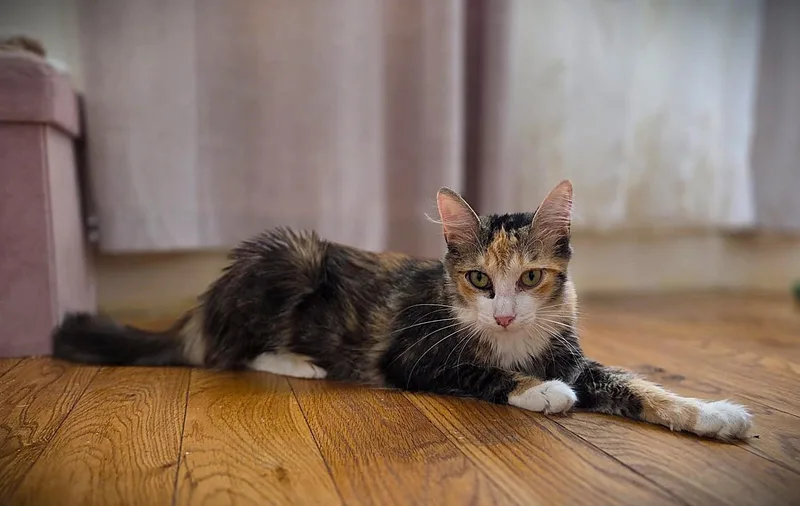
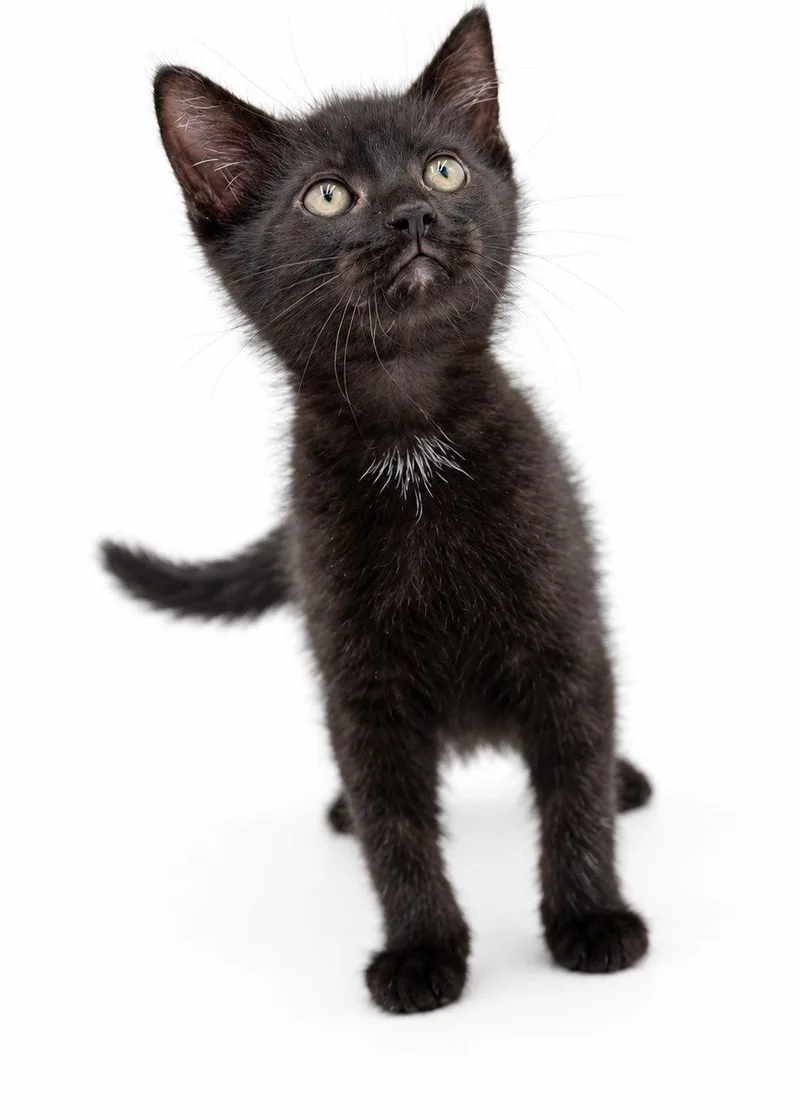
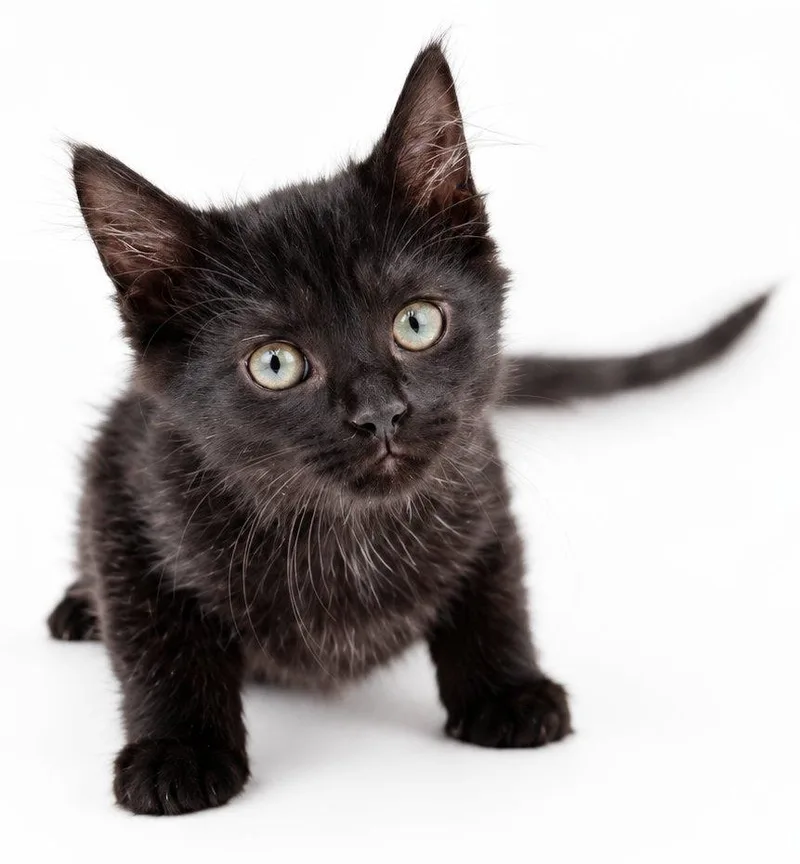
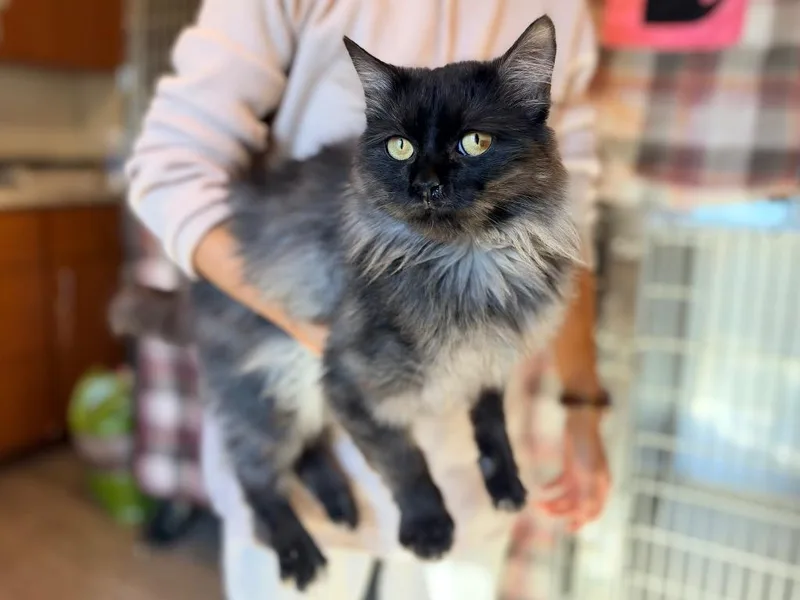
56 Norwegian Forest Cats available in Long Beach and nationwide

Bring home a Norwegian Forest Cat

While we don't have enough cats near Long Beach, keep in mind that many rescues may offer transport.

Norwegian Forest Cats Available for Adoption Near Long Beach

About the Norwegian Forest Cat breed

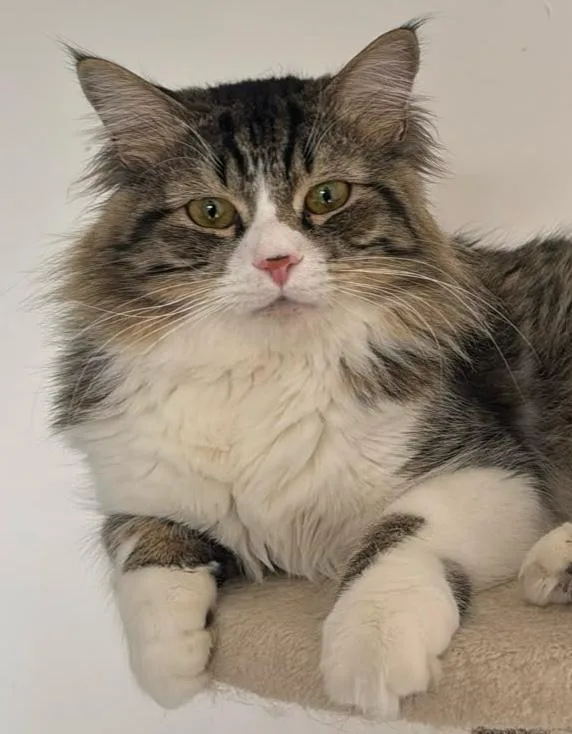
Norwegian Forest Cats are a natural breed from Scandinavia, shaped by long, cold winters into big, strong climbers. Known in Norway as skogkatt, the breed nearly disappeared in the mid-twentieth century before it was revived, and it reached North America in the late 1970s. A dense woolly undercoat, glossy water-resistant guard hairs, a full neck ruff, tufted paws and a long bushy tail give it a wild, rugged look.

Many Norwegians are sweet, easygoing and sociable while still deciding for themselves when to sit on a lap. They love heights and often chirp more than they meow. The breed matures slowly, sometimes taking up to five years to fill out, and sheds heavily each spring. In Long Beach, that coat matters more than the cold ever will: brushing keeps it comfortable, and a cool indoor spot helps on warm days.

Weight
9–18 lbs
Height
9–12 in
Lifespan
12–16 yrs
Temperament
Gentle, Independent, Intelligent
Shedding
High

Owning a Norwegian Forest Cat in Long Beach

Having a Norwegian Forest Cat in Long Beach

Big, agile and built for cold, Norwegian Forest Cats need tall climbing space, steady brushing and a cool place to rest more than a large floor plan. Every cat differs, but these traits shape how the breed fits Long Beach homes.

Temperament

Norwegians are often calm, friendly and self-assured, enjoying company without constant attention. Many follow people around but prefer sitting beside you to being held. They usually get along with respectful children, other cats and calm dogs after gradual introductions. Some are reserved with strangers, and each cat's background affects how quickly it settles in.

Exercise Needs

Norwegians are moderately active and love to climb, so a tall, sturdy cat tree or wall shelves by a window is worth the space. Wand toys satisfy their hunting instincts, and puzzle feeders add mental work. Young cats play hard, while mature adults tend to play in short bursts, then claim a high perch.

Health Considerations

Norwegian Forest Cats are generally robust, but hypertrophic cardiomyopathy and glycogen storage disease type IV, a rare inherited disorder affecting kittens, are documented in the breed. Large cats can also develop joint problems and gain weight easily. Regular veterinary exams, weight control and dental care help, and a veterinarian can screen for heart problems.

Living Space

A Norwegian can live happily in a Long Beach apartment, condo or house if it has vertical space and room for a large cat tree. Sturdy furniture and wide perches suit its size. Indoor living or a secure catio keeps it safe from traffic and coyotes. Plan for shed fur, especially in spring.

What it costs to own a Norwegian Forest Cat in Long Beach

ExpenseTypical costPer year
Food$30 to $60 per month$360 to $720
Pet insurance$25 to $55 per month$300 to $660
Routine vet care$150 to $350 per year$150 to $350
Other*$512 to $1,262 per year$512 to $1,262
Estimated yearly total (after year one)$1,322 to $2,992

Other costs are estimates and vary with size, age and health.

* The $12 Long Beach altered-cat license, litter, flea prevention, a dental cleaning allowance, a sturdy cat tree and supplies, and brushing tools for the heavy double coat.

Adopt a Norwegian Forest Cat in Long Beach.

Now that you know more, let’s find you a new best friend. These rescues and shelters below currently have Norwegian Forest Cats available.

Frequently Asked Questions

Yes. No breed-specific rules apply in Long Beach, and California limits breed-based rules to spay/neuter and breeding. Cats over four months need a rabies vaccination and either a City license tag or a registered microchip, and must be spayed or neutered unless exempt. A household can keep up to four pets.

Mostly yes. Long Beach is mild, with almost no freezing nights and only about 23 days a year at 90°F or above, mainly in August and September. The thick coat is the only real concern, so keep the cat indoors with fans or air conditioning, fresh water and regular brushing, and watch the forecast during late-summer heat waves.

Yes, apartments work well when the cat has a tall cat tree, a window perch and daily play. Most Norwegians prefer climbing to running, so height matters more than floor area. Sturdy furniture, a roomy litter box and regular brushing keep shed fur manageable in smaller spaces.

Often, for someone who's home a fair amount and wants a relaxed, climbing-loving cat. Long Beach's mild weather suits an indoor Norwegian. Fireworks are the main local stress: they're illegal citywide but still cause lost pets around July 4, so keep the cat inside with a radio or TV on and the microchip registration current.

Only in a carrier. Long Beach Transit requires pets that aren't service animals to ride in a rigid carrier with locks or latches, and Metro A Line trains and buses allow only service animals or animals in fully enclosed carriers; purses and backpacks don't count. A big Norwegian needs a roomy hard carrier, so measure before you ride.

Plan on brushing at least twice a week, and several times a week during the spring shed, when the woolly undercoat comes out. Long Beach's mild climate doesn't call for seasonal trims, and shaving isn't recommended routinely. A groomer can handle stubborn mats; occasional visits fit within the Other costs of about $512 to $1,262 a year.

At one year old, many Norwegian Forest Cats look nearly adult in height but are still noticeably leaner than they will become. Weights vary widely, often somewhere around 7 to 12 pounds, with males typically heavier. The breed can keep adding muscle, bone and coat until about five years old, so a yearling is still growing into its frame.

No, Norwegian Forest Cats are not hypoallergenic. They produce the Fel d 1 allergen like other cats, and their thick double coat sheds heavily, especially in spring, spreading allergen-coated hair around the home. People with allergies may struggle with this breed. Spending extended time with the specific cat before adopting is the best way to judge your own reaction.

We have 1 rescue with Norwegian Forest Cats available: Long Beach Spay Neuter. You can see every rescue with Norwegian Forest Cats available in the list above these questions, or scroll to the top to see the Norwegian Forest Cats near Long Beach.

Expect roughly $1,300 to $3,000 a year for a Norwegian Forest Cat in Long Beach. Food runs $30 to $60 a month and insurance $25 to $55 a month, routine vet care $150 to $350 a year, and other costs such as litter, brushing supplies, dental care and the cat license add $512 to $1,262 a year.