Birman Cats for Adoption in Phoenix, AZ

Your guide to finding and caring for a Birman in Phoenix

Birmans do well in Phoenix because they're happy indoors, where the air conditioning is. A mid-rise apartment along Encanto's Central Avenue corridor or a small ranch house in Alhambra gives a Birman all the room it needs, since these cats care more about window perches and company than square footage. They're soft-voiced, affectionate and tend to follow you from room to room. If you're thinking of adopting one in Phoenix, plan on weekly combing for that silky coat and daily play to keep an adult trim.

2214 cats similar to Birman available in Phoenix and nationwide

Find your forever Birman

Birmen and Similar Breeds Available for Adoption Near Phoenix

About the Birman breed

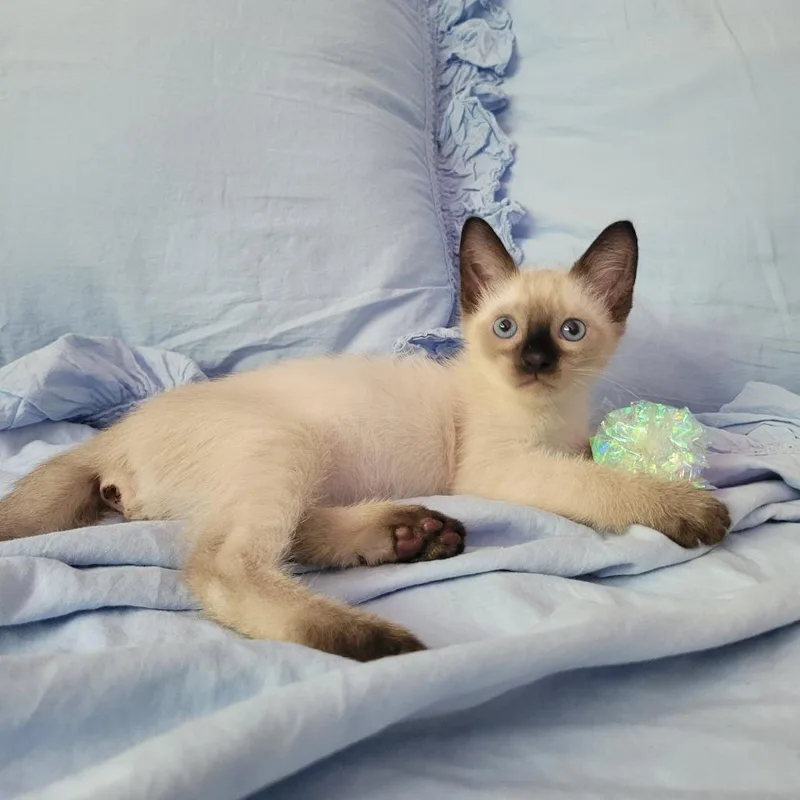
Birmans are semi-longhaired colorpoint cats with deep blue eyes and pure white paws, called gloves in front and laces behind. The modern breed took shape in France after a pair of cats arrived from Burma around 1919. The sacred temple cat story is legend rather than documented history. Points come in seal, blue, chocolate, lilac and other colors, and kittens are born pale, with their points darkening as they age.

Many Birmans are gentle, sociable and quiet, though each cat differs and some are shy at first. The silky coat has little undercoat, so it mats less than many longhaired breeds, but weekly combing still helps. Birmans take about three years to mature fully, and they gain weight easily, so measured meals and daily play matter. In Phoenix, that mostly means a comfortable, cool indoor life.

Weight
7–14 lbs
Height
8–10 in
Lifespan
12–16 yrs
Temperament
Gentle, Affectionate, Social
Shedding
Moderate

Owning a Birman in Phoenix

Having a Birman in Phoenix

Birmans are moderately playful, fond of company and easier to groom than many longhaired cats. In Phoenix, the bigger questions are keeping a long-coated cat cool through the summer and planning heart and weight checks with your vet.

Temperament

Birmans tend to be gentle, people-oriented cats that like calm attention and often follow family members from room to room. Many are patient with respectful children and other pets after slow introductions. Each cat differs, though, and some are shy at first. In a Phoenix apartment, that closeness suits people who are home often.

Exercise Needs

Plan on a couple of interactive play sessions a day with wand toys, balls or puzzle feeders. Because Birmans gain weight easily, steady play matters, and in Phoenix it all happens indoors. Early morning or evening sessions in a cool room work well, and a cat tree by a shaded window adds climbing without leaving the air conditioning.

Health Considerations

Hypertrophic cardiomyopathy turns up in a notable share of screened Birmans, and polycystic kidney disease occasionally appears, so a vet can advise on heart screening. Weight gain is another risk. Valley fever is far rarer in cats than dogs, but indoor cats can still catch it, so a persistent cough or abscess-like skin sore deserves a vet visit.

Living Space

Birmans settle well into apartments or houses, from downtown lofts to ranch homes with yards, because they value company and quiet perches over space. Keep them indoors, with a screened patio if you want fresh air in cooler months. Many dislike long days alone, so a household with someone home often suits them.

What it costs to own a Birman in Phoenix

ExpenseTypical costPer year
Food$25 to $50 per month$300 to $600
Pet insurance$25 to $50 per month$300 to $600
Routine vet care$150 to $350 per year$150 to $350
Other*$500 to $1,250 per year$500 to $1,250
Estimated yearly total (after year one)$1,250 to $2,800

Other costs are estimates and vary with size, age and health.

* Litter, flea and parasite prevention, a dental cleaning allowance, toys and supplies, and regular combing for the semi-long coat.

Adopt a Birman in Phoenix.

Now that you know more, let’s find you a new best friend. These rescues and shelters below have cats available in and near Phoenix.

Rescues and Shelters in or near Phoenix

Phoenix's shelters and rescues care for many cats, and these are the ones listed on this page. Here are the rescues & shelters in the Phoenix area with cats available for adoption, worth asking whether a Birman is coming in.

Frequently Asked Questions

Yes, you can. Phoenix has no breed-specific rules, and Arizona law forbids cities from making them. The city doesn't require a cat license either, so your main hurdle is usually a landlord's pet policy. Birmans come up now and then, so watch the listings on this page, save a search, or browse similar breeds and nearby cities.

Yes, as indoor cats. Phoenix averages about 111 days a year at 100°F or higher, and July nights hover near 84°F, so a Birman's long coat needs reliable air conditioning, shade and plenty of fresh water. Keep the cooling on when you're out, and never leave a cat in a parked car.

Yes. Birmans are quiet, moderately active cats that do well in apartments when the unit stays cool and has perches, scratching posts and daily play. Set the cat tree by a shaded window rather than one that bakes in afternoon sun, and make sure the cooling is dependable, especially on days you're away.

Plan on combing a Birman about once a week, a bit more when shedding picks up. The silky coat has little undercoat and resists matting. Phoenix's indoor, air-conditioned life keeps it fairly tidy. Occasional professional grooming fits within the yearly $500 to $1,250 for other costs, and shaving isn't usually needed.

Possibly, but only in a closed carrier. Phoenix has Valley Metro buses and light rail, with no subway. Pets are generally expected to ride in a closed container, and service animals are welcome. Check current Valley Metro rules and fares before you go, and on hot days keep the carrier shaded and trips short.

A Birman is a medium-sized, semi-longhaired cat with a colorpoint pattern, deep blue eyes and distinctive white paws. The breed was developed in France from cats said to come from Burma, which is why it is sometimes called the Sacred Cat of Burma. Many Birmans are gentle, sociable and soft-spoken companions who enjoy being near their people.

No, Birman cats are not hypoallergenic. Like all cats, they produce the Fel d 1 allergen in saliva and skin, and grooming spreads it onto their fur and around the home. Their coat sheds less heavily than some longhaired breeds, but that does not remove allergens. Anyone with allergies should spend time with the specific cat before adopting.

Yes, Birman cats shed, usually at a moderate level. Their silky coat has little undercoat, so they drop less hair and form fewer mats than breeds like Persians or Maine Coons, but loose fur still appears on furniture and clothing. Combing once or twice a week, and more during spring and fall, keeps shedding manageable and the coat tangle-free.

Birman cats commonly live about 12 to 16 years, and some reach their late teens. A large UK veterinary study found Birmans among the longest-lived breeds, with an average life expectancy of about 14.4 years at birth. Indoor living, a healthy weight, dental care and regular checkups all help an individual cat reach the upper end of that range.

Expect roughly $1,250 to $2,800 a year for a Birman in Phoenix. That covers food at $25 to $50 a month, insurance at $25 to $50 a month, routine vet care at $150 to $350 a year, and other costs such as litter, parasite prevention, dental care and combing supplies at $500 to $1,250 a year.