Tortoiseshell Cats for Adoption in Mesa, AZ

Your guide to finding and caring for a Tortoiseshell in Mesa

Tortoiseshell cats fit Mesa's indoor life well, from a downtown loft near the Main Street light rail to a Dobson Ranch house. Tortoiseshell is a coat pattern rather than a breed, so these cats come in every size and personality. Most are shorthairs that settle happily into an air-conditioned home, especially when July afternoons hit 105°F. Give a tortie a window perch, a cat tree and a couple of play sessions a day, and she'll be content.

1043 Tortoiseshells available in Mesa and nationwide

Your Tortoiseshell is waiting

Tortoiseshells Available for Adoption Near Mesa

About the Tortoiseshell breed

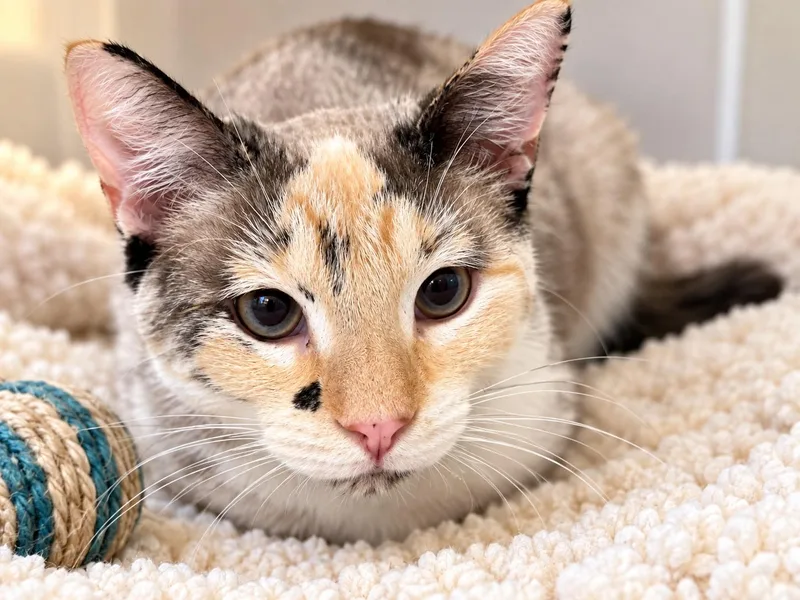
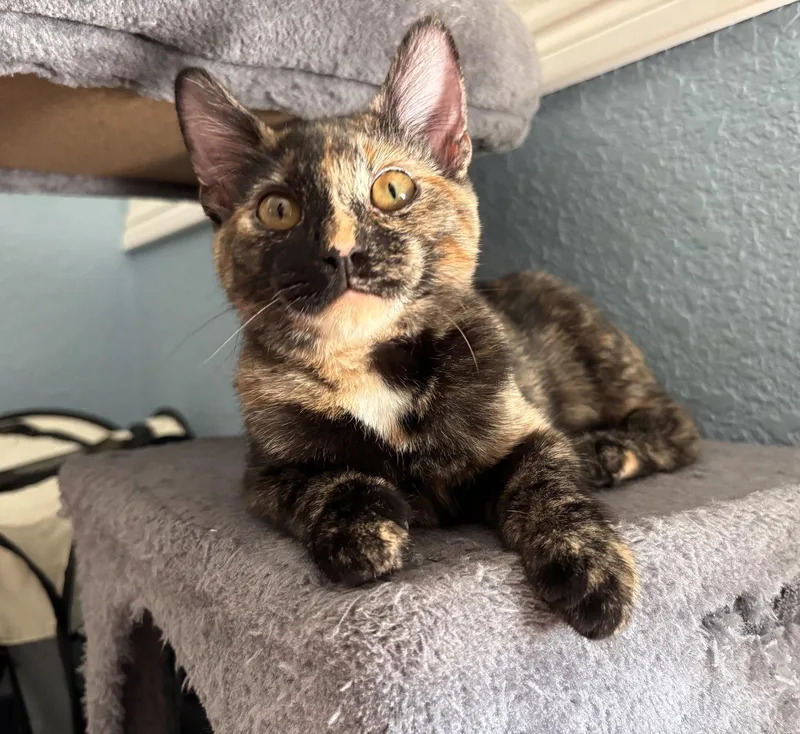
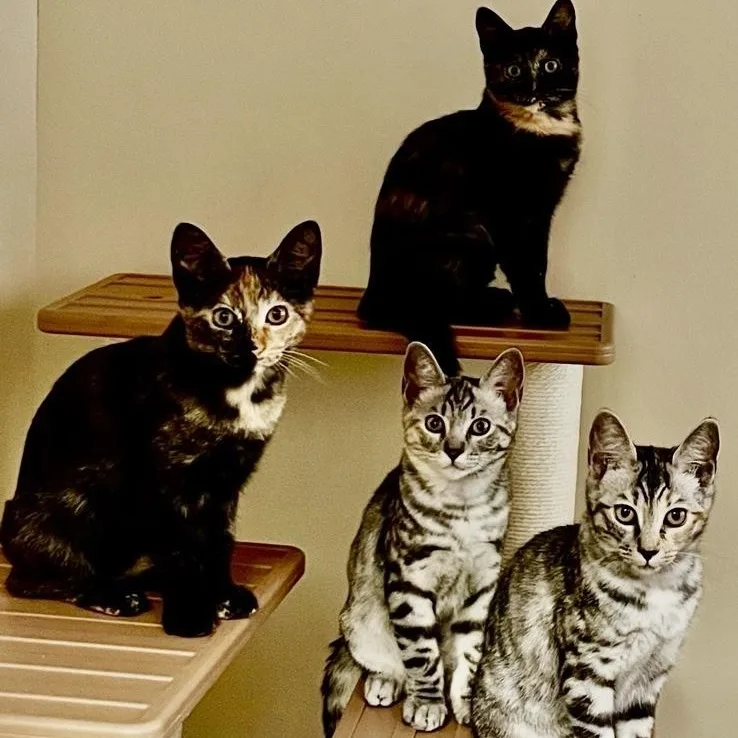
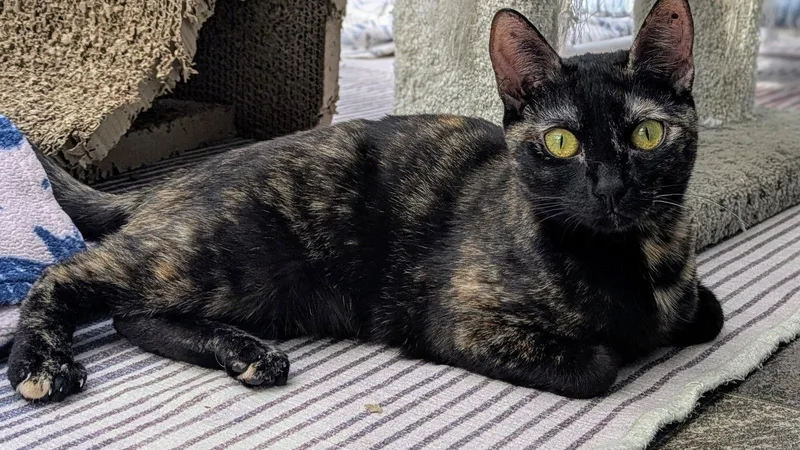
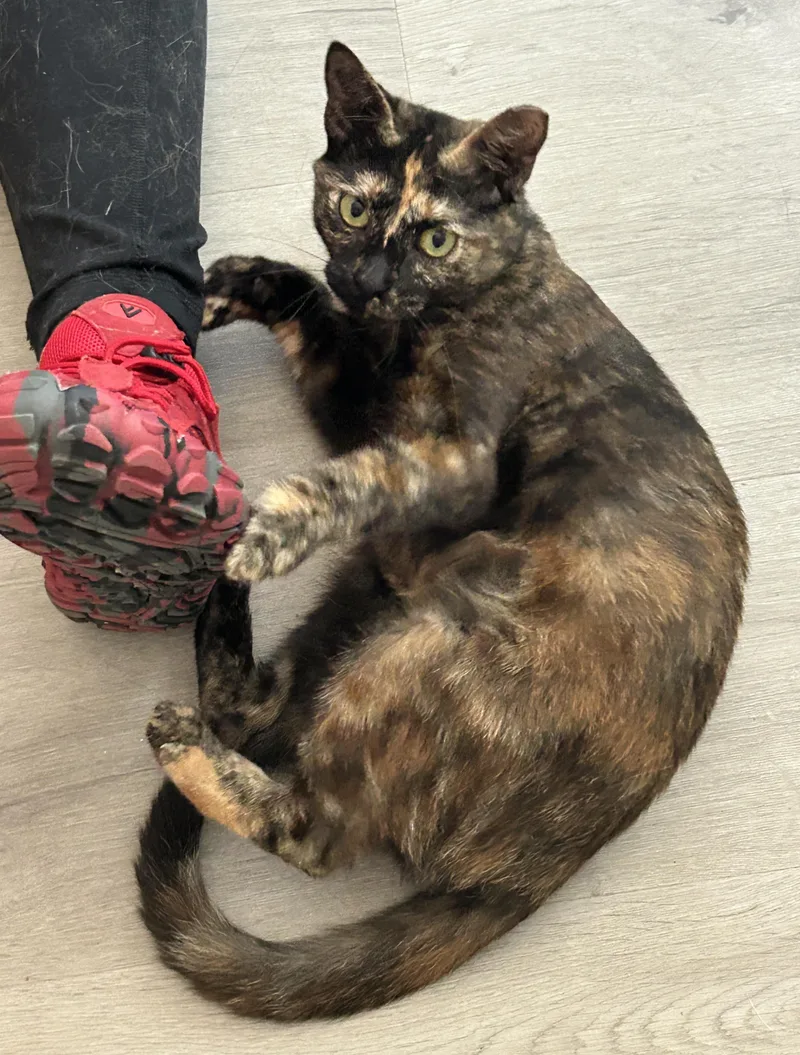
Tortoiseshell describes a coat, not a breed. A tortie's fur blends black-based and orange-based colors in patches or a fine mottle, usually with little white. The pattern turns up in domestic shorthairs and longhairs as well as in breeds like Maine Coons and British Shorthairs. Nearly all torties are female, because the orange gene rides on the X chromosome.

Personality varies widely. The "tortitude" reputation for spirited, opinionated cats is mostly owner impression, and a cat's age, history and socialization say far more than color. For a Mesa home, plan on a medium-sized cat of roughly 6 to 14 pounds with moderate shedding, a lifespan of 12 to 18 years, and a need for daily play to stay busy.

Weight
6–14 lbs
Height
8–10 in
Lifespan
12–18 yrs
Temperament
Independent, Affectionate, Playful
Shedding
Moderate

Owning a Tortoiseshell in Mesa

Having a Tortoiseshell in Mesa

Because tortoiseshell is a coat rather than a breed, a tortie's traits come from her ancestry, age and upbringing. These cards cover what holds for most torties, along with what matters for a cat living indoors in Mesa.

Temperament

Torties have a reputation for sass, but coat color predicts very little. Some are shy, others bold, some lap cats, others more aloof. In Mesa's apartments and lofts, a cat who tolerates hallway noise and a busy building is a comfortable match. Give any new tortie a quiet room and a few days to settle.

Exercise Needs

Plan on daily interactive play: wand toys, chase games and puzzle feeders. Kittens and young adults need more, while seniors prefer gentler sessions. Because Mesa's long hot season keeps cats indoors, climbing shelves, a cat tree and a window perch supply most of the enrichment. Early morning and evening play sessions often suit cats best.

Health Considerations

The tortoiseshell pattern carries no particular health risks in females, though the rare males are usually XXY and may face extra issues. Overall health depends on age and care, so keep up wellness visits, dental care and a healthy weight. Valley fever is mostly a dog problem, but mention any lingering cough to the vet.

Living Space

A tortie does well in a one-bedroom apartment or a larger house, since space needs follow the cat, not the coat. Vertical space, scratching posts and a quiet hideaway matter more than square footage. Keeping her indoors also protects her from summer heat, busy roads and desert wildlife such as coyotes.

What it costs to own a Tortoiseshell in Mesa

ExpenseTypical costPer year
Food$25 to $50 per month$300 to $600
Pet insurance$20 to $45 per month$240 to $540
Routine vet care$150 to $350 per year$150 to $350
Other*$450 to $1,150 per year$450 to $1,150
Estimated yearly total (after year one)$1,140 to $2,640

Other costs are estimates and vary with size, age and health.

* Litter, flea and tick prevention, a dental cleaning allowance, toys and supplies, and home grooming.

Adopt a Tortoiseshell in Mesa.

Now that you know more, let’s find you a new best friend. These rescues and shelters below currently have Tortoiseshells available.

Rescues in Mesa with Tortoiseshells Available

Rescues and shelters in the Mesa area list cats of every color and age, and the ones with pets here appear below. Here are the rescues & shelters in the Mesa area where you can find Tortoiseshells and other cats available for adoption.

Frequently Asked Questions

Mesa works for tortoiseshell cats that live indoors with reliable air conditioning. Coat color doesn't change heat tolerance, so any tortie should stay inside from late spring through September, when highs often pass 100°F. Sun-baked windowsills can get uncomfortably hot by afternoon, so offer shaded perches. Winters are mild, and snow isn't a concern.

Yes, you can own a tortoiseshell cat in Mesa. Tortoiseshell is a coat pattern, and Arizona law prevents cities from making pet rules specific to a breed. No known Mesa or county cat license applies. Cats adopted from shelters are generally spayed or neutered before going home, or the adopter signs a sterilization agreement.

Yes, most tortoiseshell cats adapt well to apartments. Provide a cat tree, scratching posts and a window perch, and keep balcony doors and screens secure. Because summer highs reach 105°F, ask your landlord how quickly air conditioning repairs are handled, since a cat can't safely stay in a sweltering unit.

A tortie can be a good fit if you can keep her indoors and cool. Plan for a quiet room during monsoon storms and the fireworks weeks around July 4 and New Year's. Temperament varies from cat to cat, so look for a personality that matches your household's noise level and schedule.

Most tortoiseshell cats need a brush once or twice a week, more for longhaired cats during spring shedding. Mesa's dry heat doesn't call for baths; wiping dust from paws and fur is usually enough. Home grooming costs little, a small part of the yearly $450 to $1,150 for other costs.

Yes, but only in an enclosed carrier that fits on your lap. Valley Metro buses and light rail don't allow pets outside carriers, though trained service animals are welcome. Choose a sturdy, well-ventilated carrier, keep it on your lap, and bring water for hot days, since stations offer little shade in summer.

A tortoiseshell cat is a cat with a coat pattern of black-based and orange-based colors blended or patched together, usually with little or no white. It is not a breed; the pattern appears in many breeds and most often in domestic shorthairs. Nearly all tortoiseshells are female because the genes for orange and black are carried on the X chromosome.

Almost all tortoiseshell cats are female, but not all. A female has two X chromosomes and can carry both orange and black color genes, producing the mixed coat. Males normally have only one X. Rare male torties usually have an extra X chromosome or are genetic chimeras, and they are estimated at roughly 1 in 3,000 tortoiseshells.

We have 1 rescue with Tortoiseshells available: The Meowing Monster Katz Rescue. You can see every rescue with Tortoiseshells available in the list above these questions, or scroll to the top to see the Tortoiseshells near Mesa.

A tortie typically costs about $1,140 to $2,640 a year. Food runs $25 to $50 a month, insurance $20 to $45 a month, routine vet care $150 to $350 a year, and other costs $450 to $1,150 a year, including litter, flea prevention and dental care. There is no known county cat license fee.

Find Tortoiseshells in Nearby Cities

Expand your search to find Tortoiseshells available for adoption near Mesa.

Explore Other Breeds in Mesa

Looking for a different breed? Browse other cats available for adoption in Mesa.