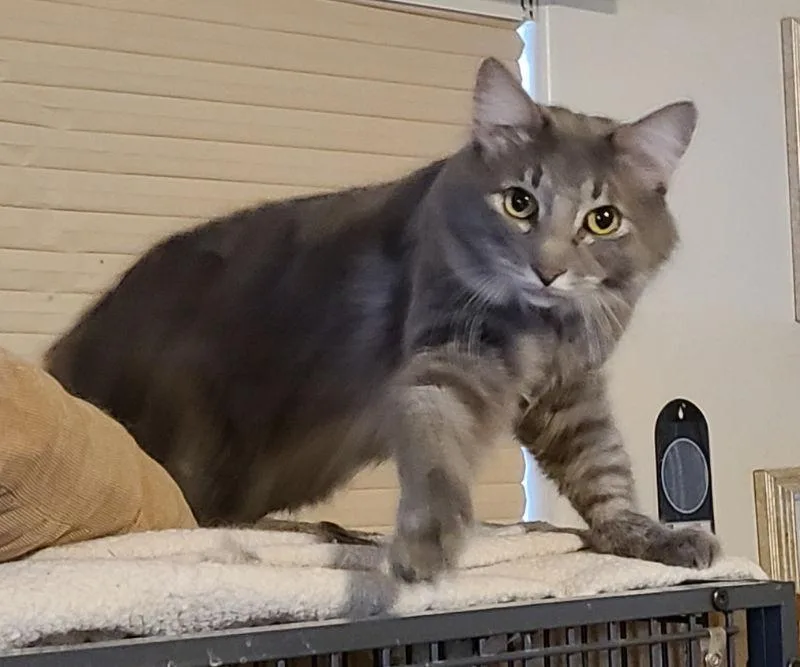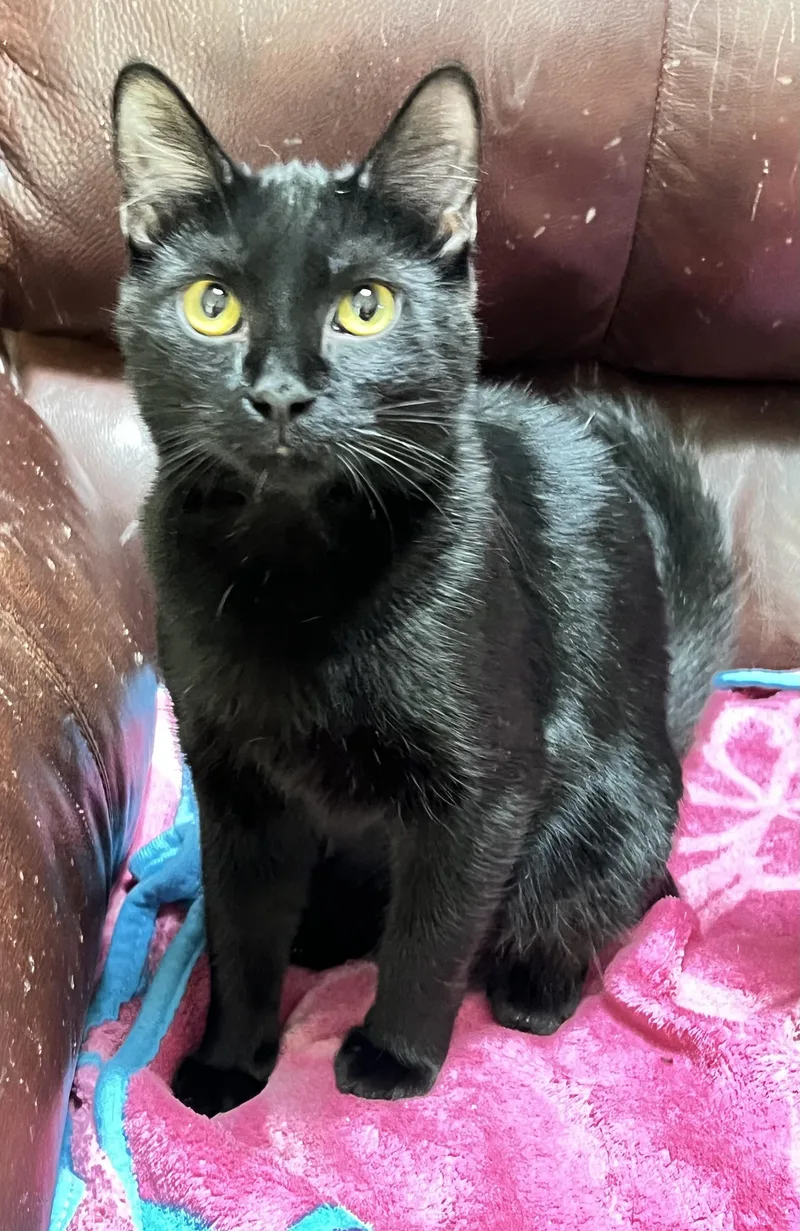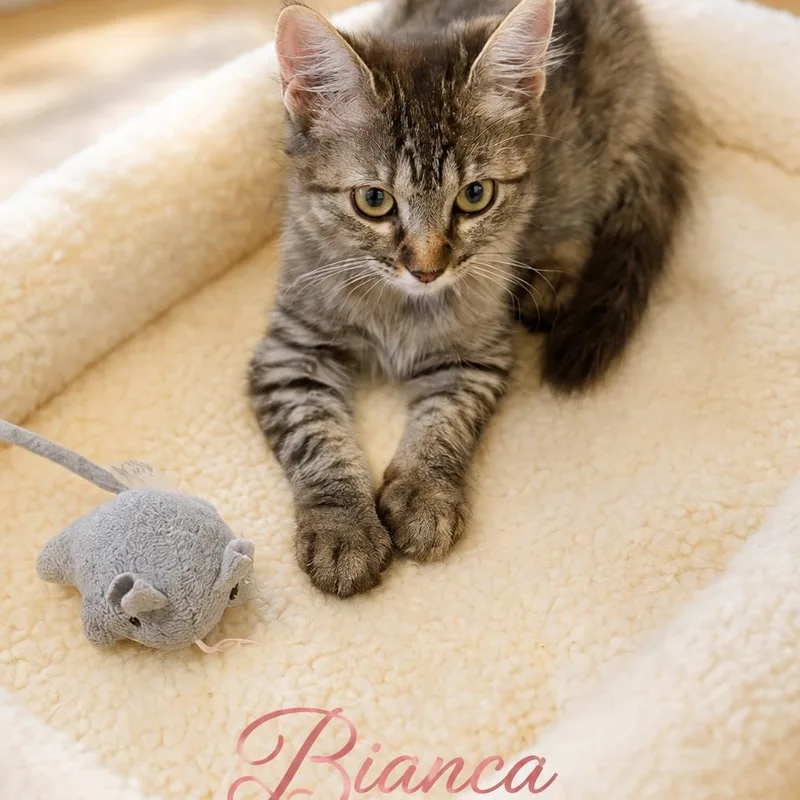
Russian Blue Cats for Adoption in Mesa, AZ

Your guide to finding and caring for a Russian Blue in Mesa

A Russian Blue suits Mesa's quieter corners, like a Dobson Ranch townhome or a loft off the Main Street light rail. These are calm, watchful cats that care more about routine than square footage, so a window perch above the lake paths or a courtyard works well. Mesa's long, hot summers keep most cats indoors anyway, which fits a breed that does best inside with daily wand-toy play. Expect a shy first week, then a very loyal cat.

824 Russian Blues available in Mesa and nationwide

Find your Russian Blue

Russian Blues Available for Adoption Near Mesa

About the Russian Blue breed

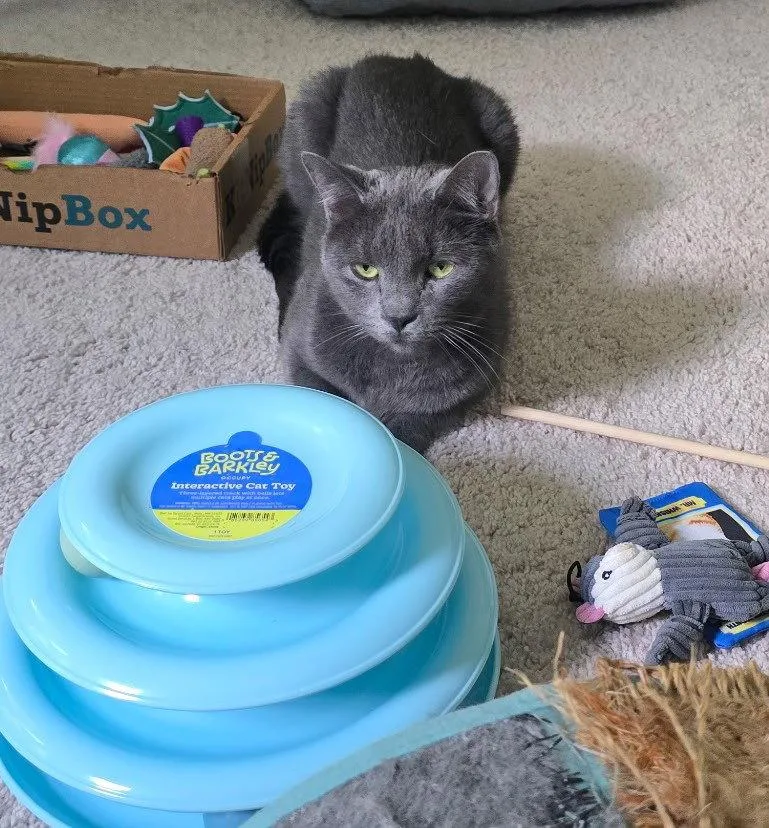
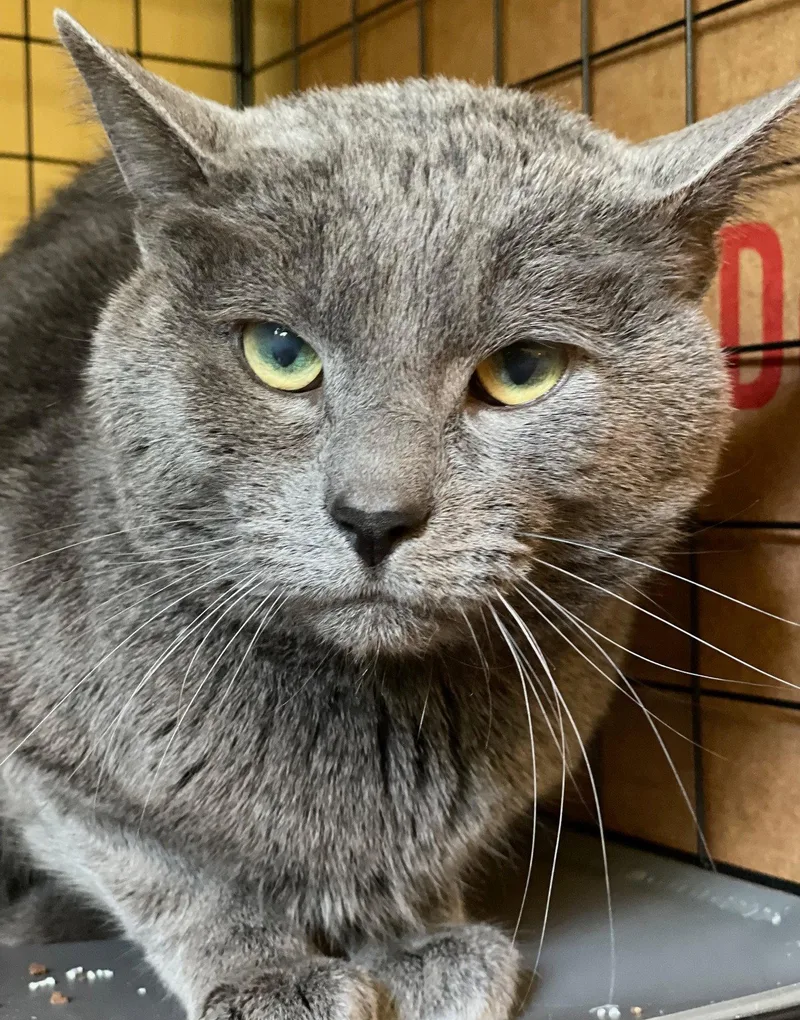
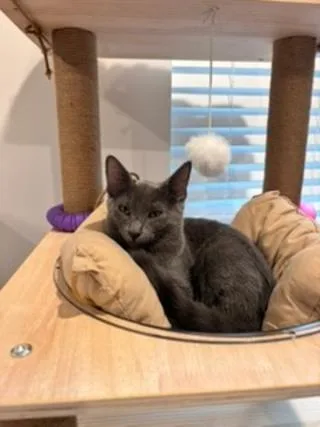
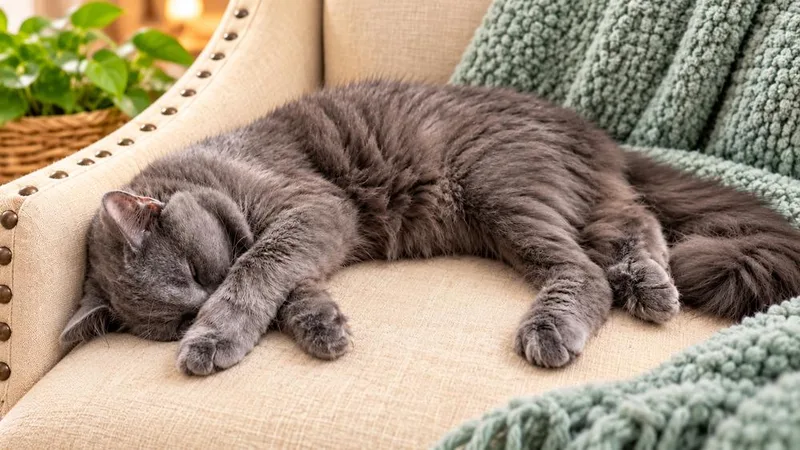
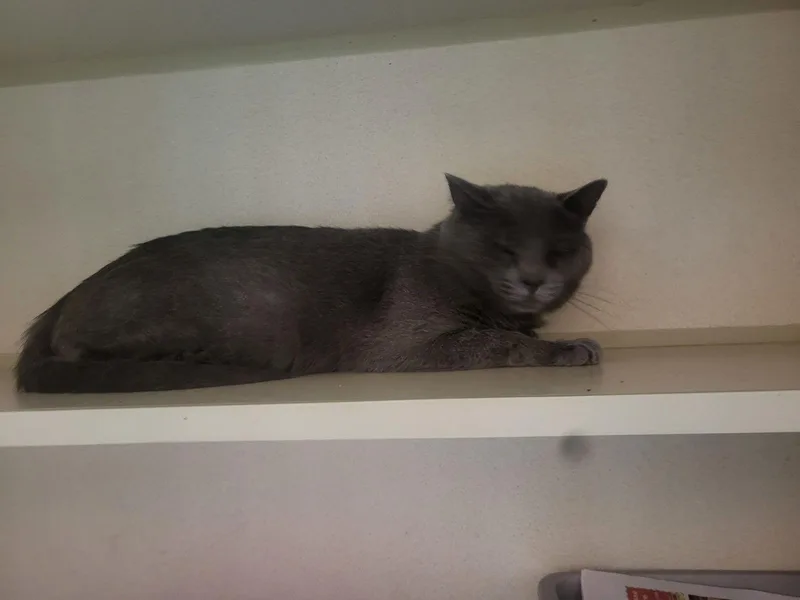
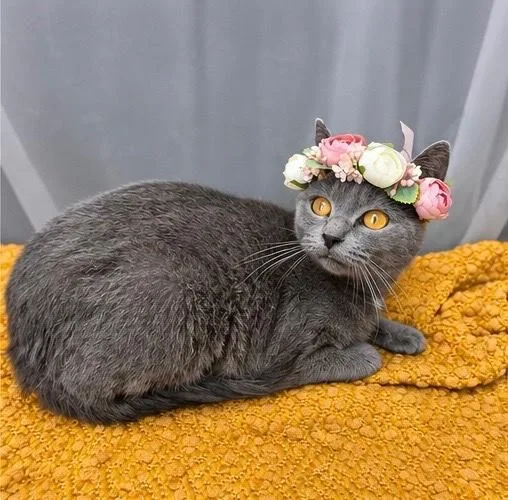
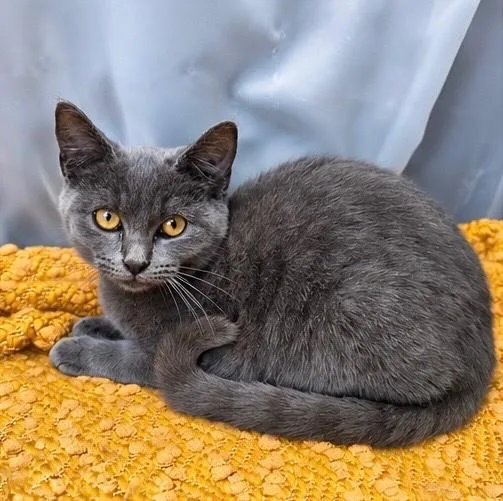
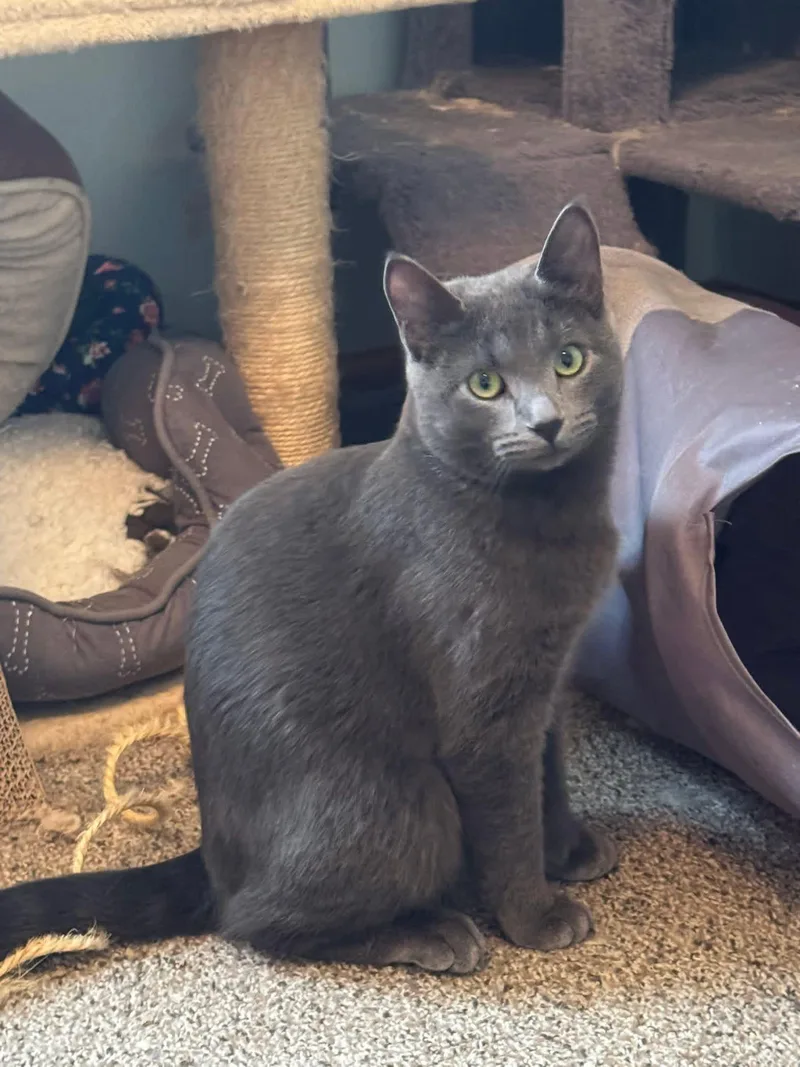
Russian Blues are slender, fine-boned shorthairs with a dense, plush double coat of even blue-grey tipped in silver, and vivid green eyes. The breed is believed to come from the Archangel region of northern Russia and reached Britain by ship in the nineteenth century. Most weigh 6 to 12 pounds and live 12 to 16 years.

Many are gentle, quiet and devoted to their own people while staying reserved with strangers. They like routine, notice shifts in mood, and enjoy puzzle games. That suits a Mesa home with steady rhythms and cool indoor air, and the short coat needs little more than a weekly brush. Cats vary, and a grey cat isn't automatically a Russian Blue, so get to know the cat in front of you.

Weight
6–12 lbs
Height
8–10 in
Lifespan
12–16 yrs
Temperament
Gentle, Quiet, Intelligent
Shedding
Low to Moderate

Owning a Russian Blue in Mesa

Having a Russian Blue in Mesa

Russian Blues combine an easy-care coat with a sensitive, observant personality. Routine, noise and visitors matter to them, and an indoor, air-conditioned Mesa lifestyle suits that well. These four traits help you picture daily life with one.

Temperament

Many Russian Blues are gentle and loyal at home but cautious with newcomers, often watching from across the room before approaching. They tend to like predictable days and may be unsettled by loud gatherings or fireworks, which are common in Mesa neighborhoods around July 4 and New Year's. Set up a quiet interior room for those nights. Each cat's personality differs.
Exercise Needs

Plan on two short play sessions a day with wand toys, chase games or puzzle feeders. These agile cats love a high lookout, and they gain weight easily, so steady play matters. In Mesa's summer heat, indoor play is the safest choice, and a tall cat tree near a shaded window gives them somewhere to climb.

Health Considerations

Russian Blues have no widely recognized breed-specific inherited disease, but like any cat they can develop dental disease, bladder stones, kidney disease and heart conditions. Their appetite makes obesity a preventable concern, so measure meals. Offer fresh water in several spots in Mesa's dry climate, and have a veterinarian check teeth, weight and heart at routine visits.

Living Space

Russian Blues usually do well in apartments, condos and quieter houses, valuing calm routines and cozy retreats over big floor plans. Provide hiding spots, a window perch and a cat tree. Indoor living also keeps them away from Mesa's summer heat, wildlife and fast traffic, which suits their reserved nature.

What it costs to own a Russian Blue in Mesa

ExpenseTypical costPer year
Food$25 to $50 per month$300 to $600
Pet insurance$25 to $50 per month$300 to $600
Routine vet care$150 to $350 per year$150 to $350
Other*$450 to $1,150 per year$450 to $1,150
Estimated yearly total (after year one)$1,200 to $2,700

Other costs are estimates and vary with size, age and health.

* Litter, flea prevention, a dental cleaning allowance, toys, scratchers and other supplies, and minimal home grooming for the short coat.

Adopt a Russian Blue in Mesa.

Now that you know more, let’s find you a new best friend. These rescues and shelters below currently have Russian Blues available.

Rescues in Mesa with Russian Blues Available

The rescues and shelters below list cats in the Mesa area, and their available pets change often. Here are the rescues & shelters in the Mesa area where you can find Russian Blues and other cats available for adoption.

Frequently Asked Questions

Yes. Arizona has no known rules restricting cat breeds, and no Mesa or county license is known to be required for cats. Because availability changes often, watch the listings on this page, browse similar breeds or nearby cities, and save a search to hear about new cats. A veterinarian can confirm age, health and vaccinations after adoption.

Often, yes. Mesa's heat keeps cats indoors, which suits a Russian Blue, and the short coat needs little care. These cats bond closely and like steady routines, so they fit households that keep predictable schedules, whether in a downtown loft or a quiet east Mesa neighborhood. Expect a shy, hiding-prone first week with a new home.

Yes. Russian Blues are calm and routine-loving, and many do well in apartments with a window perch, a cat tree and daily play. Mesa landlords may add pet deposits or monthly pet rent, so get approval in writing. Because summers are hot, confirm the air conditioning works reliably before you sign a lease.

Yes, as indoor cats. Mesa highs top 100°F from June through September and nights stay warm, so keep your Russian Blue inside with steady air conditioning, shade and fresh water in several spots. The dense coat holds heat, so watch for heavy panting or drooling and see a vet quickly. Never leave a cat in a parked car.

Only in a carrier. Valley Metro buses and light rail, including the seven Mesa stations along Main Street, allow pets only in an enclosed carrier that fits on your lap. Russian Blues weigh 6 to 12 pounds, so larger cats may be a tight fit. Choose a roomy but compact carrier, and keep your cat inside it throughout the ride.

A weekly brushing is usually enough, with a little more during spring shedding. Mesa's dry air and dust can leave the coat looking dull, so a soft damp cloth helps between brushings. Baths are rarely needed. Grooming costs stay low because most owners do it at home, covered by the small allowance in the yearly Other costs.

Russian Blue cats are often gentle, quiet and deeply attached to their families, while staying reserved with strangers. Many like predictable routines, follow favorite people around and enjoy interactive games that test their intelligence. They tend to be sensitive to household mood and noise. Personality varies, so a foster's description of an individual cat is the best guide.

A Russian Blue is a medium-sized shorthaired cat with a dense, plush blue-grey coat tipped in silver, vivid green eyes and a slender, graceful build. The breed is thought to come from northern Russia. Many Russian Blues are quiet, intelligent and loyal to their people, though often shy around visitors until they feel comfortable.

We have 1 rescue with Russian Blues available: Save the Cats Arizona. You can see every rescue with Russian Blues available in the list above these questions, or scroll to the top to see the Russian Blues near Mesa.

A Russian Blue typically costs about $1,200 to $2,700 a year in Mesa. Food runs $25 to $50 a month and insurance $25 to $50 a month. Routine vet care is $150 to $350 a year, and other costs such as litter, flea prevention, dental care and supplies run $450 to $1,150 a year. Emergencies are extra.

Find Russian Blues in Nearby Cities

Expand your search to find Russian Blues available for adoption near Mesa.