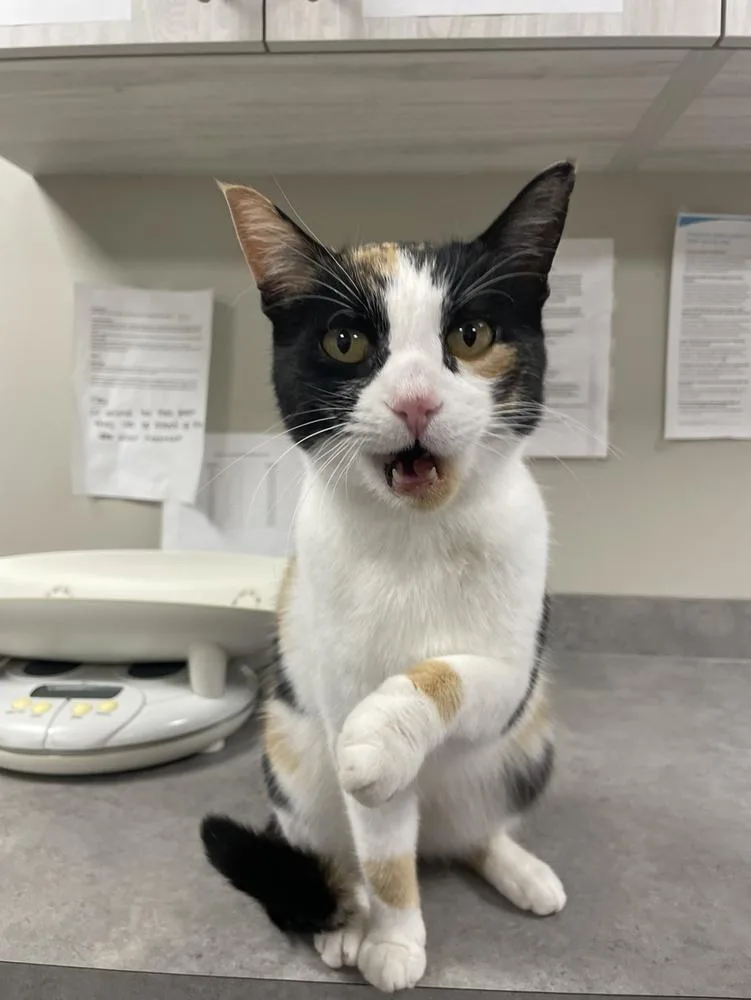
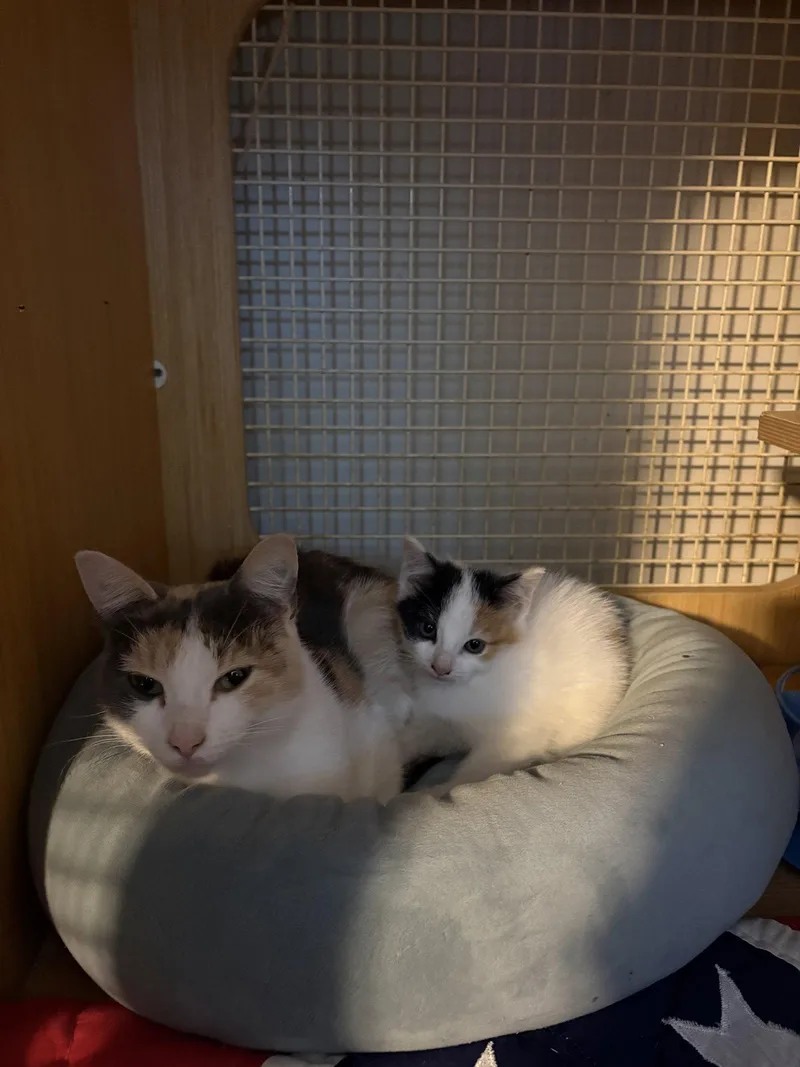
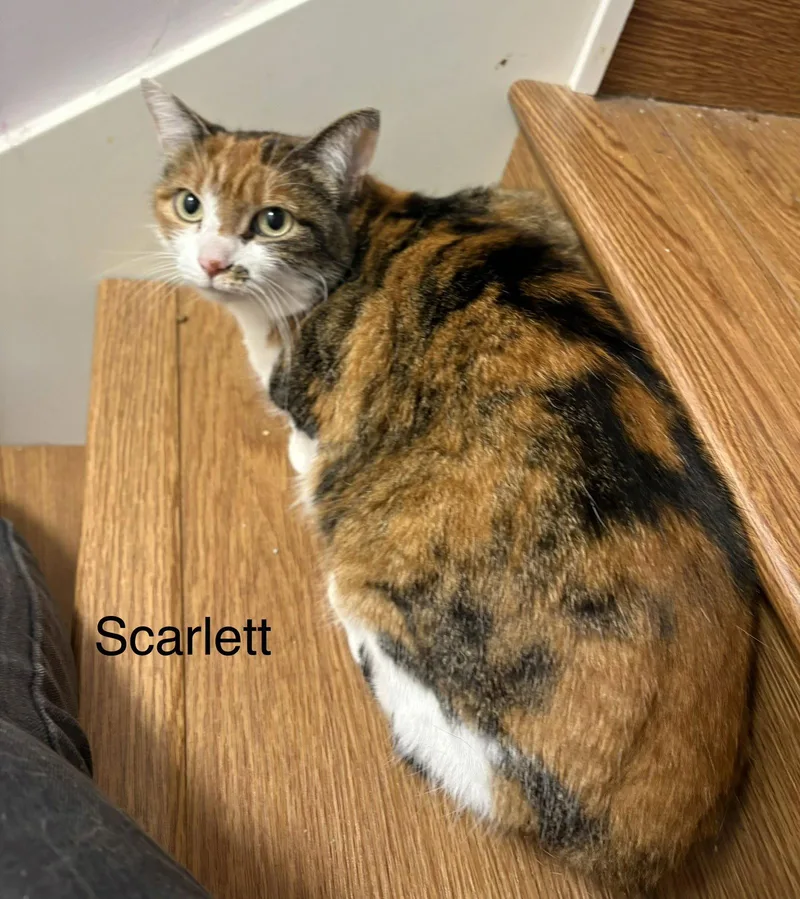
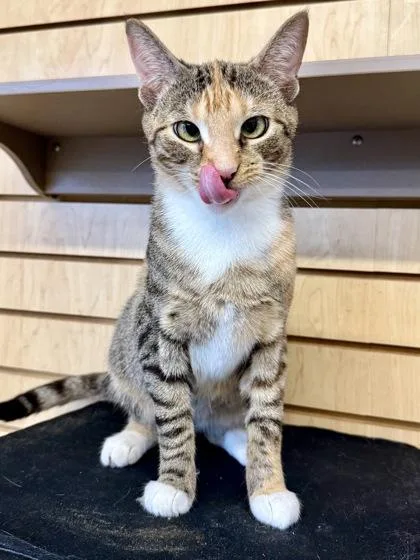
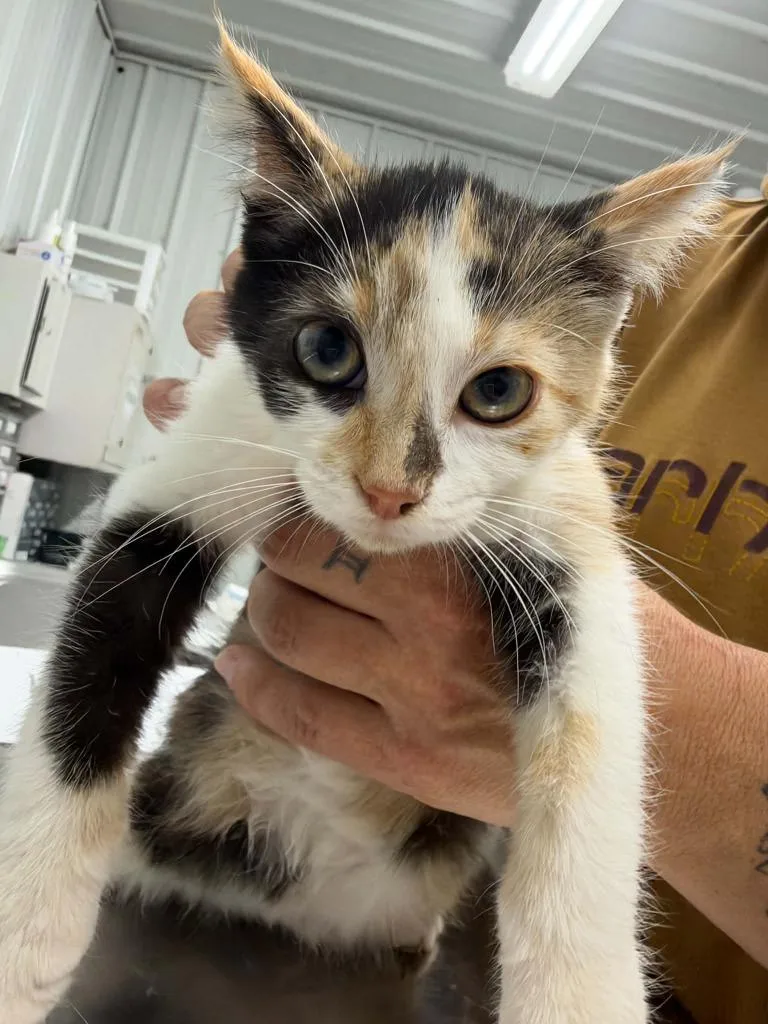
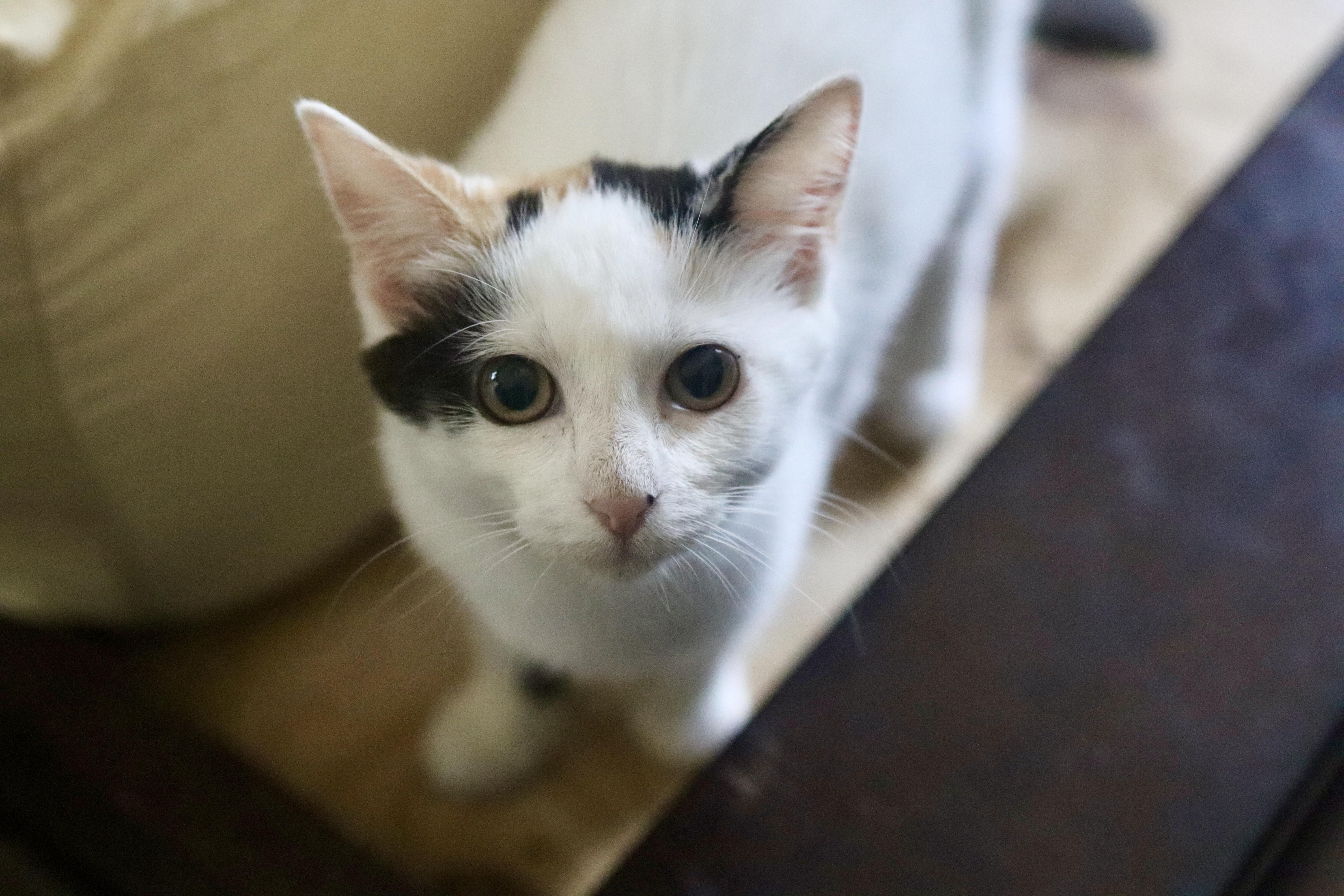
Calico Cats for Adoption in Mesa, AZ

Your guide to finding and caring for a Calico in Mesa

A calico fits Mesa's indoor, air-conditioned way of living, whether the home is a Dobson Ranch house or an apartment along the Ray Road corridor. Calico describes a coat pattern, not a breed, so these cats range from laid-back shorthairs to fluffy longhaired mixes with their own personalities. Most are happy with a window perch, a few play sessions a day and a scratching post. A screened catio adds fresh air without exposing her to coyotes and traffic.

1459 Calicos available in Mesa and nationwide

Bring home a Calico

Calicos Available for Adoption Near Mesa

About the Calico breed

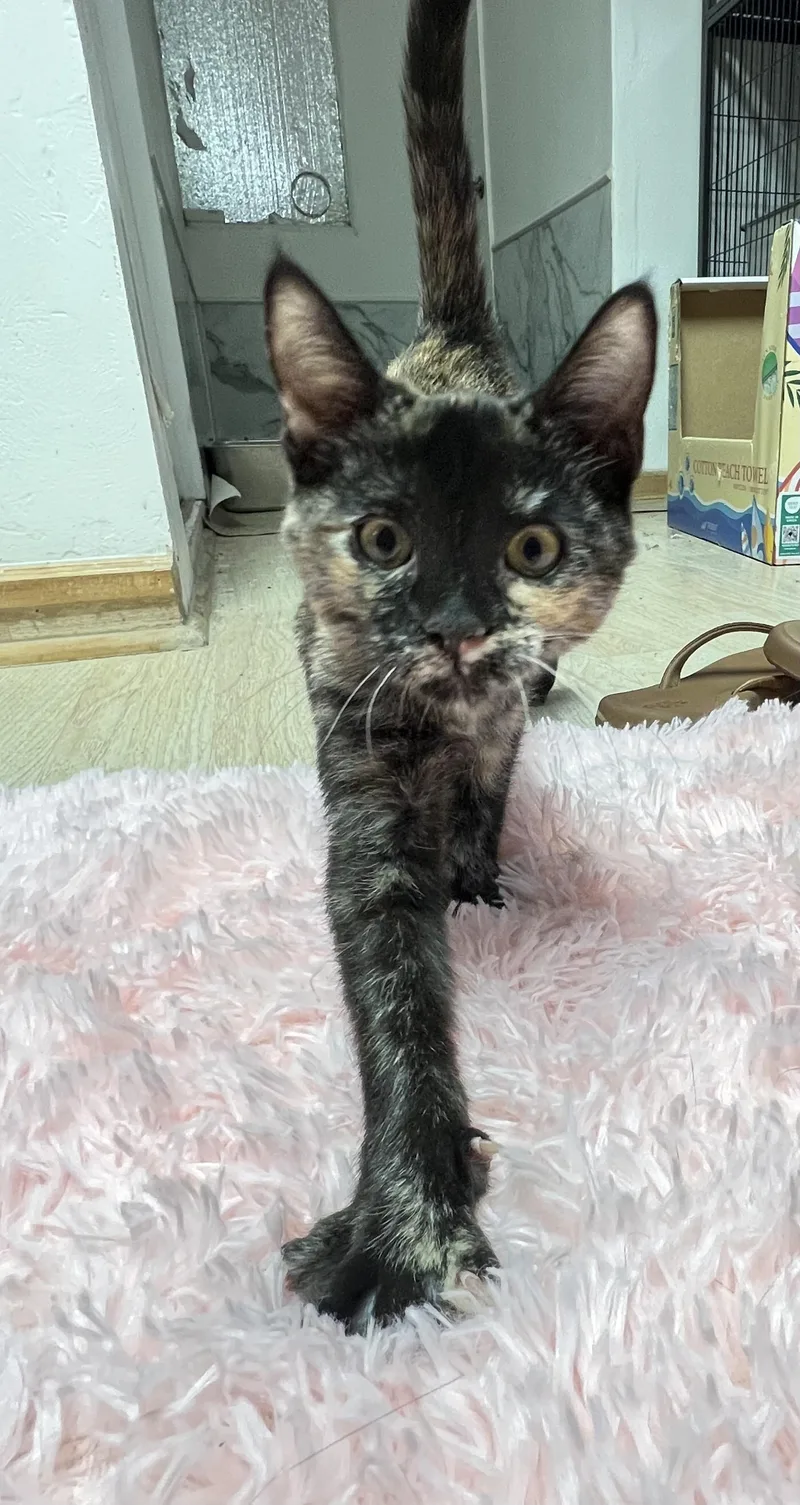
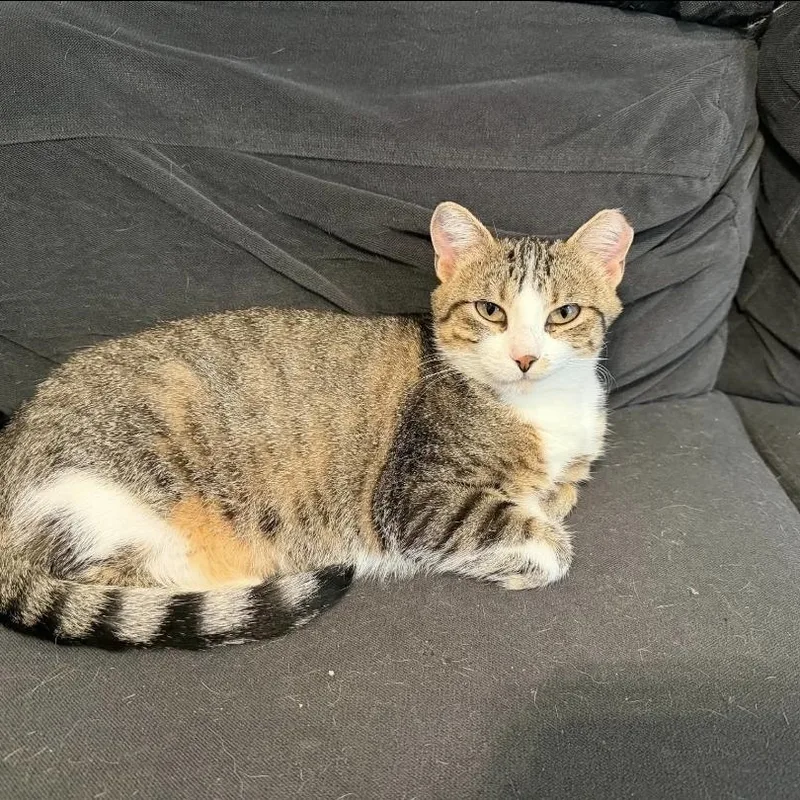
Calico is a coat pattern rather than a breed: white with patches of black and orange, or soft gray and cream in the dilute version. The pattern shows up in domestic shorthairs and longhairs and in some pedigreed breeds, and nearly every calico is female because the color genes sit on the X chromosome. Most weigh 6 to 12 pounds and live 12 to 18 years.

That long lifespan is worth remembering when you plan a lease or a move. Most calicos are shorthairs with moderate shedding, so weekly brushing handles the coat, while a longhaired mix needs more. Personality follows each cat's history and age rather than her patches, so a shy cat may need a quiet room at first while a bold one wants company.

Weight
6–12 lbs
Height
8–10 in
Lifespan
12–18 yrs
Temperament
Adaptable, Affectionate, Independent
Shedding
Moderate

Owning a Calico in Mesa

Having a Calico in Mesa

A calico's traits come from her ancestry, age and upbringing, not her colors. In Mesa, the practical points are keeping her comfortable through long hot summers, giving an indoor cat enough play, and setting up a home that suits a medium-sized, moderately shedding cat.

Temperament

Calicos run from shy and gentle to bold and talkative, since personality comes from each cat's genes and experiences. In a Mesa apartment, a social calico may enjoy window-watching and evening play, while a shy one prefers a quiet room. Fireworks and monsoon thunder can rattle sensitive cats, so give her a hiding spot.

Exercise Needs

Plan on two or three short play sessions a day with wand toys, balls or food puzzles; young cats need more than seniors. In Mesa, indoor play is the dependable choice because summer afternoons are too hot to be outside, so climbing shelves and a window perch add exercise. A harness walk works best at dawn.

Health Considerations

Female calicos need the same care as any domestic cat: vaccines, dental care, weight control and regular checkups. Keeping her indoors lowers risks from heat, traffic and coyotes. Rare male calicos with an extra X chromosome may have added urinary or metabolic issues, and a veterinarian can check her weight, teeth and overall condition at the first visit.

Living Space

Calicos adapt well to Mesa's mix of apartments and single-family homes with yards, as long as there are scratching posts, perches and hiding spots. Keep her indoors, with a catio or harness time for outdoor air. Shy cats appreciate a quiet room to settle into.

What it costs to own a Calico in Mesa

ExpenseTypical costPer year
Adoption fee$150, one time$150 in year one
Food$25 to $50 per month$300 to $600
Pet insurance$20 to $45 per month$240 to $540
Routine vet care$150 to $350 per year$150 to $350
Other*$450 to $1,150 per year$450 to $1,150
Estimated yearly total (after year one)$1,140 to $2,640
First-year total (with adoption fee)$1,290 to $2,790

Adoption fee is the fee on Calico listings in Mesa on GetBuddy today. Other costs are estimates and vary with size, age and health.

* Litter, flea prevention, a dental cleaning allowance, toys and supplies, and home brushing.

Adopt a Calico in Mesa.

Now that you know more, let’s find you a new best friend. These rescues and shelters below currently have Calicos available.

Rescues in Mesa with Calicos Available

Rescue groups and shelters across the Mesa area help cats find homes, and the ones listed below show what's currently posted. Here are the rescues & shelters in the Mesa area where you can find Calicos and other cats available for adoption.

Frequently Asked Questions

Yes. Mesa has no known city or county license requirement for cats, and a calico's coat pattern isn't a restriction of any kind. Landlords and HOAs can set their own pet limits, so read your lease or community rules first. Vaccines and a microchip are sensible for any cat, and a rabies vaccination is standard veterinary advice.

Yes, calicos usually do well in apartments. Most weigh 6 to 12 pounds and need a perch, a scratching post and daily play rather than a yard. Newer complexes along the light-rail corridor on Main Street are one option. Get pet terms in writing, and add a balcony enclosure only if your lease allows it.

Often, yes, for people who keep her indoors and cool. Mesa's long, hot summers make air conditioning and an indoor routine the main requirement. After that, her fit depends on her age and personality, not her patches: a shy cat suits a quiet home, while a bold, playful one suits someone who's around for evening play.

Yes, as indoor cats. Summer highs top 100°F and nights stay warm, so a calico needs air conditioning, shade and fresh water, and shouldn't be outside midday or left in a parked car. Longhaired mixes feel the heat most. Heavy panting, drooling or lethargy is a reason to see a veterinarian promptly.

Most calicos are shorthairs and need a quick brushing about once a week. Longhaired mixes do better with brushing a few times a week to prevent mats. Home brushing is covered in the yearly Other costs, and a groomer is rarely needed for a shorthair, though a longhaired mix may occasionally benefit from a professional trim.

Yes, but only in an enclosed carrier that fits on your lap. Valley Metro buses and light rail along Main Street allow pets only when they're stowed that way, apart from trained service animals. Pick a sturdy, ventilated carrier and keep her inside it for the whole ride, including at stations.

Almost all calico cats are female, but not every single one. The genes for orange and black coat color sit on the X chromosome, so a cat normally needs two X chromosomes to show both colors at once. Roughly 1 in 3,000 calicos is male, usually because of an extra X chromosome, a genetic quirk rather than a separate type.

A calico cat is any cat with a three-color coat of white plus distinct patches of black and orange, or gray and cream in dilute calicos. Calico is a coat pattern rather than a breed, so it appears in domestic shorthairs, longhairs and many pedigreed breeds. Nearly all calicos are female because of how coat color genes are inherited.

We have 1 rescue with Calicos available: H.A.R.T. (Homeless Animals Rescue Team). You can see every rescue with Calicos available in the list above these questions, or scroll to the top to see the Calicos near Mesa.

A calico typically costs about $25 to $50 a month for food, $20 to $45 for pet insurance, $150 to $350 a year for routine vet care and $450 to $1,150 a year for litter, flea prevention, dental care and supplies. Together that's roughly $1,140 to $2,640 a year, before any unexpected illness.

Find Calicos in Nearby Cities

Expand your search to find Calicos available for adoption near Mesa.

Explore Other Breeds in Mesa

Looking for a different breed? Browse other cats available for adoption in Mesa.