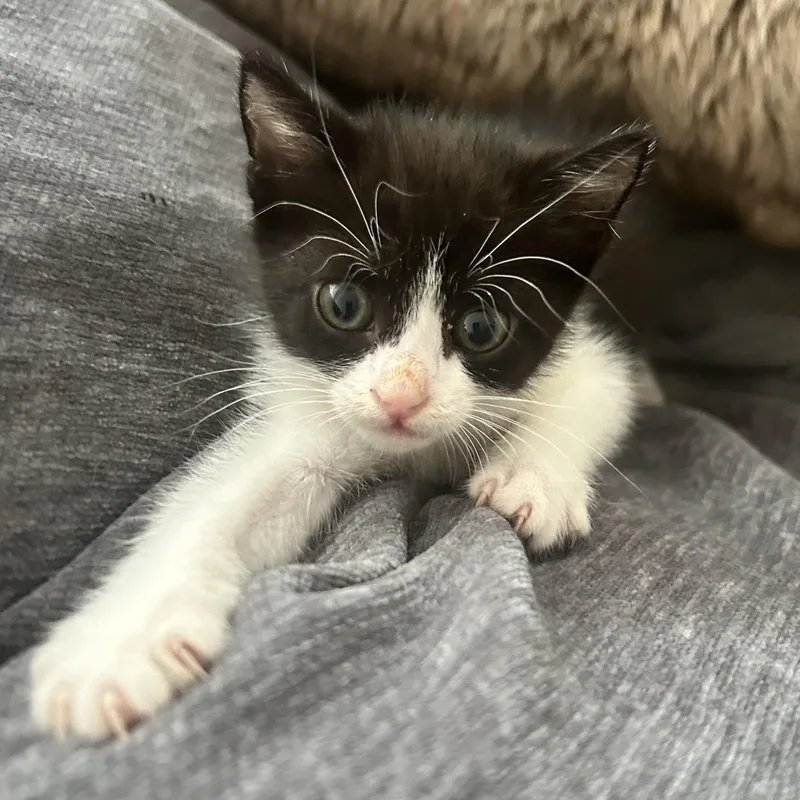
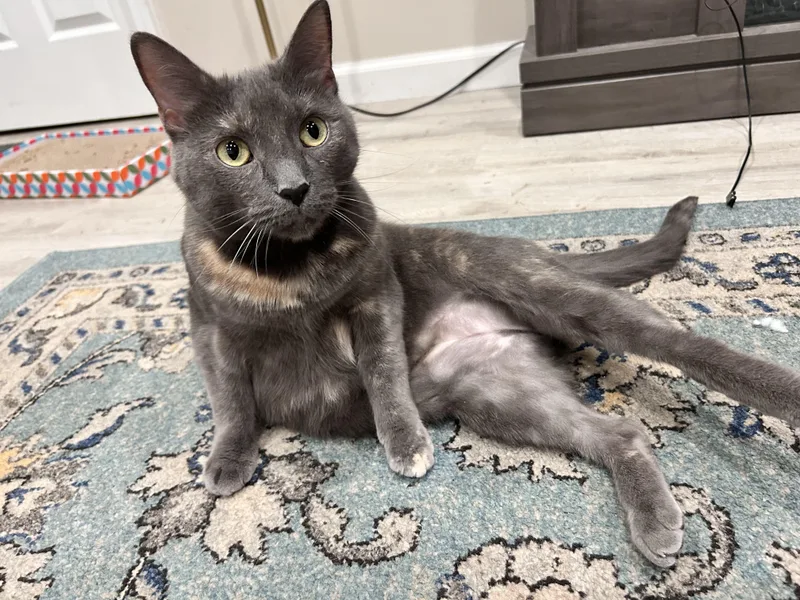
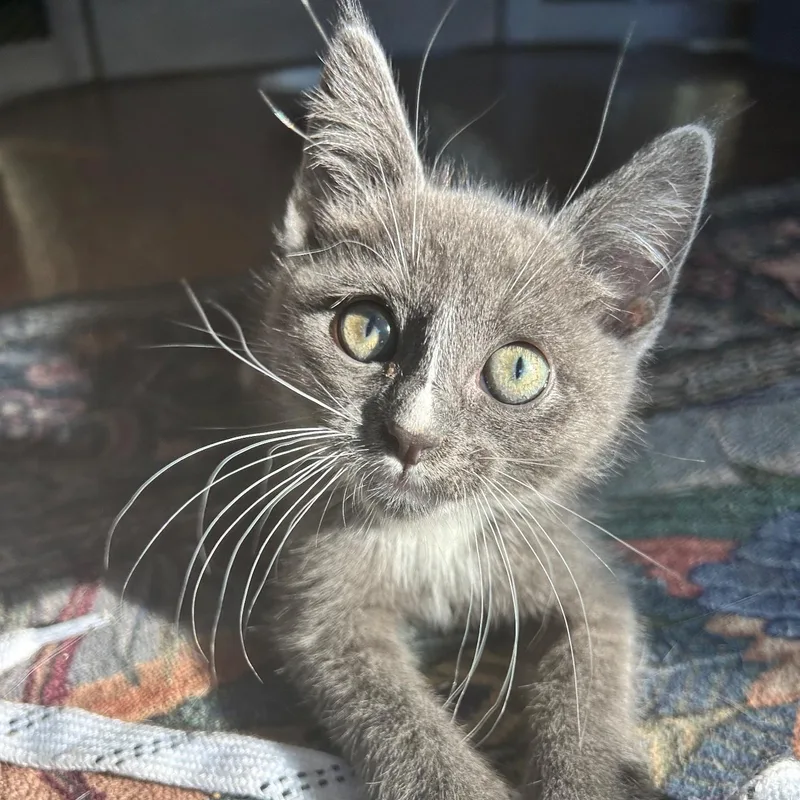
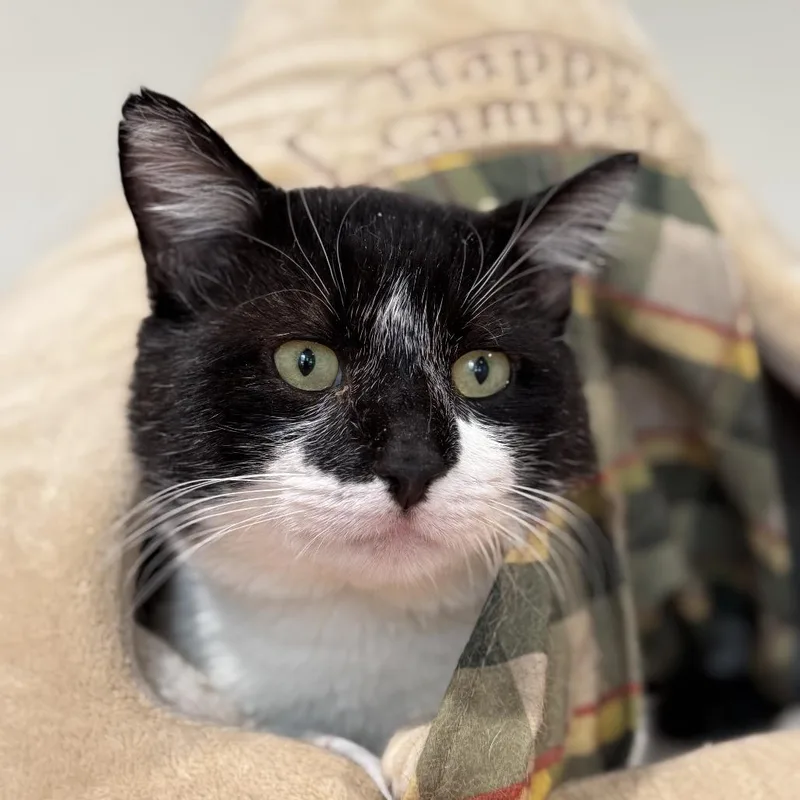
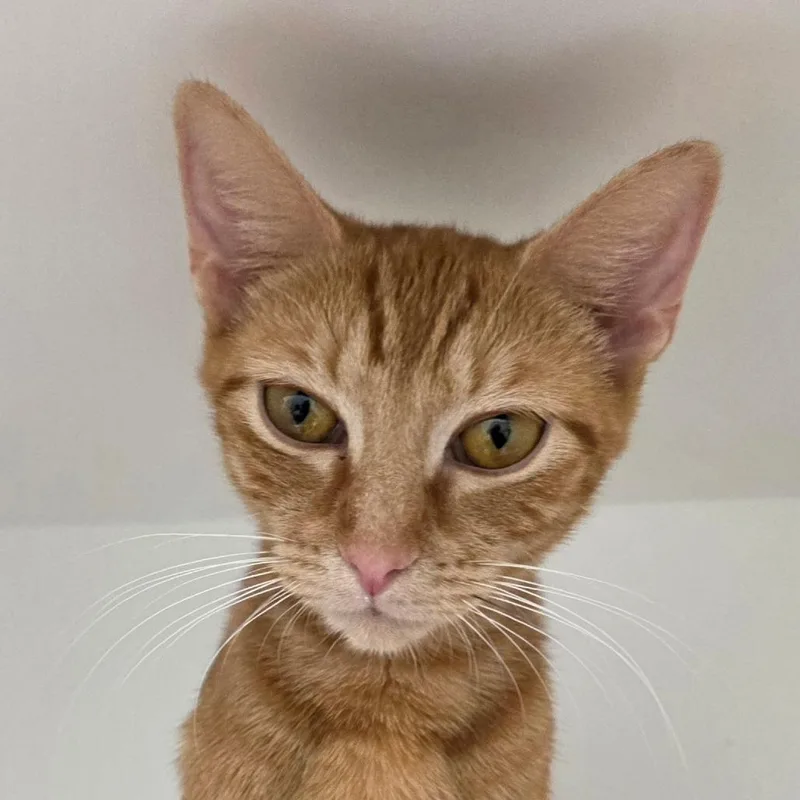
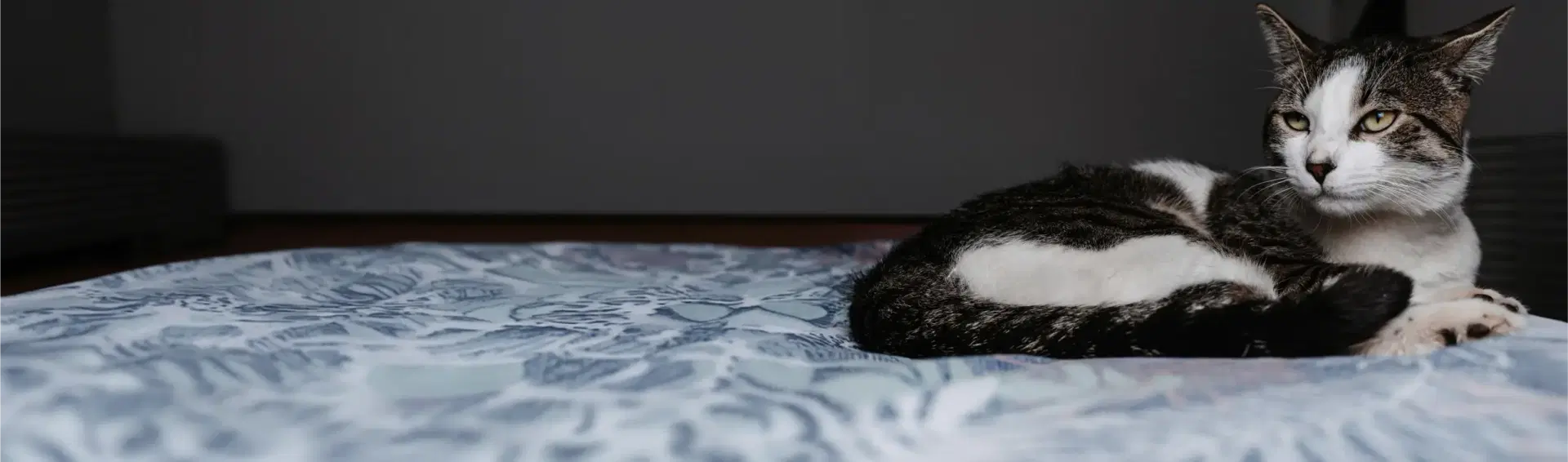
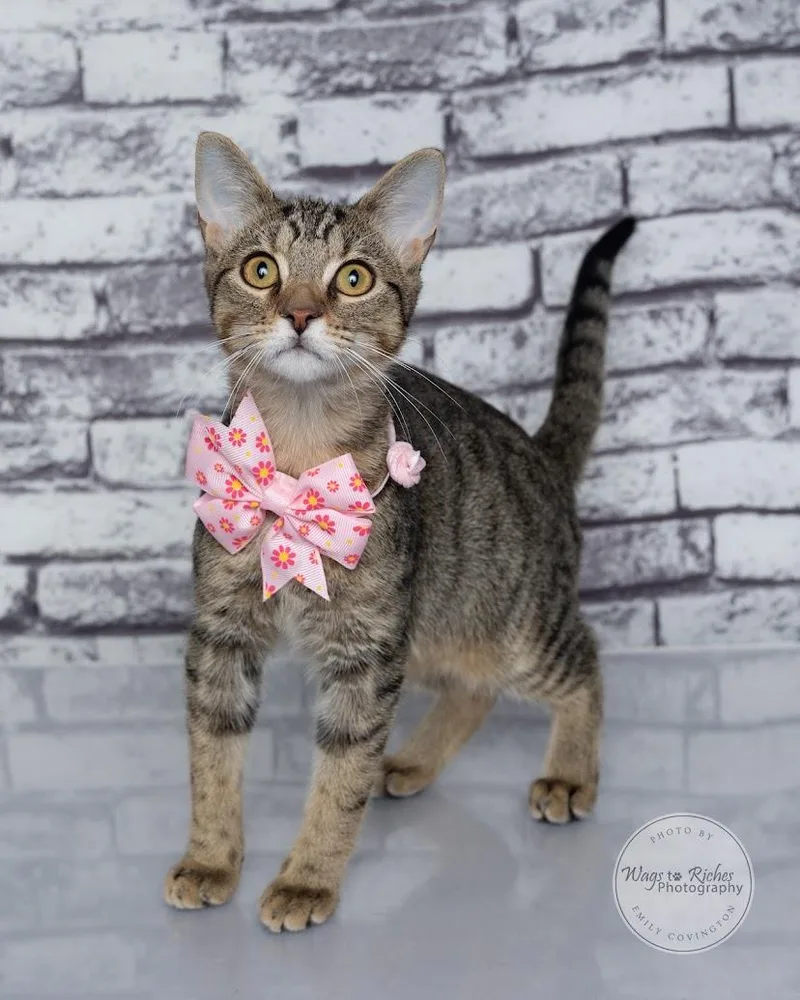
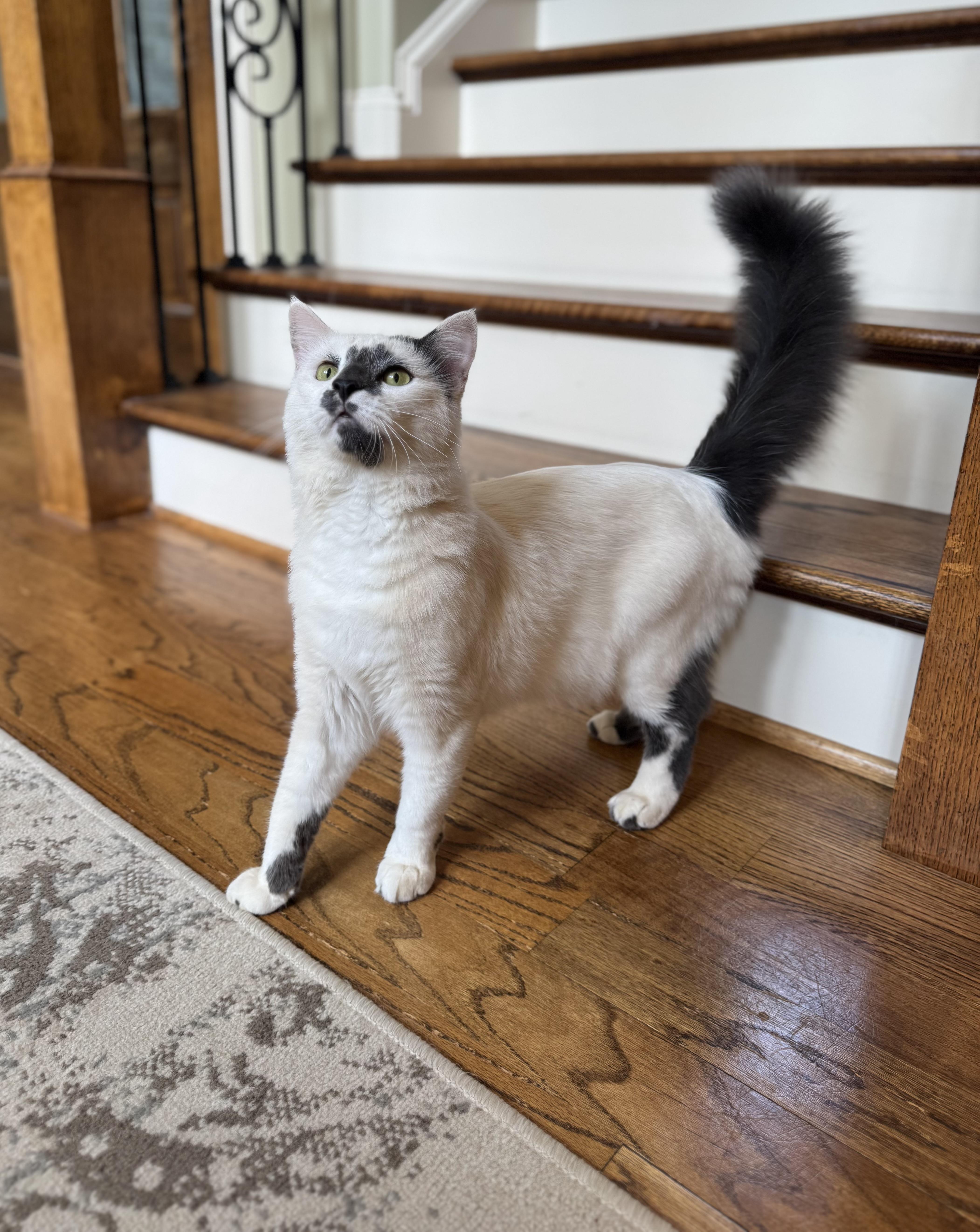
American Shorthair cat

American Shorthair Cats for Adoption in Tuscaloosa, AL

Your guide to finding and caring for an American Shorthair in Tuscaloosa

American Shorthairs suit Tuscaloosa's mix of student apartments and quiet residential streets. A calm, medium-sized cat is happy in a University Area rental or a tree-lined house in The Downs, as long as there's a window perch and a daily play session. They're hunters at heart, so wand toys matter more than square footage. Summer afternoons here run hot, which suits a cat that naps indoors. Expect an easy roommate for a grad student or a longtime homeowner.

3686 American Shorthairs available in Tuscaloosa and nationwide

Adopt an American Shorthair today

American Shorthairs Available for Adoption Near Tuscaloosa

About the American Shorthair breed

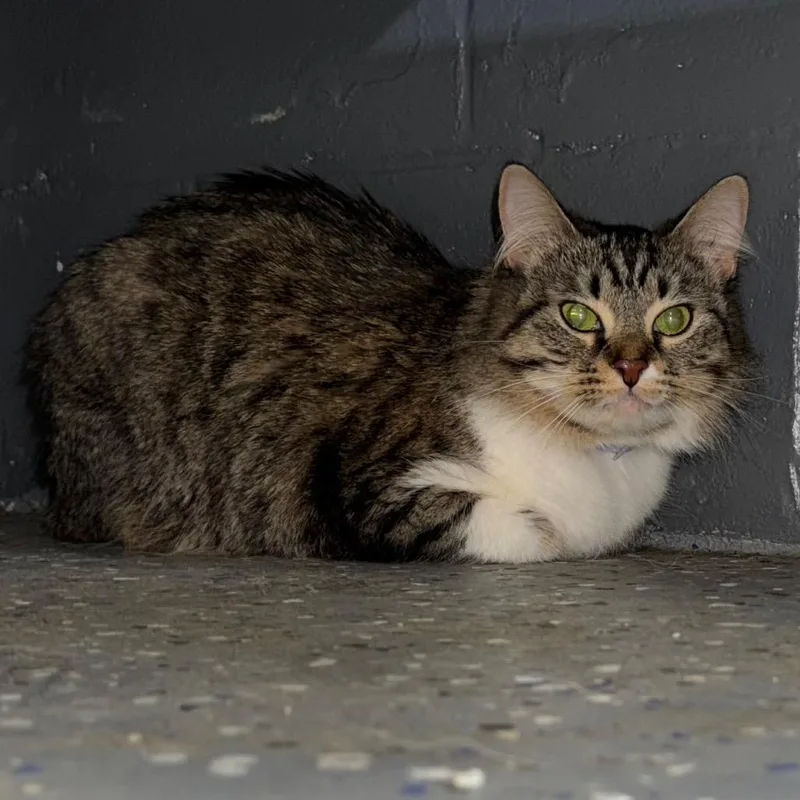
American Shorthairs descend from working cats that traveled with early settlers to keep rodents off cargo, then guarded barns and homesteads across North America. In the early twentieth century they became a pedigreed breed. Today they're medium-to-large, muscular cats with a broad face, full cheeks and a thick, hard-textured coat in dozens of colors, with the silver tabby as the classic look.

Many are easygoing, adaptable and quietly affectionate, content to supervise from a perch. They enjoy hunting-style play and gain weight easily, so measured meals and daily play matter. That relaxed nature fits Tuscaloosa, where many households rent. Most shorthaired shelter cats are random-bred domestic shorthairs with the same look, so adopters may meet similar cats under either name.

Weight
6–15 lbs
Height
8–10 in
Lifespan
12–17 yrs
Temperament
Easygoing, Adaptable, Quiet
Shedding
Moderate

Owning an American Shorthair in Tuscaloosa

Having an American Shorthair in Tuscaloosa

Steady, low-drama companionship is the draw. An American Shorthair's hunting instinct, dense coat and healthy appetite shape its daily care, and each cat varies. Here's what those traits mean for life in Tuscaloosa.

Temperament

Most American Shorthairs are even-tempered and friendly without being clingy, which suits Tuscaloosa's mix of student apartments and family homes. Many accept respectful children and calm dogs after slow introductions. Expect soft chirps rather than loud demands. A cat's history and socialization shape its personality as much as breed does.

Exercise Needs

Plan on two or three short play sessions a day with wand toys, chase games and food puzzles. A window perch overlooking a Tuscaloosa street or yard gives an indoor cat something to watch between sessions. Because many are relaxed and food-motivated, regular play helps keep weight in check, especially in older cats.

Health Considerations

American Shorthairs are generally robust, and obesity is the most common preventable problem, so measure meals. Hypertrophic cardiomyopathy and polycystic kidney disease have been reported in the breed, and a veterinarian can screen for both. Tuscaloosa's long warm season makes steady flea prevention worthwhile, and Alabama requires a rabies vaccine by three months of age.

Living Space

A medium-sized American Shorthair adapts to a one-bedroom rental or a house with equal ease. Give it a scratching post, a high perch and a hiding spot. Indoor living or a secure enclosed patio keeps this strong hunter safe from traffic and protects local wildlife. Secure screens on windows and balconies.

What it costs to own an American Shorthair in Tuscaloosa

ExpenseTypical costPer year
Food$25 to $50 per month$300 to $600
Pet insurance$25 to $50 per month$300 to $600
Routine vet care$150 to $350 per year$150 to $350
Other*$450 to $1,150 per year$450 to $1,150
Estimated yearly total (after year one)$1,200 to $2,700

Other costs are estimates and vary with size, age and health.

* Cat litter, flea prevention, a dental cleaning allowance, toys, scratching posts and other supplies, and simple brushing at home for a short coat.

American Shorthair cat

Adopt an American Shorthair in Tuscaloosa.

Now that you know more, let’s find you a new best friend. These rescues and shelters below currently have American Shorthairs available.

Rescues in Tuscaloosa with American Shorthairs Available

Tuscaloosa's shelter and rescue community cares for many shorthaired cats that resemble the American Shorthair. Here are the rescues & shelters in the Tuscaloosa area where you can find American Shorthairs and other cats available for adoption.

Frequently Asked Questions

Yes, you can own an American Shorthair in Tuscaloosa, and no breed ban or breed-specific rule is known in the city. Alabama requires a rabies vaccine by three months of age, and households can generally keep three cats. Rentals often add pet fees or breed limits, so get permission in writing before bringing a cat home.

Yes, an American Shorthair is a good apartment cat in Tuscaloosa. Its calm, adaptable nature suits smaller spaces, provided there's a tall perch, a scratching post and daily play. Choose a unit with secure window screens, and look for buildings that welcome cats, since many rentals set pet fees, pet rent or weight limits.

Yes, with a few precautions. Tuscaloosa summers are hot, with about 85 days a year reaching 90°F and nights near 70°F, so indoor American Shorthairs do best in air conditioning. Keep water available in several spots, close blinds on afternoon sun, and never leave a cat in a parked car. Panting or lethargy needs a veterinarian.

Often, yes, if you can offer a steady routine. An American Shorthair's easygoing nature suits Tuscaloosa's student-heavy rentals and quiet residential streets alike, and it doesn't need a yard. Plan for daily play, measured meals, an indoor home with window perches and a cool spot for summer. Each cat differs, so read the listings on this page for personality notes.

Very little. An American Shorthair's short, dense coat needs brushing once or twice a week, a bit more during the spring shed. Tuscaloosa's humidity doesn't change that routine. Professional grooming is rarely necessary, and the small allowance for grooming inside the yearly Other costs covers brushing supplies or an occasional visit.

Tuscaloosa Transit Authority runs buses and trolleys, but no pet policy is published, so don't assume cats may ride. If you need to travel with an American Shorthair, use a sturdy, secure carrier and confirm current rules with TTA first. Most trips, such as a vet visit, are easier by car.

Probably not. Alabama's patio law lets restaurants allow leashed dogs outdoors at their own discretion, but it doesn't extend to cats. Most American Shorthairs are happier at home than in a noisy dining area anyway. Save outings for trips to the vet, in a secure carrier.

An American Shorthair is a pedigreed North American cat breed descended from the working cats that came over with European settlers to control rodents. It is a sturdy, muscular, medium-to-large cat with a round face, full cheeks and a thick short coat in many colors, most famously silver tabby. Many are calm, adaptable and quietly affectionate.

We have 1 rescue with American Shorthairs available: Humane Society of West Alabama. You can see every rescue with American Shorthairs available in the list above these questions, or scroll to the top to see the American Shorthairs near Tuscaloosa.

Expect food at $25–$50 a month, insurance at $25–$50 a month, routine vet care at $150–$350 a year, and other costs of $450–$1,150 a year. That works out to roughly $1,200 to $2,700 a year in all, before any emergency care.