Pk Punkin
Available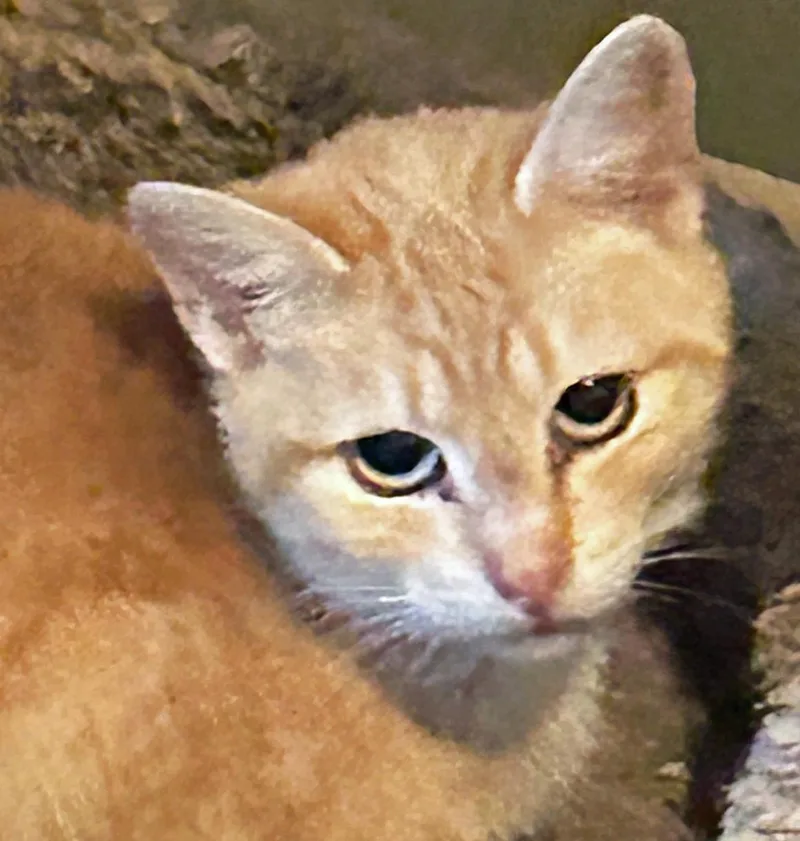
Pk Punkin
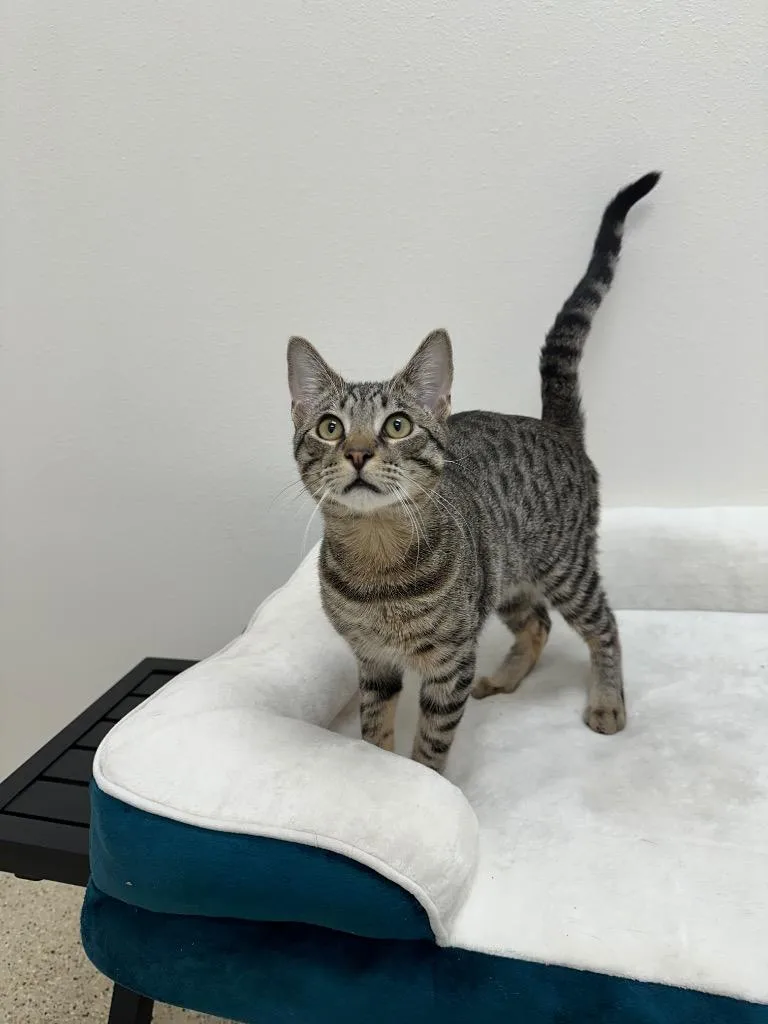
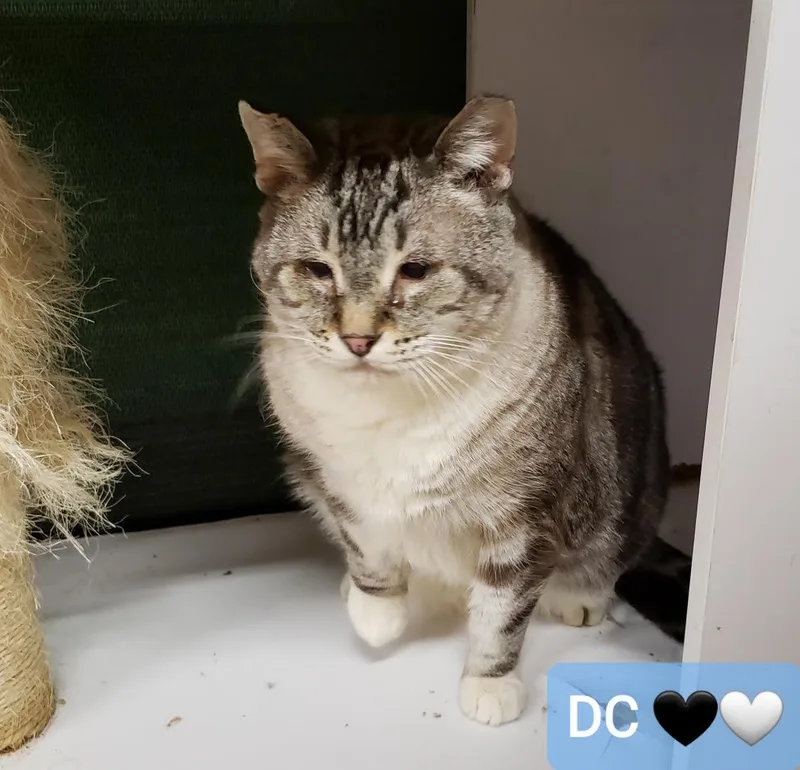
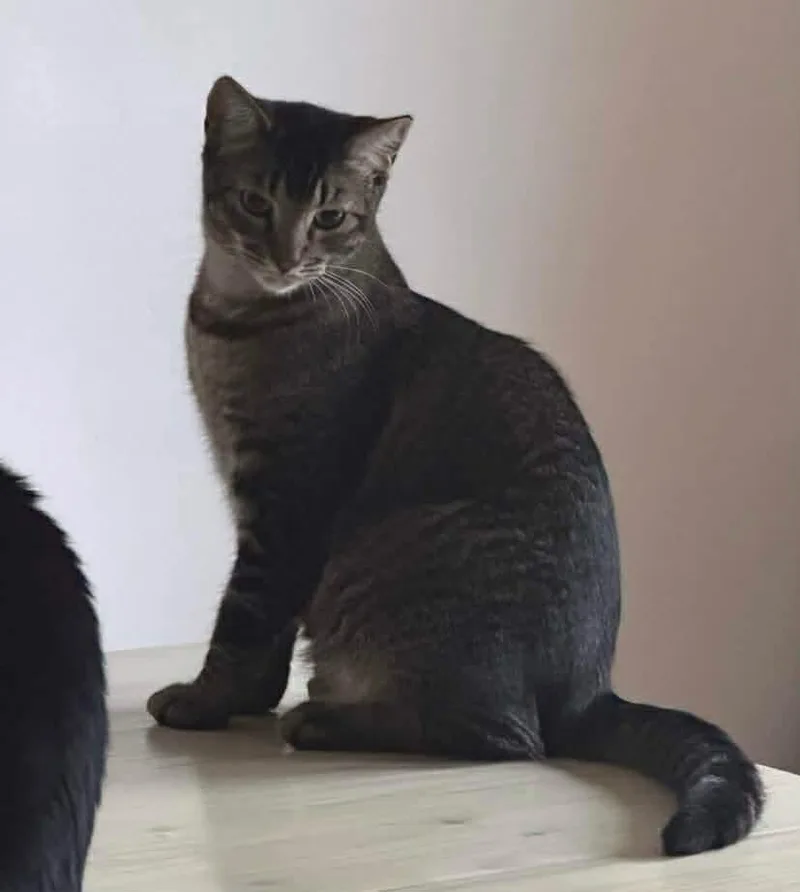
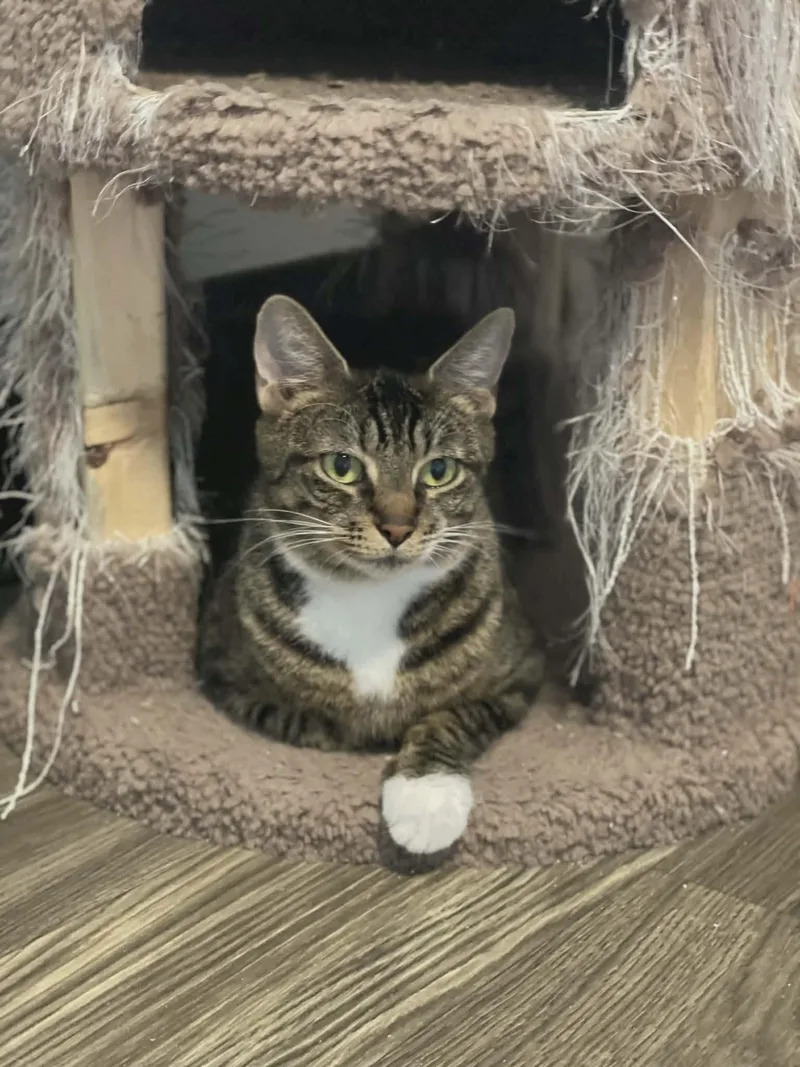
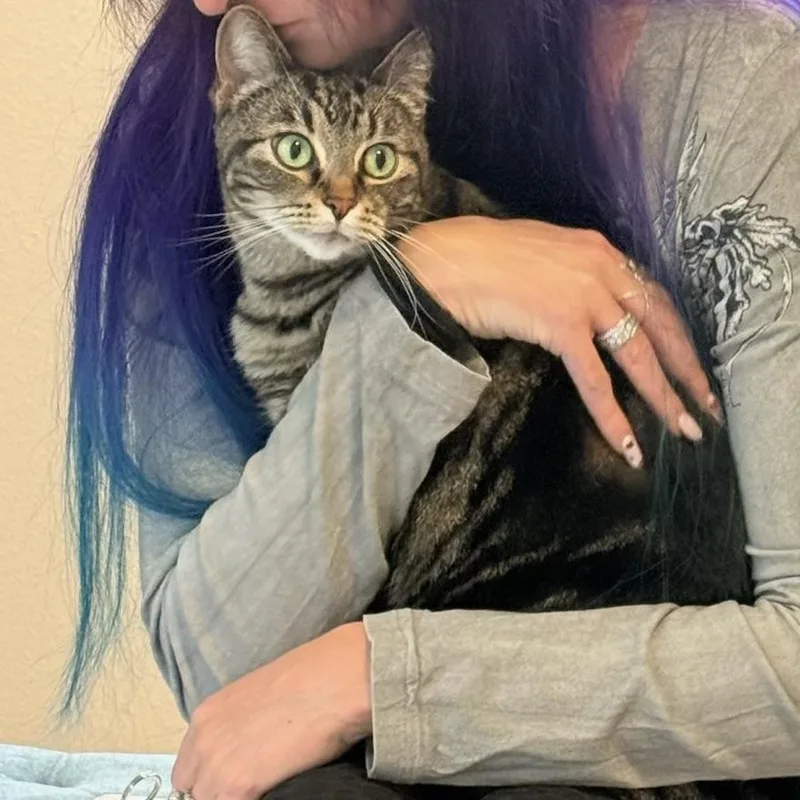
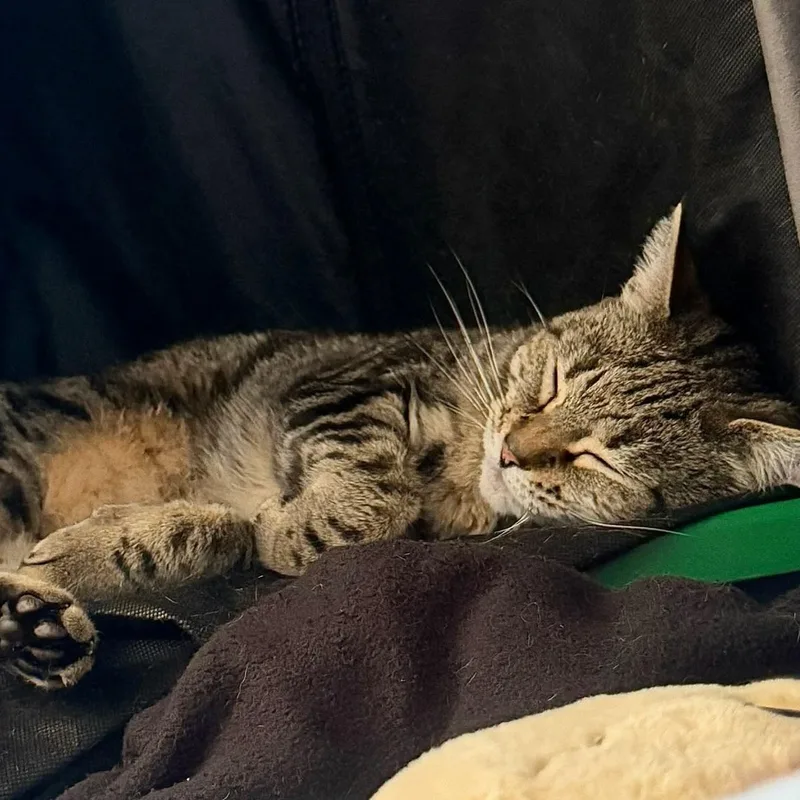
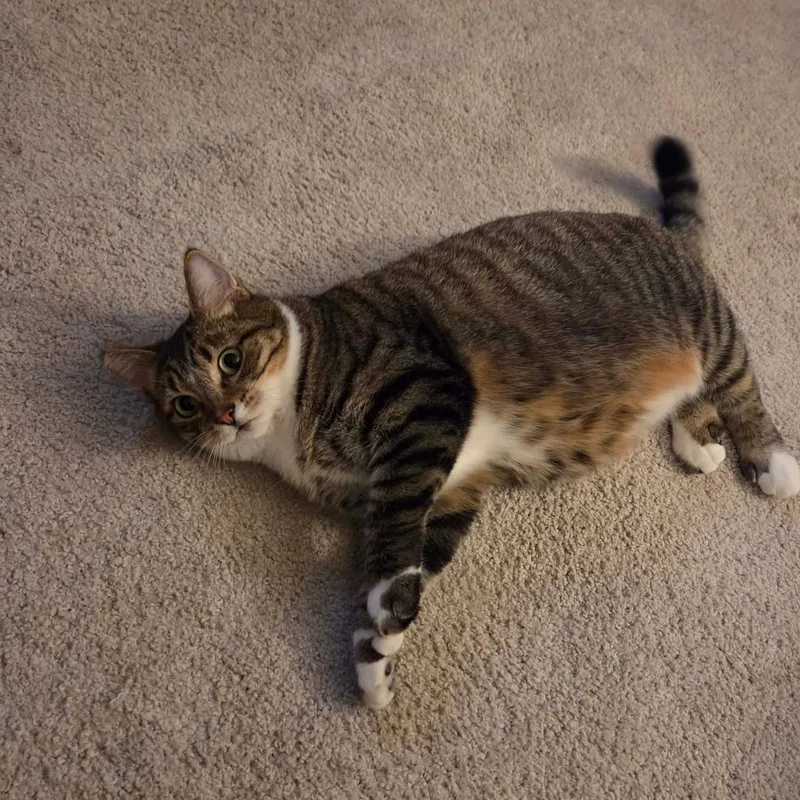
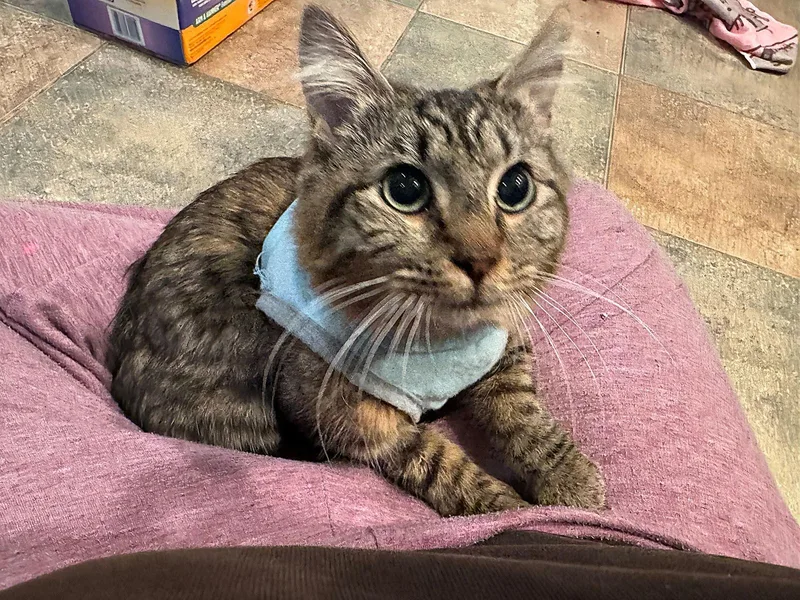
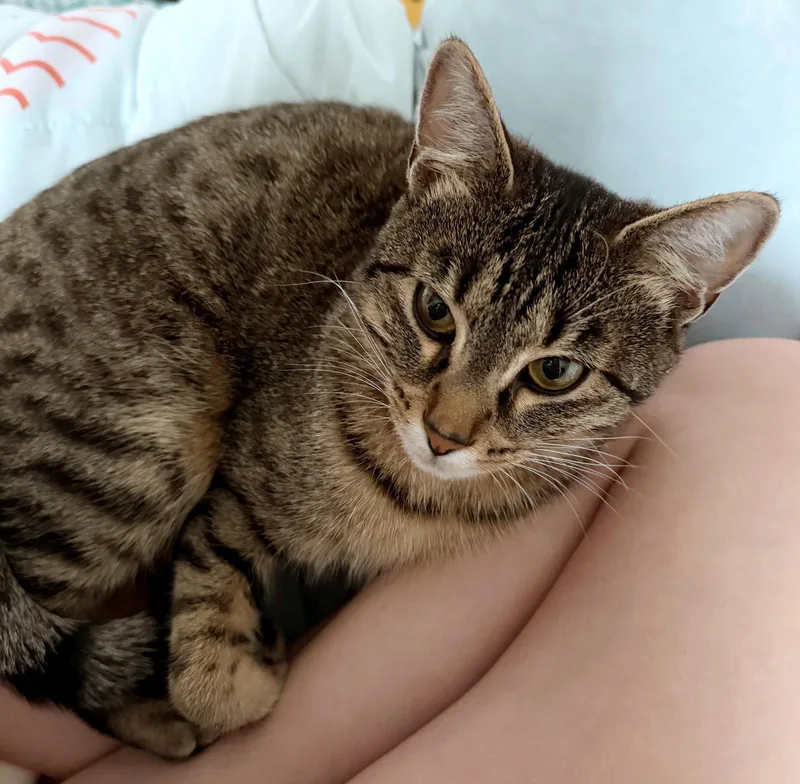
AvailablePk Punkin is a senior spayed female tabby with a short orange-red coat. She’s medium-sized, house trained, and up to date on vaccinations. Punkin is currently in Salem, OR and has tested FIV-positive, though she maintains good health and cleanliness.
About Pk Punkin
Pk Punkin is looking for a peaceful home that can offer her the safety and calm she’s missed out on. She’s an FIV-positive tabby who’s never been one for fighting—just a quiet, gentle soul who wants to settle into a low-stress environment. Punkin would be happiest as your only cat, or possibly sharing space with another relaxed FIV+ companion. Her life so far has been more kennel than couch, and it shows; she's shy, reserved, and keeps mostly to herself. But give her time, and she’ll show her appreciation by being the quiet presence you never knew you needed. FIV isn’t the threat people think it is, especially for a tranquil girl like Punkin—there’s no transmission through casual contact, bowls, or grooming. She’s healthy, keeps spotless, eats well, and is fully house trained. What matters most now is patience: let Punkin open up at her own, slow pace. The cats who need the most time often turn out to be the most rewarding. Give them the home they have been waiting for. Apply today.
Adoption Fee

Inquire directly with rescue.
Adoption fees can usually be paid via credit card, or other convenient methods. Please check with the shelter for specific payment methods.
Rescues & Shelters
Questions about Pk Punkin
What type of living environment is this breed usually best suited for?
As a domestic tabby, Pk Punkin would do well in a calm and stable home. She appreciates a peaceful environment that allows her to relax and come out of her shell gradually.
How much outdoor space does this breed typically need?
Pk Punkin, being a domestic cat with FIV, should remain indoors. Indoor living helps keep her healthy and limits the risk of disease transmission or injury.
Is this breed typically suitable for homes with children?
Tabby cats like Pk Punkin are gentle by nature, but she would be best with adults or older children who understand her shyness and respect her need for a slow approach.