
Grady
Available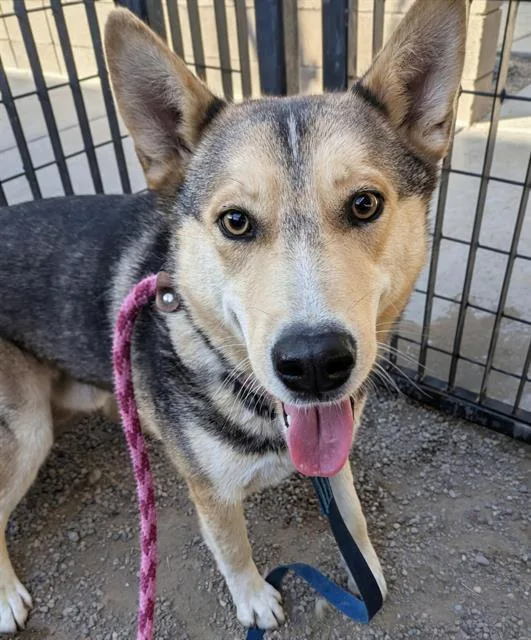
Grady
AvailableAbout Grady
EMERGENCY PLACEMENT DEADLINE CLOSE OF BUSINESS SUNDAY MAY 10, 2026 AVAILABLE FOR ADOPTION ONLY THROUGH PACC Name: GRADY Animal ID: A884722 Age: 3 years Weight: 49 lbs. Web Link: 24petconnect.com/PimaAdoptablePets/Details/PIMA/A884722 About: Meet Grady, a striking 3-year-old sable shepherd/husky mix with soulful eyes and a gentle spirit that is still learning how to trust the world around him. Grady first came to PACC as a stray in November 2025 and has unfortunately found himself back at the shelter multiple times since then—once again as a stray, and most recently after Animal Protection Officers had to humanely trap him on his adopter’s property because he was too fearful to approach and could not be safely caught. Since arriving at PACC, Grady has made progress. When he first came in, he was extremely nervous and did not know how to walk on a leash. While he has improved with handling over time, Grady is still very fearful, is considered a high flight risk, and is an incredibly talented escape artist. Because of this, he needs a very specific and experienced home that understands shy, undersocialized dogs and is committed to keeping him safe. Grady is not the kind of dog who will immediately come up asking for affection. Loud environments, crowds, and too much activity overwhelm him, so he is looking for a quiet, calm home with little to no visitors. He loves spending time outdoors, but due to his fearfulness, he cannot safely be outside off leash—not even in a yard—without direct supervision. Anytime Grady is outside, he should remain attached to a long leash with someone securely holding it. He must be carefully monitored at all times to prevent escape. With other dogs, Grady tends to keep to himself and avoid interaction. He does best around calm, confident dogs that respect his space. Too many dogs or overly energetic dogs can overwhelm him, so if there are other pets in the home, one or two relaxed companions would be ideal. Underneath his fear is a dog who deserves patience, kindness, and the chance to finally feel safe. Grady may never be the life-of-the-party type of dog, but for the person willing to move at his pace and earn his trust, the bond formed with him will be incredibly meaningful. This handsome boy is searching for a forever home where he can finally exhale, feel secure, and learn what it means to truly belong. If you think you may be the right fit for Grady, please come to PACC and ask to meet him. Available for adoption only through PACC. Interested parties: Must visit PACC before the COB Sunday May 10, 2026, deadline to meet with a counselor who will review notes and introduce you to the dog to ensure that it’s a good fit. Some dogs may also require an introduction to any dogs they may potentially live with. Home Management Plan Undersocialized OR Handling Issues: • Decompression Period - Allow Grady a minimum of 4 weeks to settle. They must be allowed to go at their own pace. Allow them to approach you for attention and pets. DO NOT force interactions. • No Forced Handling - Avoid all handling that Grady cannot consent to. This includes: • Petting them while they are sleeping • Grabbing their collar or body. • Picking them up. • Forcing grooming (bathing, clipping nails, cleaning ears) during the decompression period. Use positive reinforcements and conditioning only. • Positive Reinforcement: Use high-value treats and praise to reward all desired behaviors. • Recognize Warning Signals - the adopter/foster must be intensely aware of Grady’s body language signals, which indicate stress and potential snap or bite: • Lifting of the lips/showing teeth • Low growls • Stiffening of the body (freezing) These warnings must be respected immediately by creating distance and disengaging. • Confident Dog Recommended: They may benefit from living with a calm, confident dog who can model appropriate behavior and help build trust in new environments. Flight Risk • Experienced Handler Required: Grady should go home with a confident, experienced handler who can recognize and manage signs of fear or startle response. • Dragline Use: Keep a dragline attached for a minimum of two weeks. This allows safe, low-stress handling if they become difficult to approach. • Leash Safety: Always maintain a secure grip on the leash when outdoors until they are fully settled. Avoid using retractable leashes. • Supervision: Never leave them unsupervised outdoors, even in a fenced yard, as fearful dogs can climb, dig, or squeeze through small gaps when startled. • Equipment Requirement: They must go home with a properly fitted martingale collar and a standard flat clip leash to help prevent slipping out during walks. • Longline Use: When spending time outdoors in an enclosed yard, use a longline to give them extra space to explore while keeping them safe and under control. Do NOT use tie outs, leash should be held and maintained by the handler at all times. Should NOT be used in unenclosed or public spaces. Escape Risk • Grady has a strong curiosity and may attempt to explore beyond confinement or containment areas. • Supervision Required: Always supervise outdoor time, including in fenced yards. Ensure gates and doors are securely latched before allowing them outside. • Preventive Measures: Use a properly fitted martingale collar and standard clip leash during walks. Avoid leaving them unattended in any unsecured area, including open garages, yards or vehicles. • Longline Use: When spending time outdoors in an enclosed yard, use a longline to give them extra space to explore while keeping them safe and under control. Do NOT use tie outs, leash should be held and maintained by the handler at all times. Should NOT be used in unenclosed or public spaces. Containment Issues: • Grady has a known history of escaping enclosed spaces or roaming when unsupervised. • Escape Method: unknown information about how he is escaping when coming to the shelter as a stray, in the shelter he tries to door dart at any door way, gates, and looks for exits when in PG. • Supervision and Safety: Keep them on leash until fully acclimated to the home and routine. Do not leave unattended outdoors or in unsecured areas. • Preventative Measures: Ensure fences are secure and at an appropriate height. Regularly check gates, latches, and weak points for damage or loose areas. • Longline Use: When spending time outdoors in an enclosed yard, use a longline to give them extra space to explore while keeping them safe and under control. Do NOT use tie-outs; the leash should be held and maintained by the handler at all times. Should NOT be used in unenclosed or public spaces.

Adoption Fee
$0Payment after application.
Help Grady find his forever home. Pay easily via credit card or other convenient payment methods.
Rescues & Shelters
More pets matching your search
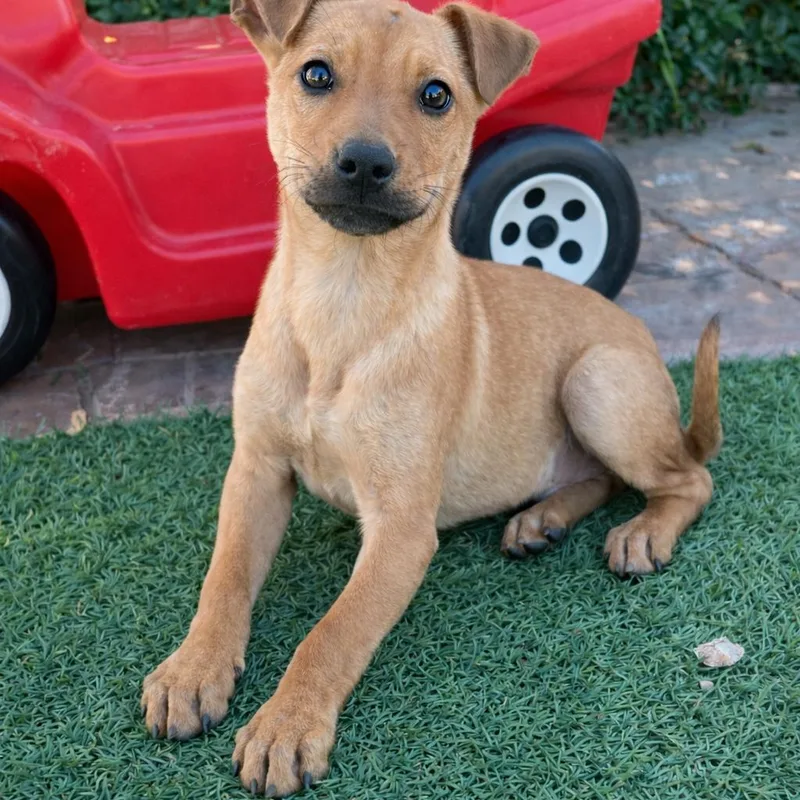
Luca,6 months- 2 years
Labrador Retriever, German Shepherd Dog
Tucson, AZ
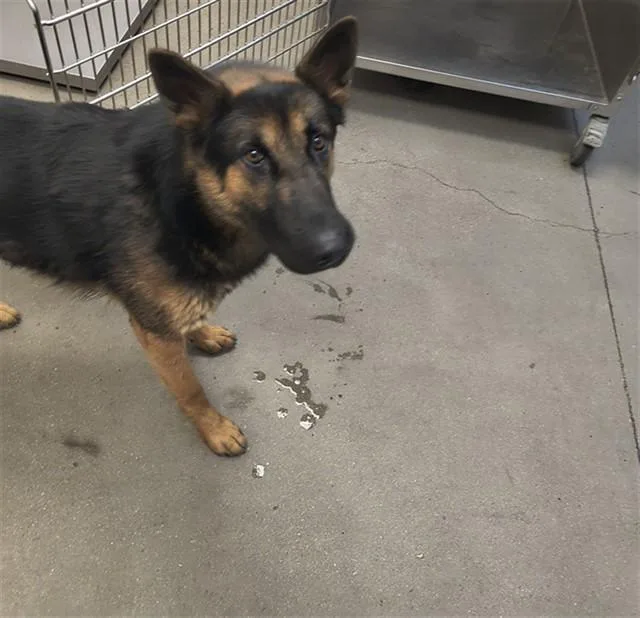
Desalegn,6 months- 2 years
German Shepherd Dog, Mixed Breed
Tucson, AZ
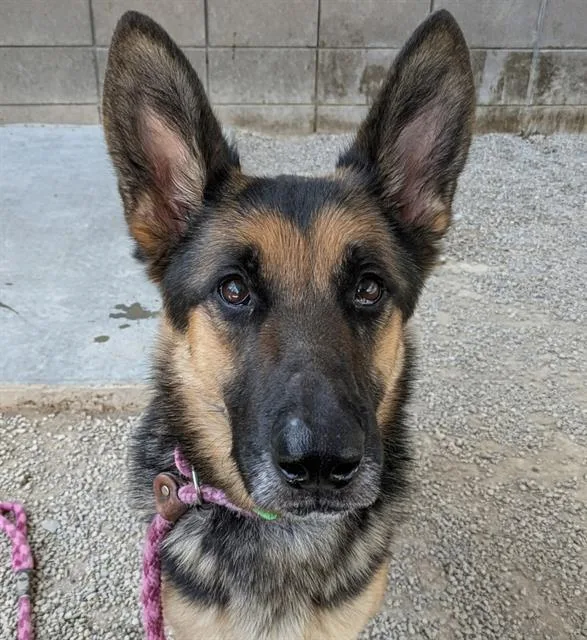
Rouge,3-7 years
German Shepherd Dog
Tucson, AZ
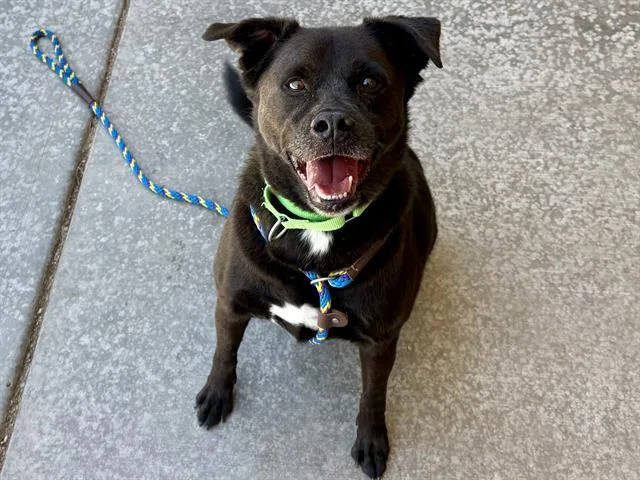
Rufus,3-7 years
German Shepherd Dog
Tucson, AZ

Marco,6 months- 2 years
German Shepherd Dog
Tucson, AZ
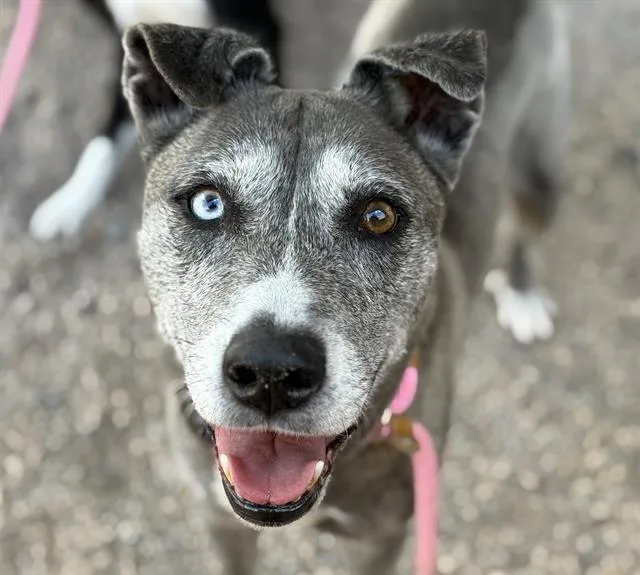
Ginger,3-7 years
German Shepherd Dog, Mixed Breed
Tucson, AZ
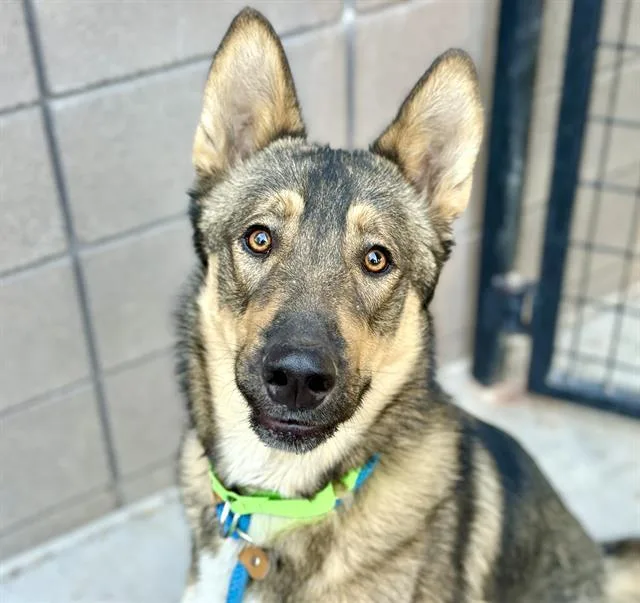
Kiwi,6 months- 2 years
German Shepherd Dog
Tucson, AZ
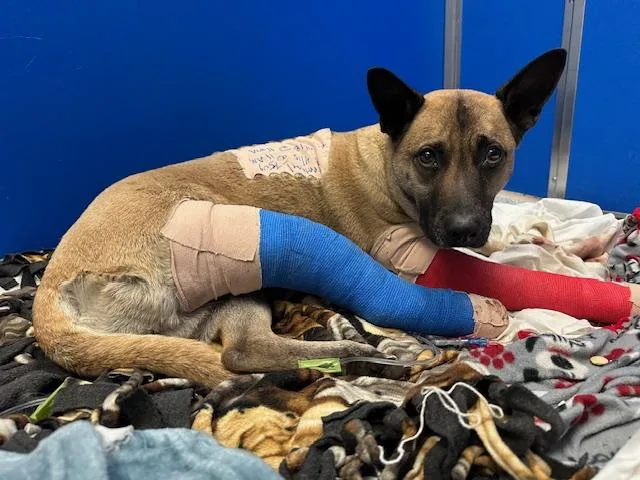
Lotus,3-7 years
German Shepherd Dog, Mixed Breed
Tucson, AZ
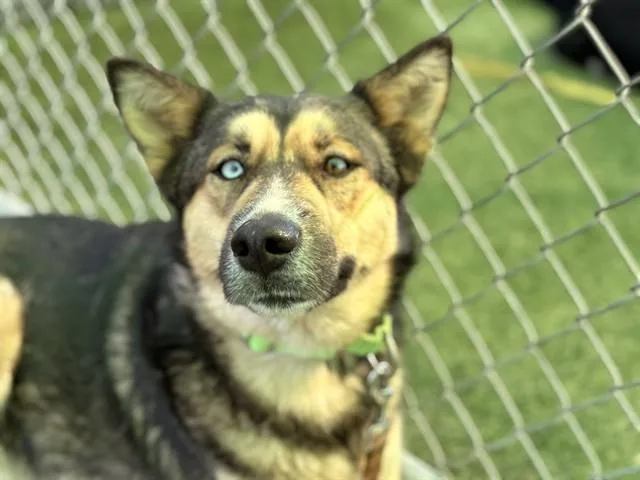
Avondale,6 months- 2 years
German Shepherd Dog, Siberian Husky
Tucson, AZ
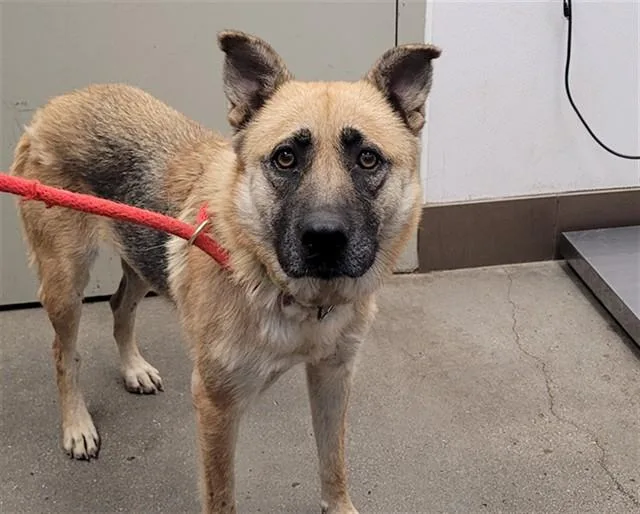
Atemoya,6 months- 2 years
German Shepherd Dog
Tucson, AZ
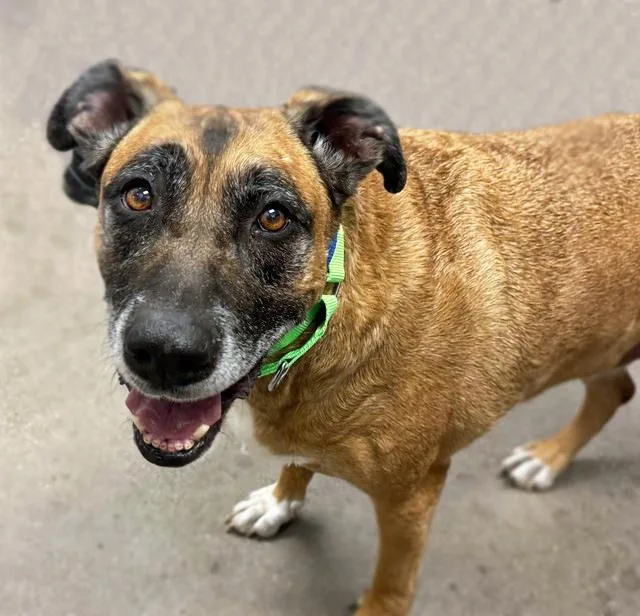
Harley,3-7 years
German Shepherd Dog, Mixed Breed
Tucson, AZ
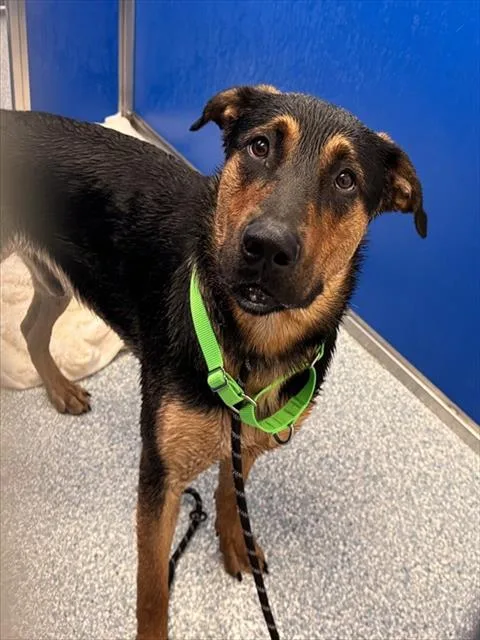
Bennett,6 months- 2 years
German Shepherd Dog, Mixed Breed
Tucson, AZ