
Patches
Available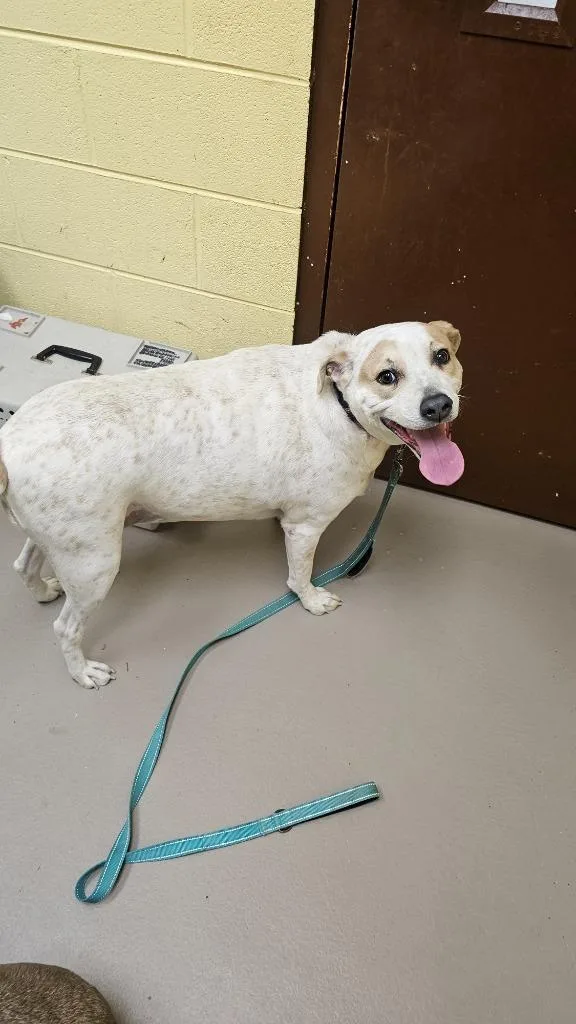
Patches
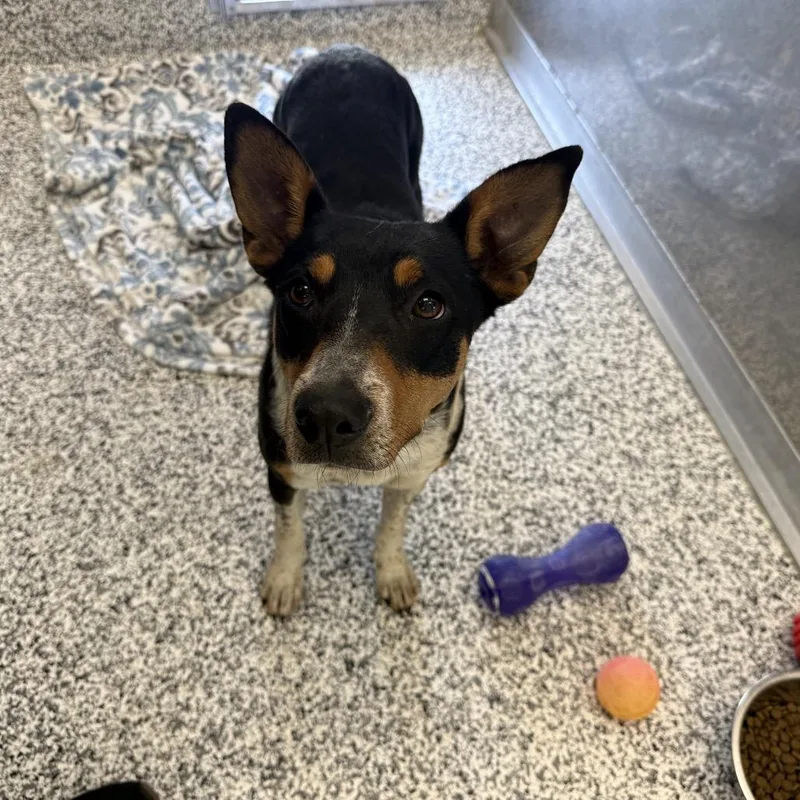
AvailableThis young, medium-sized female Australian Cattle Dog / Blue Heeler is a standout with her solid white coat and distinctive brown speckling, complete with larger brown patches on her left ear, right eye, and base of her tail. She is spayed, fully vaccinated, and already house trained. Patches is currently located at the Cumberland County Animal Shelter.
About Patches
Your new best friend is just one click away. Patches is a striking dog with a beautiful solid white coat accented by unique brown speckles stretching from head to tail. Her look is made all the more charming by a big brown patch on her left ear, another patch over her right eye, and a third at the base of her tail, giving her a one-of-a-kind appearance. She is a young Australian Cattle Dog / Blue Heeler mix who is already house trained, making her an easy addition to your family. Born under the sign of Leo, Patches is likely to have a bold, loving nature that will brighten any home. If you are seeking a loyal and devoted new family member, Patches may be the perfect fit for you. Give them the home they have been waiting for. Apply today.
Adoption Fee

Inquire directly with rescue.
Adoption fees can usually be paid via credit card, or other convenient methods. Please check with the shelter for specific payment methods.
Rescues & Shelters
Questions about Patches
What type of living environment is this breed usually best suited for?
Australian Cattle Dogs / Blue Heelers thrive in active households that can offer them plenty of mental and physical stimulation. They do well in homes with access to a yard but can adapt to spacious apartments if exercised regularly.
How much outdoor space does this breed typically need?
This breed benefits from a secure outdoor space such as a fenced yard, as they have lots of energy. Daily walks and playtime in open areas are important for a healthy and happy Cattle Dog.
Is this breed typically suitable for homes with children?
Australian Cattle Dogs can be good with children, especially if socialized from a young age. Their herding instincts may cause them to try to herd little ones, so supervision is recommended.
More pets matching your search
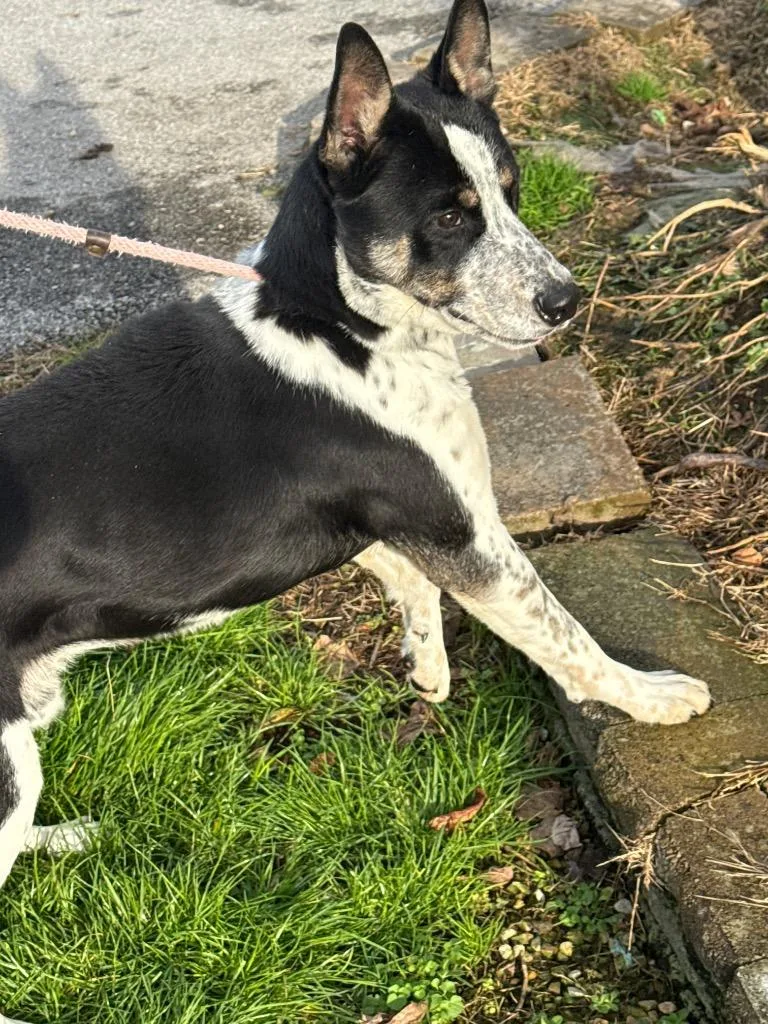
Spud Nugget,6 months- 2 years
Australian Cattle Dog / Blue Heeler
Crossville, TN
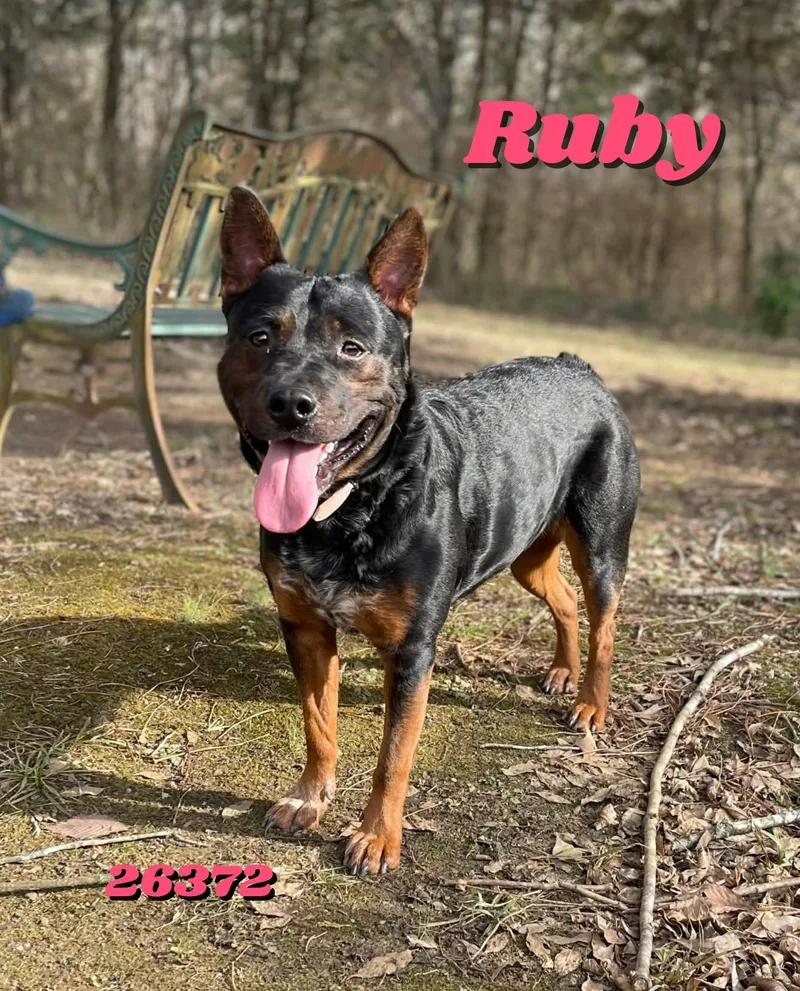
Ruby,3-7 years
Australian Cattle Dog / Blue Heeler, Rottweiler
Oak Ridge, TN
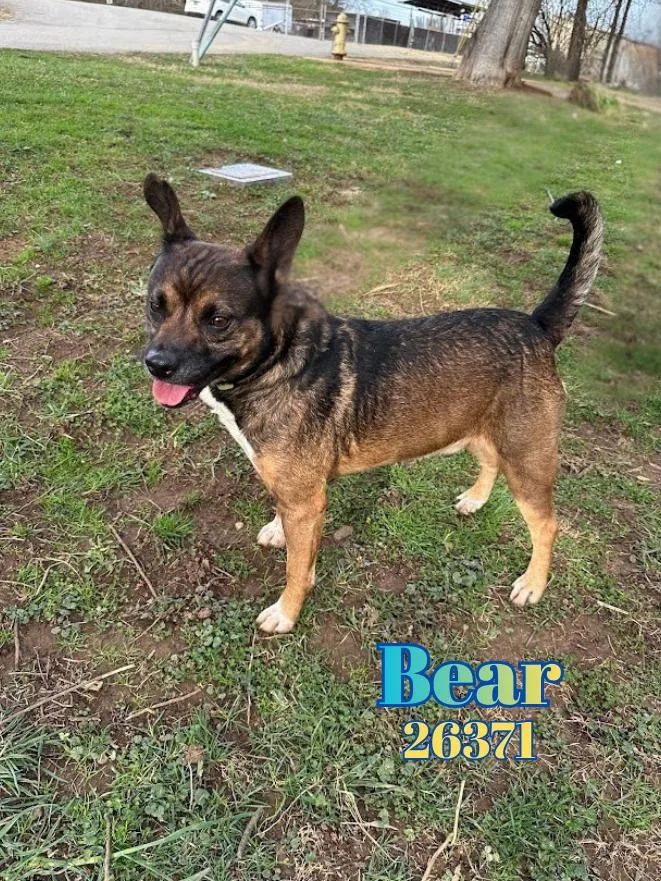
Bear,3-7 years
Australian Cattle Dog / Blue Heeler, Rottweiler
Oak Ridge, TN
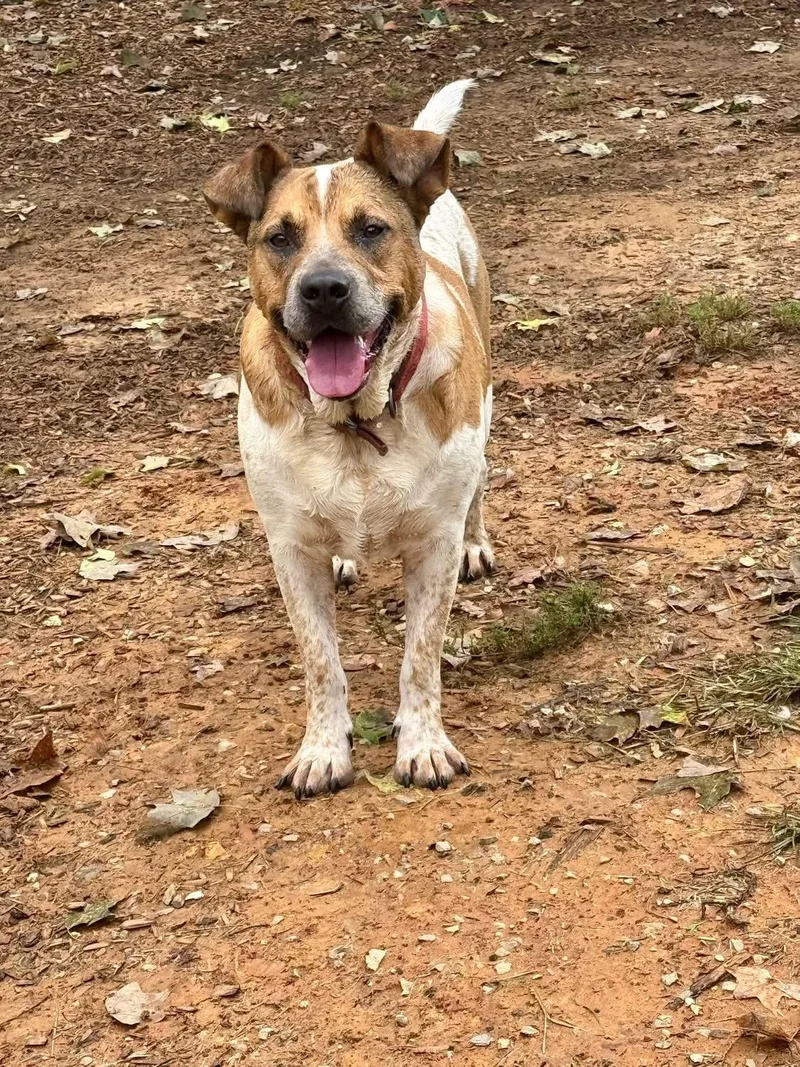
Cliff,3 years old
Australian Cattle Dog / Blue Heeler
Sparta, TN
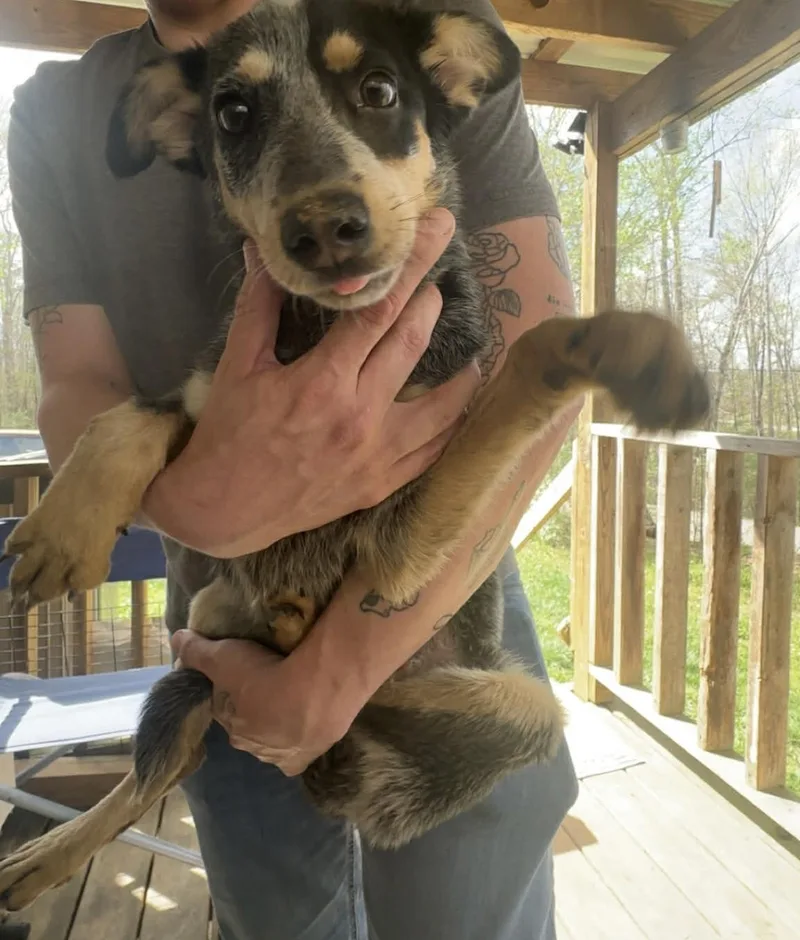
Lottie,6 months- 2 years
Australian Cattle Dog / Blue Heeler
Dayton, TN
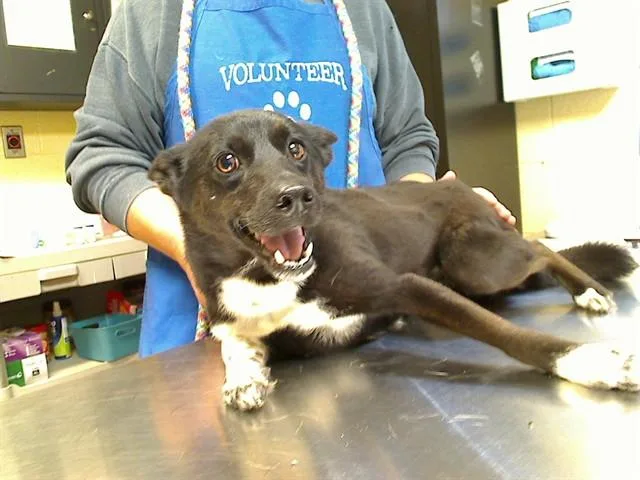
Weebles,6 months- 2 years
Australian Cattle Dog / Blue Heeler, Mixed Breed
Cookeville, TN
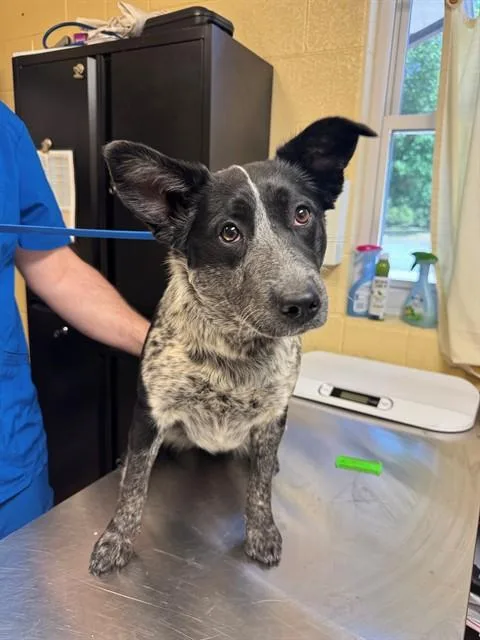
Lola,6 months- 2 years
Australian Cattle Dog / Blue Heeler, Pit Bull Terrier
Cookeville, TN
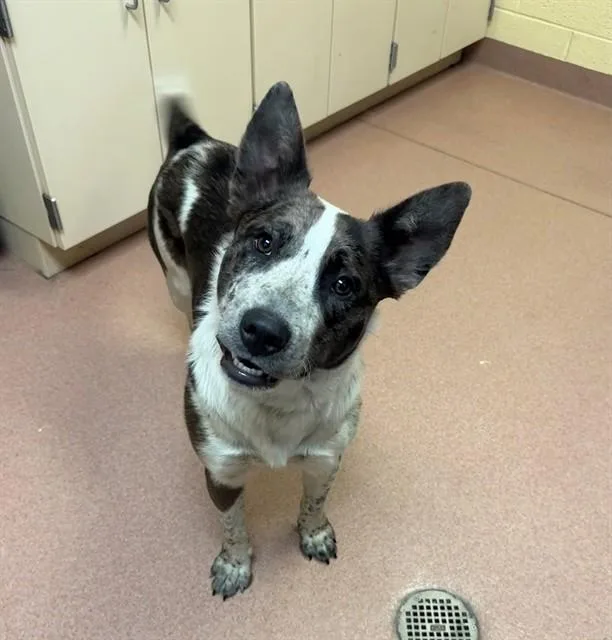
Nash,6 months- 2 years
Australian Cattle Dog / Blue Heeler, Pit Bull Terrier
Cookeville, TN
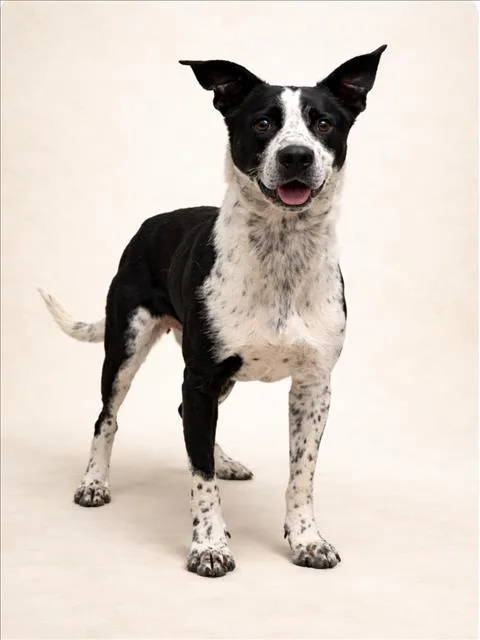
Barbz,6 months- 2 years
Australian Cattle Dog / Blue Heeler, Mixed Breed
Cookeville, TN
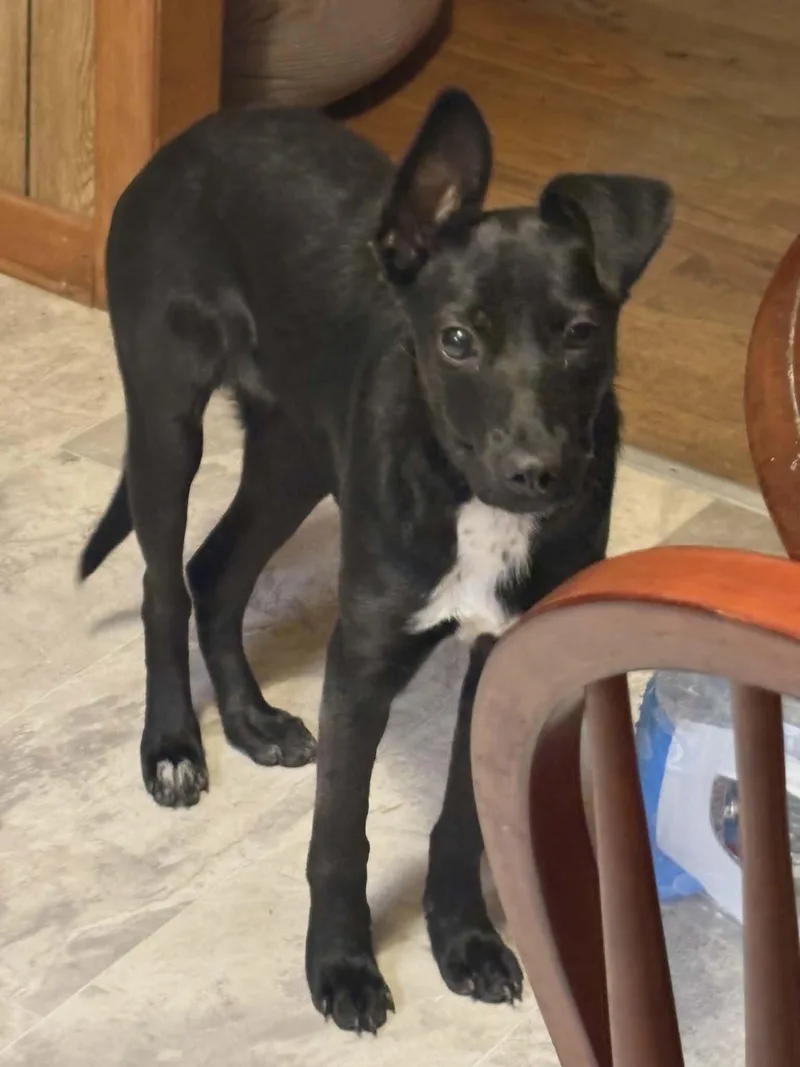
Twilight,0-6 months
Labrador Retriever, Australian Cattle Dog / Blue Heeler
Hilham, TN
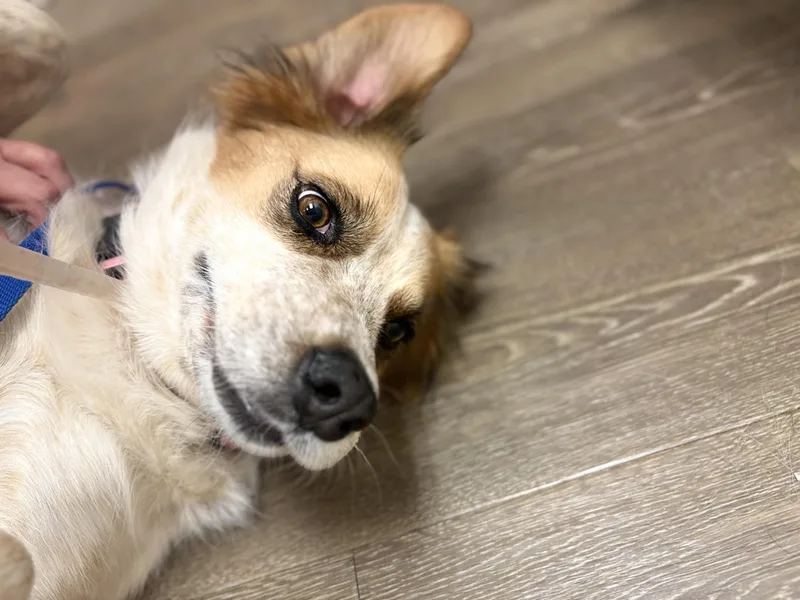
Vinyl,3-7 years
Australian Cattle Dog / Blue Heeler, Border Collie
Oak Ridge, TN
Shira,3-7 years
Australian Cattle Dog / Blue Heeler
Madisonville, TN