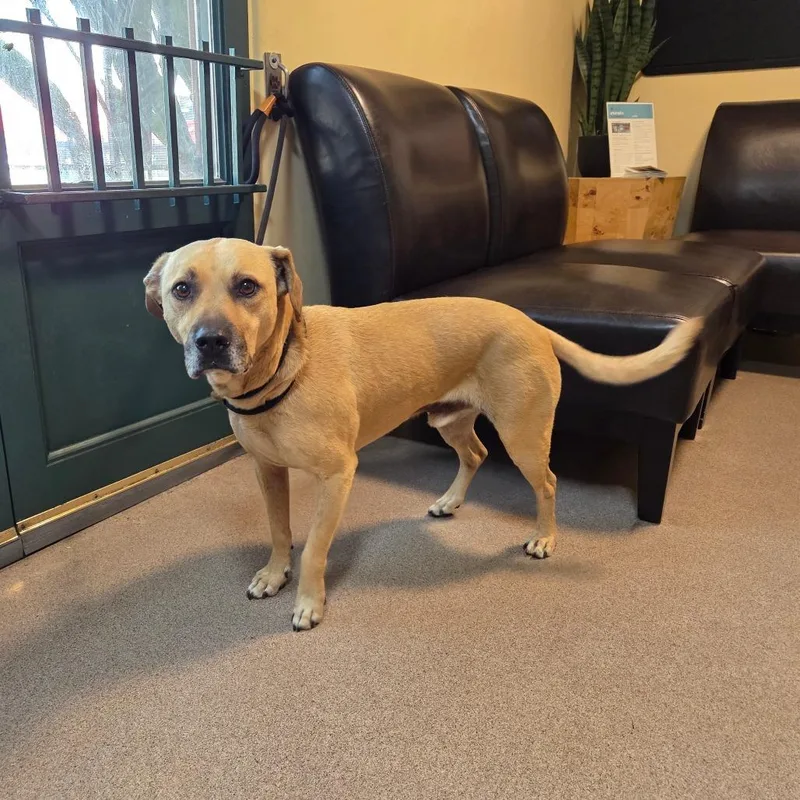
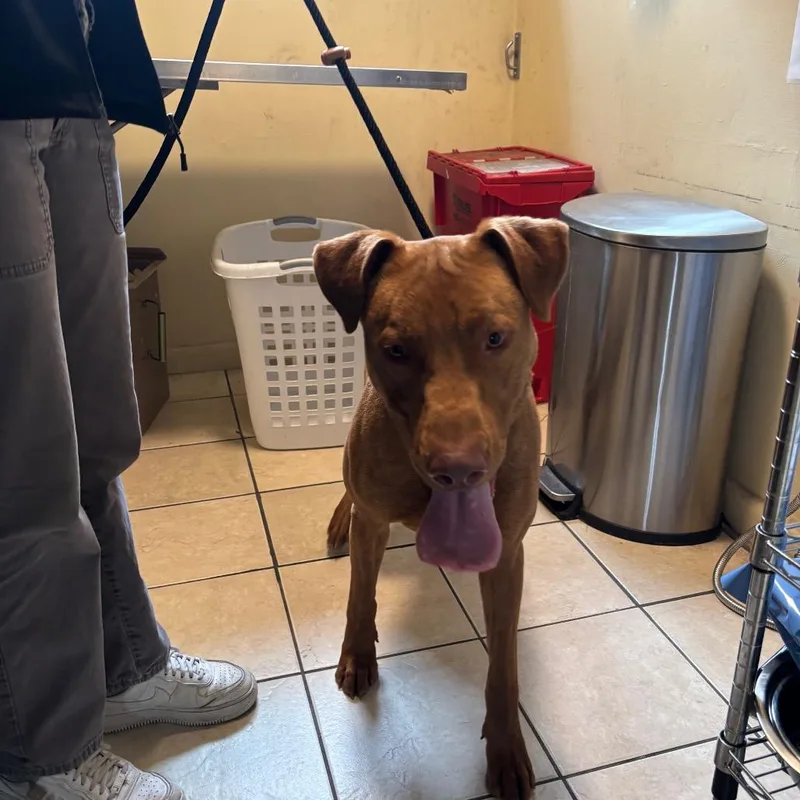
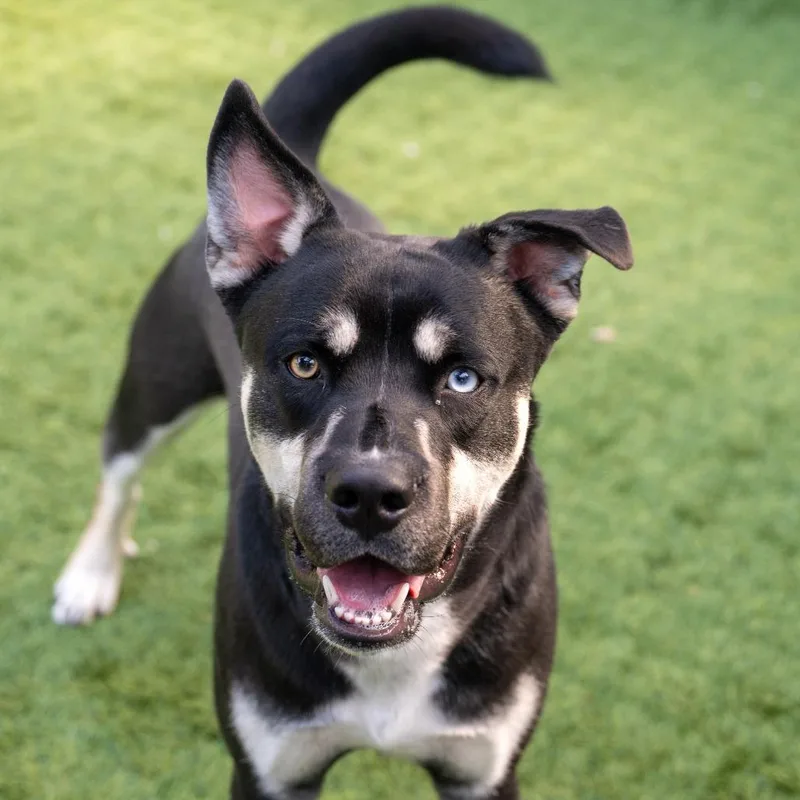
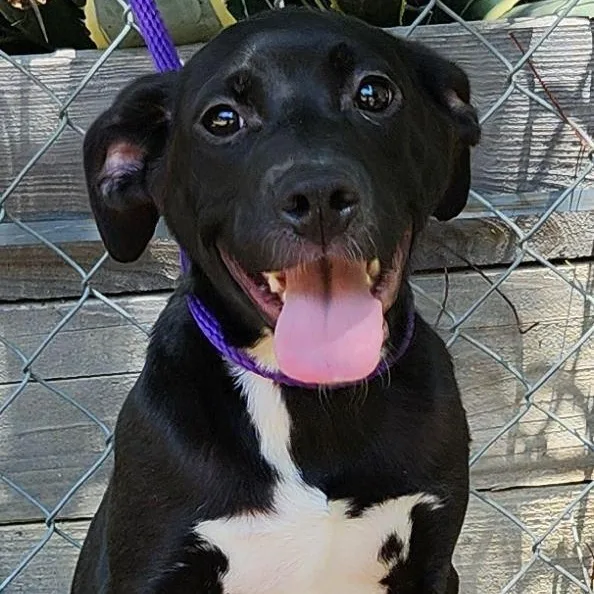
Malama
Available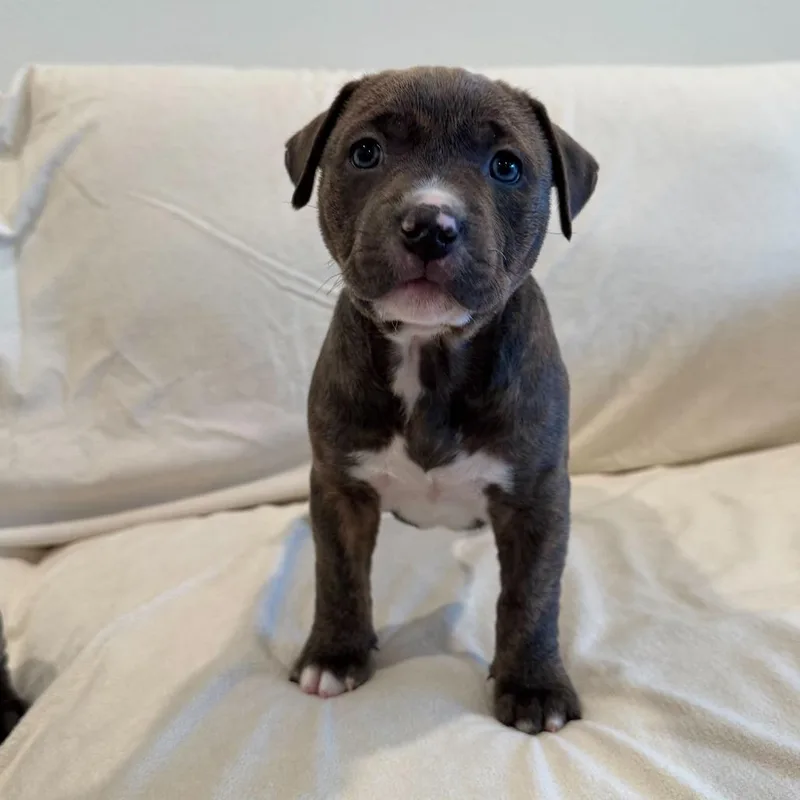
Malama
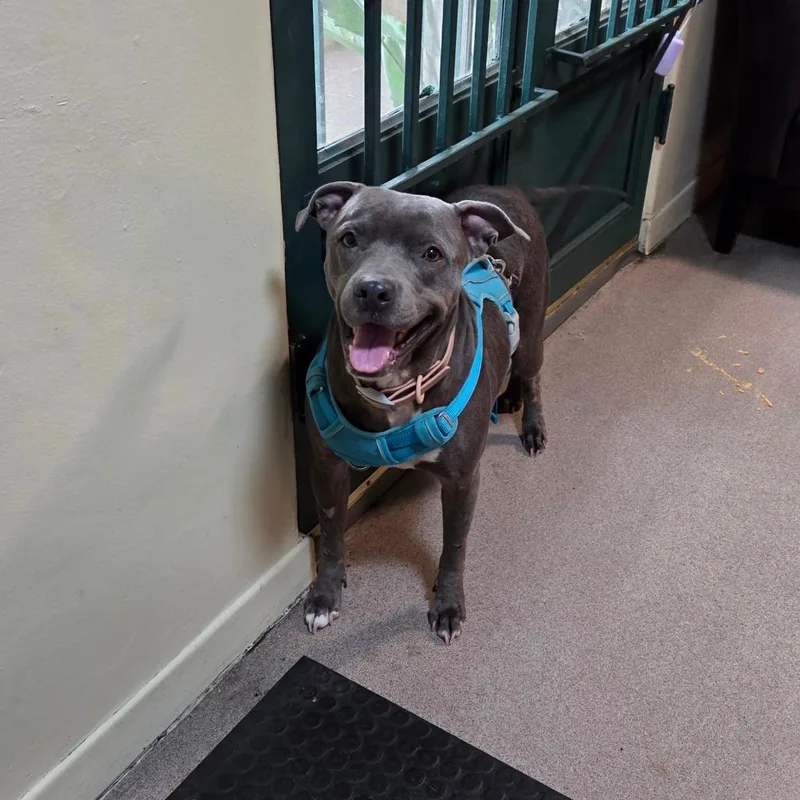
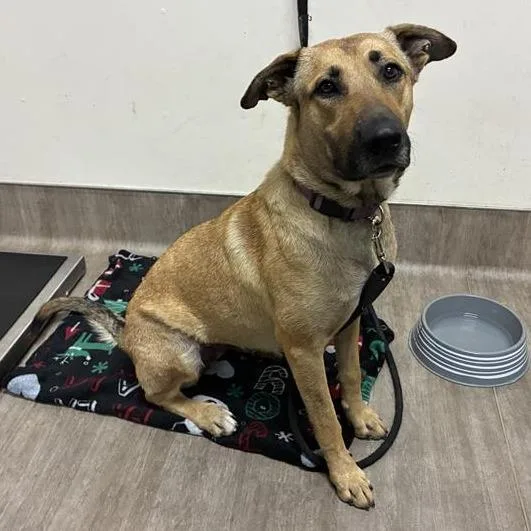
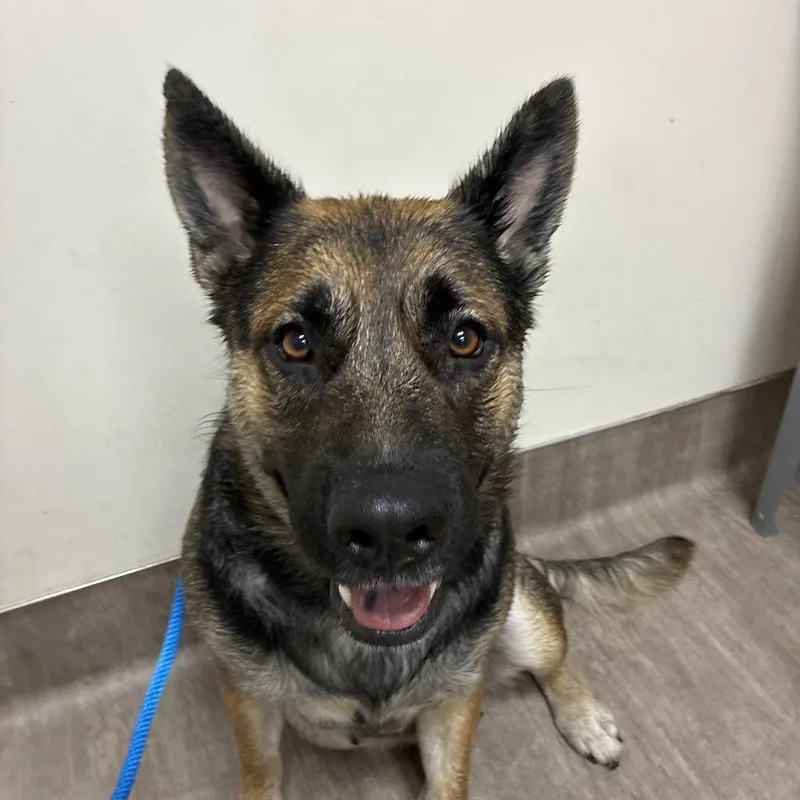
AvailableMalama is a large, young female mixed breed with a silvery gray and white coat. She has been spayed and has her vaccinations up to date. At just over one year old, Malama is currently in Los Angeles, CA and eager for a fresh start with a loving adopter.
About Malama
Malama checks all the right boxes if you want a dog who can melt into your side for a nap just as easily as she can chase toys around the living room. She’s a natural at cuddling, the kind of dog who will sleep through your late-night movie marathons and then follow you outside just to chase a breeze. Take her out for coffee and she’ll adjust to the vibe instantly—curious, friendly, and eager for the next treat. She’s passionate about apples and methodical when it comes to stashing bones, a skill she has down to an art. Her recall is sharp, and she truly loves showing off her problem-solving skills on a tough puzzle. Malama asks that she be your one and only dog. She enjoys new places and thrives when she’s your adventure buddy. If you’re looking for a loyal companion who brings warmth, fun, and a dash of comedic timing, she’s ready for her next chapter. Make her part of your adventures and your home. What are you waiting for? Apply today!
Adoption Fee

Inquire directly with rescue.
Adoption fees can usually be paid via credit card, or other convenient methods. Please check with the shelter for specific payment methods.
Rescues & Shelters
Questions about Malama
What type of living environment is this breed usually best suited for?
Malama, as a large mixed-breed dog, typically thrives in a home with active people and space to lounge. Homes with access to a yard or nearby parks suit her adventurous side best.
How much outdoor space does this breed typically need?
Large mixed breeds like Malama appreciate regular outdoor time and room to move, so a backyard or frequent trips to open spaces are ideal.
Is this breed typically suitable for homes with children?
Large mixed-breed dogs like Malama often do well in families, but every dog has their own preferences. Supervision and slow introductions are key when children are involved.