Sylvester
Available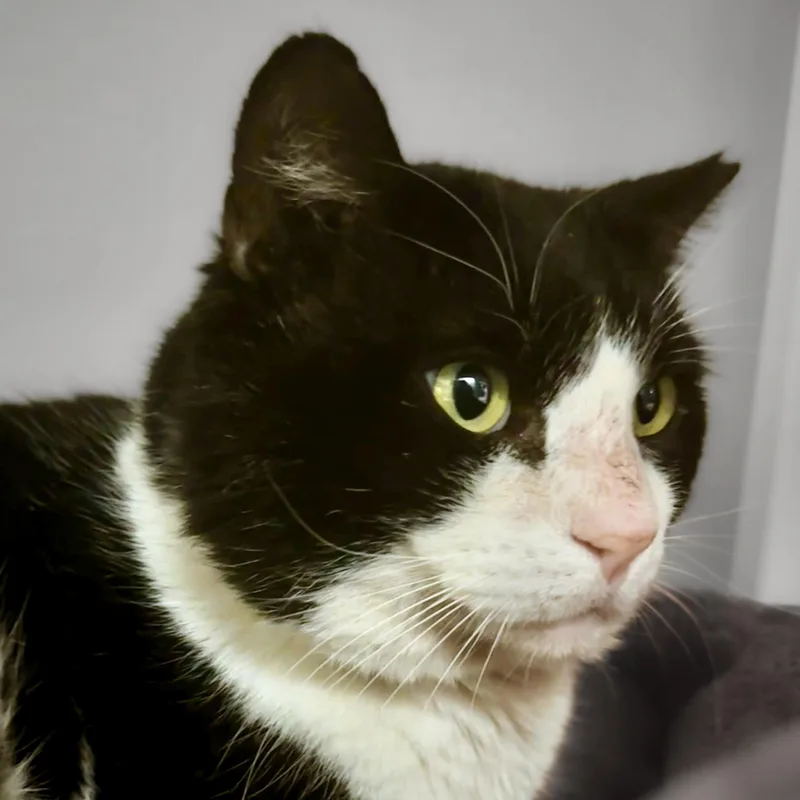
Sylvester
AvailableSylvester is a neutered male domestic short hair mix, extra-large in size, currently living in Santa Fe, NM. He is five years and four months old, house trained, and in good health despite being FIV+. Vaccinations are up to date. This big, easygoing cat is looking for a patient home willing to welcome an FIV+ companion.
About Sylvester
Sylvester landed in the rescue as a stray from Albuquerque and tested FIV positive, but he’s in great health and living life like any other cat. He’s expected to enjoy a normal lifespan, and while some prefer FIV+ cats to live solo or with another FIV+ buddy, it’s not a strict rule—actual risk comes from deep fighting, not casual living. Sylvester won’t give FIV to humans or other animals. He’s a big, confident guy who tells you what he wants, especially if it involves treats or some quality ear scratching. Patience will go a long way in helping him settle in, and his personality promises a rewarding bond if you give him the chance. He’s neutered, up to date on vaccines, and house trained. If you’d like to know more about caring for FIV+ cats, you can ask for resource material. Ready to meet your new best friend? Apply now!

Adoption Fee
$100Payment after application.
Help Sylvester find his forever home. Pay easily via credit card or other convenient payment methods.
Rescues & Shelters
Questions about Sylvester
What type of living environment is this breed usually best suited for?
Sylvester, as a domestic short hair mix, is adaptable and does well in most indoor environments. Apartments or houses work fine as long as he has comfortable spots and some privacy.
How much outdoor space does this breed typically need?
Domestic short hair cats like Sylvester don't require outdoor space and are safest living indoors, especially since he's FIV positive. A window perch or safe patio is more than enough for enrichment.
Is this breed typically suitable for homes with children?
Sylvester’s domestic short hair background means he can thrive in homes with respectful children. As always, supervision and teaching gentle handling are key.
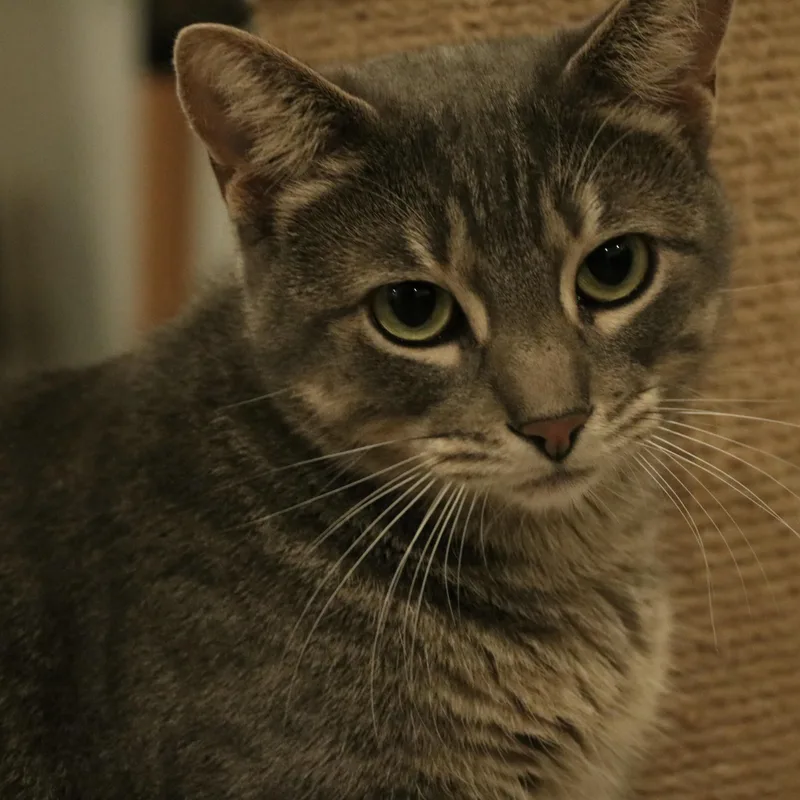
![Pumbaa [and Timon]](https://media.getbuddy.pet/resized-photos/5e9aa435-e793-4920-90ce-ad57d89f7994/800/0d0a91ac-983e-4583-b054-167413929ded.webp)
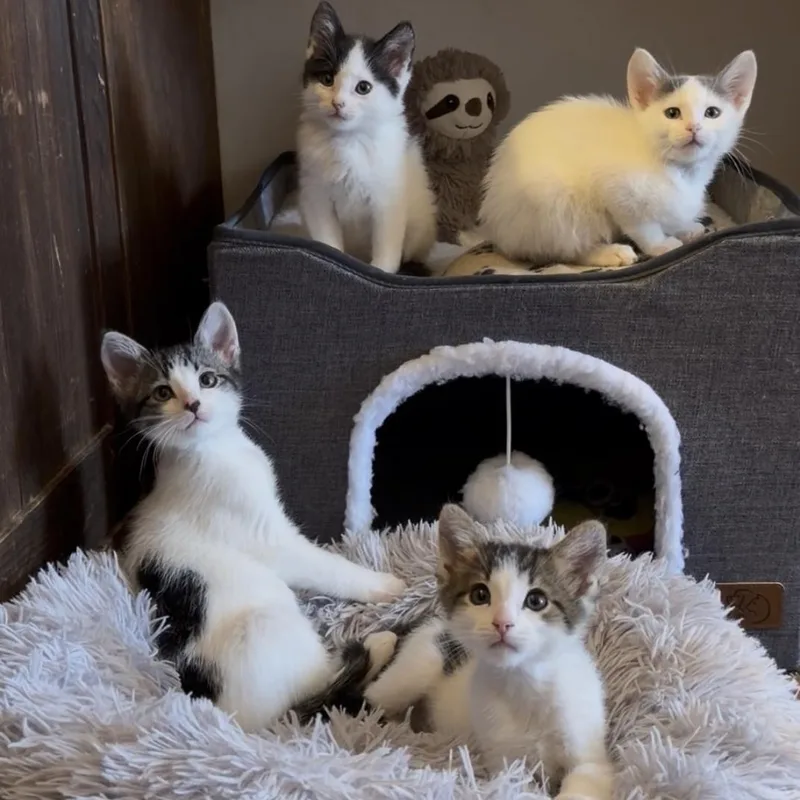
![Mr. Ziggy [and Figaro]](https://media.getbuddy.pet/resized-photos/2313bb2e-1229-45f3-ba8c-fe22d3b680e0/800/23460c1d-984b-4070-8c7c-eecf6155b302.webp)
![Figaro [and Mr. Ziggy]](https://media.getbuddy.pet/resized-photos/27afd664-dfca-4e78-a8d4-dc005f1ff5be/800/1dd2fa2e-ecb4-44fa-b5e5-df0c7dd4e17d.webp)
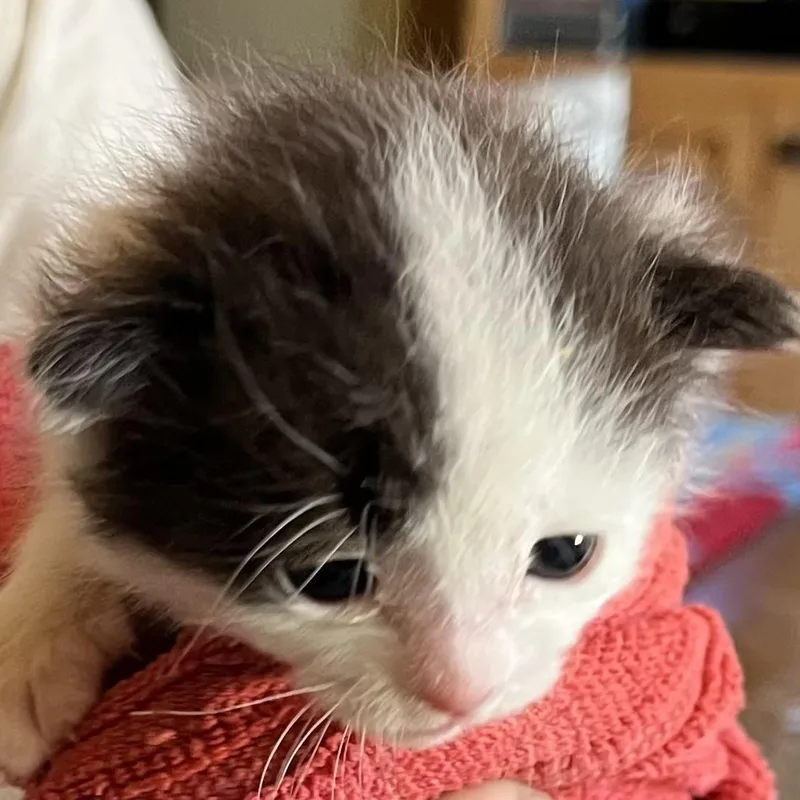
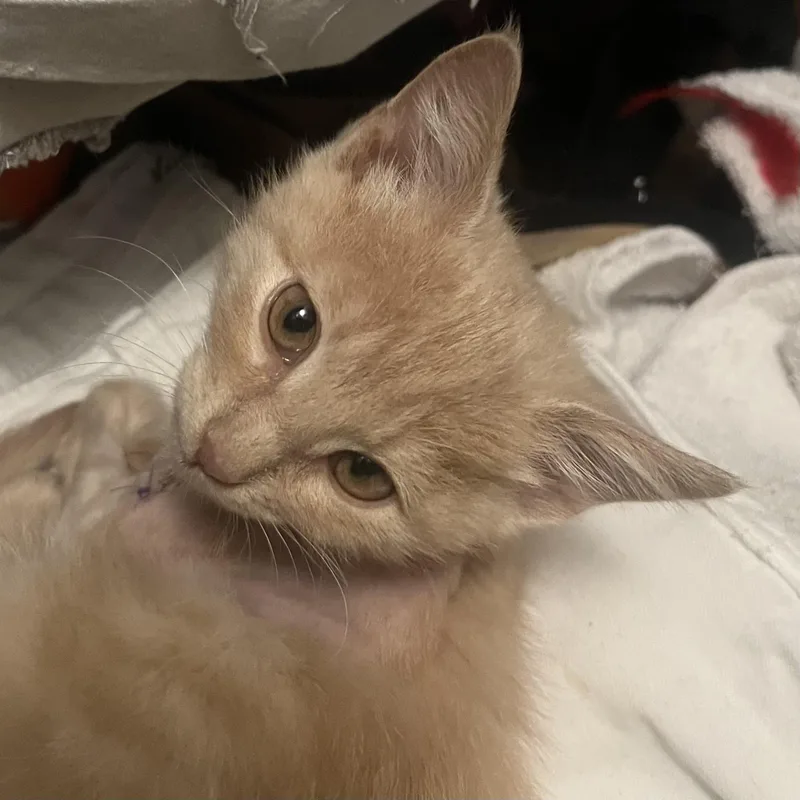
![Sherb [and Lolly]](https://media.getbuddy.pet/resized-photos/19f2eead-b516-463d-a534-3dd86a55f269/800/06454ded-48b7-40de-9a8e-62a738966880.webp)
![Lolly [and Sherb]](https://media.getbuddy.pet/resized-photos/a814f363-bdd6-45f5-863e-eebcfcd3bcfd/800/0269e610-c513-4485-82d0-d5d891075b1d.webp)