
Wilson
Available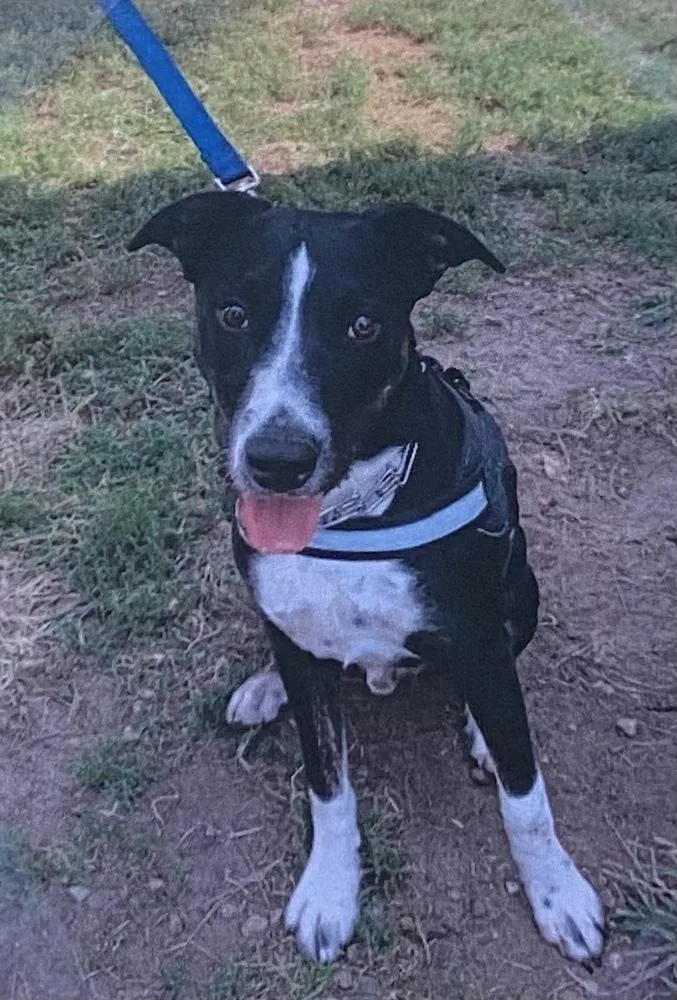
Wilson
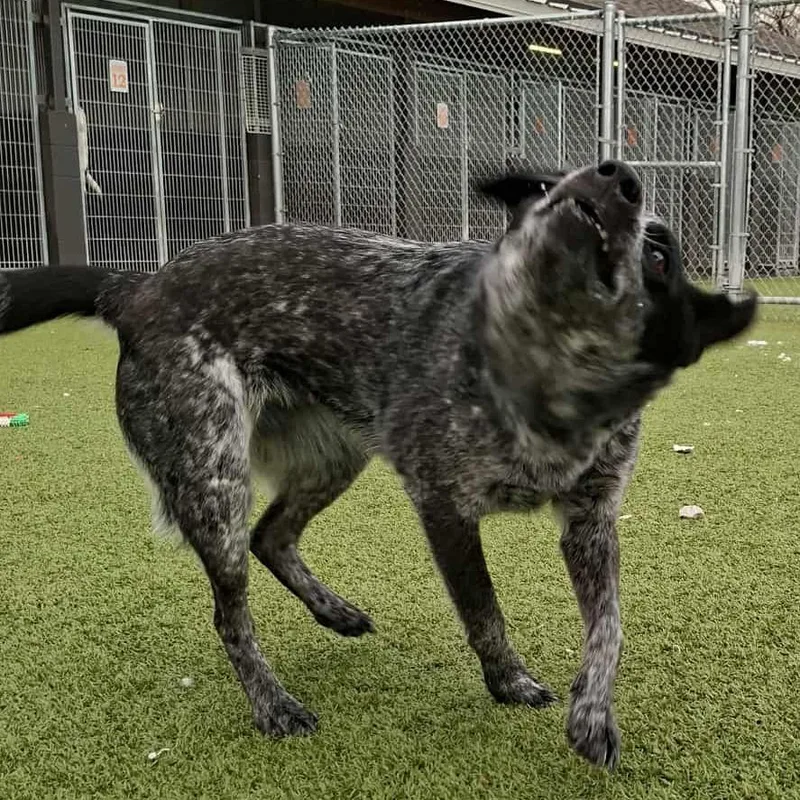
AvailableWilson is a tricolor (brown, black, & white) Australian Cattle Dog / Blue Heeler mix located at Protectors of Animal Welfare (P.A.W.). He is an adult, medium-sized male who has been neutered and is up to date on vaccinations. Born on March 2, 2021, wilson is ready to join a loving family and share his energetic and affectionate spirit.
About Wilson
Click apply and let the tail-wagging begin! Meet wilson, a tricolor (brown, black, & white) Australian Cattle Dog / Blue Heeler mix ready to find his forever family. As an adult medium-sized dog, he is looking for a loving home where he can thrive. Australian Cattle Dogs are known for their intelligence and loyalty, and wilson is sure to become a devoted companion. With vaccinations up to date and already neutered, he comes ready for a new start. Born on March 2, 2021, he's a Pisces, which means he's likely to have a sweet, sensitive side. Located at Protectors of Animal Welfare (P.A.W.), wilson is excited to meet someone who will appreciate his unique personality and give him the attention he deserves. Make their next chapter their best one yet.

Adoption Fee
$225Payment after application.
Help Wilson find his forever home. Pay easily via credit card or other convenient payment methods.
Rescues & Shelters
Questions about Wilson
What type of living environment is this breed usually best suited for?
Australian Cattle Dogs / Blue Heelers thrive in active households, especially those with space to roam, such as homes with large, securely fenced yards, or properties with acreage. They enjoy being part of a busy family and often excel in rural or suburban settings.
How much outdoor space does this breed typically need?
This breed benefits from plenty of outdoor space to run and play. A secure, spacious yard is ideal, and they flourish when given opportunities for outdoor activities and exercise.
Is this breed typically suitable for homes with children?
Australian Cattle Dogs can be suitable for families with children, particularly if properly socialized from a young age. Their herding instincts mean they may try to herd young kids, so supervision and training are important.
More pets matching your search
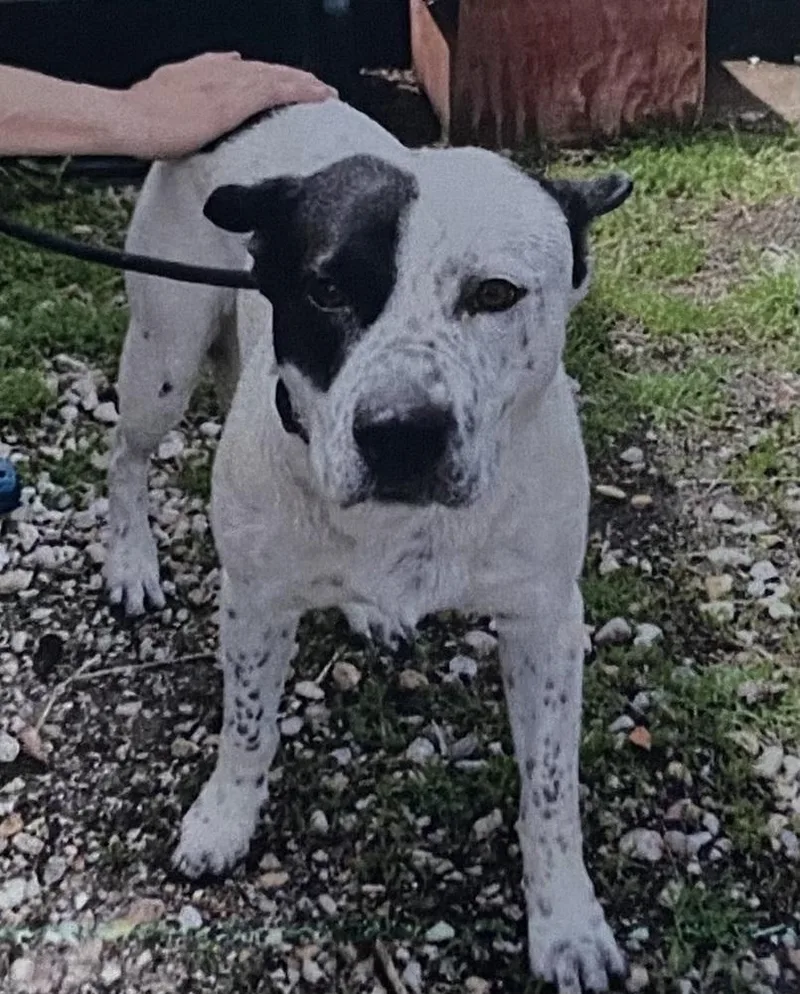
Larry,4 years old
Australian Cattle Dog / Blue Heeler
Fort Madison, IA
Hunter,4 months old
Australian Cattle Dog / Blue Heeler, Mixed Breed
Burlington, IA
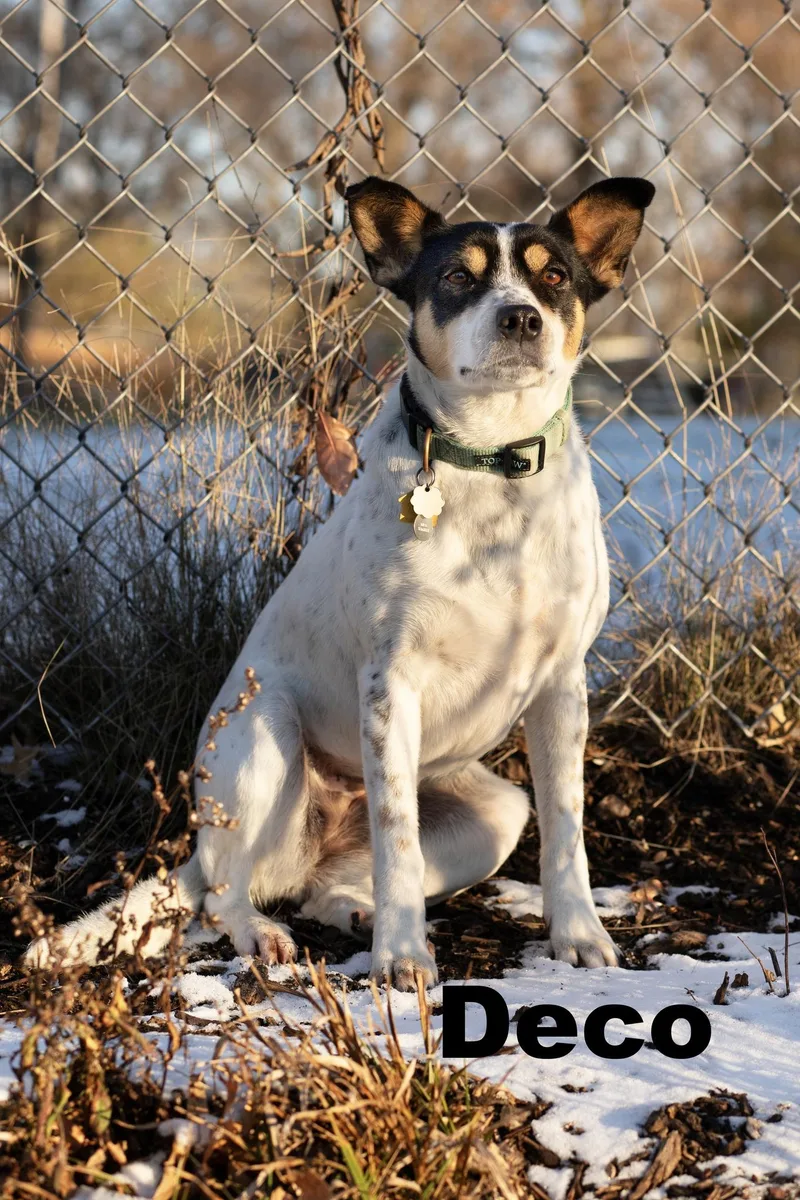
Deco,3-7 years
Australian Cattle Dog / Blue Heeler
Macomb, IL
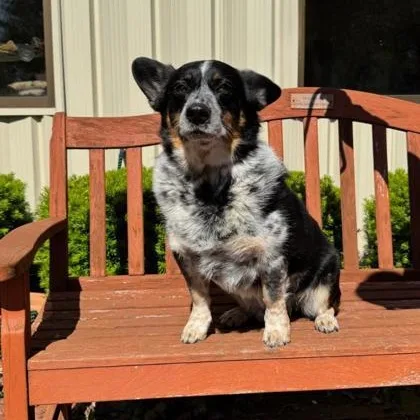
Walter,3-7 years
Corgi, Australian Cattle Dog / Blue Heeler
Quincy, IL
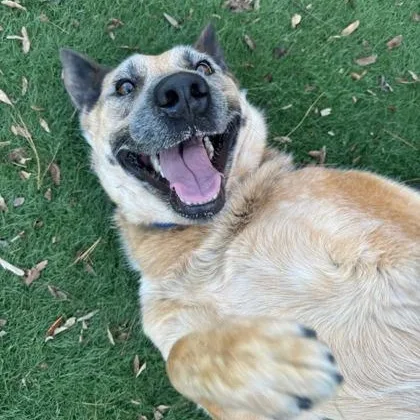
Festus,3-7 years
Australian Cattle Dog / Blue Heeler
Quincy, IL
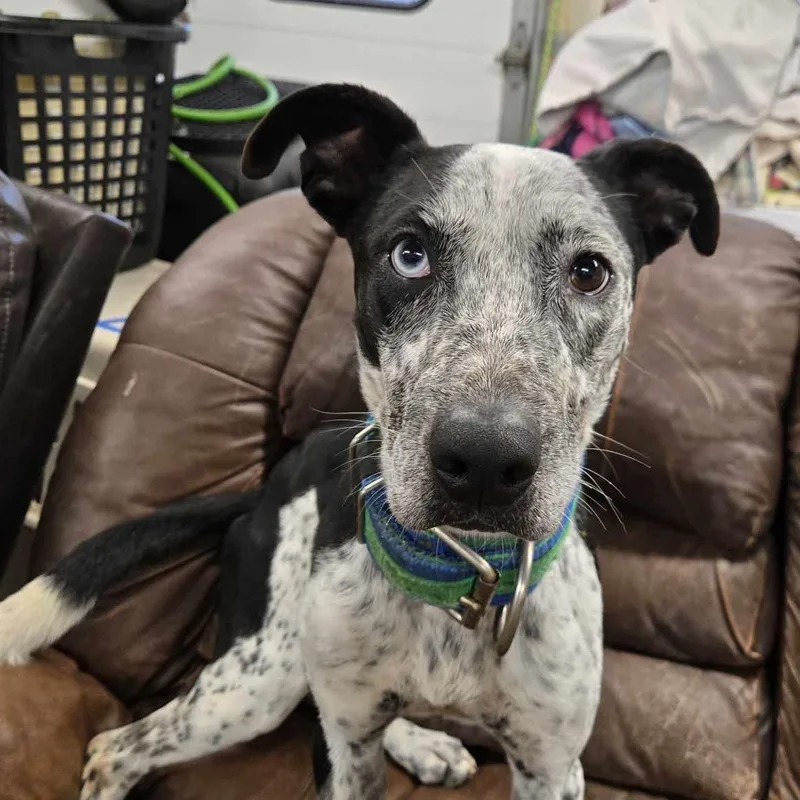
Louie,3-7 years
Australian Cattle Dog / Blue Heeler
Quincy, IL
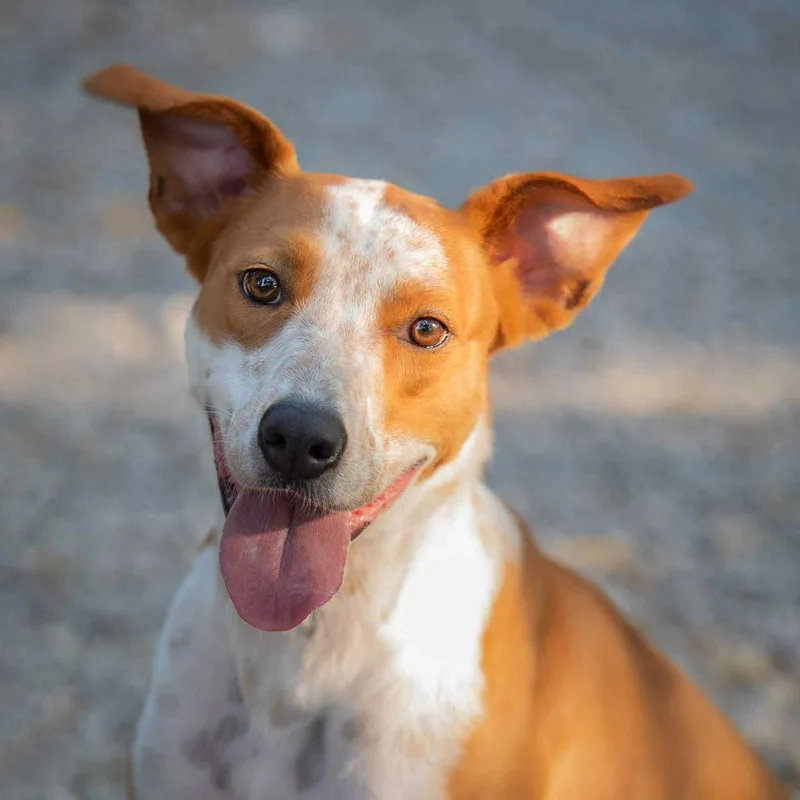
Ellie,3-7 years
Australian Cattle Dog / Blue Heeler, Hound
Quincy, IL
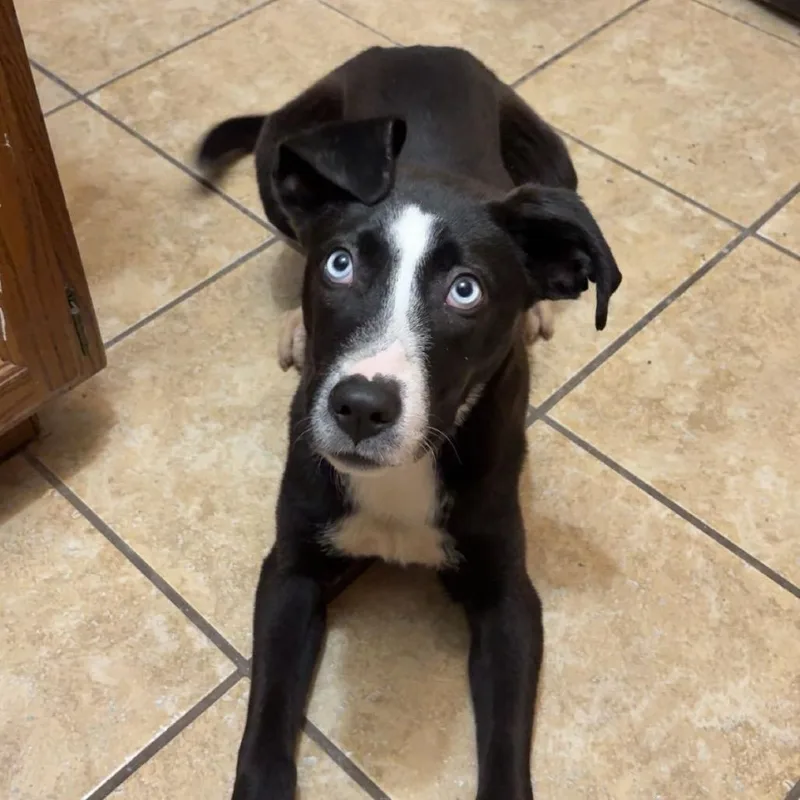
Zola,9 months old
Australian Cattle Dog / Blue Heeler, Mixed Breed
Muscatine, IA
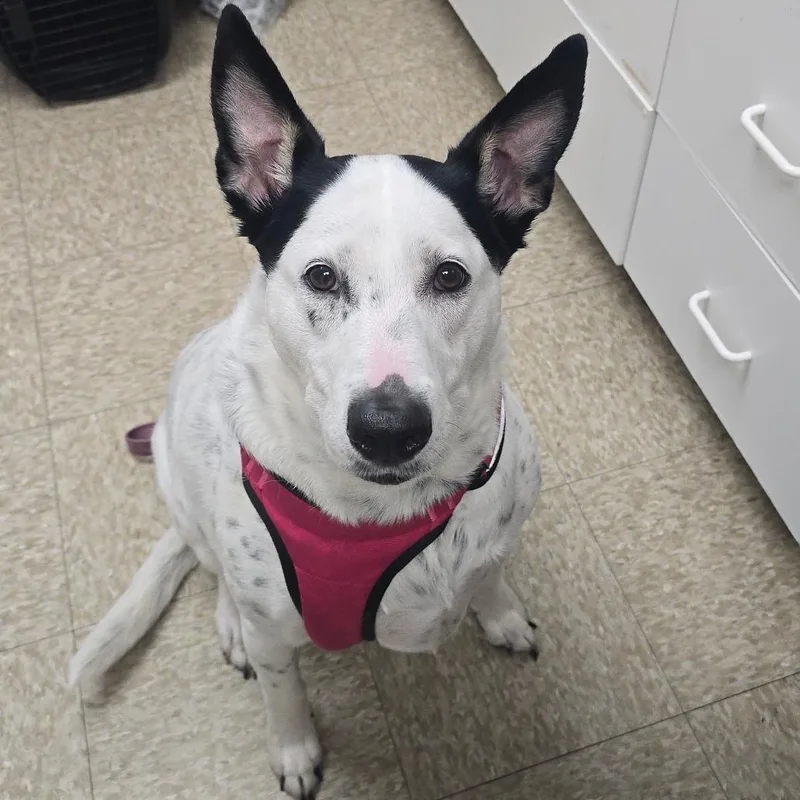
Hiro,6 years old
Australian Cattle Dog / Blue Heeler, Mixed Breed
Milan, IL
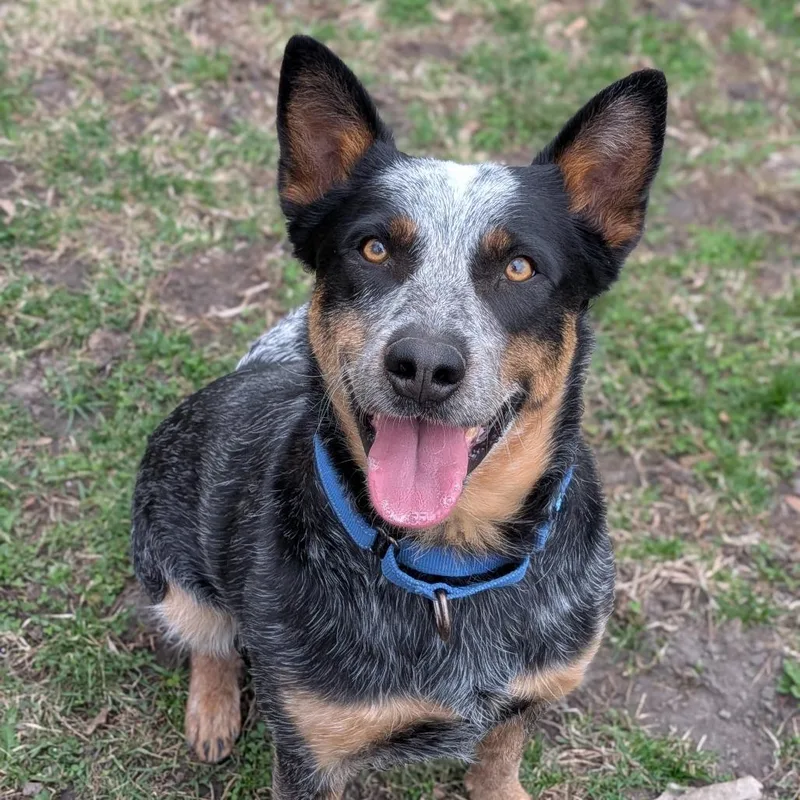
Coco Ii,2 years old
Australian Cattle Dog / Blue Heeler
Milan, IL
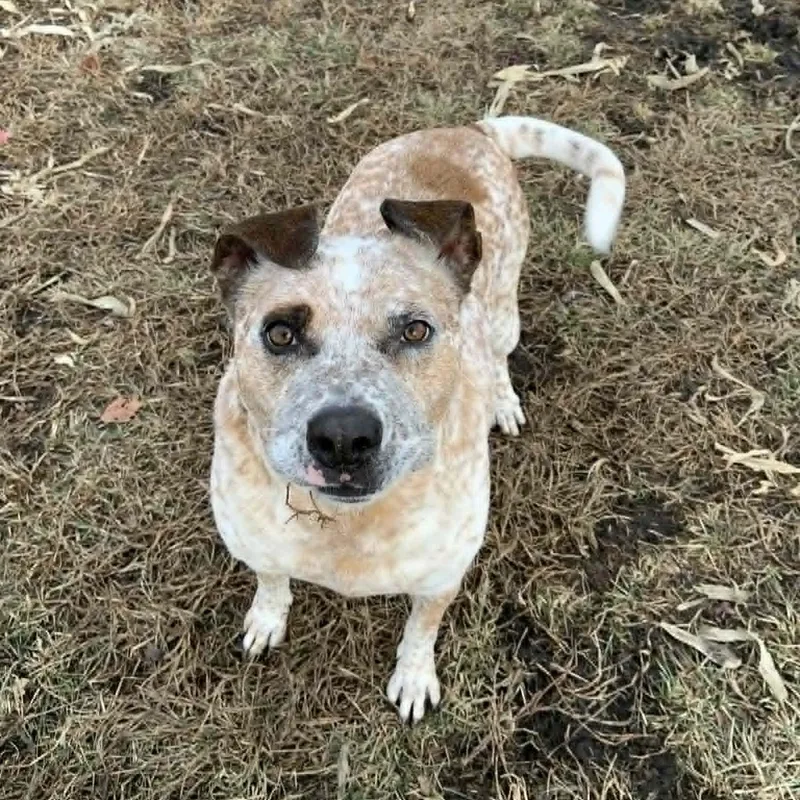
Jefferson,3-7 years
Australian Cattle Dog / Blue Heeler
Rushville, IL
Bluebell,3 years old
Australian Cattle Dog / Blue Heeler
Hannibal, MO