
Lexi
Available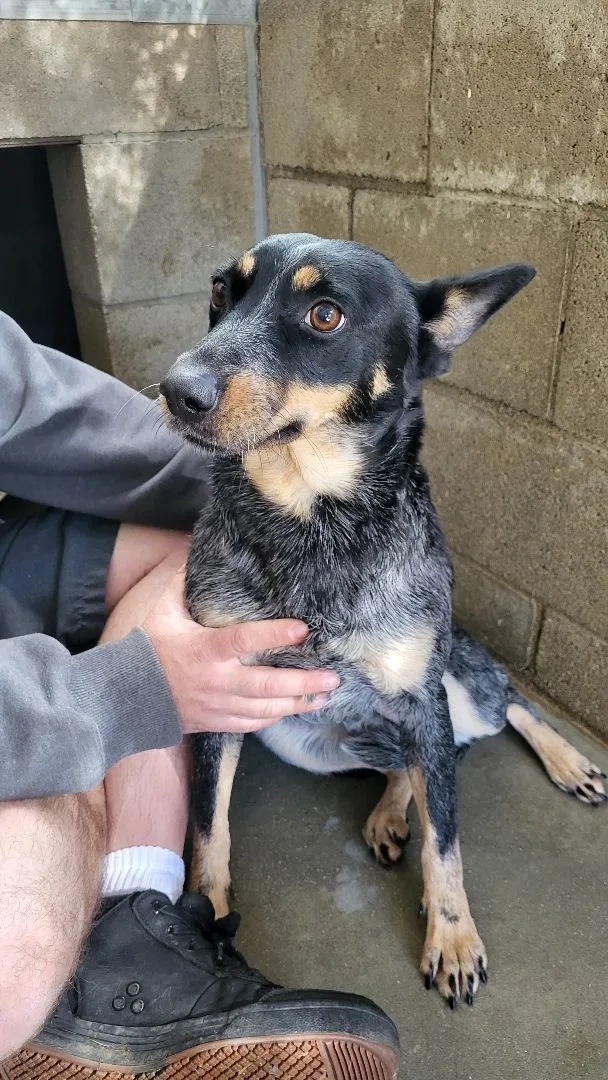
Lexi
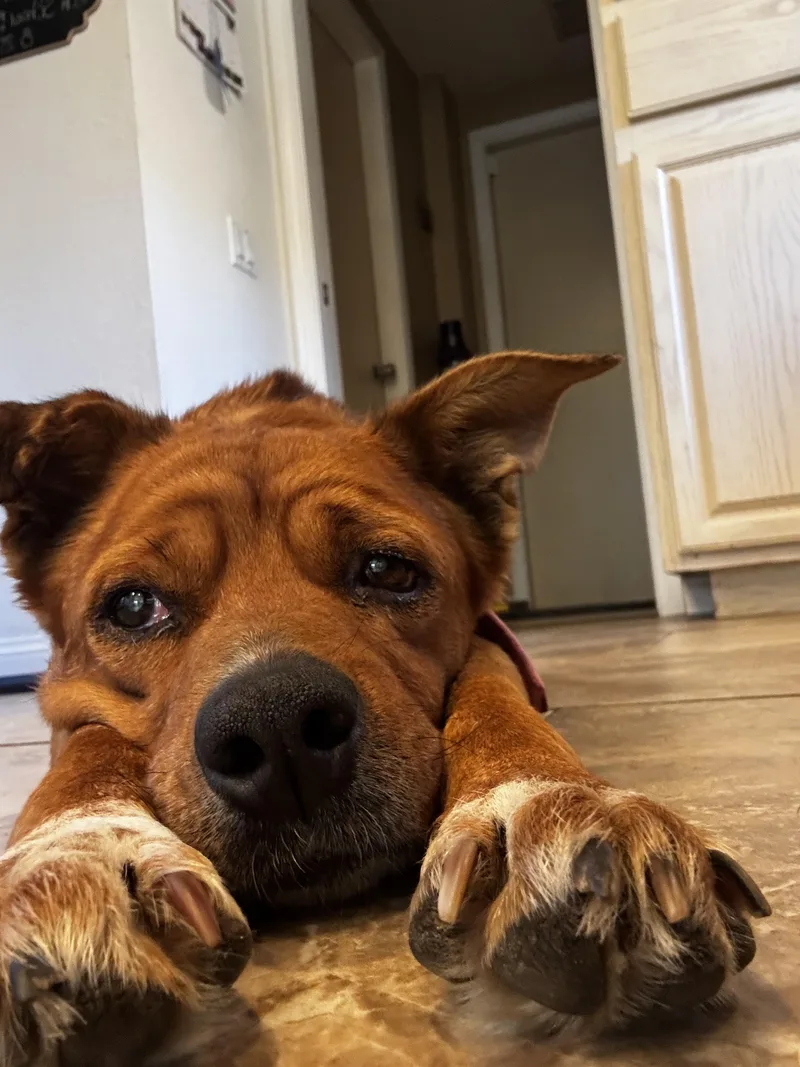
AvailableLexi is a beautiful, medium-sized female Australian Cattle Dog / Blue Heeler with a striking tricolor coat of brown, black, and white. She is currently an adult and sports a lovely medium-length coat. Lexi is up to date on her vaccinations and is being cared for by Dogerachi Rescue Group.
About Lexi
Click apply and let the tail-wagging begin! Sweet, beautiful Lexi is looking for a loving home! As a young Australian Cattle Dog / Blue Heeler, she is bursting with energy and eager to find someone willing to give her the time, patience, and love she deserves. Lexi is extremely shy at first but, once she feels comfortable, she showers her trusted people with deep affection and loyalty. Lexi is a fantastic candidate for a home with a larger property or someone searching for a dedicated running or hiking companion. She is currently not good with other dogs and might require a home without other animals or small children. With patience and gentle guidance, she will blossom into the confident, loving dog she is meant to be. Lexi is awaiting her spay appointment and will be fixed prior to adoption. Ready to fall in love? Hit apply and lets get started.

Adoption Fee
$250Payment after application.
Help Lexi find her forever home. Pay easily via credit card or other convenient payment methods.
Rescues & Shelters
Questions about Lexi
What type of living environment is this breed usually best suited for?
The Australian Cattle Dog / Blue Heeler thrives in environments where they have plenty of space to run, such as rural or suburban homes with large, secure yards. They do best with active families or individuals who can give them a job or purpose.
How much outdoor space does this breed typically need?
This breed is very energetic and requires ample outdoor space. A securely fenced yard where they can run freely is ideal, especially if complemented by regular walks or jogs.
Is this breed typically suitable for homes with children?
Australian Cattle Dogs can do well with children, especially when properly socialized, though their herding instincts may make them prone to nipping at heels. Supervision and positive interaction are important, particularly with younger children.
More pets matching your search
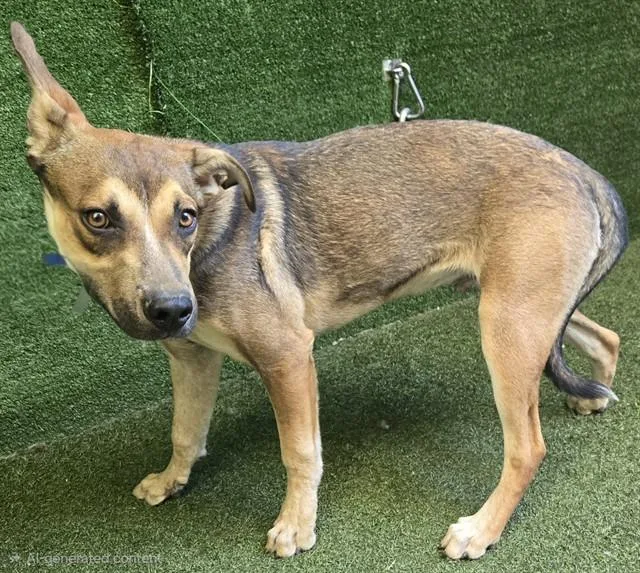
Graham
M, 6 mo.-2 y., 4 miles
Australian Cattle Dog / Blue Heeler, Mixed Breed
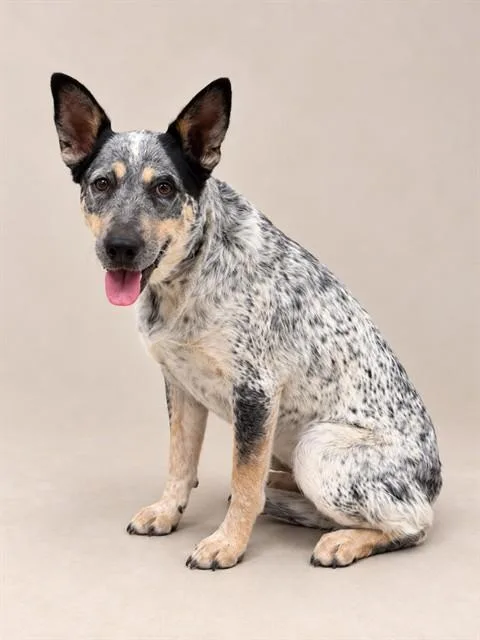
Lexi
F, 6 mo.-2 y., 4 miles
Australian Cattle Dog / Blue Heeler
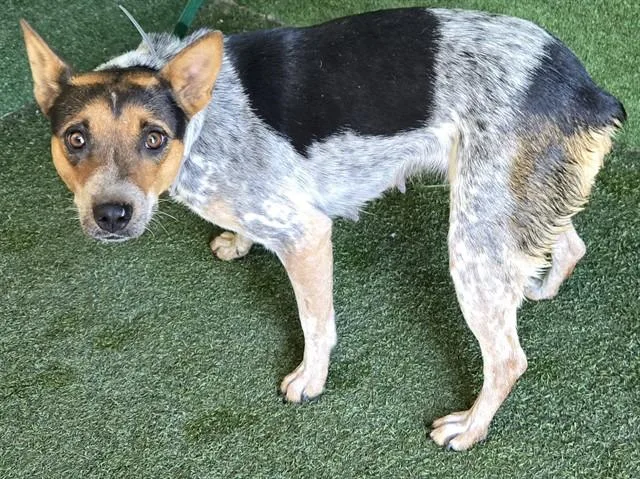
Bingo
F, 6 mo.-2 y., 4 miles
Australian Cattle Dog / Blue Heeler
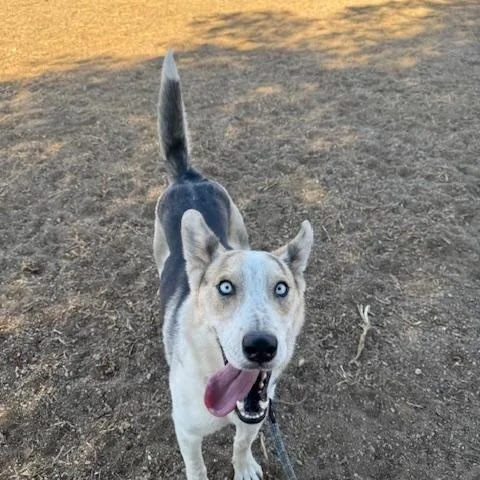
Elsie
F, 6 mo.-2 y., 16 miles
Husky, Australian Cattle Dog / Blue Heeler
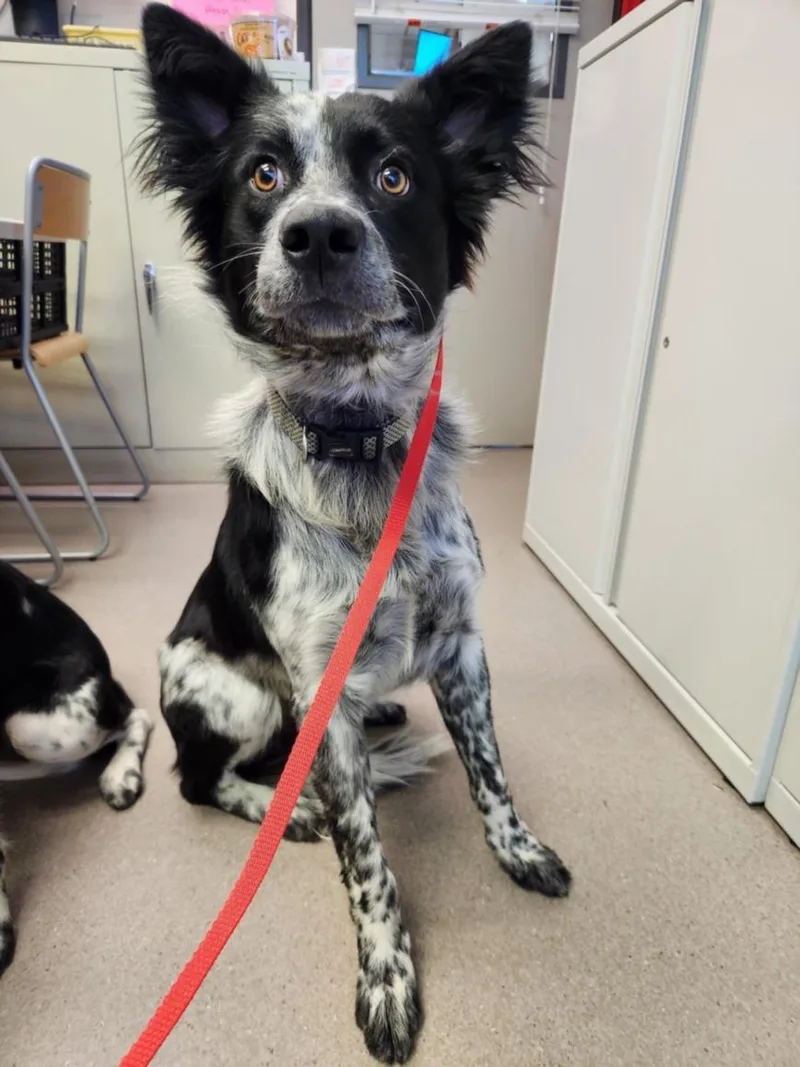
Ozzie
M, 6 mo.-2 y., 36 miles
Australian Cattle Dog / Blue Heeler
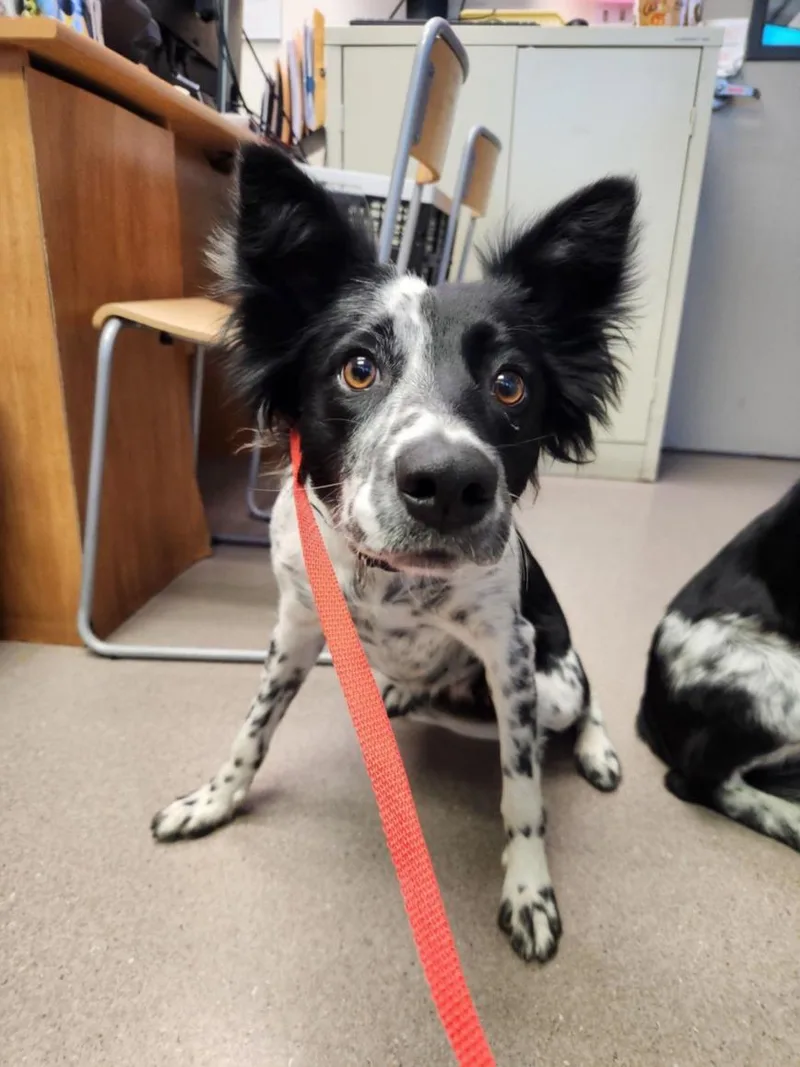
Harriett
F, 6 mo.-2 y., 36 miles
Australian Cattle Dog / Blue Heeler
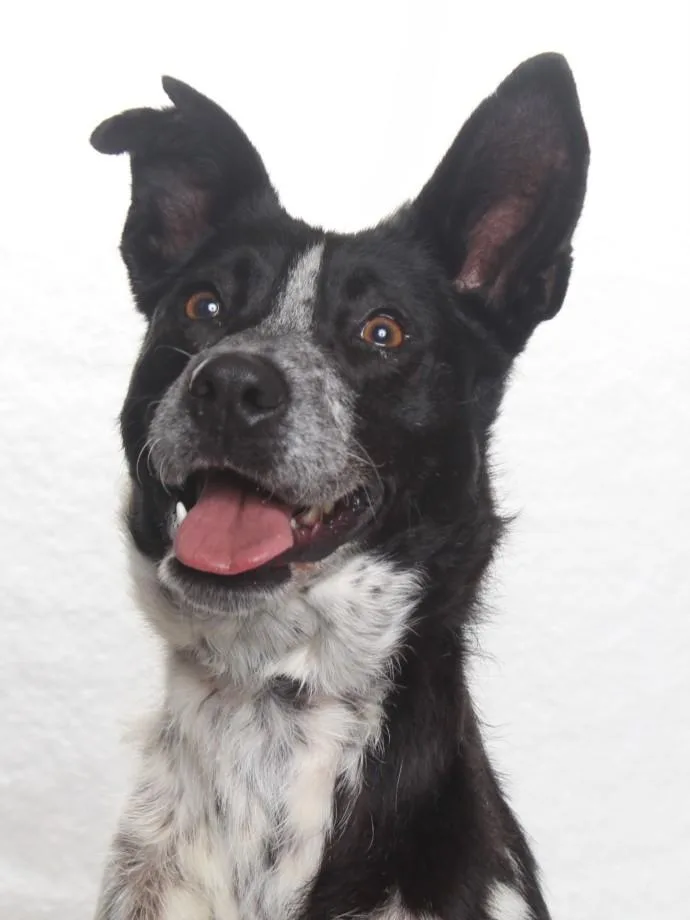
Penny
F, 3-7 y., 36 miles
Australian Cattle Dog / Blue Heeler, Mixed Breed
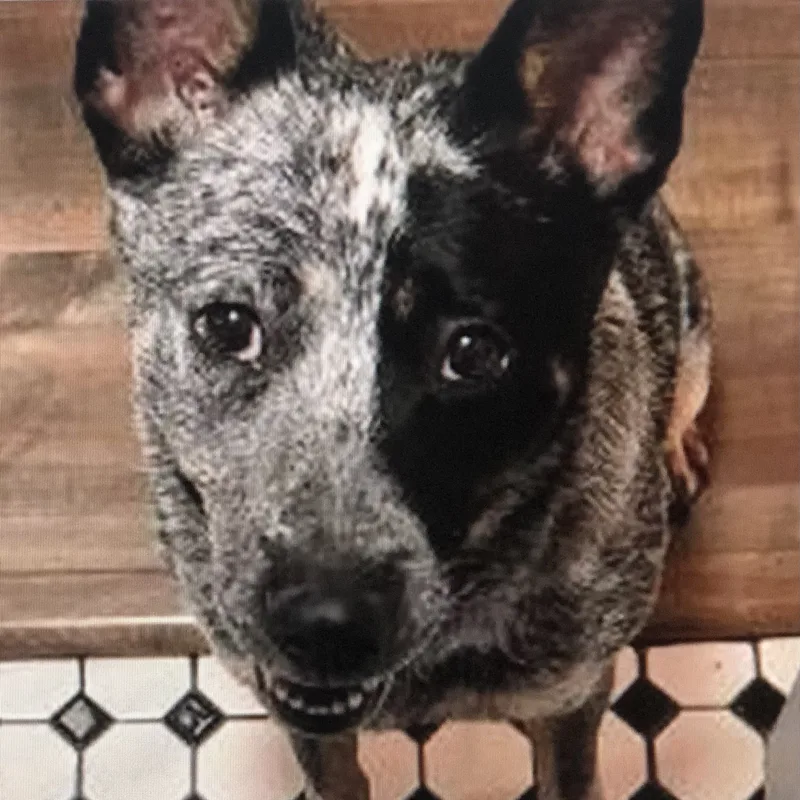
Bella
F, 3-7 y., 38 miles
Australian Cattle Dog / Blue Heeler
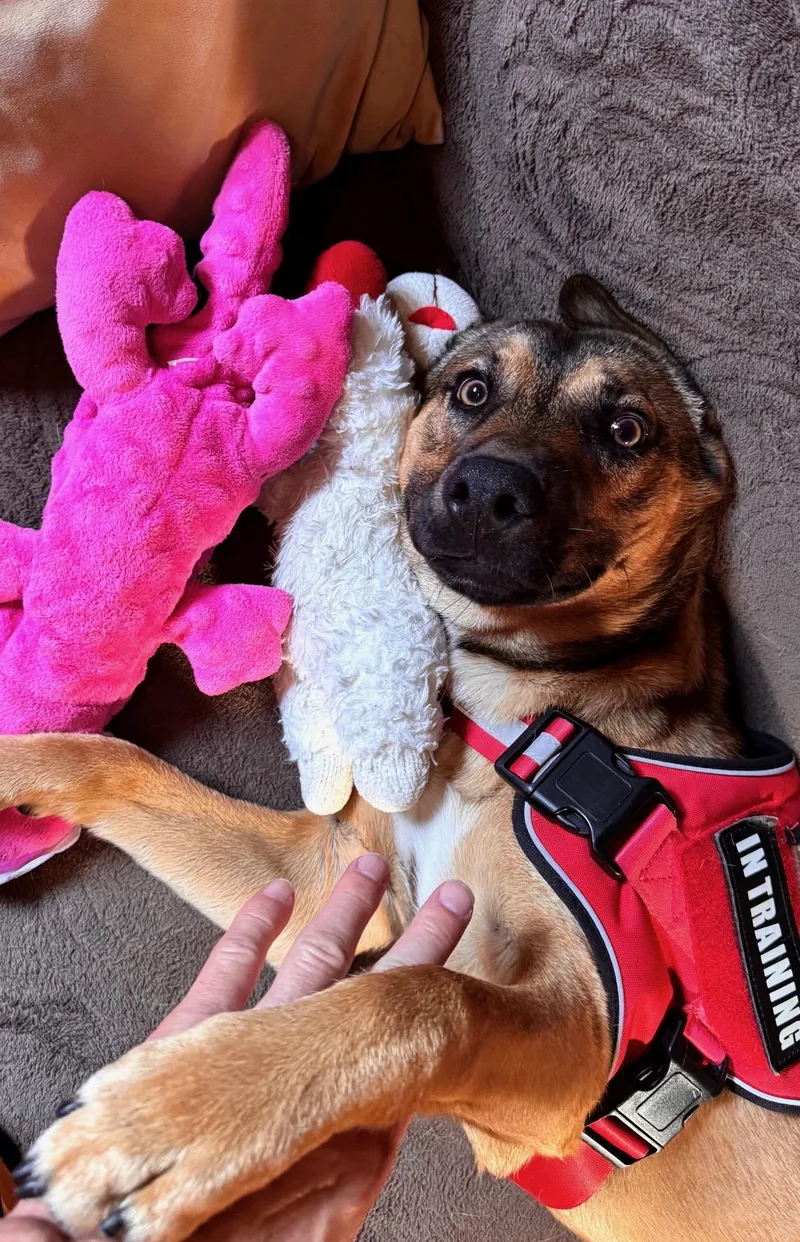
Kibo
M, 6 mo.-2 y., 40 miles
Australian Cattle Dog / Blue Heeler, Belgian Shepherd / Malinois
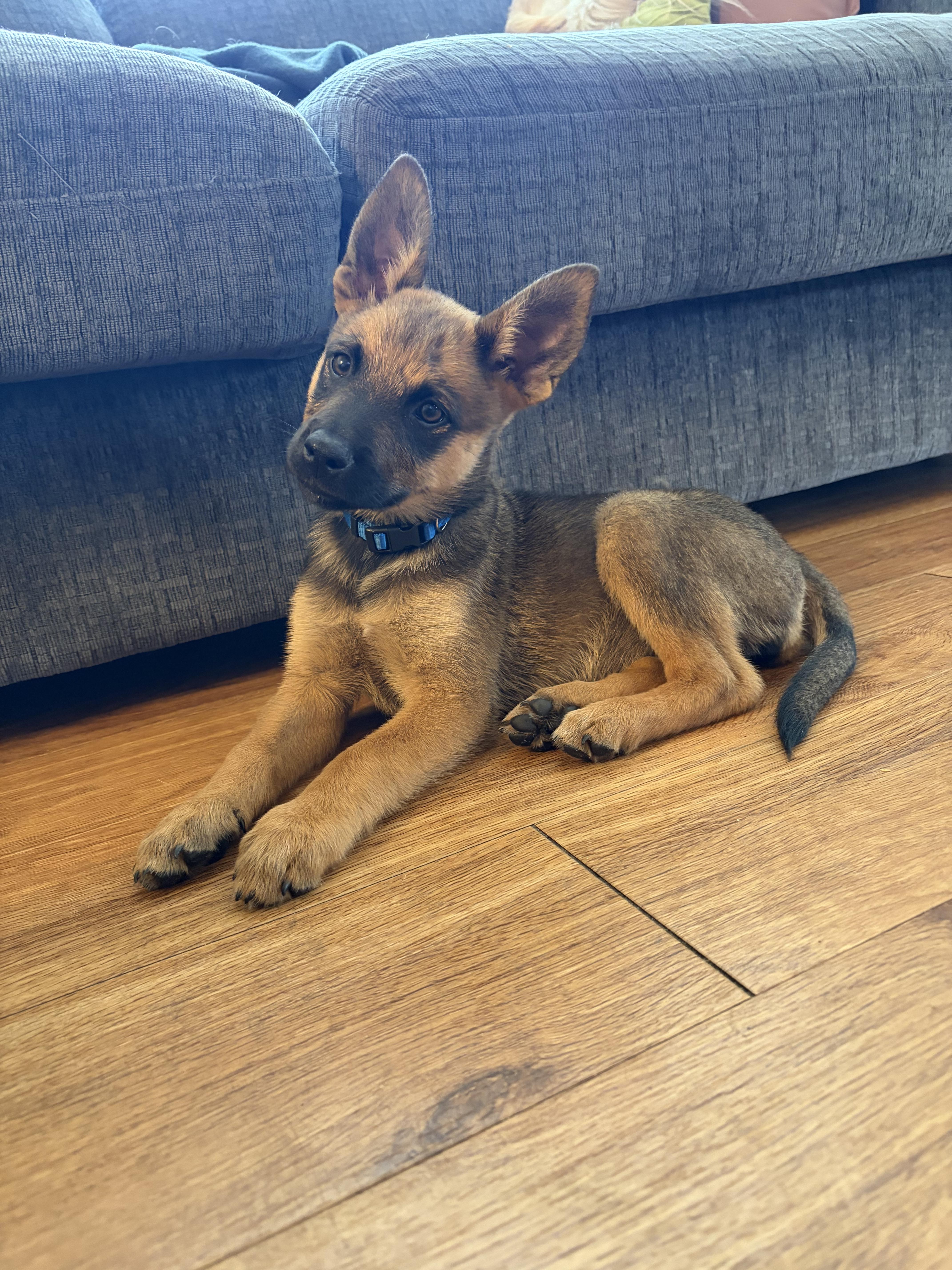
Kaia
F, 4 mo., 42 miles
Australian Cattle Dog / Blue Heeler, German Shepherd Dog
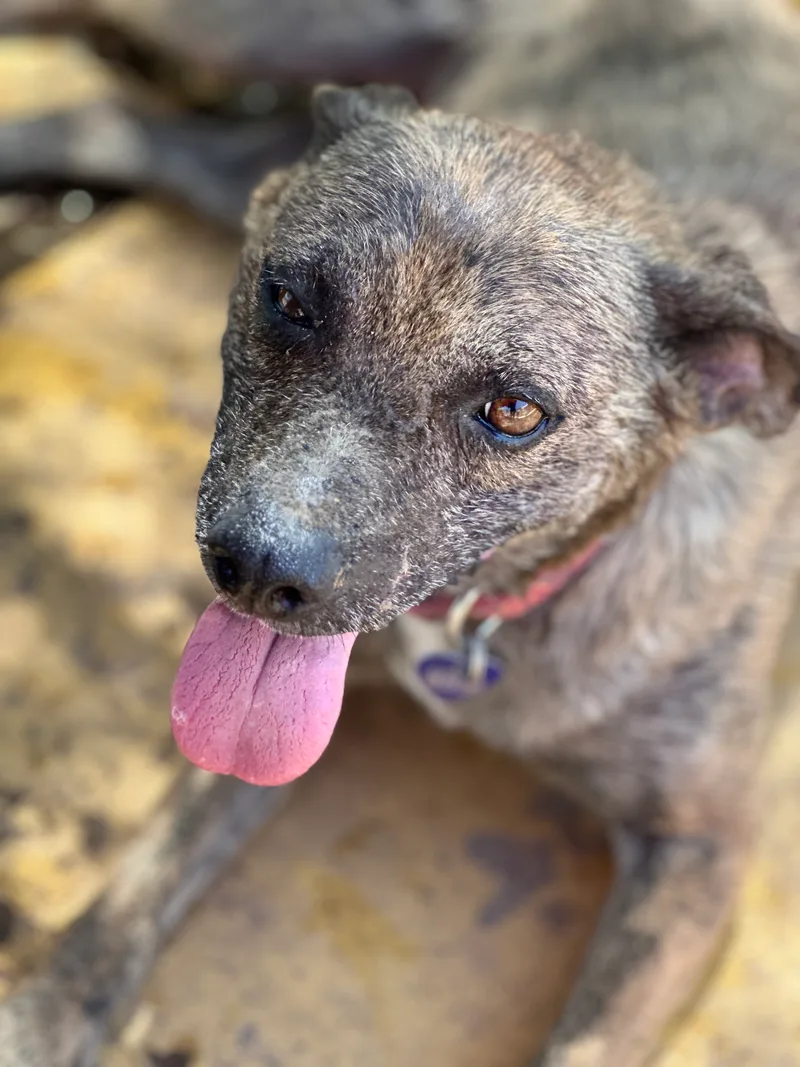
Patches
F, 3-7 y., 42 miles
Australian Cattle Dog / Blue Heeler
Tally
F, 3-7 y., 42 miles
Australian Cattle Dog / Blue Heeler