Belgian Shepherd / Sheepdog Dogs for Adoption in Milwaukee, WI

Your guide to finding and caring for a Belgian Shepherd / Sheepdog in Milwaukee

A Belgian Shepherd fits Milwaukee best with someone who treats the daily workout as non-negotiable. Story Hill's quiet, tree-lined streets work well for brisk morning loops, and Havenwoods State Forest's 237 acres on the north side give a Belgian room for longer leashed outings. These dogs are lean, watchful and eager for a job, so they do well with owners who enjoy training as much as walking. Plan on a winter routine that keeps the dog busy when the sidewalks ice over.

33 Belgian Shepherd / Sheepdogs available in Milwaukee and nationwide

Your Belgian Sheepdog is waiting

While we don't have enough dogs near Milwaukee, keep in mind that many rescues may offer transport.

Belgian Shepherd / Sheepdogs Available for Adoption Near Milwaukee

About the Belgian Shepherd / Sheepdog breed

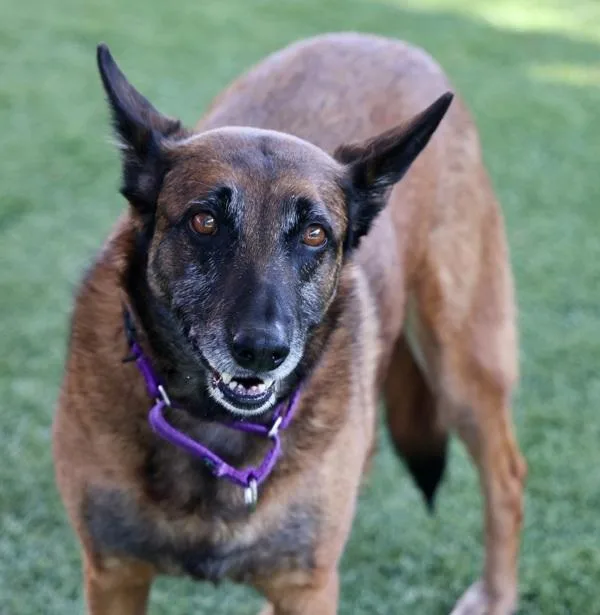
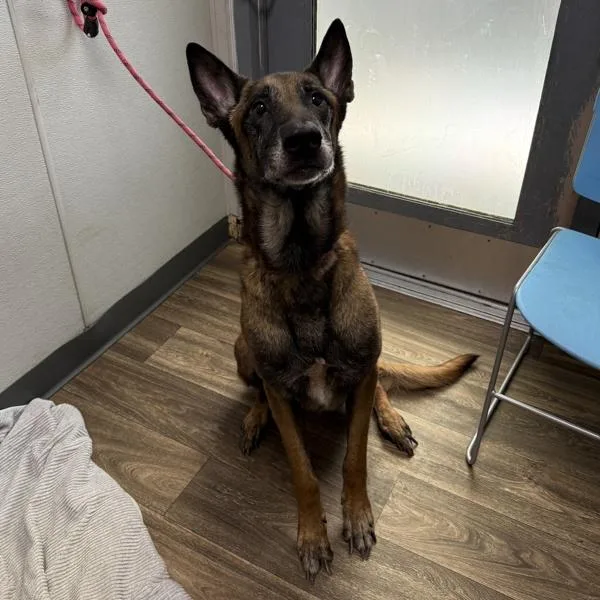
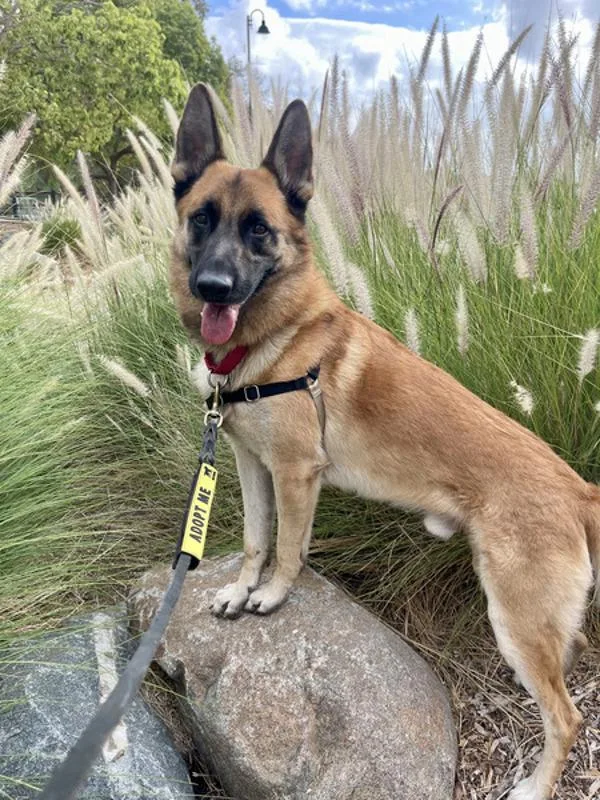
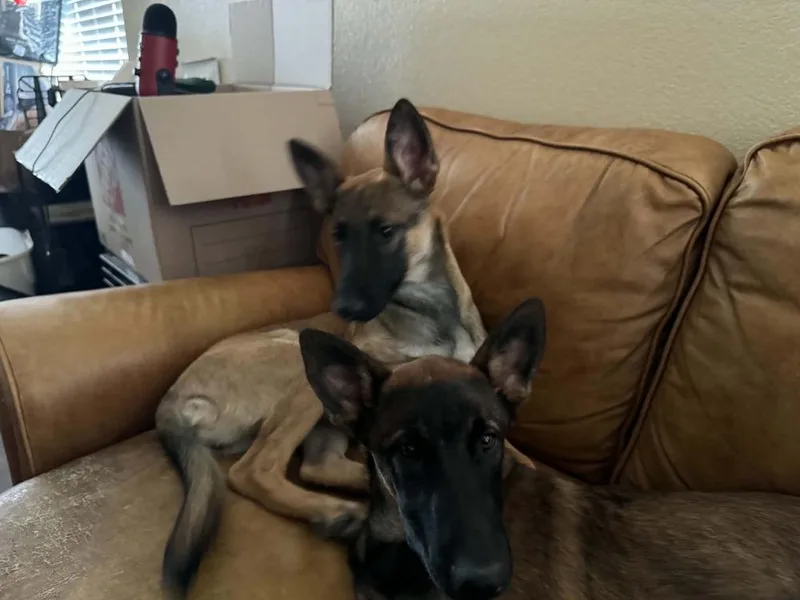
Belgian Shepherds come from Belgium, where a breed club and Professor Adolphe Reul sorted a mix of herding dogs into one breed in 1891. There are four coat types: the long black Groenendael, the long fawn Tervuren, the short fawn Malinois and the rough-coated Laekenois. The American Kennel Club registers them as four breeds and calls the Groenendael the Belgian Sheepdog. All share a square, elegant frame and upright ears.

Coat type matters in Milwaukee. Long-coated Groenendaels and Tervurens carry a dense undercoat that suits the cold months, while a short-coated Malinois feels the chill sooner and may want a jacket on the harshest days. All of them shed, heavily twice a year. They are devoted, watchful and quick to learn, and they rarely settle for a sedentary life, so they suit engaged homes that want a training partner.

Weight
40–75 lbs
Height
22–26 in
Lifespan
12–14 yrs
Temperament
Intelligent, Energetic, Protective, Devoted
Group
Herding
Shedding
Moderate to High

Owning a Belgian Shepherd / Sheepdog in Milwaukee

Having a Belgian Shepherd / Sheepdog in Milwaukee

Sharp intelligence, a strong work ethic and close attachment to their people define Belgian Shepherds. In Milwaukee, the real questions are whether you can supply daily exercise through snowy months and whether your home suits a large, watchful dog.

Temperament

Belgians tend to be alert, sensitive and loyal, often reserved with strangers. On busy Milwaukee sidewalks that watchfulness can show up as barking or lunging at passing dogs and bikes, so early, calm socialization matters. Herding instincts may bring chasing or nipping. Each dog differs, and consistent, reward-based training helps.

Exercise Needs

Plan on an hour or more of vigorous activity daily, plus training or scent games. Leashed runs on county trails like the Oak Leaf Trail, county dog exercise areas with a permit, and indoor classes in winter all help. Without enough work, Belgians may pace, chew or become reactive. Malinois-type dogs often need the most.

Health Considerations

Hip and elbow dysplasia, epilepsy, eye conditions such as progressive retinal atrophy and pannus, and skin allergies are documented in the breed, and gastric cancer appears often in Tervuren and Groenendael lines. A veterinarian can check hips, eyes and skin early. Persistent vomiting or weight loss in a middle-aged Belgian needs prompt attention.

Living Space

A Belgian can manage in a Milwaukee duplex, bungalow or apartment if exercise is reliably met, but a fenced yard helps for quick breaks. Belgians stay close to their people indoors, and shedding is noticeable, especially in long-coated varieties. A dog left alone for long stretches may bark or chew.

What it costs to own a Belgian Shepherd / Sheepdog in Milwaukee

ExpenseTypical costPer year
Food$55 to $110 per month$660 to $1,320
Pet insurance$65 to $130 per month$780 to $1,560
Routine vet care$250 to $500 per year$250 to $500
Other*$587 to $1,474 per year$587 to $1,474
Estimated yearly total (after year one)$2,277 to $4,854

Other costs are estimates and vary with size, age and health.

* The $12 to $24 Milwaukee County dog license, flea, tick and heartworm prevention, a dental cleaning allowance, toys and bedding, and brushing and baths for heavy seasonal shedding.

Adopt a Belgian Shepherd / Sheepdog in Milwaukee.

Now that you know more, let’s find you a new best friend. These rescues and shelters below have dogs available in and near Milwaukee.

Rescues and Shelters in or near Milwaukee

Milwaukee's shelters and rescues care for thousands of animals every year, from small companions to large, energetic dogs. Here are the rescues & shelters in the Milwaukee area with dogs available for adoption, worth asking whether a Belgian Shepherd / Sheepdog is coming in.

Frequently Asked Questions

Yes. Milwaukee has no breed-specific rules, since the Common Council removed its breed language in July 2026. You'll need a rabies vaccine, and the city requires every dog to be microchipped and registered with a recovery database. If ownership changes, the registry must be updated within 30 days.

Yes, most can. Milwaukee winters are long, but a Belgian's dense double coat handles cold well when the dog keeps moving. The bigger issue is boredom: short days and icy sidewalks cut into exercise, so add indoor training, puzzle feeders and scent games. Short-coated Malinois types feel the cold sooner and may want a jacket.

It can be, for active, engaged owners. Milwaukee offers county trails, several off-leash parks and a cold season that suits the breed's coat, but Belgians need daily training and exercise whatever the weather. They fit poorly with long days alone or a wish for a low-key pet. Browse the dogs listed here to compare energy levels.

Sometimes. A Belgian can settle in a Milwaukee apartment when it gets a long daily workout and training, but watchful dogs may bark at hallway sounds, and animal noise complaints go to the city's Department of Neighborhood Services. A ground-floor or quieter unit helps, and the lease should be checked for breed and weight limits.

Granville Dog Park on the far northwest side has the most room, with wooded paths along the Menomonee River. Roverwest and Bay View also have off-leash areas. All need a county permit, a license and rabies tags, and no more than three dogs per owner. Puppies under six months shouldn't use them. Fenced parks suit a reactive Belgian best.

Brush a few times a week, and daily during the heavy sheds that come in spring and fall. Long-coated Groenendaels and Tervurens need more work than short-coated Malinois. In winter, wipe salt from paws and check between the toes. Occasional baths fit within the Other costs line, which includes brushing and baths.

Only on some outdoor patios. Wisconsin's food code lets dogs into exterior outdoor dining areas but never indoors, and each restaurant decides whether to allow them. Dogs must stay off chairs and tables. A watchful Belgian may find a crowded patio stressful, so practice settling on a mat first and keep the leash short.

Not unless they're service dogs. MCTS buses, including the CONNECT 1 line, and The Hop streetcar allow only service animals or pets in a closed carrier that fits on your lap. A Belgian Shepherd is far too big for that, so plan car trips or walkable routes for outings.

A Belgian Shepherd is a medium-large herding dog from Belgium, developed in the late 1800s to tend sheep and guard farms. Most registries treat it as one breed with four coat varieties: Groenendael, Tervuren, Malinois and Laekenois. Belgians are athletic, square-built dogs with upright ears, known for intelligence and drive, and they are widely used in police and sport work.

Budget roughly $2,300 to $4,850 a year for a Belgian Shepherd in Milwaukee, covering food, insurance, routine vet care and other costs. Food runs $55 to $110 a month and insurance $65 to $130. Routine care is $250 to $500 a year, and other costs run $587 to $1,474.