Keeshond Dogs for Adoption in Fayetteville, AR

Your guide to finding and caring for a Keeshond in Fayetteville

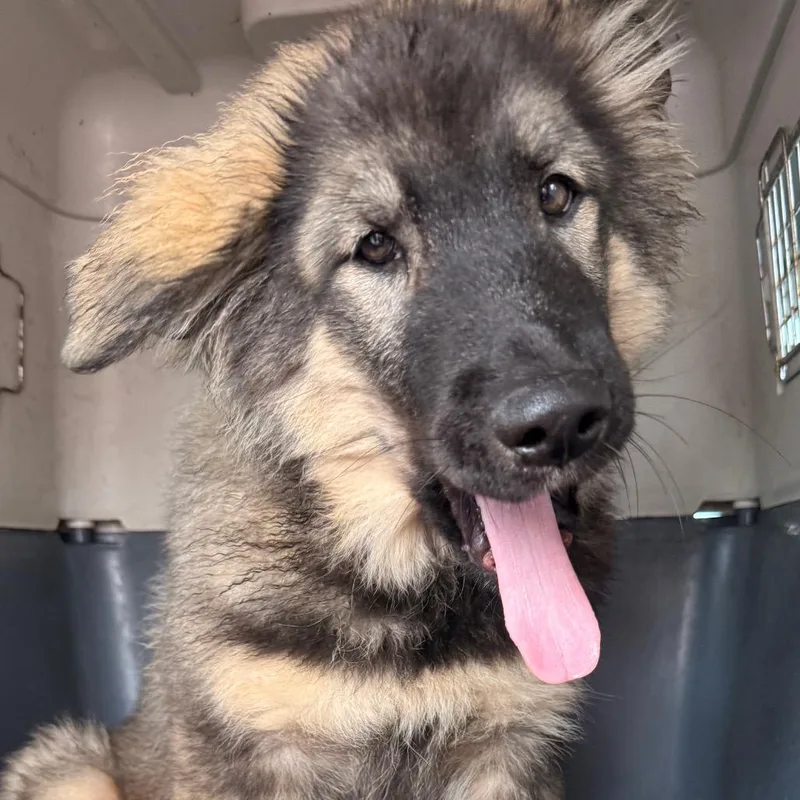
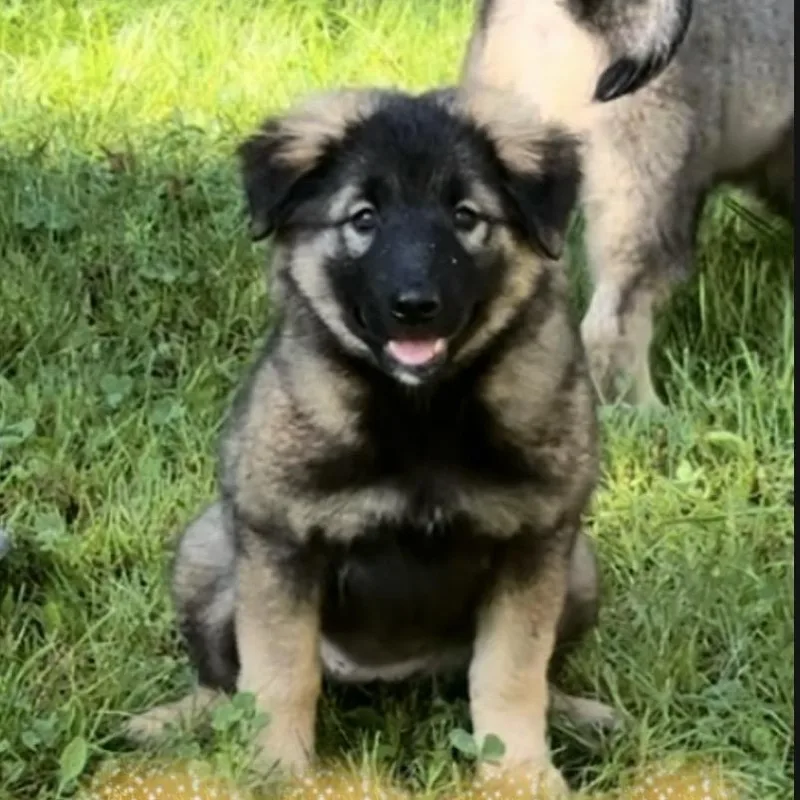
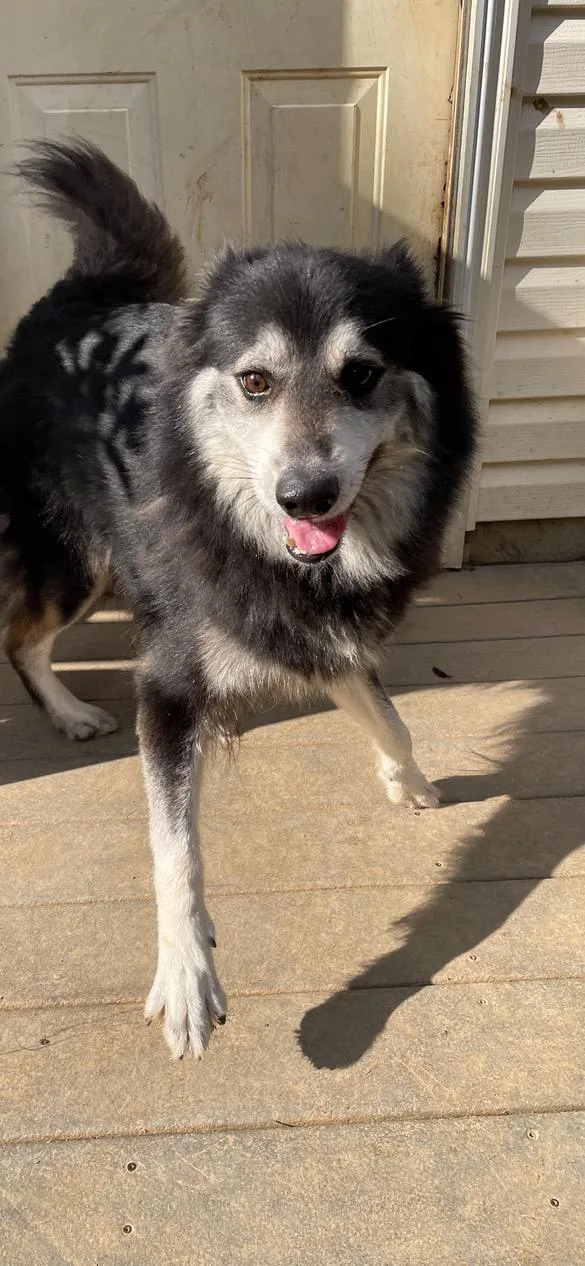
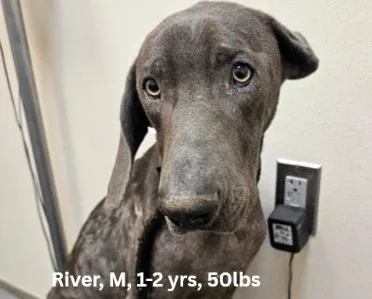
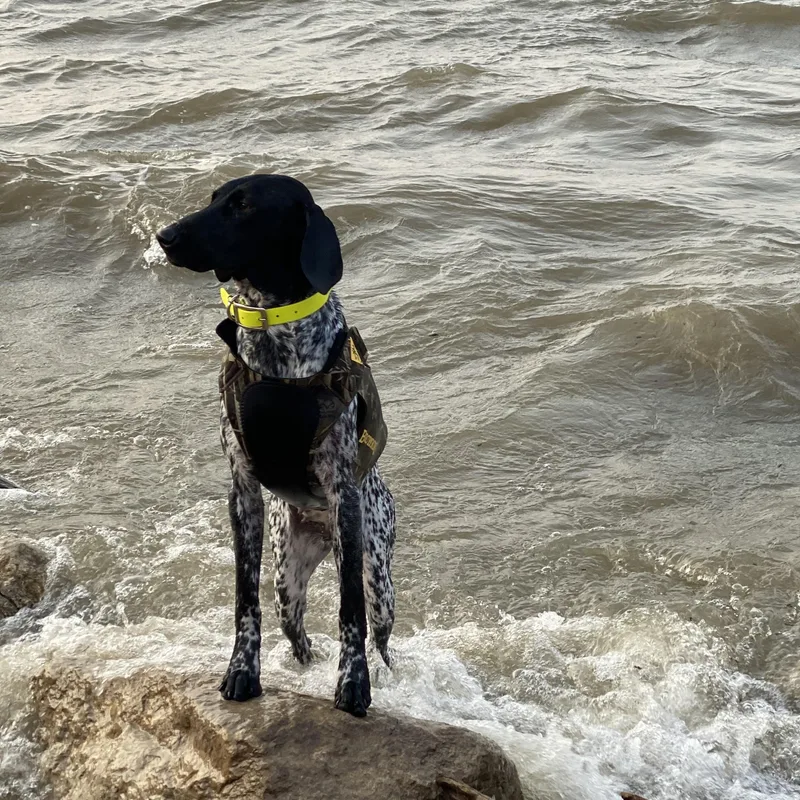
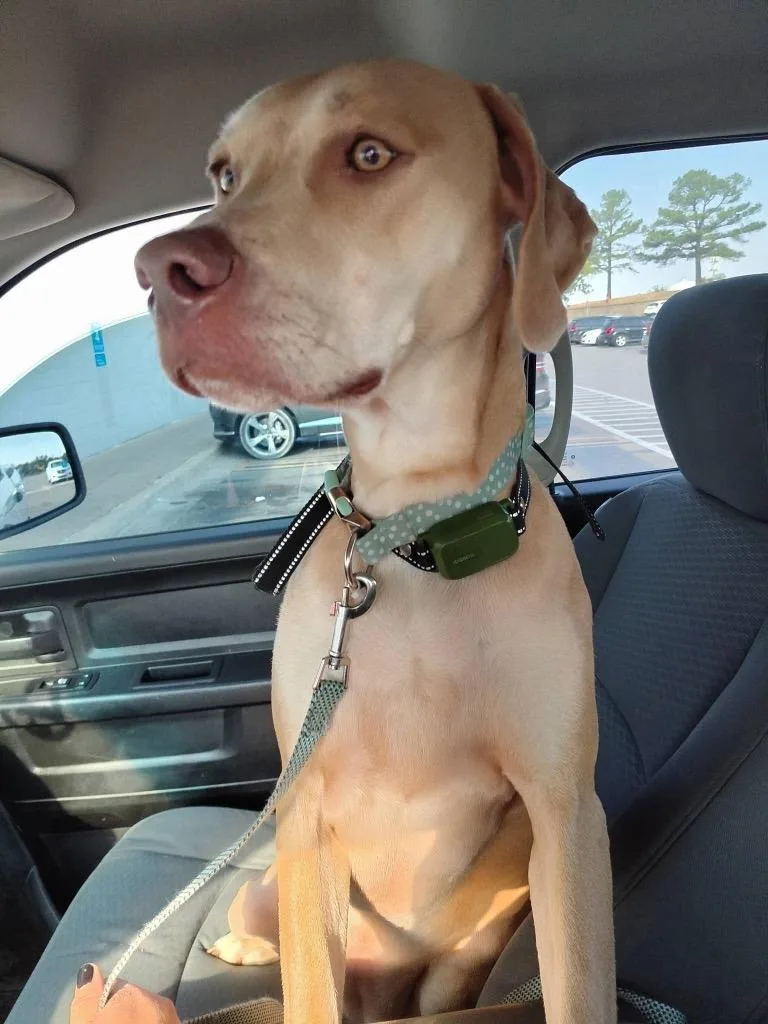
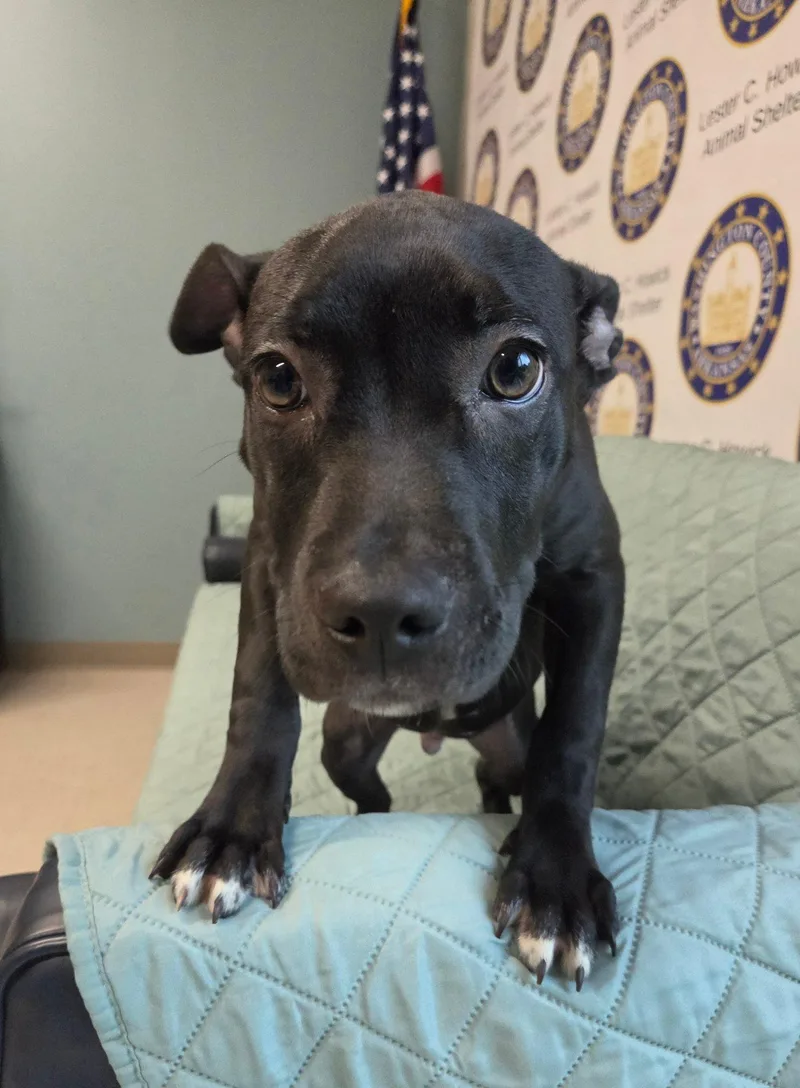
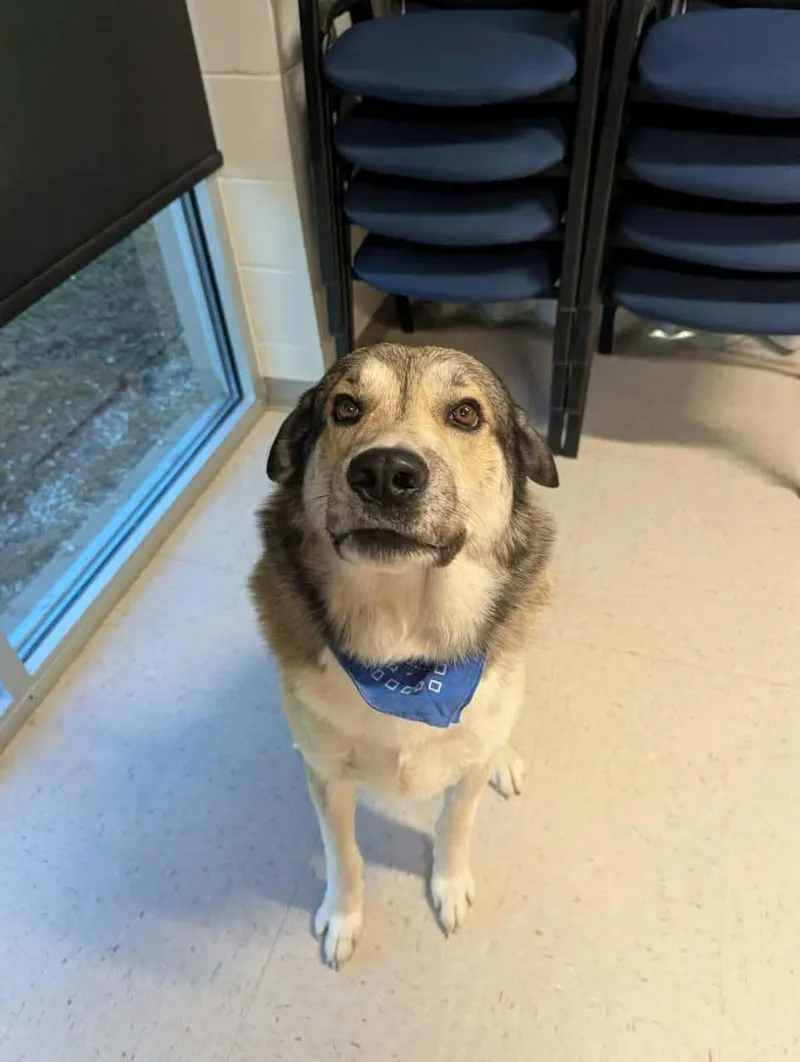
10 Keeshonds available in Fayetteville and nationwide

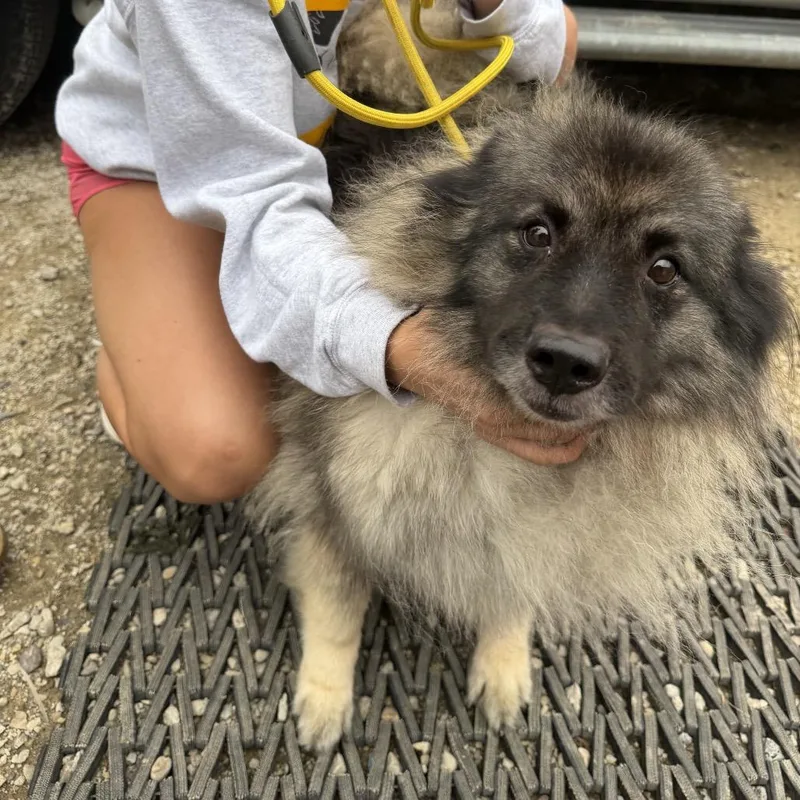
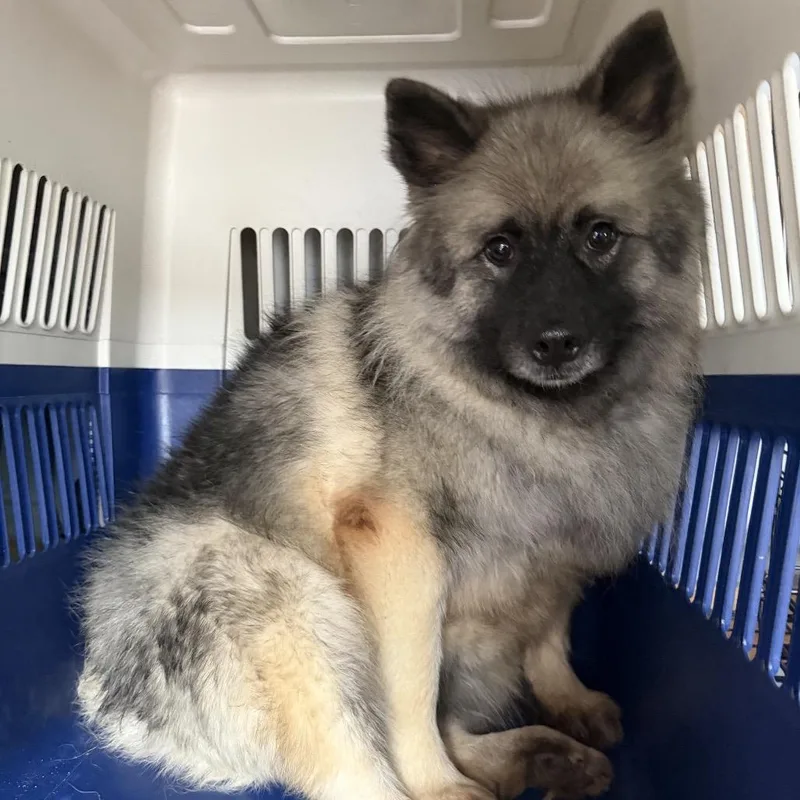
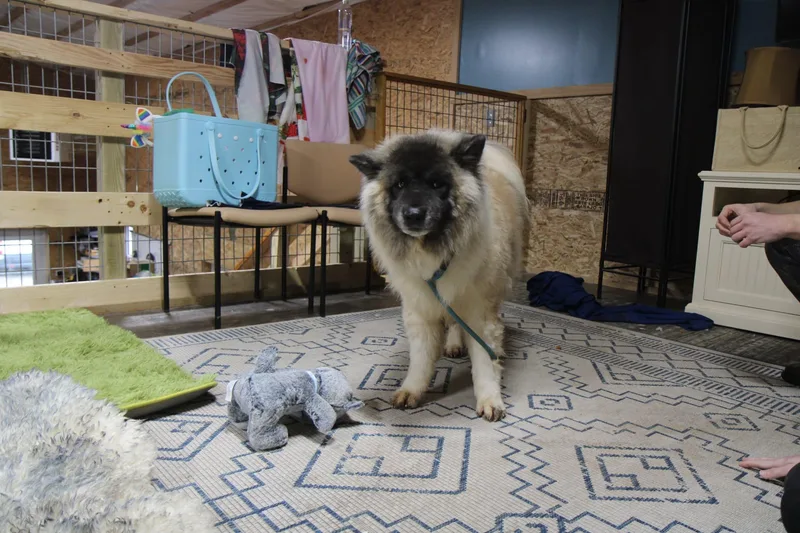
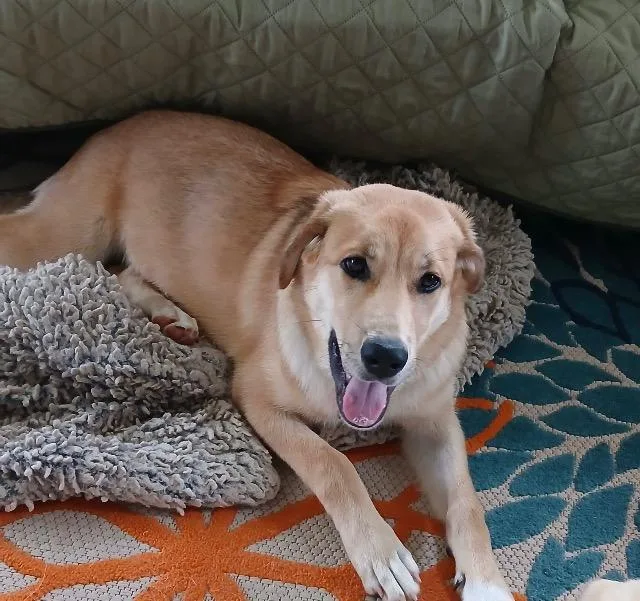
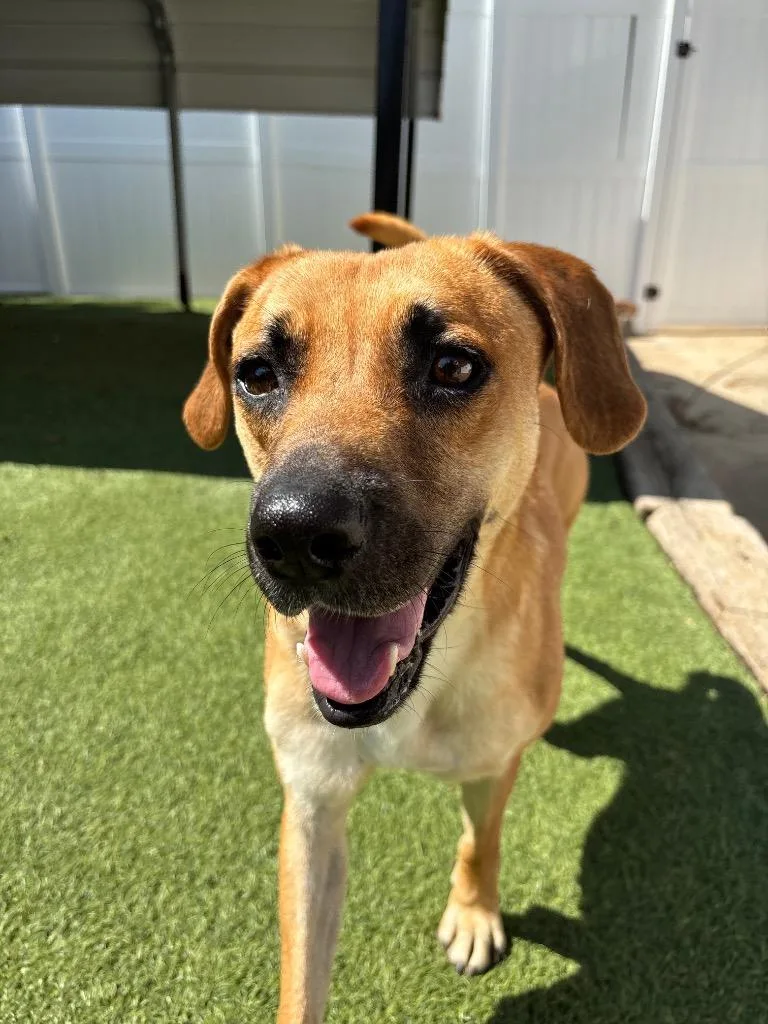
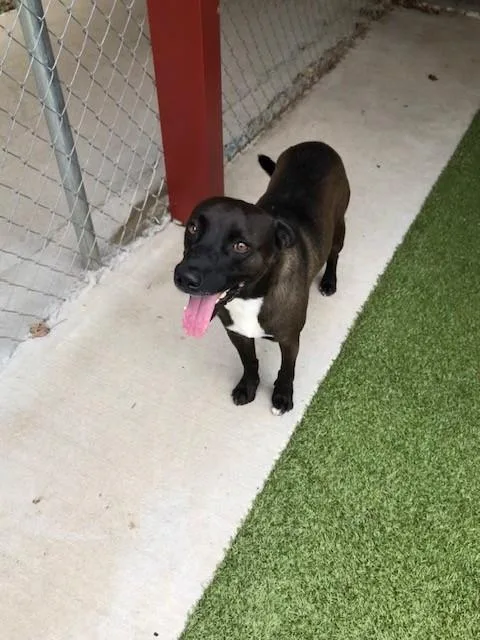
Meet a Keeshond who needs you

While we don't have enough dogs near Fayetteville, keep in mind that many rescues may offer transport.

Keeshonds Available for Adoption Near Fayetteville

About the Keeshond breed

Once a familiar sight on the canal barges of the Netherlands, the Keeshond worked as a watchdog and companion for the families who lived aboard. In the late 1700s it became the emblem of a Dutch political faction led by Kees de Gyselaer, which gave the breed its name. This medium-sized spitz wears a thick gray, black and cream double coat, a lion-like ruff, a curled plume of a tail and distinctive dark spectacles around the eyes.

Keeshonden are often cheerful, people-oriented dogs that want to be wherever their family is, earning them a reputation as velcro dogs. They tend to be alert, quick to announce visitors and responsive to gentle, reward-based training. Adopters should be ready for heavy seasonal shedding, regular brushing, care in hot weather and a dog that dislikes being left out of household life.

Weight
35–45 lbs
Height
16–19 in
Lifespan
12–15 yrs
Temperament
Friendly, Lively, Alert, Affectionate
Group
Non-Sporting
Shedding
High

Owning a Keeshond in Fayetteville

Having a Keeshond in Fayetteville

A Keeshond typically pairs a sociable, family-focused personality with a coat that demands real attention. How its watchdog voice, need for companionship, heat sensitivity and seasonal shedding fit your routine matters more than its teddy-bear looks when deciding whether one suits you.

Temperament

Keeshonden tend to be friendly, playful and deeply attached to their people, often following them from room to room. Many are good with considerate children and other pets when socialized. They usually bark to announce visitors but are rarely aggressive. Harsh handling can upset these sensitive dogs, and long periods alone may lead to nuisance barking.

Exercise Needs

Most Keeshonden need moderate daily exercise, such as brisk walks, play sessions and occasional hikes in cool weather. They also enjoy mental work, and many excel at agility, obedience and trick training. Without enough activity and company, some bark or dig from boredom. Schedule exercise for cooler hours, since their dense coat traps heat.

Health Considerations

Keeshonden can be affected by primary hyperparathyroidism, which has a genetic test, along with hip and elbow dysplasia, luxating kneecaps, epilepsy and hypothyroidism. Weight gain is easy to miss under the thick coat. Monitor calcium-related signs such as increased thirst, and keep regular veterinary checkups.

Living Space

A Keeshond can adapt to an apartment or a house if it gets daily exercise and plenty of time with its family. Space matters less than companionship. Their alert barking may concern close neighbors, and air conditioning helps in warm climates. A fenced yard is a bonus, but these dogs belong indoors with their people.

What it costs to own a Keeshond

ExpenseTypical costPer year
Food$35 to $70 per month$420 to $840
Pet insurance$55 to $100 per month$660 to $1,200
Routine vet care$225 to $450 per year$225 to $450
Other*$540 to $1,390 per year$540 to $1,390
Estimated yearly total (after year one)$1,845 to $3,880

Other costs are national averages for Keeshonds; we don't have costs specific to Fayetteville yet.

* Flea, tick and heartworm prevention, a dental cleaning allowance, a dog license, toys and bedding, and regular brushing and baths for the heavy-shedding double coat; license fees vary by city.

Adopt a Keeshond in Fayetteville.

Now that you know more, let’s find you a new best friend. These rescues and shelters below currently have Keeshonds available.

Frequently Asked Questions

A Keeshond is a medium-sized spitz dog from the Netherlands, known for its thick gray, black and cream coat, curled tail and dark spectacle markings around the eyes. Historically a watchdog on Dutch canal barges, it is now mainly a companion. Many Keeshonden are friendly, alert and strongly attached to their families, and they shed heavily.

Keeshond is pronounced KAYZ-hawnd, with the first syllable rhyming with days. The plural is Keeshonden, pronounced KAYZ-hawn-den. The name comes from Kees, a Dutch nickname for Cornelis, and hond, the Dutch word for dog, after Cornelis de Gyselaer, an eighteenth-century political leader whose followers adopted the dog as their symbol.

Yes, Keeshonden shed heavily. Their dense double coat releases some hair year-round and then blows out the undercoat once or twice a year, when loose fluff comes out in clumps for a few weeks. Brushing a few times a week, and daily during heavy shedding, keeps hair manageable and prevents mats behind the ears and on the hindquarters.

Keeshonden are medium-sized dogs, with males ideally standing about 18 inches at the shoulder and females about 17 inches. Most adults weigh around 35 to 45 pounds. Their abundant coat makes them look larger and rounder than they really are, so feeling the body under the fur gives a better sense of an individual dog's true size and condition.

A Keeshond is a sturdy, compact spitz with a fox-like face, small pointed ears and a plumed tail curled tightly over the back. Its thick coat is a mix of gray, black and cream, with a full ruff around the neck and cream-colored legs. The breed's signature feature is the spectacles, dark lines and markings around the eyes.

No, Keeshonden are not hypoallergenic. Their thick double coat sheds a great deal, especially during seasonal blowouts, and like all dogs they produce allergens in dander, saliva and urine. People with dog allergies usually struggle with this breed. If anyone in your home is allergic, spend extended time with a specific Keeshond before adopting.

Yes, Keeshonden are often excellent family dogs. Many are affectionate, playful and patient with considerate children, and they tend to want to be part of every household activity. Their medium size suits most families. Supervision still matters, especially with young kids, and families should plan for regular brushing, daily exercise and a dog that dislikes being left alone.

Keeshonden were bred as watchdogs and companions on the barges and farms of the Netherlands. Living on canal boats, they alerted families to strangers and kept them company rather than herding or hunting. That history explains why many Keeshonden are vocal about visitors, deeply attached to their people and happiest when included in everything the family does.

Keeshonden come from the Netherlands, where they were common on canal and river barges and were once called Dutch barge dogs. They share ancestry with other German and Nordic spitz breeds, including the German Wolfspitz. The breed became a symbol of the Dutch Patriot party in the late 1700s, and the American Kennel Club recognized it in 1930.

We have 1 rescue with Keeshonds available: The Humane Society of the Ozarks. You can see every rescue with Keeshonds available in the list above these questions, or scroll to the top to see the Keeshonds near Fayetteville.