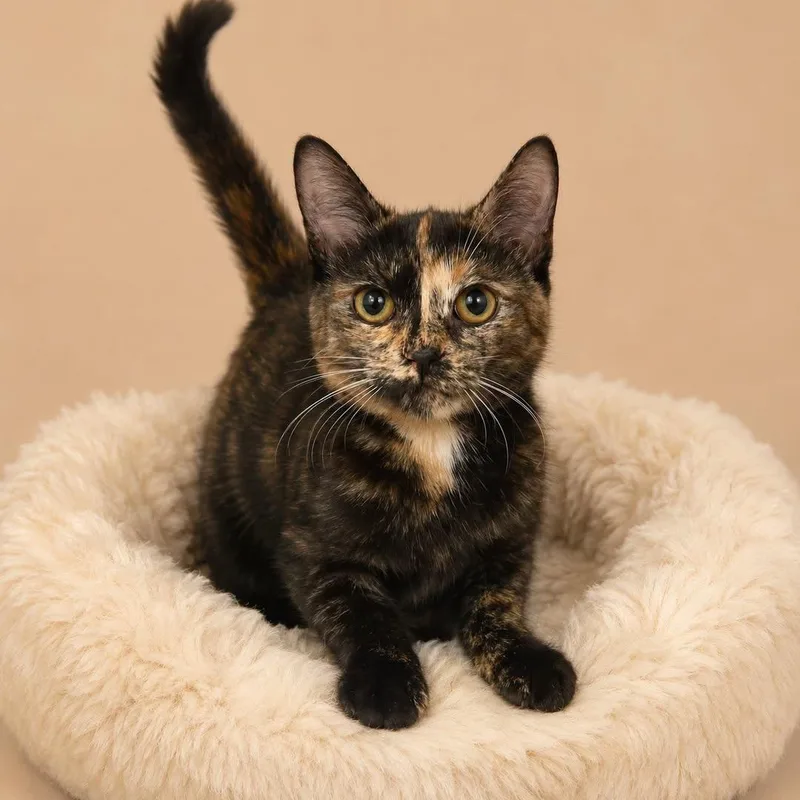
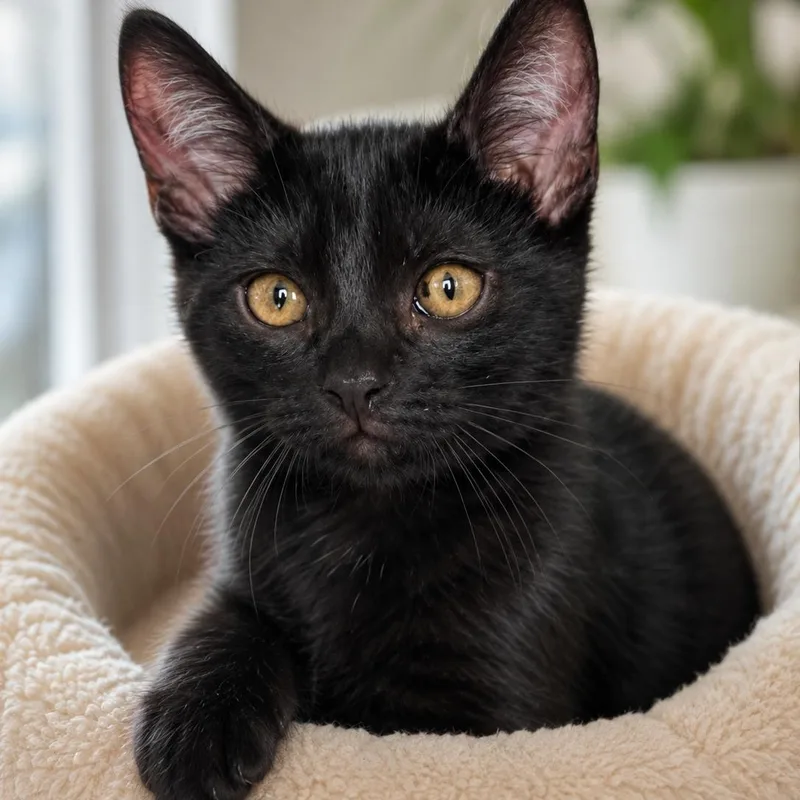
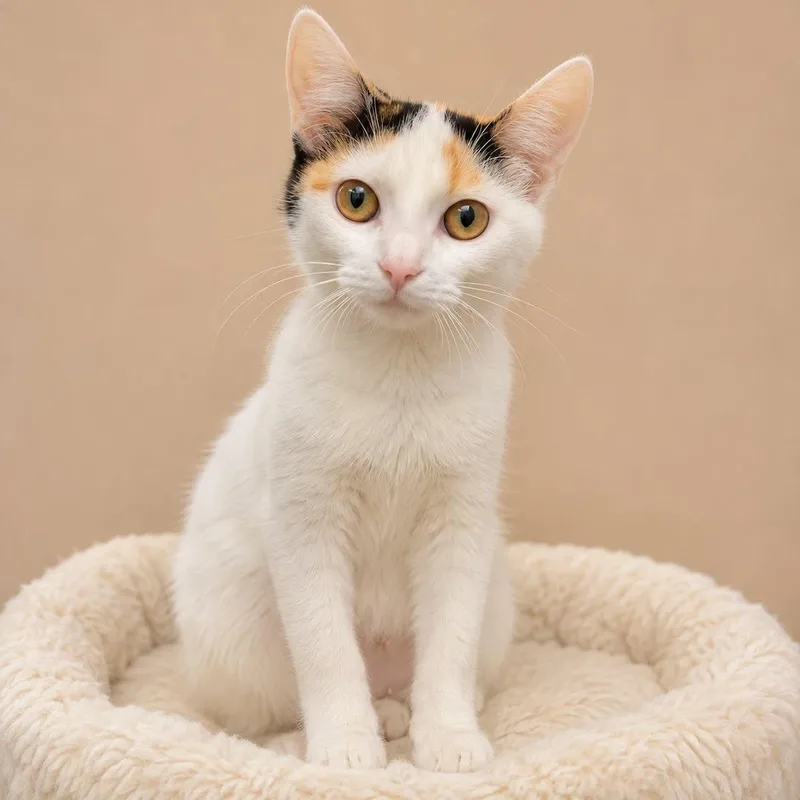
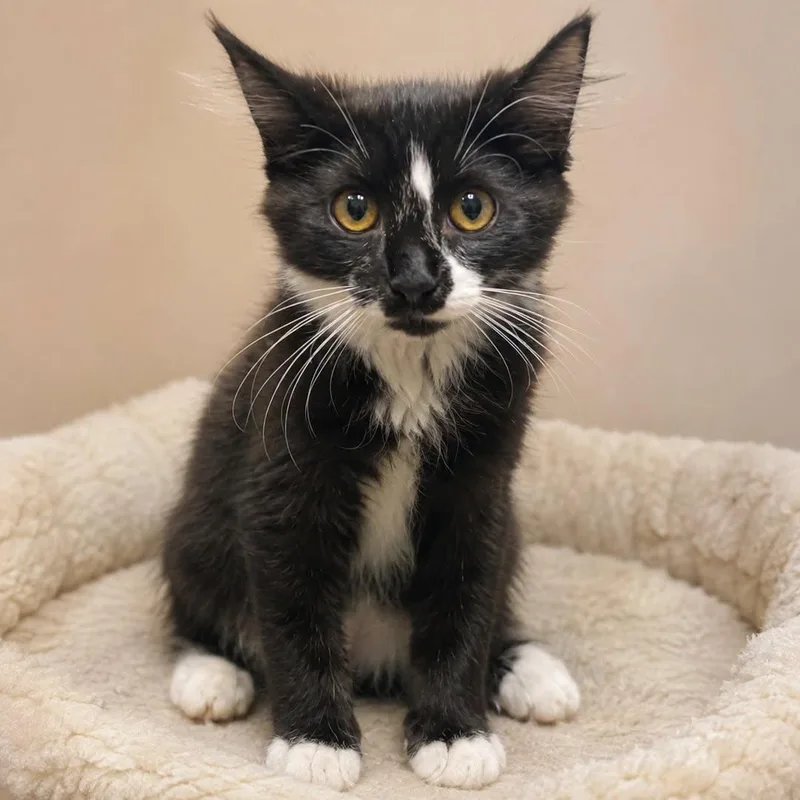
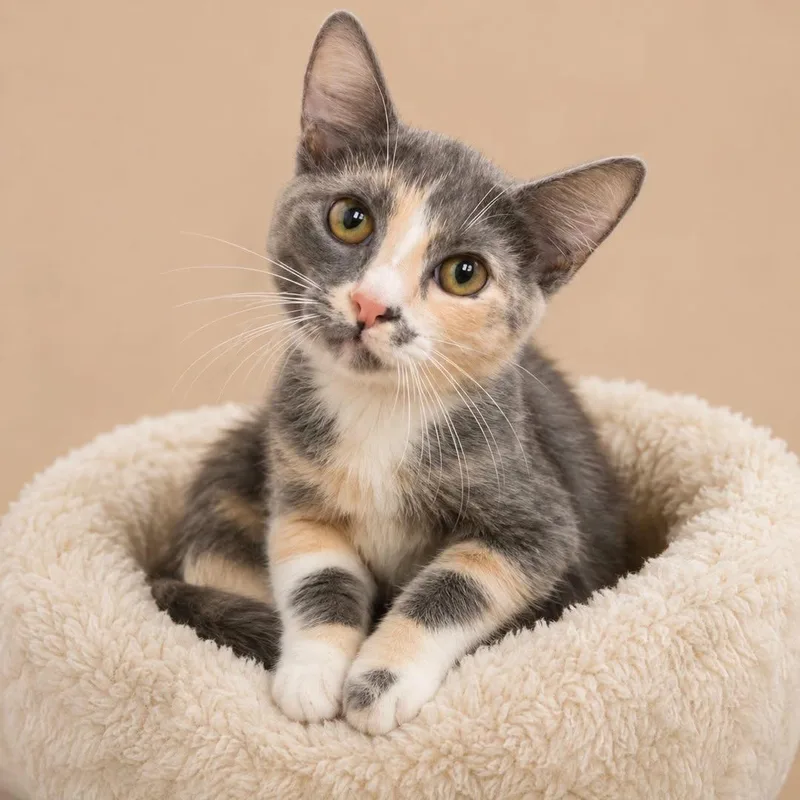
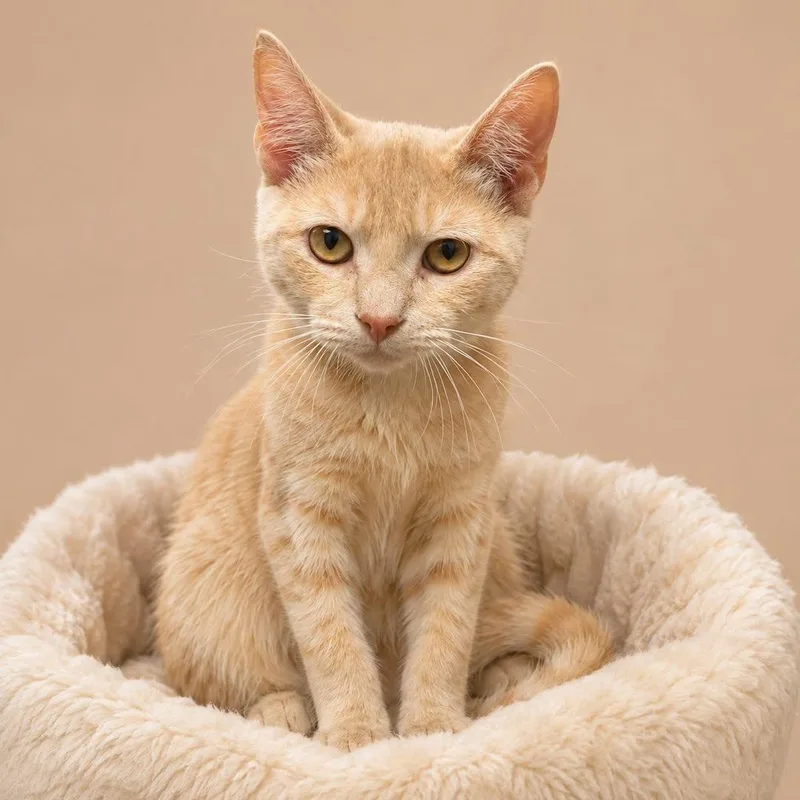
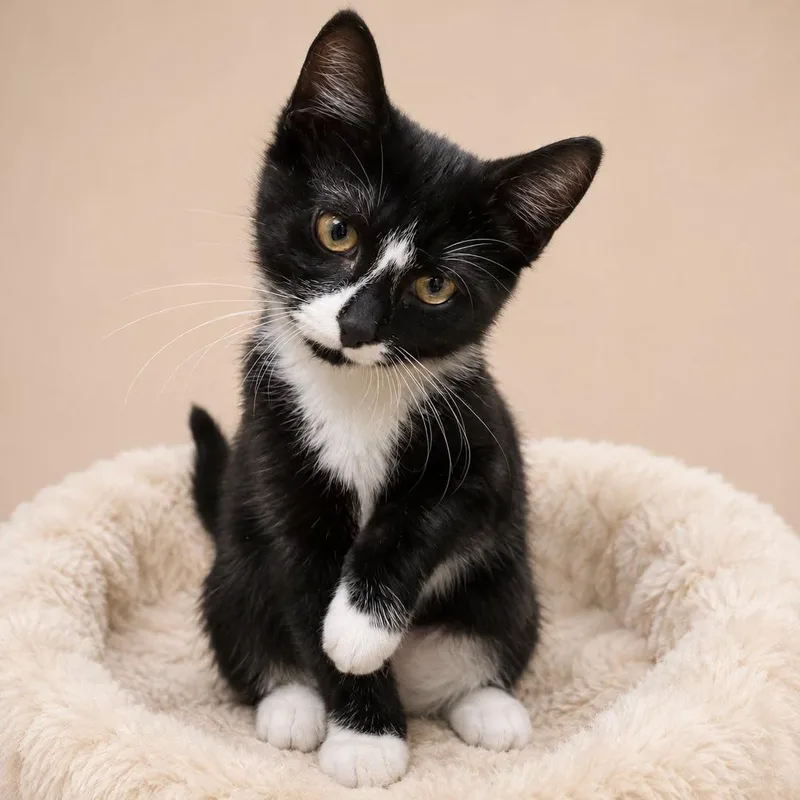
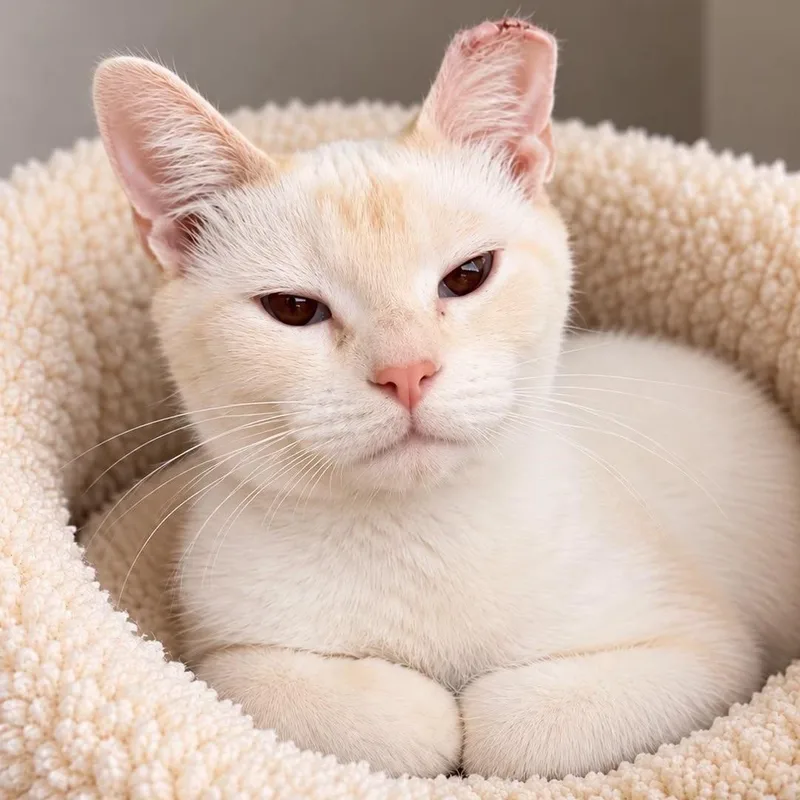
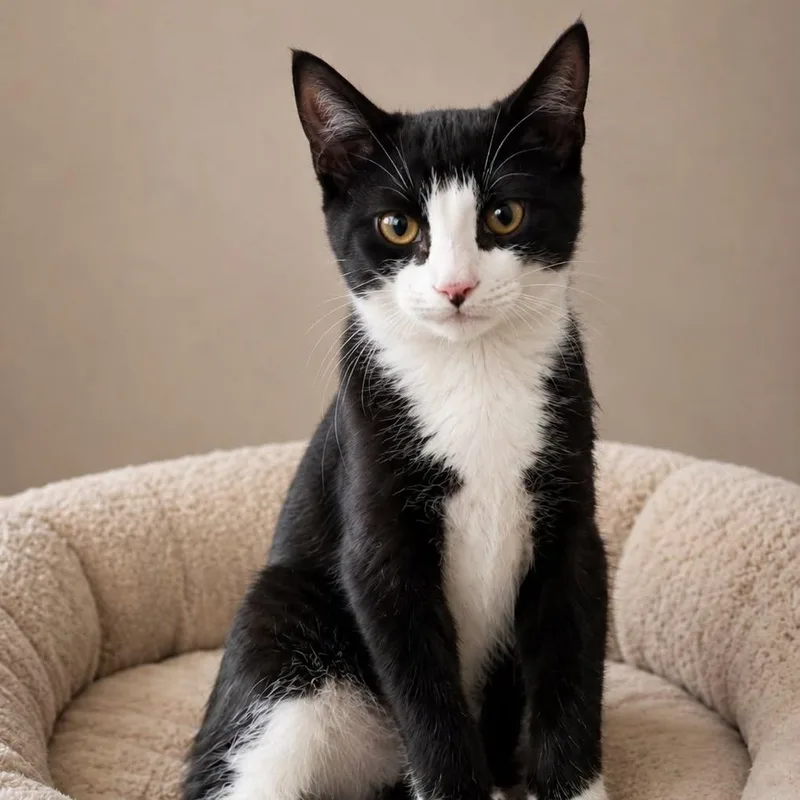
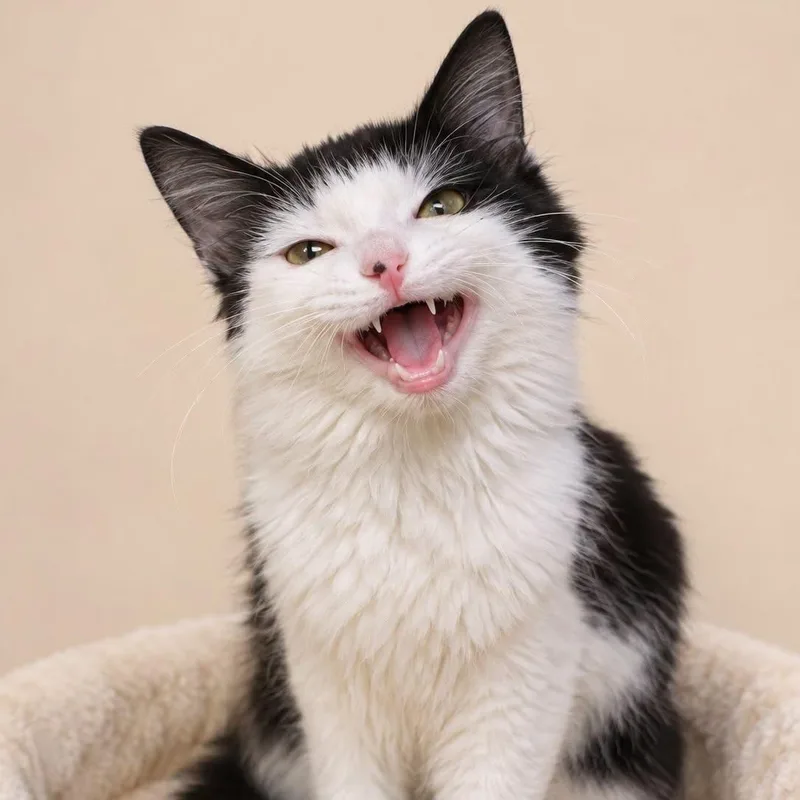
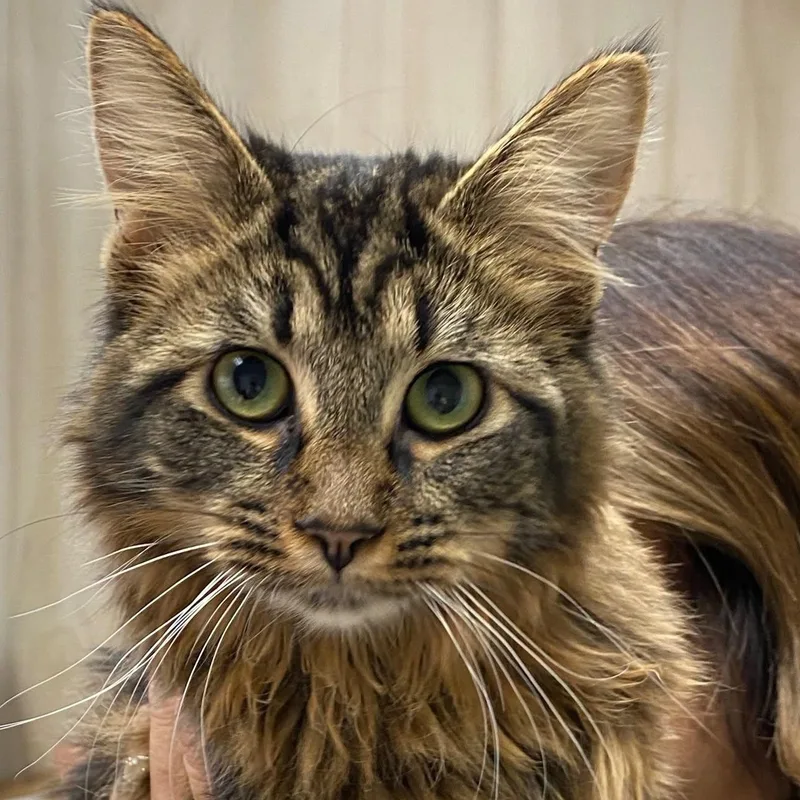
Domestic Short Hair Cats for Adoption in Cranston, RI

Your guide to finding and caring for a Domestic Short Hair in Cranston

Domestic Short Hairs fit Cranston's mix of older single-family homes and apartment complexes without much fuss. Whether it's a two-story house in Edgewood or a Garden City apartment off Reservoir Avenue, a DSH mostly needs a window perch, a scratching post and some daily play. They aren't a breed, so personalities run from lap cat to shy watcher, and a cat's age and temperament tell you more than its coat does. Winters here run long, which makes a sunny windowsill matter.

10 Domestic Short Hairs available for adoption in Cranston

Find your Domestic Short Hair

Domestic Short Hairs Available for Adoption in Cranston

About the Domestic Short Hair breed

Domestic Short Hair is a coat description, not a breed. It covers short-coated cats of mixed or unknown ancestry, and it's the label you'll see most often on adoption listings, usually shortened to DSH. They come in every color and pattern, from tabby and tuxedo to calico and solid black, and most are medium-sized and sturdy, typically around 6 to 14 pounds.

Because the gene pool is so wide, temperament varies a lot. Some DSH cats are cuddly, some chatty, and some are happiest watching from a high shelf. The short coat is easy to care for, with moderate shedding. In Cranston, where snow keeps cats indoors for months, a cat that enjoys play and a good perch tends to settle in well. Age, energy and comfort with people matter more than looks.

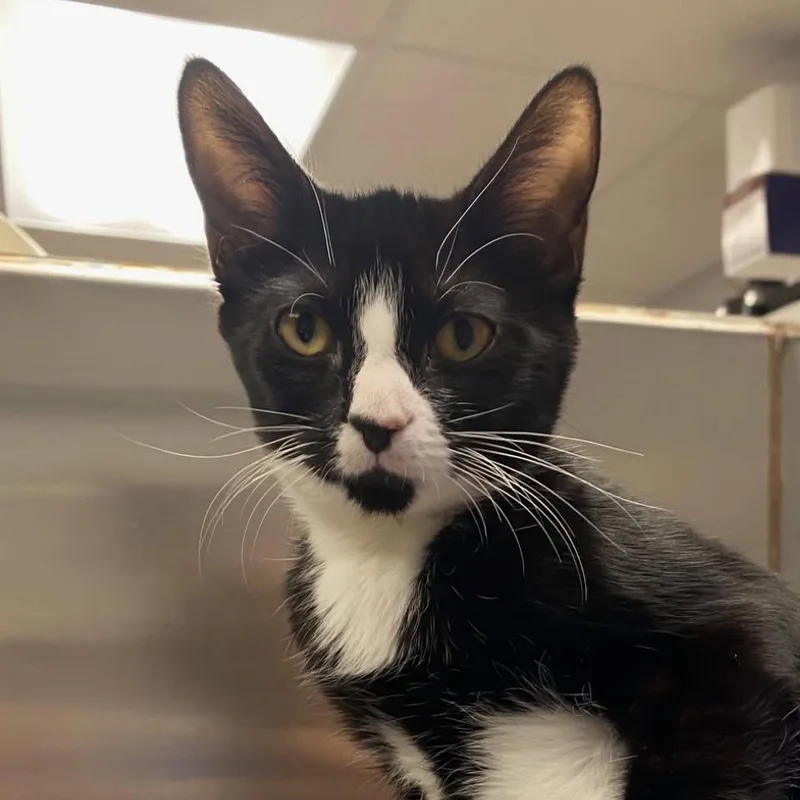
Weight
6–14 lbs
Height
8–10 in
Lifespan
12–18 yrs
Temperament
Adaptable, Curious, Affectionate
Shedding
Moderate

Owning a Domestic Short Hair in Cranston

Having a Domestic Short Hair in Cranston

DSH cats share a practical short coat, but personality, energy and sociability vary from cat to cat. In Cranston, the most useful things to weigh are how much play a cat wants, how it handles quiet or busy homes, and whether an indoor routine suits it.

Temperament

DSH cats run from outgoing lap cats to quiet watchers, and many adapt well to other cats or calm dogs with gradual introductions. Kittens tend to be bold and playful, while adult cats show a settled personality you can observe. In a Cranston apartment or a house with kids, a cat's comfort with noise and handling is worth noticing.

Exercise Needs

Plan on daily interactive play in a few short bursts, using wand toys, chase games and food puzzles. Kittens and young adults want more, while seniors prefer gentler sessions. Cranston winters keep cats inside, so climbing shelves, window perches and scratching posts do the work of the outdoors. A confident cat may enjoy supervised harness time in milder months.

Health Considerations

Common feline concerns include obesity, dental disease, urinary problems and, in older cats, kidney disease, hyperthyroidism and diabetes. Rhode Island requires rabies vaccination for cats, and rabid raccoons have been reported around the Providence area, so indoor living is safer. A veterinarian can check weight, teeth and overall health soon after adoption.

Living Space

DSH cats generally do well in Cranston's apartments and single-family homes alike. Vertical space, hiding spots, a scratching post and a clean litter box matter more than square footage. Secure screens on windows and balconies prevent falls, and keeping cats indoors protects them from traffic and wildlife.

What it costs to own a Domestic Short Hair in Cranston

ExpenseTypical costPer year
Food$25 to $50 per month$300 to $600
Pet insurance$20 to $45 per month$240 to $540
Routine vet care$150 to $350 per year$150 to $350
Other*$450 to $1,150 per year$450 to $1,150
Estimated yearly total (after year one)$1,140 to $2,640

Other costs are estimates and vary with size, age and health.

* Litter, flea and tick prevention, a dental cleaning allowance, toys, scratchers and other supplies, and minimal home grooming.

Adopt a Domestic Short Hair in Cranston.

Now that you know more, let’s find you a new best friend. These rescues and shelters below currently have Domestic Short Hairs available.

Rescues in Cranston with Domestic Short Hairs Available

Cranston's shelters and rescues help cats of every age and color find homes, and DSH cats are common among them. Here are the rescues & shelters in the Cranston area where you can find Domestic Short Hairs and other cats available for adoption.

Frequently Asked Questions

Yes. Rhode Island doesn't allow cities to make rules aimed at a particular breed, and a Domestic Short Hair is a coat type anyway, so no special restrictions apply. Cranston does limit households to four cats, and state law requires cats to be vaccinated for rabies and spayed or neutered after six months unless a permit applies.

Yes, most Domestic Short Hairs do well in apartments. Cats need vertical space, a scratching post and daily play more than square footage, so a window perch and a few shelves go a long way. If you rent, get pet permission in writing and make sure window and balcony screens are secure.

Yes, as indoor cats. Short coats offer little protection against snow and freezing nights, so keep your cat inside with a warm bed away from drafts and a sunny window perch. Dry heated air makes fresh water important, and extra play sessions help offset the lower activity of short winter days.

Often, yes, for adopters who want an adaptable indoor cat. Cranston's mix of single-family streets and apartment buildings gives plenty of housing options, and a short coat keeps care simple through the seasons. The best match depends on the cat, so weigh its age, energy level and comfort with noise and handling.

Very little. Brushing once a week removes loose hair, and you can brush more often when shedding picks up with the seasons. Most don't need professional grooming, so a small grooming allowance covers most cats. Mats are rare, but an overweight or senior cat that can't groom itself may need a veterinarian's help.

Plan on no. Cranston is served by RIPTA buses, and RIPTA permits only service animals on board. There is no subway or rail station in the city. For vet visits and other trips, a car and a secure, well-ventilated carrier are the simplest option.

Domestic shorthair cats typically live about 12 to 18 years, and many indoor cats reach their late teens or early twenties. Large UK veterinary studies have found mixed-breed cats tend to live slightly longer than pedigreed cats on average. Spaying or neutering, indoor living, a healthy weight, dental care and regular checkups all help a cat enjoy a longer life.

No, domestic shorthair cats are not hypoallergenic. The main cat allergen, a protein called Fel d 1, comes from saliva and skin glands, so short fur does not prevent reactions. Allergen levels vary between individual cats, and some people react less to certain cats. Spending time with a specific cat before adopting is the best way to test your response.

We have 1 rescue with Domestic Short Hairs available: East Greenwich Animal Protection League. You can see every rescue with Domestic Short Hairs available in the list above these questions, or scroll to the top to see the Domestic Short Hairs in Cranston.

Expect roughly $25 to $50 a month for food, $20 to $45 a month for insurance, $150 to $350 a year for routine vet care, and $450 to $1,150 a year for other items such as litter and flea prevention. Together that comes to about $1,140 to $2,640 a year, plus the one-time adoption fee shown on each listing.

Explore Other Breeds in Cranston

Looking for a different breed? Browse other cats available for adoption in Cranston.