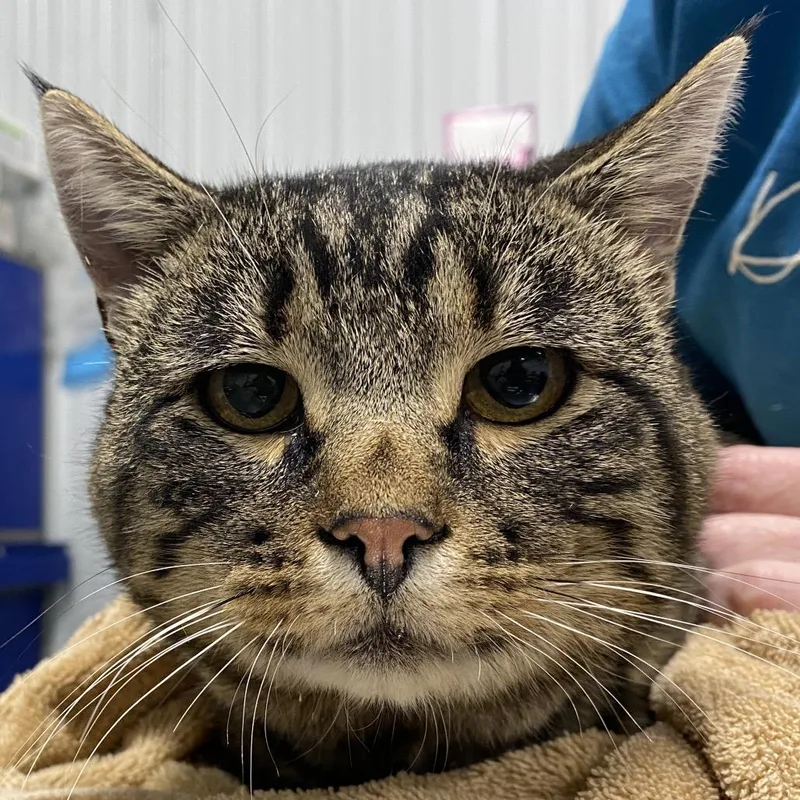
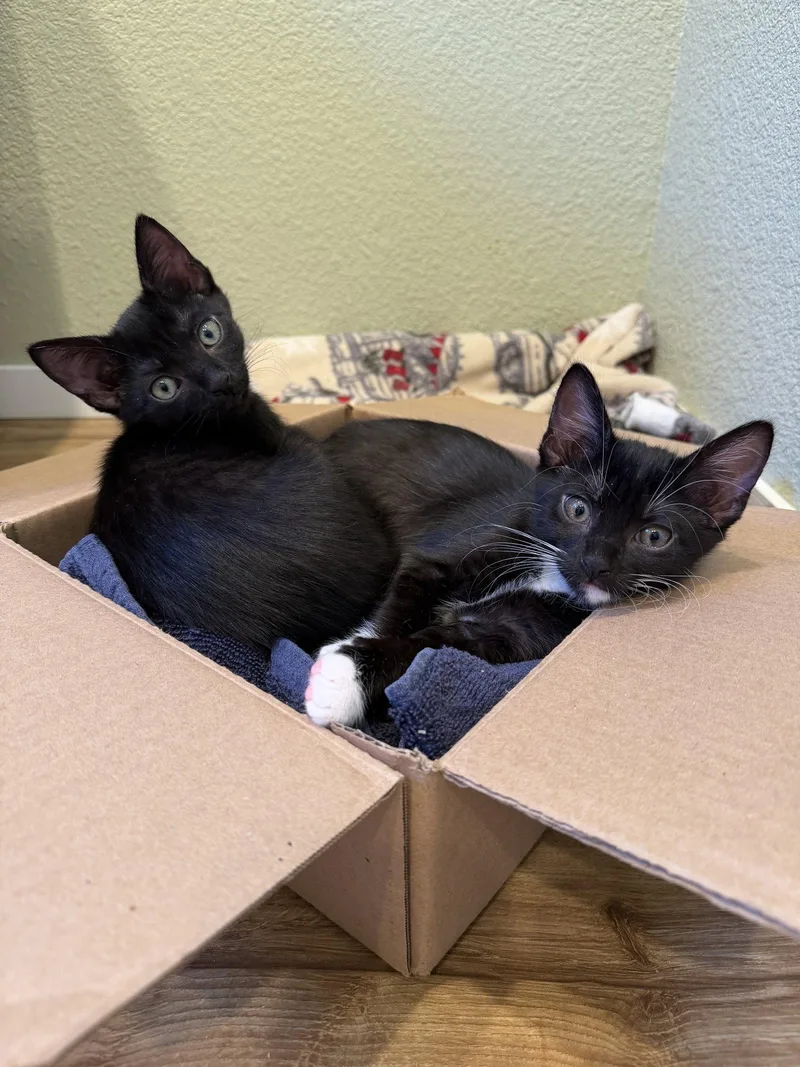
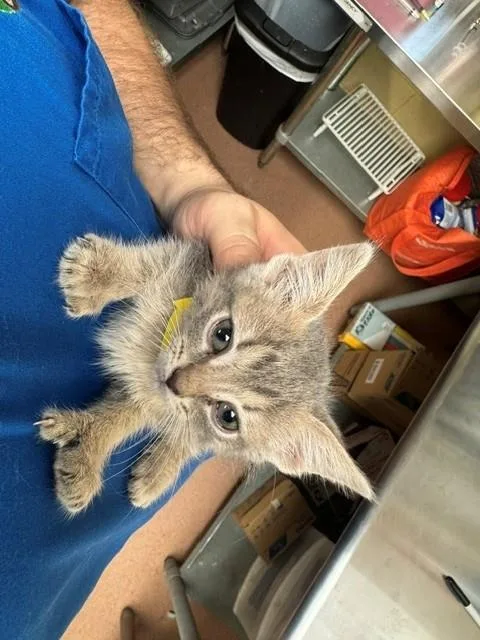
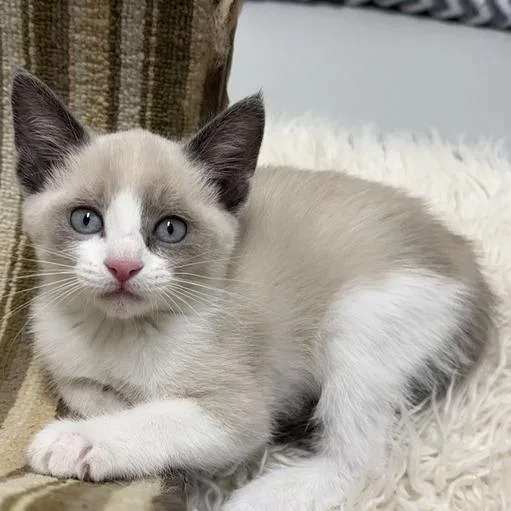
Extra-Toes Cat / Hemingway Polydactyls for Adoption in Driggs, ID

Your guide to finding and caring for an Extra-Toes Cat / Hemingway Polydactyl in Driggs

128 Extra-Toes Cat / Hemingway Polydactyls available in Driggs and nationwide

Adopt a Polydactyl cat today

While we don't have enough cats near Driggs, keep in mind that many rescues may offer transport.

Extra-Toes Cat / Hemingway Polydactyls Available for Adoption Near Driggs

About the Extra-Toes Cat / Hemingway Polydactyl breed

An extra-toes cat is not a breed but any cat born with polydactyly, a harmless genetic variation that adds digits to one or more paws. A typical cat has 18 toes, while polydactyls often have six or seven on a front paw, sometimes creating a mitten-like thumb. The trait is dominant, so one affected parent can pass it to roughly half of a litter. It is especially common in New England and Atlantic Canada, where ship cats with big paws were prized as mousers.

The nickname comes from Ernest Hemingway, who was given a six-toed cat named Snow White; dozens of descendants still live at his Key West home. Most extra-toed cats in shelters are domestic shorthairs or longhairs, and their personalities are as varied as any cat's. The main care difference is nail trimming, since extra claws can curl into the paw pads.

Weight
6–15 lbs
Height
8–10 in
Lifespan
12–18 yrs
Temperament
Adaptable, Curious, Affectionate
Shedding
Moderate

Owning an Extra-Toes Cat / Hemingway Polydactyl in Driggs

Having an Extra-Toes Cat / Hemingway Polydactyl in Driggs

Extra toes give these cats charming, oversized paws, but they don't decide personality or health. Most of what matters to adopters comes from the individual cat's background, age and coat, plus a little extra attention to claw care.

Temperament

Polydactyl cats range from bold, chatty companions to shy cats who warm up slowly, just like other domestic cats. Stories about them being friendlier or smarter are charming but unproven. Some use their big paws with surprising dexterity, batting toys or scooping food.

Exercise Needs

Most extra-toed cats enjoy daily interactive play with wand toys, balls and puzzle feeders that mimic hunting. Many are agile climbers, and some seem especially good at grabbing toys with their wide paws. Indoor cats need regular activity to prevent boredom and weight gain. Kittens and young adults usually want more play than seniors.

Health Considerations

The common form of polydactyly usually causes no health problems on its own. Extra claws may not wear down naturally and can grow into the paw pads, so regular checks and trims matter. A rare, unrelated limb condition is sometimes confused with polydactyly. Otherwise these cats share typical feline concerns, such as dental disease, obesity and kidney disease.

Living Space

Extra-toed cats adapt to apartments or houses like any domestic cat. They benefit from vertical space, sturdy scratching posts that help keep extra claws in shape, hiding spots and clean litter boxes. Indoor living or a secure outdoor enclosure protects them from traffic and disease, and window screens prevent falls from upper floors.

What it costs to own an Extra-Toes Cat / Hemingway Polydactyl

ExpenseTypical costPer year
Adoption fee$80, one time$80 in year one
Food$25 to $50 per month$300 to $600
Pet insurance$20 to $45 per month$240 to $540
Routine vet care$150 to $350 per year$150 to $350
Other*$450 to $1,150 per year$450 to $1,150
Estimated yearly total (after year one)$1,140 to $2,640
First-year total (with adoption fee)$1,220 to $2,720

Adoption fee is the fee on Extra-Toes Cat / Hemingway Polydactyl listings in Driggs on GetBuddy today. Other costs are national averages for Extra-Toes Cat / Hemingway Polydactyls; we don't have costs specific to Driggs yet.

* Litter, flea prevention, a dental cleaning allowance, toys and scratching posts, and home grooming and claw trims; costs vary with the individual cat's size and coat.

Adopt an Extra-Toes Cat / Hemingway Polydactyl in Driggs.

Now that you know more, let’s find you a new best friend. These rescues and shelters below currently have Extra-Toes Cat / Hemingway Polydactyls available.

Rescues in Driggs with Extra-Toes Cat / Hemingway Polydactyls Available

Here are the rescues & shelters in the Driggs area where you can find Extra-Toes Cat / Hemingway Polydactyls and other cats available for adoption.

Frequently Asked Questions

A cat normally has 18 toes: five on each front paw and four on each back paw. The fifth front toe is the dewclaw, set higher on the inside of the leg like a thumb, so it doesn't touch the ground when the cat walks. Polydactyl cats have more than 18, most often an extra one or two per front paw.

Cats don't have true thumbs. The dewclaw on each front paw sits in a similar position to a human thumb and helps a cat grip prey and climb, but it isn't opposable. Some polydactyl cats have extra toes on the inner side of the paw that look like a thumb, which is where the nickname thumb cat comes from.

A polydactyl cat is a cat born with more than the usual number of toes on one or more paws. It is a genetic trait, not a breed, and it can appear in any cat, though most are domestic shorthairs or longhairs. The common form is harmless and is passed down by a dominant gene.

A Hemingway cat is a popular nickname for a polydactyl cat, one born with extra toes. The name honors the writer Ernest Hemingway, who was given a white six-toed cat named Snow White by a ship's captain. Descendants of his cats, many with extra toes, still live at the Ernest Hemingway Home and Museum in Key West, Florida.

A cat normally has 18 claws, one on each toe: five on each front paw, including the dewclaw, and four on each back paw. Polydactyl cats have an extra claw for every extra toe. Claws are retractable and grow continuously in layers, so cats scratch to shed the outer sheaths and keep them sharp.

Some cats appear to have thumbs because they are polydactyl, born with extra toes on the inner side of the front paws due to a dominant genetic variation. The extra digit sits beside the dewclaw and can look like a thumb or give the paw a mitten shape. It isn't truly opposable, though some cats use it to grip.

Polydactyl means having more than the usual number of fingers or toes. The word comes from Greek roots meaning many digits. In cats it describes a congenital trait in which one or more paws has extra toes. Polydactyly also occurs in people, dogs and other animals, though the specific feline form is usually harmless.

Cats usually have one toe bean, or digital pad, under each of their weight-bearing toes, which means four per paw, for 16 in all. Each paw also has a larger central pad, front legs have a small carpal pad higher up, and the dewclaw has a tiny pad. Polydactyl cats have extra toe beans for their extra toes.

Yes, thumb cats are real. The term is a nickname for polydactyl cats whose extra toes sit on the inner side of the front paws, creating a thumb-like digit or a mitten-shaped paw. They have been well documented for centuries, especially in New England, where they were sometimes called Boston thumb cats. The thumb isn't truly opposable.

We have 1 rescue with Extra-Toes Cat / Hemingway Polydactyls available: PAWS - Providing Animal Welfare Services. You can see every rescue with Extra-Toes Cat / Hemingway Polydactyls available in the list above these questions, or scroll to the top to see the Extra-Toes Cat / Hemingway Polydactyls near Driggs.

Explore Other Breeds in Driggs

Looking for a different breed? Browse other cats available for adoption in Driggs.