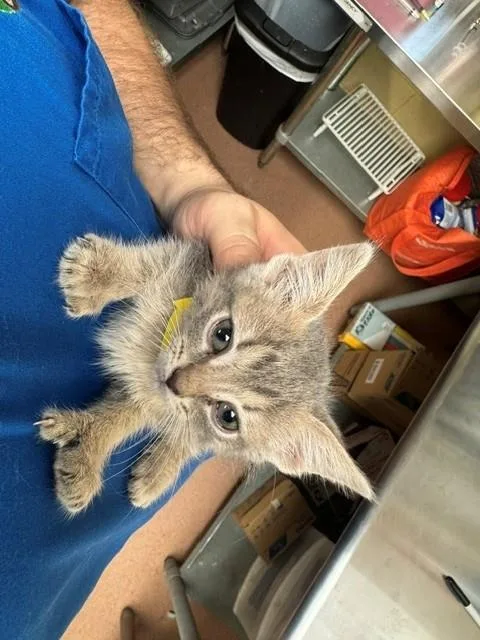
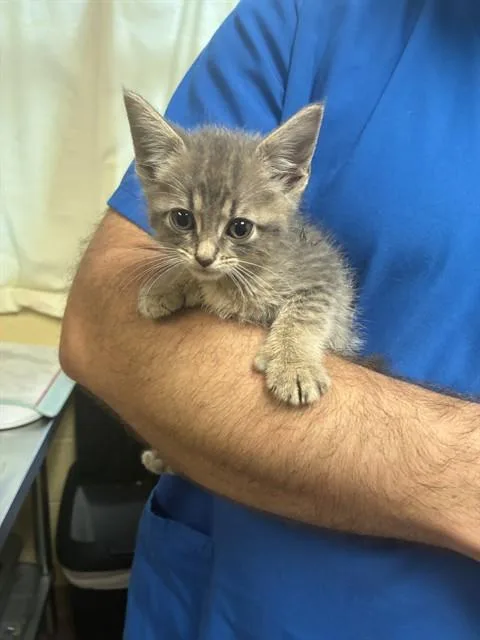
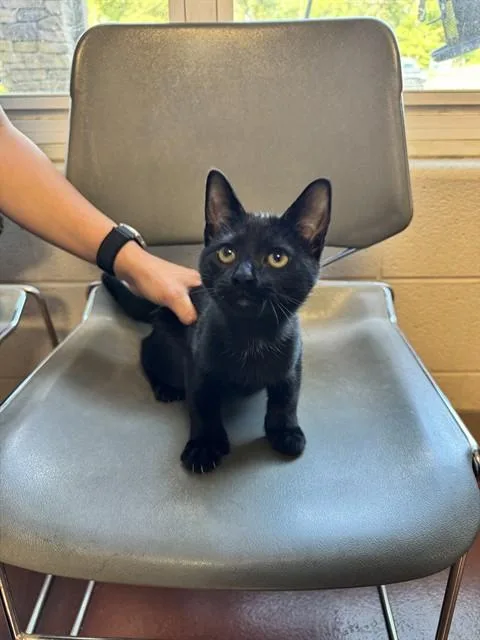
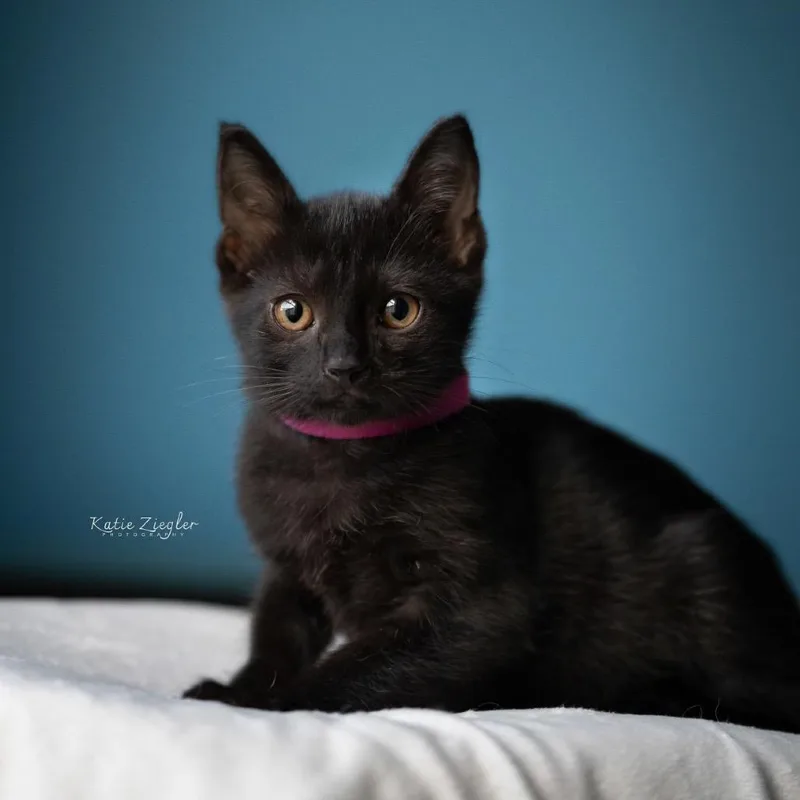
Extra-Toes Cat / Hemingway Polydactyls for Adoption in Atlanta, GA

Your guide to finding and caring for an Extra-Toes Cat / Hemingway Polydactyl in Atlanta

Extra-toed cats fit easily into Atlanta's mix of Virginia-Highland bungalows and Castleberry Hill lofts. They're ordinary domestic cats with a few bonus toes, so some are lap sitters and some are window watchers. A bungalow with sunny sills or a loft with a tall cat tree gives them plenty to do. The one special chore is trimming those extra claws every few weeks. In Atlanta, they're also safest indoors, since coyotes are seen intown.

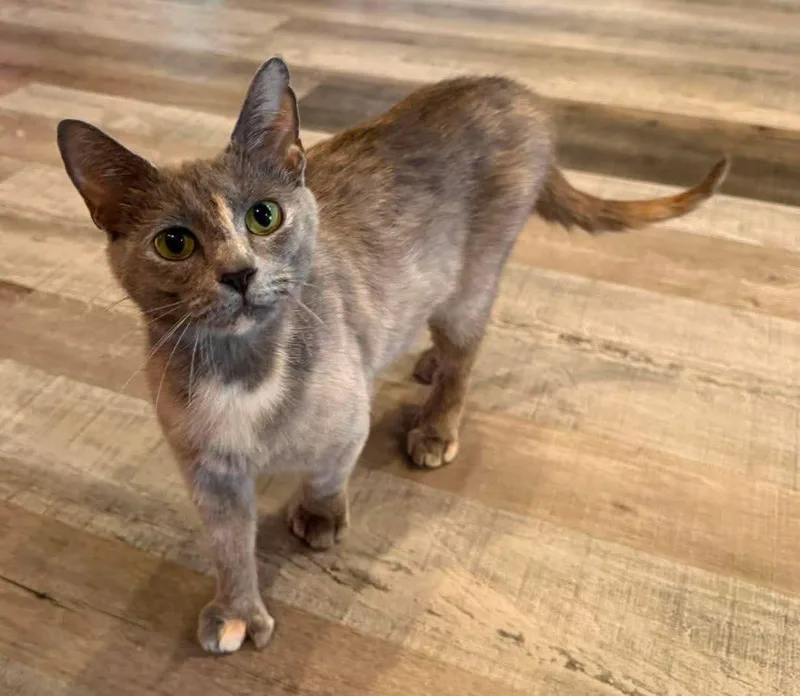
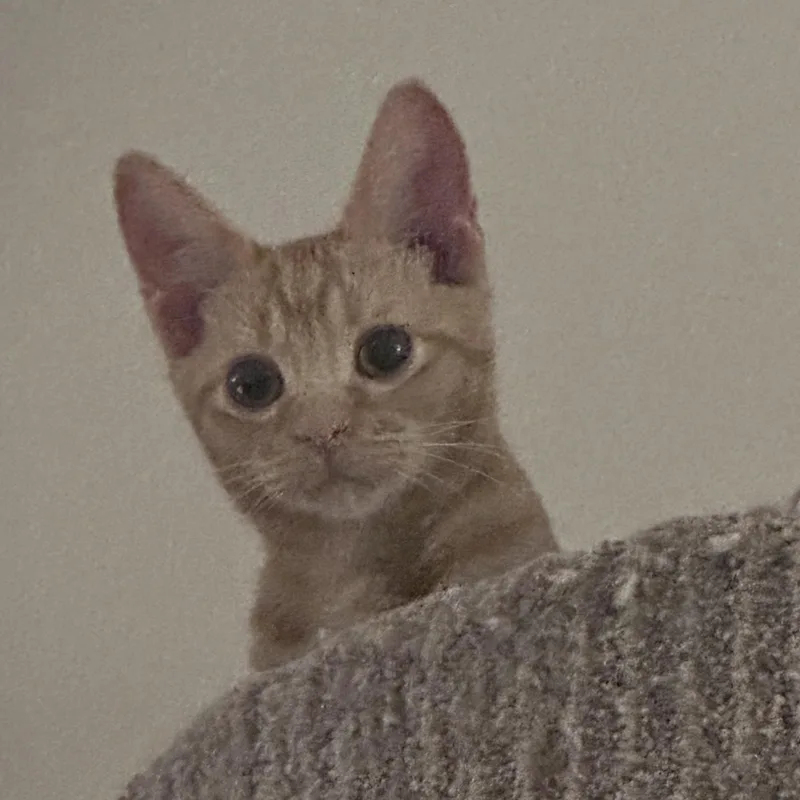
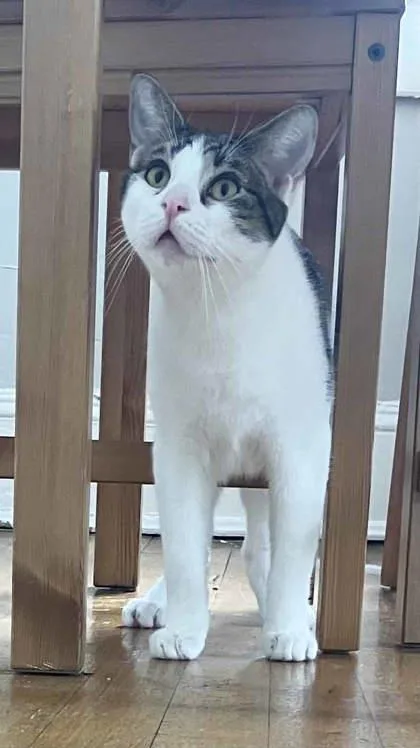
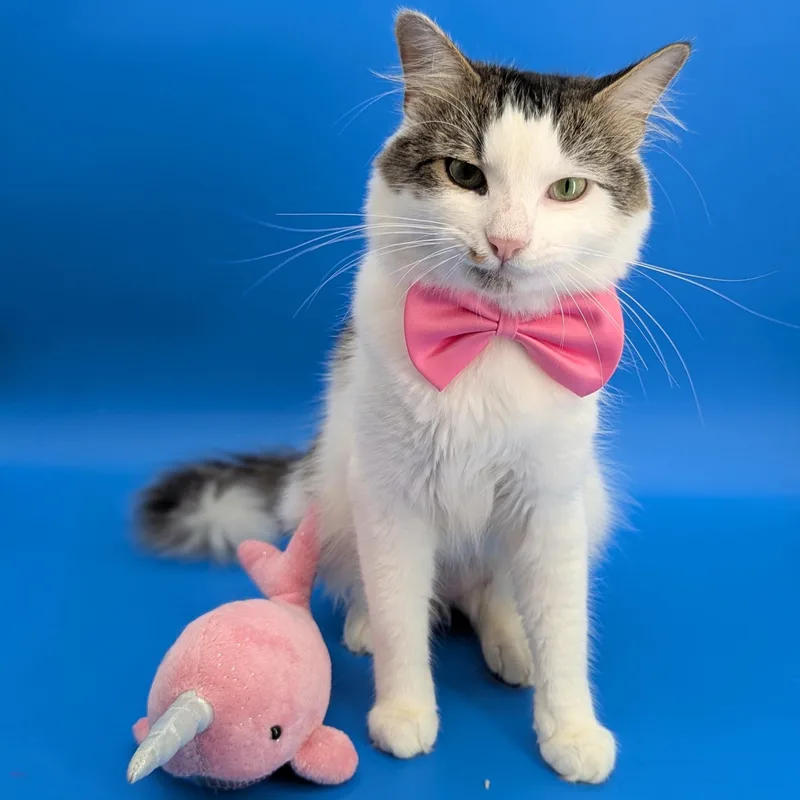
194 Extra-Toes Cat / Hemingway Polydactyls available in Atlanta and nationwide

Adopt a Polydactyl cat today

While we don't have enough cats near Atlanta, keep in mind that many rescues may offer transport.

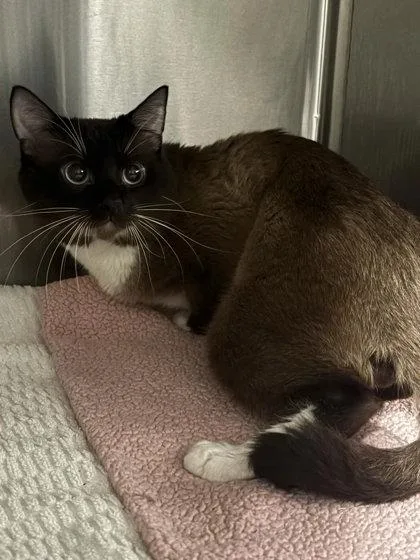
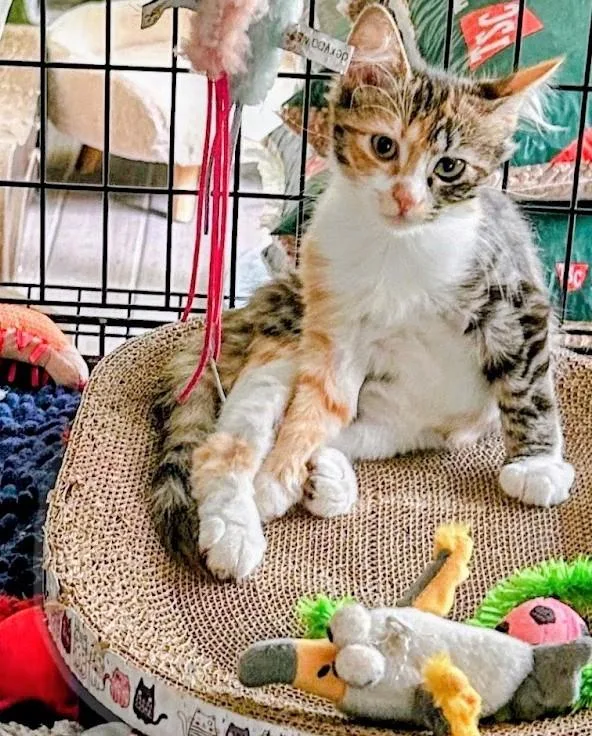
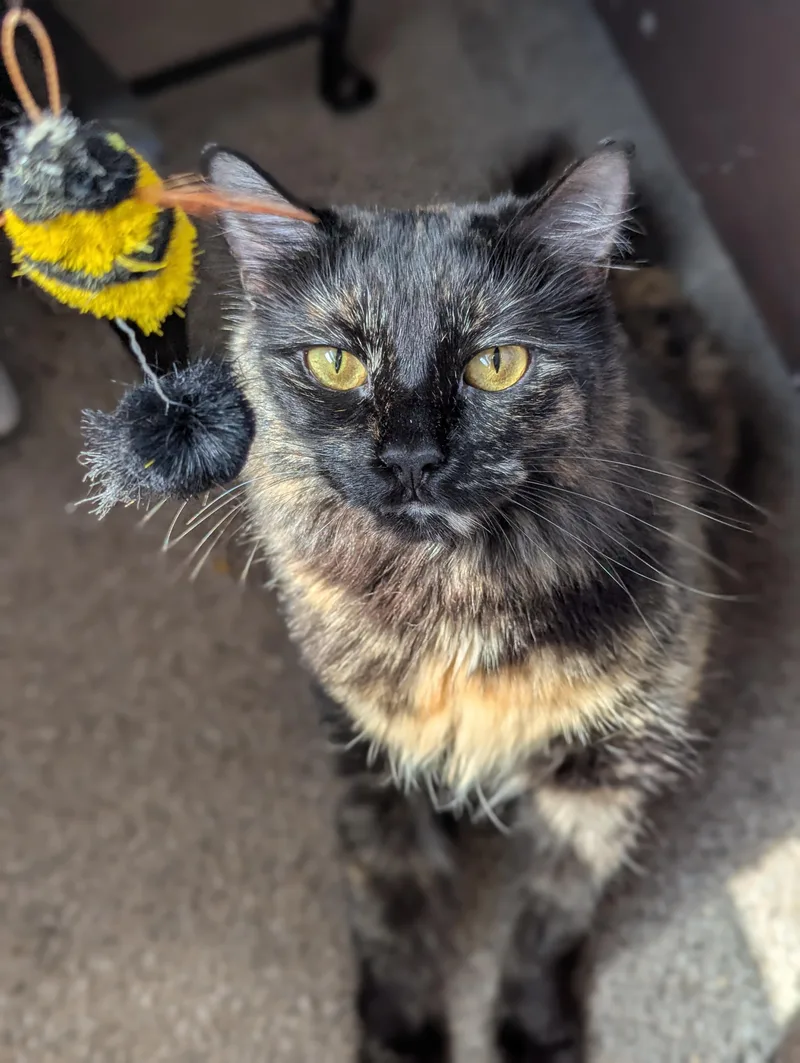
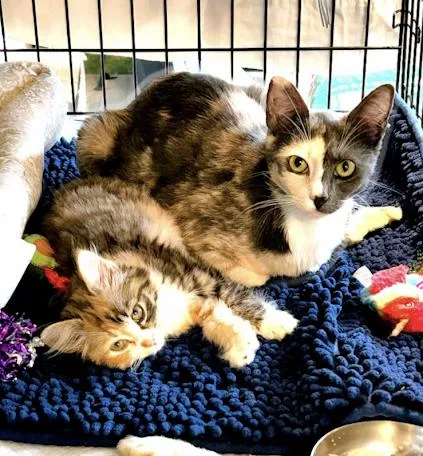
Extra-Toes Cat / Hemingway Polydactyls Available for Adoption Near Atlanta

About the Extra-Toes Cat / Hemingway Polydactyl breed

An extra-toes cat is a trait, not a breed. Any domestic cat can be born with polydactyly, so the cats you meet in Atlanta are mostly domestic shorthairs and longhairs in every color and pattern, usually weighing 6 to 15 pounds. The trait is especially common along the East Coast, so a mitten-pawed cat is a realistic possibility for Atlanta adopters.

Personality varies as much as it does in any cat. Expect curious, adaptable and often affectionate cats, though a shy one may need a few weeks to settle in. Shedding is moderate and depends on the coat, so a weekly brushing usually keeps things manageable. Plan on trimming claws every few weeks, since extra claws can curl into the paw pads, and put a sturdy scratching post in each main room.

Weight
6–15 lbs
Height
8–10 in
Lifespan
12–18 yrs
Temperament
Adaptable, Curious, Affectionate
Shedding
Moderate

Owning an Extra-Toes Cat / Hemingway Polydactyl in Atlanta

Having an Extra-Toes Cat / Hemingway Polydactyl in Atlanta

Extra toes don't determine personality or health. For Atlanta adopters, what matters most is each cat's age, coat and energy level, plus an indoor setup that handles humid summers and a steady claw-trimming routine.

Temperament

Polydactyl cats can be bold and chatty or shy and slow to warm up, just like other domestic cats. That range suits Atlanta's mix of busy loft buildings and quiet bungalow streets: a sociable cat may enjoy a lively household, while a reserved one often prefers a calm room with hiding spots.

Exercise Needs

Plan on daily interactive play with wand toys, balls and puzzle feeders. Atlanta's long, humid summers keep most cats indoors, so climbing trees and window perches matter. Pets must be leashed on the BeltLine and in city parks, so only a harness-trained cat should go along, and busy trails can be stressful.

Health Considerations

Extra toes rarely cause trouble, but extra claws can curl into the paw pads, so check them often. Otherwise watch for typical cat issues such as dental disease, obesity and kidney disease. Coyotes, fireworks and occasional rabid wildlife make a microchip, ID tag and current vaccines worthwhile, and a veterinarian can check the paws at a first visit.

Living Space

Extra-toed cats adapt to apartments and houses alike. Give them vertical space, sturdy scratching posts, hiding spots and clean litter boxes. Atlanta's coyotes make indoor living or a secure enclosure the safer choice, and snug window screens prevent falls from upper-floor condos and lofts.

What it costs to own an Extra-Toes Cat / Hemingway Polydactyl in Atlanta

ExpenseTypical costPer year
Food$25 to $50 per month$300 to $600
Pet insurance$20 to $45 per month$240 to $540
Routine vet care$150 to $350 per year$150 to $350
Other*$450 to $1,150 per year$450 to $1,150
Estimated yearly total (after year one)$1,140 to $2,640

Other costs are estimates and vary with size, age and health.

* Litter, flea prevention, a dental cleaning allowance, toys and scratching posts, and home grooming and claw trims.

Adopt an Extra-Toes Cat / Hemingway Polydactyl in Atlanta.

Now that you know more, let’s find you a new best friend. These rescues and shelters below have cats available in and near Atlanta.

Frequently Asked Questions

Yes. Atlanta's animal rules don't single out cats by breed or toe count. Fulton County requires pet owners to license cats and keep rabies vaccinations current, and if your home is in the DeKalb part of the city, such as Kirkwood, local rules may differ. Pet stores can't sell cats in Atlanta, so adoption is the usual route.

Yes, an Extra-Toes Cat / Hemingway Polydactyl usually does well in an Atlanta apartment, loft or condo. Give it a window perch, a tall cat tree, hiding spots and a sturdy scratching post, which also helps keep extra claws in shape. Use secure window screens on upper floors, and get any pet fees in writing before signing a lease.

Yes, as indoor cats they handle Atlanta summers well, because extra toes don't change heat tolerance. July and August highs reach about 90°F with humid nights, so keep rooms cool and water bowls full. Balconies and catios can get very hot, so offer shade or keep outdoor time short, and never leave a cat in a parked car.

Usually, if you can offer an indoor home, daily play and regular claw trims. Atlanta's spring thunderstorms and July 4 fireworks can frighten cats, so a quiet room and a microchip help. A cat's age and personality matter more than its toes, so browse the listings on this page to see which cats match your household.

Yes, but only in a secure, rigid carrier with a lock or latch. MARTA allows service animals to ride unconfined, while pets must stay inside the carrier on trains, the streetcar and buses. A soft, zippered bag may not meet that rule, so choose a hard-sided carrier and check current MARTA rules before you ride.

Brush short coats weekly and long coats a few times a week, and trim claws every few weeks, since extra claws can curl into the paw pads. Atlanta's humid summers don't require extra grooming, though mats can trap heat. Home grooming costs little and falls within the $450 to $1,150 yearly Other line, along with litter and flea prevention.

A cat normally has 18 toes: five on each front paw and four on each back paw. The fifth front toe is the dewclaw, set higher on the inside of the leg like a thumb, so it doesn't touch the ground when the cat walks. Polydactyl cats have more than 18, most often an extra one or two per front paw.

Cats don't have true thumbs. The dewclaw on each front paw sits in a similar position to a human thumb and helps a cat grip prey and climb, but it isn't opposable. Some polydactyl cats have extra toes on the inner side of the paw that look like a thumb, which is where the nickname thumb cat comes from.

A polydactyl cat is a cat born with more than the usual number of toes on one or more paws. It is a genetic trait, not a breed, and it can appear in any cat, though most are domestic shorthairs or longhairs. The common form is harmless and is passed down by a dominant gene.

Expect roughly $95 to $220 a month for an extra-toed cat in Atlanta, or about $1,140 to $2,640 a year. That covers food ($25 to $50 a month), insurance ($20 to $45 a month), routine vet care ($150 to $350 a year) and other costs ($450 to $1,150 a year). Emergencies are extra.

Find Extra-Toes Cat / Hemingway Polydactyls in Nearby Cities

Expand your search to find Extra-Toes Cat / Hemingway Polydactyls available for adoption near Atlanta.