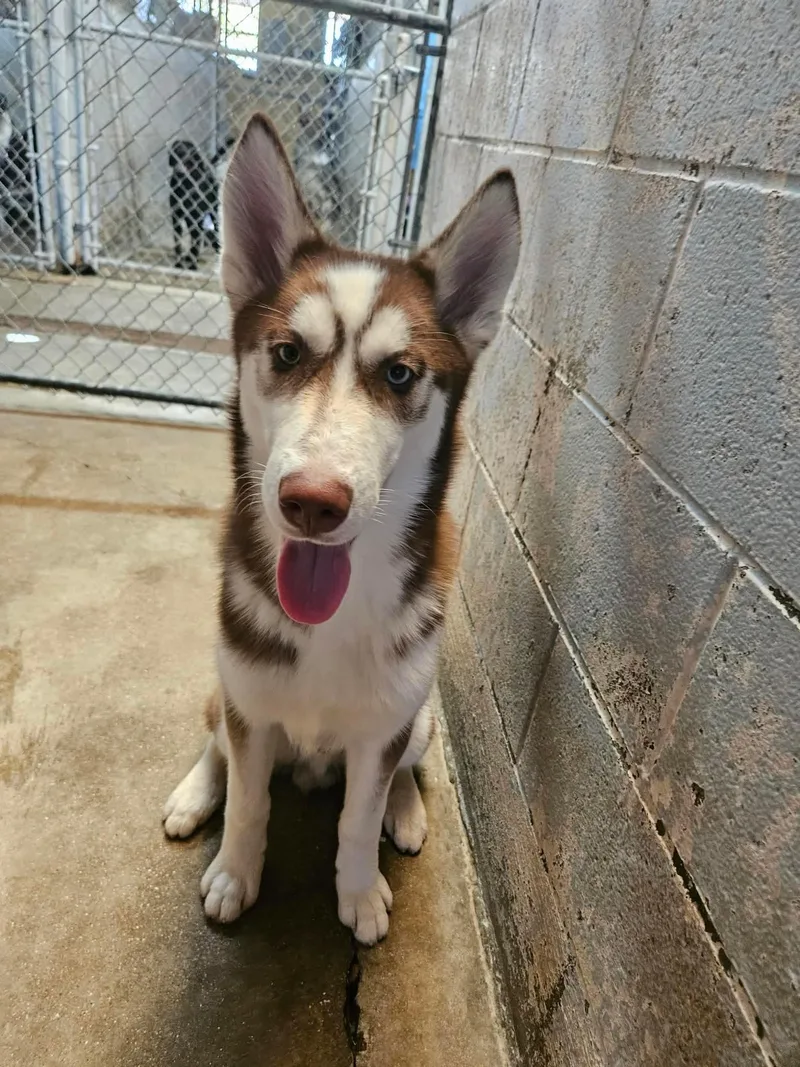
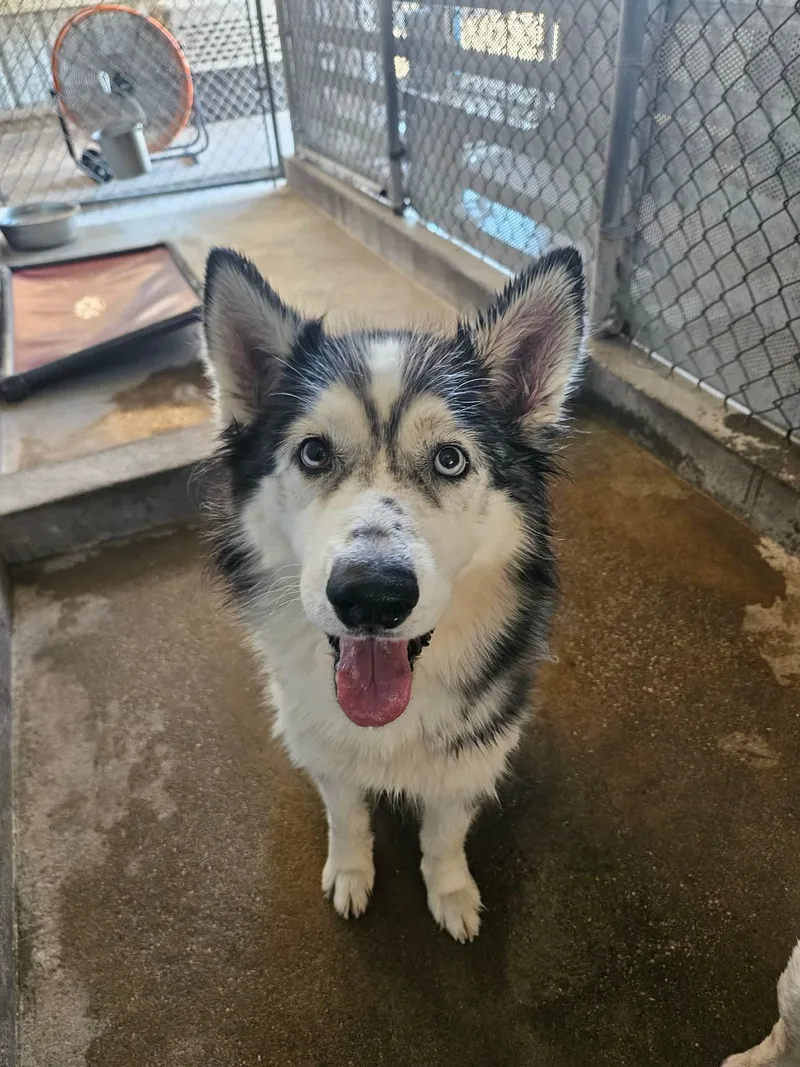
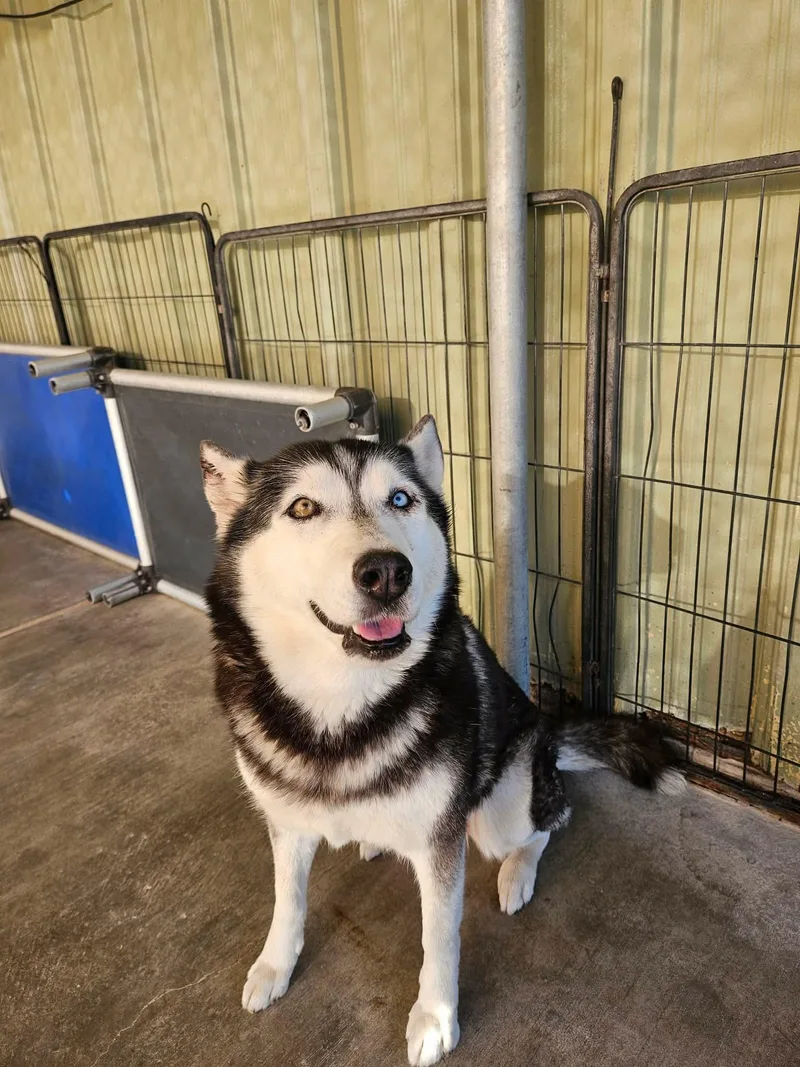
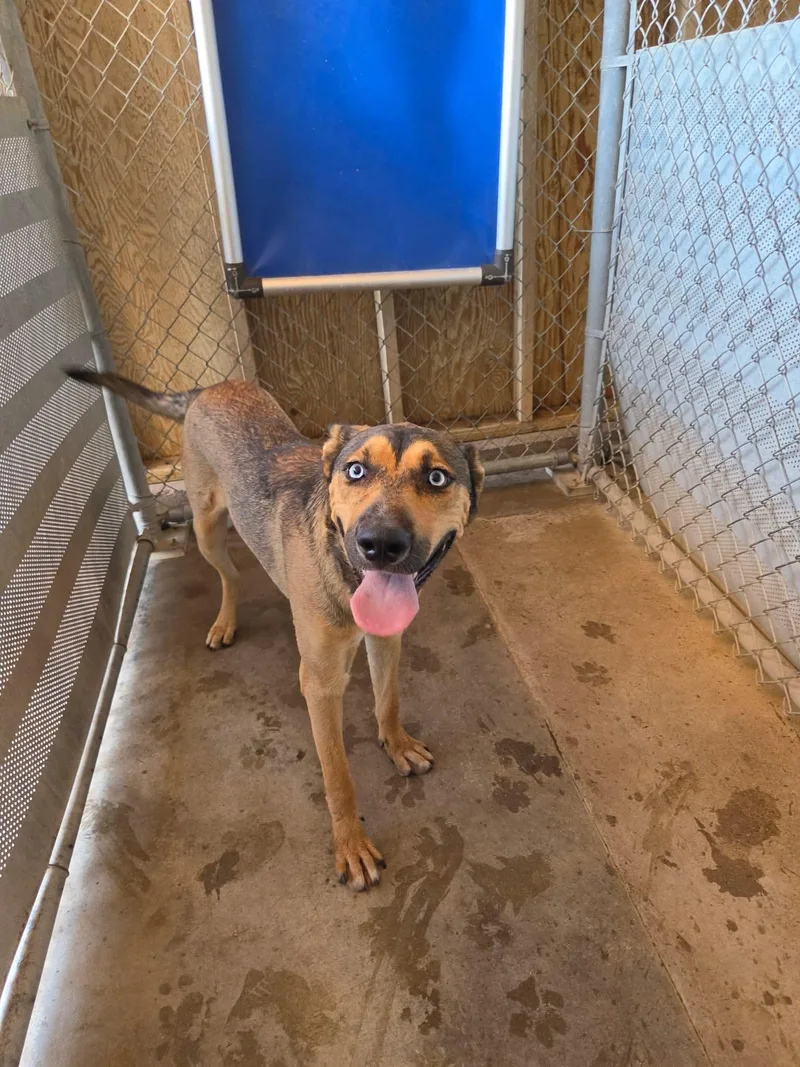
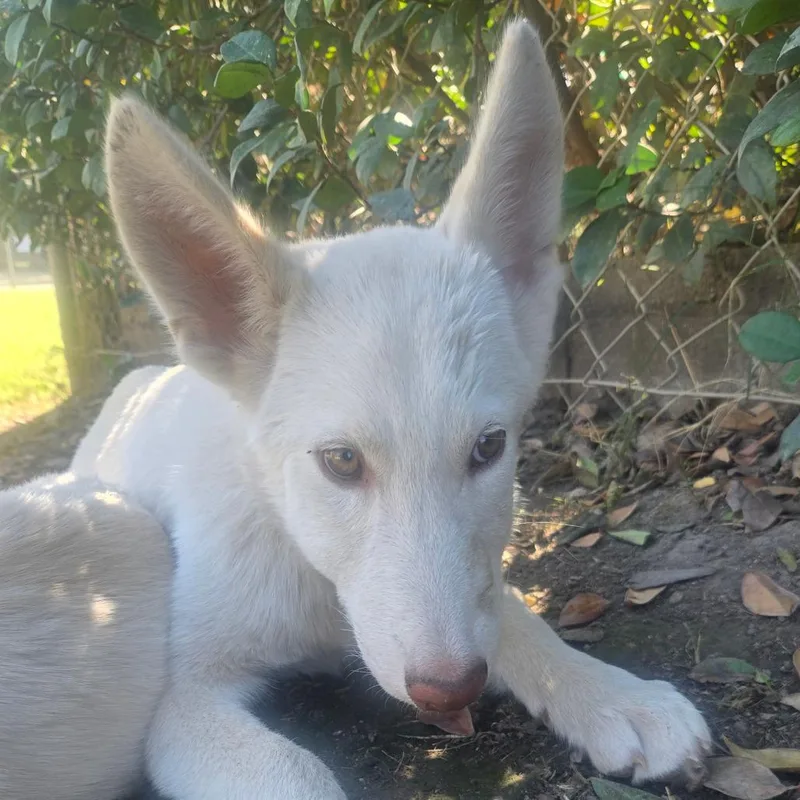
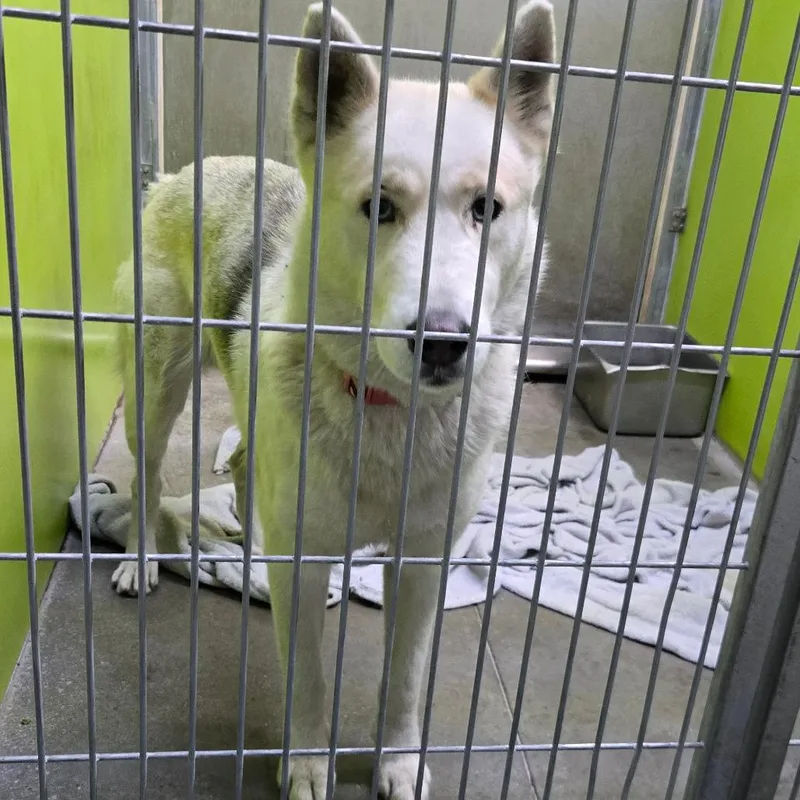
Husky Dogs for Adoption in Cheyenne, WY

Your guide to finding and caring for a Husky in Cheyenne

Cheyenne's cold winters suit a Husky's thick coat well. The older homes in Capitol North often have large yards, and the Greenway runs along Dry Creek and Saddle Ridge for long leashed runs. Most of the city is car-dependent, so daily exercise often means a drive to a trail or a few laps around the block. Add a fence at least six feet high, since Huskies dig and climb, and you've covered the basics.

4280 Huskies available in Cheyenne and nationwide

Your Husky is waiting

While we don't have enough dogs near Cheyenne, keep in mind that many rescues may offer transport.

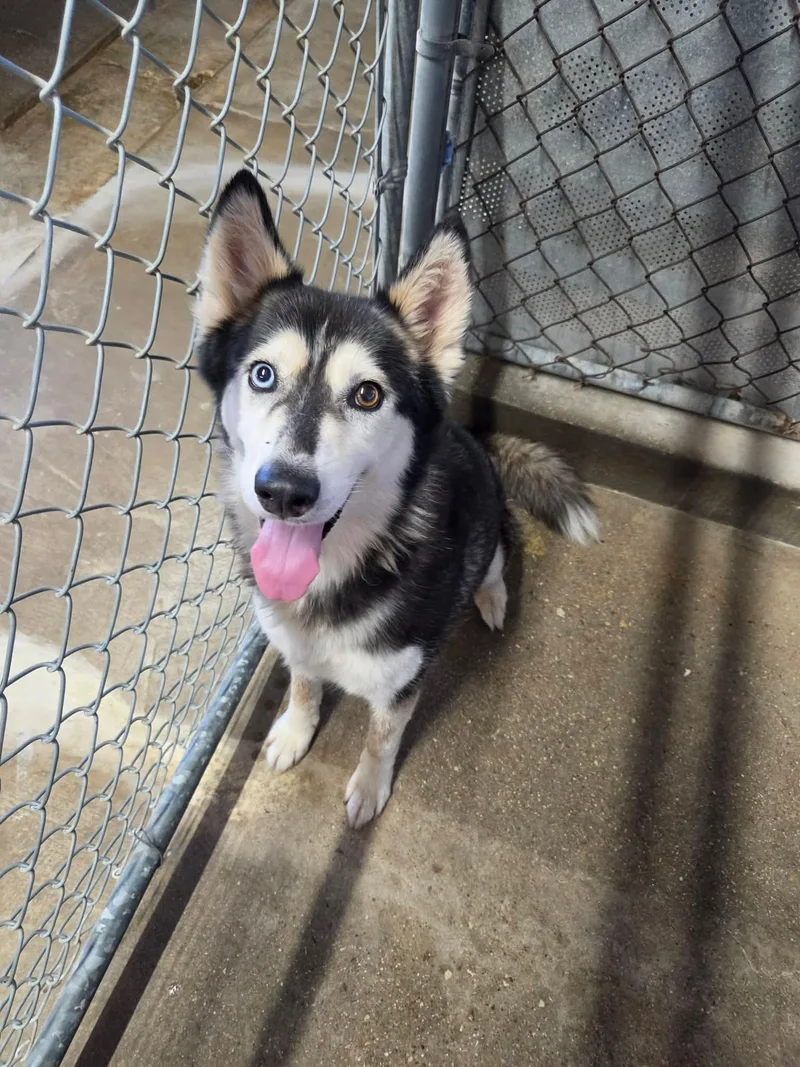
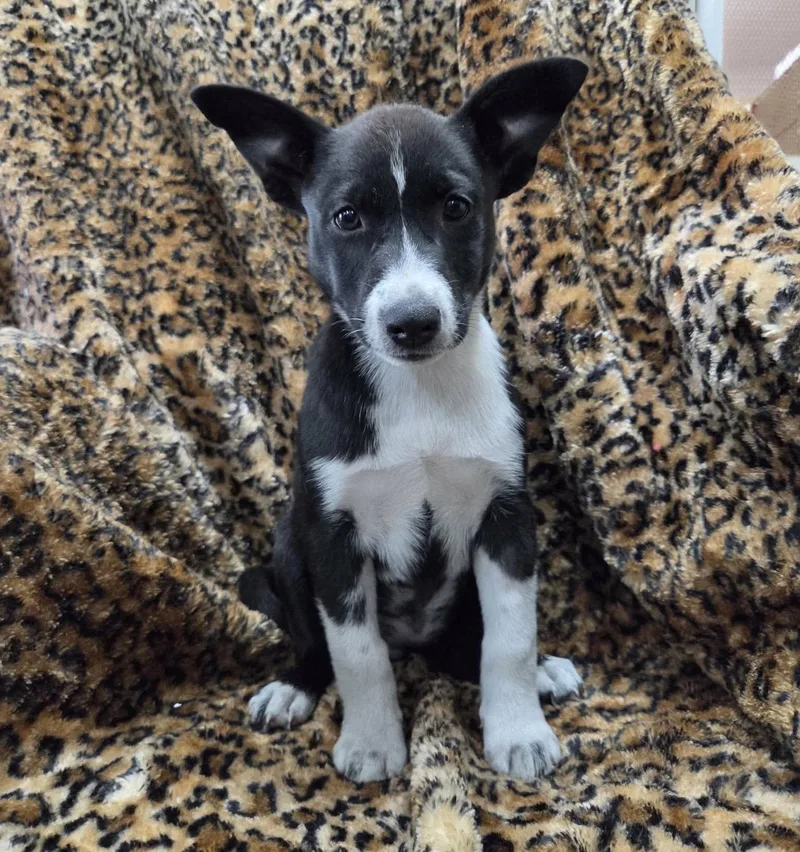
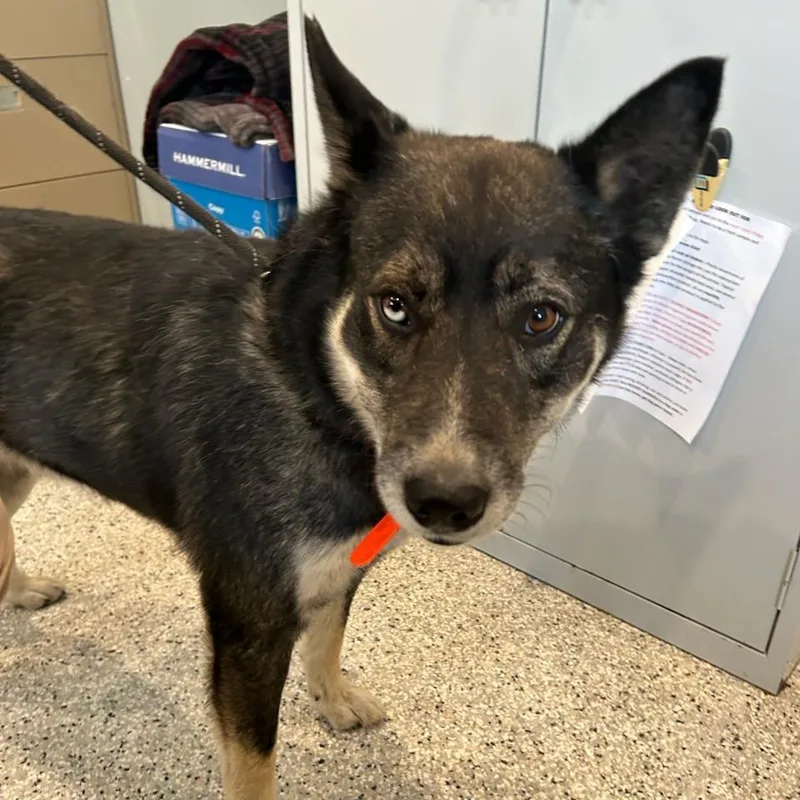
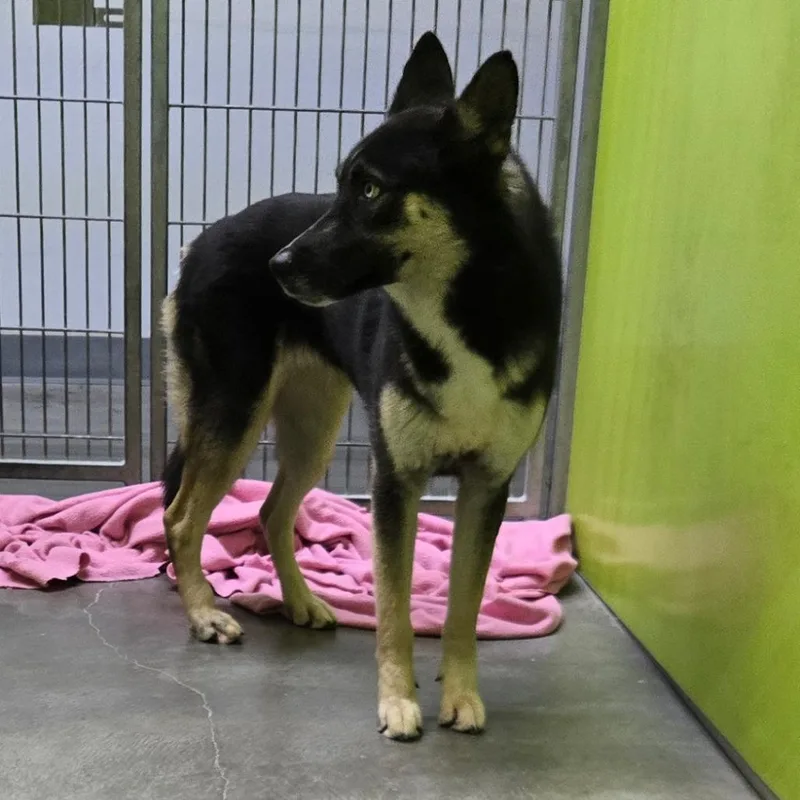
Huskies Available for Adoption Near Cheyenne

About the Husky breed

Husky is a catch-all name for northern sled dogs. Most adoptable ones are Siberian Huskies or Siberian mixes, but the label also covers Alaskan huskies, a mixed racing type, and dogs with some Malamute in them. They share erect ears, a thick double coat, a brush tail and often blue or mismatched eyes.

Most weigh 35 to 70 pounds and were built to run for hours in a team. Many are friendly and playful, but also independent, vocal and quick to chase small animals or slip out of a yard. Their coats blow out heavily once or twice a year, so expect fur on everything. Temperament varies from dog to dog, especially in mixes.

Weight
35–70 lbs
Height
20–25 in
Lifespan
11–15 yrs
Temperament
Friendly, Energetic, Independent, Vocal
Group
Working
Shedding
High

Owning a Husky in Cheyenne

Having a Husky in Cheyenne

A Husky-type dog brings sled-dog stamina and a coat built for cold, which Cheyenne's climate respects. The trade-offs are wind, open prairie and a dog that wants a job, so exercise, fencing and a leash outdoors matter more than the weather.

Temperament

Huskies are usually outgoing and gentle with people, so they make poor guard dogs, and many enjoy other dogs. Prey drive can be a problem for cats and small pets. They're smart but independent, and a Husky may talk, howl or ignore commands. Cheyenne's barking rule covers excessive, continuous or untimely noise, so train for quiet early.
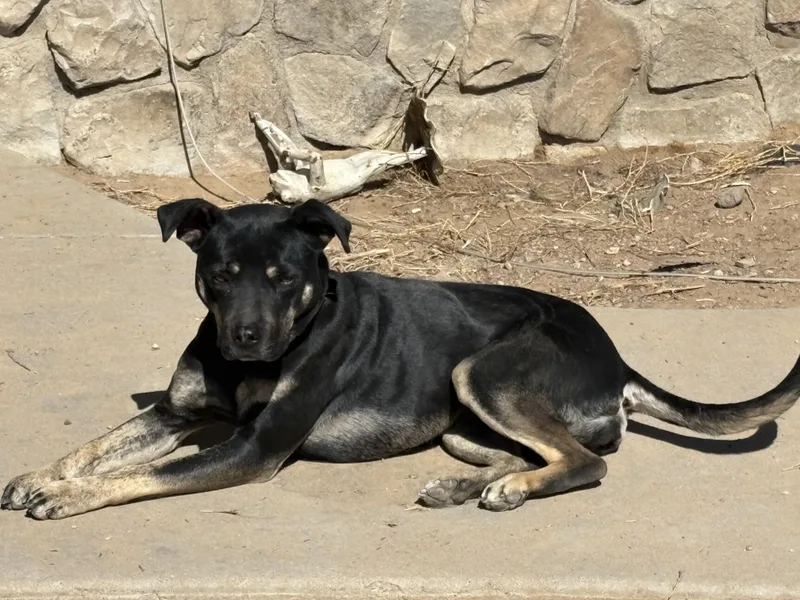
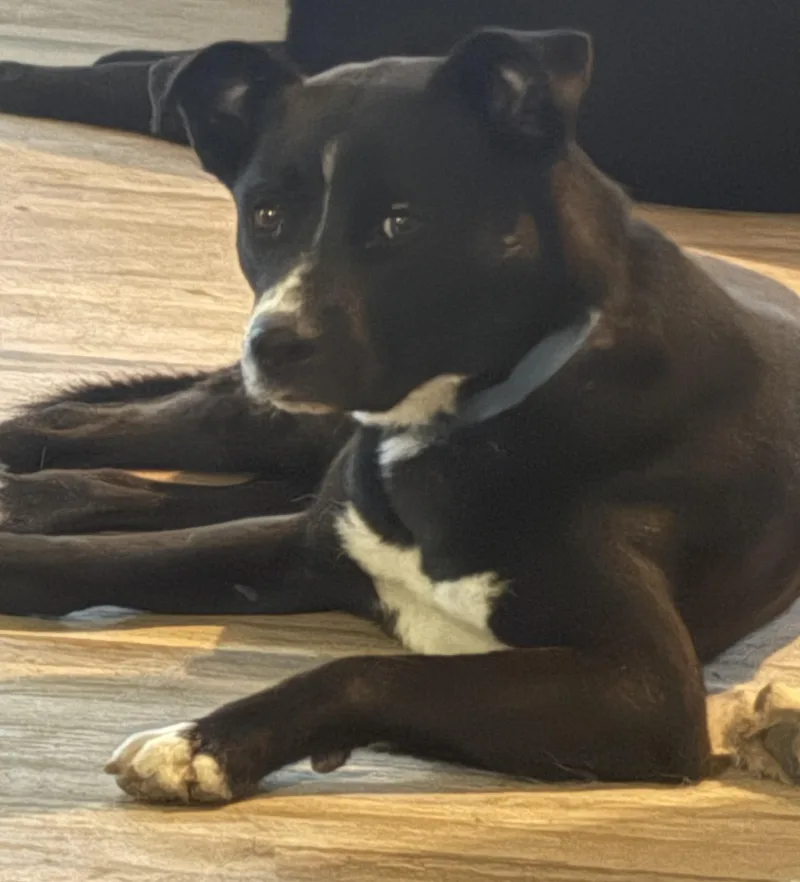
Exercise Needs

Most Huskies need an hour or more of vigorous exercise daily. Cheyenne's nearly 50 miles of Greenway are leash-only, which suits canicross or steady jogging. With no open off-leash dog park, add puzzle toys and training games at home. Recall is often unreliable, so keep a Husky leashed anywhere outside a secure fence.

Health Considerations

Huskies are generally hardy, but inherited eye problems like juvenile cataracts and progressive retinal atrophy occur, along with zinc-responsive skin disease and hip dysplasia in some dogs. A veterinarian can check eyes and hips. In Cheyenne, wipe paws after walks on icy or de-iced sidewalks, and keep rabies vaccination current, since the city requires an annual tag.

Living Space

Cheyenne is mostly single-family homes, which suits a Husky that needs a fenced yard at least six feet high and dig-proofed. Apartments can work with enough exercise, but howling carries through walls. Huskies want to live indoors with their people. The city allows up to four dogs per home.

What it costs to own a Husky in Cheyenne

ExpenseTypical costPer year
Food$35 to $70 per month$420 to $840
Pet insurance$45 to $85 per month$540 to $1,020
Routine vet care$225 to $450 per year$225 to $450
Other*$525 to $1,350 per year$525 to $1,350
Estimated yearly total (after year one)$1,710 to $3,660

Other costs are estimates and vary with size, age and health.

* Flea, tick and heartworm prevention, a yearly dental cleaning, toys and bedding, and brushing or grooming for heavy seasonal shedding.

Adopt a Husky in Cheyenne.

Now that you know more, let’s find you a new best friend. These rescues and shelters below have dogs available in and near Cheyenne.

Rescues and Shelters in or near Cheyenne

Cheyenne's rescue community includes a large nonprofit shelter and volunteer-run, foster-based groups that place dogs and cats. Here are the rescues & shelters in the Cheyenne area with dogs available for adoption, worth asking whether a Husky is coming in.

Frequently Asked Questions

Yes, Cheyenne has no known breed ban or breed-specific rules, and its dangerous-animal rules look at a dog's behavior, not its breed. You'll need a rabies vaccine after four months of age, a rabies tag renewed every year, a leash or fence at all times, and no more than four dogs per home.

Yes, Huskies generally handle Cheyenne winters well. The double coat copes with about 170 freezing nights and roughly 63 inches of snow a year. Wind is the bigger issue, so shorten outings in harsh gusts and check paws after snowy walks. A Husky should sleep indoors, and city code requires proper shelter for any dog kept outside.

The Greater Cheyenne Greenway is the top pick for long leashed runs or canicross, and Dry Creek Parkway and Cahill Park on the northeast side offer quieter open space. Dogs must be leashed everywhere in the city, and no open off-leash dog park is available, so a secure yard helps a Husky burn off extra energy.

Often, yes, for active owners. The cold climate, yards and trails suit a Husky's energy, but the city is car-dependent, trails are leash-only, and wind and hail call for planning. A Husky left alone for long days may howl or dig, so it fits homes with time for daily exercise and company.

It can, but it takes effort. Most Cheyenne homes are single-family houses, so apartments are the minority and some landlords limit breed or size. A Husky in an apartment needs a long daily workout, mental games and early training for quiet, since howling carries through shared walls and neighbors may complain.

Brush a Husky a few times a week, and daily during the heavy coat blowouts that come in spring and fall. A bath every couple of months is plenty, and shaving a double coat isn't recommended, even in summer. Professional deshedding sessions are optional and fall within the yearly Other costs.

No. Cheyenne's free city buses allow only service animals, not pets, so a Husky can't ride along. With no rail or subway, plan on driving. In a truck, city code requires a dog in the bed to be in a carrier or similar device, and a tether doesn't count. Inside the cab, a crate or harness is safer.

Sometimes, on a patio. Policies vary by restaurant, and pet dogs generally aren't welcome in indoor dining rooms, where only service animals are typically allowed. Look for a posted dog-friendly sign before sitting down. A Husky should be leashed, calm around crowds and comfortable lying quietly under a table.

A Husky is a northern sled dog type rather than one specific breed. The name most often refers to the Siberian Husky, a recognized AKC breed, but it also covers the Alaskan husky, a mixed racing type, and many husky mixes in shelters. Most are medium-sized, thick-coated, energetic dogs with erect ears and a friendly, independent nature.

Budget about $35–$70 a month for food, $45–$85 for insurance, $225–$450 a year for routine vet care, and $525–$1,350 a year for other costs like parasite prevention, dental cleanings and brushing. Cheyenne has no city dog license; the annual rabies tag is the local requirement. Fence repairs or dig-proofing are extra.

Explore Other Breeds in Cheyenne

Looking for a different breed? Browse other dogs available for adoption in Cheyenne.