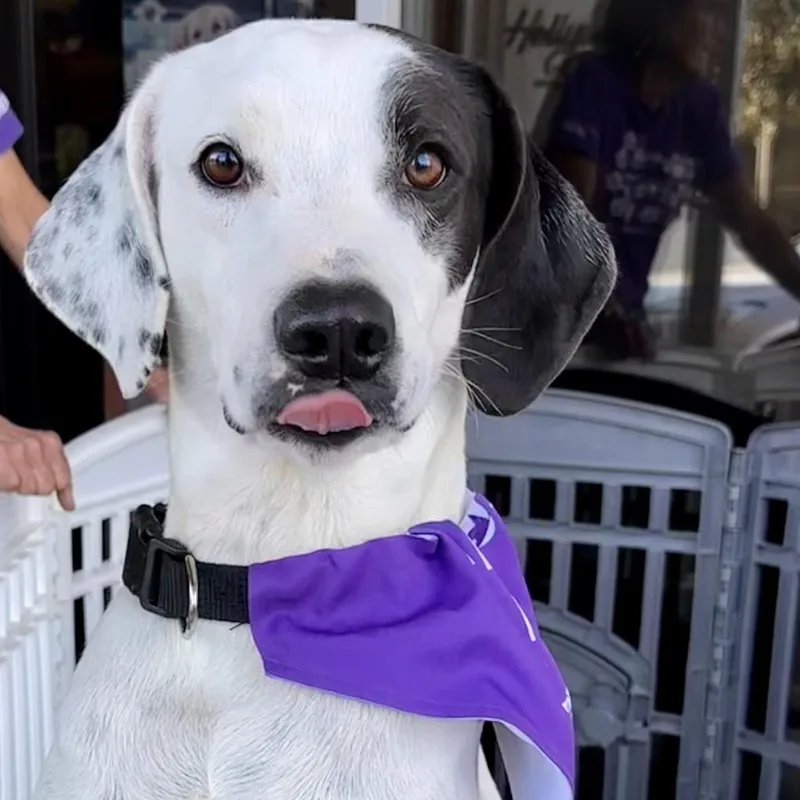
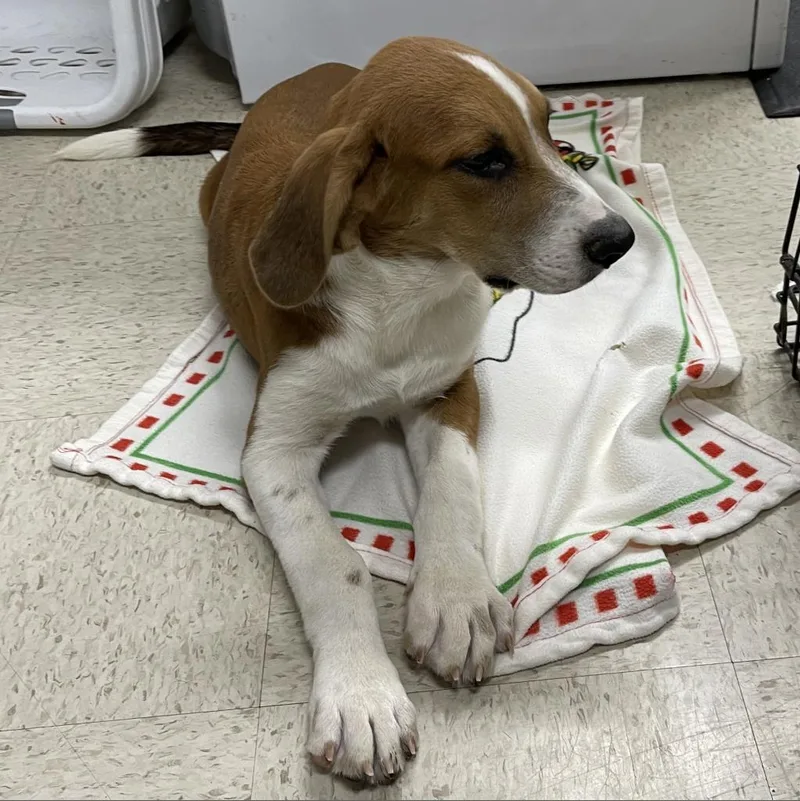
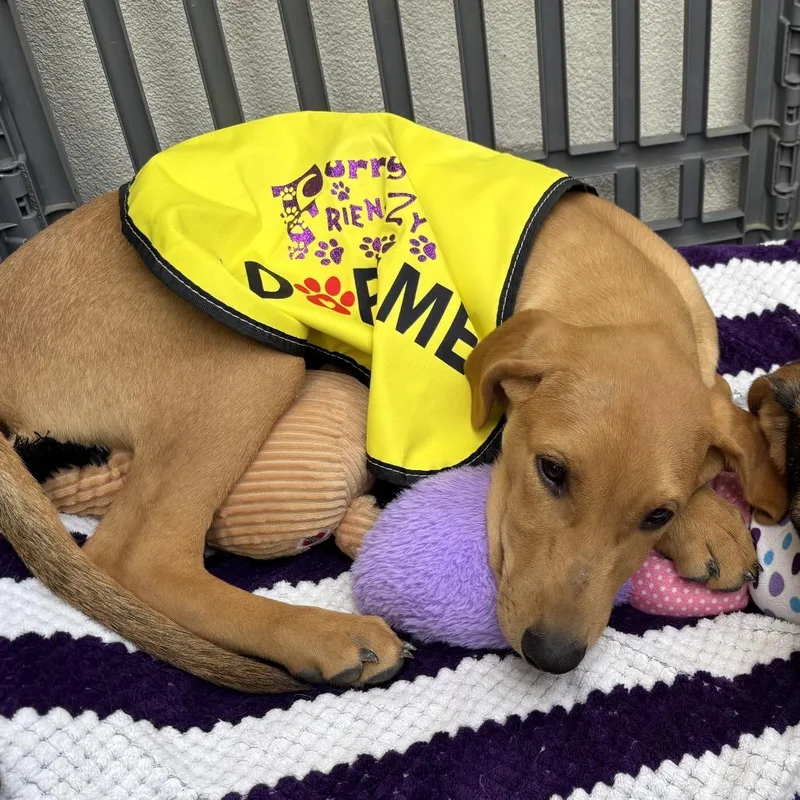
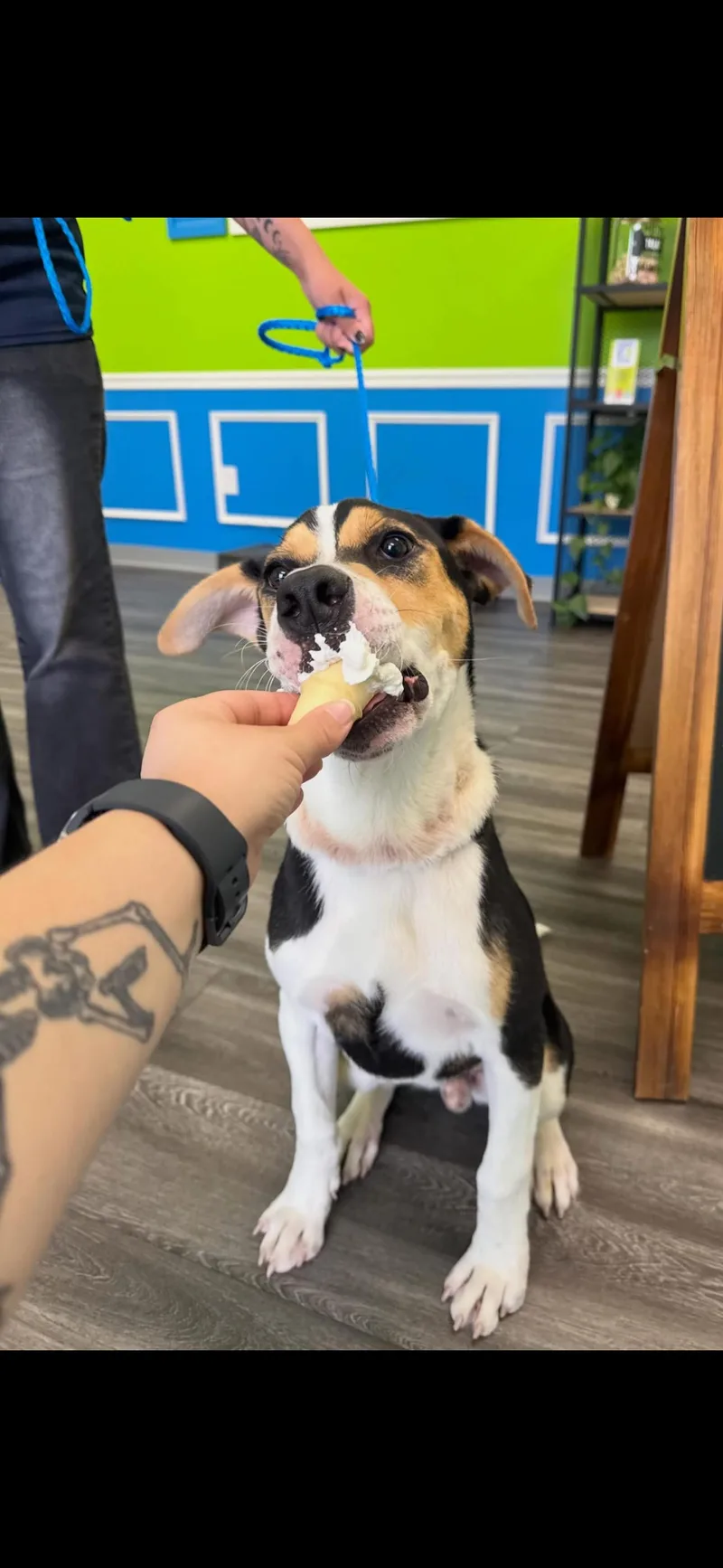
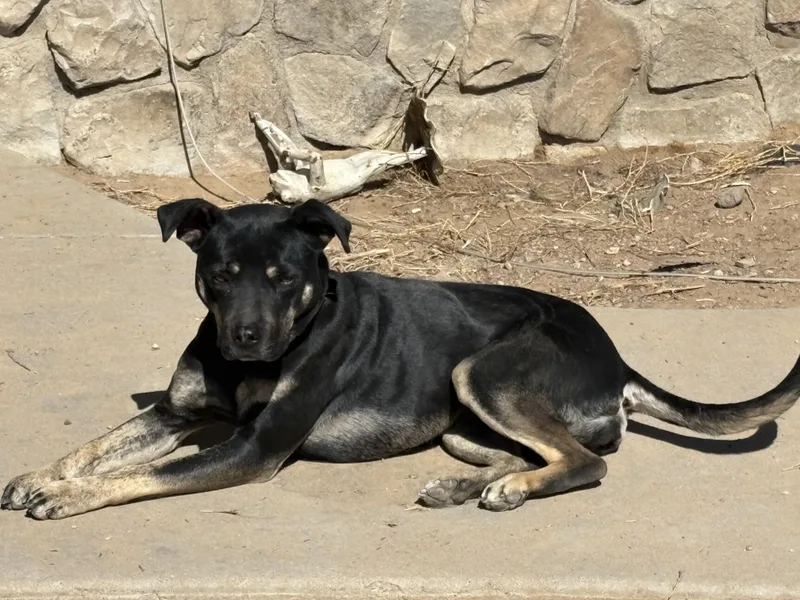
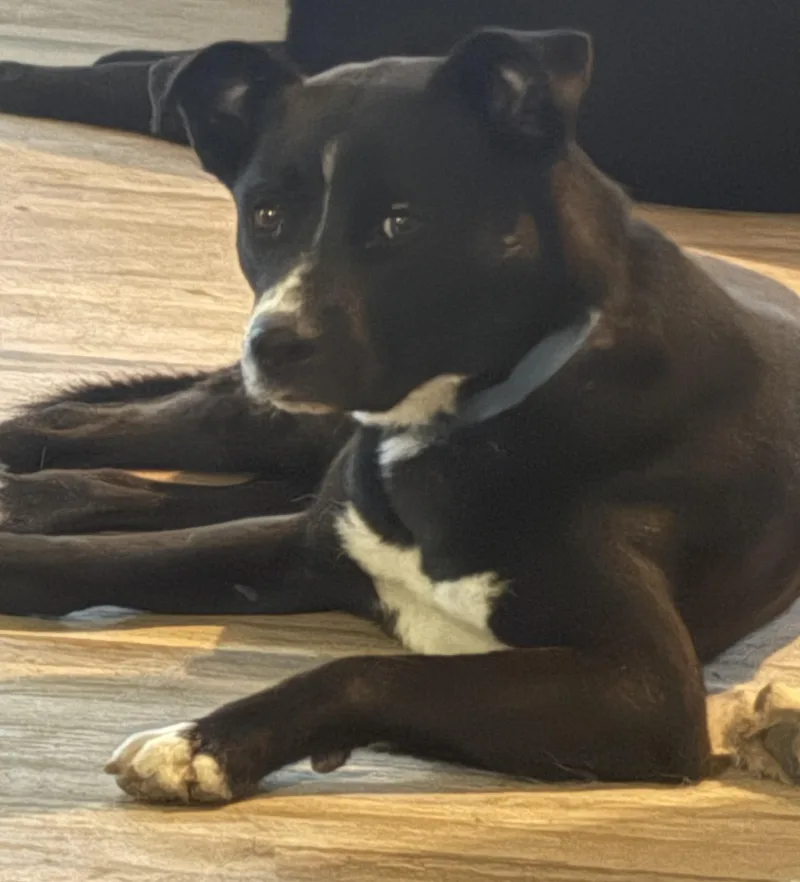
Hound Dogs for Adoption in Cheyenne, WY

Your guide to finding and caring for a Hound in Cheyenne

Hounds fit Cheyenne's roomy, yard-heavy streets, as long as the fence is solid. In Capitol North, where lots are big and some homes still have carriage barns, a scent hound can spend an afternoon working every corner of the yard. Out on the Dry Creek Greenway, the nose leads and you hold the leash, because a good scent beats recall. Expect a vocal dog that loves a slow, sniffy walk, then a long nap.

4671 Hounds available in Cheyenne and nationwide

Your Hound mix is waiting

While we don't have enough dogs near Cheyenne, keep in mind that many rescues may offer transport.

Hounds Available for Adoption Near Cheyenne

About the Hound breed

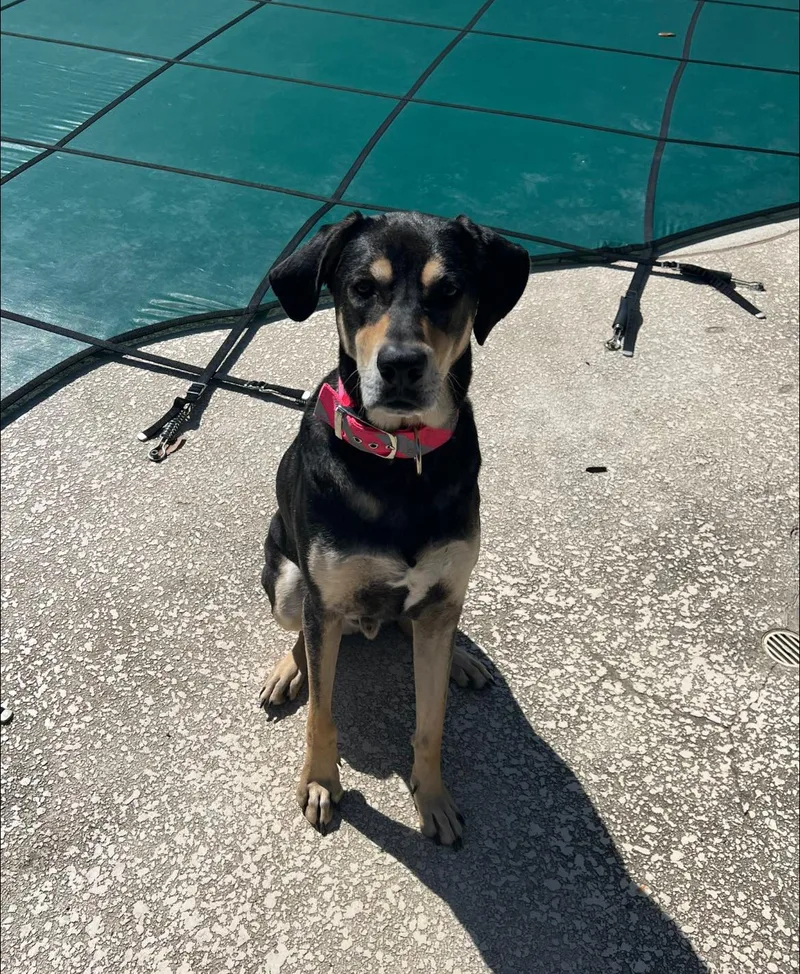
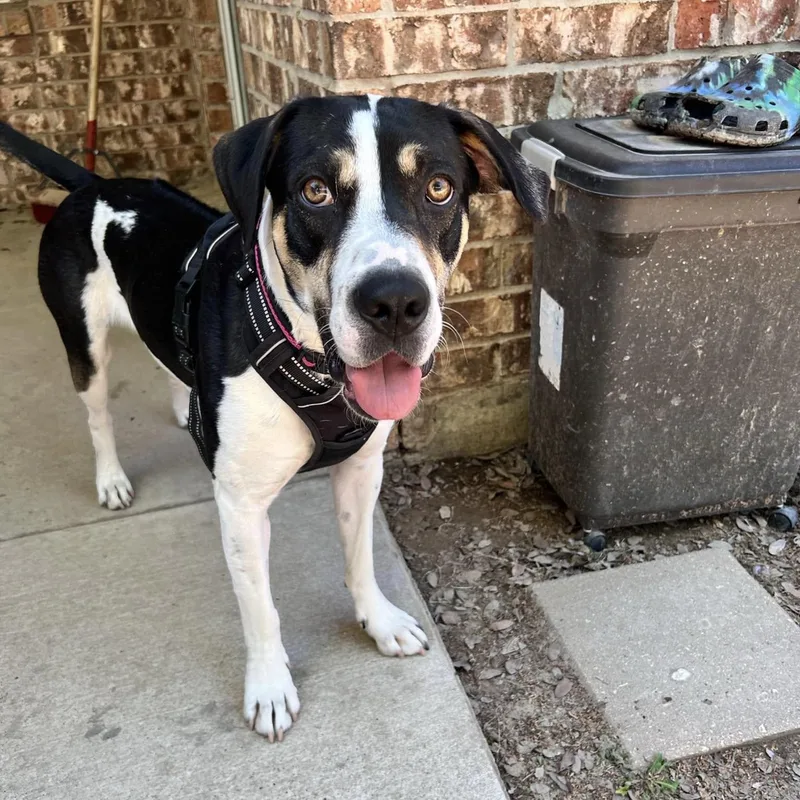
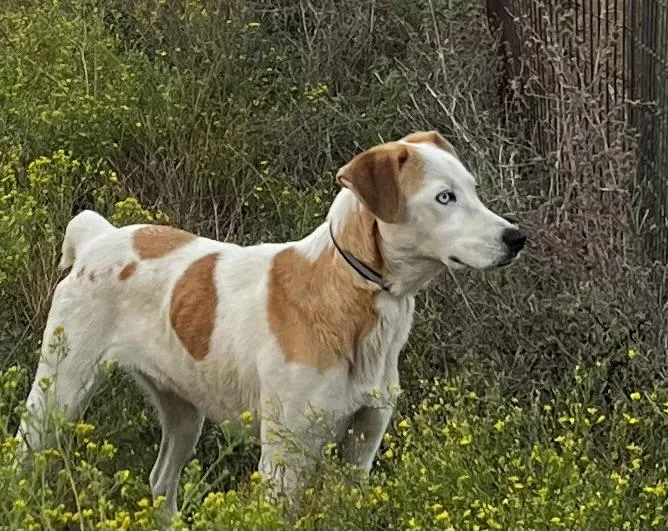
Hound isn't one breed but a label for a big family of hunting dogs. Scent hounds like Beagles, Coonhounds, Foxhounds and Plotts follow trails with their noses, while sighthounds such as Greyhounds and Whippets chase what they see. On adoption listings, a hound is usually a scent hound mix with long ears, a short coat and a loud voice.

Hounds are generally friendly with people and other dogs, a trait from working in packs. They're also independent, and a strong scent can pull them off course, so training takes patience and treats. Weights run from about 20 to 70 pounds, and the dog's own mix decides size, energy and how much it bays. In Cheyenne, plan around a secure yard and leashed outings.

Weight
20–70 lbs
Height
13–27 in
Lifespan
10–14 yrs
Temperament
Friendly, Independent, Vocal
Group
Hound
Shedding
Moderate

Owning a Hound in Cheyenne

Having a Hound in Cheyenne

Hound mixes share a sociable, pack-minded nature, a powerful nose and an independent streak, though the mix decides how strongly each shows. In Cheyenne, the fenced yard, the leash and the weather matter as much as the breed label.

Temperament

Most hounds are gentle and sociable, often happy with visitors and other dogs. They can be stubborn and may howl or bay, so assume a vocal dog. Cheyenne's rules on excessive or untimely barking, whining and howling make early, patient training and enough daily activity worthwhile.

Exercise Needs

Plan on daily walks long enough to sniff, with leash and fenced-yard time rather than off-leash freedom, since a scent can override recall. Cheyenne requires dogs to be under restraint, and the Greenway suits steady leashed walking. Food puzzles and scent games help on days when snow or wind keeps outings short.

Health Considerations

Long ears trap moisture, so ear infections are common in scent hounds; check and clean ears regularly. Many hounds gain weight easily, and larger ones can develop hip dysplasia. Sighthound types can be sensitive to anesthesia, so mention that to the vet. Cheyenne's dry air and winter ice-melt make paw checks a good habit.

Living Space

Yards are common in Cheyenne, which helps: a secure fence matters because hounds dig, climb and follow scent through gaps. Apartments can work with enough outdoor time, but baying can carry through thin walls. Keep food and trash out of reach, since counter surfing is common.

What it costs to own a Hound in Cheyenne

ExpenseTypical costPer year
Food$35 to $70 per month$420 to $840
Pet insurance$45 to $85 per month$540 to $1,020
Routine vet care$225 to $450 per year$225 to $450
Other*$425 to $1,150 per year$425 to $1,150
Estimated yearly total (after year one)$1,610 to $3,460

Other costs are estimates and vary with size, age and health.

* Flea, tick and heartworm prevention, a dental cleaning allowance, toys and bedding, and basic brushing and ear care.

Adopt a Hound in Cheyenne.

Now that you know more, let’s find you a new best friend. These rescues and shelters below have dogs available in and near Cheyenne.

Rescues and Shelters in or near Cheyenne

Cheyenne's adoptable dogs come through a large nonprofit shelter and foster-based rescues, all listed here with their current pets. Here are the rescues & shelters in the Cheyenne area with dogs available for adoption, worth asking whether a Hound is coming in.

Frequently Asked Questions

Yes, most Hounds handle Cheyenne winters with a little help. Their short coats offer limited insulation, so a coat helps on windy days and when it dips below 0°F, which happens about eight nights a year. Keep walks brief in the worst cold, wipe ice-melt off paws, and give a smaller, older or lean dog a warm indoor bed.

Yes. Cheyenne's animal code has no known breed-specific rules, and its dangerous-animal rules look at a dog's behavior, not its breed. Dogs four months and older need a rabies vaccination and a new rabies tag every year, and a home can have up to four dogs. Since many Hounds are mixes, the dog's behavior is what counts.

Cheyenne has no open off-leash dog park right now, so plan on leashed walks. The Greater Cheyenne Greenway runs nearly 50 miles, and Kiwanis Park and Dry Creek Parkway's open space give a Hound room to sniff on a leash. Greenway underpasses can flood in bad weather, so check conditions before heading out.

A Hound can be a good fit if you have a fenced yard, enjoy long sniffy walks and can live with a vocal dog. Many Cheyenne homes have yards. You'll likely drive to most outings, and wind and snow can shorten walks from fall to spring, so a Hound that accepts a coat and indoor games does best.

Very little. Most Hounds have short, dense coats that need a weekly brush to manage moderate shedding, with baths only when dirty. Cheyenne's dry air and winter ice-melt make paw checks worthwhile, and long ears need regular cleaning to prevent infections. Most owners handle this at home, so grooming costs stay within the yearly Other budget.

No. Cheyenne's city buses allow only service animals, so a pet Hound can't ride. Fares are free for riders, but there's no rail or subway, and buses don't run on Sundays. Plan on driving, and never leave the dog in a parked car, which city code prohibits when it exposes the animal to extreme heat or cold.

Sometimes, on patios, but there's no guarantee. Patio policies are up to each restaurant, and dogs generally aren't allowed inside dining rooms except service animals. Call ahead, keep a Hound leashed and settled, and expect plenty of sniffing temptation near food. A calm, well-exercised Hound with a mat to lie on does best.

A hound dog is a hunting dog bred to track or chase game, either by following a scent or by sight and speed. Beagles, Coonhounds, Bloodhounds and Basset Hounds hunt by nose, while Greyhounds and Salukis are sighthounds. Shelters often label a dog hound when it shows scent hound traits, such as long ears, a strong nose and a baying voice.

Most adoptable hounds are medium-sized, roughly 20 to 70 pounds and 13 to 27 inches tall at the shoulder. Beagle types sit at the small end, while coonhound types reach the top. Because hound is a label covering many breeds and mixes, the shelter's notes on the individual dog's ancestry and current weight are the best guide.

Budget roughly $35–$70 a month for food, $45–$85 a month for optional pet insurance, and $225–$450 a year for routine vet care. Other yearly costs, including parasite prevention, dental cleaning and supplies, run about $425–$1,150. Cheyenne has no city dog license, only the yearly rabies tag. Costs rise with the dog's size.

Find Hounds in Nearby Cities

Expand your search to find Hounds available for adoption near Cheyenne.

Explore Other Breeds in Cheyenne

Looking for a different breed? Browse other dogs available for adoption in Cheyenne.