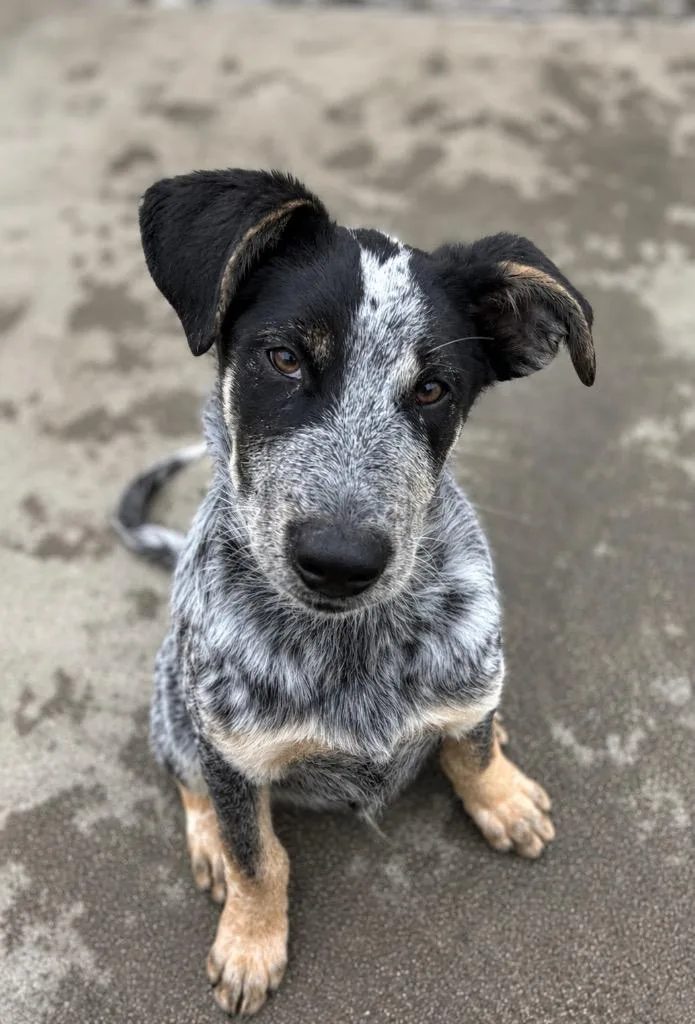
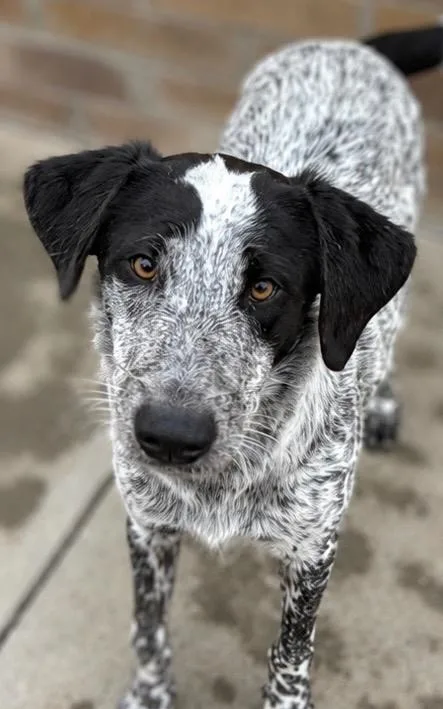
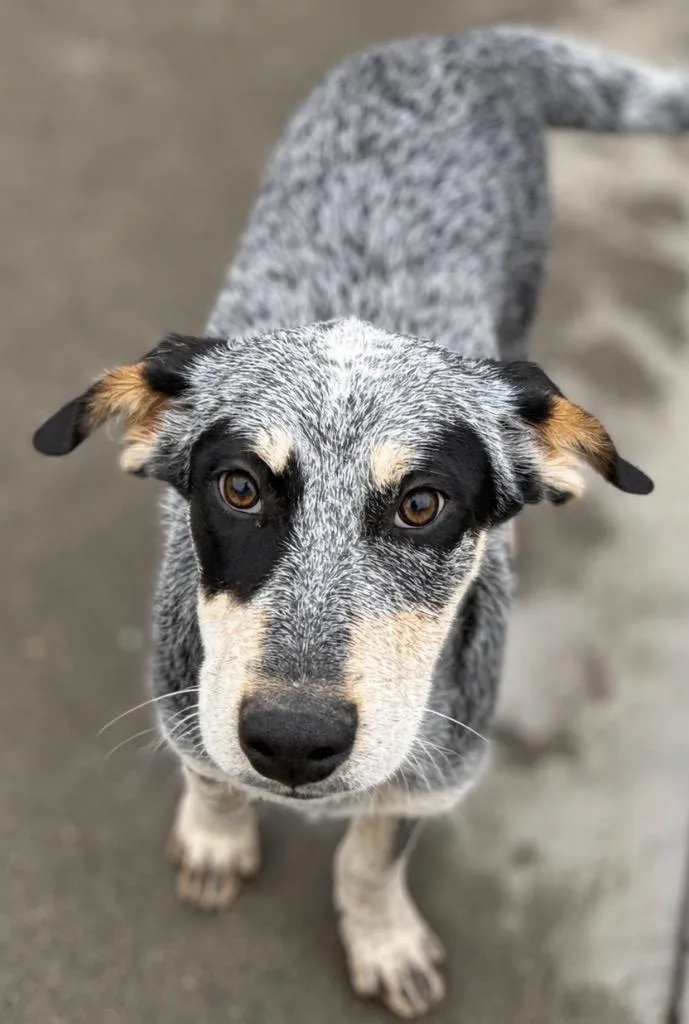
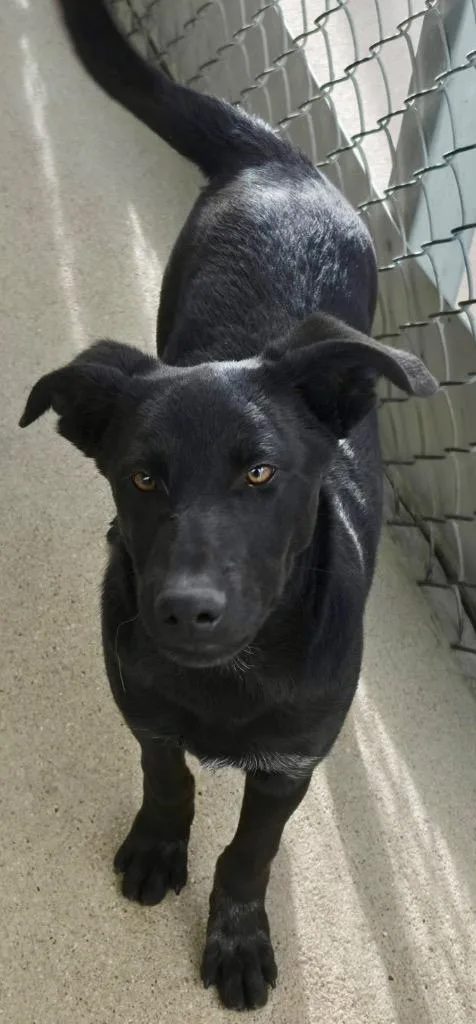
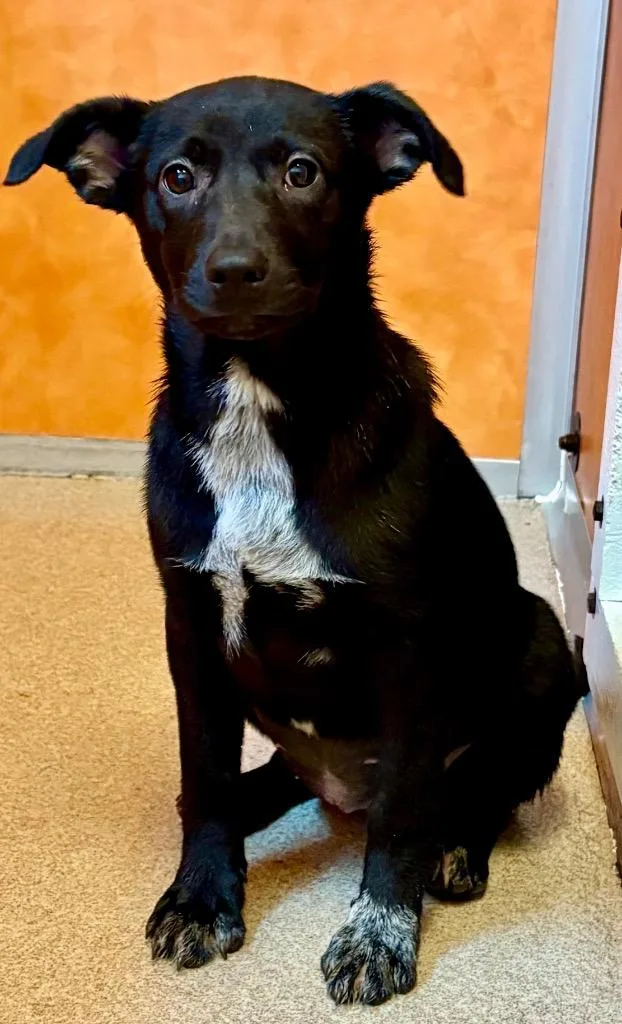
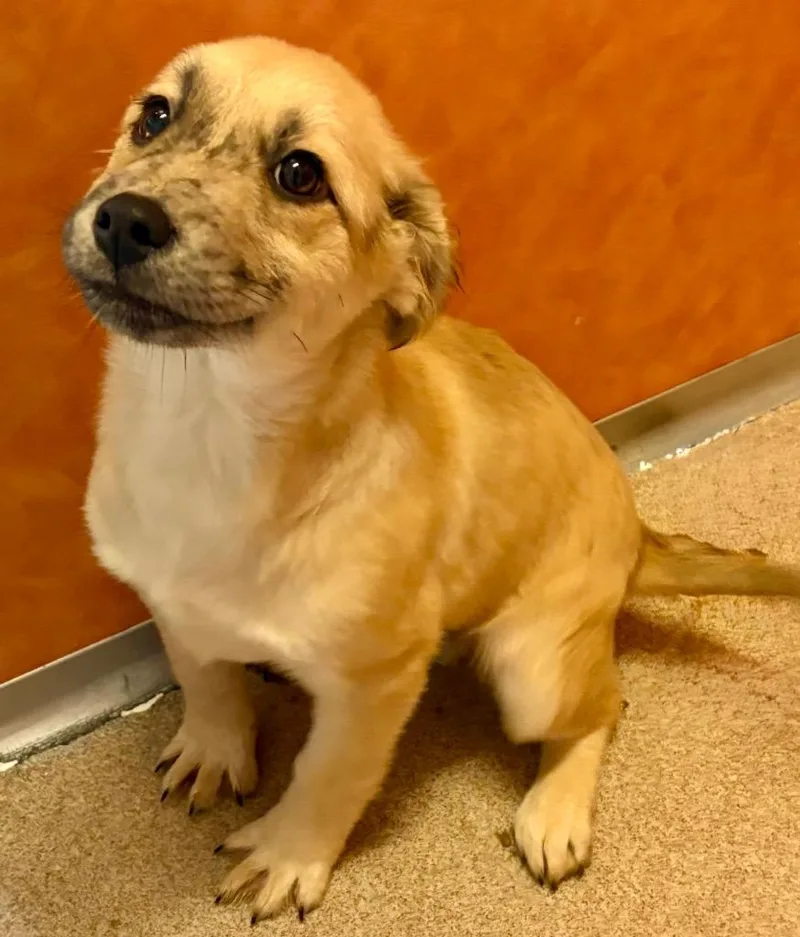
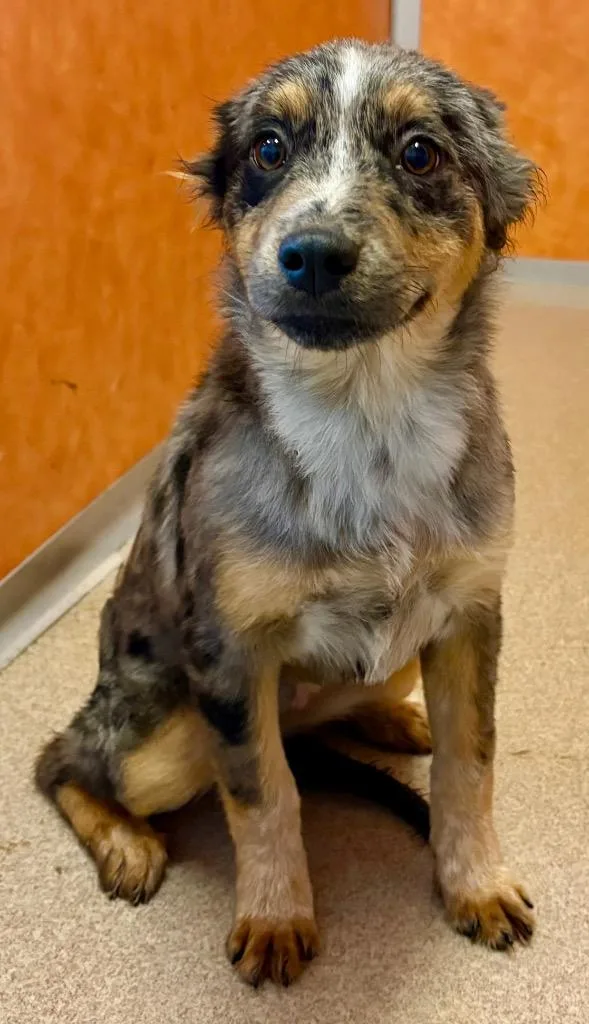
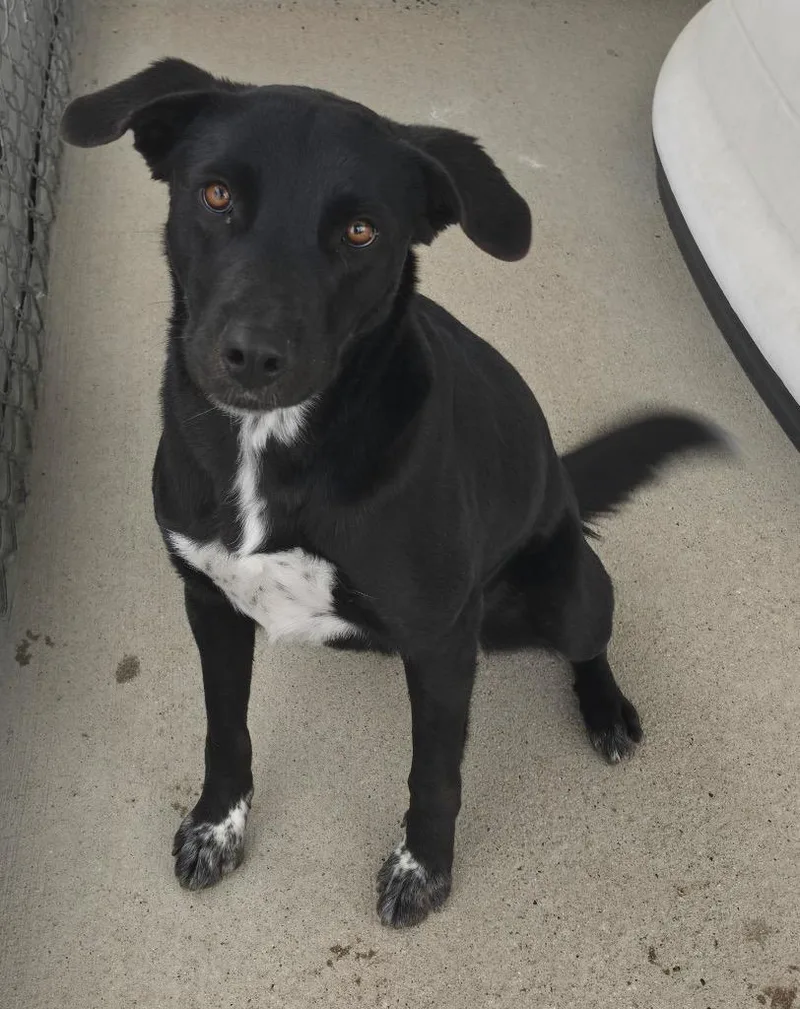
Curly-Coated Retriever Dogs for Adoption in Cheyenne, WY

Your guide to finding and caring for a Curly-Coated Retriever in Cheyenne

A Curly-Coated Retriever suits Cheyenne best with a fenced yard and a Greenway trail close by. Capitol North's older homes often sit on big lots, which gives a tall, athletic dog room to move, and the paths along Dry Creek make daily walks easy. Curlies are reserved with strangers and slow to mature, so expect a goofy adolescent for two or three years. Most do well with people who are home often and like being outside, even on a windy March afternoon.

15109 dogs similar to Curly-Coated Retriever available in Cheyenne and nationwide

Bring home a Curly-Coated Retriever

Curly-Coated Retrievers and Similar Breeds Available for Adoption Near Cheyenne

About the Curly-Coated Retriever breed

The Curly-Coated Retriever is one of the oldest retriever breeds, shown in England by around 1860 and developed by gamekeepers for waterfowl and upland birds. It's the tallest retriever, usually 60 to 95 pounds, with a dense coat of tight, crisp curls over most of the body and a smooth face and front legs. Coats come in black or liver, and the curls shed water and brambles.

Many Curlies are more reserved and independent than Labs or Goldens. They tend to be gentle and affectionate at home, mature slowly and stay playful for years. In Cheyenne, that adds up to a dog that wants real daily activity, steady reward-based training and a household that doesn't mind a dog with opinions. Shedding is typically low to moderate, though coats and personalities vary.

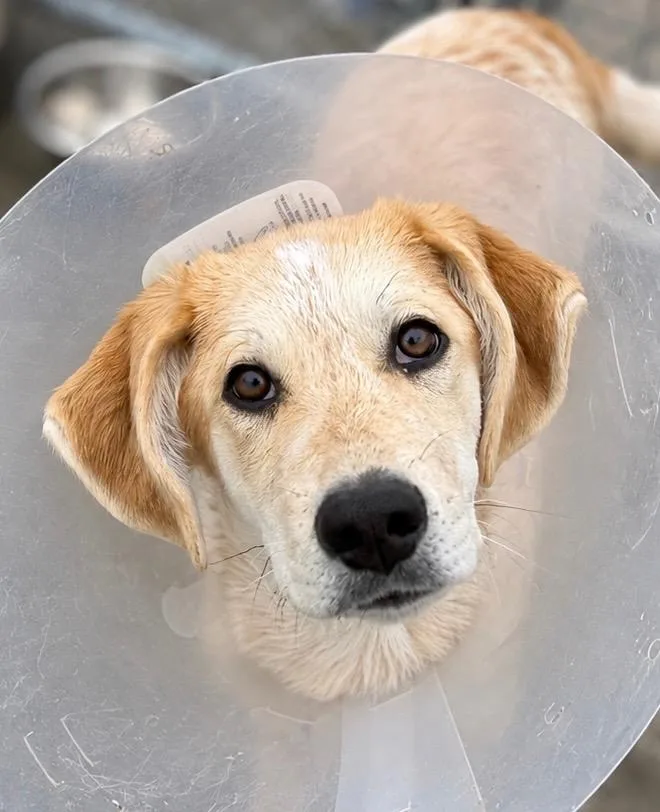
Weight
60–95 lbs
Height
23–27 in
Lifespan
10–12 yrs
Temperament
Confident, Intelligent, Independent
Group
Sporting
Shedding
Low to Moderate

Owning a Curly-Coated Retriever in Cheyenne

Having a Curly-Coated Retriever in Cheyenne

Curlies pair retriever stamina with an independent streak. In Cheyenne, the practical questions are how to get daily exercise when wind and snow linger, whether you have a secure yard, and how a slow-maturing dog fits your routine.

Temperament

Curlies are usually devoted with their own people and politely aloof with strangers, so early, calm socialization pays off. They're smart and independent, and may push back on repetitive drills. Reward-based training works best. Many stay puppyish into their second or third year, and each dog's personality varies.

Exercise Needs

Plan on vigorous daily exercise: long walks, running or retrieving games, plus mental work like scent games or obedience practice. No off-leash dog park is open in Cheyenne right now, so leashed Greenway miles and a fenced yard for fetch carry most of the load. A bored Curly invents its own jobs.

Health Considerations

Breed-level concerns include hip and elbow dysplasia, exercise-induced collapse, glycogen storage disease type IIIa, an inherited form of progressive retinal atrophy, heart disease and coat loss from follicular dysplasia. Deep-chested dogs can bloat, so keep hard exercise away from mealtimes. A veterinarian can check hips, eyes and heart and discuss genetic testing.

Living Space

A Curly does best with a securely fenced yard, which fits Cheyenne's many single-family homes. A committed apartment dweller can manage if daily exercise is guaranteed. Their size and active tail need floor room indoors, and they want to live inside with the family rather than out in a kennel or on a tether.

What it costs to own a Curly-Coated Retriever in Cheyenne

ExpenseTypical costPer year
Food$55 to $110 per month$660 to $1,320
Pet insurance$65 to $130 per month$780 to $1,560
Routine vet care$250 to $500 per year$250 to $500
Other*$475 to $1,250 per year$475 to $1,250
Estimated yearly total (after year one)$2,165 to $4,630

Other costs are estimates and vary with size, age and health.

* Flea, tick and heartworm prevention, a dental cleaning allowance, toys and bedding, and light coat care with occasional trims.

Adopt a Curly-Coated Retriever in Cheyenne.

Now that you know more, let’s find you a new best friend. These rescues and shelters below have dogs available in and near Cheyenne.

Rescues and Shelters in or near Cheyenne

Cheyenne has a large nonprofit shelter and foster-based rescues, and the pets listed below change often. Here are the rescues & shelters in the Cheyenne area with dogs available for adoption, worth asking whether a Curly-Coated Retriever is coming in.

Frequently Asked Questions

Yes. Cheyenne has no known breed bans, and its dangerous-animal rules look at a dog's behavior, not its breed. Dogs four months and older need a rabies vaccination and a yearly rabies tag, and a home can have up to four dogs. Keep dogs under restraint in public; a Curly's independent streak makes recall training worth the effort.

Usually yes. A Curly's dense, water-shedding curls were built for cold, wet work, and healthy adults often enjoy snow. Wind and sub-zero nights call for shorter outings, a towel for wet curls and paw wipes after ice-melt. Puppies, seniors and dogs with thin coats from follicular dysplasia need extra protection. Don't leave any dog tethered outside in extreme cold.

The Greater Cheyenne Greenway is the top pick, with nearly 50 miles of trail for leashed walks and runs. Dry Creek Parkway, Kiwanis Park's open space and Lions Park by Sloans Lake add variety. Dogs must be leashed in city parks, and no off-leash park is open now, so pair walks with fetch in a fenced yard.

No. Cheyenne Transit Program buses allow only service animals, so pet dogs can't ride, even though fares are free. Plan on driving to trails and vet visits. A Curly's size makes a secured crate or harness inside the car the practical choice, since city rules bar dogs from riding in a truck bed unless they're in a carrier; a tether doesn't count.

It can if daily exercise is guaranteed, but a house with a fenced yard is the easier fit, and Cheyenne has plenty of them. In an apartment, a Curly needs long walks or runs plus training games, and may whine or bark when bored. City rules treat excessive, continuous barking as a violation, so build a routine early.

It can be, for active people who like being outdoors in cold, wind and snow. The Greenway and mild summers give a Curly plenty of exercise options, and yards are common. It's a harder fit for anyone gone long hours or wanting a dog that greets everyone, since Curlies are often reserved with strangers and slow to mature.

Less than the curls suggest, but not none. Skip the brush, which frizzes the coat; dampen and finger-comb the curls regularly and trim occasionally. Cheyenne's dry air, wind and snow mean checking for mud, burrs and ice-melt on paws. Light at-home care and occasional trims fall within the Other line of the cost table.

Patio policies are up to each restaurant, so a Curly may be welcome outside at some places and not at others. Indoor dining rooms generally admit only service animals, so look for posted signs. Practice a calm down-stay first, since Curlies can be reserved with strangers, and skip crowded events like Frontier Days week in late July.

Yes, Curly-Coated Retrievers shed, but usually less than most retrievers for much of the year. Many have one or two heavier seasonal sheds when the curls loosen and drop hair, and intact females may shed more after a heat cycle. Owners generally avoid brushing, which frizzes the curls, and instead dampen the coat and work loose hair out by hand.

Expect roughly $2,200 to $4,600 a year for a Curly, before emergencies. Food runs $55 to $110 a month and insurance $65 to $130, a bit higher because of inherited conditions. Routine vet care is $250 to $500 a year, and other costs such as prevention and dental care add $475 to $1,250.

Explore Other Breeds in Cheyenne

Looking for a different breed? Browse other dogs available for adoption in Cheyenne.