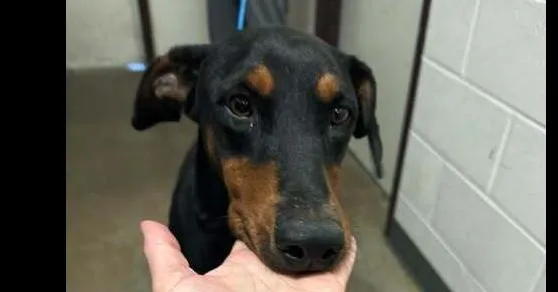
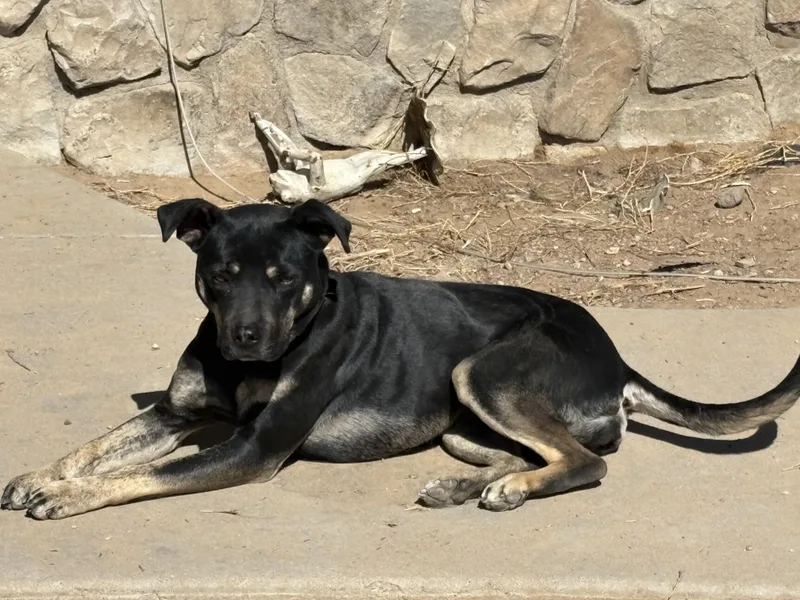
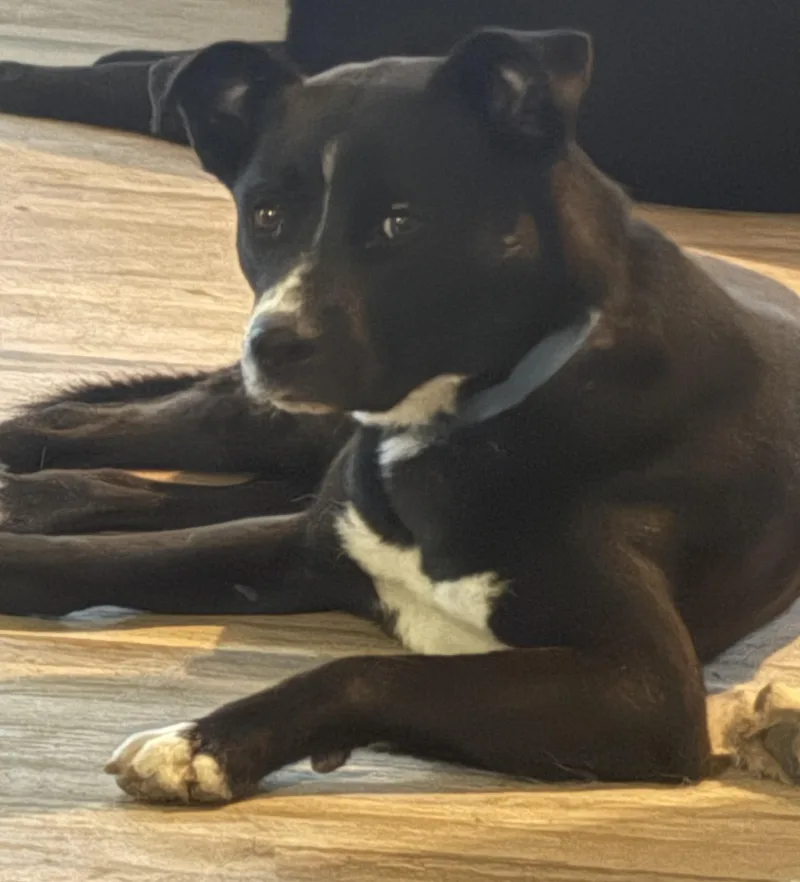
Black Russian Terrier Dogs for Adoption in Cheyenne, WY

Your guide to finding and caring for a Black Russian Terrier in Cheyenne

A Black Russian Terrier fits Cheyenne's big-yard, detached-house way of life better than most giant breeds do. Picture a fenced lot in Capitol North with a carriage barn out back and a dog of 80 to 130 pounds keeping an eye on the street. These dogs like a steady job, such as a daily loop on the Greenway, and they don't love being left alone. The long cold season rarely bothers that thick black coat.

2696 dogs similar to Black Russian Terrier available in Cheyenne and nationwide

Find your Black Russian Terrier

While we don't have enough dogs near Cheyenne, keep in mind that many rescues may offer transport.

Black Russian Terriers and Similar Breeds Available for Adoption Near Cheyenne

About the Black Russian Terrier breed

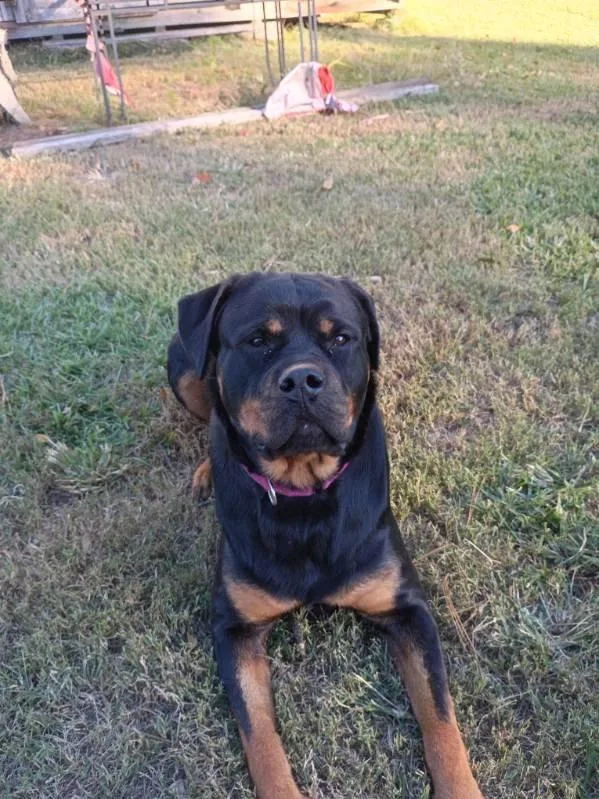
Despite the name, the Black Russian Terrier isn't a true terrier. It was developed in the late 1940s and 1950s at the Soviet Army's Red Star Kennel as a hardy working dog, drawing on about 17 breeds including the Giant Schnauzer, Airedale, Rottweiler and Newfoundland. The result is a heavy-boned dog with a wavy black double coat, a bearded muzzle and eyebrows that fall over the eyes.

Many are calm, confident and devoted to their families while staying aloof with strangers. They're smart and trainable, but their size and protective instincts suit an experienced, consistent handler. In Cheyenne's wind and snow the coat is an asset, though it still needs regular brushing and professional trims, and the beard holds water, snow and food.

Weight
80–130 lbs
Height
26–30 in
Lifespan
10–12 yrs
Temperament
Confident, Protective, Loyal
Group
Working
Shedding
Low

Owning a Black Russian Terrier in Cheyenne

Having a Black Russian Terrier in Cheyenne

This is a guardian with a steady, family-centered nature and a coat that takes real upkeep. Size, training and grooming shape daily life more than the weather does, so weigh your experience and free time as carefully as your space.

Temperament

Black Russian Terriers tend to be calm, self-assured and devoted to their own people. Many are reserved with strangers, which matters on busy Cheyenne sidewalks and Greenway paths. Early socialization and reward-based training help channel that protectiveness. Dogs vary, and an adopted dog's own history and personality count for more than breed reputation.

Exercise Needs

Plan on at least two good walks a day plus play, hiking or swimming. Cheyenne's Greenway, nearly 50 miles of paved trail, gives leashed room to cover ground, and obedience or tracking work keeps their minds busy. Skip hard exercise around mealtimes because of bloat risk. A bored Black Russian may turn destructive or pushy.

Health Considerations

Black Russian Terriers can face hip and elbow dysplasia, progressive retinal atrophy, bladder stones from hyperuricosuria, juvenile laryngeal paralysis and, like other deep-chested giants, bloat. A veterinarian can check the joints and overall condition. Keep the dog lean, feed measured meals, and schedule regular checkups. Cheyenne's snow and ice-melt call for a quick paw check after winter walks.

Living Space

A house with a securely fenced yard usually suits a Black Russian best, and most Cheyenne homes fit that picture. A calm adult can manage a smaller home with reliable daily exercise, but this dog takes up real floor and sofa space. Keep it indoors with the family rather than living outside full time.

What it costs to own a Black Russian Terrier in Cheyenne

ExpenseTypical costPer year
Food$80 to $160 per month$960 to $1,920
Pet insurance$85 to $170 per month$1,020 to $2,040
Routine vet care$250 to $500 per year$250 to $500
Other*$1,025 to $2,750 per year$1,025 to $2,750
Estimated yearly total (after year one)$3,255 to $7,210

Other costs are estimates and vary with size, age and health.

* Flea, tick and heartworm prevention, a dental cleaning allowance, toys and bedding, professional trims every 6–8 weeks, and joint supplements.

Adopt a Black Russian Terrier in Cheyenne.

Now that you know more, let’s find you a new best friend. These rescues and shelters below have dogs available in and near Cheyenne.

Rescues and Shelters in or near Cheyenne

Cheyenne's adoption community includes a large nonprofit shelter and volunteer foster-based rescues, all listed below. Here are the rescues & shelters in the Cheyenne area with dogs available for adoption, worth asking whether a Black Russian Terrier is coming in.

Frequently Asked Questions

No. Cheyenne Transit Program buses allow only service animals, and the rules list no exception for pets. Fares are free, but a dog of 80 to 130 pounds wouldn't fit comfortably anyway. Plan on driving, and remember that city code bars leaving an animal in a vehicle without ventilation or in extreme temperatures, hot or cold.

Yes, most handle it well. The dense double coat suits a winter that brings about 170 freezing nights and roughly 63 inches of snow a year. Wind is the bigger issue, so shorten walks on bitter days, wipe off ice-melt and snow clumps from paws and beard, and bring the dog indoors to sleep.

The Greater Cheyenne Greenway, nearly 50 miles of paved trail, is the best fit for long leashed walks; keep the leash 6 feet or shorter. Lions Park around Sloans Lake, Holliday Park and North Cheyenne Community Park also work. Leashes are required in city parks, and no off-leash dog park is currently open.

Yes. Cheyenne has no known breed-specific restrictions, and dangerous-animal rules depend on a dog's behavior, not its breed. You'll need rabies vaccination from four months old and a new rabies tag each year, and you can keep up to four dogs per dwelling unit. Keep the dog under restraint whenever it's off your property.

It's possible but not ideal. Most Cheyenne homes are detached houses, and a giant dog does best with a fenced yard. A calm adult can manage an apartment with reliable daily exercise, but expect to hunt for landlords who accept 80-plus-pound dogs, since weight limits and pet fees vary and Wyoming sets no deposit cap.

It can be, for an experienced owner with time. Cheyenne offers roomy yards, a cold climate this coat handles well, and Greenway miles for daily walks. The trade-offs are the dog's size, protectiveness and grooming needs, and no open off-leash park. It fits best with someone who's home often and enjoys training.

Sometimes, but only outdoors. Patio policies are set by each restaurant, so a dog-friendly patio isn't guaranteed, and pet dogs shouldn't be expected inside dining rooms. A giant, protective dog also needs to be calm and settled under a table. Practice on quiet outings first, and avoid crowded events like Frontier Days.

Plan on brushing a few times a week and professional trims about every 6 to 8 weeks. Cheyenne's wind, dry air and wet snow can mat the coat and pack the beard, so comb through after snowy walks. Trims make up much of the yearly Other cost shown above.

Black Russian Terriers can be good family dogs for experienced owners. Many are affectionate, calm and protective with their own families and gentle with children they are raised with. Their size and guarding instincts mean they need training, socialization and supervision around visiting kids. An adult rescue with a known history in a family home can be a strong match.

Plan on about $80 to $160 a month for food, $85 to $170 a month for pet insurance, $250 to $500 a year for routine vet care, and $1,025 to $2,750 a year for other costs, led by professional grooming. Adoption fees vary and appear on each listing.

Explore Other Breeds in Cheyenne

Looking for a different breed? Browse other dogs available for adoption in Cheyenne.