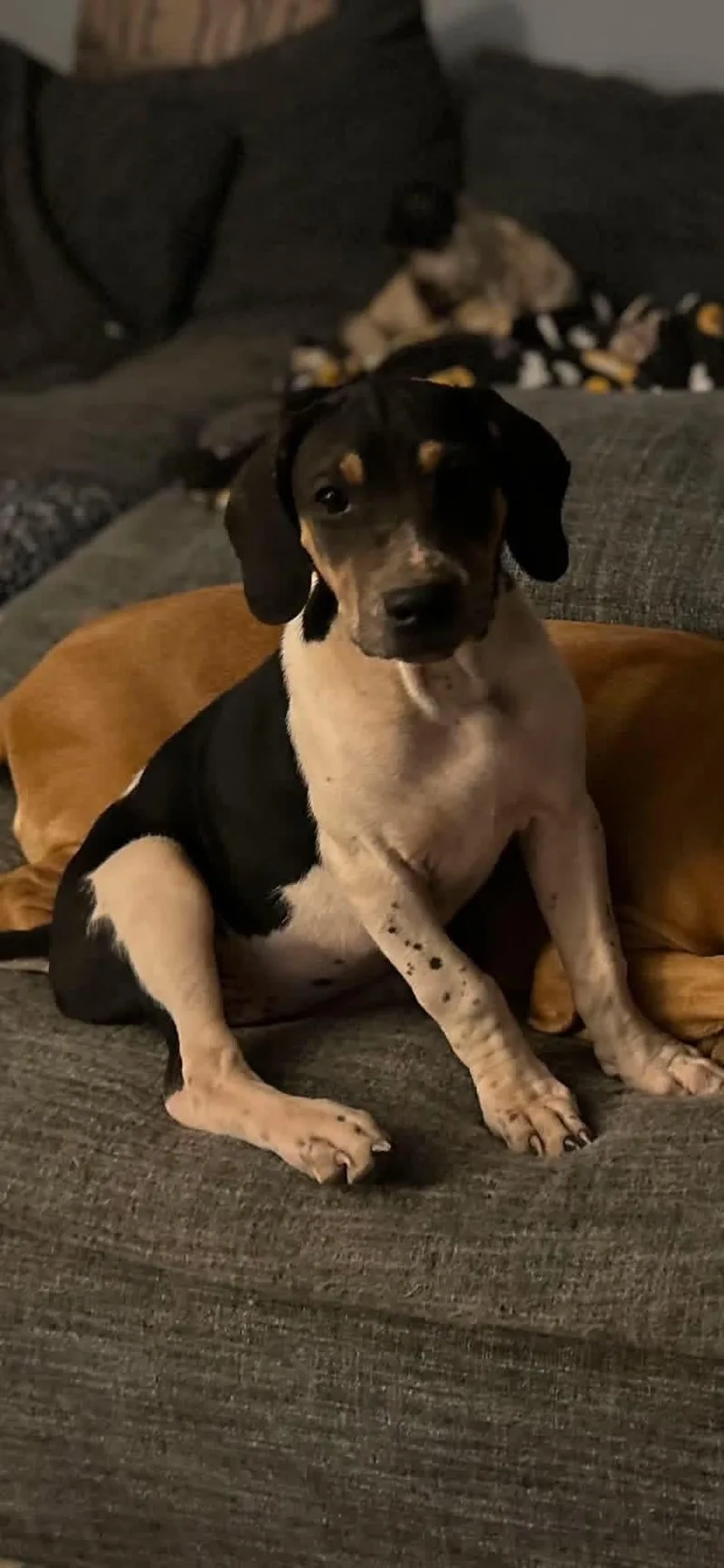
Presa Canario Dogs for Adoption in Charleston, WV

Your guide to finding and caring for a Presa Canario in Charleston

A Presa Canario fits Charleston best in a home with a fenced yard, like the older houses on the hill in Edgewood or the ranch-style streets of North Charleston. These are big, watchful mastiffs, so a secure fence and a solid leash matter more than square footage. Most do well with a long daily walk and steady training rather than hard runs. Charleston limits homes to two dogs, which works for a Presa, since many do best as the only dog.

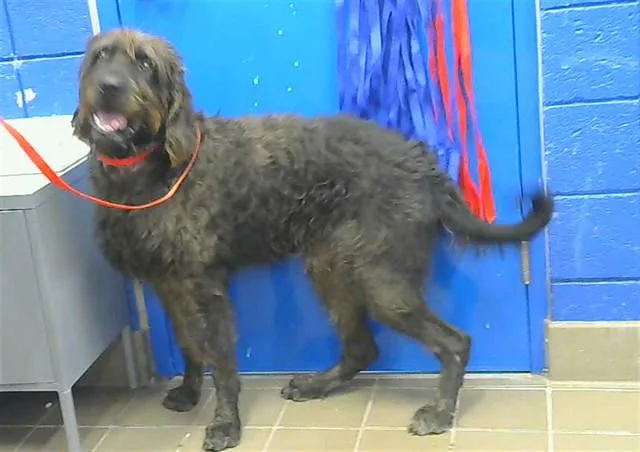
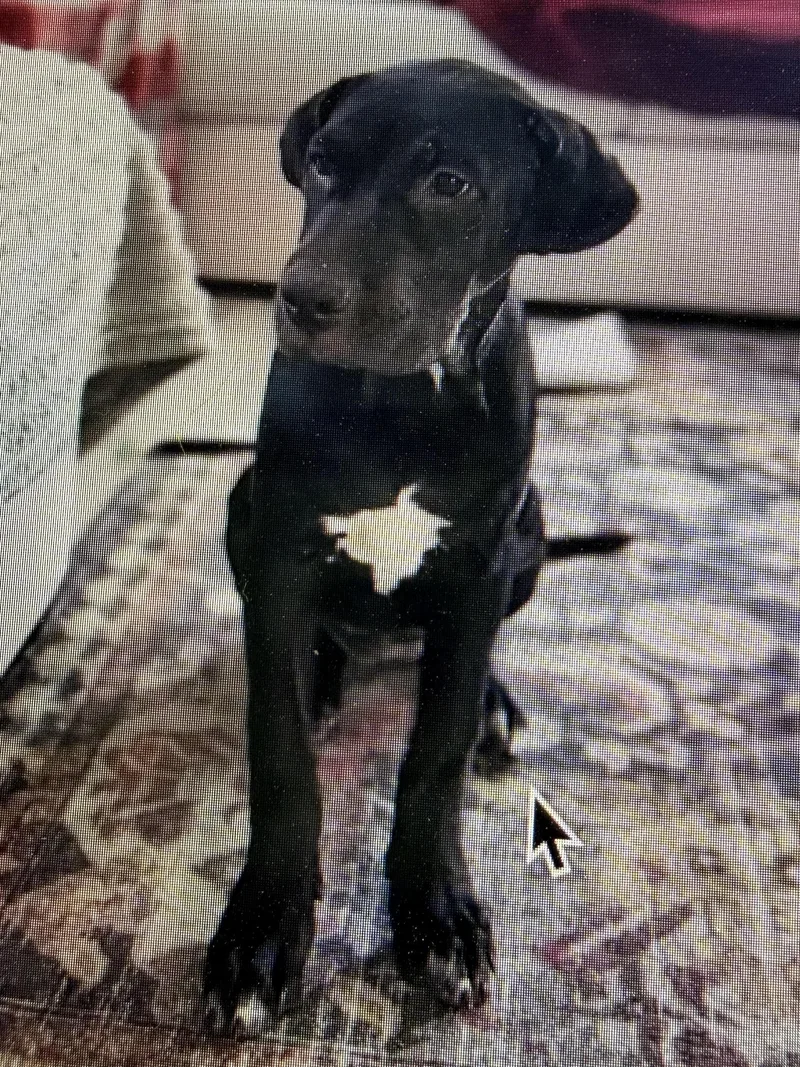
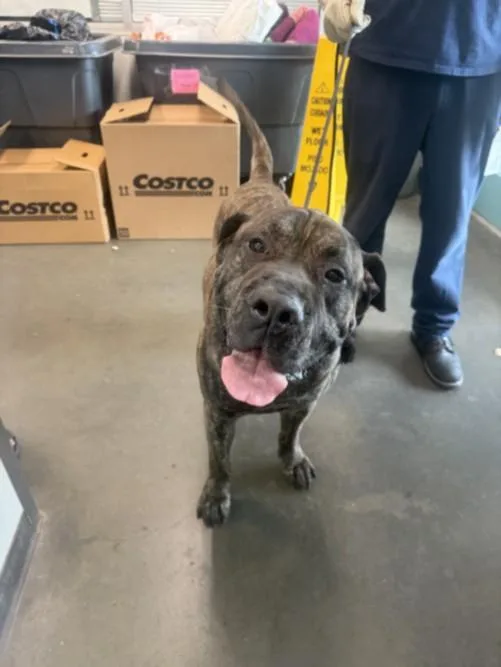
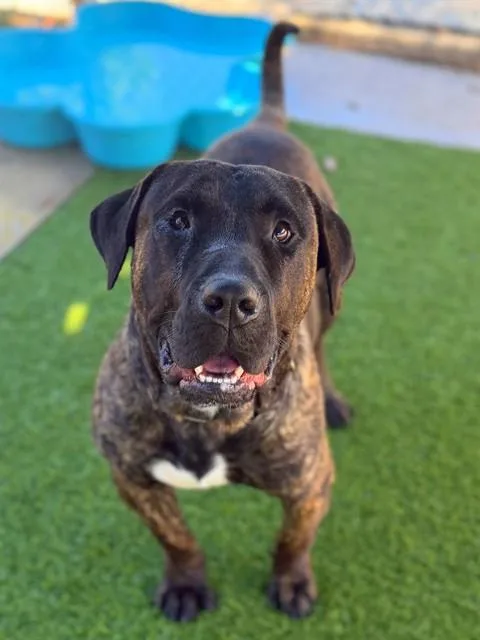
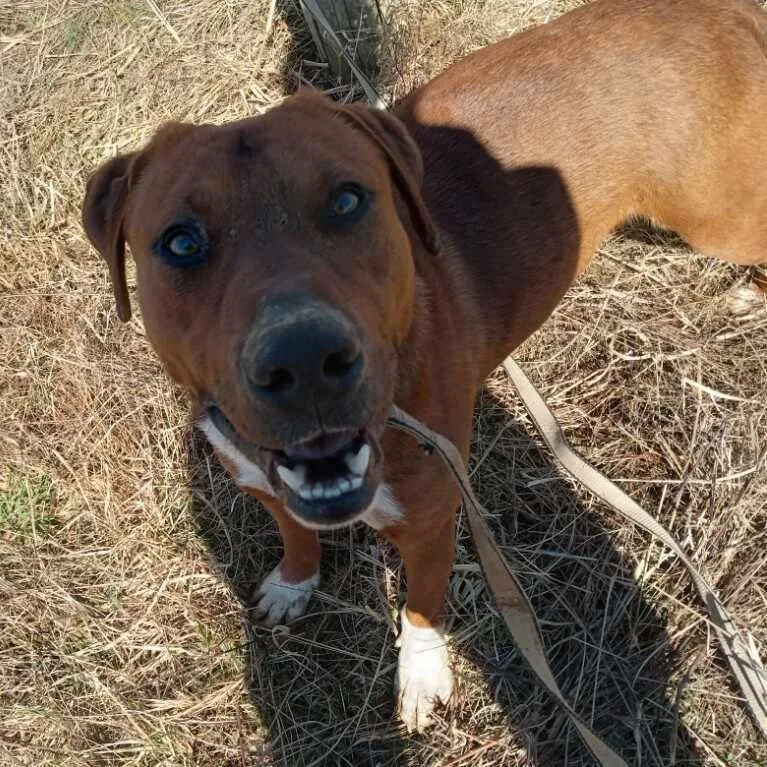
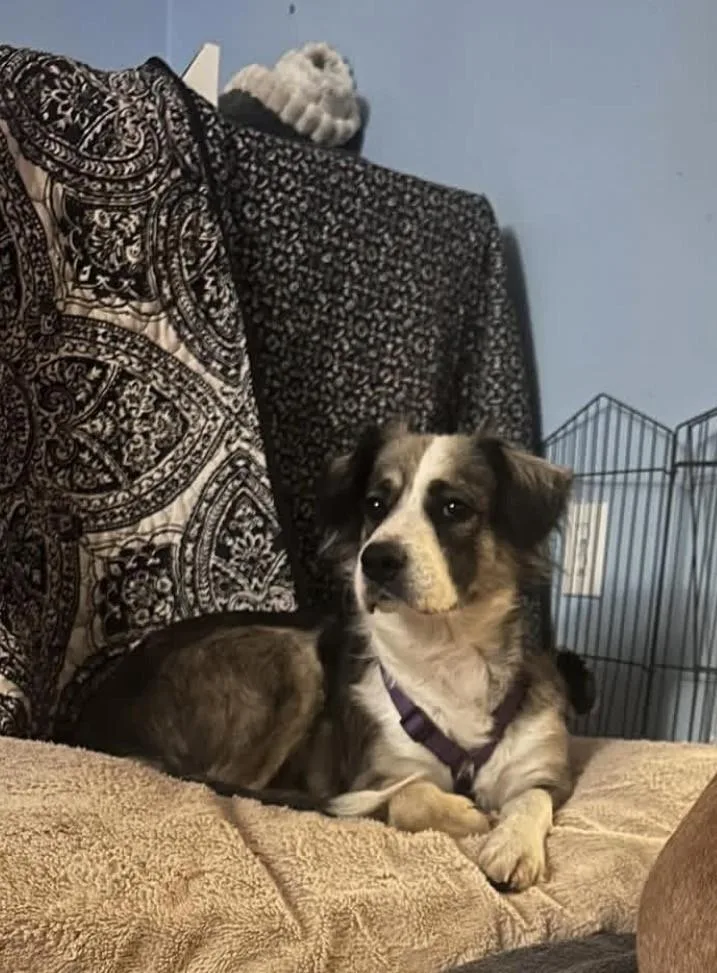
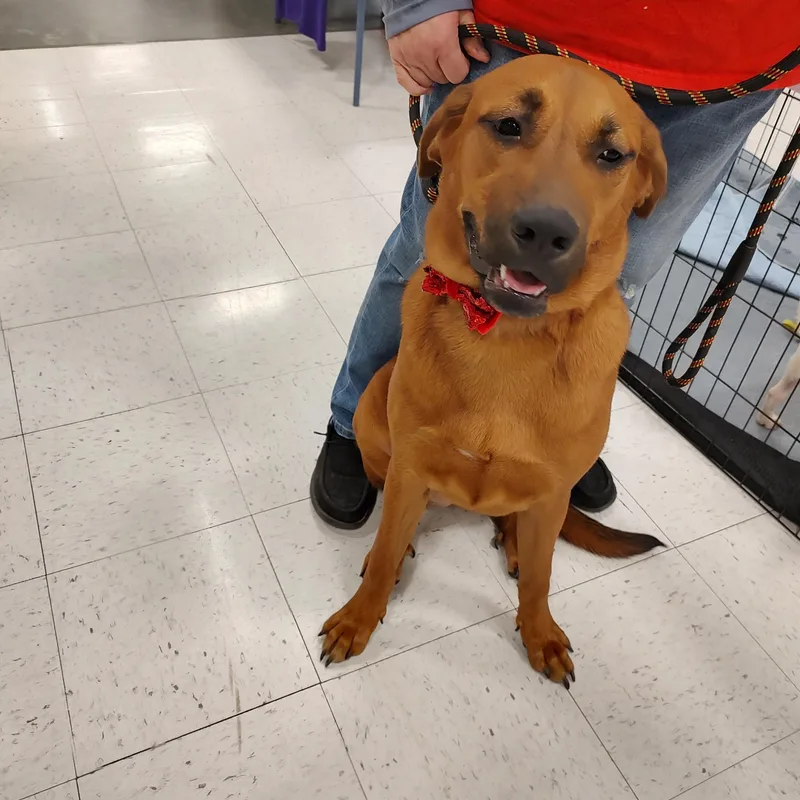
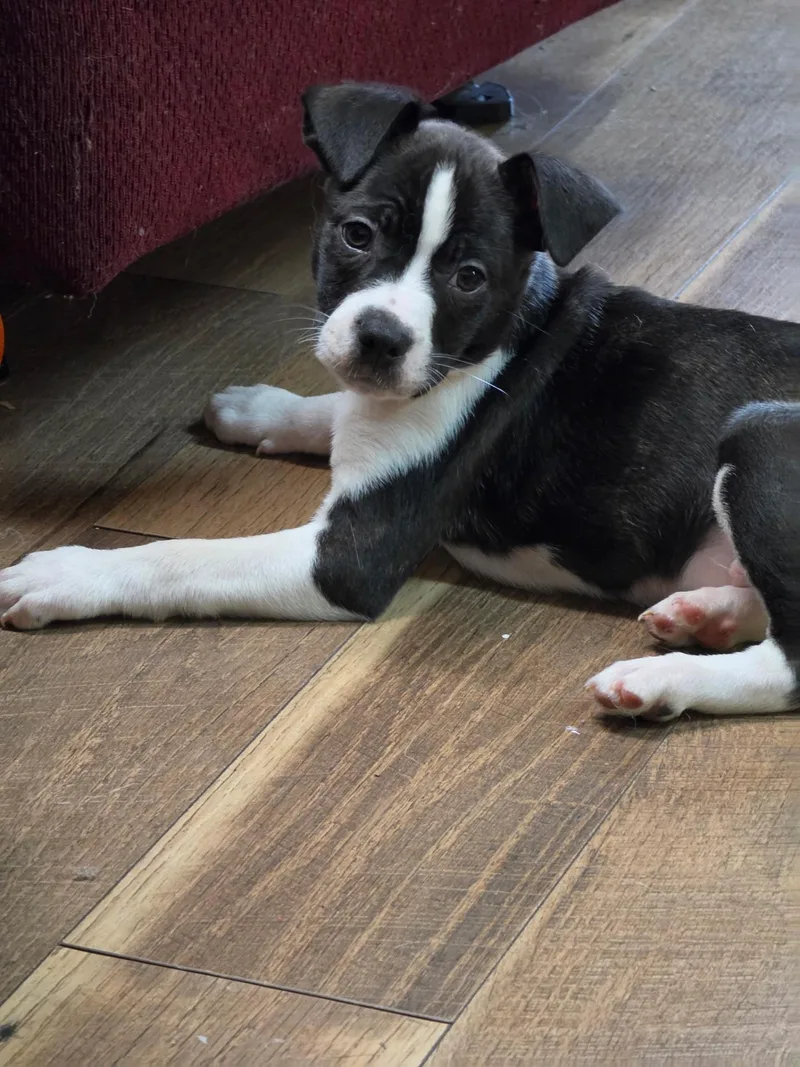
56 Presa Canarios available in Charleston and nationwide

A Presa Canario is ready for you

While we don't have enough dogs near Charleston, keep in mind that many rescues may offer transport.

Presa Canarios Available for Adoption Near Charleston

About the Presa Canario breed

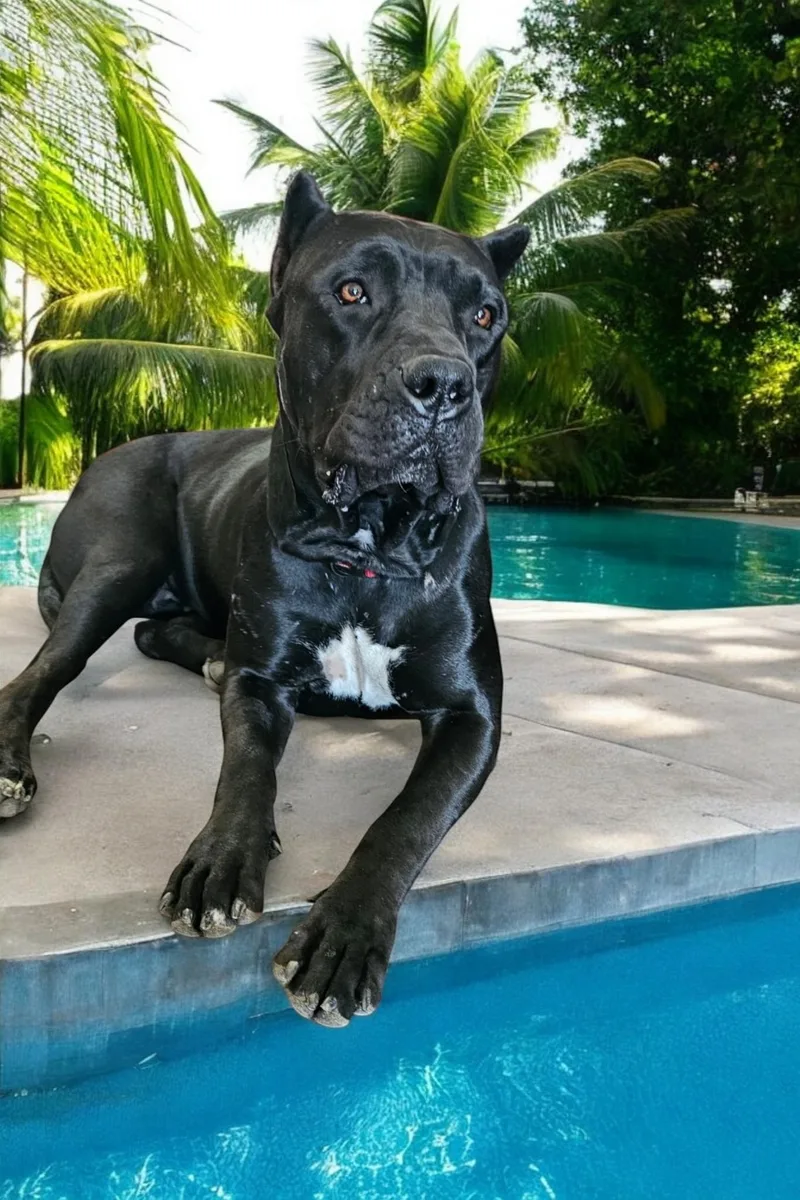
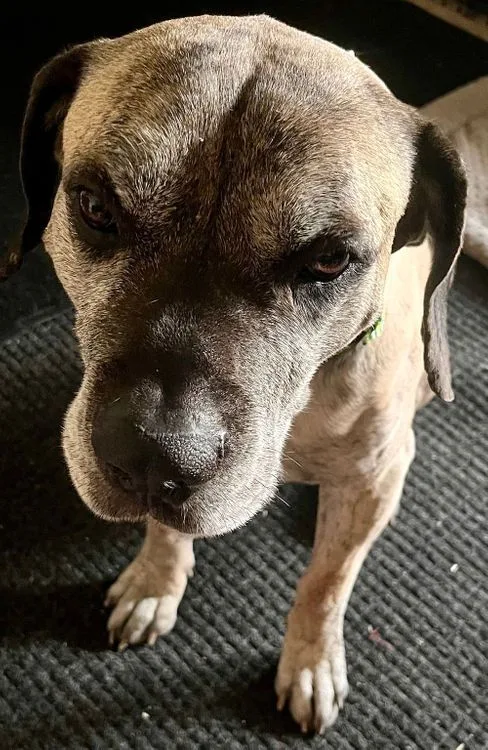
Farmers on Tenerife and Gran Canaria developed the Presa Canario to guard property and to catch and hold cattle, and the name roughly means Canarian catch dog. The breed nearly disappeared in the mid-twentieth century before it was revived, and the AKC lists it in its Foundation Stock Service rather than giving full recognition. Presas are massive, muscular mastiffs, usually 85 to 130 pounds, with a broad, square head and a short, coarse coat in fawn, brindle or black.

With their families, many Presas are steady and devoted, but a strong guarding instinct and suspicion of strangers are typical, and some dogs are intolerant of other dogs. In Charleston, that means planning for visitors, hillside sidewalks and neighborhood dogs. This is a breed for an experienced adopter who will keep up socialization, reward-based training and secure handling for the dog's whole life.

Weight
85–130 lbs
Height
22–26 in
Lifespan
8–11 yrs
Temperament
Protective, Confident, Loyal
Group
Working
Shedding
Moderate

Owning a Presa Canario in Charleston

Having a Presa Canario in Charleston

The Presa Canario is a powerful, guard-minded mastiff, so how well it fits Charleston depends on containment, training and calm handling more than on size. Dogs vary, and the cards below cover temperament, exercise, health and living space.

Temperament

Presas are often calm and attached to their families but wary of strangers, and many guard their territory without being asked. Some are choosy about other dogs, especially of the same sex. In Charleston, expect visitors, delivery drivers and passing dogs to need planning. Early socialization helps, though it never replaces careful management.

Exercise Needs

Plan on a long daily walk plus training, scent games or structured play rather than hard runs. Charleston's hills give a leashed walk some built-in work, and Cato Park has hiking trails for variety. Keep high-impact exercise light while a young dog is still growing, and ease off in the heat.

Health Considerations

Presas can face hip and elbow dysplasia, dilated cardiomyopathy, epilepsy, demodectic mange and bloat, a stomach emergency in deep-chested dogs. Lifespans tend to run shorter than for most breeds. Keep the dog lean, feed measured meals, and have a veterinarian check hips, elbows and heart soon after adoption.

Living Space

A house with a securely fenced yard usually suits a Presa best. Many Charleston hillside yards slope, so look for a tall, sturdy fence and latching gates. Shared hallways and stairwells can be hard to manage with a large guarding dog, and a tether is no substitute for a fence. Plan for the dog to live indoors.

What it costs to own a Presa Canario in Charleston

ExpenseTypical costPer year
Food$55 to $110 per month$660 to $1,320
Pet insurance$65 to $130 per month$780 to $1,560
Routine vet care$250 to $500 per year$250 to $500
Other*$478 to $1,253 per year$478 to $1,253
Estimated yearly total (after year one)$2,168 to $4,633

Other costs are estimates and vary with size, age and health.

* The $3 Charleston dog tag, flea, tick and heartworm prevention, a dental cleaning allowance, durable toys and a large bed, and minimal grooming for the short coat.

Adopt a Presa Canario in Charleston.

Now that you know more, let’s find you a new best friend. These rescues and shelters below have dogs available in and near Charleston.

Rescues and Shelters in or near Charleston

The Kanawha-Charleston Humane Association has served Charleston since 1935, and its adoptions include spay/neuter, vaccinations and a microchip. Here are the rescues & shelters in the Charleston area with dogs available for adoption, worth asking whether a Presa Canario is coming in.

Frequently Asked Questions

Yes, Charleston has no known breed-specific rule, and its dangerous-dog rules are based on a dog's behavior. Homes are limited to two dogs without a city permit, dogs must be leashed or contained off your property, and they need rabies shots and a yearly tag. Landlords and insurers may still restrict the breed, and some other West Virginia towns have breed rules.

It's possible but not ideal. A Presa is a large, guard-minded dog, and shared hallways, stairwells and tight elevators make calm handling harder. Many Charleston landlords set their own limits on large breeds, so read the lease first. A house with a fenced yard, such as those in North Charleston or on the hills, usually suits the breed better.

Cato Park on the West Side has hiking trails and Emma's Place, a fenced dog park, though a dog-selective Presa may do better on leashed walks. Kanawha State Forest allows leashed dogs on about 14 miles of foot trails, and Haddad Riverfront Park offers a flat downtown walk. Keep the leash short and avoid busy times.

Yes, with some care. Charleston winters bring about 94 freezing nights and roughly 31.5 inches of snow a year, and a Presa's short coat has little insulation. Use a jacket on longer walks, dry off wet paws, watch for ice on hillside streets, and keep the dog indoors. Short walks work better than long ones in the coldest weather.

No. Charleston's buses are run by KRT, and its route timetables say no pets are allowed. Service animals are a federal-law exception. The city has no subway or light rail. Plan to travel by car, with the dog secured in a crate or a crash-tested harness, and keep trips to the vet or park short and calm.

Only to outdoor patios that allow dogs. West Virginia has no state law on dogs in outdoor dining, so each restaurant sets its own policy, and downtown Charleston has some dog-friendly patios. Pet dogs generally aren't allowed in dining rooms. A wary, large Presa can struggle on a crowded patio, so practice calm manners first.

Very little. The short, coarse coat needs a weekly brushing, more in spring when Charleston's warming weather brings heavier shedding. Bathe only when needed, and keep nails trimmed and skin folds and ears clean. Most owners groom at home, so grooming adds little to the yearly Other costs of $478 to $1,253.

A Presa Canario is a large, powerful mastiff breed from Spain's Canary Islands, developed to guard farms and to catch and hold cattle. Presas have a broad, square head, a short coarse coat in fawn, brindle or black, and a muscular body. Many are devoted to family and wary of strangers, so they need experienced, consistent handling.

Presa Canarios can be dangerous in the wrong circumstances because they are powerful, territorial guardians, and poorly managed dogs have caused serious attacks. Many Presa Canarios are stable and gentle with their family. Risk depends heavily on genetics, socialization, training and containment. They are best matched with experienced owners who manage visitors and other dogs carefully.

Expect roughly $2,170 to $4,630 a year for a Presa Canario in Charleston. Food runs $55 to $110 a month and pet insurance $65 to $130 a month. Routine vet care is $250 to $500 a year, and other costs such as prevention, dental care and supplies add $478 to $1,253. Large dogs eat and medicate more.