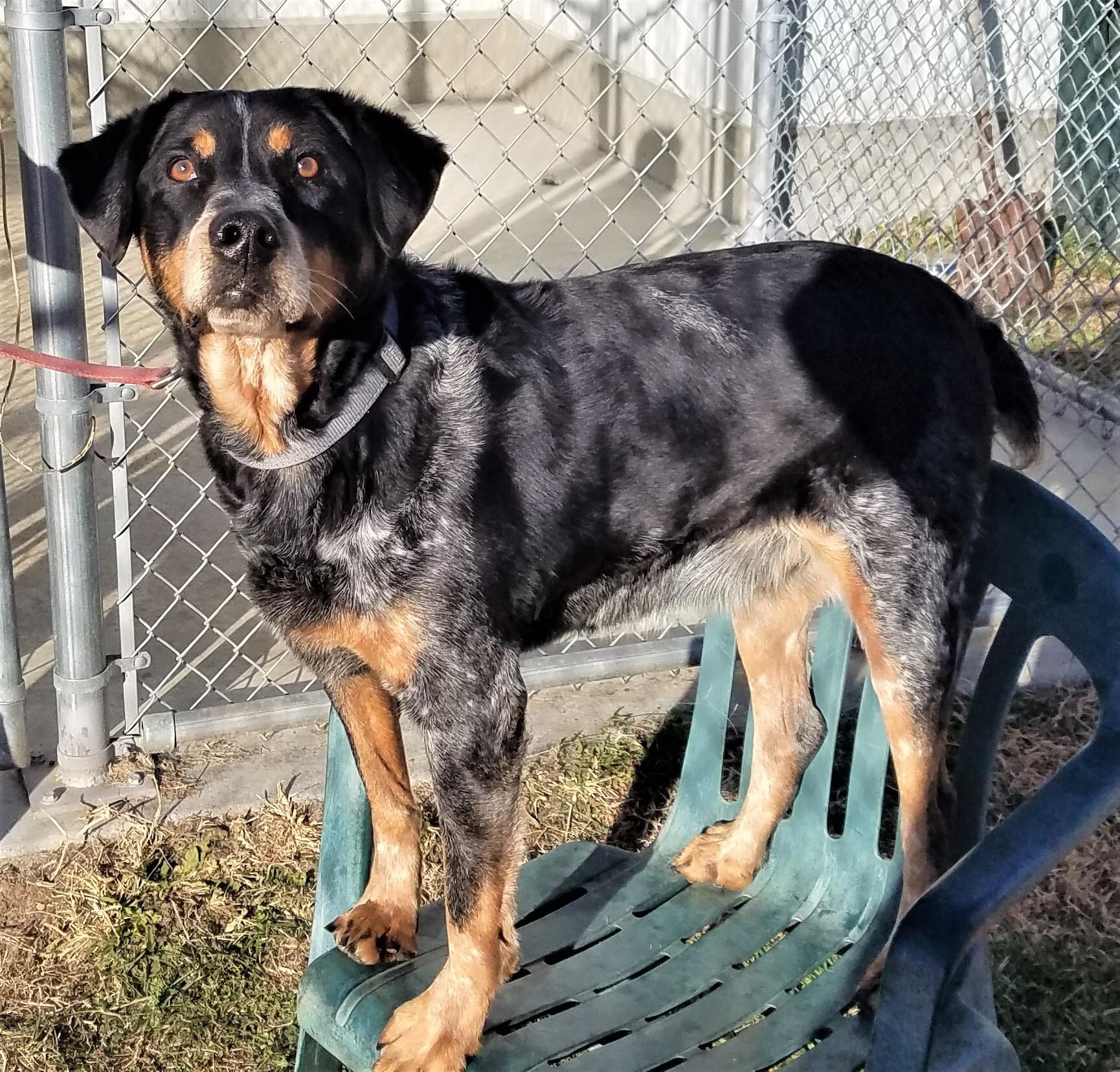
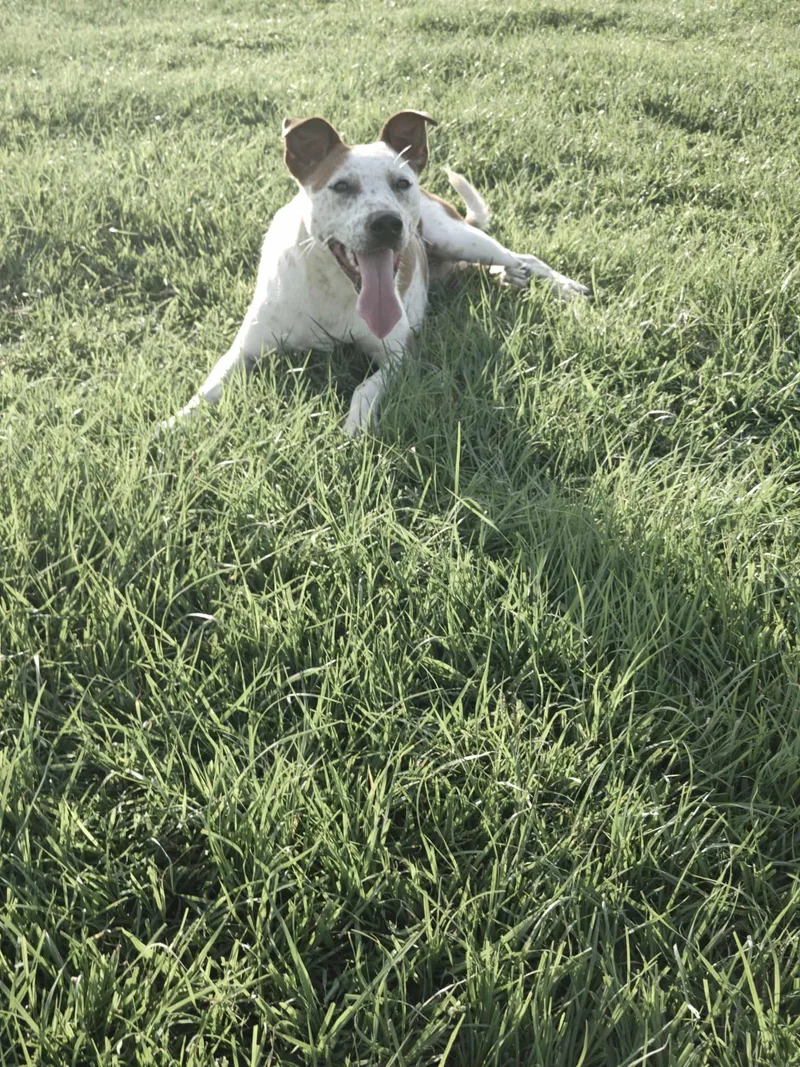
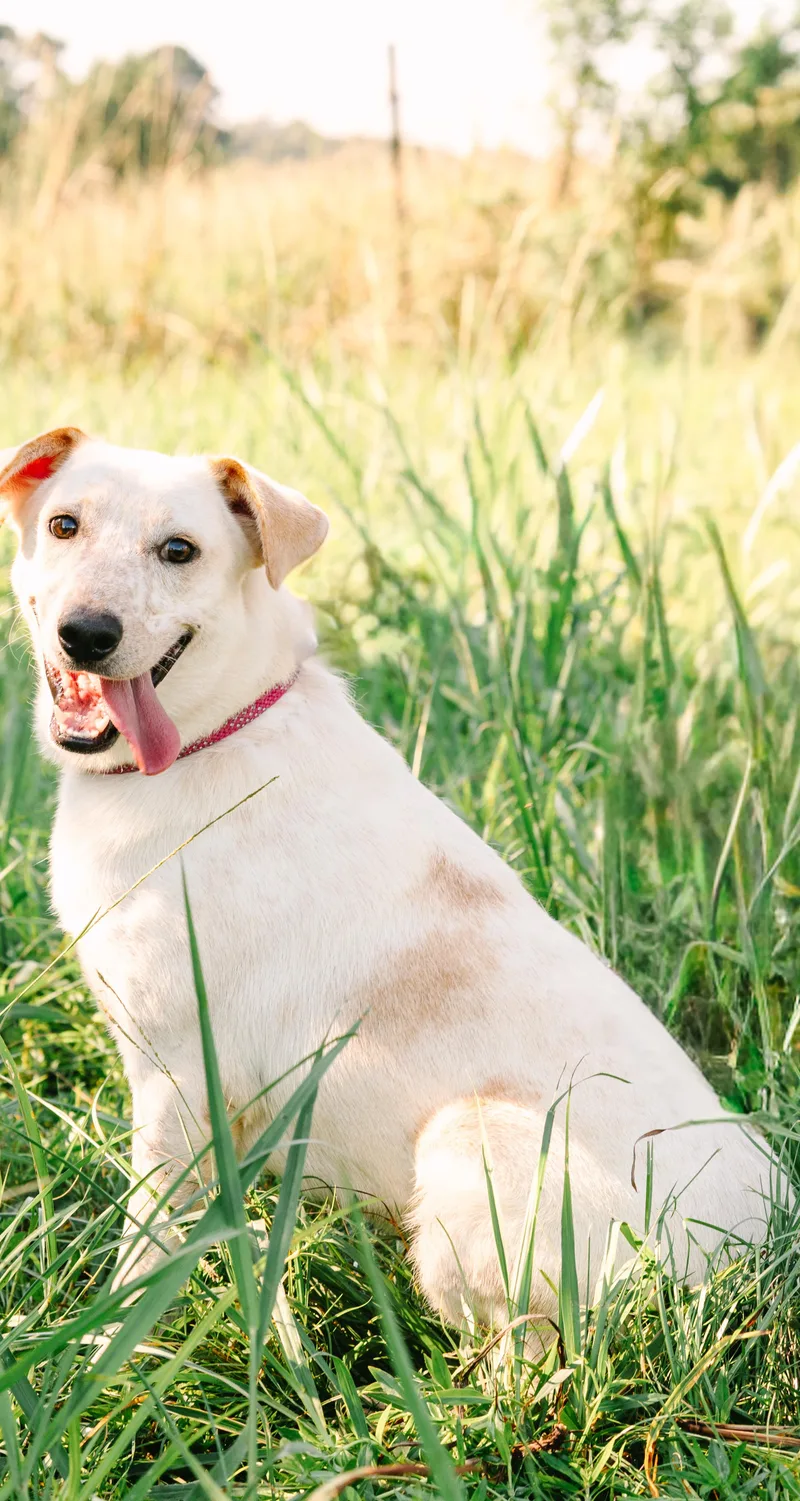
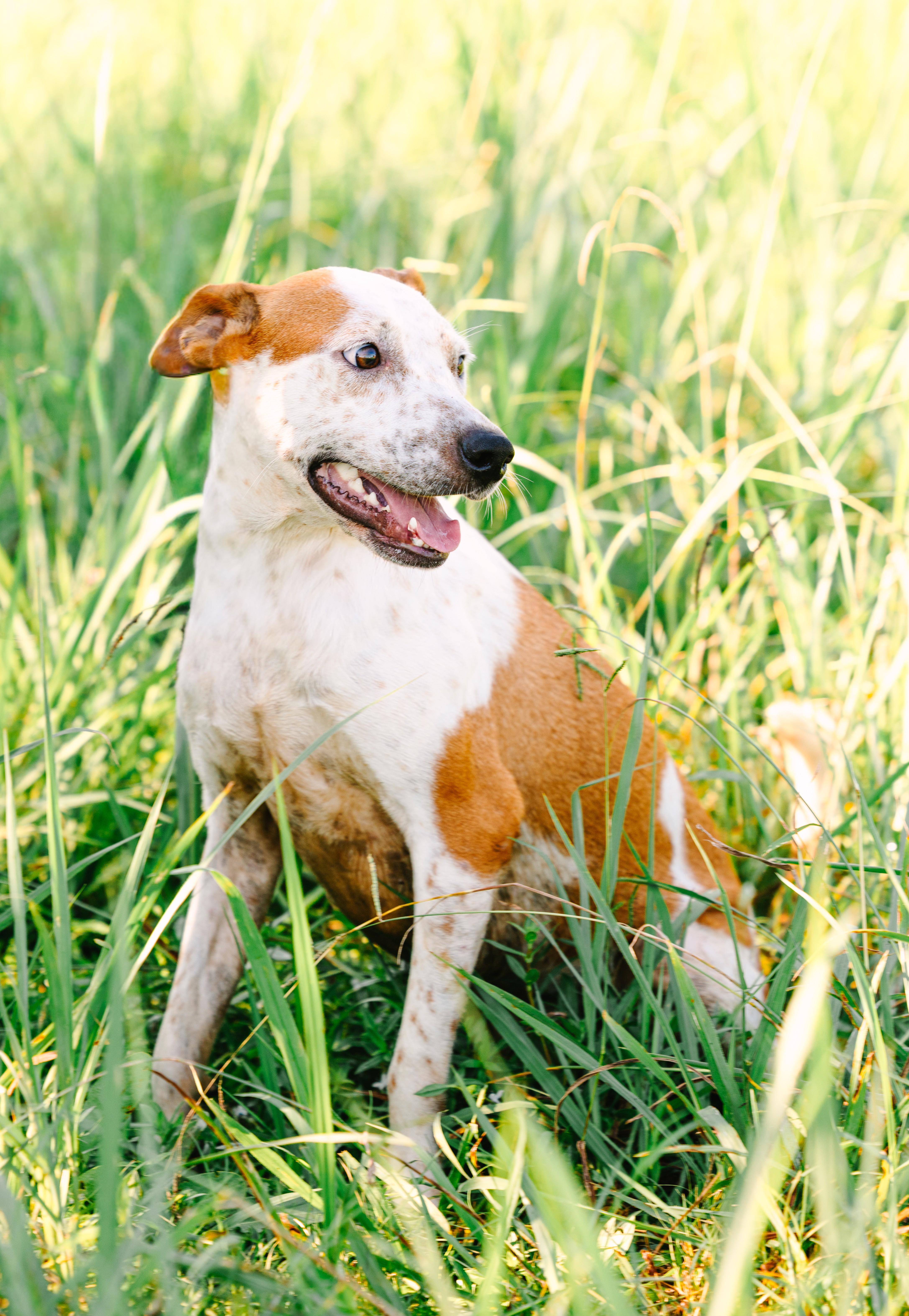
Lancashire Heeler Dogs for Adoption in Charleston, WV

Your guide to finding and caring for a Lancashire Heeler in Charleston

A Lancashire Heeler fits Charleston's East End well, with its brick duplexes and mid-rise apartment buildings. At 9 to 17 pounds, a Heeler doesn't need much floor space, but it does need a daily walk and something to think about. Those old streets are good for sniffing and people-watching, though a chatty Heeler may announce every passerby from the window. Heelers are rare, so adopters here should expect to watch the listings on this page for a while.

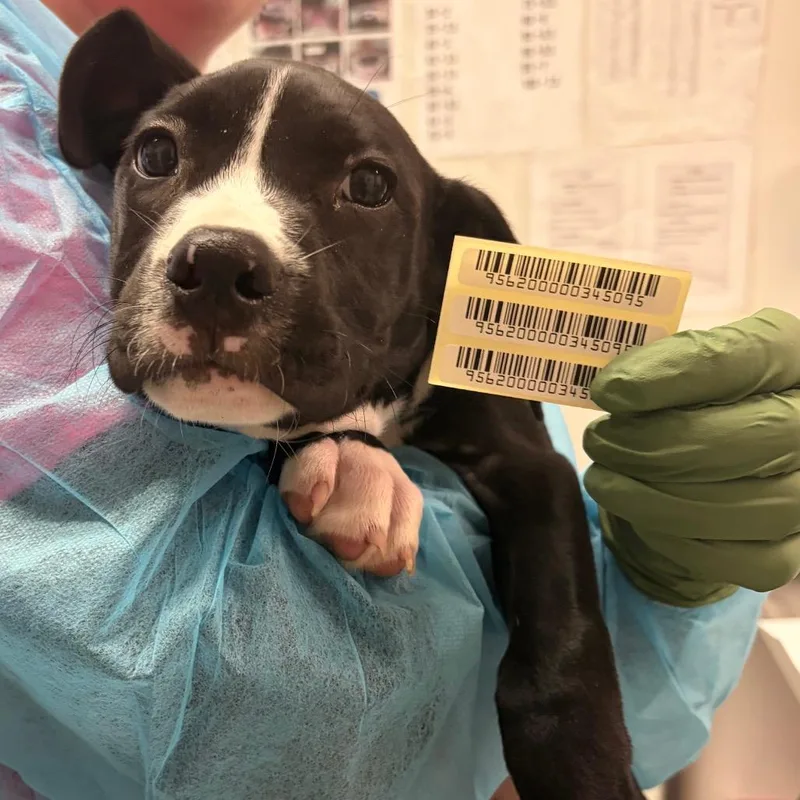
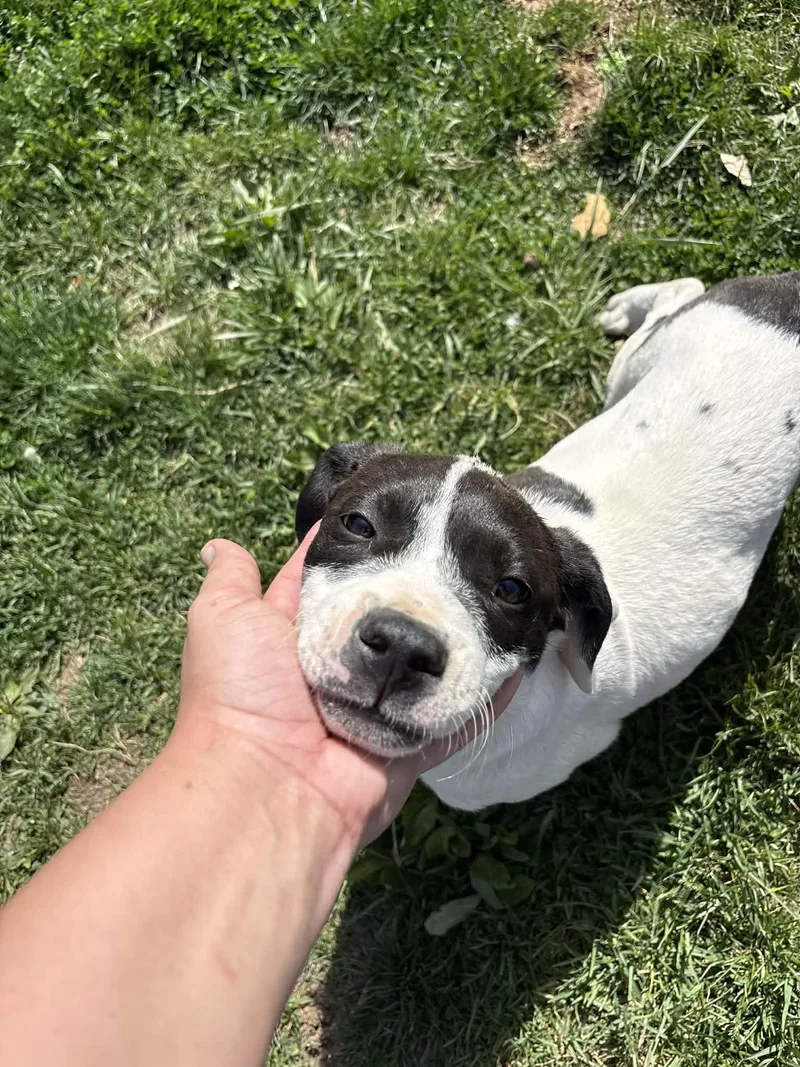
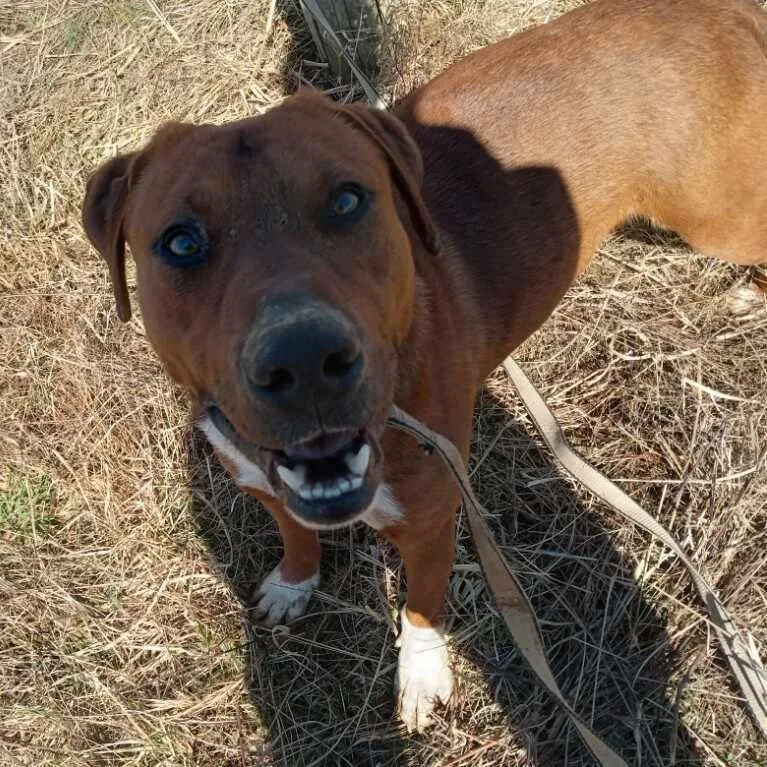
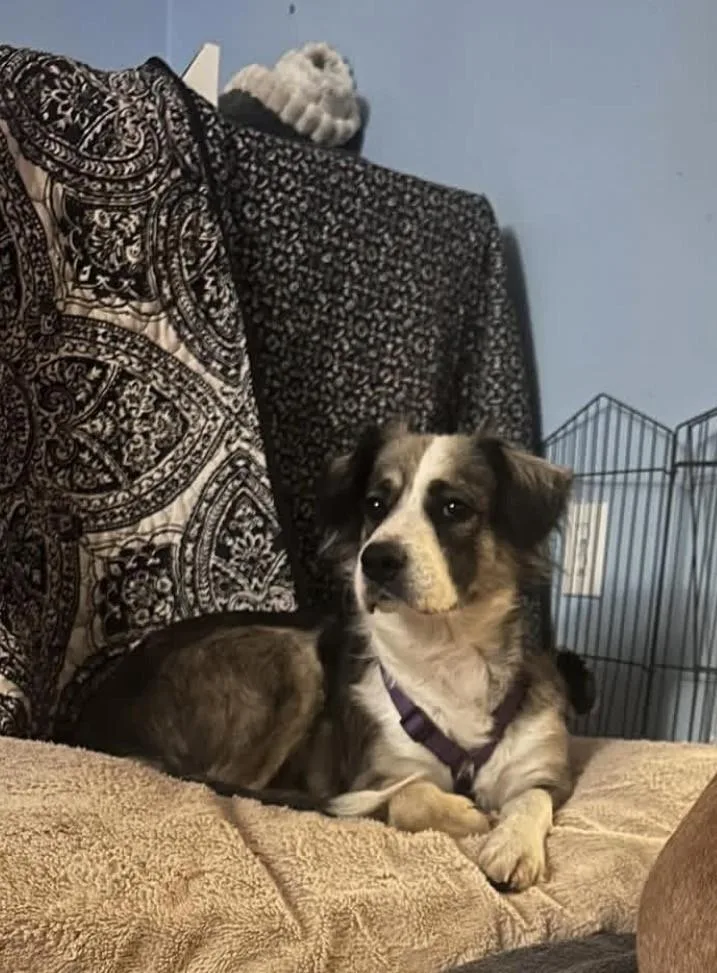
26 Lancashire Heelers available in Charleston and nationwide

Find your forever Lancashire Heeler

While we don't have enough dogs near Charleston, keep in mind that many rescues may offer transport.

Lancashire Heelers Available for Adoption Near Charleston

About the Lancashire Heeler breed

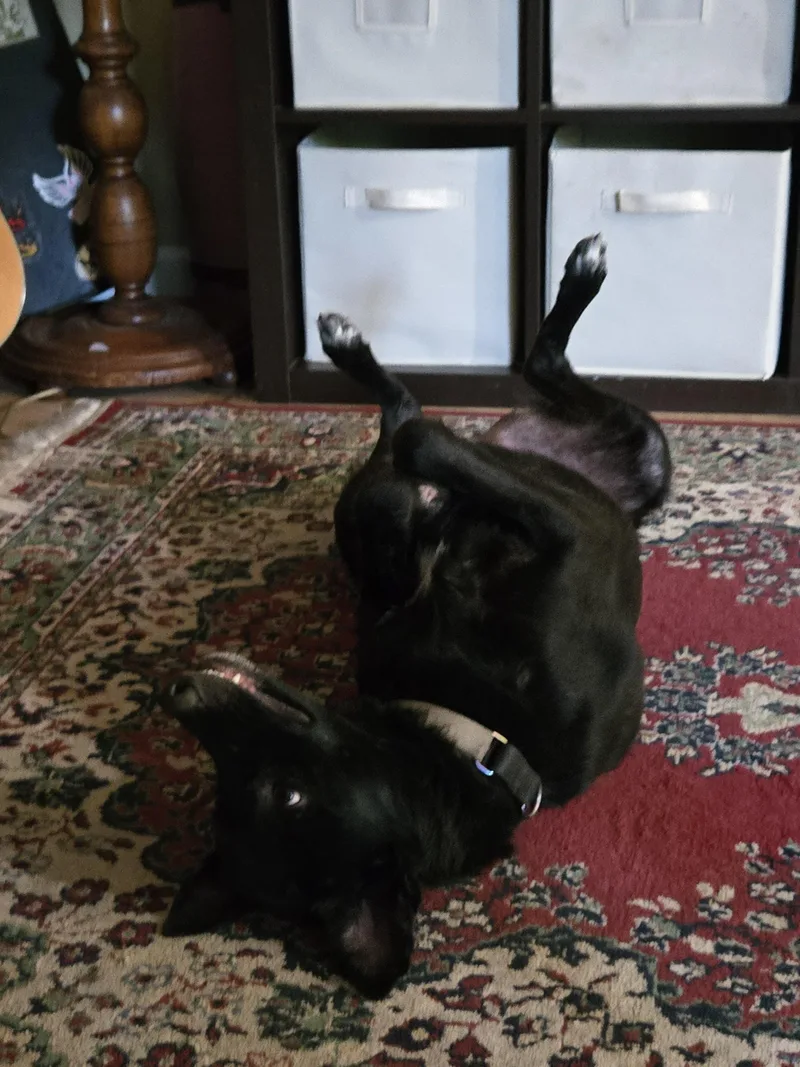
The Lancashire Heeler is a short-legged, sturdy little dog with a smooth black-and-tan or liver-and-tan coat and a famous lip-parting smile. It was bred to drive cattle and catch rats, and that heritage explains much of its daily behavior: a quick mind, a keen nose and an urge to chase anything that moves.

Most Heelers are affectionate and devoted to their families, and many are reserved with strangers. They tend to be talkative, so a dog that barks at the doorbell is common. Their coat sheds lightly to moderately, with a heavier undercoat shed in spring and fall. They do best with people who enjoy training, games and regular outings, and every Heeler's personality is a little different. In Charleston, hillside streets and riverside paths give a curious Heeler plenty to explore.

Weight
9–17 lbs
Height
10–12 in
Lifespan
12–16 yrs
Temperament
Alert, Energetic, Affectionate, Intelligent
Group
Herding
Shedding
Low to Moderate

Owning a Lancashire Heeler in Charleston

Having a Lancashire Heeler in Charleston

Heelers pack a cattle dog's drive and a terrier's spark into a small body. Charleston's steep streets and river paths give them plenty to sniff, while their voices, prey drive and inherited eye conditions call for some planning.

Temperament

Many Heelers are cheerful, alert and closely bonded to their people, and they can be reserved with strangers. They often bark to announce visitors, which matters in Charleston's apartment buildings and duplexes. Herding instincts can show up as heel-nipping or chasing, and some Heelers go after squirrels or small pets. Reward-based training helps, and each dog differs.

Exercise Needs

Plan on daily walks plus active play like fetch, tug or scent games. Charleston's riverfront paths and hilly streets offer good variety, and a fenced dog park can help burn off energy. Because prey drive can beat recall, keep a Heeler leashed or fenced in. A bored Heeler often turns to barking or digging.

Health Considerations

Heelers are often long-lived, but they can inherit eye conditions such as primary lens luxation, collie eye anomaly and persistent pupillary membranes. DNA tests and eye exams exist, so ask a veterinarian to check the eyes at a first visit. Keep up with dental care, vaccines and year-round parasite prevention, since Charleston's humid summers favor ticks and fleas.

Living Space

At under 20 pounds, a Heeler fits Charleston's apartments, East End duplexes and hillside houses alike. Noise may matter more than space, since thin walls and a barking dog don't mix. A securely fenced yard is a plus, though a Heeler is happiest indoors with the family, toys and puzzles to keep busy.

What it costs to own a Lancashire Heeler in Charleston

ExpenseTypical costPer year
Food$20 to $45 per month$240 to $540
Pet insurance$35 to $70 per month$420 to $840
Routine vet care$200 to $400 per year$200 to $400
Other*$378 to $1,053 per year$378 to $1,053
Estimated yearly total (after year one)$1,238 to $2,833

Other costs are estimates and vary with size, age and health.

* Flea, tick and heartworm prevention, a dental cleaning allowance, the roughly $3 Charleston dog tag, toys and bedding, and light grooming for a short coat.

Adopt a Lancashire Heeler in Charleston.

Now that you know more, let’s find you a new best friend. These rescues and shelters below have dogs available in and near Charleston.

Rescues and Shelters in or near Charleston

The Kanawha-Charleston Humane Association has served Charleston since 1935, and its adoptions include spay/neuter, vaccines and microchipping. Here are the rescues & shelters in the Charleston area with dogs available for adoption, worth asking whether a Lancashire Heeler is coming in.

Frequently Asked Questions

Yes. Charleston has no known breed-specific rule, and its dangerous-dog rules are based on behavior. Homes are limited to two dogs without a city permit, and dogs must be leashed or contained off your property. Dogs need a yearly tag and rabies vaccination by six months. Heelers are rare, so watch the listings on this page or save a search.

Yes, a Lancashire Heeler can do well in a Charleston apartment, since it weighs only 9 to 17 pounds. The main concern is noise, because many Heelers bark at hallway sounds. Daily walks, puzzle toys and training reduce boredom barking. About 37% of Charleston households rent, so confirm your building's pet policy first.

Yes, most Lancashire Heelers handle Charleston winters well thanks to a weather-resistant double coat. Lows around 28°F and about 31 inches of snow a year are manageable with short walks. Their low bodies get cold in deep snow, so towel them off, wipe paws after salted streets and plan for ice-storm outages.

Emma's Place, a fenced dog park in Cato Park, suits a Heeler that needs to run. Kanawha State Forest has about 14 miles of foot trails where leashed dogs are welcome, with a 10-foot leash limit in the campground. Haddad Riverfront Park downtown is good for flat, leashed strolls. Keep your Heeler leashed where it isn't fenced.

No, pets aren't allowed on KRT buses, which are Charleston's public transit. Service animals are an exception under federal law. Charleston has no subway or light rail. Plan outings by car, and keep your Heeler safe in a carrier or crash-tested harness. Check current rules before any trip, since policies can change.

Sometimes, outdoors only. West Virginia has no state law on dogs at outdoor dining, so each restaurant sets its own policy, and downtown Charleston has several with dog-friendly patios. Dining rooms are generally off-limits to pet dogs. Bring a mat and water, and keep your Heeler leashed and quiet, since many bark at passersby.

Very little. A Heeler's short, weather-resistant coat needs brushing once or twice a week, and more often in spring and fall when the undercoat sheds. Charleston's damp springs and muddy trails mean occasional baths and towel-offs. Light grooming is part of the yearly Other costs, $378 to $1,053 in all, so a groomer isn't essential.

A Lancashire Heeler is a small, sturdy herding dog from northwest England, about 10 to 12 inches tall and 9 to 17 pounds, originally used to drive cattle and catch rats on farms. It has a short black-and-tan or liver-and-tan coat, an alert, cheerful personality and plenty of energy. The AKC recognized the breed in 2024.

The Lancashire Heeler's roots likely go back several centuries in Lancashire, England, with some accounts dating it to the 1600s, when farmers and butchers used small heelers to drive cattle. The modern breed was revived in the 1960s, its club formed in 1978, and The Kennel Club recognized it in 1981. The AKC followed in 2024.

Expect roughly $1,240 to $2,830 a year for a Heeler in Charleston. That covers food at $20 to $45 a month, pet insurance at $35 to $70 a month, routine vet care at $200 to $400 a year, and other yearly costs of $378 to $1,053 such as parasite prevention and dental care.