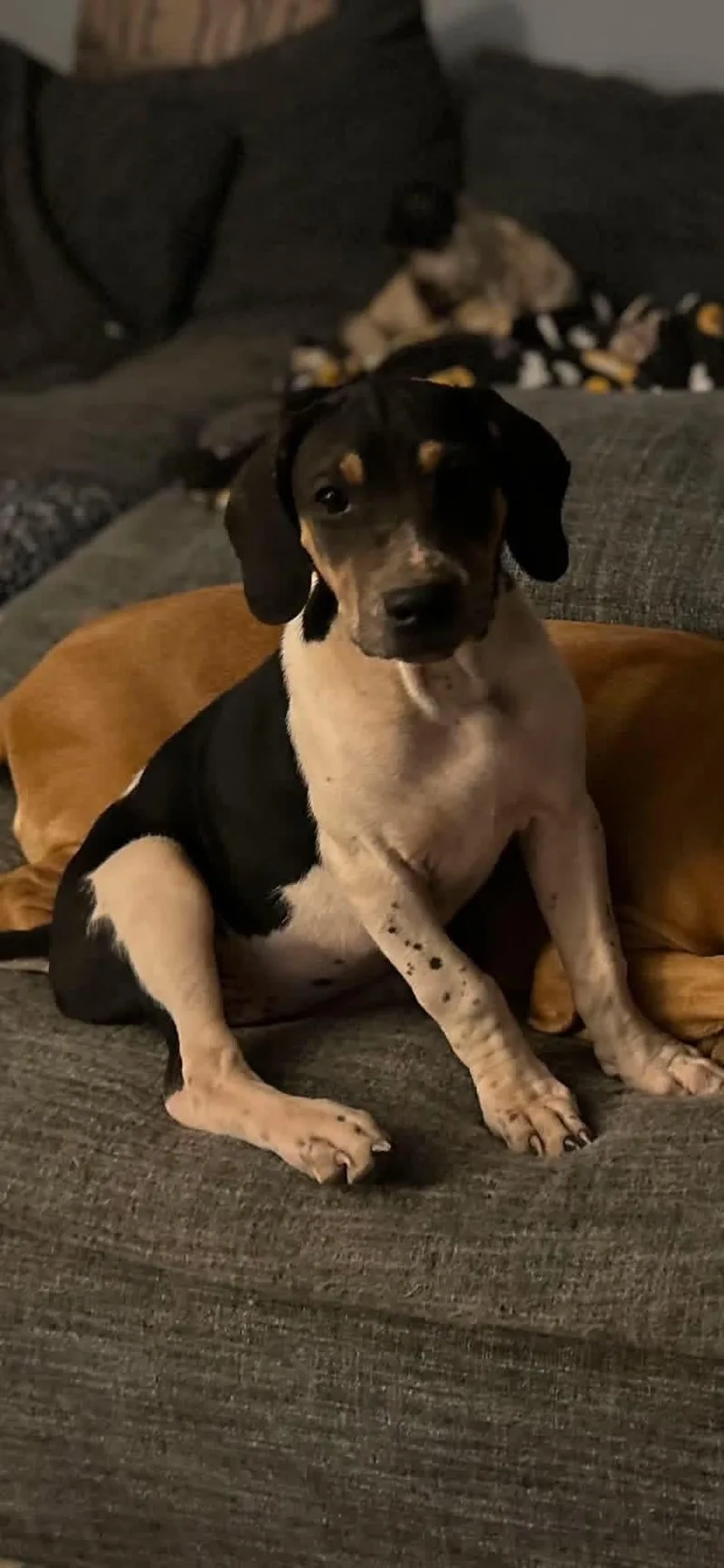
Labrador Retriever Dogs for Adoption in Charleston, WV

Your guide to finding and caring for a Labrador Retriever in Charleston

Labrador Retrievers suit Charleston's mix of hillside streets and riverside flats, as long as they get a real workout every day. In Edgewood, a walk up and down the hills counts as exercise, and Cato Park is close for fetch. Kanawha City's flat sidewalks suit a steady pace, and a fenced South Hills yard gives a Lab room to play. Most Labs want company, so they do best with people who are home often.

13173 Labrador Retrievers available in Charleston and nationwide

Fall for a Labrador Retriever

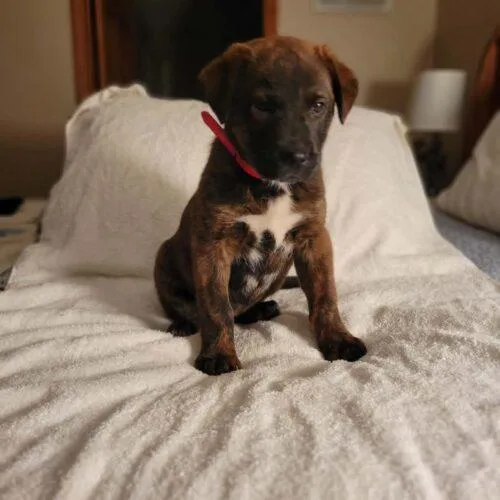
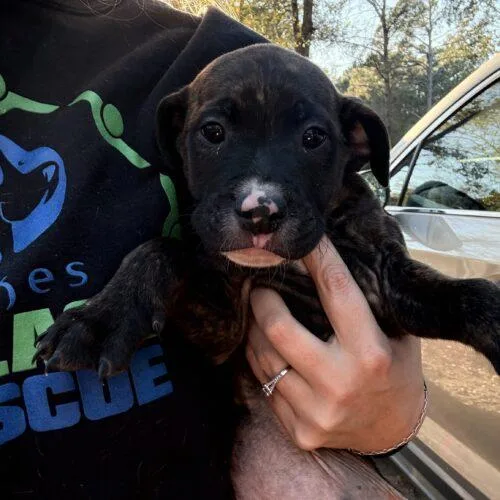
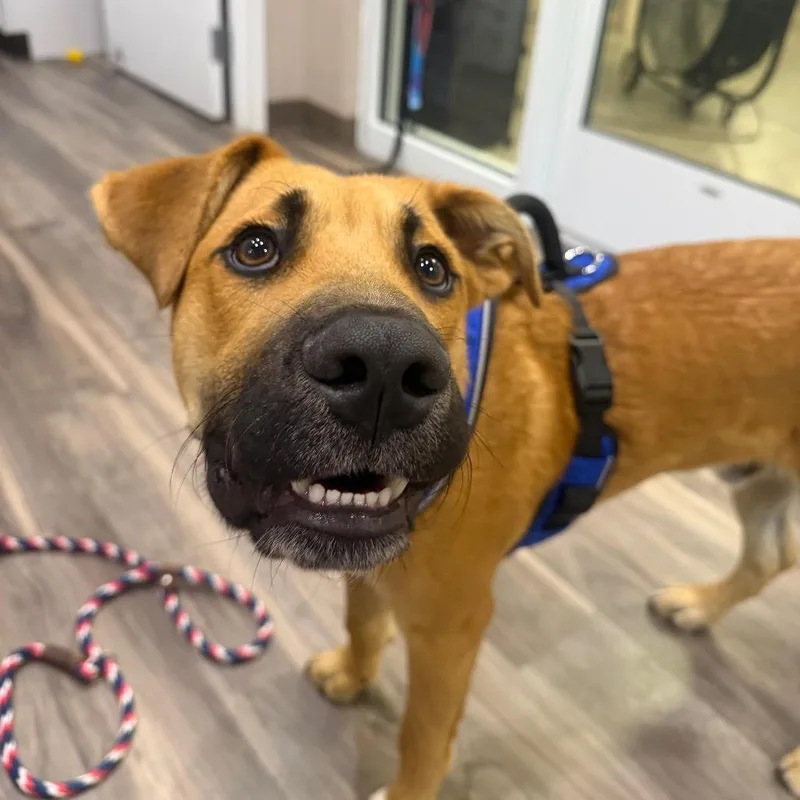
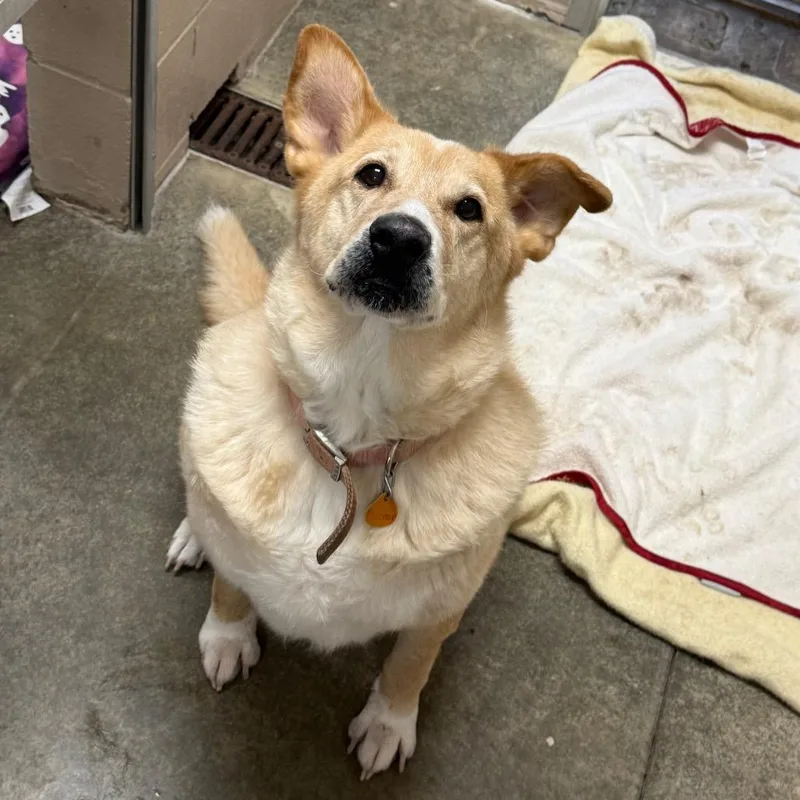
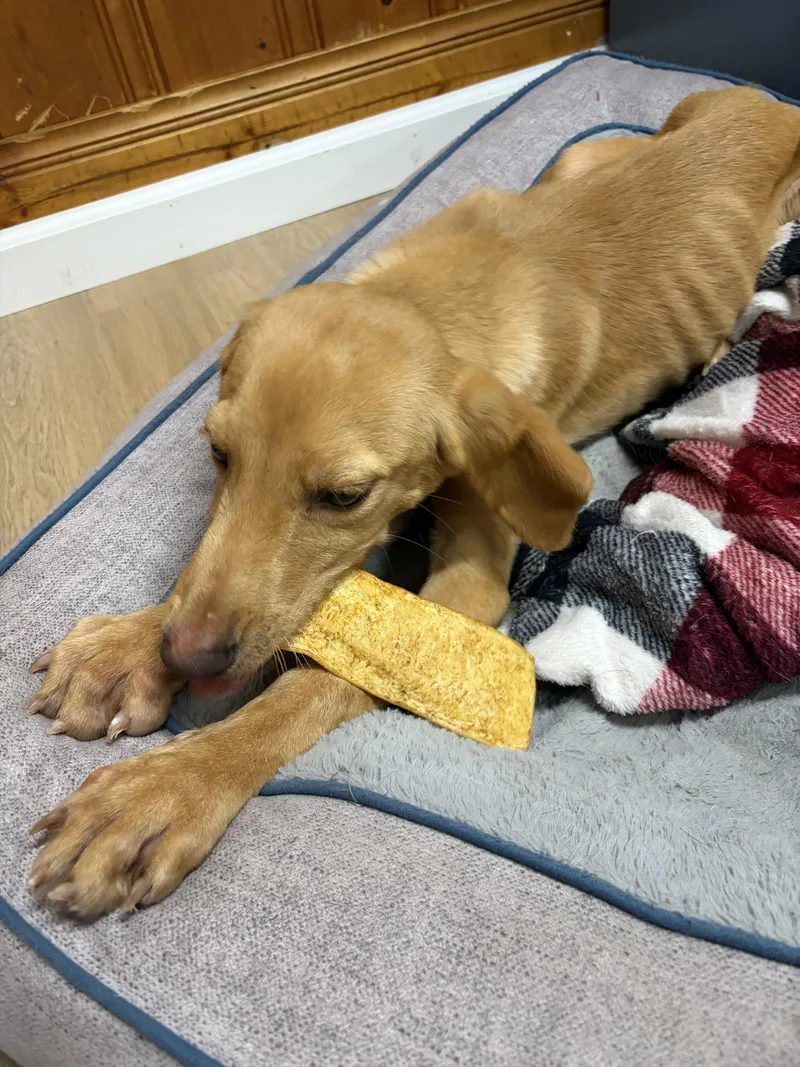
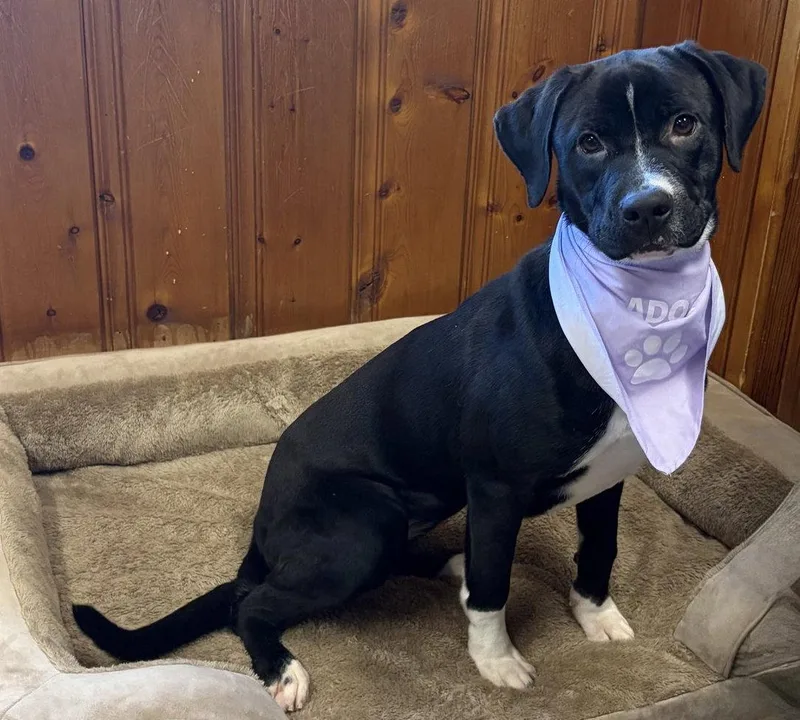
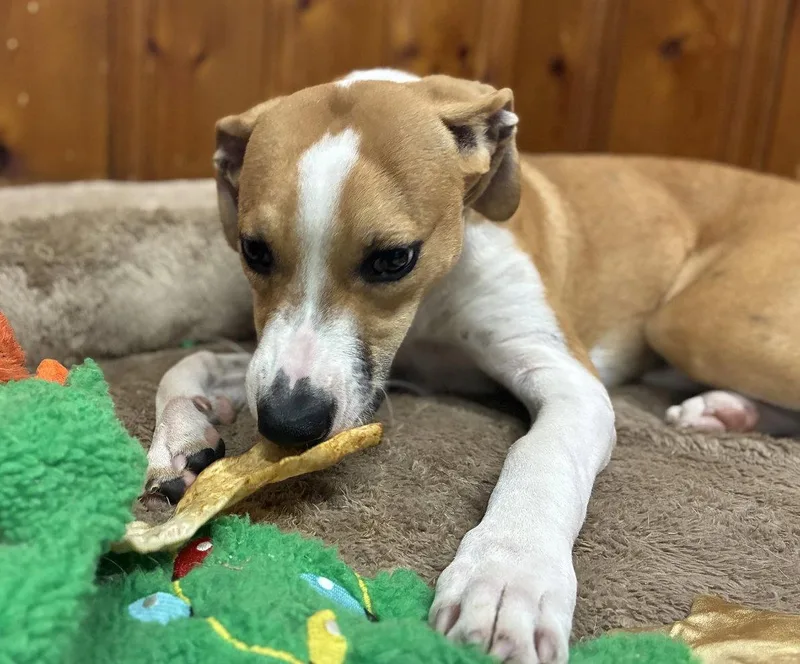
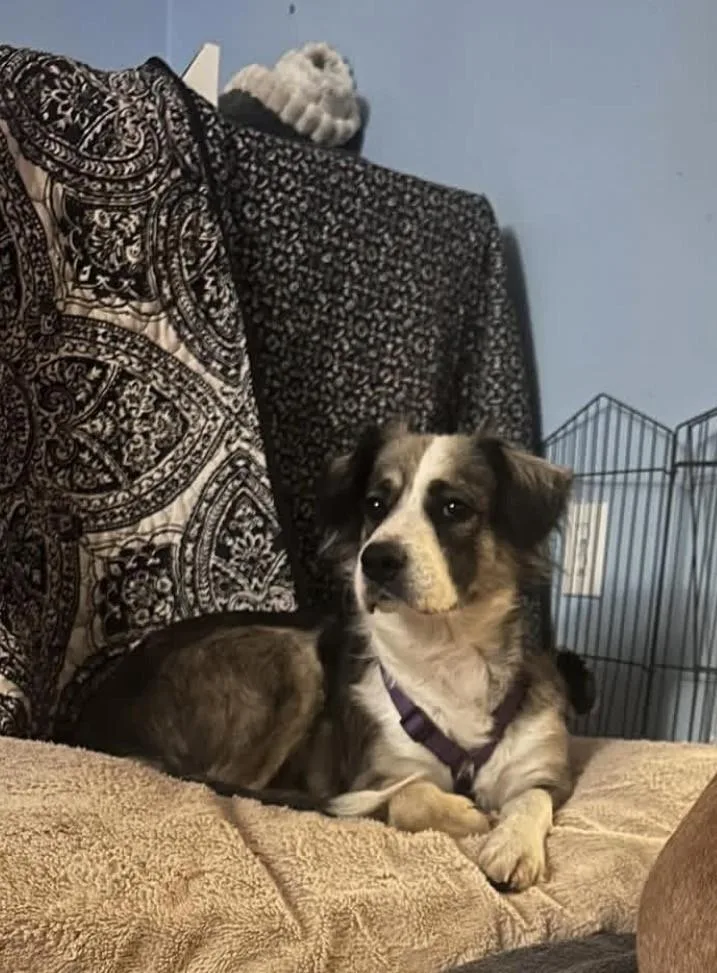
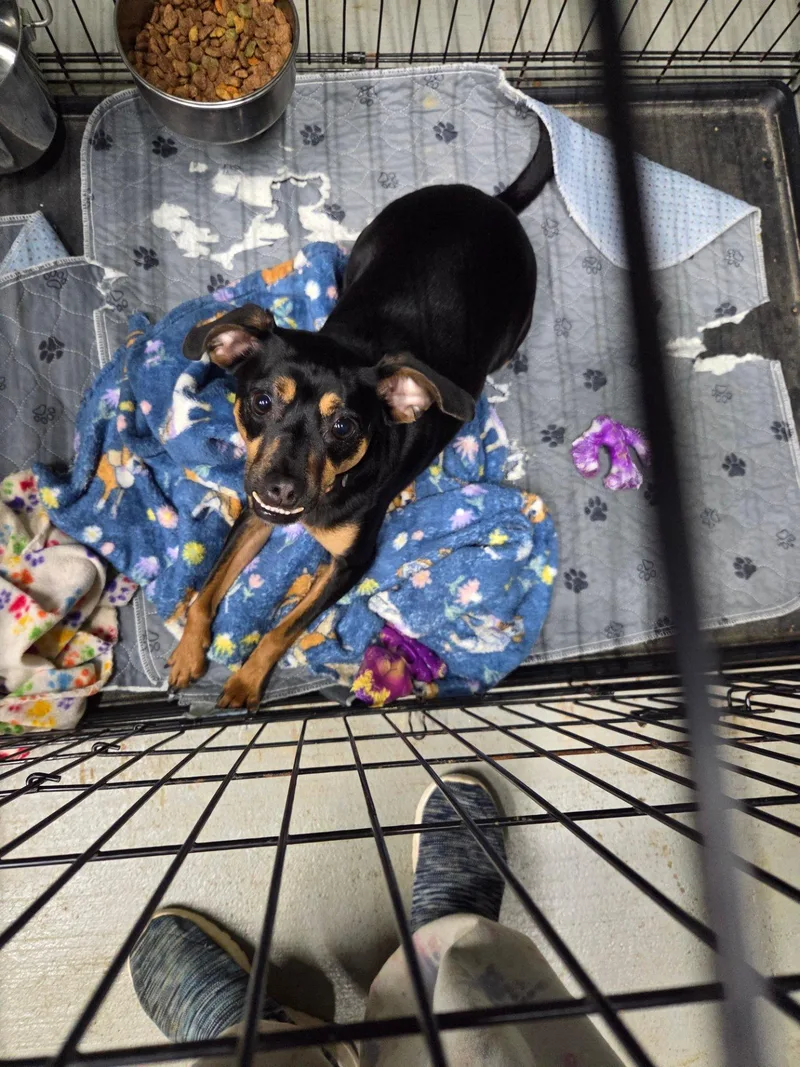
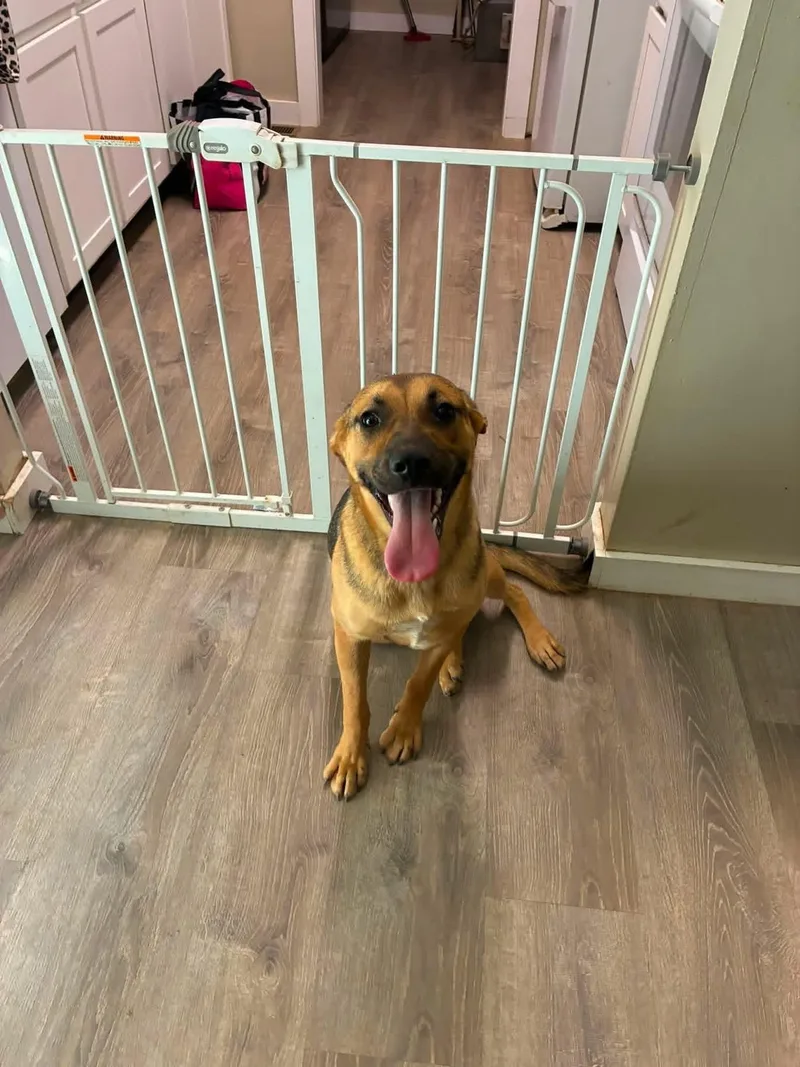
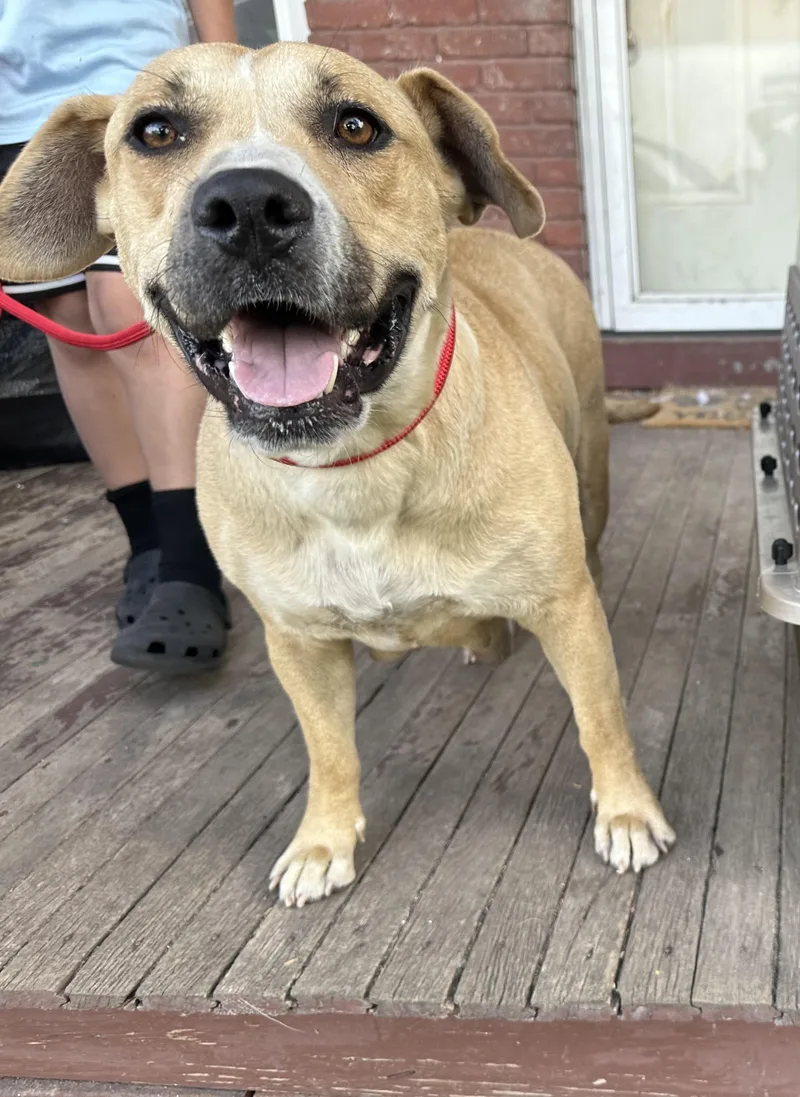
Labrador Retrievers Available for Adoption Near Charleston

About the Labrador Retriever breed

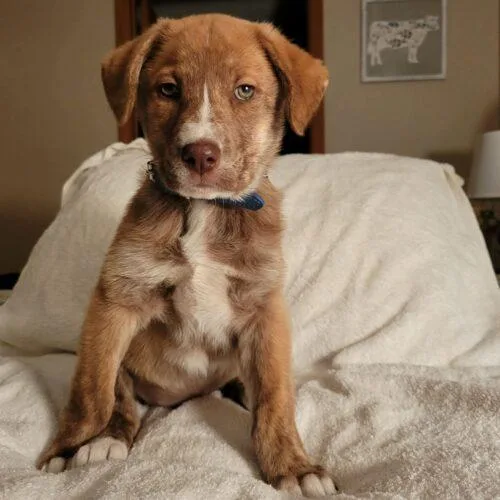
Labrador Retrievers descend from the St. John's water dogs of Newfoundland, which British sportsmen refined into a steady gun dog for retrieving game from land and water. The dense, water-resistant double coat, thick otter tail and sturdy build still reflect that job. Labs come in black, yellow and chocolate, and those from working backgrounds tend to be leaner and more driven than those with show backgrounds.

Many Labs are sociable, eager to please and fond of people, balls and water, which is why they're such popular family dogs and assistance dogs. In Charleston, that means a dog who'll happily join you on riverfront walks and wooded trails, and who sheds noticeably through the seasons. Expect a bouncy, mouthy adolescence that can last until two or three years old, and remember that each Lab is different.

Weight
55–80 lbs
Height
21–25 in
Lifespan
10–14 yrs
Temperament
Friendly, Outgoing, Active
Group
Sporting
Shedding
Moderate to High

Owning a Labrador Retriever in Charleston

Having a Labrador Retriever in Charleston

Labs pair a people-loving outlook with a body built for hours of retrieving. In Charleston, that means planning for daily exercise on hilly streets, shedding through four distinct seasons, and careful weight control, since many Labs are strongly motivated by food.

Temperament

Many Labs are friendly with visitors, neighbors and other dogs, which helps on busy downtown sidewalks and at the park. Young Labs can be mouthy and bouncy, and a big one can knock over small children. Reward-based training usually works well, though each dog's history and socialization matter more than the breed label.

Exercise Needs

Most adult Labs need vigorous daily exercise: brisk walks, fetch, or leashed hikes at Kanawha State Forest. Charleston's hills in Edgewood and South Hills add a built-in workout. Retrieving games and puzzle toys give the mind a job too. Labs from working backgrounds often need more, and seniors do better with gentler, regular movement.

Health Considerations

Labs are prone to hip and elbow dysplasia, cruciate ligament injuries, exercise-induced collapse, ear infections and skin allergies. Many gain weight easily, which strains the joints, so measure meals. Hilly walks help keep a Lab fit, but build up gradually. A veterinarian can check hips, ears and weight at a first checkup.

Living Space

A Lab can live in a house or an apartment when exercise happens every day. Because many Charleston homes sit on hillsides, look for a securely fenced yard or easy access to a park. Expect a big tail at coffee-table height, plenty of shed hair, and a dog happiest indoors with its people.

What it costs to own a Labrador Retriever in Charleston

ExpenseTypical costPer year
Adoption fee$100 to $350, one time$100 to $350 in year one
Food$55 to $110 per month$660 to $1,320
Pet insurance$65 to $130 per month$780 to $1,560
Routine vet care$250 to $500 per year$250 to $500
Other*$578 to $1,456 per year$578 to $1,456
Estimated yearly total (after year one)$2,268 to $4,836
First-year total (with adoption fee)$2,368 to $5,186

Adoption fee is the range of fees on Labrador Retriever listings in Charleston on GetBuddy today. Other costs are estimates and vary with size, age and health.

* A dog tag of about $3 to $6, flea, tick and heartworm prevention, a dental cleaning allowance, toys and bedding, and brushing and baths for heavy seasonal shedding.

Adopt a Labrador Retriever in Charleston.

Now that you know more, let’s find you a new best friend. These rescues and shelters below currently have Labrador Retrievers available.

Rescues in Charleston with Labrador Retrievers Available

Charleston's longtime humane association has served the city since 1935, and its adoptions include spay/neuter, vaccines and a microchip. Here are the rescues & shelters in the Charleston area where you can find Labrador Retrievers and other dogs available for adoption.

Frequently Asked Questions

Yes, Charleston has no known breed-specific rules, so Labs are treated like any other dog. Dogs must be leashed or contained off your property, vaccinated for rabies by six months, and tagged yearly. The main limit is household size: more than two dogs needs a city permit. Check your lease for pet rules too.

Yes, Labs usually handle Charleston winters well thanks to a dense, water-resistant double coat. The bigger risks are ice on hillside sidewalks, road salt on paws, and power outages after ice storms. Keep outdoor time short on freezing days, towel off wet paws, and have a warm indoor spot ready, since senior or thin Labs feel cold sooner.

Emma's Place in Cato Park is a fenced dog park on the West Side, and Kanawha State Forest has about 14 miles of foot trails where dogs stay leashed. The city also lists dog parks on Dunbar Street and in North Charleston. Haddad Riverfront Park offers flat downtown walks for a Lab that needs to burn energy.

Yes, a Lab can live in a Charleston apartment if it gets reliable daily exercise, since routine matters more than square footage. Many rentals set size or weight limits, so confirm the pet policy and fees before applying. A building near a park or the riverfront makes daily walks easier, and the two-dog limit applies to apartments too.

A Lab fits Charleston well if you enjoy being outdoors year-round and can give daily exercise. Hilly streets, leashed forest trails and four seasons suit an active dog, while humid summers and winter ice take some planning. It's a harder match if you're away long hours, since many Labs struggle with long days alone.

No, KRT buses don't allow pets, and Charleston has no subway or light rail. Service animals are covered by federal law. For a Lab, plan on getting around by car or on foot, and carry water for longer outings. Check current KRT rules before assuming any exception.

Sometimes, on outdoor patios only. West Virginia has no state law on dogs at outdoor dining, so each restaurant sets its own policy, and downtown Charleston has several patios that welcome dogs. Call ahead, bring a mat and water, and keep your Lab leashed and settled under the table. Pet dogs generally aren't allowed inside dining rooms.

A Lab needs brushing a few times a week, and daily during spring and fall when the double coat sheds heavily. A bath every month or two keeps the coat clean, and muddy spring walks may mean extra paw rinses. Most owners handle this at home, so grooming fits within the yearly Other costs of about $578 to $1,456.

We have 2 rescues with Labrador Retrievers available: Krazie Ladies Animal Rescue and Two Hearts Four Paws Rescue . You can see every rescue with Labrador Retrievers available in the list above these questions, or scroll to the top to see the Labrador Retrievers near Charleston.

A Lab in Charleston costs roughly $2,270 to $4,840 a year. Food runs $55 to $110 a month and insurance $65 to $130 a month. Routine vet care is $250 to $500 a year, and other costs such as prevention, dental care, grooming and the dog tag add $578 to $1,456.