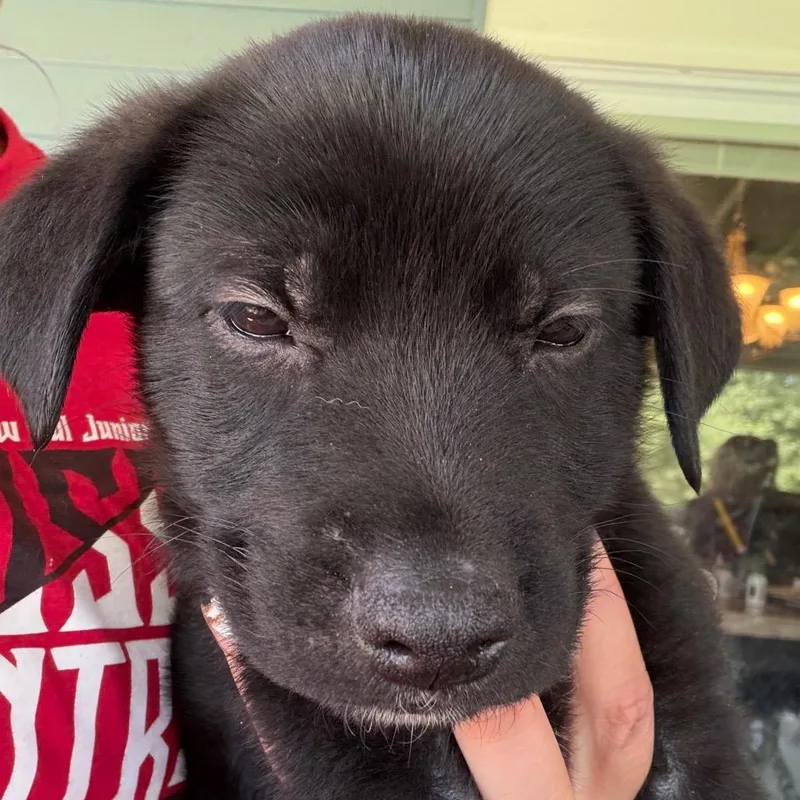
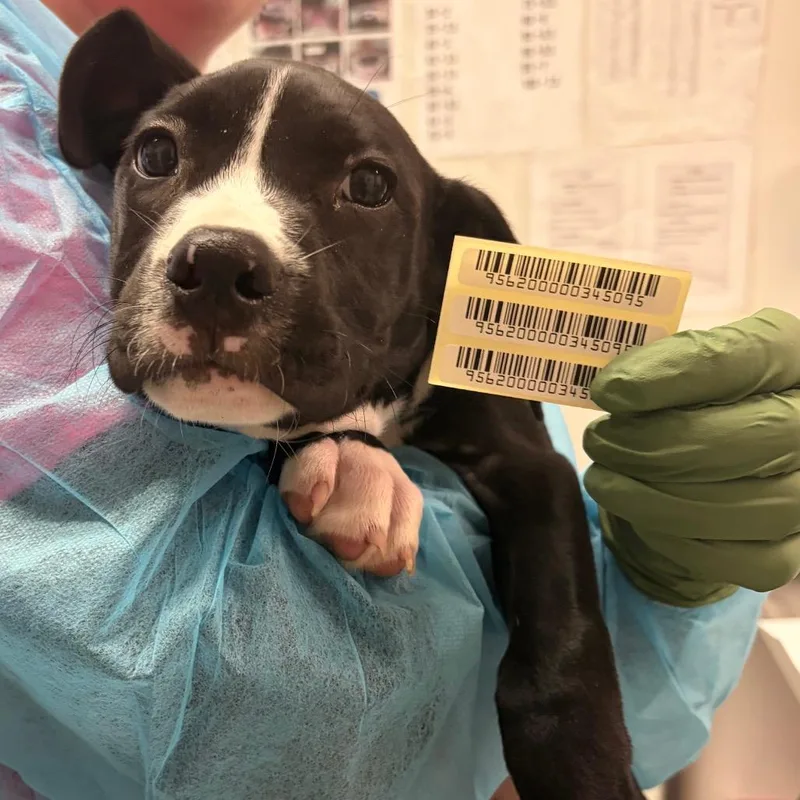
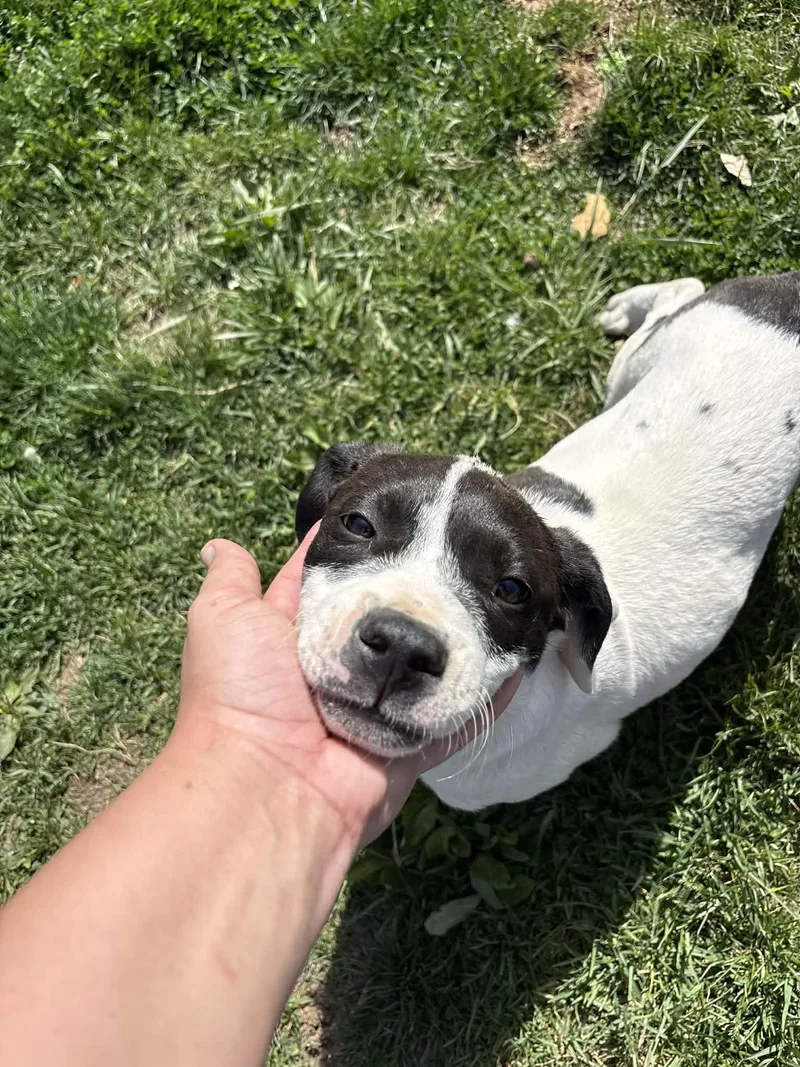
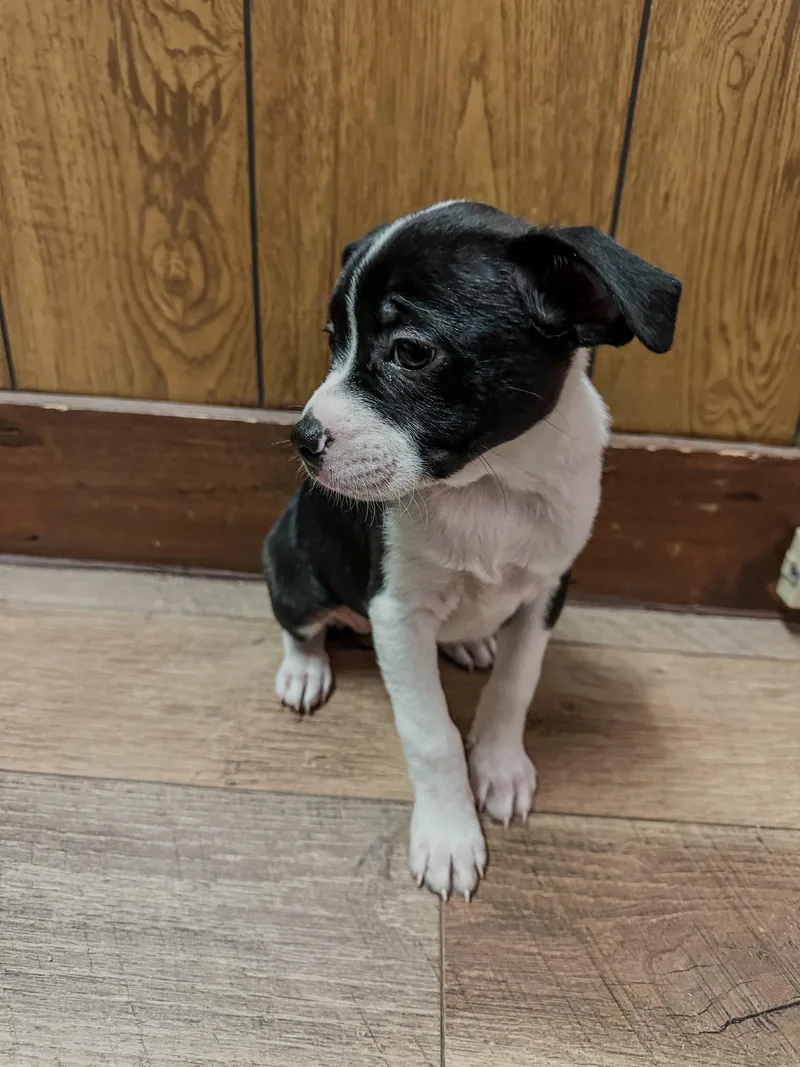
Husky Dogs for Adoption in Charleston, WV

Your guide to finding and caring for a Husky in Charleston

Huskies suit Charleston's hilly streets better than you might expect, as long as you like to walk. The steep climbs around South Hills and Fort Hill tire out a dog with sled-dog stamina, and Kanawha State Forest has about 14 miles of foot trails for leashed hikes. Winters here are cold enough to put that thick coat to use. The catch is the fence: huskies dig and escape, and Charleston expects dogs to be leashed or contained off your property.

4280 Huskies available in Charleston and nationwide

Your Husky is waiting

While we don't have enough dogs near Charleston, keep in mind that many rescues may offer transport.

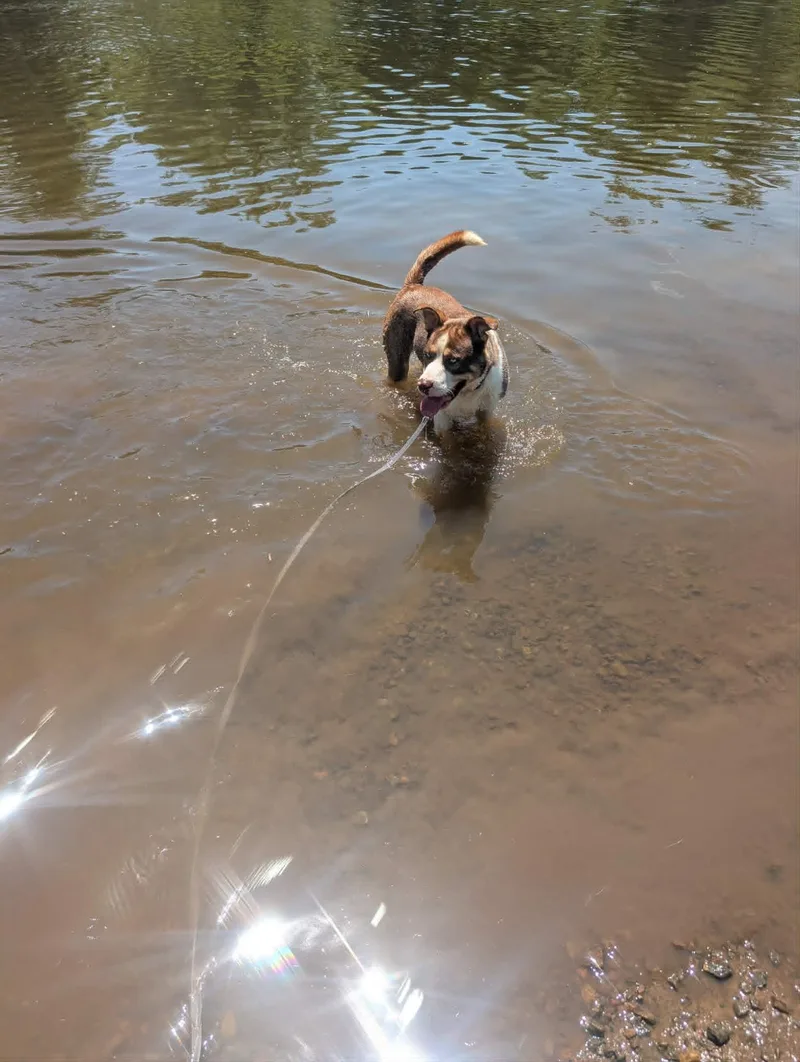
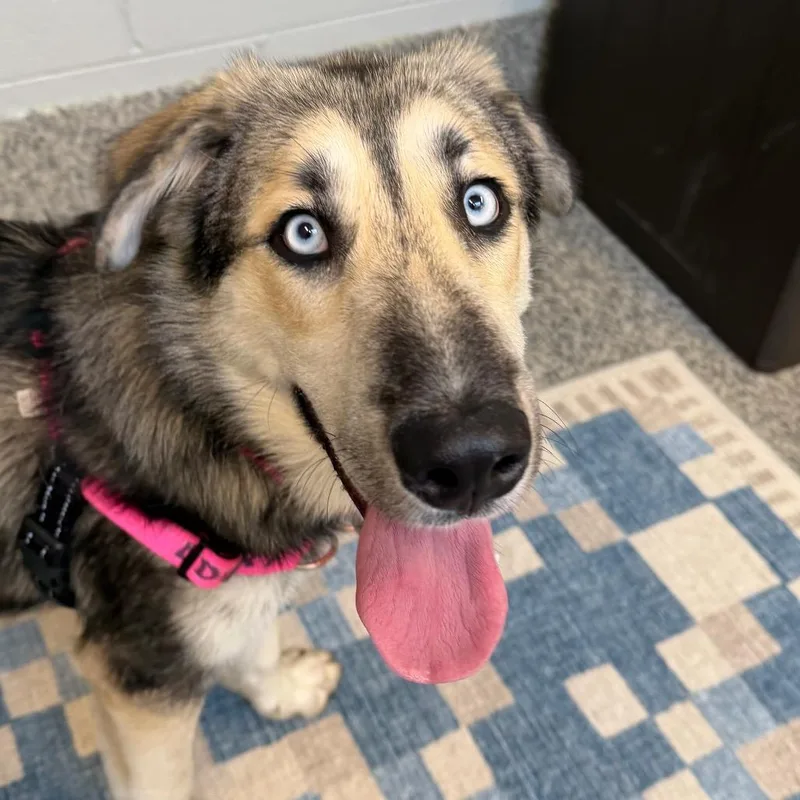
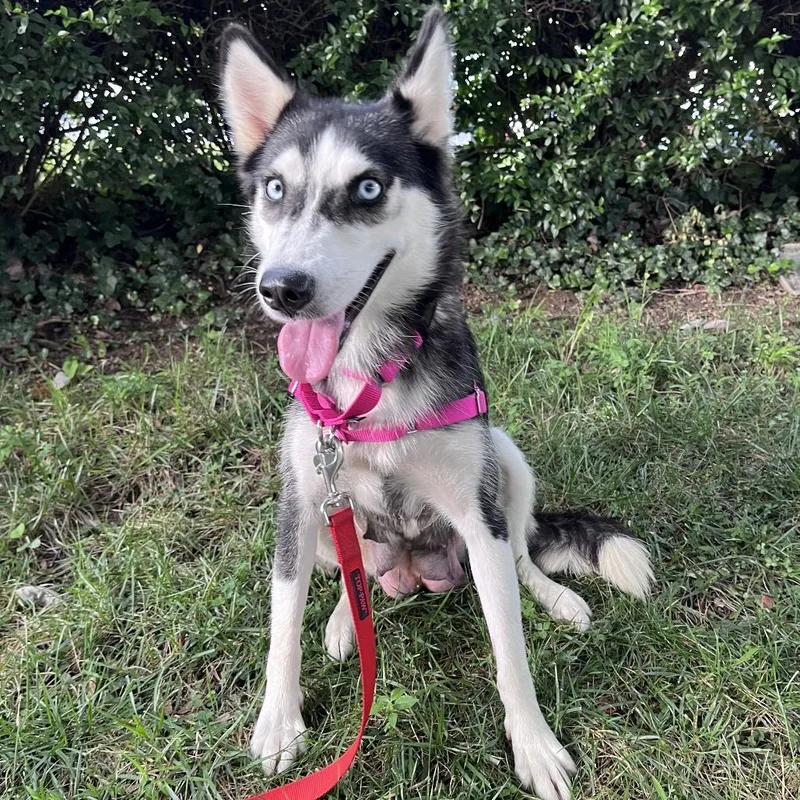
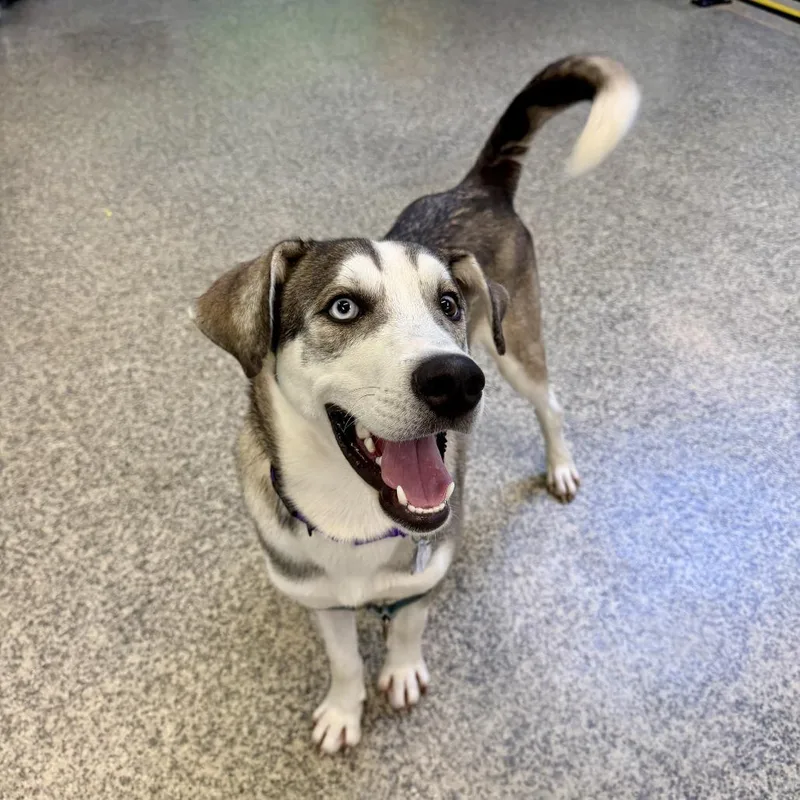
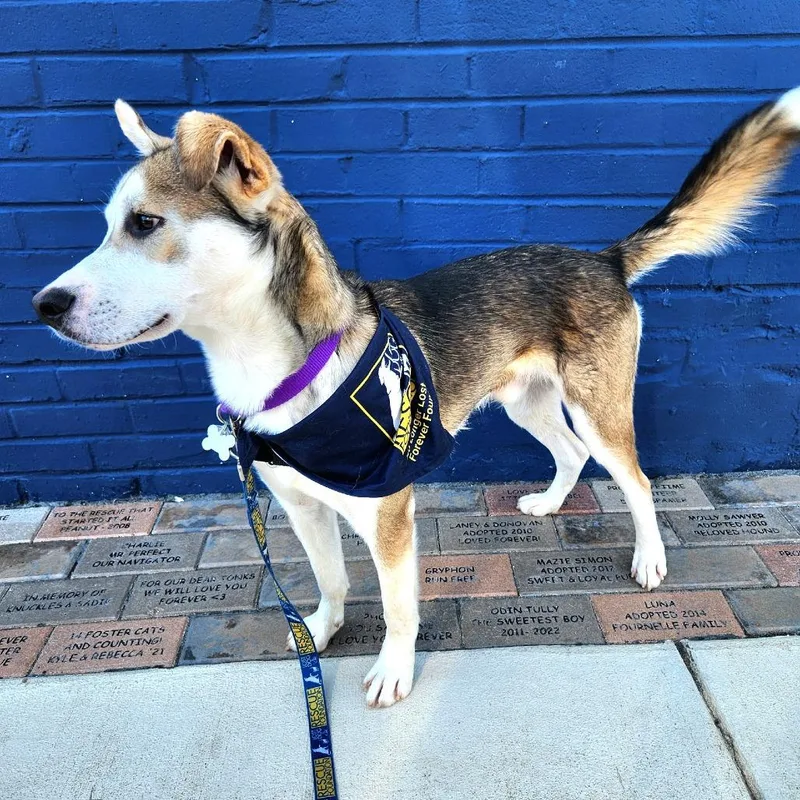
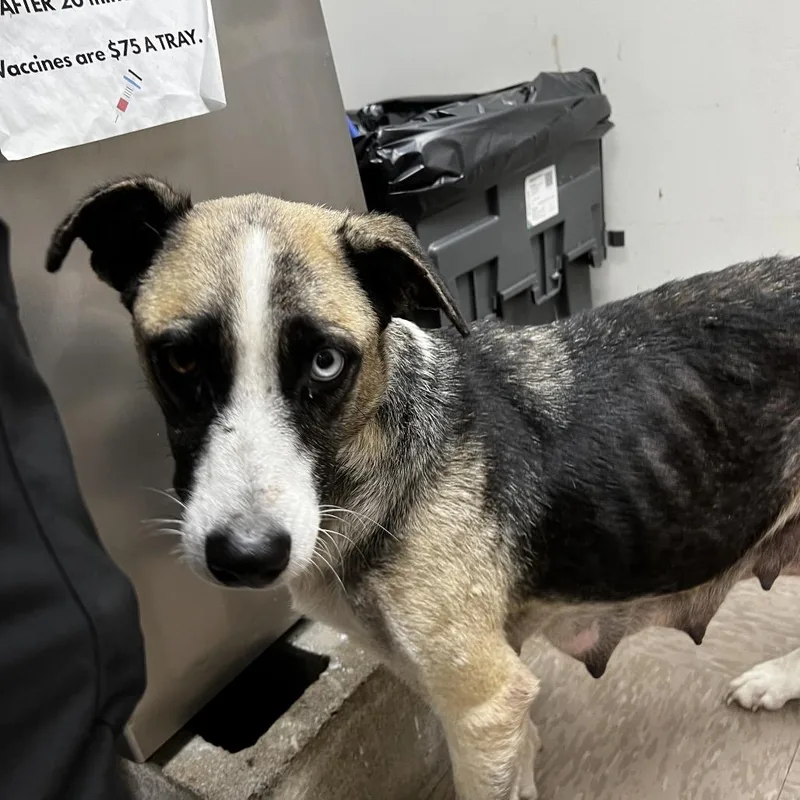
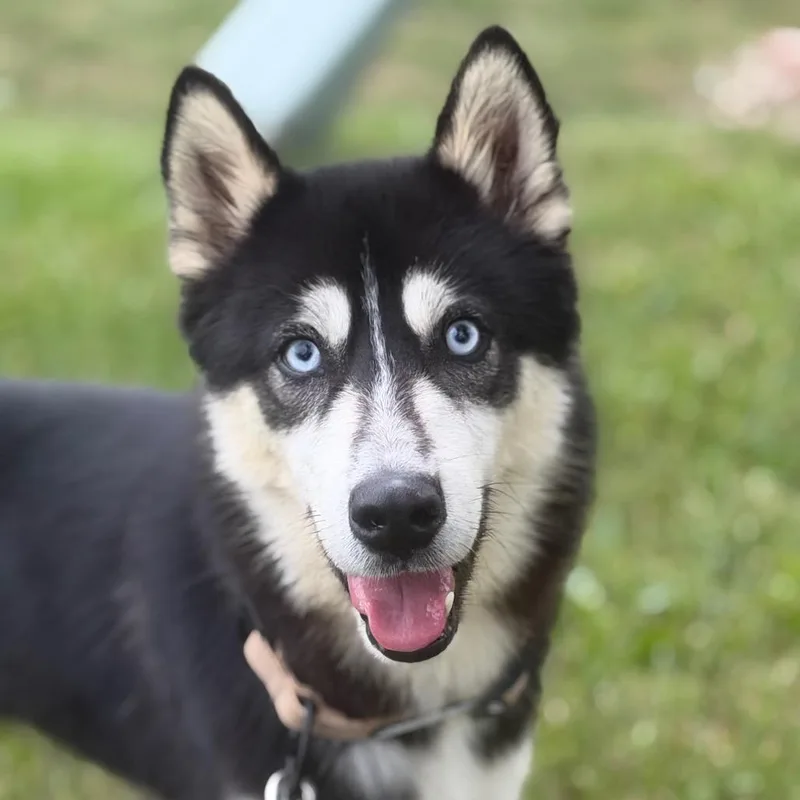
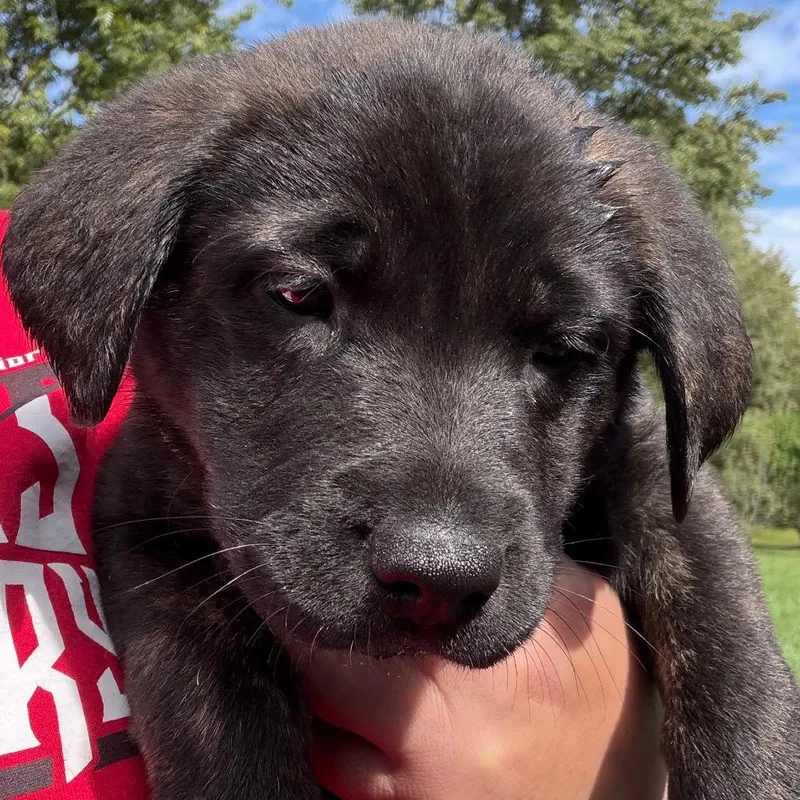
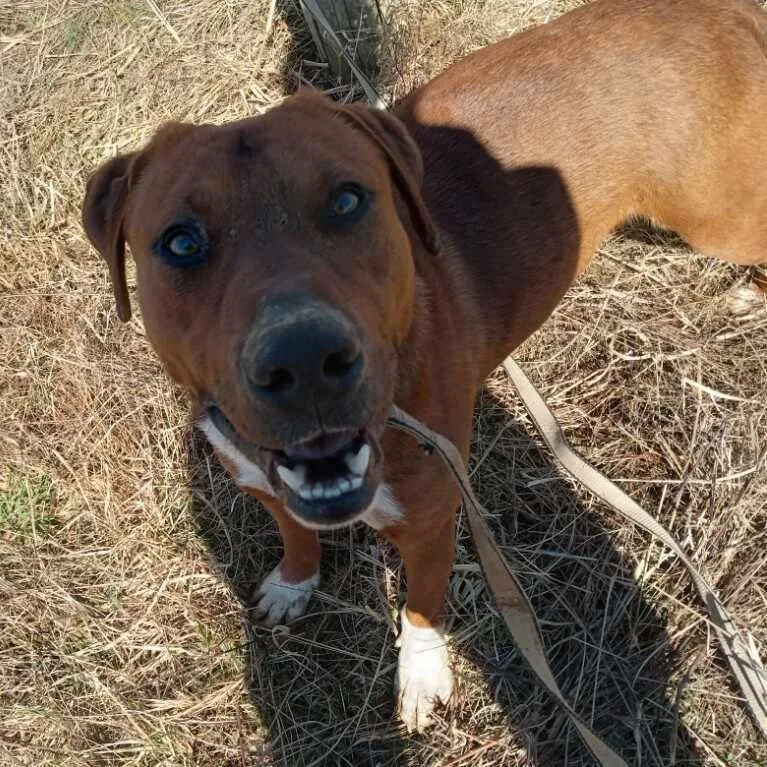
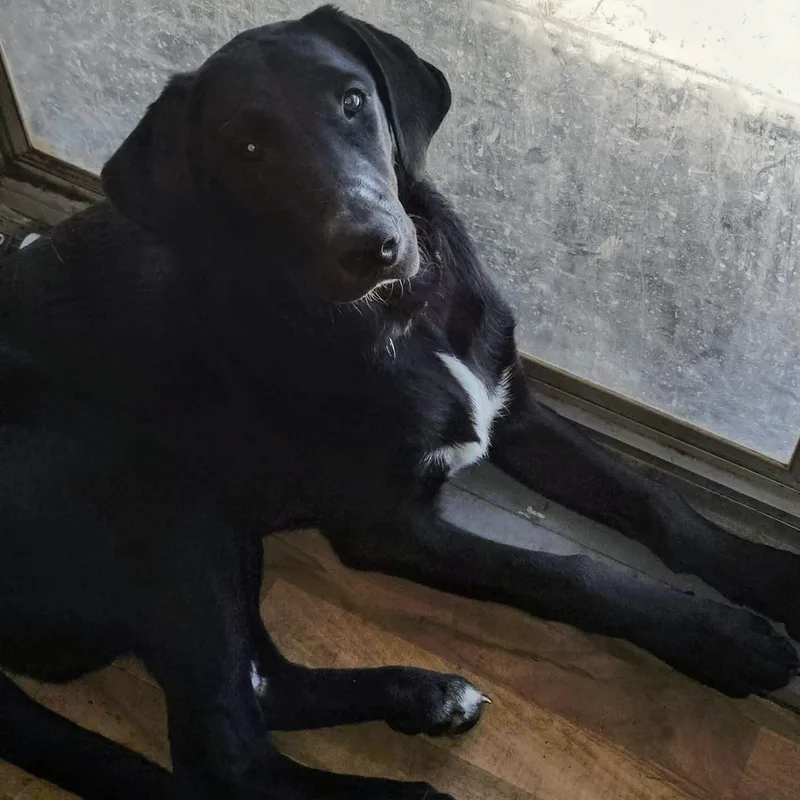
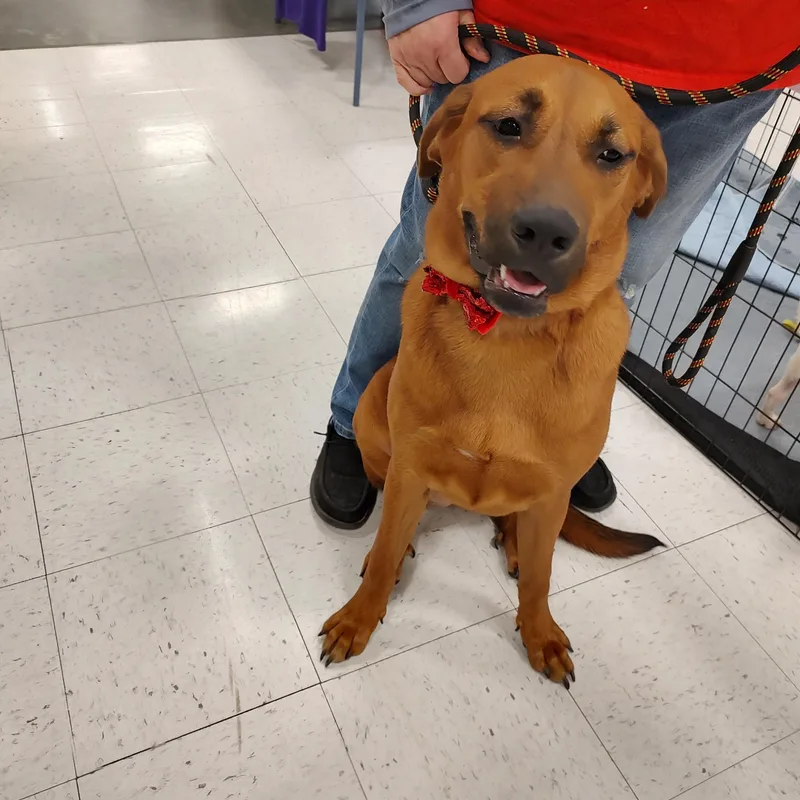
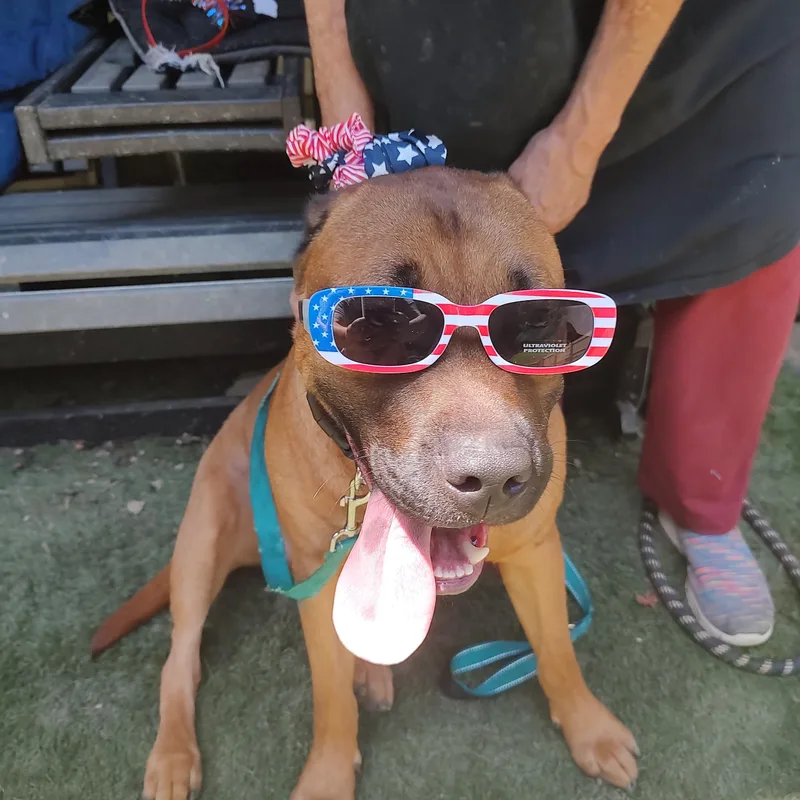
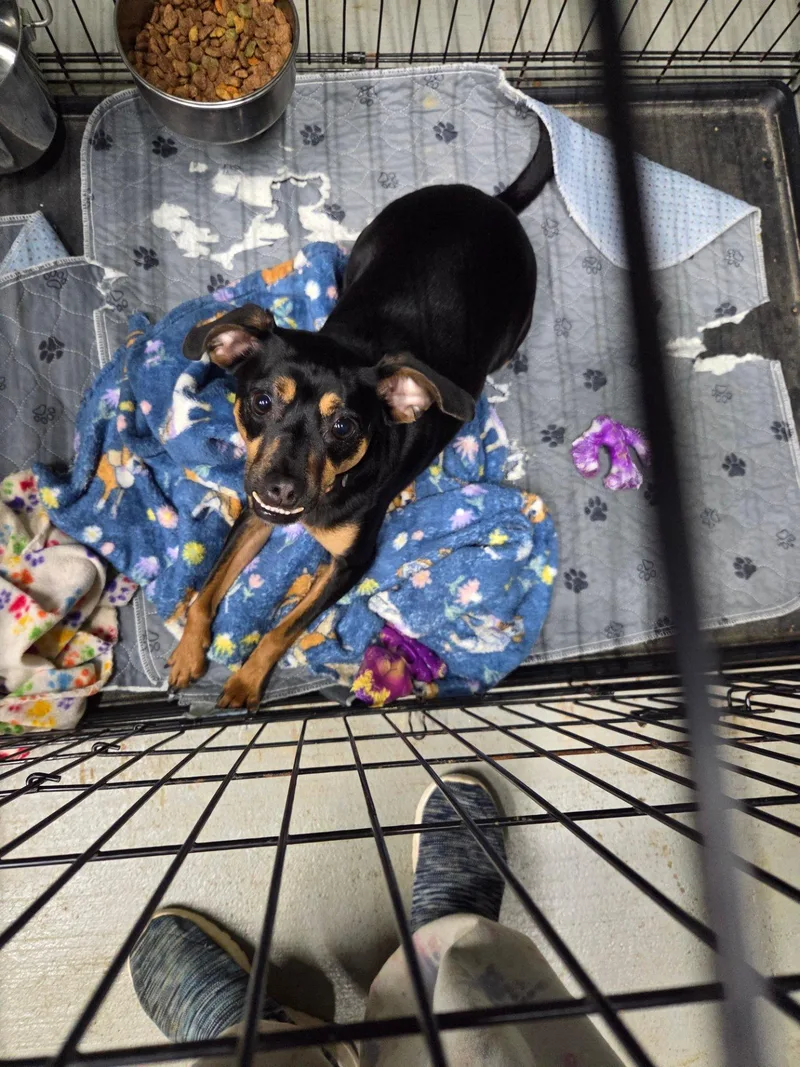
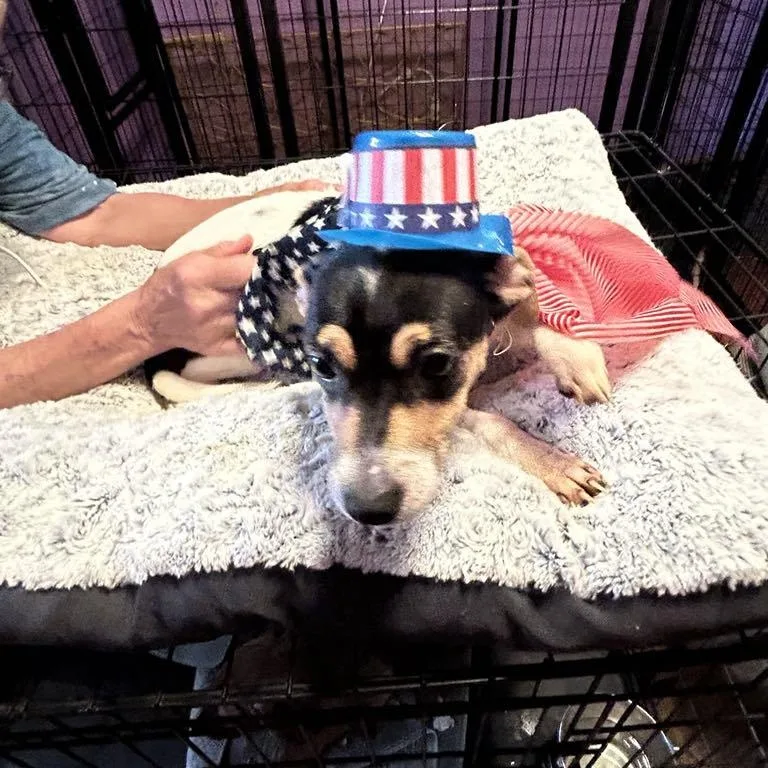
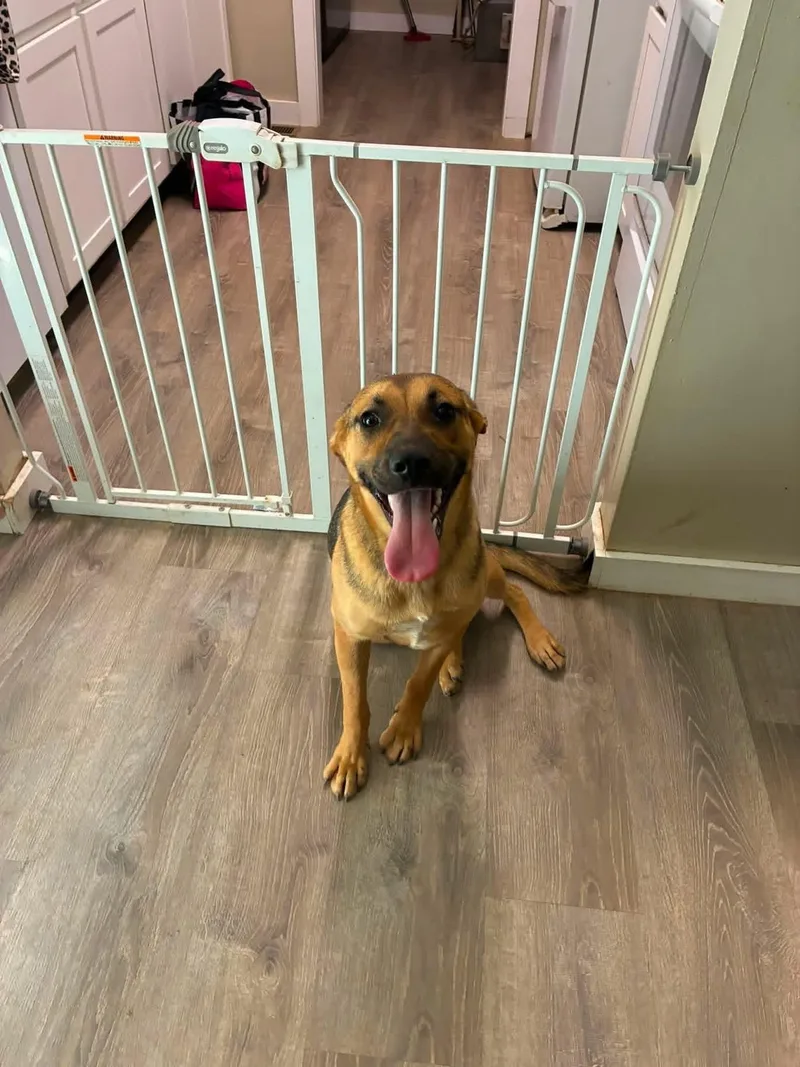
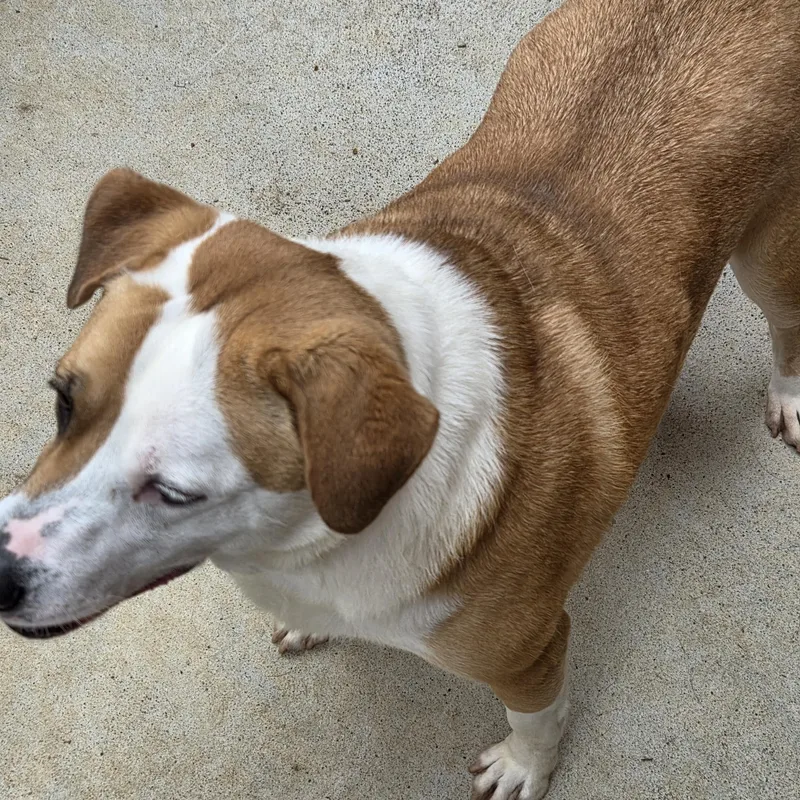
Huskies Available for Adoption Near Charleston

About the Husky breed

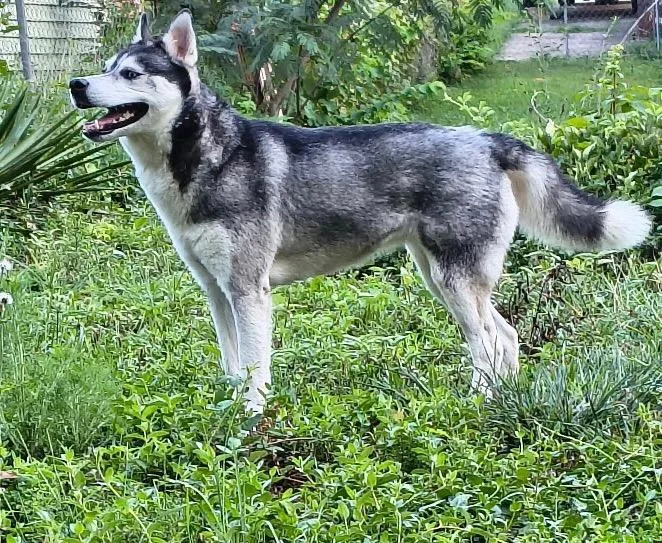
Husky is a catch-all label for northern sled dogs. Most dogs called huskies are Siberian Huskies or Siberian mixes, though some are Alaskan huskies, a mixed racing type, or have Alaskan Malamute in them. Expect an erect-eared, brush-tailed dog of roughly 35 to 70 pounds with a thick double coat and sometimes blue or mismatched eyes.

In a river-valley city like Charleston, that stamina is easy to put to work on hillside neighborhoods and forest trails. Huskies are friendly with people but independent, vocal and quick to chase small animals, so a secure fence and a leash are standard. Shedding is heavy, and recall is often unreliable. Dogs vary, especially mixes, so judge the dog in front of you rather than the label.

Weight
35–70 lbs
Height
20–25 in
Lifespan
11–15 yrs
Temperament
Friendly, Energetic, Independent, Vocal
Group
Working
Shedding
High

Owning a Husky in Charleston

Having a Husky in Charleston

Husky-type dogs bring sled-dog stamina, a thick coat built for cold and a self-directed streak. In Charleston, that means plenty of hillside walking, secure fencing and a plan for hot days. How much of that applies depends on the dog's mix and age.

Temperament

Huskies are usually outgoing and gentle with people, including strangers, so they make poor guard dogs. Many like other dogs, but a strong prey drive can be risky around cats and small pets. They're smart yet independent and may ignore commands that seem pointless. Mixes vary widely, so each dog's own personality matters more than the label.

Exercise Needs

Plan on a vigorous hour or more every day: brisk hillside walks in South Hills or Fort Hill, or leashed hikes on Kanawha State Forest's roughly 14 miles of foot trails. Charleston requires dogs to be leashed or contained off your property, which suits a husky, since recall is often unreliable. Puzzle toys help a bored dog that digs and howls.

Health Considerations

Husky-type dogs are generally hardy, but Siberian lines can carry inherited eye problems such as juvenile cataracts and progressive retinal atrophy, plus zinc-responsive skin disease and occasionally hip dysplasia. A veterinarian can check eyes and hips after adoption. Charleston's wooded hillsides mean ticks, so keep prevention current; rabies vaccination is required by six months.

Living Space

A husky can manage in an apartment if exercise is covered, but most do better with a fenced yard at least six feet high and dug-proofed. Charleston's hillside lawns can be sloped and harder to fence, while older East End buildings suit a dog that lives indoors with family. Expect fur, howling and a dog that wants company.

What it costs to own a Husky in Charleston

ExpenseTypical costPer year
Food$35 to $70 per month$420 to $840
Pet insurance$45 to $85 per month$540 to $1,020
Routine vet care$225 to $450 per year$225 to $450
Other*$528 to $1,353 per year$528 to $1,353
Estimated yearly total (after year one)$1,713 to $3,663

Other costs are estimates and vary with size, age and health.

* The roughly $3 Charleston dog tag, flea, tick and heartworm prevention, a dental cleaning allowance, toys and bedding, and brushing and deshedding for heavy seasonal shedding.

Adopt a Husky in Charleston.

Now that you know more, let’s find you a new best friend. These rescues and shelters below have dogs available in and near Charleston.

Rescues and Shelters in or near Charleston

Charleston's main shelter is a nonprofit serving the area since 1935, and its adoptions include spay/neuter and microchipping. Here are the rescues & shelters in the Charleston area with dogs available for adoption, worth asking whether a Husky is coming in.

Frequently Asked Questions

Yes, Charleston has no known breed-specific rule, and its dangerous-dog rules are based on a dog's behavior, not breed. What matters is following the general rules: keep the dog leashed or contained off your property, stay within the two-dog household limit unless you get a city permit, and keep rabies vaccination current. Other West Virginia towns do have breed rules, so look them up before moving.

Yes, a Husky can live in a Charleston apartment if its exercise needs are met, though it isn't the easiest match. Expect daily runs, heavy shedding and howling that neighbors may notice. Landlords set their own pet policies, and the city's two-dog limit applies to rentals too, so choose a building where frequent outings are easy.

Huskies can handle Charleston summers with care, but it's their hardest season. About 24 days a year reach 90°F, and July is humid. Walk early or after dark, offer shade, fresh water and air conditioning, and avoid hot pavement. Signs of overheating, like heavy panting or slowing down, call for cooling the dog right away and a call to the vet.

Emma's Place, the fenced dog park in Cato Park, is a secure option for a Husky, and Kanawha State Forest allows leashed dogs on about 14 miles of foot trails. Haddad Riverfront Park and Magic Island give you flat riverside walking downtown. Because husky recall is unreliable, keep the dog on leash anywhere that isn't fenced.

A Husky needs brushing a few times a week, and daily during the heavy shedding of spring and fall when the undercoat blows out. Charleston's cold winters and humid summers don't change that. Never shave a double coat, since it can hurt cooling. Grooming costs fall under the Other line, mainly brushes and an occasional professional deshedding bath.

No, pets aren't allowed on KRT buses, according to the system's rider rules, and Charleston has no subway or light rail. Service animals are an exception under federal law. For a Husky, that means planning trips to the vet and the trailhead by car or on foot, and confirming current KRT rules before any trip.

Sometimes, on patios. West Virginia has no state law on dogs in outdoor dining, so each restaurant sets its own policy, and downtown Charleston has several with dog-friendly patios. Dining rooms generally don't allow pet dogs. Bring water and a short leash, and expect a friendly, vocal Husky to do best at quieter hours.

A Husky fits Charleston if you're active, home a fair amount and ready for hills and warm summers. The trails and hillside streets reward a high-energy dog, and the cold winters suit the coat. It's a poorer match if you're away all day, have cats or can't fence a yard. Dogs vary, especially mixes.

A Husky is a northern sled dog type rather than one specific breed. The name most often refers to the Siberian Husky, a recognized AKC breed, but it also covers the Alaskan husky, a mixed racing type, and many husky mixes in shelters. Most are medium-sized, thick-coated, energetic dogs with erect ears and a friendly, independent nature.

Plan on roughly $1,700 to $3,700 a year for a husky in Charleston. That covers food at $35 to $70 a month, insurance at $45 to $85 a month, routine vet care at $225 to $450 a year, and other costs of $528 to $1,353 a year. Heavy shedding adds brushing supplies, and adoption fees vary by listing.