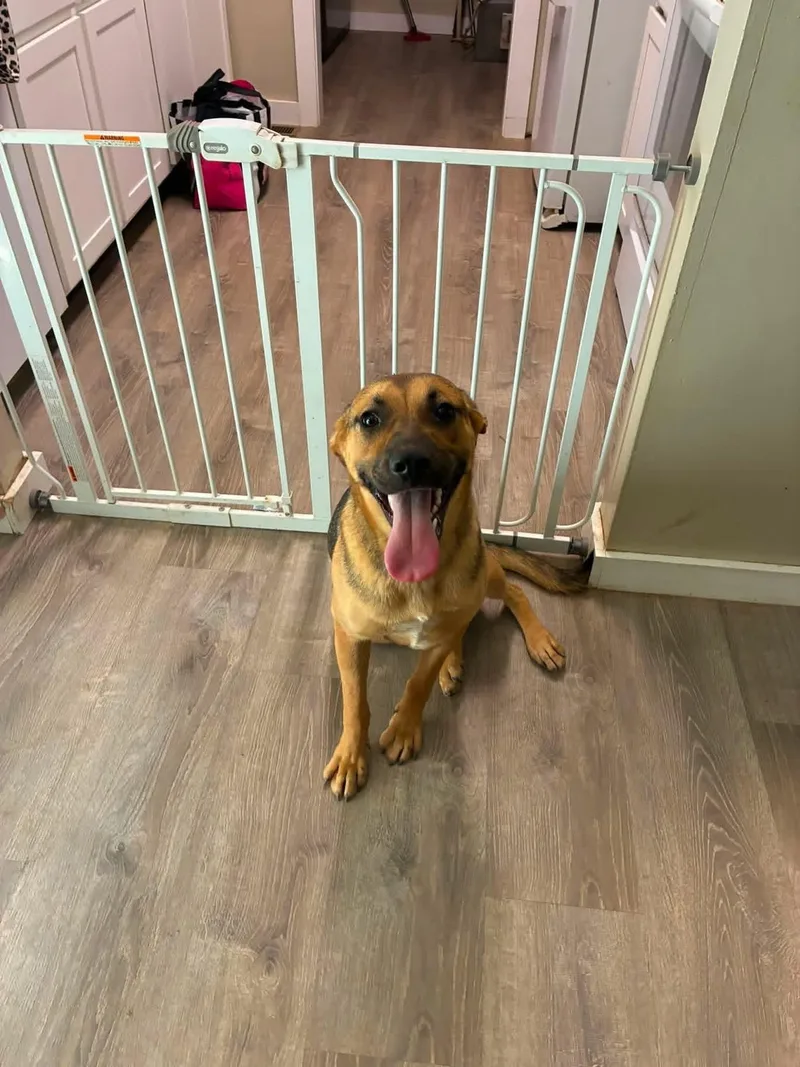
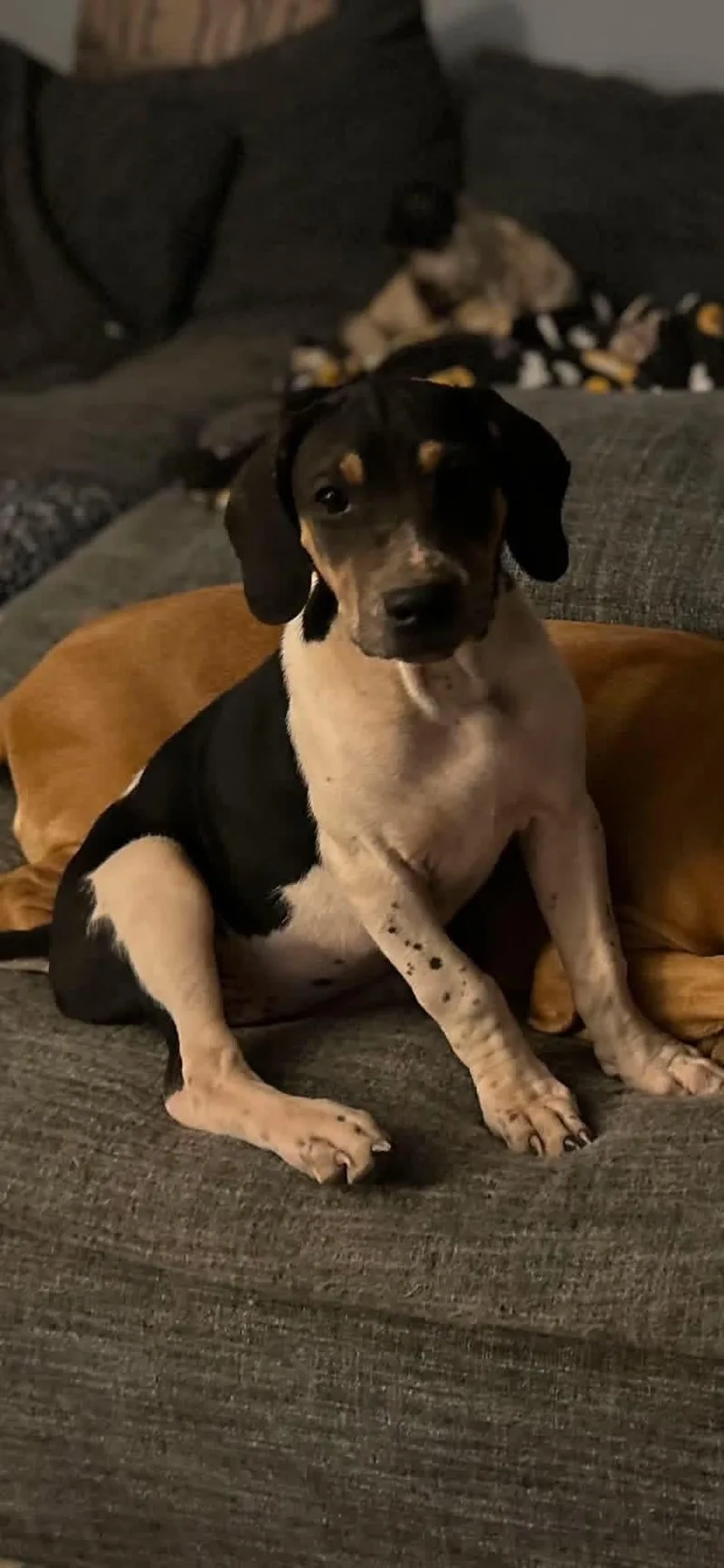
Hamiltonstovare Dogs for Adoption in Charleston, WV

Your guide to finding and caring for a Hamiltonstovare in Charleston

A Hamiltonstovare suits Charleston's wooded hillsides, as long as the yard has a good fence. In South Hills, where sloped lawns back onto trees and bears have been spotted, this Swedish scent hound will find endless smells to follow. They're friendly, even-tempered dogs that enjoy long walks, and many do fine in a house or roomy apartment near Kanawha City. The catch is the nose: a fresh trail can carry a Hamiltonstovare right past its recall.

7879 dogs similar to Hamiltonstovare available in Charleston and nationwide

Say hello to your Hamiltonstovare

Hamiltonstovares and Similar Breeds Available for Adoption Near Charleston

About the Hamiltonstovare breed

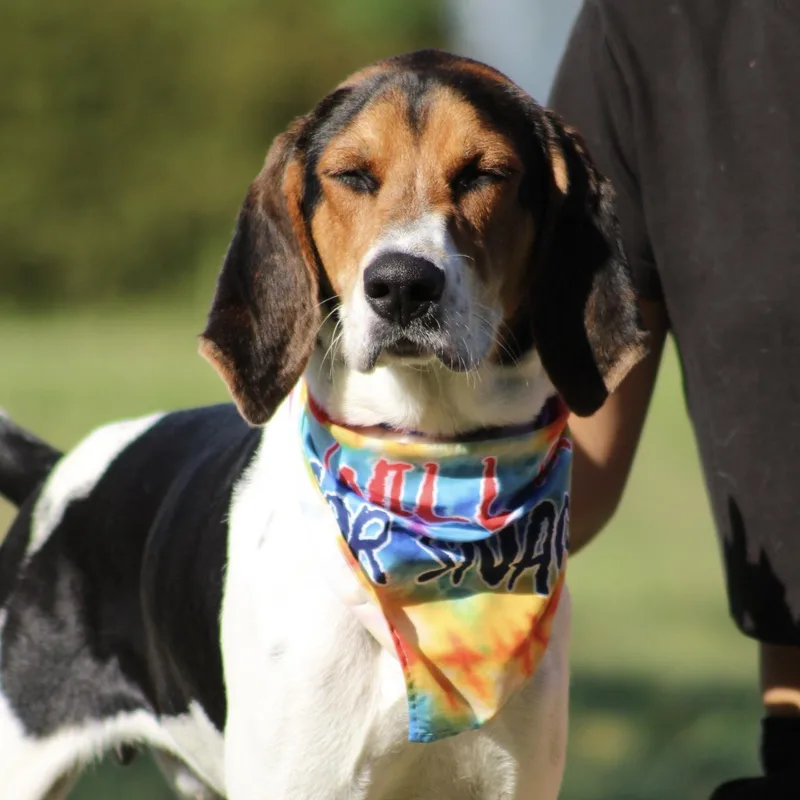
The Hamiltonstovare is a Swedish scent hound created by Count Adolf Hamilton, founder of the Swedish Kennel Club, and first shown in 1886. It was developed to trail hare and fox alone and give voice along the way, so its nose and stamina define the breed. This medium-sized dog wears a close-lying tricolor coat of black, tan and white.

Hamiltonstovares are usually friendly and even-tempered, but a fresh scent can override recall in seconds. In Charleston, that means a fenced yard or leashed walks, especially near wooded hillsides. The breed is uncommon in the US, so watch the listings on this page, and consider similar hound breeds, since a hound mix may share the same scent drive and energy.

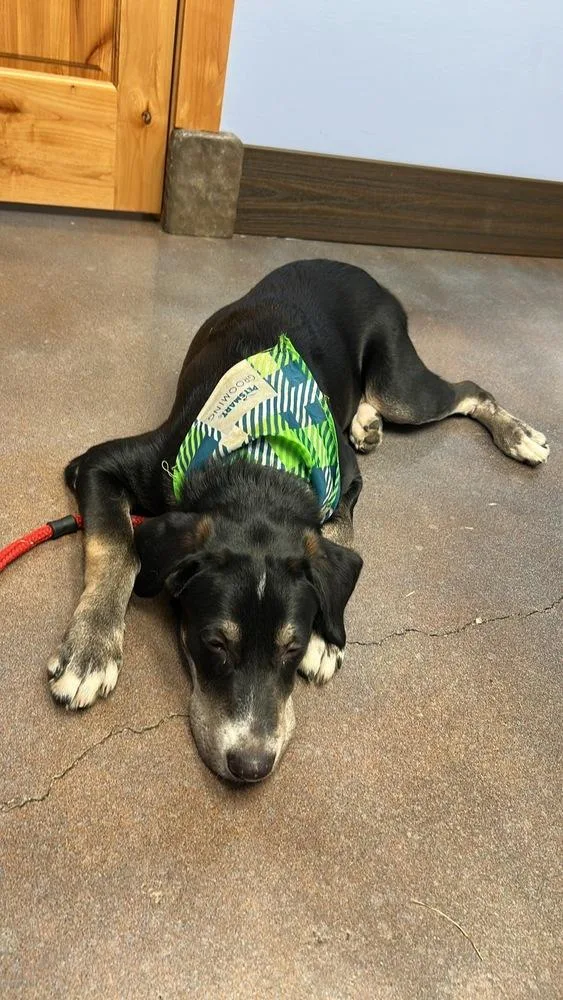
Weight
50–60 lbs
Height
19–24 in
Lifespan
10–13 yrs
Temperament
Friendly, Energetic, Independent
Group
Hound
Shedding
Moderate

Owning a Hamiltonstovare in Charleston

Having a Hamiltonstovare in Charleston

Easygoing indoors and driven outdoors, a Hamiltonstovare is built for long days on a trail. In Charleston's hills and river valley, its nose and stamina matter more than its medium size or easy-care coat.

Temperament

Hamiltonstovares tend to be friendly, even-tempered and fond of their families, and many enjoy other dogs. They can also be stubborn and easily distracted by scent, so short, rewarding training sessions work best. Small pets may trigger chasing, and each dog's personality varies, so watch how the dog behaves around other animals.

Exercise Needs

Plan on a long walk or run every day, plus time to sniff. Charleston's hillside streets make good workouts, and Kanawha State Forest offers leashed trail miles. Scent games tire the mind too. Keep the dog leashed or fenced, because a trail can pull it away quickly, and keep practicing recall.

Health Considerations

The breed is generally sturdy, though limited data exist outside Scandinavia. Hip dysplasia occurs, so keep the dog lean and active and have a veterinarian check the hips. Drop ears need regular checks for infection, and Charleston's wooded hillsides make tick checks after outings worthwhile.

Living Space

A house with a securely fenced yard suits most, such as the sloped lots in South Hills or Edgewood if the fence is solid. An apartment can work for an adult with long daily outings, though baying may carry through walls if the dog is bored or left alone for long periods.

What it costs to own a Hamiltonstovare in Charleston

ExpenseTypical costPer year
Food$35 to $70 per month$420 to $840
Pet insurance$45 to $85 per month$540 to $1,020
Routine vet care$225 to $450 per year$225 to $450
Other*$428 to $1,156 per year$428 to $1,156
Estimated yearly total (after year one)$1,613 to $3,466

Other costs are estimates and vary with size, age and health.

* Flea, tick and heartworm prevention, a dental cleaning allowance, the yearly dog tag (about $3 per tag), toys and bedding, and occasional brushing and baths.

Adopt a Hamiltonstovare in Charleston.

Now that you know more, let’s find you a new best friend. These rescues and shelters below have dogs available in and near Charleston.

Rescues and Shelters in or near Charleston

Charleston's shelters and rescues list a wide mix of dogs, and the pets below change as new arrivals are added. Here are the rescues & shelters in the Charleston area with dogs available for adoption, worth asking whether a Hamiltonstovare is coming in.

Frequently Asked Questions

Yes. Charleston has no known breed-specific rule for Hamiltonstovares, and its dangerous-dog rules are based on behavior, not breed. Homes are limited to two dogs without a city permit, and dogs must be leashed or contained off your property. Tethering is restricted, so plan on a fenced yard or an indoor routine.

It can be, for active people who are home often. The hills, riverfront paths and forest trails give a scent hound plenty to do, and its friendly nature suits neighborhood life. The tradeoffs are a strong nose, baying when bored, and a need for fencing or leash discipline, especially where deer and bears pass through.

Emma's Place, the fenced dog park in Cato Park, gives a Hamiltonstovare room to move. Kanawha State Forest has about 14 miles of foot trails for leashed dogs, and Haddad Riverfront Park offers flat downtown walks. Magic Island floods in high water, so skip it after heavy rain. Outside fenced areas, a leash is the safe choice.

Yes, if the dog gets long daily outings and isn't left alone for long stretches. Charleston has plenty of rentals, but baying can reach neighbors through thin walls. A ground-floor unit near sidewalks or trails helps, and pet policies and fees vary by landlord, so get the terms in writing before you sign.

Yes, generally. The close double coat copes with Charleston's cold, and winter highs mostly sit in the 40s. Snow and ice are the bigger issue, since hillside sidewalks get slick and ice storms can cause outages. Shorten walks on the coldest days, dry the paws afterward, and keep the dog indoors, especially at 32°F or below.

Very little. A weekly brush keeps the close-lying coat tidy, with extra brushing when it thickens for winter. Bathe only when muddy, which happens after wet Charleston trail walks, and check the drop ears regularly. Most owners groom at home, so the cost fits within the Other line of the cost table.

No. Charleston's public transit is the KRT bus system, and its timetables say no pets, though service animals are covered by federal law. There's no subway or light rail. A Hamiltonstovare will need a car or a good walk to get around, so plan trips to trailheads and vet visits with that in mind.

Sometimes, on patios only. West Virginia has no state law on dogs in outdoor dining, so each restaurant sets its own policy, and downtown has some with dog-friendly patios. Indoor dining rooms generally don't allow pet dogs. Practice calm, leashed settling first, since a busy sidewalk full of smells can distract a scent hound.

Yes, Hamiltonstovares shed, though their short, close-lying coat makes care easy. Expect a moderate amount of hair year-round, with heavier shedding when the coat changes with the seasons. A weekly once-over with a rubber curry brush or hound glove removes most loose hair. They are not hypoallergenic, so people with dog allergies should spend time with one before adopting.

Expect food of about $35–$70 a month and pet insurance of $45–$85 a month. Routine vet care runs about $225–$450 a year, and other yearly costs add roughly $428–$1,156. Together that comes to about $1,600–$3,500 a year for a Hamiltonstovare in Charleston, depending on the dog's needs.