
Curly-Coated Retriever Dogs for Adoption in Charleston, WV

Your guide to finding and caring for a Curly-Coated Retriever in Charleston

Curly-Coated Retrievers fit Charleston best with owners who like to be outside every day. The hills of Edgewood and the trails around Cato Park give a tall, athletic dog plenty to climb and sniff, and a fenced yard makes fetch easy. Curlies are reserved with strangers and slow to grow up, so they do well with patient people who are home a fair amount. Expect a lot of retrieving, and a damp dog after every rainy walk.

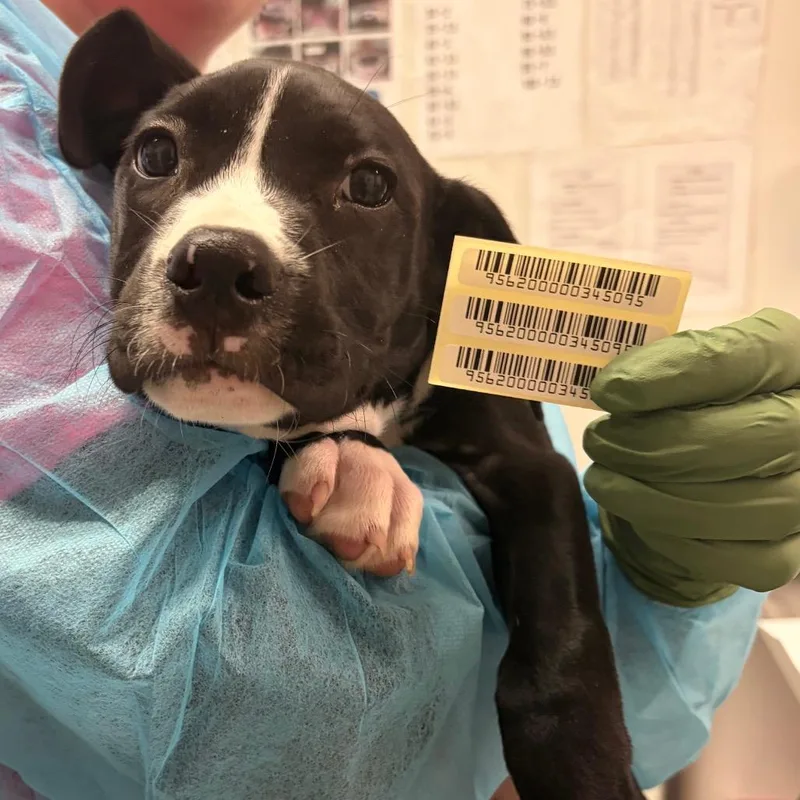
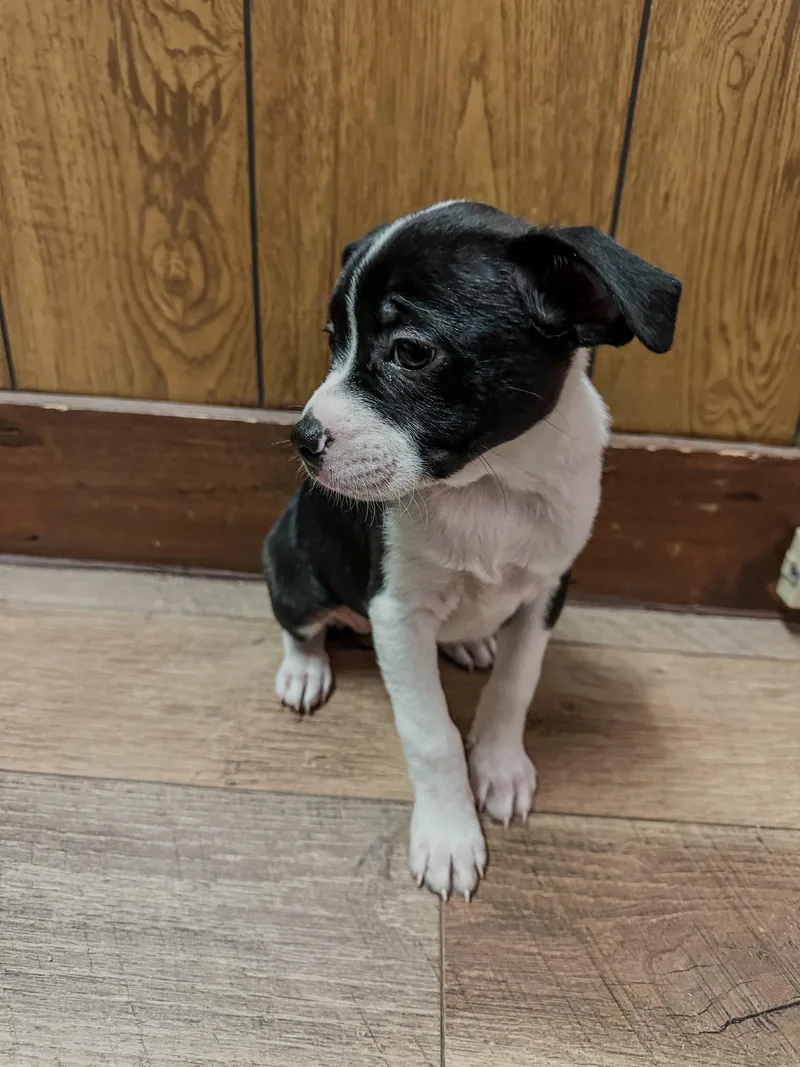
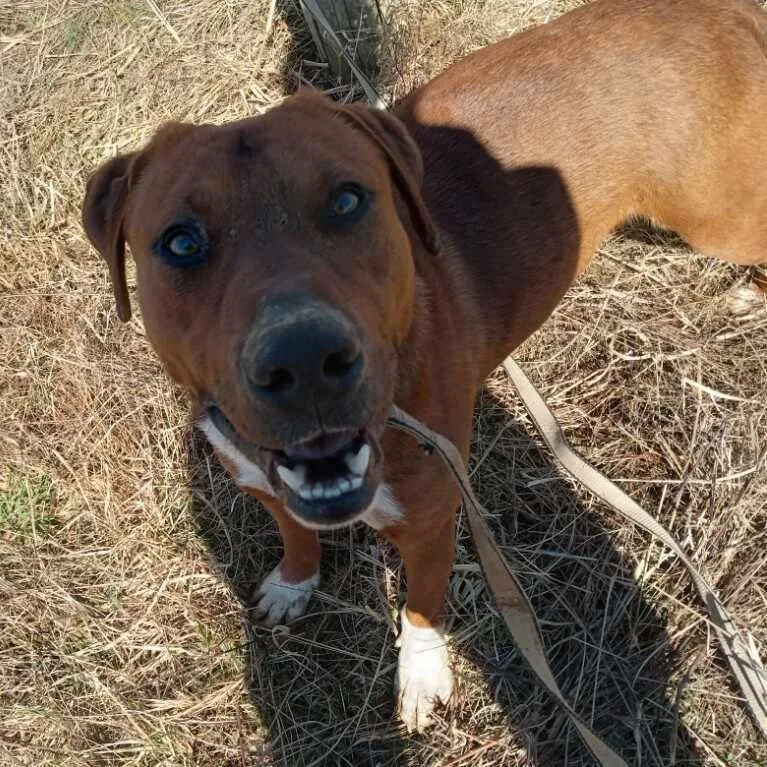
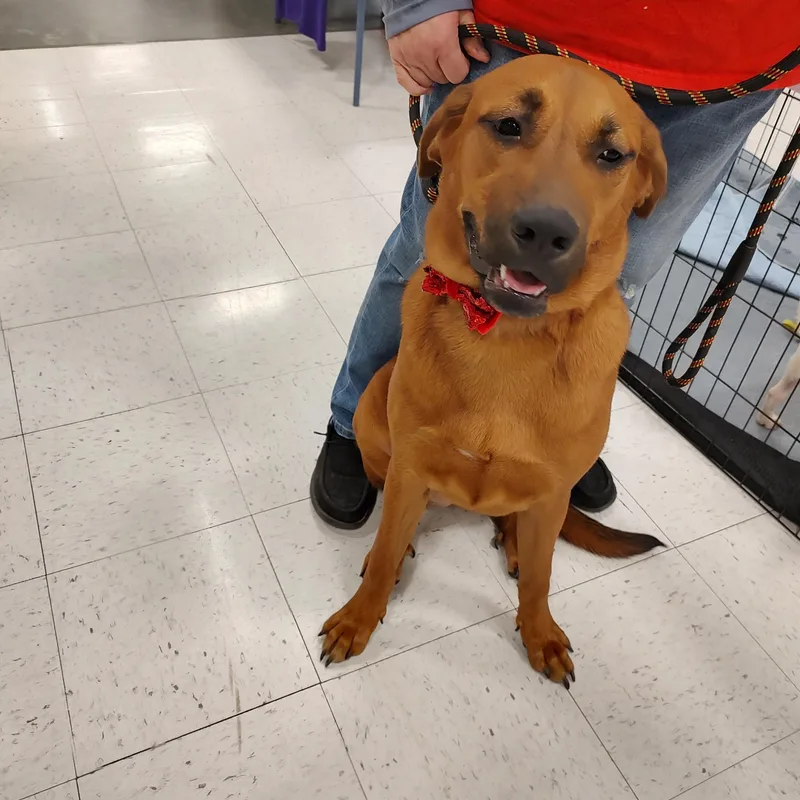
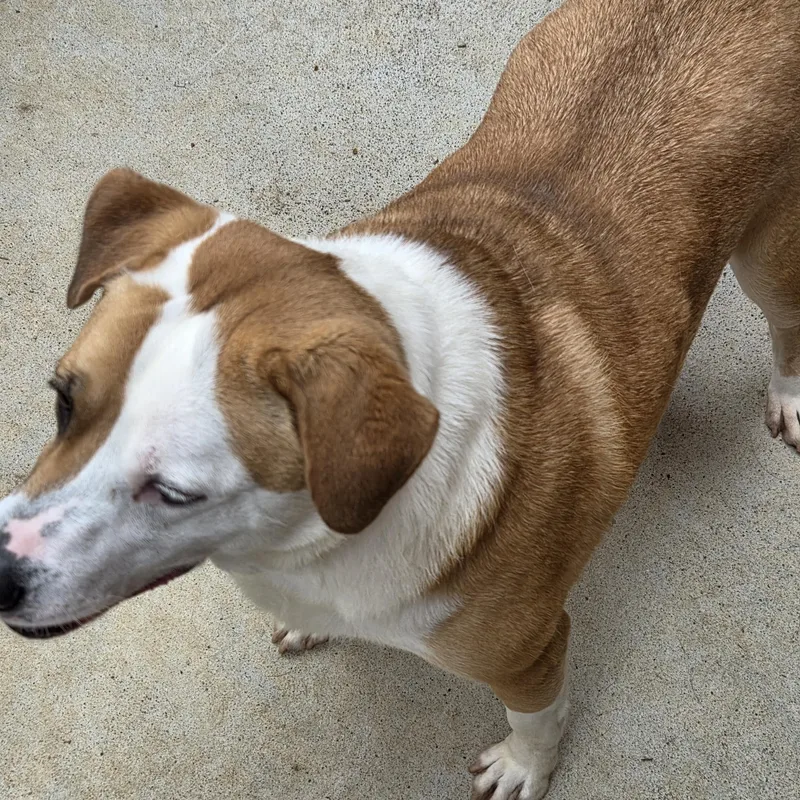
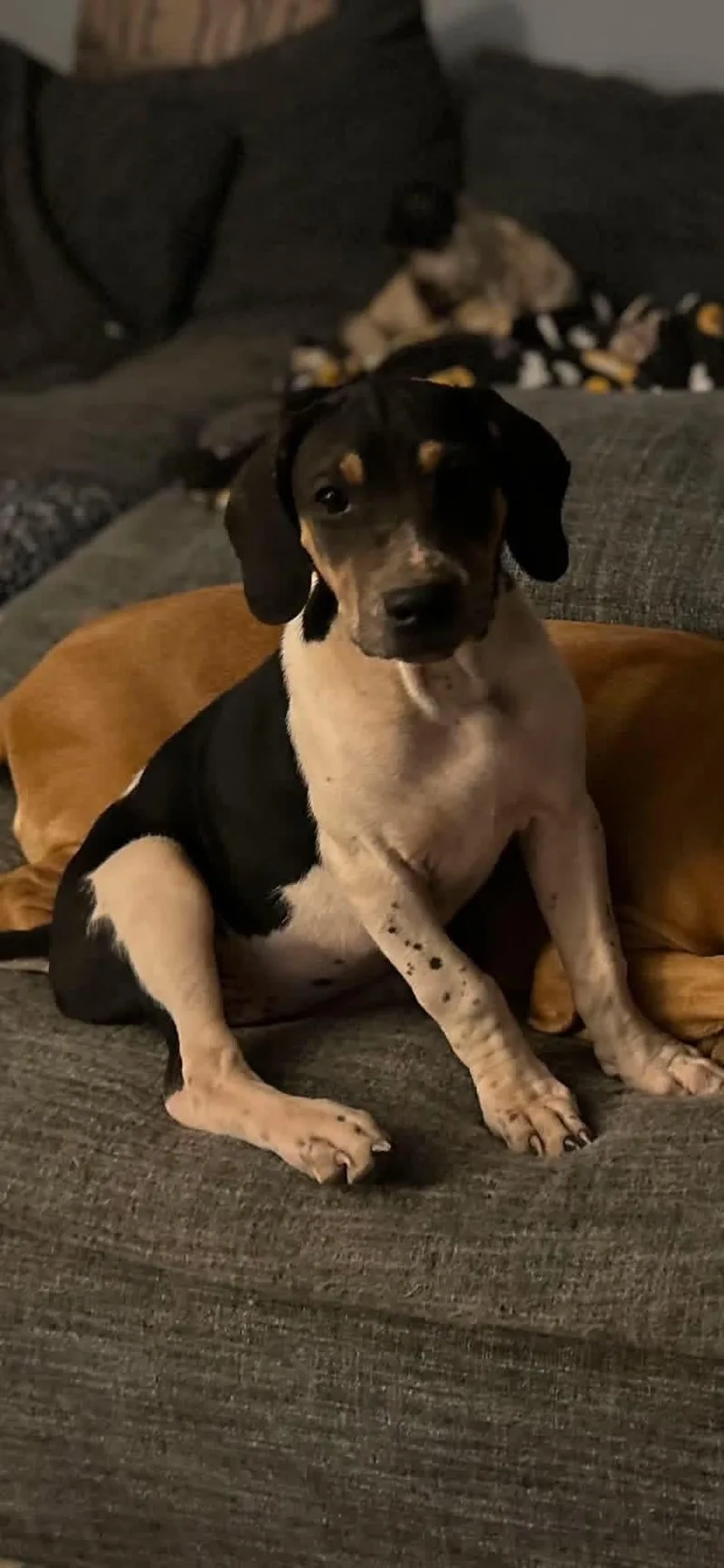
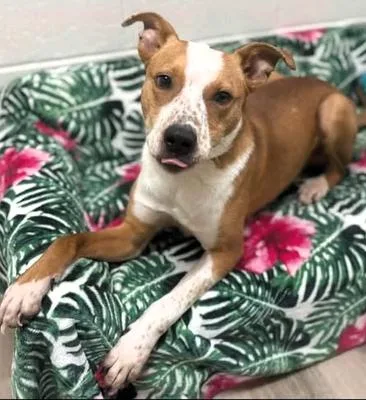
15109 dogs similar to Curly-Coated Retriever available in Charleston and nationwide

Bring home a Curly-Coated Retriever

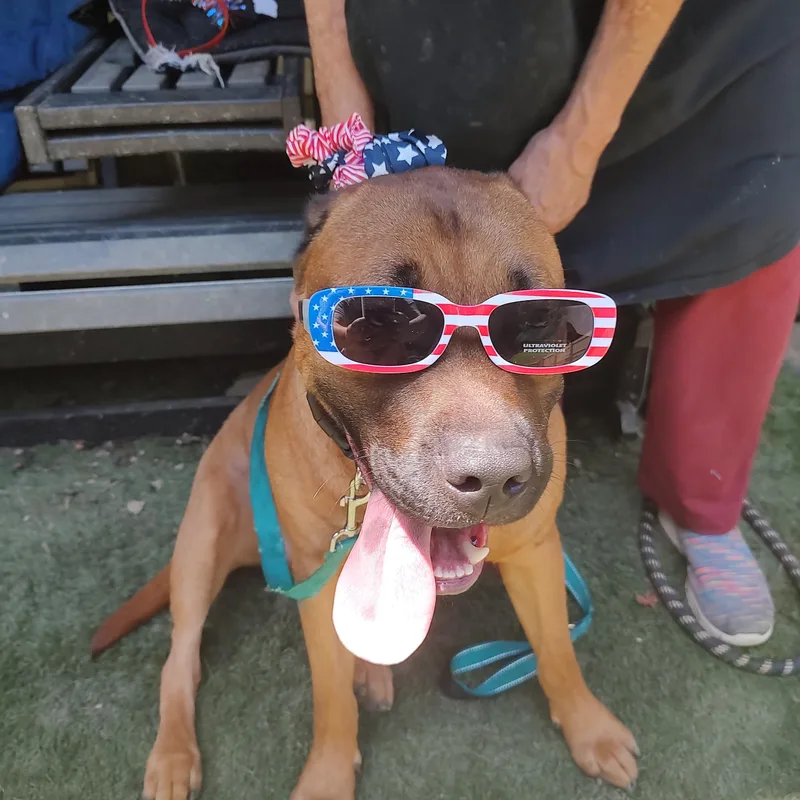
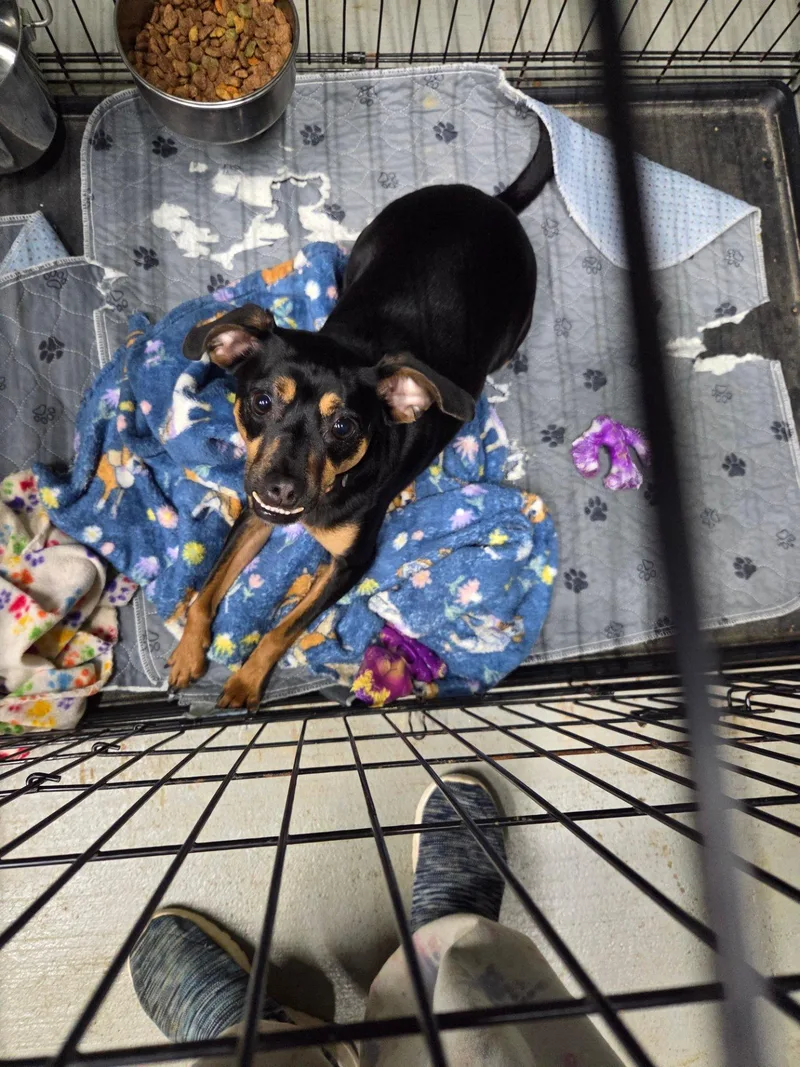
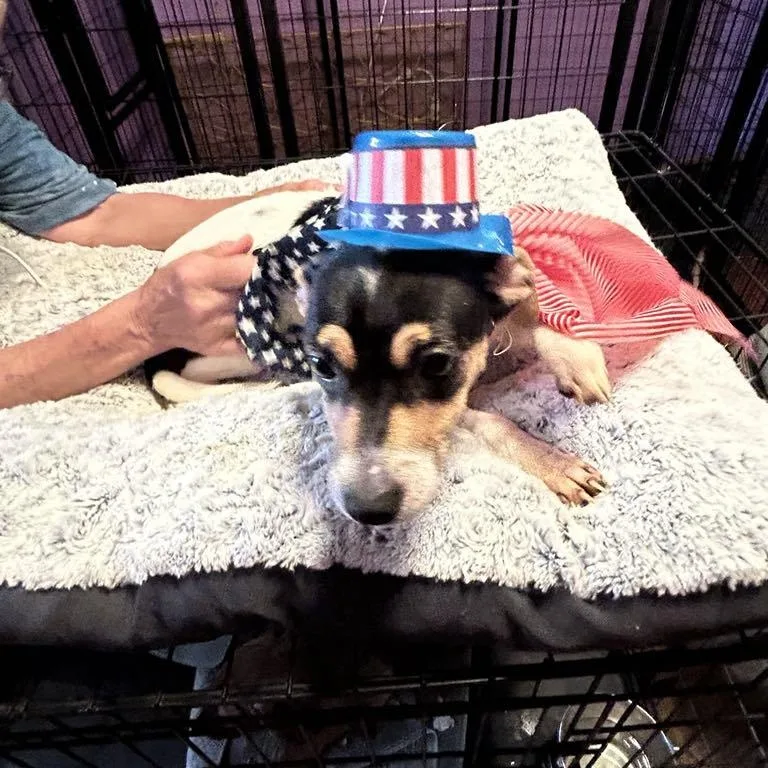
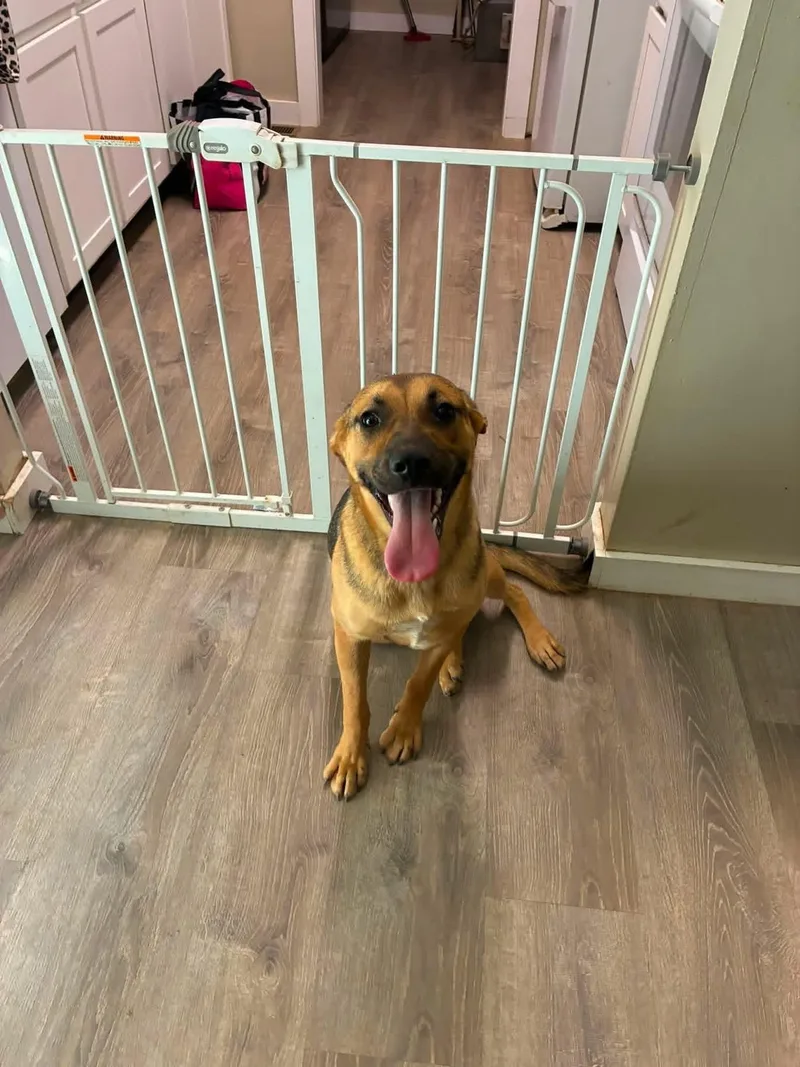
Curly-Coated Retrievers and Similar Breeds Available for Adoption Near Charleston

About the Curly-Coated Retriever breed

The Curly-Coated Retriever is a tall, athletic sporting dog covered in tight, crisp curls that shed water, with a smooth face and front legs. Black or liver coats are the norm, and most adults weigh between 60 and 95 pounds. That size and stamina mean a Curly needs real daily work, not just a lap around the block.

Curlies are confident and thoughtful, and many keep a goofy, puppyish side for two or three years. They can be aloof with visitors, so early, calm socialization pays off. The coat is easier than it looks: dampen and finger the curls rather than brushing them, and expect a heavier shed once or twice a year. Dogs vary, so judge the dog in front of you, not just the breed.

Weight
60–95 lbs
Height
23–27 in
Lifespan
10–12 yrs
Temperament
Confident, Intelligent, Independent
Group
Sporting
Shedding
Low to Moderate

Owning a Curly-Coated Retriever in Charleston

Having a Curly-Coated Retriever in Charleston

Curlies pair a retriever's stamina with a more self-directed streak. In Charleston that means hilly daily walks, a plan for icy winters and humid summers, and a household that can offer steady training, a secure yard and company for much of the day.

Temperament

Curlies are usually devoted and gentle with their own family and politely distant with strangers. They're smart and independent, so repetitive drills can bore them. Reward-based training and early socialization help, especially around busy downtown sidewalks or apartment hallways. Many stay playful for two or three years, and personalities vary from dog to dog.
Exercise Needs

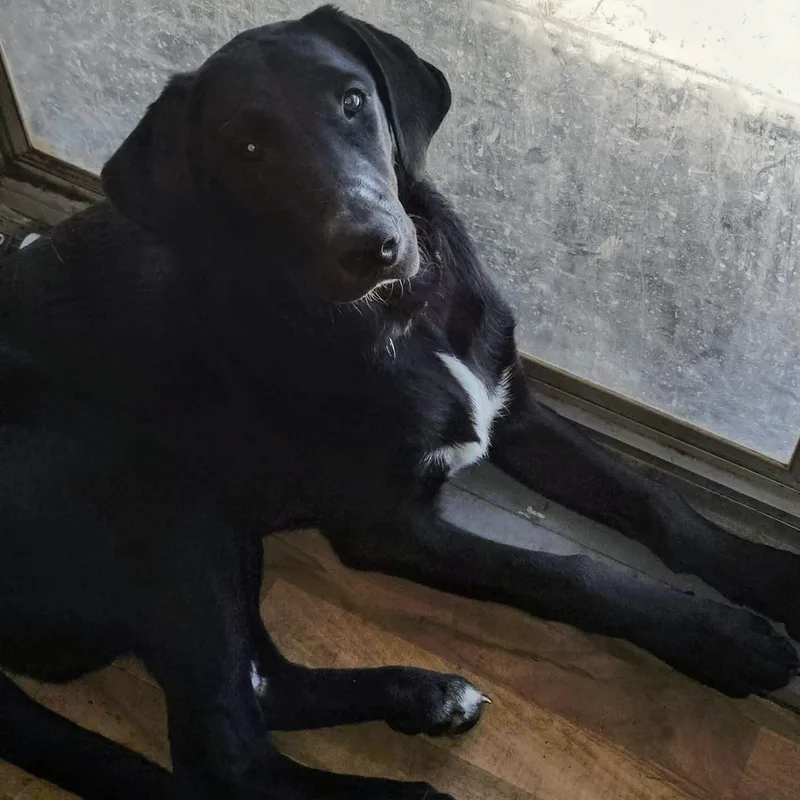
Plan on an hour or more of vigorous exercise daily: brisk hill walks, running, fetch or scent games. Charleston's sloped streets add a workout, and the leashed trails at Kanawha State Forest suit longer outings. Mental work counts too, so training classes and puzzle feeders help. A bored Curly tends to invent its own jobs.

Health Considerations

Curlies can face hip and elbow dysplasia, exercise-induced collapse, glycogen storage disease, an inherited eye disease called progressive retinal atrophy, heart problems and coat loss. Deep-chested dogs are also at risk of bloat. A veterinarian can check hips, eyes and heart at a first visit, and regular checkups catch changes early.

Living Space

A Curly does best with a securely fenced yard and owners who get outside daily, though a committed apartment dweller can manage. Their size and sweeping tail need floor space, and they want to live indoors with the family. On Charleston's hillside lots, make sure fencing is solid, since a dog this tall can clear a low one.

What it costs to own a Curly-Coated Retriever in Charleston

ExpenseTypical costPer year
Food$55 to $110 per month$660 to $1,320
Pet insurance$65 to $130 per month$780 to $1,560
Routine vet care$250 to $500 per year$250 to $500
Other*$478 to $1,256 per year$478 to $1,256
Estimated yearly total (after year one)$2,168 to $4,636

Other costs are estimates and vary with size, age and health.

* A yearly Charleston dog tag, flea, tick and heartworm prevention, a dental cleaning allowance, toys and bedding, and light coat care with occasional trims.

Adopt a Curly-Coated Retriever in Charleston.

Now that you know more, let’s find you a new best friend. These rescues and shelters below have dogs available in and near Charleston.

Rescues and Shelters in or near Charleston

Charleston's animal sheltering centers on the Kanawha-Charleston Humane Association, a nonprofit that has served the city since 1935. Here are the rescues & shelters in the Charleston area with dogs available for adoption, worth asking whether a Curly-Coated Retriever is coming in.

Frequently Asked Questions

Yes. Charleston has no known breed-specific rule, so a Curly is treated like any other dog. Keep it leashed or contained off your property, limit your home to two dogs unless you get a city permit, and keep rabies shots current. Tethering is restricted, so a fenced yard or indoor time works better than tying out.

It can, if the exercise happens. A Curly needs long daily outings plus mental work, and it takes up real floor space at 60 to 95 pounds. Confirm the building's weight limits first. Quiet routines and early socialization help a reserved dog stay relaxed around hallway and elevator traffic.

Often, for active people. Charleston's hills, trails and mild-to-cool seasons suit a athletic dog that likes fetch and long walks. A Curly is a weaker match if you're away most of the day or want a dog that greets every visitor. Hot, humid July days and winter ice mean adjusting routines.

Yes, most handle it well. Dense, water-shedding curls suit cold, wet weather, but ice is the bigger worry. Dry the coat after snow, rinse salt from paws and take hilly sidewalks slowly. Keep outdoor stints short below freezing, and have a warm indoor spot ready in case an ice storm knocks out power.

Emma's Place in Cato Park is a fenced dog park where a Curly can run, and Kanawha State Forest offers about 14 miles of foot trails for leashed dogs. Downtown, Haddad Riverfront Park and Magic Island suit flat leashed walks. Skip swimming in the Kanawha, which carries barge traffic and rises quickly.

No. KRT bus timetables list "no pets" among the rider rules, so a pet Curly can't ride along. Service animals are covered by federal law. Plan on a car for trips to Kanawha State Forest or the vet, and walk the neighborhood for daily exercise.

Sometimes, on patios. West Virginia has no state law on dogs at outdoor tables, so each restaurant sets its own policy, and downtown Charleston has places with dog-friendly patios. Dining rooms generally don't admit pet dogs. A reserved Curly settles best after a good walk, tucked under the table.

Less than the coat suggests. Skip the brush, which frizzes the curls. Dampen the coat and work through it with your fingers, and trim occasionally. Charleston's damp springs and muddy trails mean extra towel-drying and checks for burrs and ticks. Grooming costs are part of the yearly Other line in the cost table.

Yes, Curly-Coated Retrievers shed, but usually less than most retrievers for much of the year. Many have one or two heavier seasonal sheds when the curls loosen and drop hair, and intact females may shed more after a heat cycle. Owners generally avoid brushing, which frizzes the curls, and instead dampen the coat and work loose hair out by hand.

Expect food to run about $55 to $110 a month and pet insurance about $65 to $130 a month. Routine vet care is roughly $250 to $500 a year, and other yearly costs such as prevention, dental care, the dog tag and supplies range from about $478 to $1,256. Spay/neuter and vaccines are often covered in the adoption fee shown on listings.