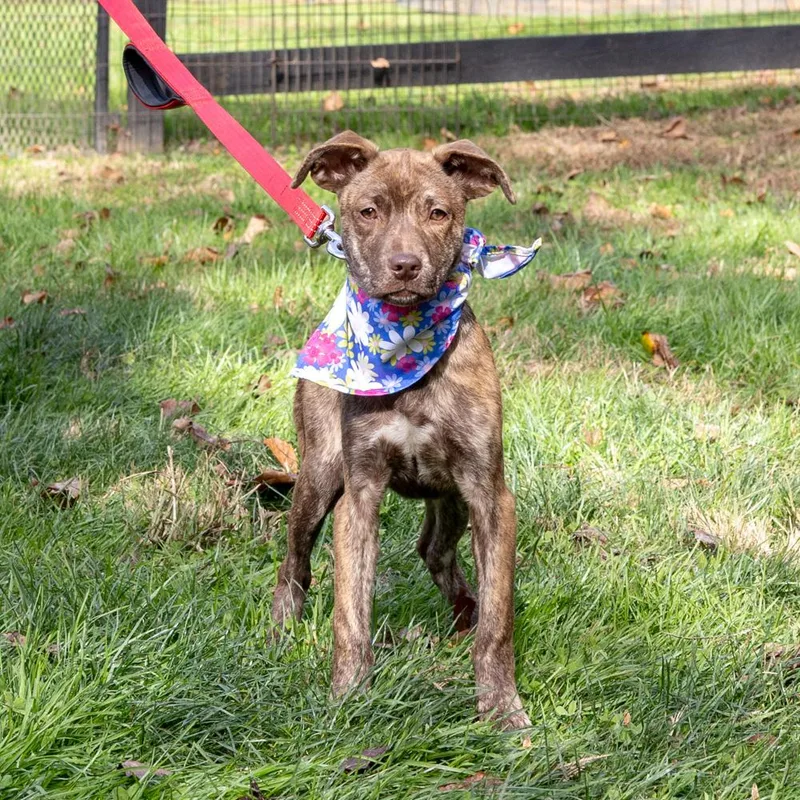
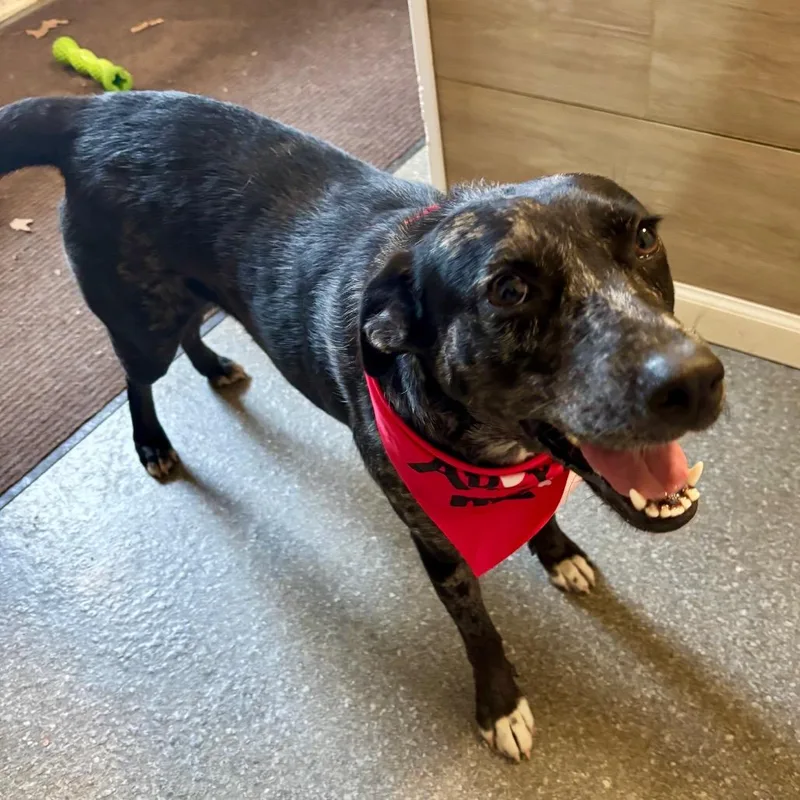
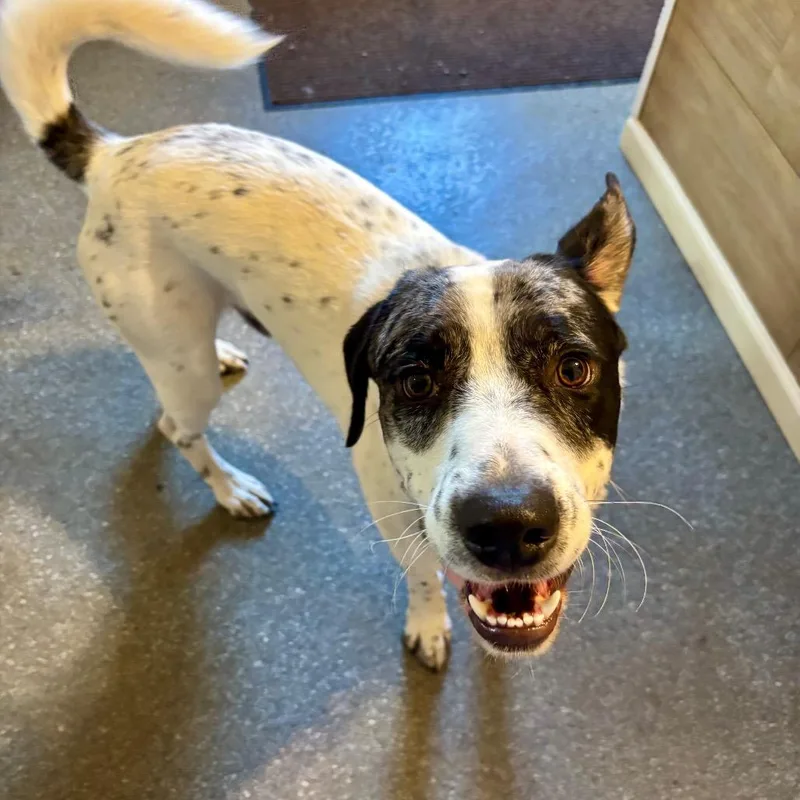
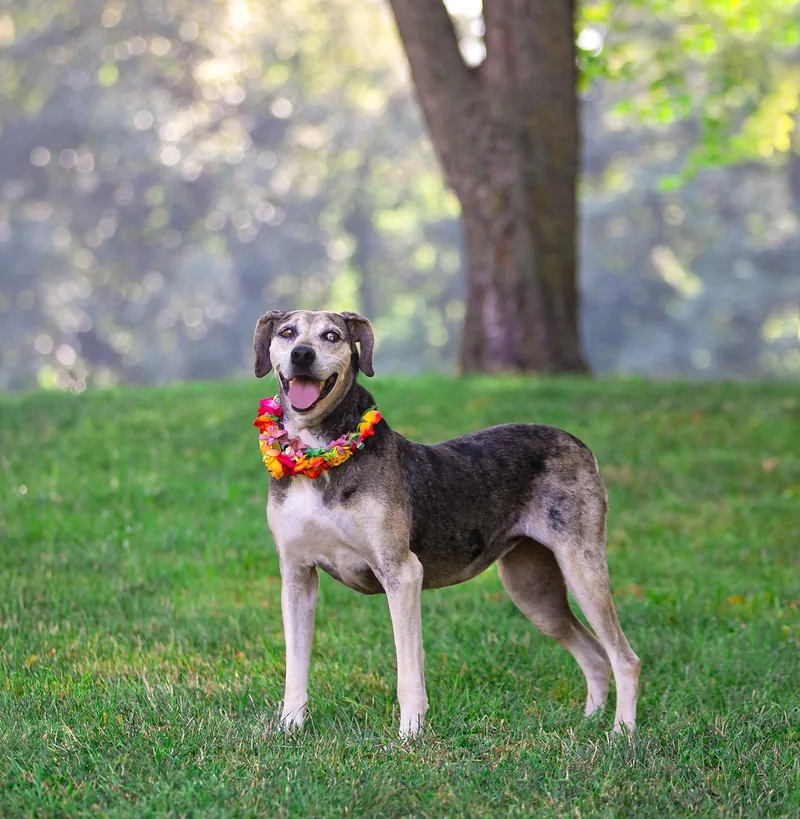
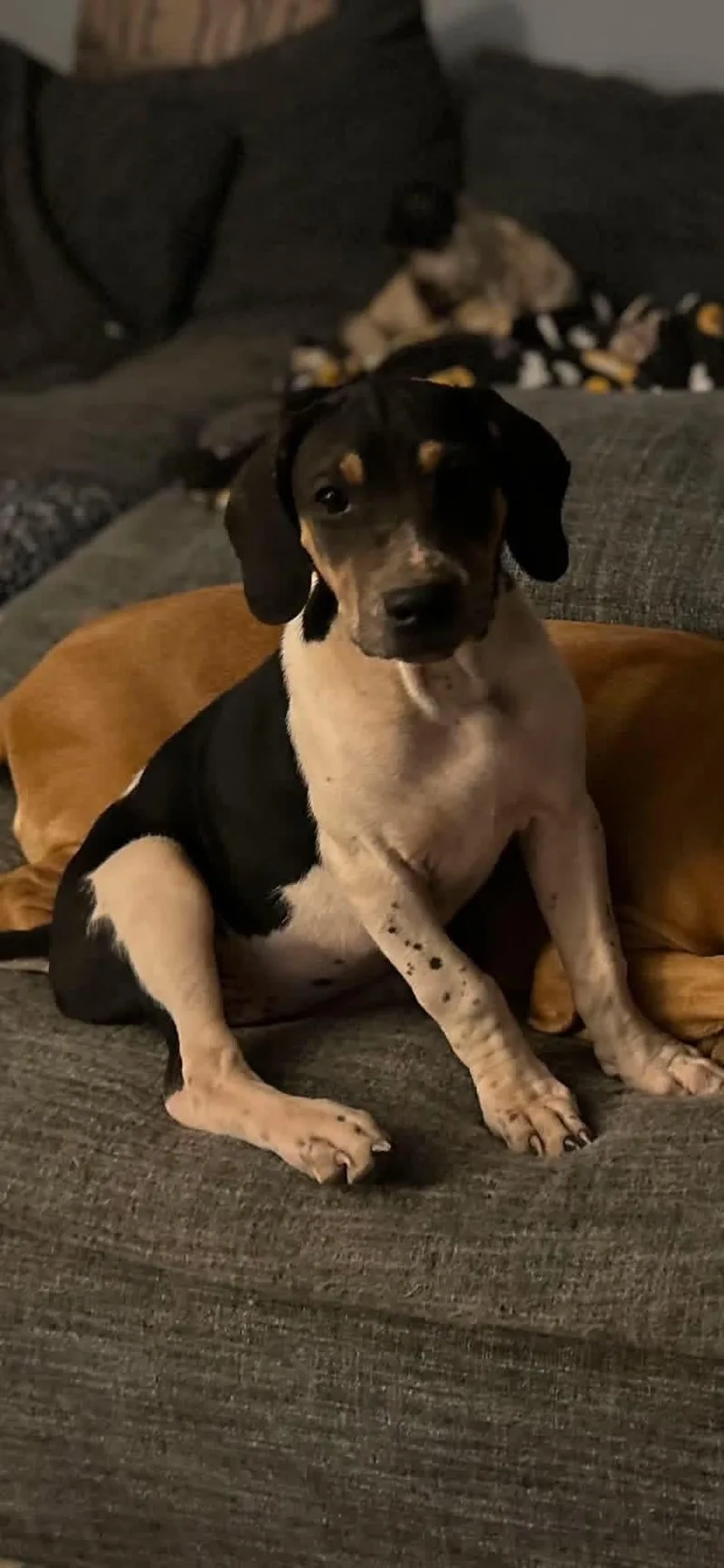
Catahoula Leopard Dogs for Adoption in Charleston, WV

Your guide to finding and caring for a Catahoula Leopard Dog in Charleston

Catahoulas suit Charleston's wooded hillsides better than most breeds, as long as the yard is fenced. A Catahoula's hog-holding background means it will happily burn energy on the sloped streets of South Hills or the trails at Kanawha State Forest, where leashed dogs are welcome. They're loyal to their people and wary of strangers, so they do best with owners who are home often and enjoy a long outing every day. Many dogs labeled Catahoula are mixes, so size and energy vary.

1617 Catahoula Leopard Dogs available in Charleston and nationwide

Give a Catahoula Leopard Dog a home

While we don't have enough dogs near Charleston, keep in mind that many rescues may offer transport.

Catahoula Leopard Dogs Available for Adoption Near Charleston

About the Catahoula Leopard Dog breed

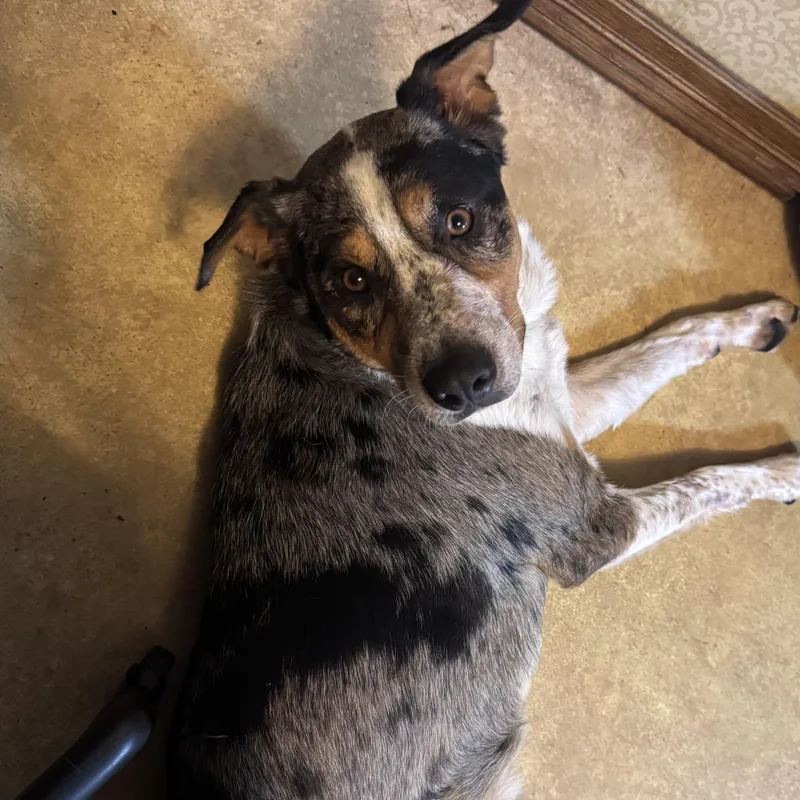
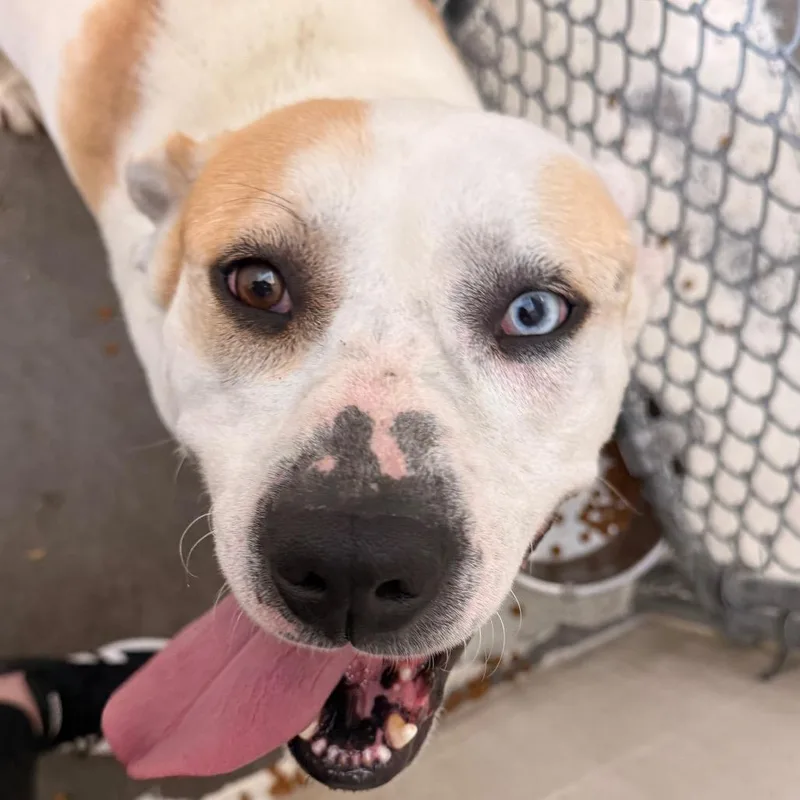
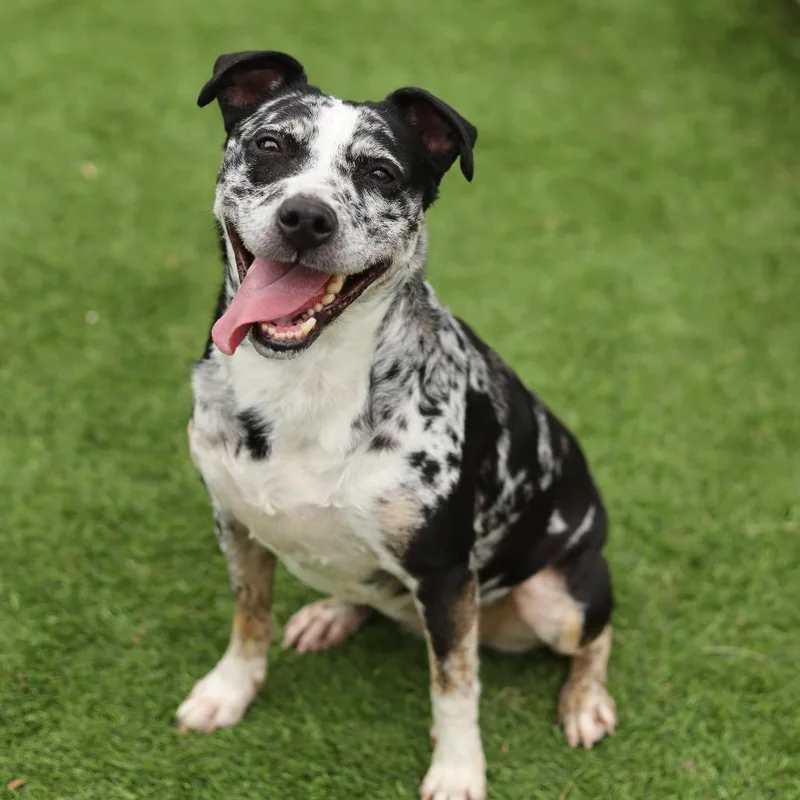
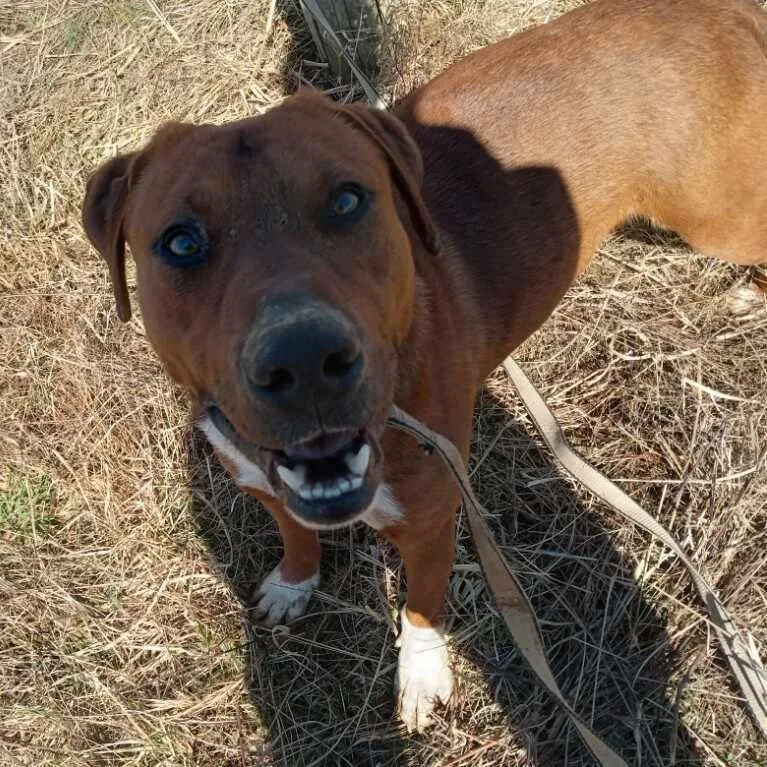
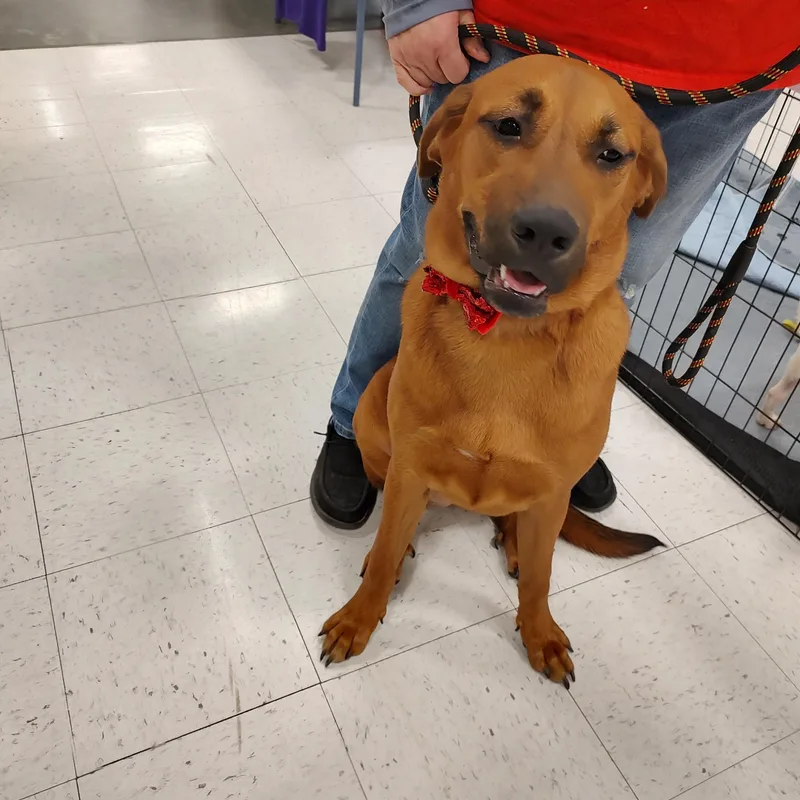
The Catahoula Leopard Dog comes from Louisiana's Catahoula Parish, where it was developed to find and hold feral hogs and to gather semi-wild cattle. Selection favored working ability over looks, so size and build vary, usually 50 to 95 pounds. Many have a merle "leopard" coat and glass-blue or mismatched eyes, though brindle and solid colors are common, and the short coat sheds moderately.

In Charleston, that working background shows up as a dog that wants a job and a regular patrol route. Catahoulas are intelligent, independent and devoted to family, with a protective streak around strangers and sometimes other dogs. Daily vigorous exercise, early socialization and steady, reward-based training matter a great deal. Because many shelter dogs labeled Catahoula are mixes, judge the dog in front of you by its actual energy and manners.

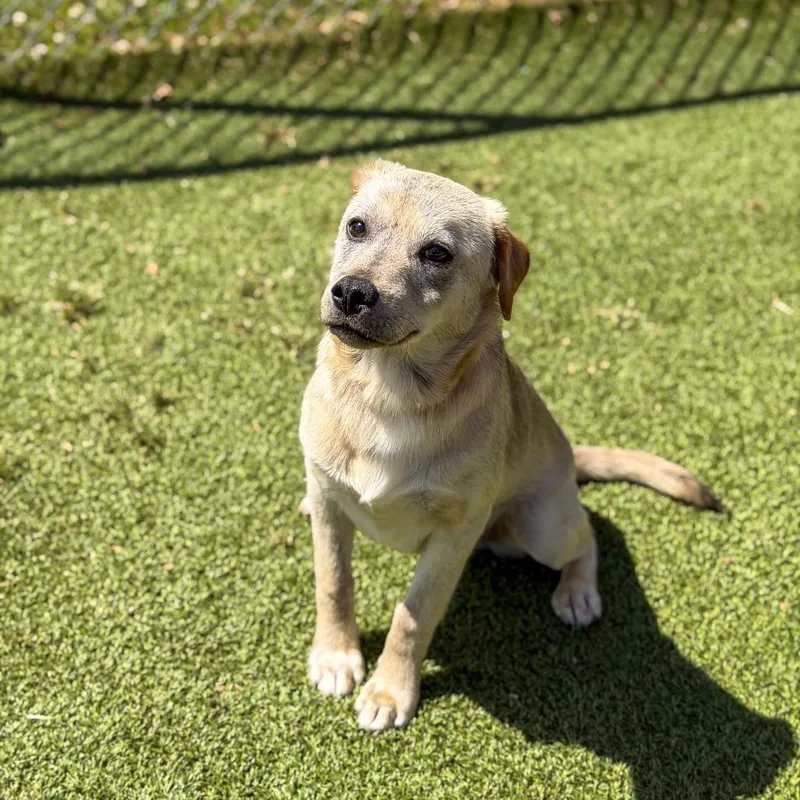
Weight
50–95 lbs
Height
20–26 in
Lifespan
10–14 yrs
Temperament
Energetic, Independent, Protective
Group
Herding
Shedding
Moderate

Owning a Catahoula Leopard Dog in Charleston

Having a Catahoula Leopard Dog in Charleston

Stamina, independence and a watchful streak define most Catahoulas. In Charleston, the hills, woods and river valley give them room to burn energy, while a fenced yard and a plan for strangers and other dogs make everyday life smoother.

Temperament

Catahoulas are usually devoted to their families and reserved with strangers. Confident and quick to make their own decisions, they do best with calm, consistent, reward-based training. Some are picky about other dogs or chase small animals, so slow introductions help on busy Charleston sidewalks and at dog parks. Temperament varies from dog to dog.

Exercise Needs

Plan on an hour or more of vigorous activity daily, plus mental work like scent games or puzzle feeders. Charleston's hilly streets make good leashed workouts, and Cato Park or Kanawha State Forest, where dogs must be leashed, offer longer outings. A bored Catahoula may dig, chew or bark.

Health Considerations

Deafness is a documented risk, especially in dogs with a lot of white or double-merle coats, which can also have eye defects. Hip dysplasia occurs too. Ask a veterinarian to check hearing, eyes and hips soon after adoption, and talk through flea, tick and heartworm prevention at that first visit.

Living Space

A securely fenced yard suits a Catahoula best, since many jump and dig. On Charleston's sloped lots, check fence height and gaps along the low side. Apartments work only with reliable, vigorous daily exercise. Catahoulas want to live indoors with their family rather than be left outside.

What it costs to own a Catahoula Leopard Dog in Charleston

ExpenseTypical costPer year
Food$55 to $110 per month$660 to $1,320
Pet insurance$55 to $110 per month$660 to $1,320
Routine vet care$250 to $500 per year$250 to $500
Other*$478 to $1,256 per year$478 to $1,256
Estimated yearly total (after year one)$2,048 to $4,396

Other costs are estimates and vary with size, age and health.

* The Charleston dog tag (about $3), flea, tick and heartworm prevention, a dental cleaning allowance, toys and bedding, and basic at-home brushing for the short coat.

Adopt a Catahoula Leopard Dog in Charleston.

Now that you know more, let’s find you a new best friend. These rescues and shelters below currently have Catahoula Leopard Dogs available.

Rescues in Charleston with Catahoula Leopard Dogs Available

Kanawha-Charleston Humane Association has served Charleston since 1935, and its dog adoptions include spay/neuter, vaccines and a microchip. Here are the rescues & shelters in the Charleston area where you can find Catahoula Leopard Dogs and other dogs available for adoption.

Frequently Asked Questions

Yes. Charleston has no known breed-specific rule, and its dangerous-dog rules depend on a dog's behavior rather than breed. You'll need to keep your dog leashed or contained off your property, vaccinate for rabies by six months, buy a yearly dog tag, and stay within the two-dog limit per home unless you get a city permit.

Emma's Place, the fenced dog park in Cato Park, is a good starting point for off-leash play. For a Catahoula's stamina, Kanawha State Forest has about 14 miles of foot trails where dogs must stay leashed. Haddad Riverfront Park downtown works for leashed walks. Go at quiet hours if your dog is picky about other dogs.

Yes, with some preparation. Winters run roughly 28 to 46°F with about 31 inches of snow, and a Catahoula's short coat gives limited insulation. Use a jacket on long walks, wipe paws after icy sidewalks, and keep your dog inside during deep cold. Charleston also limits tethering to one hour at 32°F or below.

It can be, if you're active and have a secure yard. Charleston's hills, woods and trails suit a Catahoula's energy, and Cato Park or Kanawha State Forest give you places to burn it off. Expect to handle strangers and other dogs carefully, and keep a leash on in neighborhoods where black bears wander.

No. Kanawha Valley Regional Transportation Authority (KRT) buses don't allow pets, and Charleston has no subway or light rail. Service animals are an exception under federal law. For vet visits, dog parks and trailheads, plan on a car, and get your Catahoula used to riding in a crate or secured with a harness.

Very little. The short coat needs weekly brushing, more often during heavier shedding, and a bath only when it's dirty. Charleston's wet springs and muddy trails mean wiping paws and checking for ticks after woods outings. Most owners do this at home, so grooming costs fall within the Other line of the cost table.

Sometimes, on patios only. West Virginia has no state law on dogs in outdoor dining, so each Charleston restaurant sets its own policy, and downtown has patios that welcome dogs. Indoor dining rooms generally don't allow pet dogs. Since Catahoulas are often wary of strangers, practice settling calmly first and choose quieter times.

A Catahoula Leopard Dog is a medium-to-large working breed from Louisiana, developed to hunt and bay feral hogs and to herd cattle. It is athletic and muscular, often with a merle coat and striking light or mismatched eyes. Catahoulas are typically intelligent, loyal, independent and energetic, and they need experienced handling, training and lots of activity.

We have 1 rescue with Catahoula Leopard Dogs available: Two Hearts Four Paws Rescue . You can see every rescue with Catahoula Leopard Dogs available in the list above these questions, or scroll to the top to see the Catahoula Leopard Dogs near Charleston.

Expect roughly $2,050 to $4,400 a year for a Catahoula in Charleston. Food runs $55 to $110 a month and insurance $55 to $110, while routine vet care is about $250 to $500 and other yearly costs $478 to $1,256. Adoption fees appear in the listings on this page.

Find Catahoula Leopard Dogs in Nearby Cities

Expand your search to find Catahoula Leopard Dogs available for adoption near Charleston.