Bernese Mountain Dogs for Adoption in Charleston, WV

Your guide to finding and caring for a Bernese Mountain Dog in Charleston

Bernese Mountain Dogs fit Charleston's cool, hilly neighborhoods better than most giant breeds do. A wooded street in South Hills with a fenced, sloped yard gives a Berner room to stretch out, and snowy winters are the season these dogs like best. The hills do mean stairs and steep sidewalks, which a young, lean Berner handles more easily than an older or heavier one. If you're thinking of adopting one in Charleston, plan for a lot of shedding and a lot of dog.

131 Bernese Mountain Dogs available in Charleston and nationwide

Adopt a Bernese Mountain Dog today

While we don't have enough dogs near Charleston, keep in mind that many rescues may offer transport.

Bernese Mountain Dogs Available for Adoption Near Charleston

About the Bernese Mountain Dog breed

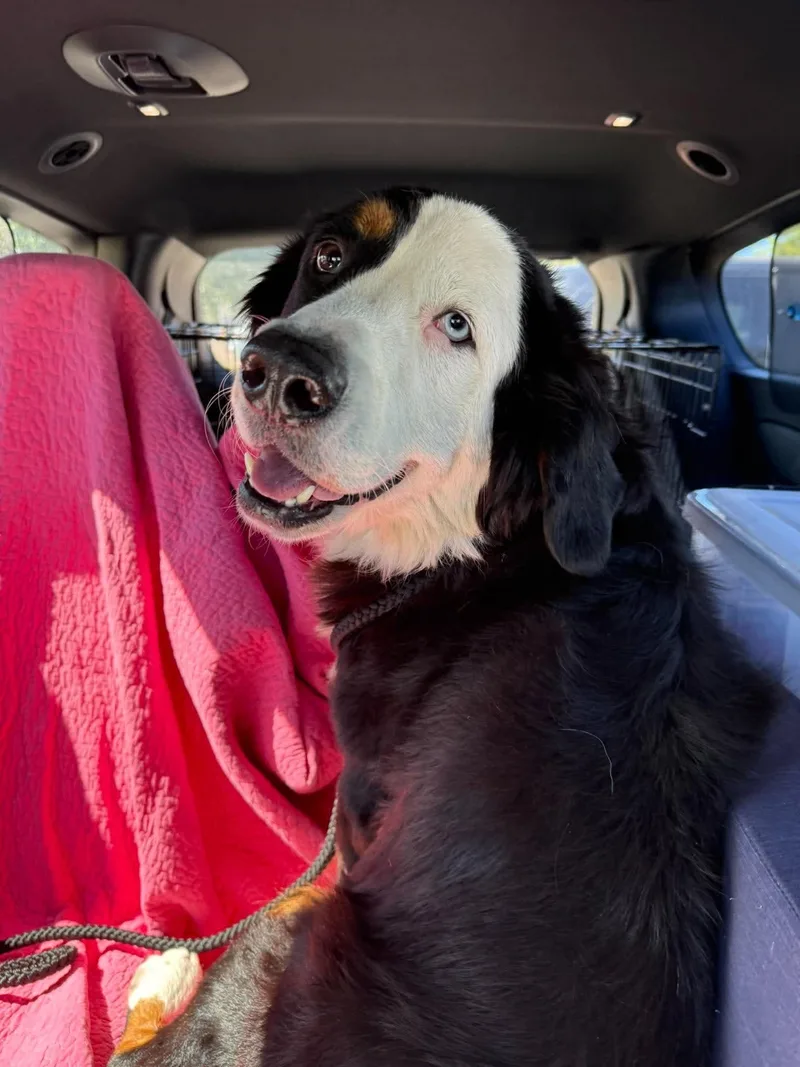
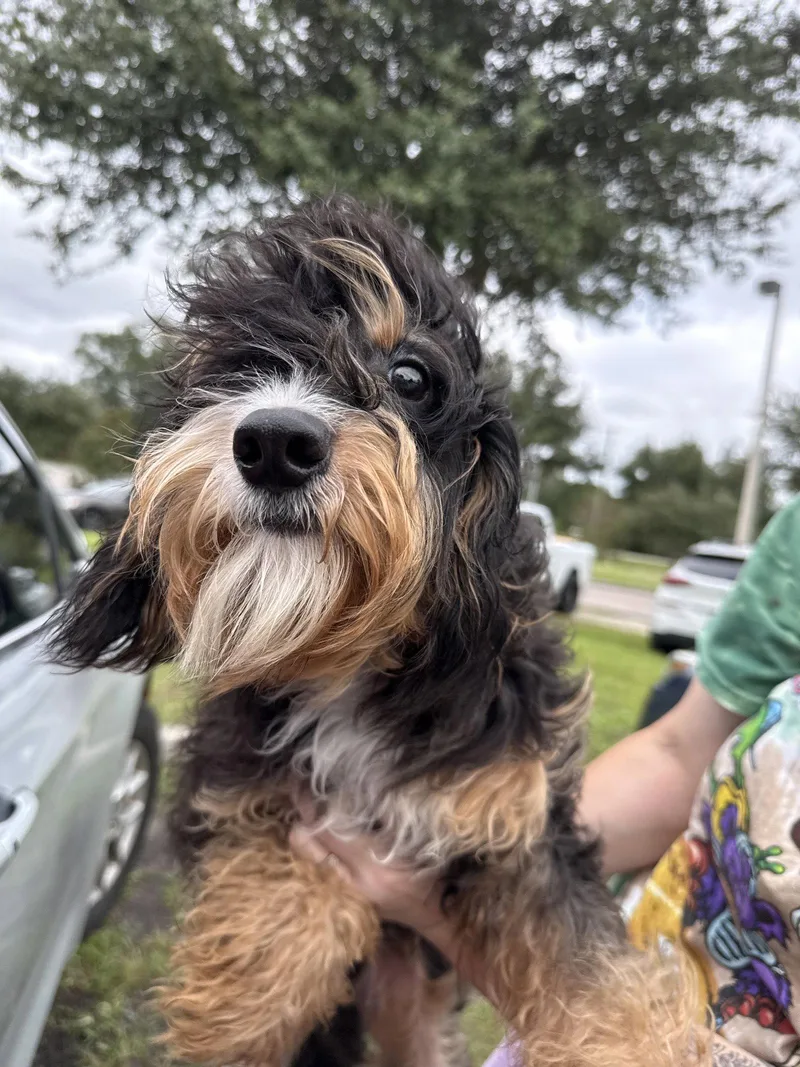
Bernese Mountain Dogs come from the Swiss canton of Bern, where farmers used them to pull milk and cheese carts, drive cattle and guard the farmyard. They're the only long-coated Swiss mountain dog, with a jet-black coat, rust markings and a white blaze and chest cross. Most weigh 70 to 115 pounds, so they take up real space.

Berners are usually gentle, affectionate and eager to please, though some are reserved with strangers. Adopters should go in clear-eyed: they shed heavily, struggle in heat, and live shorter lives than most breeds, largely because of high cancer rates. Early training matters, since a pulling adult Berner is hard to manage on Charleston's hilly streets.

Weight
70–115 lbs
Height
23–28 in
Lifespan
7–10 yrs
Temperament
Gentle, Affectionate, Calm
Group
Working
Shedding
High

Owning a Bernese Mountain Dog in Charleston

Having a Bernese Mountain Dog in Charleston

A Berner brings a soft, people-focused nature in a draft dog's body. Heavy shedding, heat sensitivity and serious health risks shape daily care as much as personality does, and Charleston's hills and humid summers add a few local wrinkles.

Temperament

Berners are often gentle, patient and devoted to their families, and many are good with respectful children and other pets. Some are shy or aloof with strangers and sensitive to harsh handling. Because of their size, polite greetings and leash manners matter. How a Berner acts around people and other dogs varies from dog to dog, not just by breed.
Exercise Needs

Most Berners need a moderate amount of daily exercise: one or two good walks, yard play and an occasional hike in cool weather. Charleston's hills give plenty of workout, but go easy on steep climbs for puppies and older dogs. Training games and scent work keep a Berner's mind busy too.

Health Considerations

Berners face high rates of cancer, especially histiocytic sarcoma, along with hip and elbow dysplasia, kidney disease and bloat. Keeping a Berner lean protects its joints, which matters on hilly Charleston routes. Regular veterinary checkups help catch problems early, and a vet can look at joints, weight and overall health after adoption.

Living Space

A Berner is happiest with room to stretch out and a secure yard, which suits Charleston's many owner-occupied homes. Apartments can work with elevators or few stairs, daily walks and a cool interior. Berners do best living indoors with their people rather than staying outside.

What it costs to own a Bernese Mountain Dog in Charleston

ExpenseTypical costPer year
Food$80 to $160 per month$960 to $1,920
Pet insurance$85 to $170 per month$1,020 to $2,040
Routine vet care$250 to $500 per year$250 to $500
Other*$678 to $1,856 per year$678 to $1,856
Estimated yearly total (after year one)$2,908 to $6,316

Other costs are estimates and vary with size, age and health.

* The Charleston dog tag, flea, tick and heartworm prevention, a dental cleaning allowance, toys and large bedding, coat care for heavy shedding, and joint supplements.

Adopt a Bernese Mountain Dog in Charleston.

Now that you know more, let’s find you a new best friend. These rescues and shelters below have dogs available in and near Charleston.

Rescues and Shelters in or near Charleston

Charleston's shelter community includes the Kanawha-Charleston Humane Association, a nonprofit that has served the city since 1935. Here are the rescues & shelters in the Charleston area with dogs available for adoption, worth asking whether a Bernese Mountain Dog is coming in.

Frequently Asked Questions

Yes, with care. Charleston has about 24 days a year at 90°F or above, mostly in July and August, and humid afternoons are hard on a thick-coated Berner. Walk at dawn or after dark, keep the home air-conditioned, and offer shade and water. Never leave a Berner in a parked car, and keep outdoor time short.

Yes. No breed-specific rule is known in Charleston, and its dangerous-dog rules are based on a dog's behavior. Homes are limited to two dogs without a city permit, dogs must be leashed or contained off your property, and they need rabies shots by six months and a yearly tag of about $3.

Kanawha State Forest has about 14 miles of foot trails where leashed dogs are welcome, and its shade helps a Berner stay cooler. Cato Park on the West Side has a fenced dog park, Emma's Place. Haddad Riverfront Park is a flat downtown walk, but Magic Island floods when the river rises.

No. Charleston's KRT buses list "no pets" among their rider rules, and the city has no subway or light rail. Service animals are covered by federal law. A giant Berner is easier to move by car, so plan on a roomy back seat or cargo area and a cool ride in summer.

Sometimes, on outdoor patios. West Virginia has no state law on dogs in outdoor dining, so each restaurant sets its own policy, and some downtown patios welcome dogs. Dining rooms are generally off-limits to pet dogs. A Berner needs room under the table, so pick a quiet, shaded spot on a cool day.

Plan to brush a Berner at least once or twice a week, and daily during the heavy sheds in spring and fall. Charleston's humid summers make a clean, well-brushed coat more comfortable. Baths every couple of months are usually enough. Coat care is part of the yearly Other costs, whether you do it at home or hire a groomer.

Often, yes, for people who can manage a giant dog. Charleston's snowy winters and mild spring and fall suit the breed, and many homes have yards. The hills, humid summers and heavy shedding take planning. A Berner fits best with a household that is home often, has cool indoor space and can handle steep sidewalks.

A Bernese Mountain Dog is a large to giant Swiss working breed originally used on farms to pull carts, drive cattle and guard property. It has a long, tricolored coat of black, rust and white and a sturdy, powerful build. Berners are known for their gentle, affectionate nature, though their lifespan is shorter than many breeds.

A Bernese Mountain Dog has a thick, moderately long coat that is jet black with rich rust markings over the eyes, on the cheeks, chest and legs, and white on the face, chest, feet and tail tip. The white chest marking often forms an inverted cross. They have a broad head, dark brown eyes and triangular drop ears.

Expect a Berner to cost roughly $2,900 to $6,300 a year in Charleston. Food runs $80 to $160 a month and insurance $85 to $170 a month. Routine vet care adds $250 to $500 a year, and other costs such as prevention, dental care, coat care and joint supplements add $678 to $1,856 a year.

Find Bernese Mountain Dogs in Nearby Cities

Expand your search to find Bernese Mountain Dogs available for adoption near Charleston.