Beagle Dogs for Adoption in Charleston, WV

Your guide to finding and caring for a Beagle in Charleston

Beagles fit Charleston's older neighborhoods well, because every block gives that nose something to read. In the East End, brick houses and sidewalks make for long sniffy walks, and a small Beagle is easy to manage in the apartment buildings there. On the hillsides of South Hills, deer and the odd black bear leave scents that a Beagle won't ignore, so a leash or a solid fence matters. They're friendly, happy dogs that like company, so they do best with people who are home often.

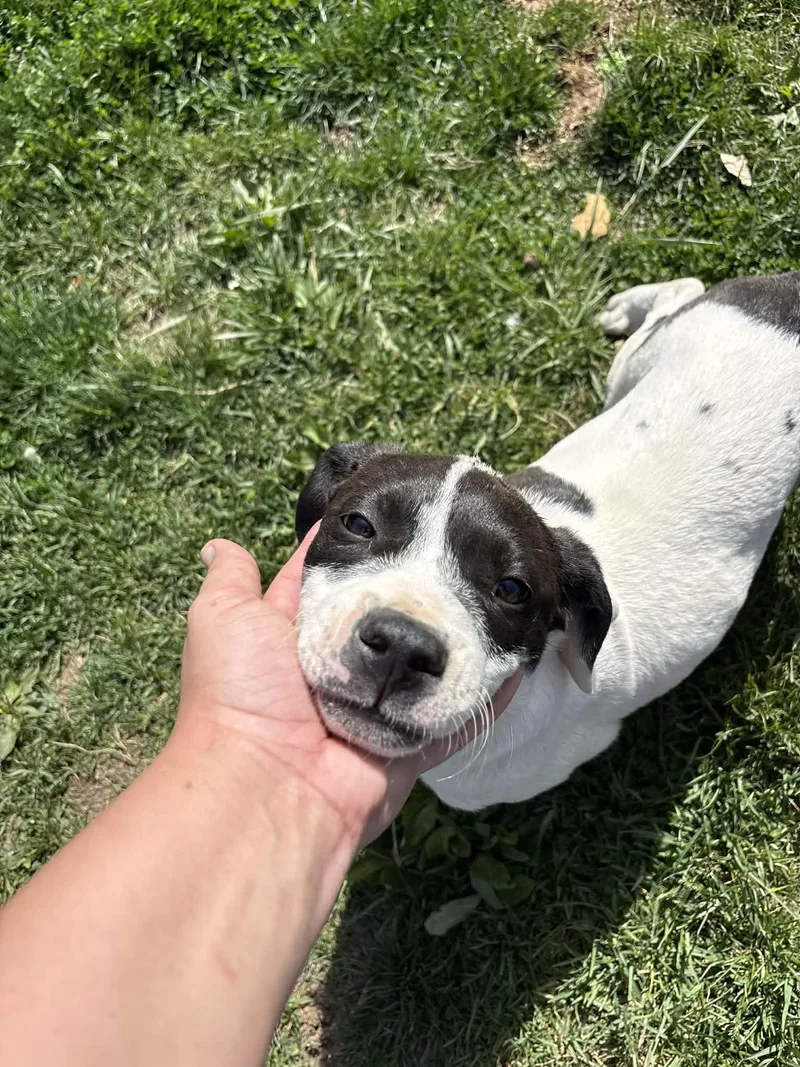
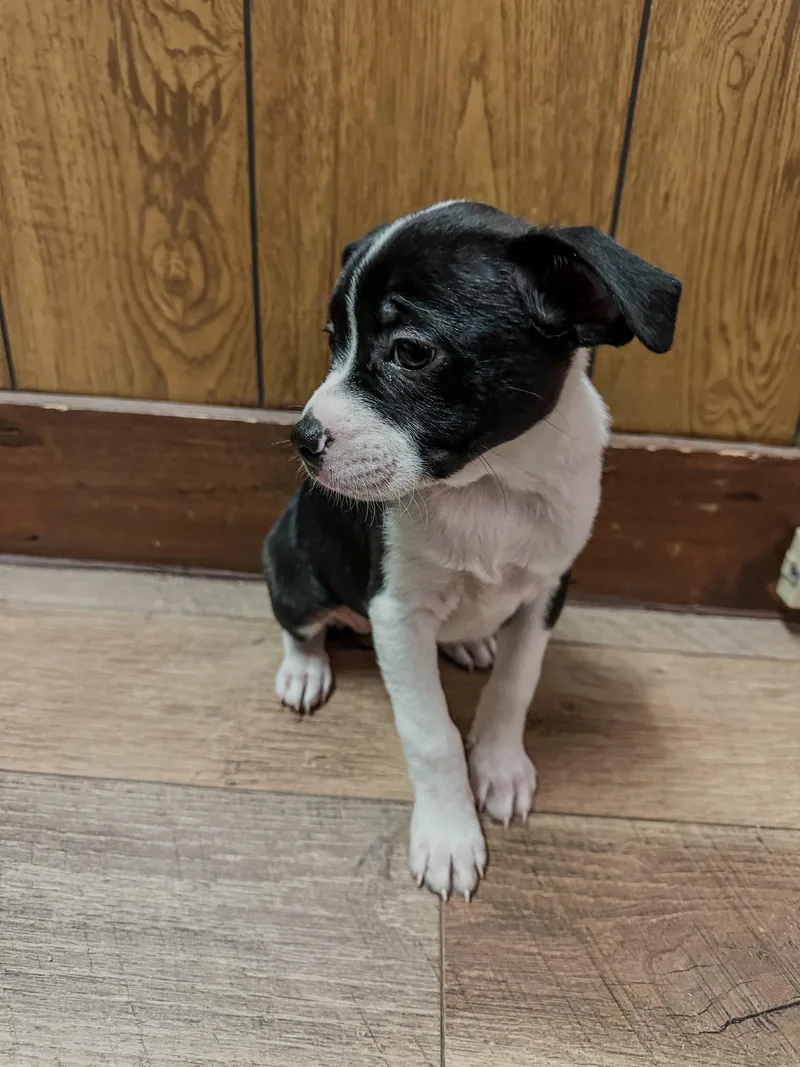
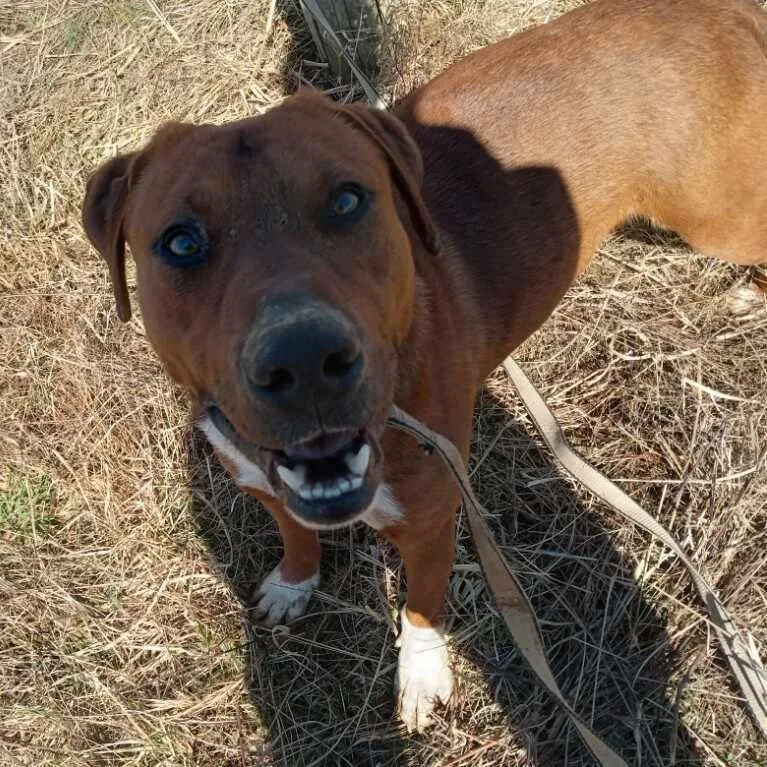
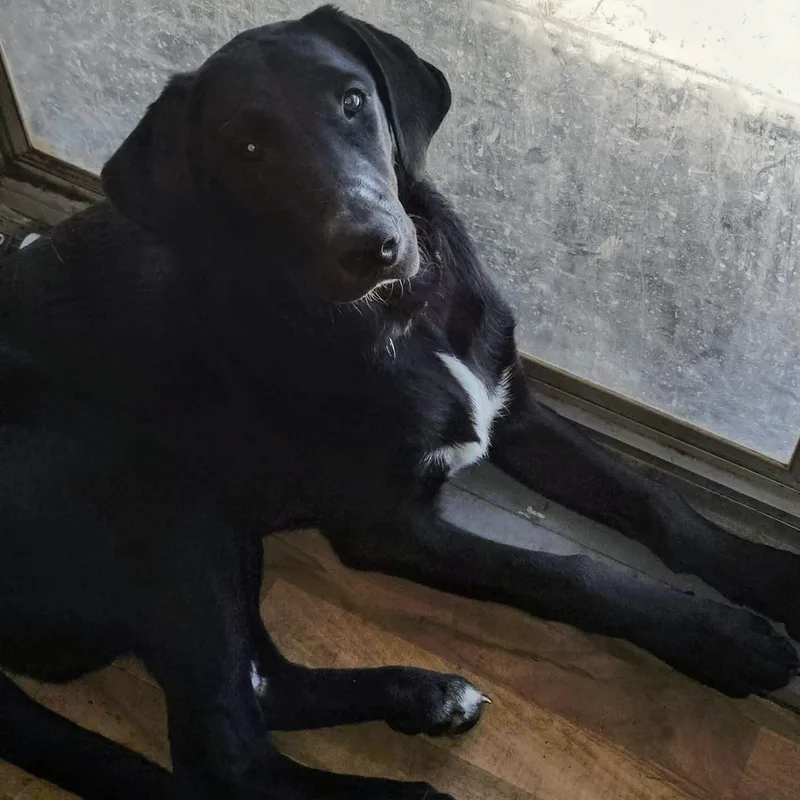
3023 Beagles available in Charleston and nationwide

Find your forever Beagle

While we don't have enough dogs near Charleston, keep in mind that many rescues may offer transport.

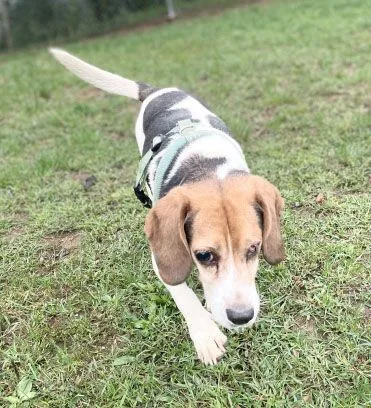
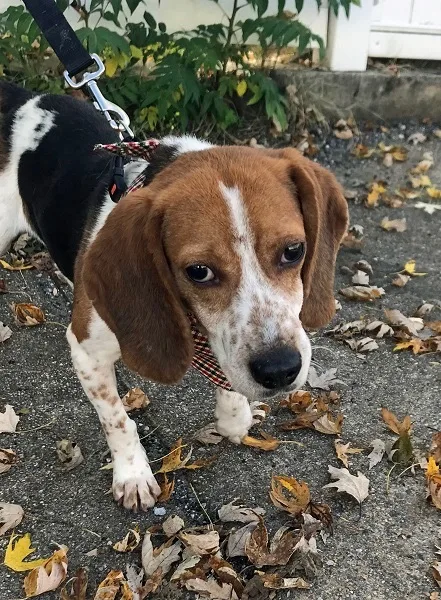
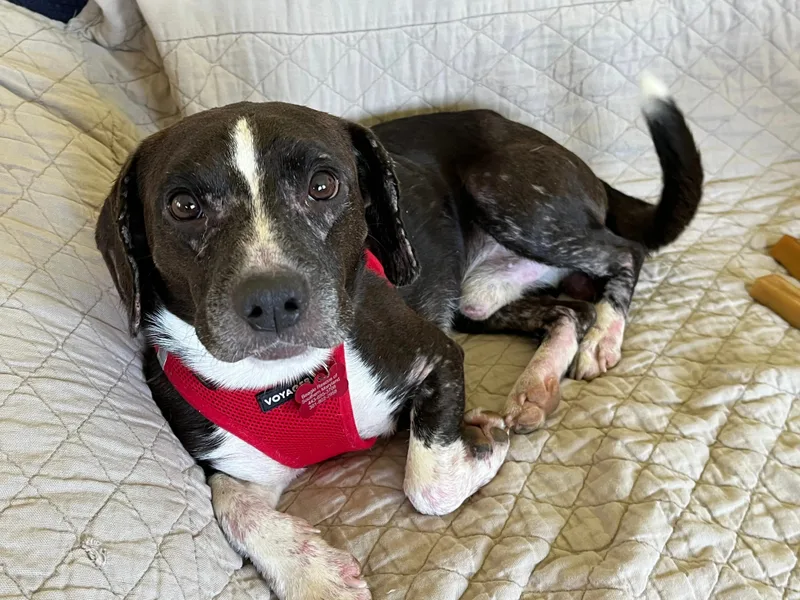
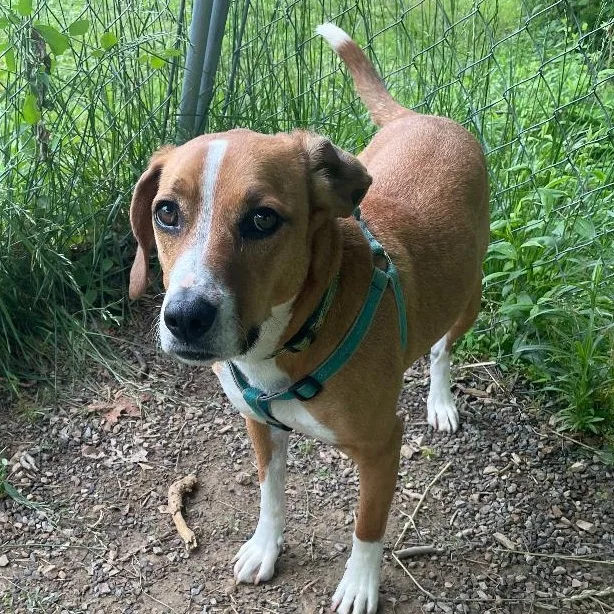
Beagles Available for Adoption Near Charleston

About the Beagle breed

The Beagle is a small scent hound developed in England to track rabbits and hare in packs, and it's still built for that work: sturdy, short-coated and tireless on a trail. Most stand 13 to 15 inches tall and weigh roughly 18 to 30 pounds. The coat sheds moderately all year, more in spring and fall, and weekly brushing keeps it manageable.

Beagles are known for being cheerful and sociable, but dogs vary, and many shelter Beagles are mixes. Expect a loud voice, a stubborn streak around smells and a famous appetite. In Charleston's hilly, tree-covered neighborhoods, that nose will find plenty to follow, so daily walks on leash and a secure yard make life easier for everyone, including neighbors who hear baying through thin walls.

Weight
18–30 lbs
Height
12–15 in
Lifespan
10–15 yrs
Temperament
Cheerful, Friendly, Curious
Group
Hound
Shedding
Moderate

Owning a Beagle in Charleston

Having a Beagle in Charleston

Beagles pair a sturdy, compact build with a powerful nose and a big appetite. In Charleston, that means planning for sniff-heavy walks, secure fencing on the hillsides and careful portion control, whether the home is a downtown apartment or a house with a yard.

Temperament

Many Beagles are cheerful, curious and easygoing with people, kids and other dogs, though each dog varies. They're pack hounds, so long days alone can lead to baying and boredom. A stubborn streak shows up when a scent beats out your voice, and food rewards usually work better than repeating commands.

Exercise Needs

Plan on about an hour a day, with plenty of time to sniff. Riverfront paths downtown suit easy leashed loops, while the fenced Emma's Place in Cato Park gives a Beagle room to run safely. Keep the leash on everywhere else, since a Beagle's recall is often unreliable once a trail catches its nose.

Health Considerations

Beagles are prone to ear infections, obesity, epilepsy, hypothyroidism, cherry eye, hip and kneecap problems and back disc disease. Weigh your dog regularly, measure meals and check the ears often, especially in humid summers. A veterinarian can screen for inherited problems at the first visit.

Living Space

A Beagle's size works in East End apartments and in houses with hillside yards. Voice matters more than square footage, since a lonely dog can mean noise complaints. Fence gaps and digging are real risks, and on sloped lots a Beagle can follow a scent right out of the yard. Keep trash and food out of reach.

What it costs to own a Beagle in Charleston

ExpenseTypical costPer year
Food$20 to $45 per month$240 to $540
Pet insurance$35 to $70 per month$420 to $840
Routine vet care$200 to $400 per year$200 to $400
Other*$378 to $1,053 per year$378 to $1,053
Estimated yearly total (after year one)$1,238 to $2,833

Other costs are estimates and vary with size, age and health.

* Flea, tick and heartworm prevention, a dental cleaning allowance, the yearly dog tag, toys and bedding, and occasional brushing, baths and ear cleaning.

Adopt a Beagle in Charleston.

Now that you know more, let’s find you a new best friend. These rescues and shelters below have dogs available in and near Charleston.

Rescues and Shelters in or near Charleston

Charleston's adoption community is anchored by a nonprofit humane association that has served the city since 1935. Here are the rescues & shelters in the Charleston area with dogs available for adoption, worth asking whether a Beagle is coming in.

Frequently Asked Questions

Yes, Charleston has no known breed-specific rule, so a Beagle is treated like any other dog. Stay within the two-dog household limit unless you get a city permit, keep rabies vaccination current, and leash your Beagle off your property. Because Beagles follow scents, a secure yard or a short leash is the safest way to stay within the rules.

Yes, a Beagle's small size suits apartments, and plenty of Charleston households rent. Noise is the bigger concern, since baying can carry through shared walls when a Beagle is bored or lonely. Choose a building that allows pets, confirm fees in writing, and exercise your dog well before leaving it alone.

Start with Emma's Place, the fenced dog area in Cato Park, for safe off-leash play. For leashed sniffing walks, try Haddad Riverfront Park downtown or the foot trails at Kanawha State Forest, where leashed dogs are welcome. Skip Magic Island after heavy rain since it floods, and keep your Beagle away from riverbanks.

Yes, most Beagles manage Charleston winters with a little help. Their short coats offer limited insulation on freezing mornings, so use a coat, shorten walks on the coldest days and dry paws after snow or ice. Ice storms can knock out power, so keep blankets and a warm indoor spot ready.

No, KRT buses don't allow pets, though service animals are covered by federal law. For vet trips and errands, plan on a car with your Beagle in a crate or seat-belt harness. Charleston has no subway or light rail, so the car is the practical option for most outings.

Sometimes, on outdoor patios. West Virginia has no state law on dogs in outdoor dining, so each restaurant sets its own policy, and downtown has some with dog-friendly patios. Indoor dining rooms usually don't admit pet dogs. Bring a mat, keep your Beagle leashed, and feed it beforehand so it doesn't hunt for crumbs.

Not often. A Beagle's short, dense coat needs weekly brushing, with extra sessions in spring and fall when shedding peaks. A bath every month or two is plenty, plus regular ear cleaning, since humid summers encourage infections. Most owners do this at home, so grooming stays a small part of the Other costs.

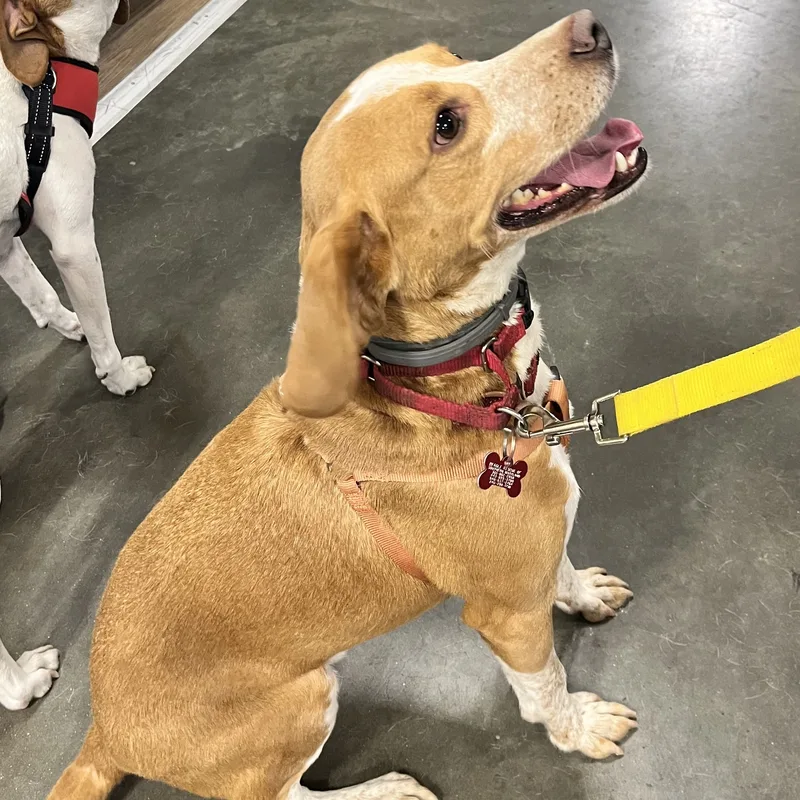
A Beagle is a small to medium scent hound originally bred to hunt rabbits and hare in packs. Beagles are sturdy, short-coated dogs with long drooping ears, soft brown eyes and a white-tipped tail, most often tricolor. They are known for a merry, sociable temperament, a powerful nose and a loud baying voice, and they are popular family companions.

A Beagle looks like a miniature foxhound: compact and muscular, with a slightly domed skull, a square muzzle, large brown or hazel eyes and long, low-set ears that hang close to the cheeks. The coat is short and hard. The tail is carried high with a slight curve, often tipped in white, and tricolor is the most common pattern.

Expect about $20 to $45 a month for food and $35 to $70 for pet insurance. Routine vet care runs $200 to $400 a year, and other costs such as parasite prevention, dental care, supplies and the dog tag add $378 to $1,053 a year. Altogether that's roughly $1,240 to $2,830 a year.