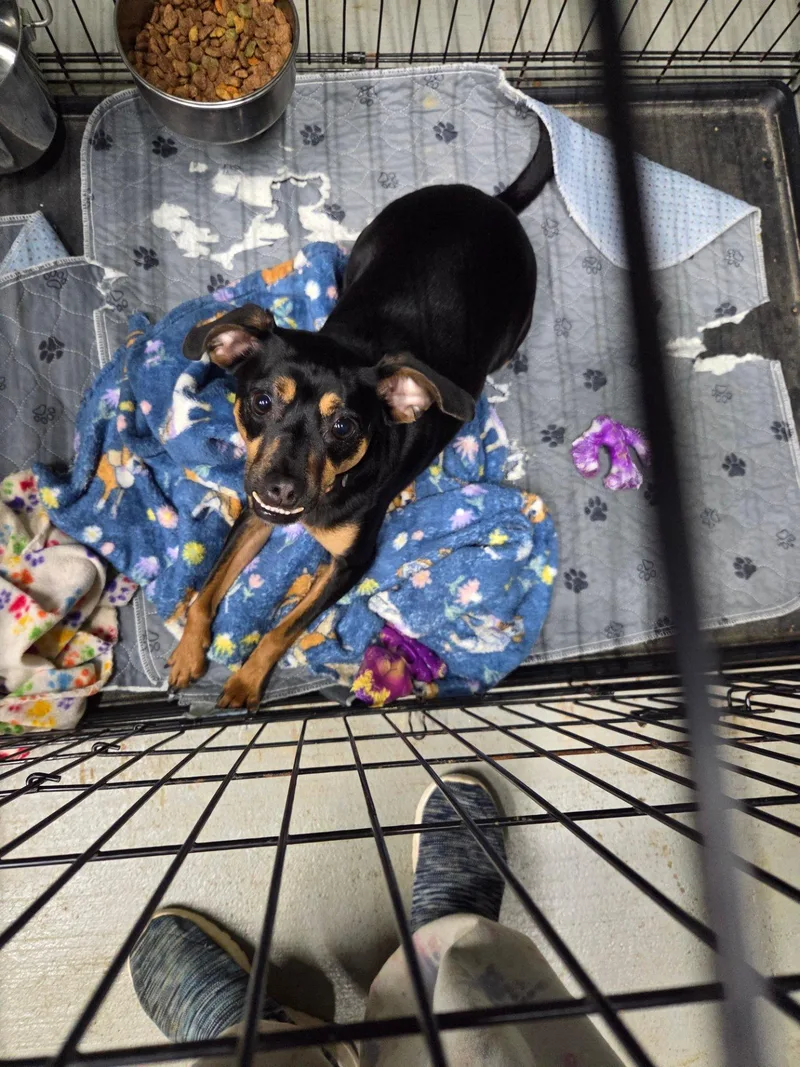
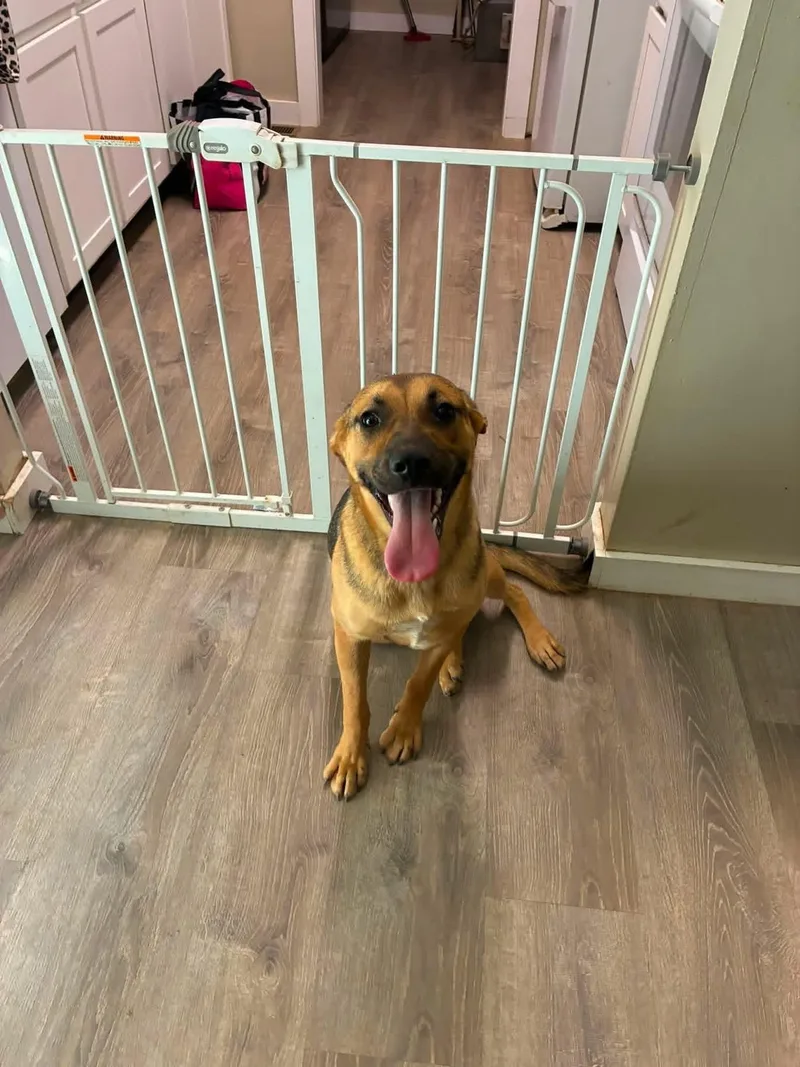
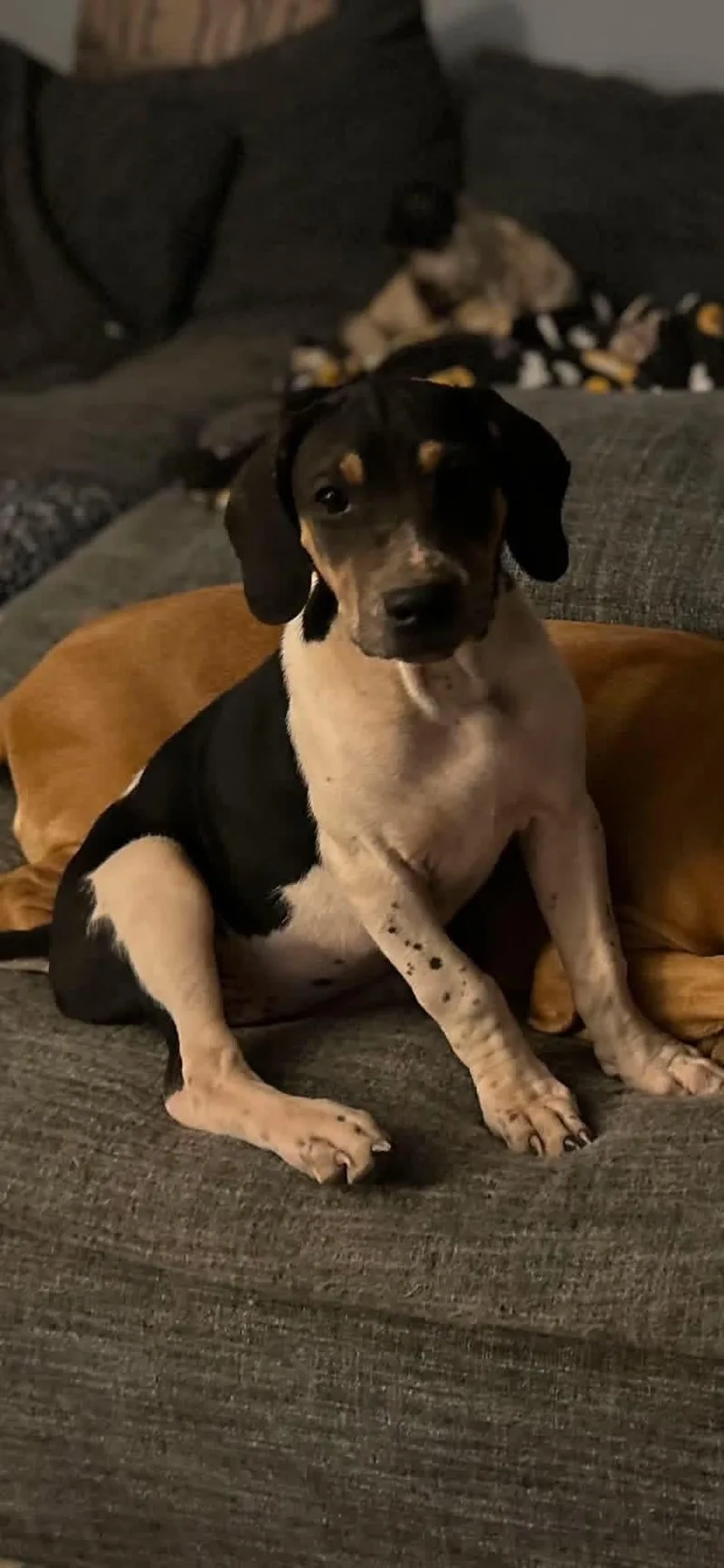
Australian Cattle Dog / Blue Heelers for Adoption in Charleston, WV

Your guide to finding and caring for an Australian Cattle Dog / Blue Heeler in Charleston

Blue Heelers suit Charleston's hillside neighborhoods, where the slopes give a high-energy dog a real workout. A walk up through Edgewood or around the wooded streets of South Hills is the kind of effort a Heeler never seems to tire of. They're alert, quick to notice a stranger on the porch, and happiest with a job to do. If you're thinking of adopting one in Charleston, plan on long daily walks and regular training.

4378 Australian Cattle Dog / Blue Heelers available in Charleston and nationwide

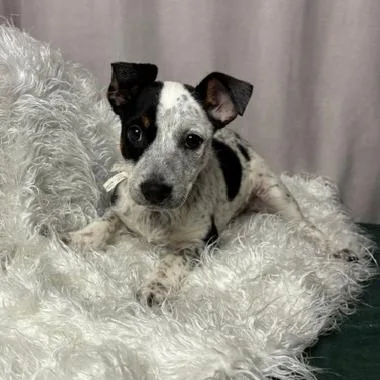
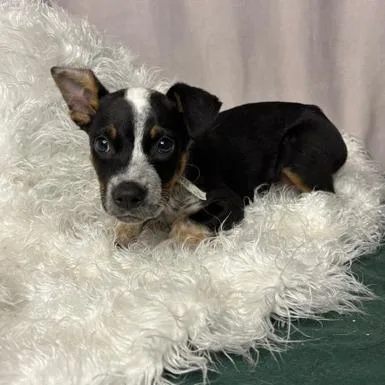
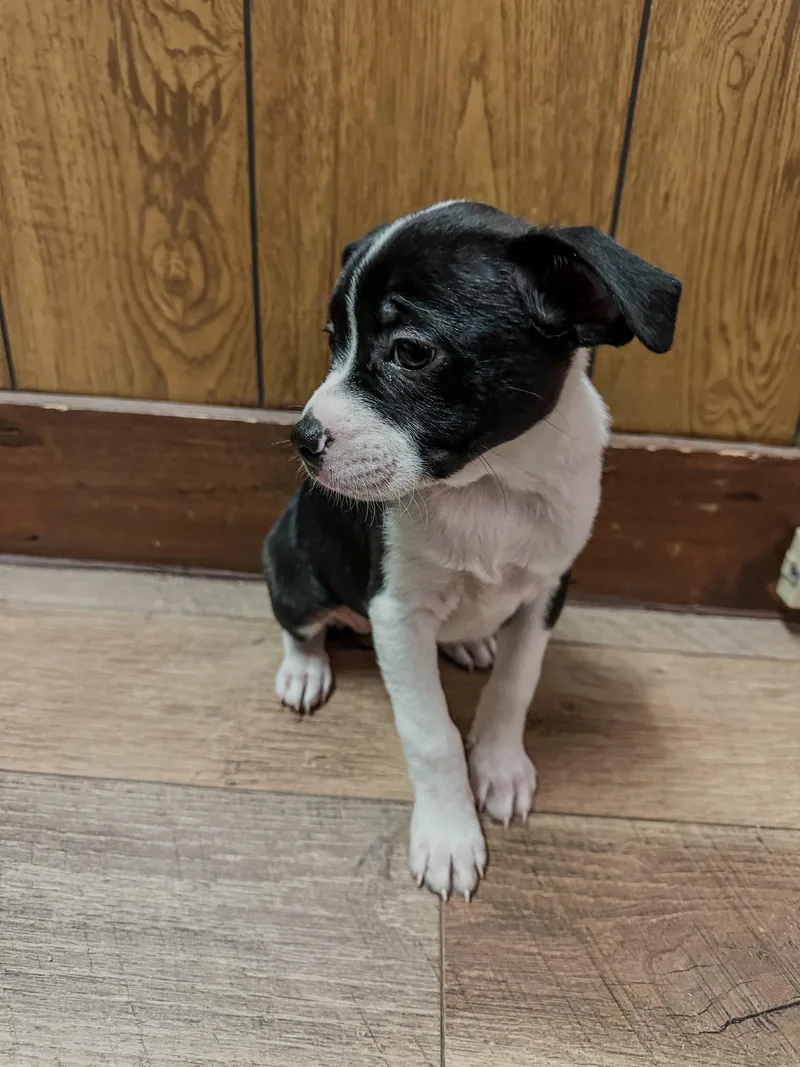
Say hello to your Blue Heeler

While we don't have enough dogs near Charleston, keep in mind that many rescues may offer transport.

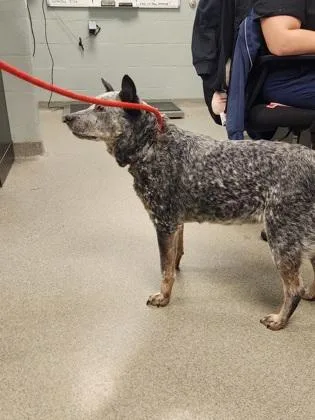
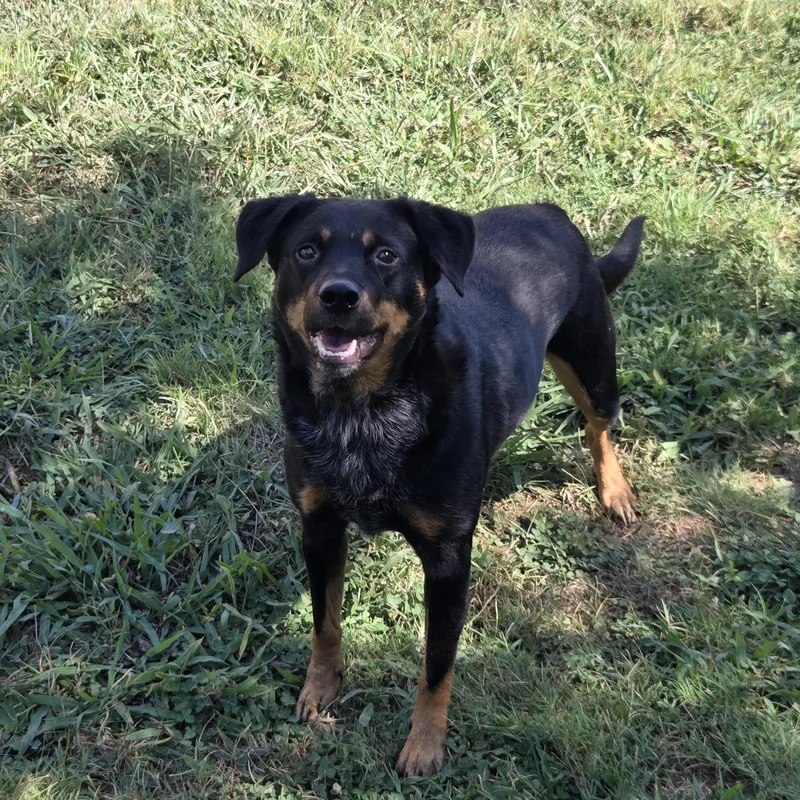
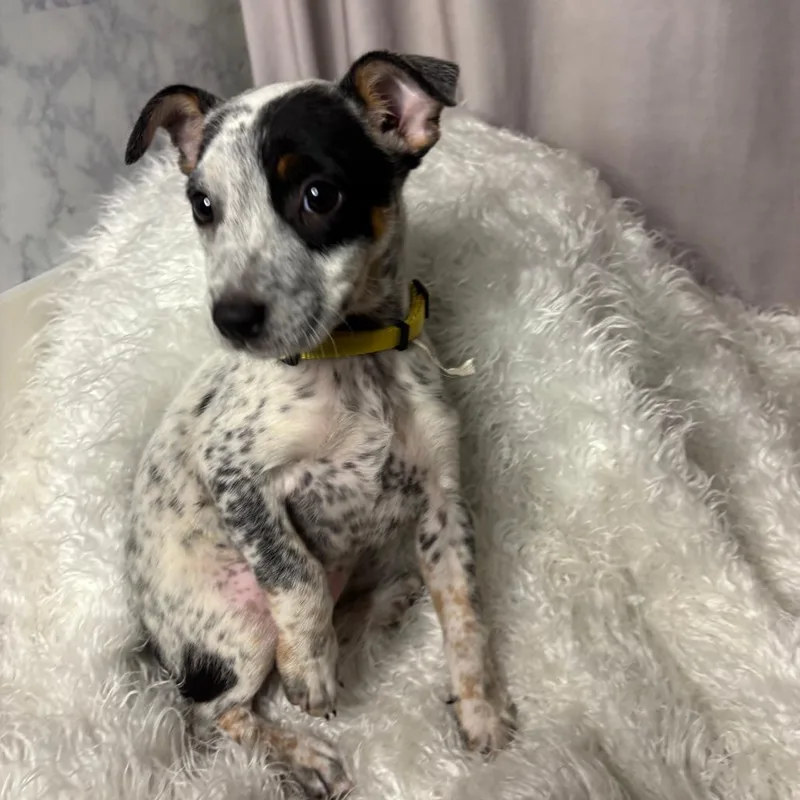
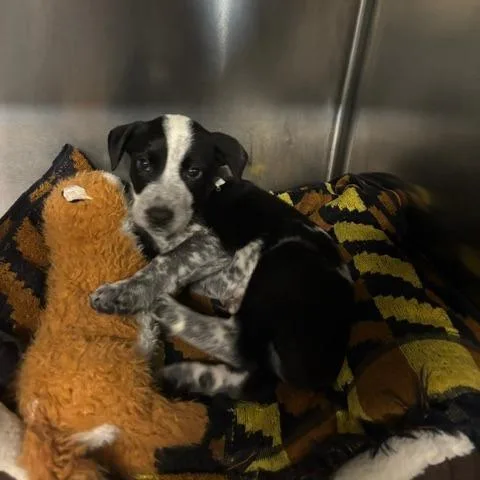
Australian Cattle Dog / Blue Heelers Available for Adoption Near Charleston

About the Australian Cattle Dog / Blue Heeler breed

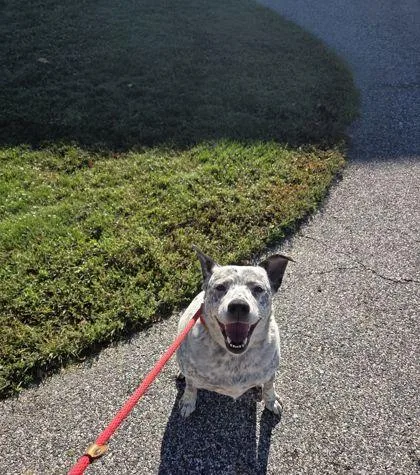
Australian Cattle Dogs, also called Blue Heelers or Queensland Heelers, were developed in nineteenth-century Australia to drive cattle over long distances in heat and dust. They're compact, muscular dogs, usually 35 to 50 pounds, with a short weatherproof double coat in blue or red speckle. Puppies are born white and color in over the first weeks.

Heelers tend to be loyal, clever and alert, and many bond closely with one person while staying reserved with strangers. Their herding instinct can show up as nipping at heels or chasing bikes and kids. In Charleston, steady walks on steep streets, a sturdy fence and regular training give that drive somewhere to go. Many Heelers live 12 to 16 years, so adopting one is a long commitment.

Weight
35–50 lbs
Height
17–20 in
Lifespan
12–16 yrs
Temperament
Energetic, Intelligent, Loyal, Alert
Group
Herding
Shedding
Moderate

Owning an Australian Cattle Dog / Blue Heeler in Charleston

Having an Australian Cattle Dog / Blue Heeler in Charleston

Work drive, stamina and a sharp mind define a Heeler more than size does. In Charleston, hills and trails help burn off energy, while a fenced yard and steady training keep that intelligence from turning into chewing, digging or nipping.

Temperament

Heelers are usually loyal and alert, often attached to one person and reserved with strangers. In Charleston neighborhoods where deer and the occasional bear wander through, that watchfulness can mean a lot of barking at the window. Early socialization and reward-based training help, and each dog's drive differs, so temperament varies.

Exercise Needs

Plan on an hour or more of vigorous activity daily, plus mental work like puzzle toys or training. Charleston's hilly streets make leashed walks a good workout, and Kanawha State Forest has about 14 miles of foot trails where leashed dogs are welcome. Emma's Place in Cato Park offers a fenced spot for play.

Health Considerations

Heelers are often long-lived, but deafness, progressive retinal atrophy, lens luxation and hip or elbow dysplasia occur in the breed. A veterinarian can test hearing, check eyes and joints, and advise on screening. Tick prevention matters on Charleston's wooded hillsides and trails, and rabies vaccination is required by six months.

Living Space

Charleston's older houses and hillside homes suit a Heeler best with a securely fenced yard, though an apartment can work for owners who deliver long daily exercise. Heelers bark at passersby, which can be a challenge in thin-walled buildings. Charleston limits homes to two dogs, which matters if you already have one.

What it costs to own an Australian Cattle Dog / Blue Heeler in Charleston

ExpenseTypical costPer year
Food$35 to $70 per month$420 to $840
Pet insurance$55 to $100 per month$660 to $1,200
Routine vet care$225 to $450 per year$225 to $450
Other*$431 to $1,156 per year$431 to $1,156
Estimated yearly total (after year one)$1,736 to $3,646

Other costs are estimates and vary with size, age and health.

* Flea, tick and heartworm prevention, a dental cleaning allowance, the Charleston dog tag, durable toys and bedding, and light home grooming for a short coat.

Adopt an Australian Cattle Dog / Blue Heeler in Charleston.

Now that you know more, let’s find you a new best friend. These rescues and shelters below have dogs available in and near Charleston.

Rescues and Shelters in or near Charleston

The Kanawha-Charleston Humane Association has served Charleston since 1935, and its adoptions include spay/neuter, vaccinations and a microchip. Here are the rescues & shelters in the Charleston area with dogs available for adoption, worth asking whether an Australian Cattle Dog / Blue Heeler is coming in.

Frequently Asked Questions

Yes, Charleston has no known breed-specific rule for Blue Heelers, and its dangerous-dog rules are based on a dog's behavior. You'll need a rabies vaccination by six months, a yearly dog tag of about $3, and a leash or secure containment off your property. Homes are limited to two dogs unless the owner gets a city permit.

It can be, for active people. Charleston's hills, riverfront paths and nearby forest trails give a Heeler plenty to do, and a medium-sized dog suits many of its houses. The catch is time: Heelers need a hard daily workout and training, and they tend to bark at passersby, so long workdays away from home are a poor match.

Emma's Place in Cato Park is a fenced dog park on the West Side, and Cato Park also has hiking trails. Kanawha State Forest, south of the city, has about 14 miles of foot trails where dogs must stay leashed. Downtown, Haddad Riverfront Park and Magic Island suit flat walks, though Magic Island floods in high water.

Yes, if you can meet its exercise needs. About 37% of Charleston households rent, and landlords set their own pet policies, so confirm any weight limit, deposit or pet fee in writing. A Heeler's alert barking can bother neighbors in shared buildings, and the two-dog limit applies to rentals. Daily hill walks and puzzle games help keep an apartment Heeler calm.

No, KRT buses don't allow pets, so a Blue Heeler can't ride along unless it's a service animal, which federal law covers. Charleston has no subway or light rail. A car or your own two feet is the practical way to get a Heeler around, and long walks suit the breed anyway.

Mostly yes, with care. Charleston averages about 24 days a year at 90°F or above, mostly in July and August, and summer is humid. Walk early or late, with water and shade on hand. The city's tether limit falls to one hour at 90°F, and a parked car gets dangerous quickly.

Only where the restaurant allows it. West Virginia has no state law on dogs in outdoor dining, so each restaurant sets its own policy, and downtown Charleston has some with dog-friendly patios. Dining rooms generally don't allow pet dogs. A Heeler that's wary of strangers should be calm and settled under a table first.

Very little. A Heeler's short double coat needs weekly brushing, and more during the once- or twice-a-year coat blow. In Charleston's humid summers and muddy springs, a rinse and towel-down handles most messes. Professional grooming is optional, and any cost falls within the $431 to $1,156 yearly Other range, which also covers dental care and parasite prevention.

Blue Heelers typically live about 12 to 16 years, and a recent UK study put the breed's average life expectancy at about 14 years, longer than many purebreds. A famous Australian Cattle Dog named Bluey reportedly lived over 29 years, though such records are hard to verify. Staying lean and active and getting regular checkups support a long life.

Expect roughly $35 to $70 a month for food, $55 to $100 a month for insurance, $225 to $450 a year for routine vet care, and $431 to $1,156 a year for other costs. That comes to about $1,700 to $3,650 a year. Adoption fees are shown on the listings.